
There's a particular kind of magic in sliding into a steaming pool of mineral water with snow-capped peaks rising all around you.
That's the experience waiting at Banff Upper Hot Springs — one of the most iconic and accessible attractions in Banff National Park. Sitting at 1,585 metres above sea level, it's the highest-elevation hot spring in Canada, and people have been soaking here since the 1880s. Whether you're a local looking for a quick escape or visiting Alberta for the first time, this is one of those rare attractions that genuinely lives up to the hype.
In this guide, you'll find everything you need to plan your visit — 2026 prices, hours, what the experience is actually like, how to get there, and the honest tips that will make your soak better. I'll also share my own experience visiting the springs and what surprised me.
What Are the Banff Upper Hot Springs?
Banff Upper Hot Springs is a developed outdoor pool filled with naturally heated mineral water. The water originates deep underground, where it's warmed by the Earth's heat and pushed to the surface through a crack in the Earth's crust called the Sulphur Mountain Thrust Fault.
As the water rises, it picks up minerals along the way — sulphate, calcium, bicarbonate, magnesium, and sodium — which is what gives the springs their distinctive feel (and that faint mineral smell). The water emerges at a comfortable temperature, kept between 37°C and 40°C (98°F to 104°F) in the pool, which is warm enough to soothe tired muscles without being uncomfortable.
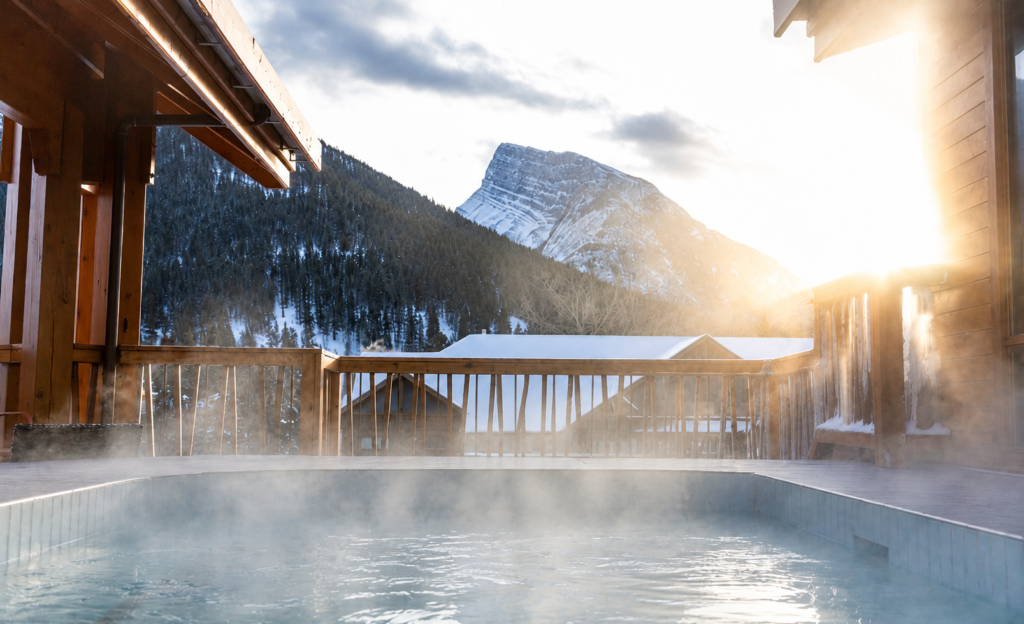
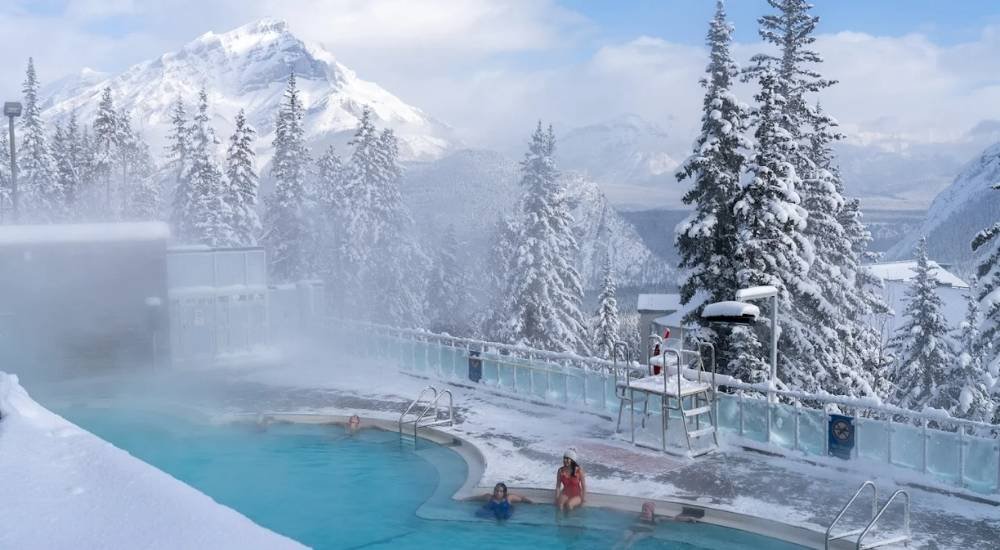
The result is a relaxing outdoor soak with one of the best mountain backdrops you'll find anywhere — views of Mount Rundle and the surrounding peaks rising right above the water.
A Quick Bit of History
The Banff Upper Hot Springs aren't just a place to relax — they're tied to the very founding of Canada's national park system.
In 1883, three railway workers discovered natural hot springs on the side of Sulphur Mountain. The discovery sparked a dispute over who owned the springs, which led the Canadian government to step in and create Banff as Canada's first national park in 1885. In other words, this humble hot spring helped launch the entire Canadian national parks system.
The springs were developed into a resort and spa to cater to wealthy travellers arriving by the Canadian Pacific Railway, who would stay at the grand Banff Springs Hotel. The current stone bathhouse was originally built in 1932 and has been restored over the years. It's now recognized as a federal heritage building, complete with interpretive exhibits sharing the history of the springs.
Important 2026 Update: The Springs Reopened After Renovation
Here's something many older guides don't mention. The Banff Upper Hot Springs were closed for several months in 2025 for a major renovation and facility upgrade, reopening in early 2026.
If you visited years ago, you'll notice some changes:
- Updated bathhouse facilities
- New interpretive exhibits about the history and science of the springs
- Refreshed change rooms and amenities
- Updated admission prices (more on this below)
The renovation preserved the historic charm of the 1932 bathhouse while modernizing the visitor experience. If you've been before, it's worth a return visit to see the updates.
Always check the official Parks Canada website before you go, as periodic maintenance closures can happen and hours sometimes change seasonally.
Banff Upper Hot Springs Prices (2026)
Admission is first-come, first-served — no reservations needed. Following the 2026 renovation and reopening, the updated prices are:
- Adult: around $19.75 CAD
- Senior (65+): around $17.25 CAD
- Youth (3–17): around $17.25 CAD
- Child (under 3): free
Rentals available on-site:
- Swimsuit rental (modest vintage-style suits available)
- Towel rental
- Locker rental
Prices are subject to change, so it's smart to confirm current rates on the Parks Canada website before your visit. If you're planning to visit multiple hot springs, note that an annual pass can be used at Banff Upper Hot Springs, Miette Hot Springs, and Radium Hot Springs — a great deal if you're touring the Rockies.
A quick note: the hot springs pool admission is separate from your Banff National Park entry pass. You'll need both — though the park pass is what gets you into the park itself, while the pool admission gets you into the springs.
Banff Upper Hot Springs Hours
The springs are generally open daily, year-round, including most Canadian holidays. Standard hours are:
- Open daily: typically 1:00 PM to 10:00 PM
- Last admission: 30 minutes before closing (around 9:30 PM)
Hours can vary seasonally and may differ during the post-renovation period, so always check the official Parks Canada website for current hours before your visit. This is especially important right after the reopening, when schedules can shift.
Most people spend 1 to 2 hours soaking and enjoying the scenery. There's no strict time limit within operating hours, but health experts recommend not staying continuously immersed for more than 20 minutes at a time (less for children).
What to Expect: My Honest Experience
Let me share what the visit was actually like, since that's the part most guides skip.
First Impressions
As soon as you step out of the car, the crisp mountain air hits you, along with that first stunning view of Mount Rundle towering in the distance. The bathhouse adds a nostalgic charm with its classic 1930s stone architecture. The facility is well-maintained, and the staff move people through the entrance efficiently.
The Soak
The hot springs themselves are genuinely special. Easing into the warm, mineral-rich water, you feel the stress of travel start to melt away (I won't exaggerate and say it cures everything — but it comes close). The pool sits at a comfortable temperature, warm enough to relax in without feeling overheated.
Sitting back in the water, you can't help but marvel at the view. Snow-capped peaks and green forests surround the pool, making it feel like a secluded mountain retreat — even though you're just minutes from town.
One thing that stood out was the diversity of people in the pool. Visitors from all over the world come to experience the soothing waters. Some chat softly, others float with their eyes closed, simply taking it all in. When the pool isn't busy, you can find a quiet corner and have a genuinely peaceful soak. During peak hours, though, it gets crowded — which brings me to the tips section below.
Amenities and Facilities
After your soak, take a moment to explore the bathhouse. The change rooms are clean and equipped with showers, which feels great after the mineral water. There's also a small gift shop where you can pick up souvenirs, including locally made bath products. An ATM, picnic spots, and walking trails are also on-site.
The Minerals in the Springs
For the curious, here's what's actually in the water. The five main minerals in Banff Upper Hot Springs are:
- Sulphate: 572 mg/l
- Calcium: 205 mg/l
- Bicarbonate: 134 mg/l
- Magnesium: 42 mg/l
- Sodium: 6.6 mg/l
The high mineral content is part of what gives the water its soothing quality. Many people believe these minerals offer therapeutic benefits, especially for sore muscles after a day of hiking — though the relaxing warmth alone is reason enough to visit.
A fun fact that still puzzles scientists: in winter, the natural spring water flow sometimes dries up, and the pool is topped up with heated municipal water instead. Either way, the soak is just as relaxing.
Tips for Your Visit
A few honest tips to make your experience as good as possible.
Time your visit to avoid crowds. The springs get busy, especially during peak tourist seasons. To beat the crowds, visit early in the morning (before 10:30 AM) or later in the evening (after 6 PM). Weekdays are quieter than weekends.
Bring or rent a swimsuit. Street clothes aren't allowed in the pool. You can bring your own swimsuit, rent one on-site, or even buy a vintage-style "swimming costume" from the gift shop for a fun, nostalgic touch. Freshly laundered T-shirts and shorts are also permitted.
Bring a towel (or rent one). Towel rentals are available, but they cost extra. Bringing your own saves a little money.
Stay hydrated. The heat can dehydrate you faster than you'd expect. Drink plenty of water before and after your soak.
Consider your health. If you have heart conditions, high blood pressure, or are pregnant, consult your doctor before soaking. The heat affects everyone differently.
Visit in winter for the most magical experience. The contrast between the steaming hot water and the crisp, snowy mountain air is unforgettable. Steam rises off the pool, snow falls around you, and the mountains form silhouettes against the sky. Just be prepared for the cold dash from the change room to the water.
Don't soak too long. Limit continuous immersion to about 20 minutes at a time, then take a break. This keeps you from overheating.
How to Get to Banff Upper Hot Springs
The springs sit at the end of Mountain Avenue, at the base of Sulphur Mountain (right near the Banff Gondola), about a 12-minute drive from downtown Banff.
By Car: From Banff town, cross the Bow River bridge and turn onto Mountain Avenue. Follow it to the very end. There's a parking lot right at the entrance, but it fills up quickly during peak times. Arriving mid-morning on a weekday, you'll likely find the lot busy but manageable. On weekends or in peak season, arrive early or use the bus.
By Bus: Roam Transit Route 1 takes you right to the hot springs. It's a convenient, affordable option that saves you the parking hassle. Check the current schedule before you go.
By Foot or Bike: For the active, there's a scenic walking and biking path of about 4 to 4.7 km from town up to the springs. A rewarding way to arrive — and the soak feels even better after the climb.
Address: 1 Mountain Avenue, Banff
Nearby Attractions to Combine With Your Visit
The hot springs pair beautifully with several nearby attractions, since they're all clustered at the base of Sulphur Mountain.
Banff Gondola. Right next door, the Banff Gondola carries you up Sulphur Mountain for panoramic views of six mountain ranges. Combine it with your soak for a perfect Sulphur Mountain day.
Cave and Basin National Historic Site. This is where Canada's national parks system began — the lower hot springs were first discovered in 1883. The site offers fascinating history and a look at the unique cave geology. It's a short drive from the Upper Hot Springs.
Banff Townsite. The charming town of Banff is full of shops, restaurants, and galleries. A stroll down Banff Avenue is the perfect way to round off a relaxing day. For ideas on planning a full Banff trip, check out the 3, 5, and 7-day Banff itinerary blog, which walks through complete day-by-day plans.
Is Banff Upper Hot Springs Worth It?
Honestly — yes. For the price of admission, you get one of the most relaxing, scenic, and historically rich experiences in Banff National Park. It's accessible to almost everyone (the bathhouse is wheelchair accessible), open year-round, and suitable for solo visitors, couples, and families alike.
It's not a wilderness adventure or an adrenaline rush. It's the opposite — a calm, restorative soak with a million-dollar view. After a long day of hiking, driving, or sightseeing, there are few better ways to end the day in the Rockies.
If you only have time for one relaxing activity in Banff, make it this one.
Final Thoughts
The Banff Upper Hot Springs are more than just a place to relax — they're a journey into the heart of the Canadian Rockies, where nature and history come together in one steaming, scenic pool. From the 1880s discovery that created Canada's first national park, to the freshly renovated bathhouse welcoming visitors in 2026, the springs carry a story that few other attractions can match.
Whether you're soaking in the therapeutic waters, gazing at Mount Rundle, or warming up after a snowy winter day, a visit here belongs on any Banff itinerary. Pack your swimsuit, grab a towel, and get ready to unwind in one of Canada's most iconic natural wonders.
For more first-timer guides, day trip ideas, and honest advice from across the province, keep exploring AlbertaTourist.com. We're here to help you make the most of every trip to the Canadian Rockies.
Frequently Asked Questions
-
How much does it cost to visit Banff Upper Hot Springs?
Following the 2026 renovation, admission is approximately $19.75 for adults, $17.25 for seniors (65+), and $17.25 for youth (3–17). Children under 3 are free. Prices are subject to change, so check the Parks Canada website for current rates. Swimsuit, towel, and locker rentals are available for a small extra fee.
-
What are the Banff Upper Hot Springs hours?
The springs are generally open daily, year-round, typically from 10:00 AM to 10:00 PM, with last admission 30 minutes before closing. Hours can vary seasonally and may differ after the 2026 reopening, so always confirm current hours on the Parks Canada website before your visit.
-
How do you get to Banff Upper Hot Springs?
You can drive (12 minutes from downtown Banff, with parking on-site), take the Roam Transit Route 1 bus, or walk/bike the scenic 4 km path from town along Mountain Avenue. The address is 1 Mountain Avenue, Banff.
-
Is Banff Upper Hot Springs worth visiting?
Yes, it's one of Banff's most relaxing and iconic experiences, offering mineral-rich waters, stunning mountain views, and deep historical significance, all at an affordable price. It's accessible year-round and suitable for all ages.
-
How long should you spend at Banff Upper Hot Springs?
Most people spend 1 to 2 hours enjoying the soak and the scenery. Health experts recommend limiting continuous immersion to about 20 minutes at a time (less for children) to avoid overheating.
-
What are the benefits of Banff Upper Hot Springs?
The springs offer relaxation, muscle relief, and the potential therapeutic benefits of mineral-rich water (sulphate, calcium, magnesium, sodium, and bicarbonate). The warm water is especially soothing after a day of hiking or sightseeing.
-
Are towels provided at Banff Upper Hot Springs?
Towels are not provided for free, but you can rent one on-site for a small fee. Bringing your own towel and swimsuit saves a little money.
-
Does Banff Upper Hot Springs smell?
The water has a mild sulphur smell, which is completely natural for mineral hot springs. Most visitors stop noticing it within a few minutes.
-
Who should not go in the hot springs?
People with heart conditions, high blood pressure, or who are pregnant should consult a doctor before visiting. The heat affects everyone differently, and it's always best to be cautious.
-
Can you use a Banff park pass at the hot springs?
A Banff National Park entry pass gets you into the park, but the hot springs pool admission is separate. If you have a Hot Springs annual pass, it can be used at Banff Upper Hot Springs, Miette Hot Springs, and Radium Hot Springs.


0 Comments