
Banff National Park remains one of the most spectacular destinations in the Canadian Rockies. Every year, millions of travellers search for fun things to do in Banff, Canada, hoping to experience the turquoise lakes, soaring peaks, and endless outdoor adventures that make this region legendary.
This Banff travel guide cuts through the noise to deliver exactly what you need to know about the best Banff National Park activities, from sunrise at Moraine Lake to soaking in steamy hot springs surrounded by snow-capped mountains.
Planning a Banff vacation means choosing from hundreds of incredible experiences spread across 6,641 square kilometres of protected wilderness.
The Bow Valley corridor serves as the heart of the action, with Banff townsite providing a perfect base camp for Rocky Mountain outdoor adventure. This guide focuses on ten unforgettable activities that showcase why Banff remains at the top of every nature lover's bucket list.
Each recommendation includes practical details about timing, costs, and logistics to help you maximize your time and budget in the Canadian Rockies.
1. Ride the Banff Gondola
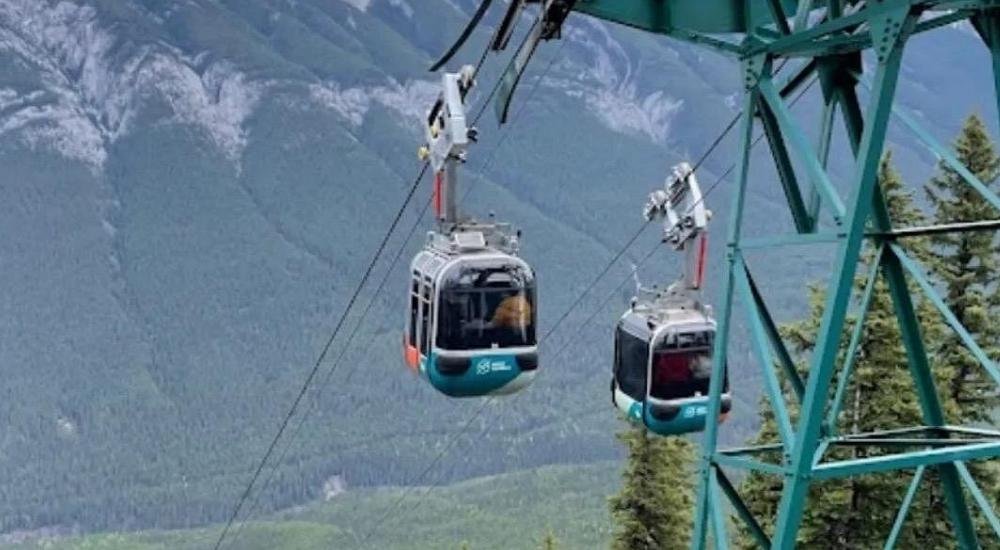
Riding the Banff Gondola is one of the best ways to enjoy world-class mountain views without a long or difficult hike. The gondola takes about eight minutes to reach the top of Sulphur Mountain at an elevation of 2,281 meters (7,486 feet).
There, you can step onto large observation decks and follow the summit boardwalk for full 360-degree views of Banff, Mount Rundle, Cascade Mountain, and the Bow Valley.
This experience is great for families, couples, solo travellers, and anyone who wants easy access to high-elevation scenery.
The Banff Gondola runs all year, so you can enjoy the summit in every season. Ticket prices in 2025 start at around $74 for adults and $50+ for youth, and children five and under usually ride free.
The base station is about 5 km from downtown Banff, and you can reach it by car, Roam Transit, or the seasonal shuttle. Parking fills quickly in summer, so using transit makes the trip easier.
If you want a cheaper alternative, you can hike up the 5.5 km Sulphur Mountain Trail, which takes most people between 1.5 and 3 hours and climbs about 655 metres.
The best time to ride the Banff Gondola is during a clear summer sunset or a calm winter evening. Sunset paints the mountains in warm gold, making it perfect for photos and travel videos.
Winter offers peaceful snow-covered views and bright stars after dark, which turn the summit into a magical setting. No matter the season, it gets cooler at the top, so bring extra layers, especially if you plan to stay for dinner at Sky Bistro or explore the boardwalk.
Buy a ticket for the Banff Gondola.
2. Visit Lake Louise
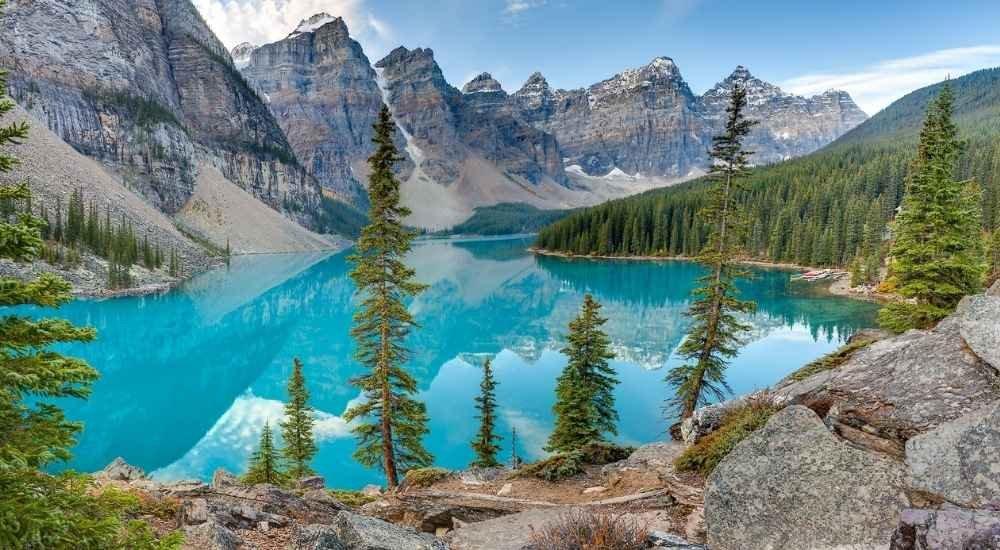
Lake Louise is one of the most famous places in Banff National Park. Visiting this popular lake is one of the best things to do in Banff. The lake is known for its bright emerald water and the stunning Victoria Glacier in the background.
Many visitors come to enjoy Lake Louise activities like canoeing, hiking, and sightseeing. In summer, the lake is calm and perfect for Lake Louise canoe rental, which usually costs $155–$185 per hour.
You can also enjoy the popular Lake Agnes Tea House trail, a 7 km round-trip hike that takes about 2 to 3 hours. From mid-June to early October, the lake shows its strongest turquoise colour, making it a top pick for travellers searching for things to do in Banff.
The lake is about 57 km (40 minutes) from the town of Banff, so plan your timing if you want a smooth visit.
In winter, Lake Louise becomes a snowy paradise. The lake freezes from December to March, which gives visitors the chance to enjoy Lake Louise winter skating and peaceful horse-drawn sleigh rides. Snowshoeing and short winter walks also make it a fun and safe place to explore for all ages.
To enjoy a relaxed experience during peak season, arrive before 9 AM or later in the afternoon when the crowds are less. Parking fills fast in summer, so using the shuttle or overflow lot can save time.
3. Visit Moraine Lake
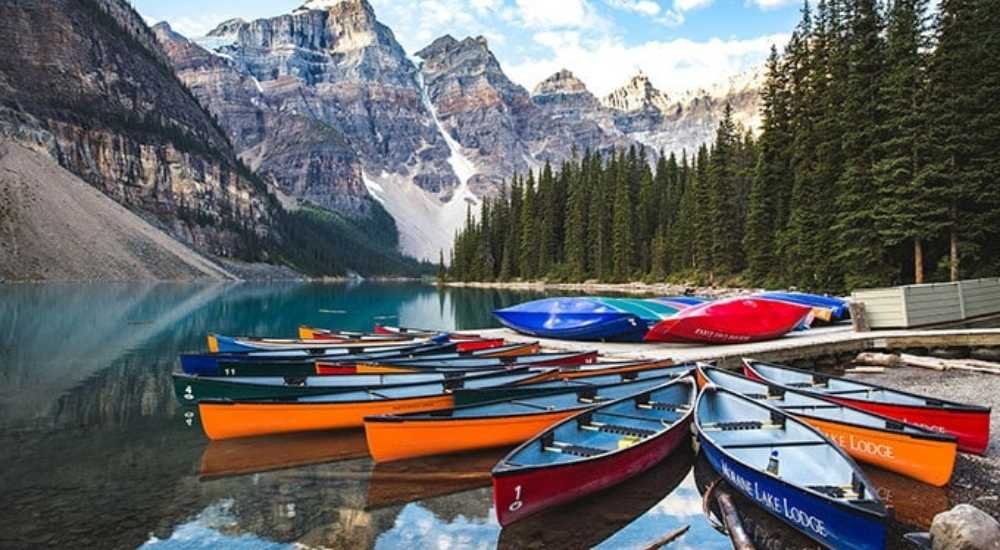
Moraine Lake is obviously one of the top Banff attractions. This lake is famous for its bright blue water and the dramatic Valley of Ten Peaks rising behind it.
The lake is about 14 km from Lake Louise and reflects its strongest colour from mid-June to September, when the glacier melt is at its peak.
Most visitors come for easy Moraine Lake activities like photography, short walks, and climbing the Rockpile Trail, a quick 300-metre path that gives the classic postcard view.
The water stays frozen until early summer, so planning your visit during the open season helps you enjoy the full beauty of the lake.
Private parking is restricted because private vehicles can not access the road. So, most travellers use the Moraine Lake shuttle, which costs around $8–$12 per person plus a small reservation fee. You can book the reservations through the BanffNow website.
Shuttles start from the Lake Louise area and take about 20 minutes to reach the lake. Seats sell out fast in summer, so booking early is the best way to secure your spot.
If you enjoy sunrise photos, arrive at dawn with a guided shuttle or tour, because private vehicles cannot access the road.
4. Drive the Spectacular Icefields Parkway
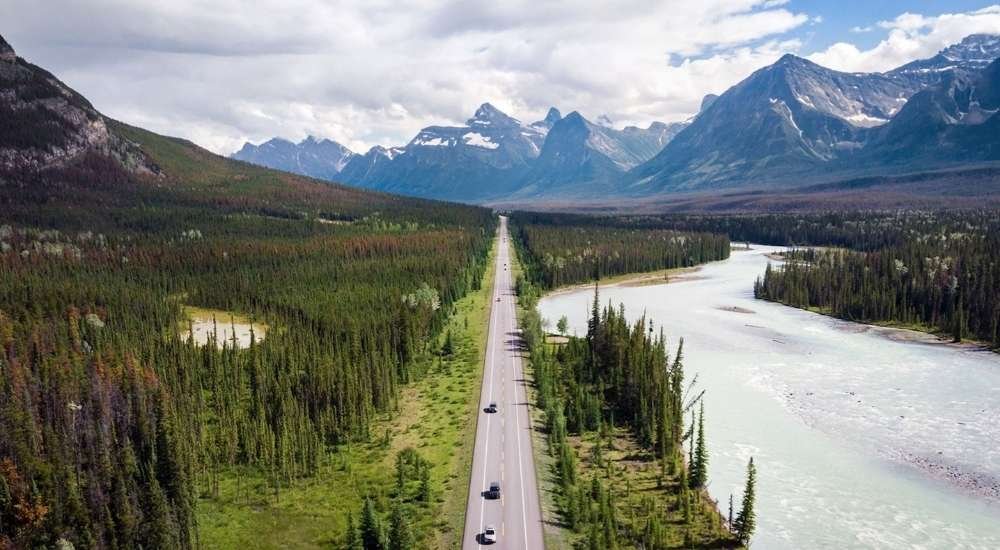
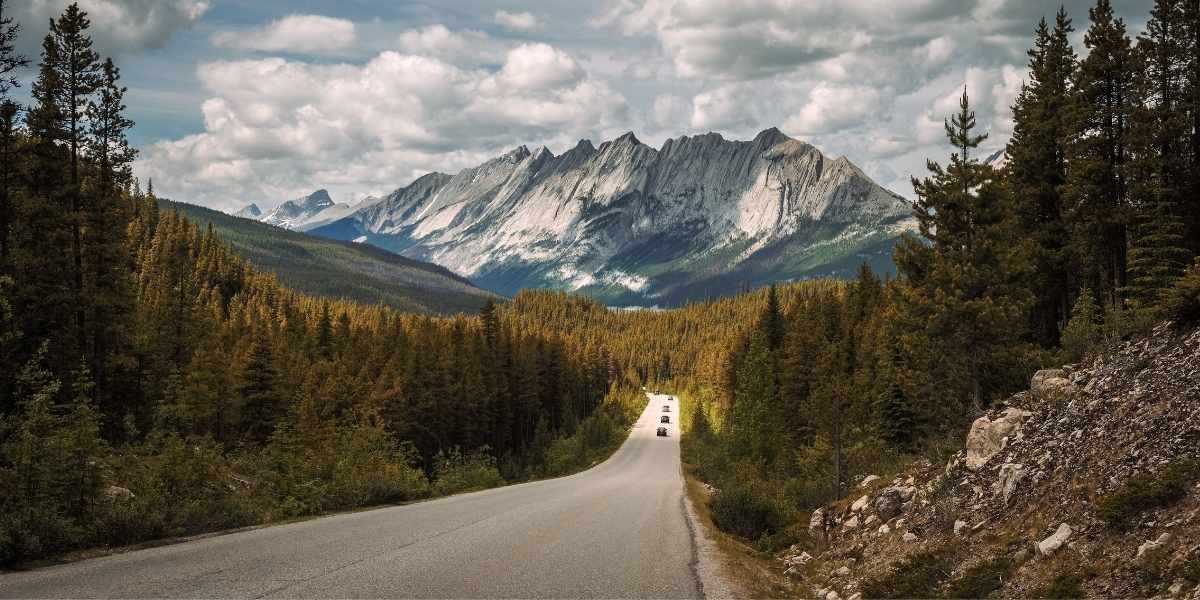
Driving the Icefields Parkway is one of the most unforgettable Banff adventures; the road is known for its endless mountain views, glaciers, and bright blue lakes.
The route stretches 232 km between Lake Louise and Jasper, and most visitors spend 3–5 hours exploring the scenic stops along the way.
One of the best places to see along the Icefields Parkway is Peyto Lake, famous for its turquoise colour and its “fox head” shape. To reach the Peyto Lake viewpoint, park at Bow Summit, walk the easy 10-minute boardwalk, and enjoy one of the brightest glacier-fed lakes in the Rockies.
From late June to early October, the water is fully thawed, giving the strongest colours and making this drive one of the top Icefields Parkway activities.
As you continue north, you will pass more incredible stops along the way, like Bow Lake, Herbert Lake, Crowfoot Glacier, and Waterfowl Lakes.
The Columbia Icefield Discovery Centre provides tours onto the Athabasca Glacier in specialized Ice Explorer vehicles. Sunwapta Falls and Athabasca Falls both feature easy walks to powerful cascades. These Weeping Walls create dramatic ice climbing routes in winter.
Most of these viewpoints are only a few minutes from the road, which makes the parkway perfect for families, road-trip lovers, and anyone wanting simple things to do in Banff.
You do not need a special ticket to drive the highway, but you must have a valid Parks Canada pass, which starts at about $11 per adult per day or $22 per car.
5. Explore the Cave and Basin National Historic Site
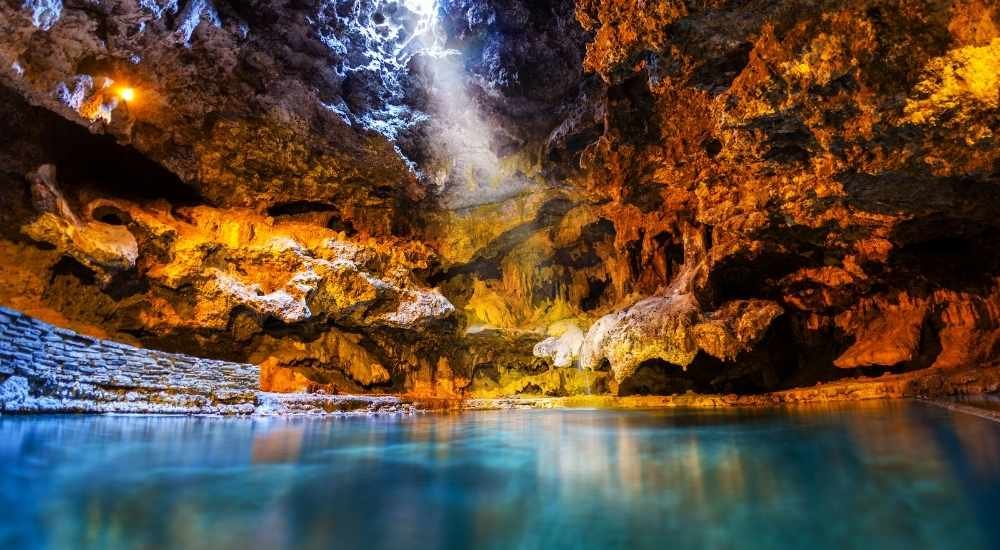
The Cave and Basin National Historic Site gives you a real look at the birthplace of Canada’s national parks. Located only about 2 km from downtown Banff, it is easy to reach by walking, driving, or taking a local shuttle.
Entry is around CA $8 for adults and CA $5 for youth, and you can explore the warm mineral springs, wooden boardwalk, and historic displays in about 45–60 minutes.
This mix of indoor and outdoor areas makes it a great stop all year. The soft glow of the cavern and the light smell of sulphur create a unique atmosphere that many visitors remember during their Banff sightseeing trips.
The boardwalk trails outside the cave give you clear views of the bubbling springs and the protected habitat around them. You will also learn how early explorers discovered these waters and pushed for the creation of the national park system.
The site is calm, educational, and perfect for families, solo travellers, and anyone who wants to understand the deeper story of Banff.
Just 3 km from the town centre, the Banff Upper Hot Springs is the best place to unwind after a day of exploring. The water stays between 38–40 °C, and the mountain views are some of the best in the area.
6. Enjoy a Banff horseback riding adventure
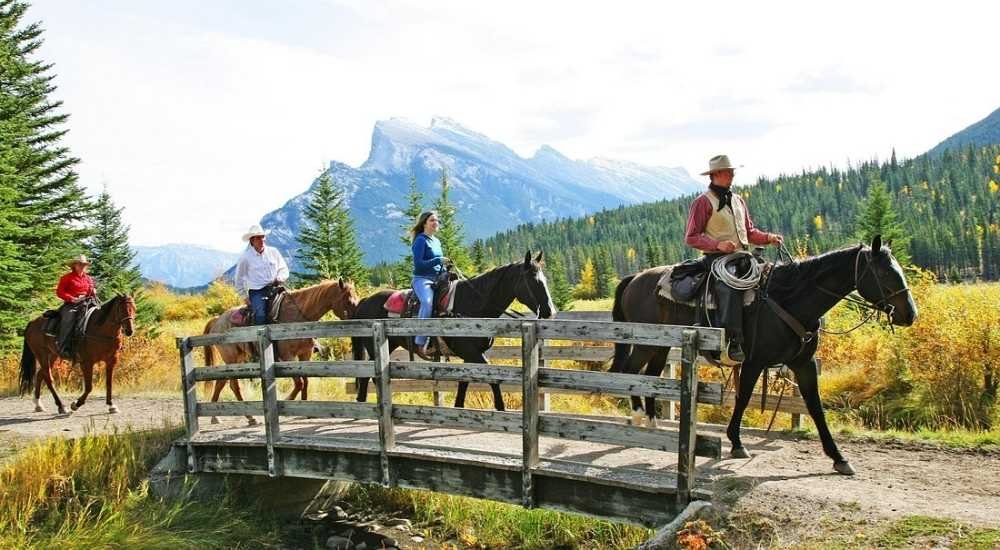
A Banff horseback riding adventure is one of the best ways to explore the Rocky Mountain scenery at a slow and relaxing pace.
Most tours start at Banff Trail Riders Stables on Sundance Road, about a 5-minute drive or 20-minute walk from downtown, with free parking.
Riders spend about 2 hours on the trail and follow trained guides at the front and back, which helps keep the experience safe for beginners. Kids must be 8 years or older, and riders need to be under 230 lbs (104 kg) to protect the horses.
The tour usually costs around CA $120–$250 per person, and helmets plus basic riding instruction are included. This activity is great for families and first-timers who want a calm outdoor activity while enjoying top Banff activities, Banff tours, and Rocky Mountain adventures.
On the trail, you will follow the Sundance Loop, riding along the Bow River with views of the Bow Valley, marshlands, and the lower slopes of Sulphur Mountain.
Many riders enjoy spotting elk, deer, or birdlife along the way, which makes this one of the most memorable Banff outdoor experiences.
The route also passes the historic Cave and Basin area and climbs gently toward Windy Knoll, a viewpoint known for wide, open landscapes, which is perfect for photos.
Guests must arrive 30 minutes before the start time for check-in, and the ride ends back at the same stable. This mix of safety rules, expert local guides, and natural beauty gives the tour strong trust and value for travellers searching for Banff trail rides.
7. Soak at Banff Upper Hot Springs
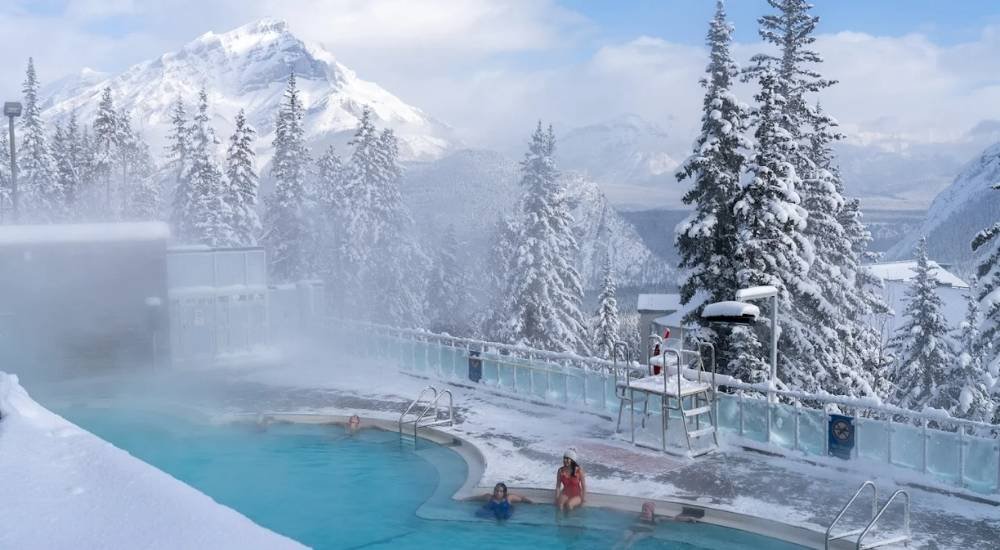
A visit to Banff Upper Hot Springs is fun if you want a warm and relaxing break surrounded by mountain views. The historic bathhouse dates to the 1930s, featuring period architecture and modern facilities that blend heritage with comfort.
Large windows frame views of Mount Rundle while you float in the mineral-rich water.
The hot springs water contains sulphate, calcium, bicarbonate, magnesium, and sodium, minerals that many believe provide therapeutic benefits for sore muscles and joints after long days of hiking or skiing.
The mineral-rich water stays between 38–40°C (100–104°F) all year, and the pool sits high on the slope of Sulphur Mountain, only 5 minutes from downtown Banff by car.
Entry is usually around CA$17–$18 for adults, locker rooms provide secure storage for valuables, and swimsuit rentals cost $2.25 while towel rentals also cost $2.25. The on-site café serves light meals and hot drinks, allowing you to warm up after your soak.
The hot springs feel amazing on chilly days, and in winter, the steam rising against the snow-covered peaks creates a classic Banff winter experience.
Early mornings, especially on weekdays, are the quietest time to enjoy the pool before crowds arrive.
The on-site bathhouse has change rooms, showers, and a small café, so you can relax with a warm drink after your soak.
Most visitors spend 45–60 minutes enjoying the heat, which makes it an easy stop during a full day of exploring Banff attractions and Banff National Park activities.
The facility stays open until 10:00 PM in summer, allowing for stargazing from the warm water. Combine your visit with the nearby Banff Gondola for a perfect half-day itinerary.
The hot springs parking lot fills quickly on weekends, so consider walking the 1.5 kilometres from town or taking Roam Transit Route 1.
8. Hike Johnston Canyon
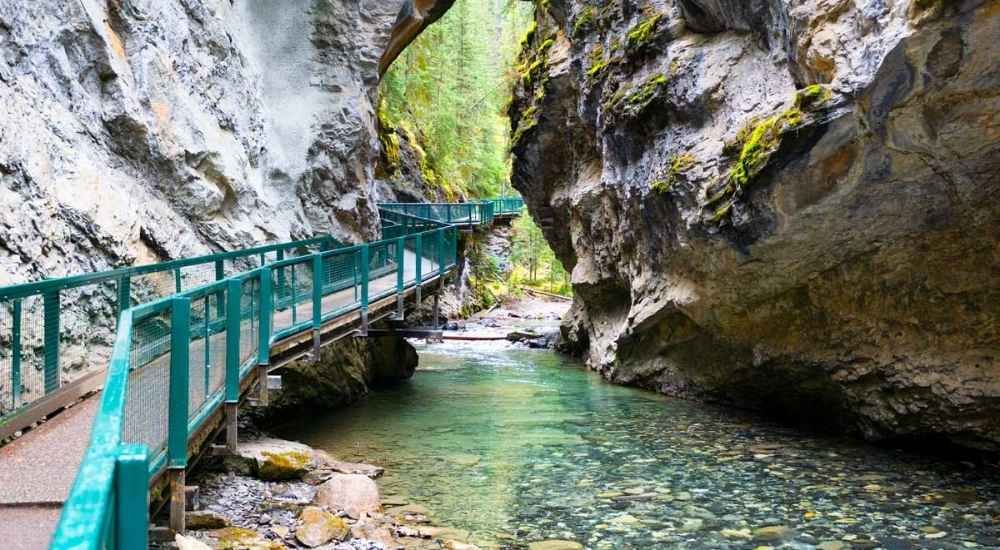
Hiking Johnston Canyon is one of the most popular things in Banff for visitors who want a mix of adventure and easy access to stunning scenery.
The trail is built on sturdy boardwalks that cling to the limestone canyon walls, giving hikers close views of turquoise streams, waterfalls, and rushing cascades.
The full hike to the Upper Falls is about 5.4 km round-trip and takes roughly 2–3 hours at a moderate pace.
In summer, the falls are full and roaring, which creates a spectacular scene, while in winter (December–March), the frozen waterfalls turn into icy sculptures perfect for photos.
The canyon is about 25 km (30 minutes) from downtown Banff, and that makes it an easy day trip for anyone seeking memorable Banff sightseeing experiences.
For the best visit, start your hike in the early morning or late afternoon to avoid crowds and enjoy a more peaceful walk. Sturdy shoes are essential, and microspikes are recommended in winter for safe footing on icy paths.
If you have extra time and energy, continue past the Upper Falls to the Ink Pots, a series of serene mineral springs set in beautiful meadows. This extension adds about 5 km round-trip and offers a quiet, less-travelled section of the canyon.
9. Visit the Whyte Museum of the Canadian Rockies
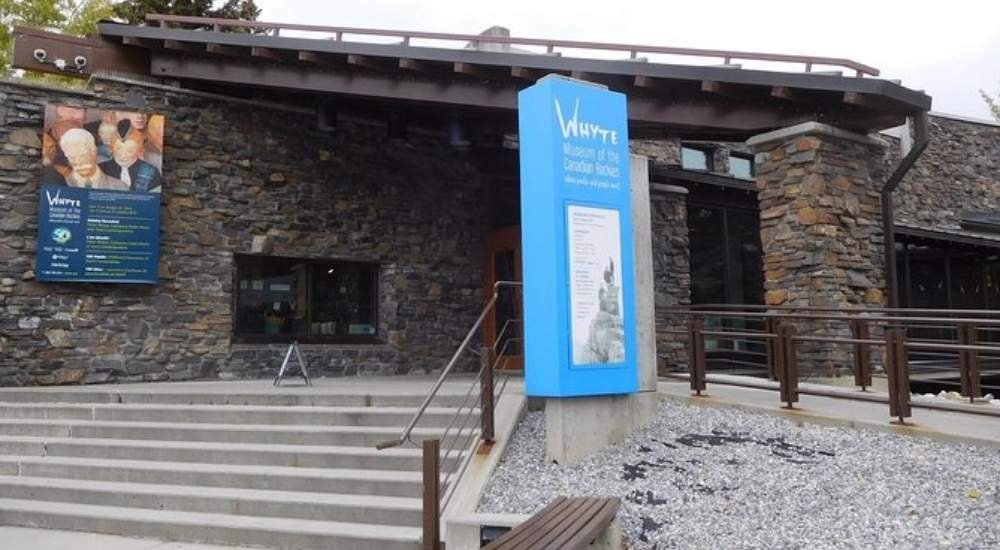
A visit to the Whyte Museum of the Canadian Rockies will allow you to learn about the region’s art, culture, and history. The museum showcases stories from Indigenous communities, early explorers, and the pioneer families who helped shape Banff.
It is located just a 5-minute walk from Banff Avenue. The museum is easy to reach and usually takes 1–2 hours to explore. Admission is often around CA$12–$14 for adults, which is what makes it an affordable Banff activity for travellers who enjoy museums and cultural experiences.
The galleries feature paintings, photographs, artifacts, and rotating exhibits that highlight the beauty and history of the Canadian Rockies, giving visitors a deeper understanding of the area beyond the scenery.
The museum is open year-round, though it is often closed on Mondays, so it’s a good idea to plan your visit ahead of time.
In the summer months, guests can also wander through the nearby historic log homes, which add an immersive outdoor element to the visit.
The Whyte Museum is quiet, educational, and perfect for travellers who want meaningful Banff cultural activities, especially on rainy days or after a busy morning of sightseeing.
10. Cruise and Explore Lake Minnewanka
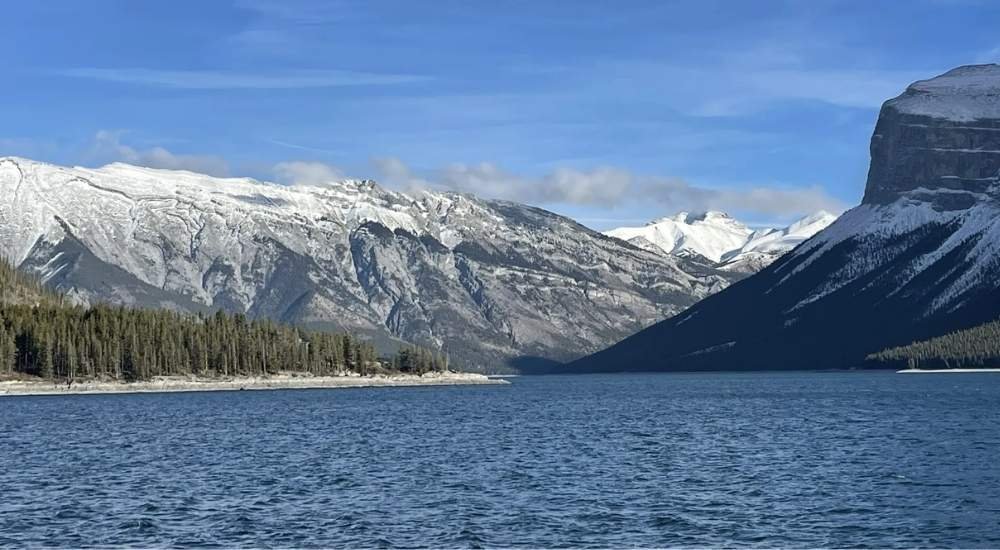
Lake Minnewanka is a mix of sightseeing and outdoor activities on Banff’s largest lake. Stretches 21 km long, this glacial lake sits just 15 minutes northeast of Banff town, accessible by a scenic drive that loops back to the highway.
The name means "Water of the Spirits" in the Stoney Nakoda language, reflecting the area's deep indigenous history.
A massive hydroelectric dam at the far end raises the water level, submerging an entire lakeside resort village that operated in the late 1800s.
In summer, you can enjoy a guided Lake Minnewanka boat cruise, which usually runs from June to September and costs around CA $65–$75 per adult.
The cruise shares stories about wildlife, geology, and the submerged village beneath the water. You can also rent a canoe, walk the lakeshore, or enjoy a relaxed picnic with stunning mountain views.
These activities make the area perfect for travellers searching for Banff lake adventures, Banff boat tours, and summer activities in Banff National Park.
In winter, Lake Minnewanka transforms into a snowy playground, and the surrounding area becomes a starting point for snowshoeing, winter hiking, and sometimes skating when conditions allow.
From December to March, the frozen lakeside offers a peaceful escape with fewer crowds and clear views of the surrounding peaks.
Visitors often combine a stop at Lake Minnewanka with quick trips to Two Jack Lake and Johnson Lake, both nearby and great for photography, paddling, and wildlife viewing.
11. Hit the Slopes at SkiBig3
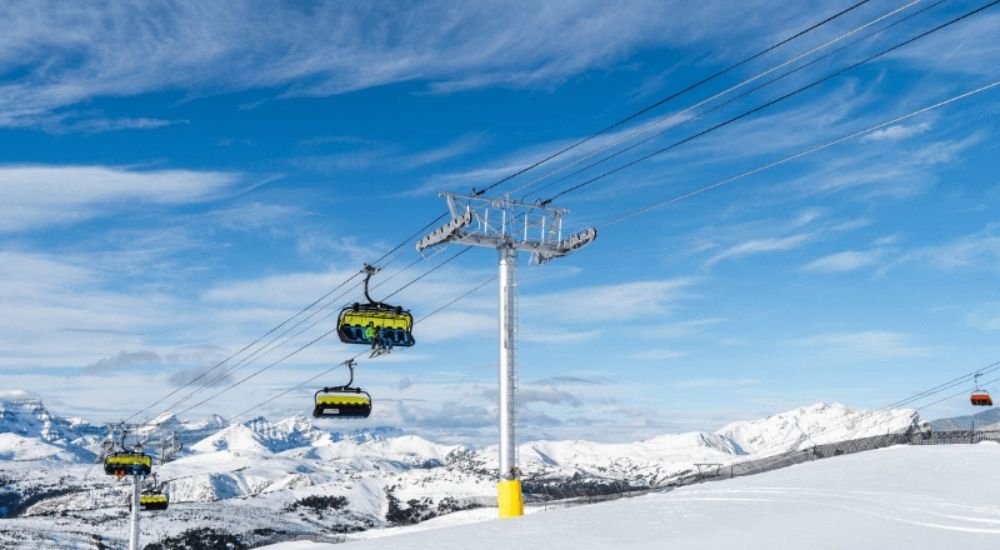
Skiing the SkiBig3 resorts is my top choice for things to do in Banff in winter. Sunshine and Lake Louise offer long seasons from November to May, with lift tickets usually ranging from CA $150–$200 per day.
The best snow conditions are from mid-December to April, making this a peak time for travellers searching for Banff skiing, snowboarding, and winter activities in Banff National Park.
The SkiBig3 Pass helps you save money and gives you access to all three mountains. Lake Louise stands out with 4,200 acres of terrain, clear run zones for beginners to experts, and legendary back bowls.
Sunshine Village gets over 30 feet of snow every year and offers long scenic rides like the 12 km Top of the World run. Both mountains deliver world-class snow, big viewpoints, and unforgettable Rocky Mountain landscapes.
Mt. Norquay, only 10 minutes from Banff, is perfect for half-day trips, quick laps, and night skiing under the lights. It also has a family-friendly tubing park and challenging runs for advanced skiers who want steep terrain without big crowds.
Rentals, ski lessons, and cafés are available at all three resorts, with group lessons starting around CA$100.
Free resort shuttles run from Banff hotels to Sunshine and Norquay, while Lake Louise operates its own bus service from town.
12. Discover the Buffalo Nations Luxton Museum
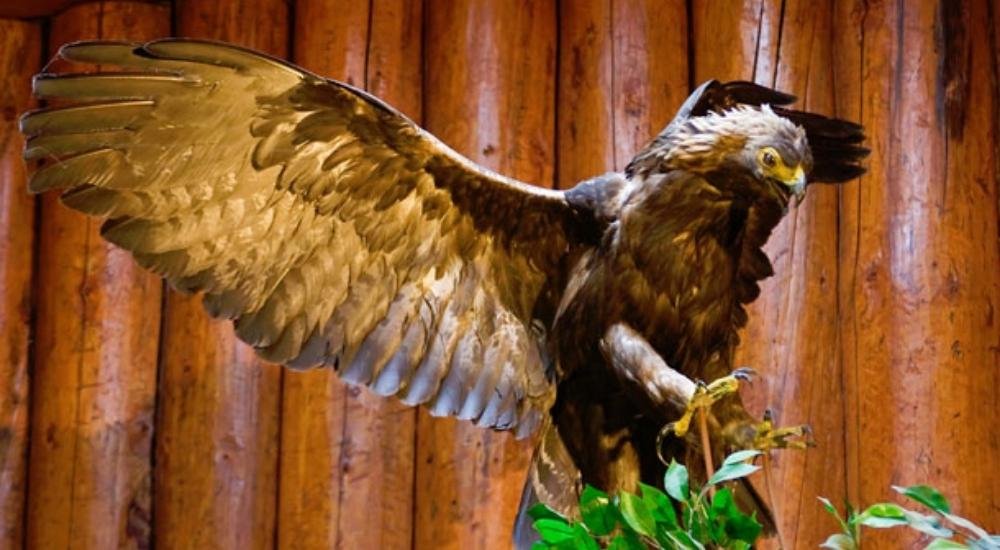
The Buffalo Nations Luxton Museum sits right in downtown Banff at 101-71 Beaver Street, just a five-minute walk from Banff Avenue, which makes it one of the most convenient Banff attractions to add to your itinerary.
This museum has been sharing First Nations stories since 1953, showcasing authentic art, traditional clothing, and the powerful story of the buffalo's return to Banff National Park.
You'll walk through exhibits that bring the histories of Blackfoot, Stoney Nakoda, and other Indigenous nations to life through interactive displays that kids actually enjoy.
Adult admission costs $10 in 2024, seniors pay $8, youth ages 6-17 pay $5, and children under six get in free. Plan to spend about 90 minutes exploring the two floors of artifacts, and check out the gift shop for authentic Indigenous-made crafts and jewelry you can't find anywhere else in town.
The museum opens daily from 10 AM to 5 PM during peak season (May through September), with reduced hours in spring and fall.
The best time to visit this Banff heritage site is definitely summer, when the museum runs at full capacity with extended hours and special programming.
Spring visits in May and June offer smaller crowds and passionate staff who have more time to share stories behind each artifact.
Parking is easy; use the Bear Street parking lot across the street ($2 per hour) or grab free two-hour parking on nearby residential streets.
The museum sits close to other downtown Banff family activities, so you can pair it with a walk to Bow Falls or a picnic at Central Park.
Conclusion: Things to do in Banff
Exploring the best things to do in Banff gives you a mix of nature, culture, history, and adventure all in one place. You can walk beside turquoise lakes, visit top attractions like the Banff Gondola (about $65–$70 per adult), relax in the Banff Upper Hot Springs (around $17 per adult), or explore museums that teach you about the park’s long past.
Most major sights are only 5–20 minutes from downtown Banff, so it’s easy to plan a full day without long drives. These experiences help visitors enjoy the true beauty of the Canadian Rockies.
As you end your trip, remember to plan for the small things that make your visit smoother, like booking busy activities early and checking parking at places like Lake Louise and Moraine Lake. Shuttle rides usually cost around $8–$12 and save you time in peak season.
No matter your travel style, Banff offers year-round adventures that fit every type of visitor. From scenic drives to wildlife viewing and local dining, your Banff holiday will be full of moments you’ll never forget.




0 Comments