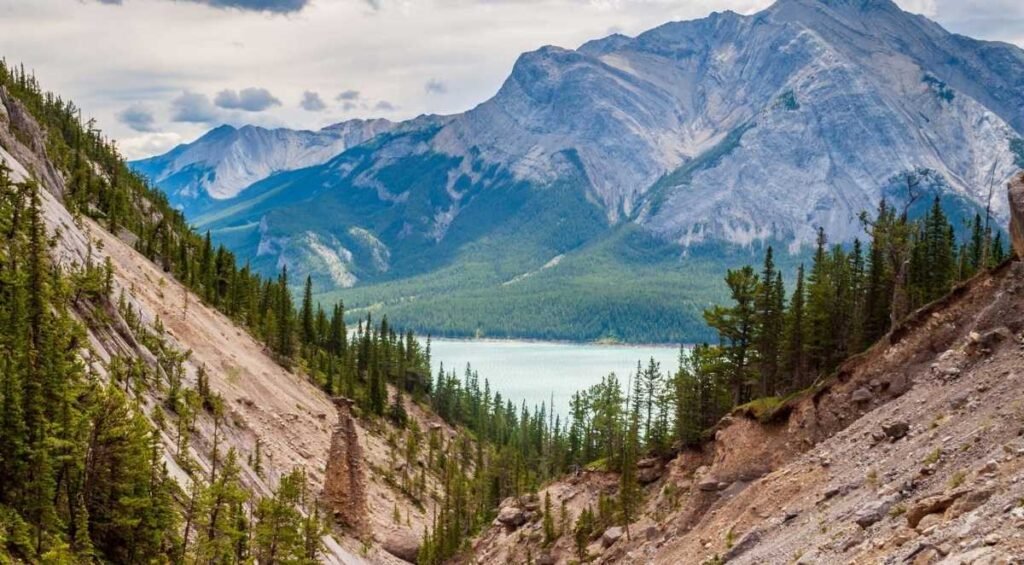
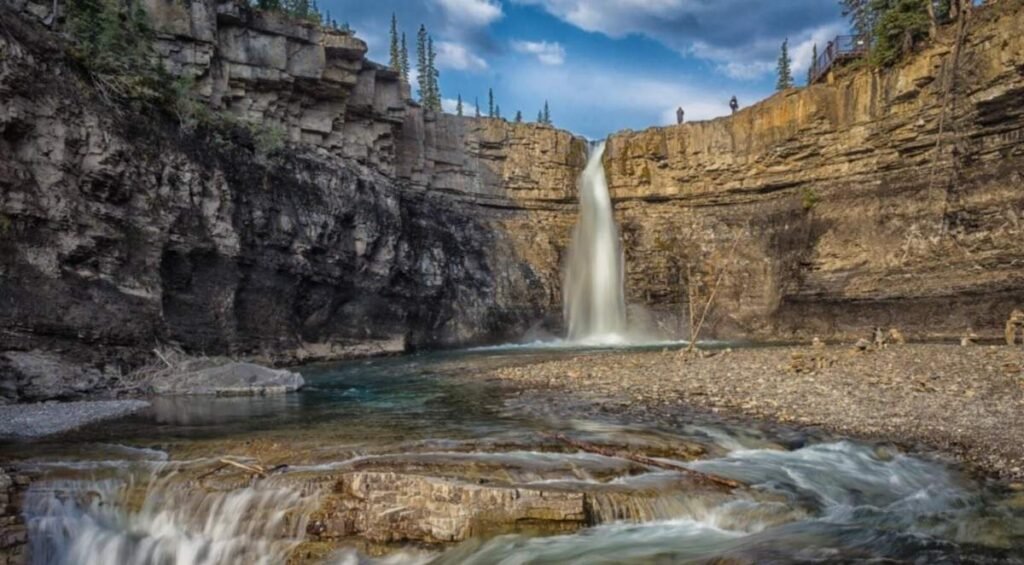
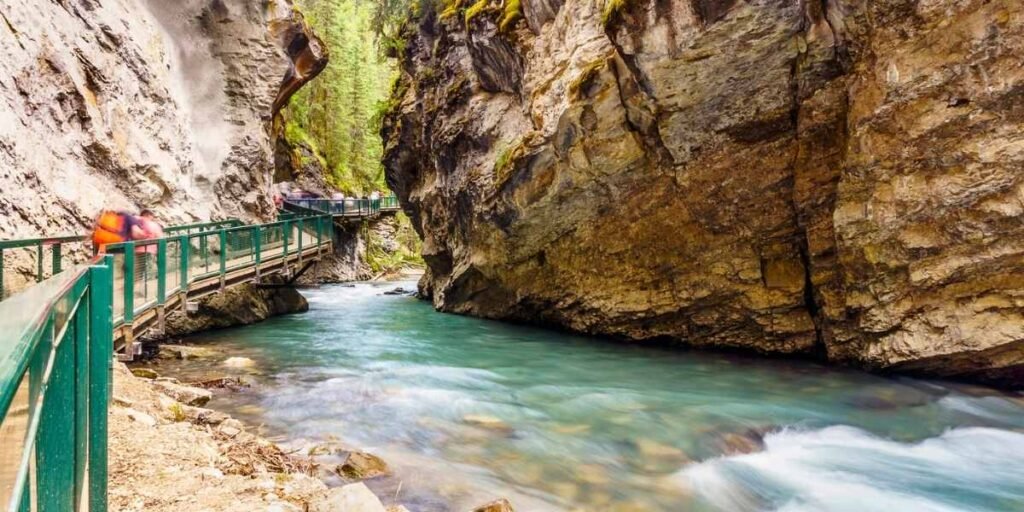
Alberta is one of the best places in Canada for a road trip, and I learned that first-hand after moving to Edmonton. Every time I drive across the province, I’m blown away by the mix of mountains, prairies, badlands, lakes, and small towns.
These drives inspired me to start this website, so I could share real road trip tips from someone who actually lives here. If you love open highways, big views, and discovering new places, you’ll feel right at home on Alberta’s roads.
What makes road trips in Alberta so special is how much you can see in one journey. You can start your morning in the Rocky Mountains, pass by turquoise lakes and glacier valleys, then end your day in rolling ranch country or wide-open prairie.
Popular drives like the Icefields Parkway, Cowboy Trail, and Smith-Dorrien Trail give you world-class scenery at every turn.
In this guide, I’ll share the 10 best road trips in Alberta, based on real experiences, easy routes, and scenery that keeps many tourists flocking to Alberta every year. The road trips that promise breathtaking views, fascinating history, and plenty of adventure along the way.
1. Icefields Parkway (Highway 93)
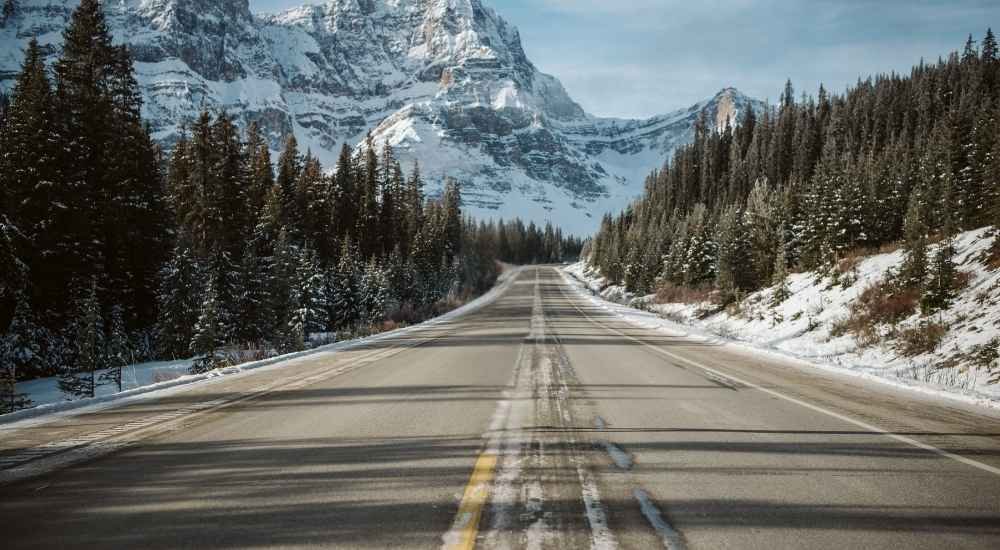
If you’re craving a road trip that feels like driving through a movie, the Icefields Parkway is the one you’ll never forget. This world-famous route runs for about 230 km (143 miles) from Lake Louise to Jasper, taking you right through the centre of the Canadian Rockies.
It’s often called one of the best scenic drives in Alberta, and honestly, it deserves the title. Every time I drive it, I feel like I’m seeing the mountains again for the first time.
You can drive the whole thing in around three hours, but trust me, you won’t want to. Plan for a full day so you can stop at viewpoints, try easy hikes, and enjoy the natural beauty around you. Summer is the ideal time for this drive because the roads are clear, the trails are open, and you’ll have more chances to explore.
Winter is stunning too, with snowy mountains and frozen waterfalls, but always check road reports and pack winter gear. The parkway is remote, so fill up on gas in Lake Louise or Jasper before you start, and bring snacks, water, and a jacket.
One thing I always tell people: the Icefields Parkway is not just a highway — it’s a full-day adventure with incredible stops. Here are the top places you should not miss along the way:
Best Stops Along the Icefields Parkway
- Peyto Lake – Famous for its wolf-head shape and bright turquoise colour. A must for photos.
- Bow Lake – A calm and peaceful lake surrounded by mountains. Great for short walks.
- Mistaya Canyon – A quick walk to a twisting canyon carved by rushing water.
- Athabasca Glacier (Columbia Icefield) – Join a guided glacier tour or visit the Icefield Discovery Centre.
- Glacier Skywalk – A glass walkway hanging over a deep canyon with amazing views.
- Sunwapta Falls – Easy access to dramatic waterfalls and walking paths.
- Athabasca Falls – One of Jasper’s most powerful waterfalls with safe viewing areas.
Things to Do
- Try short hikes like Parker Ridge, Wilcox Pass, or Bow Summit Lookout.
- Keep an eye out for wildlife such as mountain goats, elk, big-horn sheep, or even bears.
- Bring a full battery for your camera or phone — you’ll take more pictures than you expect.
- Start early to avoid traffic and enjoy the quiet mountain air.
2. Cowboy Trail (Highway 22)
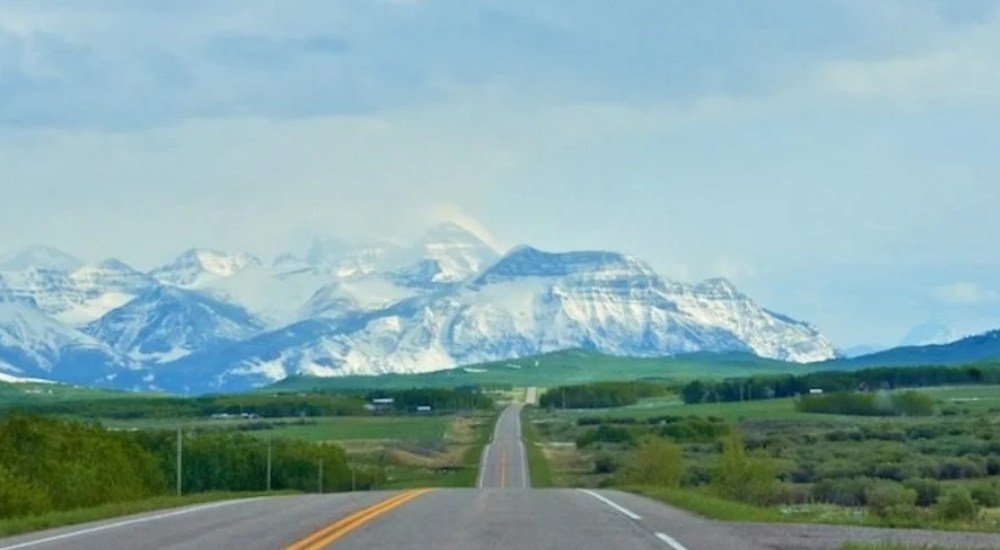
For a real taste of Alberta’s western heritage, the Cowboy Trail is a must for any Alberta road trip itinerary. This historic route runs for about 700 km along Highway 22, following the same path early cattle drivers once used across the foothills. The drive takes you through rolling hills, ranchland, small towns, and nonstop mountain views.
You can explore the whole trail or enjoy it in smaller sections, but every part offers something special. Starting near Mayerthorpe (not far from Edmonton), the route leads you south through towns with real Western charm.
This is a trip where you take your time, meet friendly locals, eat in small diners, and enjoy open landscapes that stretch for miles. Summer and fall are the best times to visit because the foothills glow with colour and the local attractions are open. Bring water, snacks, and a camera—you’ll stop more than you think.
The Cowboy Trail is packed with history, small adventures, wildlife, and classic Alberta scenery. Here are some of the must-see places and things to do along the way:
Key Towns & Best Stops
- Mayerthorpe – Start of the route if you’re coming from Edmonton.
- Sundre – Visit the Sundre District Museum or explore nearby outdoor trails.
- Rocky Mountain House – A great stop for history, local shops, and river views.
- Cochrane & Bragg Creek – Popular foothill towns with cafés, parks, and art shops.
- Turner Valley (Diamond Valley) – Known for Western culture and small-town charm.
- Bar U Ranch National Historic Site – A must-visit heritage ranch that shows Alberta’s true ranching past.
- Lundbreck Falls – A beautiful double waterfall right off the highway.
- Pincher Creek & Cardston – Scenic southern towns with deep local history.
Historic Highlights
- Walk through Bar U Ranch, one of Canada’s most important ranching landmarks.
- Visit small museums in towns like Sundre, Cochrane, and Cardston to learn about early settlers.
- Try local restaurants and cafés that still reflect Alberta’s Western style.
Outdoor Activities
- Rent ATVs or explore hiking trails near Sundre.
- Enjoy horseback riding around Panther Valley—perfect for western-style adventures.
- Go white-water rafting on the Red Deer River.
- Stop at lakes, viewpoints, and trailheads all along the foothills.
Wildlife Encounters
- Near Ya Ha Tinda Ranch, keep an eye out for wild horses—about 1,200 live in the area.
- You can also visit the Wild Horses of Alberta Society to learn about conservation and meet rescued horses.
- Watch for deer, hawks, and coyotes along the fence lines.
3. Canadian Badlands Dinosaur Trail (Drumheller Loop)
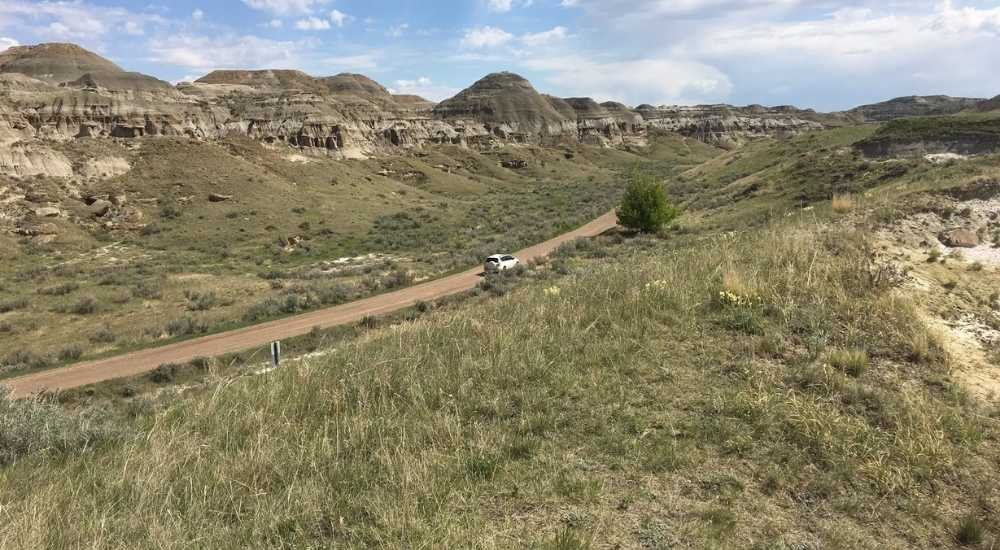
Drive time: 1–2 hours (more if you explore the attractions)
Why it’s amazing: Otherworldly canyon views, dinosaur history, hoodoos
If you want a road trip that feels completely different from Alberta’s mountain drives, the Canadian Badlands Dinosaur Trail is the perfect choice. This route takes you into a world shaped by millions of years of erosion, where deep canyons, strange rock formations, and open desert landscapes make you feel like you’ve stepped into another planet.
Starting in Drumheller, the city nicknamed the Dinosaur Capital of the World, this loop is short but packed with some of Alberta’s most iconic natural and historic sites.
Begin your journey at the Royal Tyrrell Museum, one of Alberta’s top attractions and home to one of the largest collections of dinosaur fossils ever found. Walking through the museum’s exhibits is like travelling back in time, with massive skeletons discovered right in the Badlands.
From there, follow the Dinosaur Trail toward Horsethief Canyon and Horseshoe Canyon, two of the most dramatic viewpoints in the region. Their hidden hiking trails reveal layered rock walls, rugged ridges, and sweeping views that highlight the Badlands’ ancient geological story.
To dive deeper into the landscape, continue south to the Hoodoo Trail, where you’ll find Alberta’s famous hoodoos—tall, thin rock towers shaped by millions of years of wind and water. These formations are some of the most photographed landmarks in the province.
If you have time, extend your road trip to Dinosaur Provincial Park, a UNESCO World Heritage Site known worldwide for its fossil beds, interpretive trails, and guided tours that reveal hidden parts of the Badlands.
More Stops to Explore
The Dinosaur Trail and surrounding region offer plenty of ways to experience Alberta’s history and culture:
- Badlands Amphitheatre – Outdoor shows surrounded by canyon walls
- Atlas Coal Mine Historic Site – One of Canada’s best-preserved mining sites
- Star Mine Suspension Bridge – Cross the Red Deer River with stunning views
4. Waterton Lakes National Park
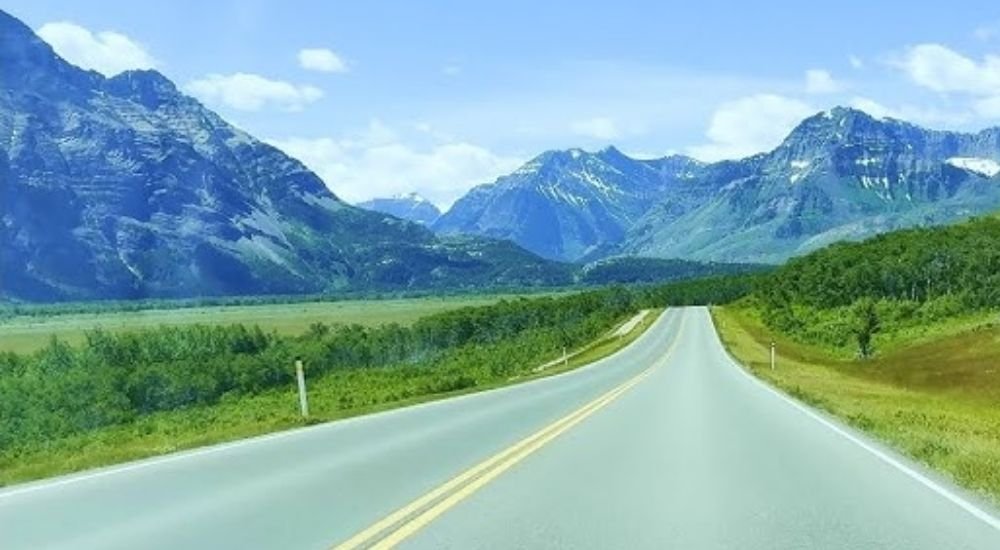
Waterton Lakes National Park is just a short one-hour drive south of Castle Provincial Park. This route is a scenic way to experience the dramatic transition from Alberta’s rolling prairies to the rugged peaks of the Rocky Mountains.
Start your journey at Castle Provincial Park, Alberta’s newest park, which is quickly gaining popularity for its excellent hiking and camping opportunities. In the winter, locals flock to Castle Mountain Ski Resort for some of Alberta’s best snow and a laid-back vibe. Whether you’re into hiking, camping, or winter sports, this area is a hidden gem that’s high on many adventurers’ lists.
As you continue south, you’ll arrive at Waterton Lakes National Park, a place where prairie grasslands meet towering mountains right on the border with the United States. This rare combination of ecosystems means you’ll find a diverse mix of flora and fauna, making it a paradise for nature lovers and photographers alike.
While Waterton is bustling in the summer with visitors enjoying lakeside strolls and boat tours, don’t overlook its winter charm. The town itself is peaceful and quiet during the colder months, but the surrounding natural environment remains vibrant. One of the best winter activities in Alberta parks is hiking to Bear’s Hump. This short but rewarding trail offers sweeping views over the lakes and mountains—perfect for a crisp winter day.
Things to do:
- Driving time: Castle Provincial Park to Waterton Lakes – about 1 hour
- Must-do hike: Bear’s Hump for panoramic vistas
- Winter fun: Castle Mountain Ski Resort for skiing and snowboarding
- Wildlife spotting: Watch for deer, bears, and unique prairie species
5. Smith-Dorrien Trail (Spray Lakes Road)
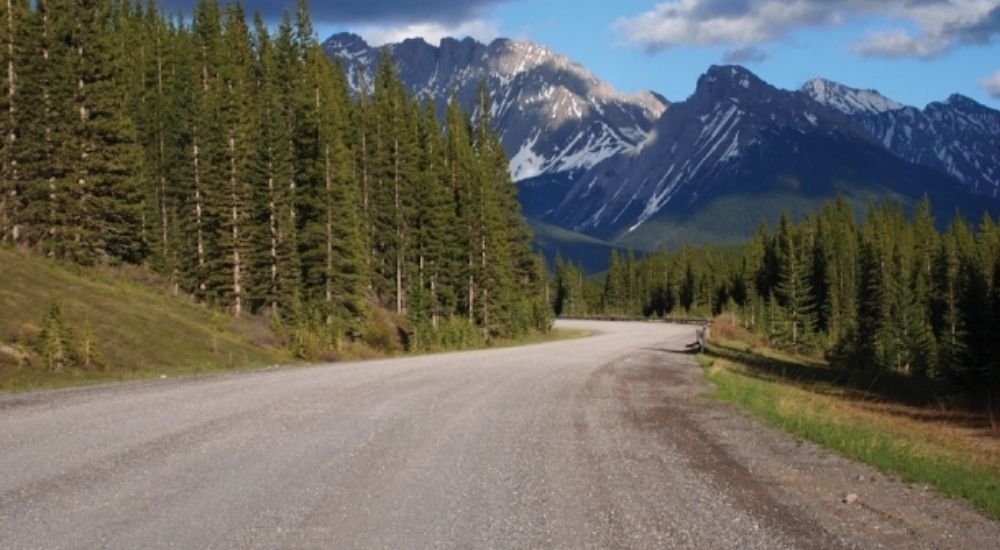
Canmore → Kananaskis
Why it’s amazing: Gravel adventure road, huge mountain views, quiet wilderness
The Smith-Dorrien Trail delivers 70 kilometres of pure mountain adventure that starts right in Canmore, just 20 minutes from the Trans-Canada Highway turnoff. This gravel road (Highway 742) isn’t your smooth cruise; it’s a rugged route where you’ll want to budget at least 1.5 to 2 hours of driving time.
You’ll roll past the iconic Three Sisters peaks, trace the bright-blue shoreline of Spray Lake Reservoir for nearly 15 kilometres, then plunge deep into Kananaskis Country’s wild heart.
You’re guaranteed to spot wildlife here, with elk and mountain goats often blocking the road and grizzly bears looking for food in the meadows from May through September.
The gravel surface demands that you drive slowly, at around 40-50 km/h, which actually works perfectly for spotting critters and stopping at the dozen-plus pullouts for jaw-dropping photos.
You need to fill up your tank in Canmore before you start your journey; there are no gas stations along this route, and you’ll burn extra fuel on the rough terrain. As of 2024, no permits or fees are required to drive the Smith-Dorrien, which makes this road one of the most budget-friendly scenic drives in Alberta.
The adventure really kicks in once you start exploring the stops along this Kananaskis Country road trip.
Summer paddlers can rent canoes at Spray Lake for $45 per hour (2024 rates) and fish for trout without a license on the reservoir; it’s one of the few places in Alberta where this is allowed.
The Smith-Dorrien eventually hooks into Kananaskis Trail (Highway 40) at the south end, giving you easy access to even more lakes and mountain viewpoints.
Note: Cellphone signal is poor around here, so download offline maps before you go.
6. Crowsnest Pass (Highway 3)
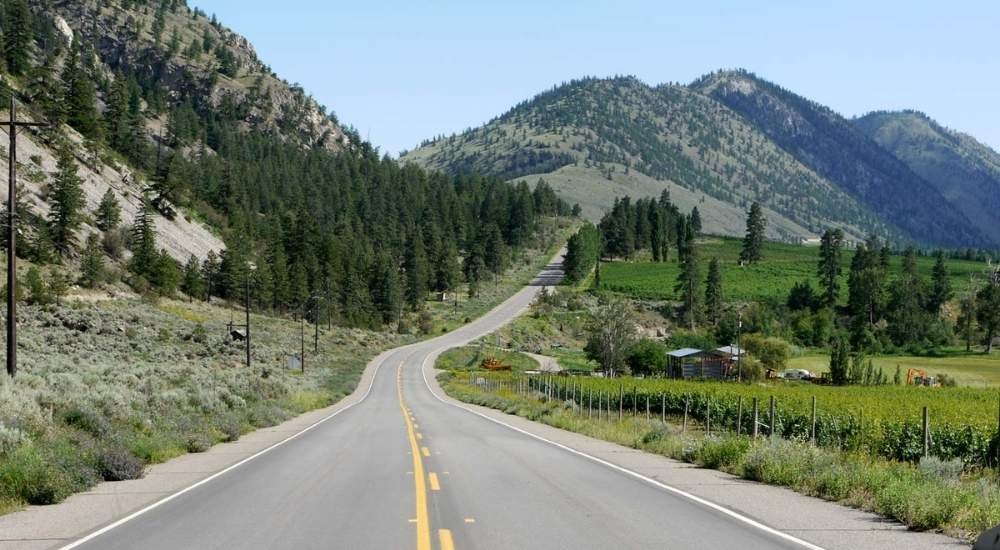
Pincher Creek → BC border
Why it’s amazing: Mountain passes, historic sites, waterfalls, and quiet small towns
The Crowsnest Pass runs from Pincher Creek toward the British Columbia border, passing through dramatic mountain passes and historic communities in southern Alberta.
While Highway 3 stretches much farther across Canada, this Alberta portion is especially scenic and full of character. It’s a less crowded alternative to Banff and Jasper, which makes it perfect for travellers looking for a slower, more relaxed Alberta road trip experience.
As you drive through the Crowsnest Pass, you’ll notice the landscape change from open foothills to steep mountain walls. One of the most famous stops is the Frank Slide, where an entire mountainside collapsed in 1903, destroying part of the town of Frank.
Today, you can visit the interpretive centre and walk among massive rock debris. Nearby towns like Crowsnest Pass, Bellevue, and Blairmore offer mining history, local cafés, and small museums that give you a real sense of Alberta’s past. This area feels raw and authentic, with fewer tour buses and more room to explore.
Things to Do in the Crowsnest Pass
- Visit the Frank Slide Interpretive Centre to learn about the famous 1903 rockslide and walk among the massive boulders.
- Stop at Lundbreck Falls, a beautiful waterfall just a short walk from the parking area.
- Explore the towns of Blairmore, Bellevue, and Frank for mining history, local cafés, and small museums.
- Hike the Window Mountain Lake Trail for a rewarding walk with mountain views.
- Walk Allison Creek Falls Trail, a short and family-friendly hike with a scenic waterfall.
- Drive through Crowsnest Pass Provincial Park for quiet roads and rugged mountain scenery.
- Look for wildlife, including deer, elk, and bighorn sheep, along the highway and nearby trails.
7. Kananaskis Trail (Highway 40)
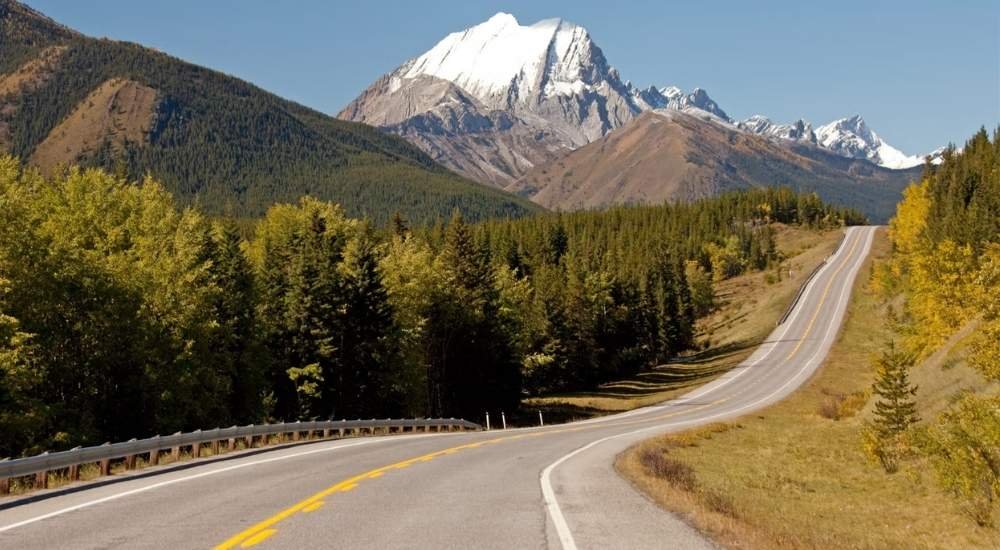
Highwood Pass → Kananaskis Country
Why it’s amazing: High alpine scenery, wildlife sightings, lakes, and quiet picnic spots
The Kananaskis Trail (Highway 40) is one of the most scenic mountain drives in Alberta, stretching for about 100 km through the heart of Kananaskis Country.
This route includes Highwood Pass, the highest paved mountain pass in Canada at 2,206 metres, and delivers nonstop alpine views, wide valleys, and sharp mountain peaks. Driving the full stretch takes roughly 2 to 3 hours without stops, but most visitors spend half a day enjoying pullouts and short walks.
The road is usually open from mid-June to early December, depending on snow conditions, making summer and early fall the best time for this Alberta road trip.
As you travel along Highway 40, expect frequent wildlife sightings like bighorn sheep, deer, elk, and sometimes bears near meadows and road edges.
The drive passes several beautiful lakes and reservoirs, including Lower and Upper Kananaskis Lakes, which are perfect for picnics, easy lakeside walks, and photography.
A Kananaskis Conservation Pass is required to park in the area and costs about $15 per day or around $90 for an annual pass, making it affordable for day trips or repeat visits. Bring snacks, water, and warm layers, as the weather can change quickly at higher elevations.
8. Calgary to Lake Louise Scenic Drive
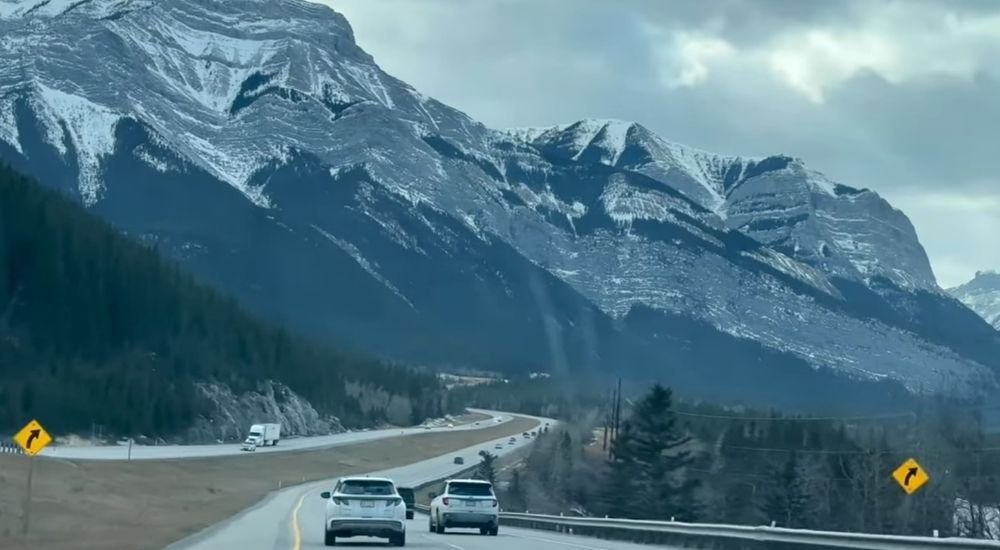
Calgary → Lake Louise
Why it’s amazing: Fast access to the Rockies, turquoise lakes, and mountain views
The Calgary to Lake Louise drive is one of the most popular and rewarding Alberta road trips, especially for first-time visitors to the Canadian Rockies.
The route covers about 185 km along the Trans-Canada Highway and takes roughly 2 to 2.5 hours without stops. As you leave Calgary, prairie views slowly turn into dramatic mountain scenery near Canmore and Banff.
Once you reach Lake Louise, the scenery becomes truly unforgettable. The bright turquoise lake sits below towering peaks and glaciers, making it one of the most photographed places in Canada.
Parking at Lake Louise costs about $36 per vehicle per day, or you can use the Parks Canada shuttle, which costs around $8 per adult and helps reduce traffic.
A national park day pass is required and costs about $11 per adult or $22 per family. Plan to arrive early, especially in summer, and bring warm layers, water, and snacks. If you want an easy Alberta road trip with world-famous views, the Calgary to Lake Louise drive delivers every time.
Things to Do Along the Way
- Calaway Park – A family-friendly amusement park just west of Calgary, perfect for kids and thrill rides before heading into the mountains.
- Canmore Town Stop – Walk Main Street, grab coffee, or enjoy views of the Three Sisters mountains.
- Banff Avenue – Explore shops, restaurants, and historic buildings in Banff town.
- Bow Falls – An easy stop with a short walk and great photo views.
- Surprise Corner – A quick viewpoint overlooking the Banff Springs Hotel and Bow River.
- Lake Minnewanka – A scenic lake drive with picnic spots and wildlife viewing.
- Hiking near Lake Louise – Try easy trails like the Lake Louise Lakeshore Trail or Fairview Lookout.
- Photography Stops – Pull over safely to capture mountain peaks, rivers, and forest views.
9. Elk Island & Beaver Hills Scenic Drive
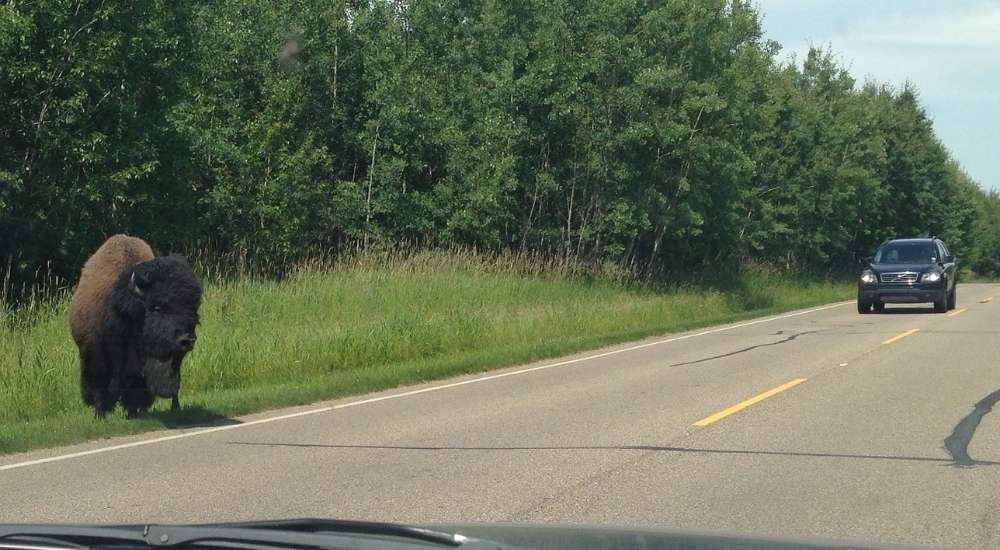
East of Edmonton
Why it’s amazing: Free-roaming bison, quiet lakes, forest roads, easy half-day trip
The Elk Island & Beaver Hills Scenic Drive is one of the best short road trips near Edmonton, perfect for those who want to experience nature without a long drive. Located just 35–45 minutes east of downtown Edmonton, this route loops around Elk Island National Park and the rolling Beaver Hills region.
Driving the main roads and scenic loops takes about 1.5 to 2 hours, but most visitors spend 3–4 hours enjoying stops along the way. This area is famous for open meadows, aspen forests, and wide skies.
Elk Island National Park is one of the best places in Canada to see wildlife up close. Plains bison and wood bison often stand right beside the road, so drive slowly and keep a safe distance.
A Parks Canada day pass costs about $11 per adult or $22 per family, making it a very affordable getaway. Popular stops include Astotin Lake, Oster Lake, and several picnic areas with tables and washrooms.
The park is also a designated Dark Sky Preserve, making it worthwhile to stay until sunset. Bring binoculars, water, and snacks, and avoid feeding wildlife.
10. Sheep River Road Trip
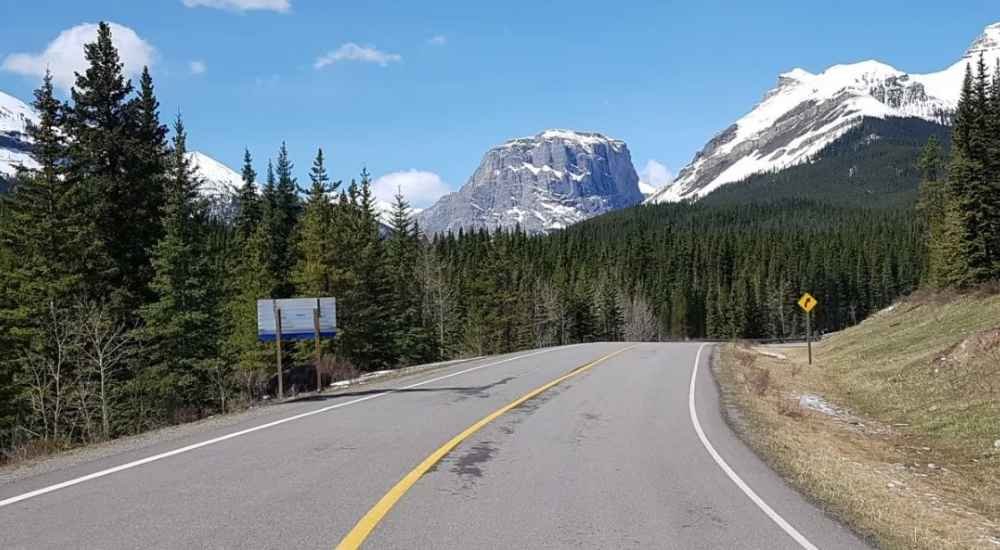
High River → Turner Valley → Sheep River Provincial Park
Why it’s amazing: Small western towns, wildlife sightings, river valleys, hidden gems
The Sheep River Road Trip is one of those Alberta drives that feels personal and full of surprises. Starting in High River, this scenic route heads west through charming foothills towns like Okotoks, Black Diamond, and Turner Valley.
Each stop offers a taste of Alberta’s western heritage, with historic main streets, local shops, cafés, and friendly small-town energy. The relaxed pace and wide-open views make this drive a great addition to any southern Alberta road trip itinerary, especially if you enjoy quieter routes away from busy highways.
One of the most popular stops along the way is the Okotoks Erratic, also known as “Big Rock.” This massive glacial boulder was carried here by ice thousands of years ago and now sits alone in the prairie, which makes it one of Alberta’s most unique natural landmarks.
It’s an easy stop with parking nearby and a short walk to the rock. The place is perfect for photos and a quick break. Many travellers rank this as one of the best day trips from Calgary.
As the road continues west, the scenery becomes more rugged as you enter Sheep River Provincial Park and nearby Bluerock Wildland Provincial Park. These protected areas are known for deep river valleys, forested hills, and quiet mountain backdrops. You’ll find plenty of outdoor activities along the route, including:
- Scenic hiking trails for beginners and experienced hikers
- Peaceful camping areas near the river and forest
- Waterfalls and picnic spots are ideal for a relaxing stop
Wildlife sightings are common on this drive. Moose, deer, birds, and other animals are often seen near the riverbanks and trails. On one short hike, it’s even possible to spot a moose with her calf, so always keep your distance and have your camera ready.
Conclusion on road trips in Alberta
Alberta is one of the best places in Canada for road trips, and each route in this guide shows a different side of the province. From famous drives like the Icefields Parkway and Lake Louise, to quieter routes like the Cowboy Trail, the Sheep River, and the Northern Lights Loop, these journeys offer a mix of mountains, badlands, forests, wildlife, and small-town charm.
The beauty of Alberta road trips is how quickly the scenery changes and how easy it is to build an adventure that fits your time, budget, and travel style.
No matter where you start, the key to a great Alberta road trip is slowing down and enjoying the journey. Plan extra time for stops, pack smart, respect wildlife, and be ready for changing weather.
Some of the best memories come from unexpected viewpoints, local cafés, and quiet backroads. If these drives inspire you to explore more, you’re already on the right path—because in Alberta, the road itself is often the highlight of the trip.