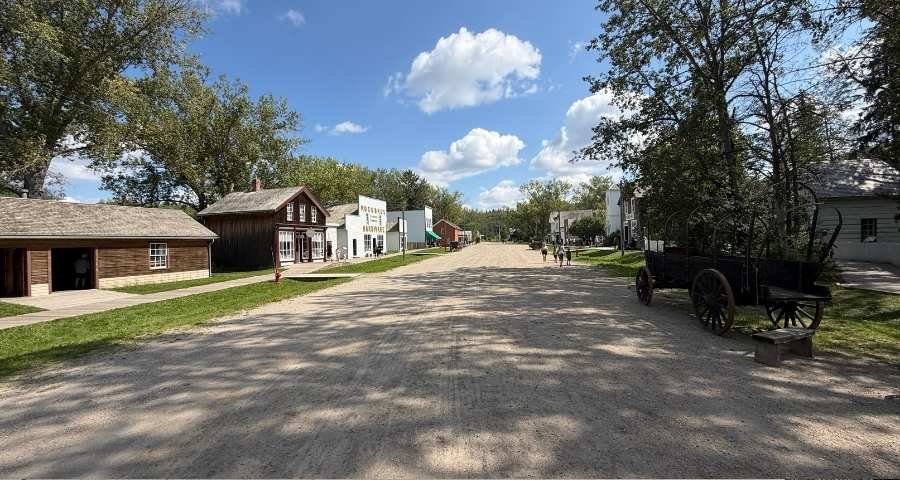
Most museums ask you to look at history through glass. Fort Edmonton Park asks you to walk down the middle of it, on wooden sidewalks, past shopfronts that look the way they did more than a hundred years ago.
I visited Fort Edmonton Park for a family day out, which turned out to be the right way to see it. We walked more than we expected, we got tired in places, and we found out the hard way which parts are worth planning around.
Inside one ticket, you can ride a steam train, walk through four different eras of the city, and lose half an hour to a midway game. The trick is knowing the order to do it in.
This guide covers what to see, how long you actually need, what tickets cost, and how to get there.
What Is Fort Edmonton Park?
Fort Edmonton Park is a living history museum in the river valley, run by the City of Edmonton and the largest of its kind in Canada. It works nothing like the other museums in Edmonton.
Instead of display cases, it is laid out as full-size historical settings you walk through in order: a fur trade fort, then three streets set in 1885, 1905, and 1920. An indoor Indigenous Peoples Experience covers thousands of years of history here before and after that timeline begins. The buildings are staffed by costumed interpreters who stay in the role of someone living in that period.
Why it matters to Edmonton is simple. Much of the city's early architecture is gone. This is where a lot of it still stands, either as original buildings moved here or as careful reconstructions.
My Visit to Fort Edmonton Park
The first thing I noticed is how big it is. This is not a two-hour attraction, and the walking distances between areas are real.
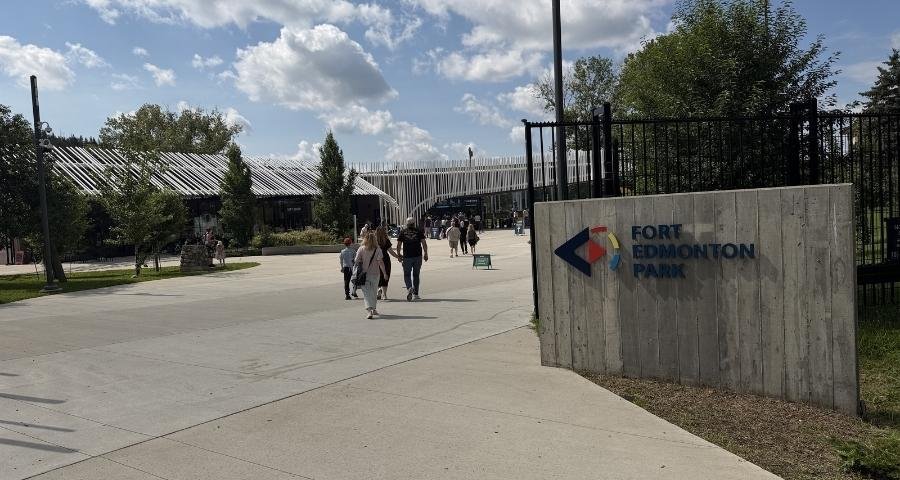
We started at the front entry and walked the historical streets rather than taking the train down first. By the time we reached the 1846 Fort at the far end, our legs were weak. The fort sits at the back, and walking there uses more energy than you expect.
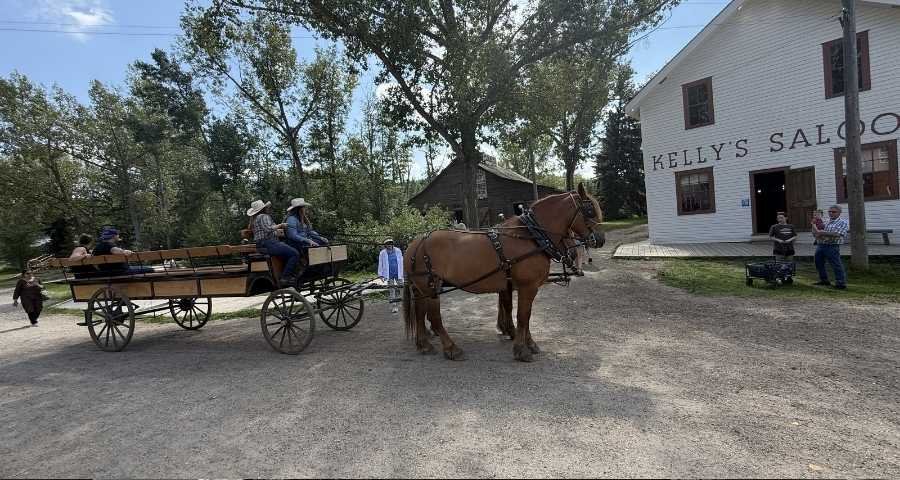
What saved us was the horse-drawn wagon on 1885 Street. It passed the fort and carried on through the settlement era past Ottewell Farm, and sitting down for it was as much a rest as a ride.
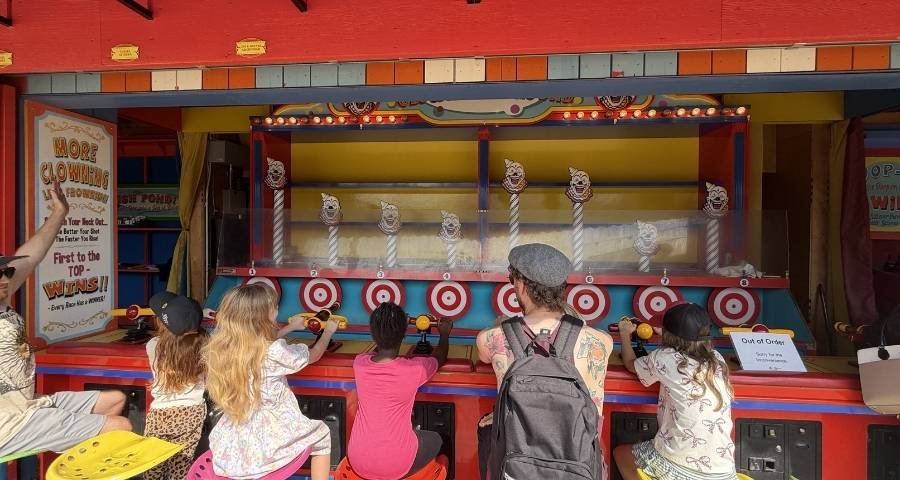
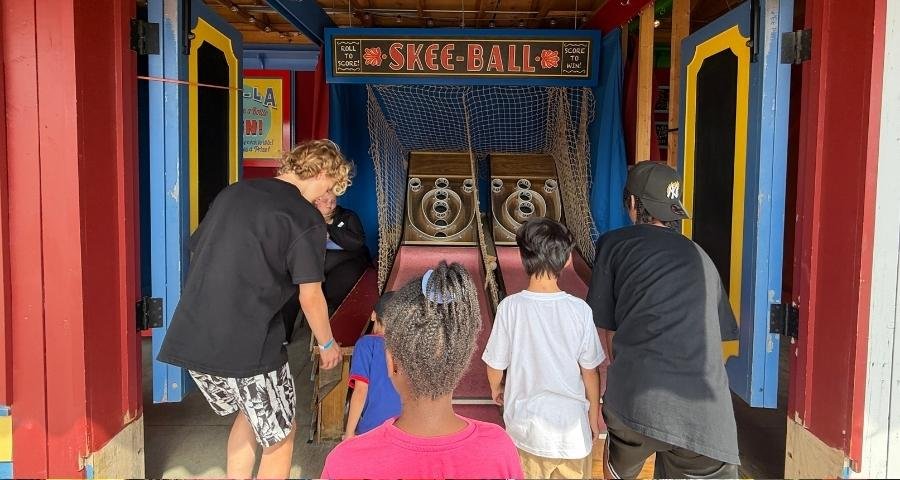
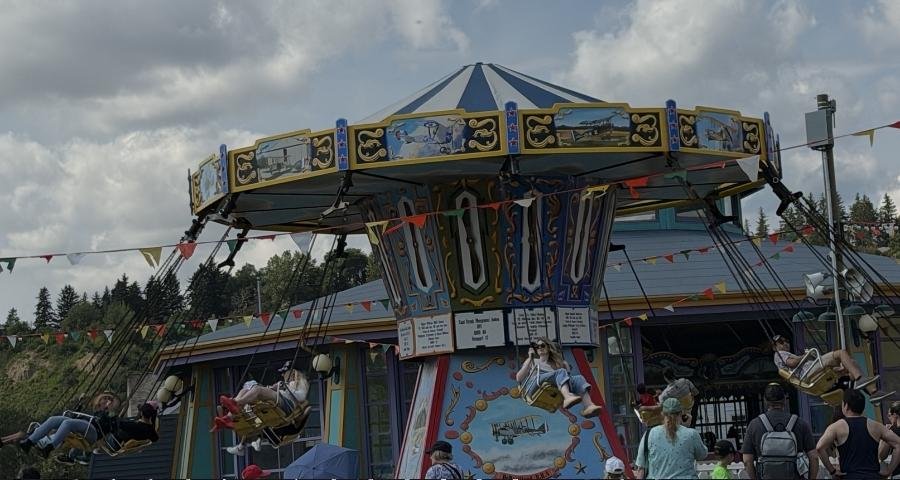
We left the Midway for the way back, after the streets were done, and that was the right order. The games are addicting, and I would not have wanted to walk the streets afterwards.
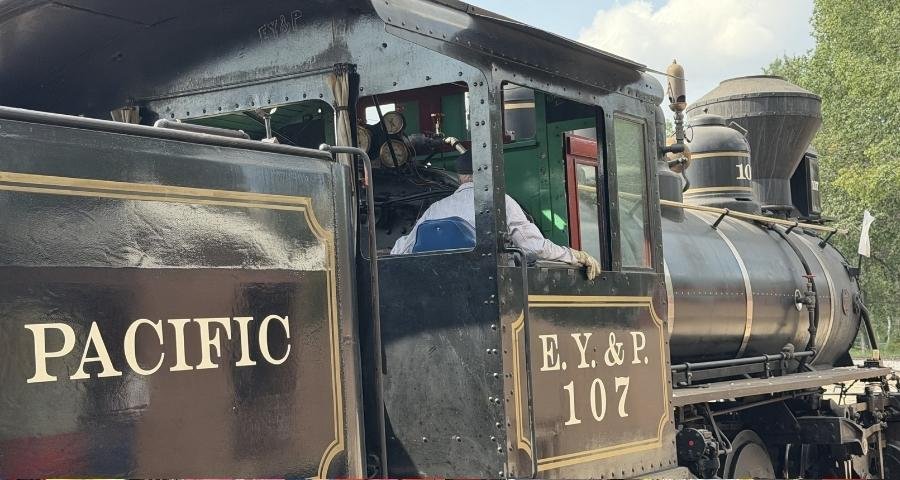
Our last ride was the 1919 Baldwin steam train. It circles the park on its own track around the outside, unlike the streetcar, which runs along the historical streets themselves. Finishing on the train, sitting down and watching the park go past, was a good way to end.
This is mostly an outdoor site, so the weather you get is the visit you get.
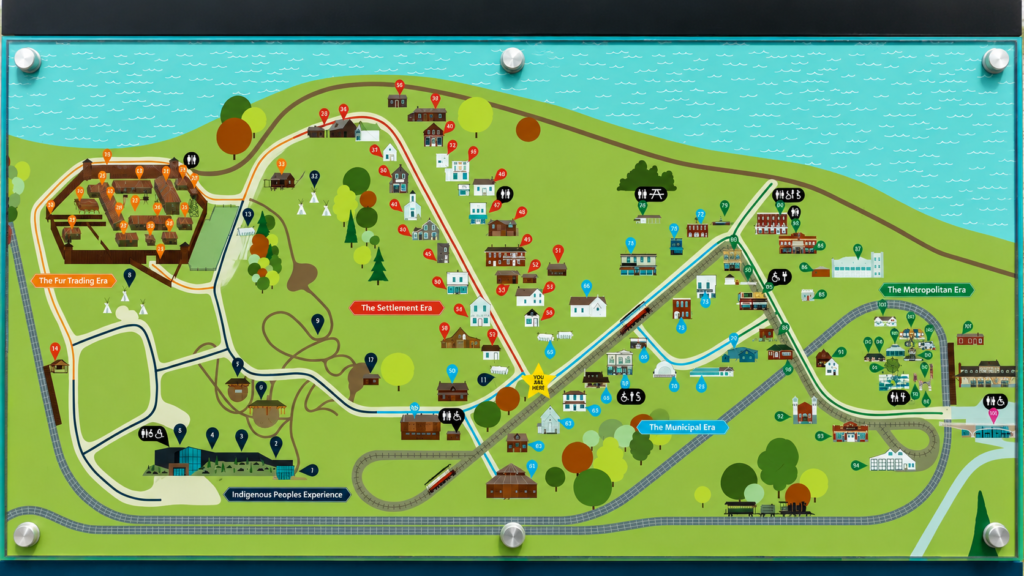
Fort Edmonton Park Map
Things to Do at Fort Edmonton Park
What to expect in each area during the summer season, and roughly how long to give it.
Area
Good for
Suggested time
Indigenous Peoples Experience
All ages, indoor break
45–60 min
1846 Fort
History fans, kids
45–60 min
1885 Street
Everyone
45–75 min
1905 Street
Everyone
45–75 min
1920 Street
Families, food stops
60–90 min
Midway
Kids and teens
45–90 min
Train and streetcar
All ages
20–40 min total
Indigenous Peoples Experience
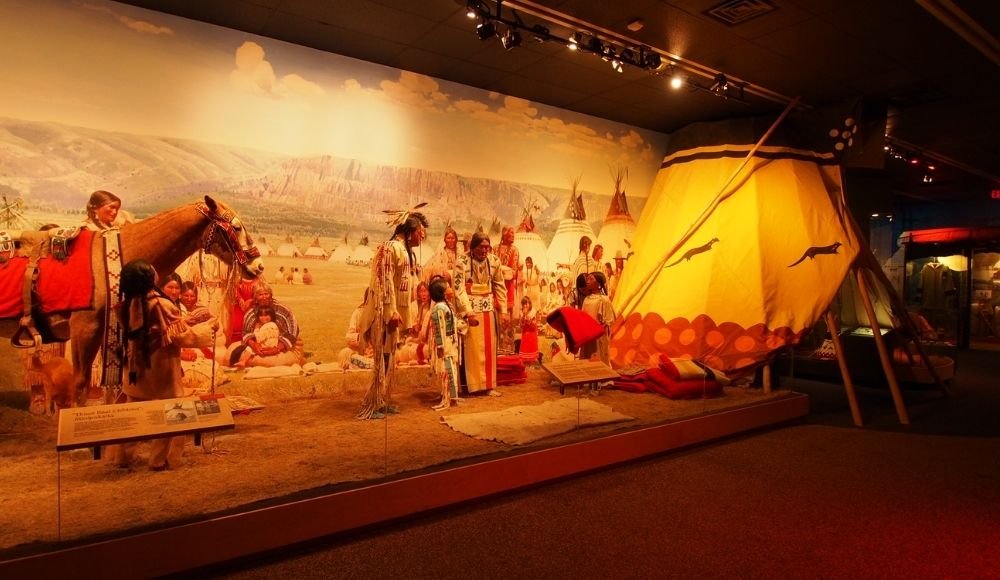
An indoor, interactive exhibit built with input from Treaty 6 First Nations and the Métis Nation of Alberta, covering the history and culture of Indigenous Peoples here well before the fur trade. It is the most modern space in the park and a good quiet break on a hot day. A market inside sells hand-crafted goods.
1846 Fort
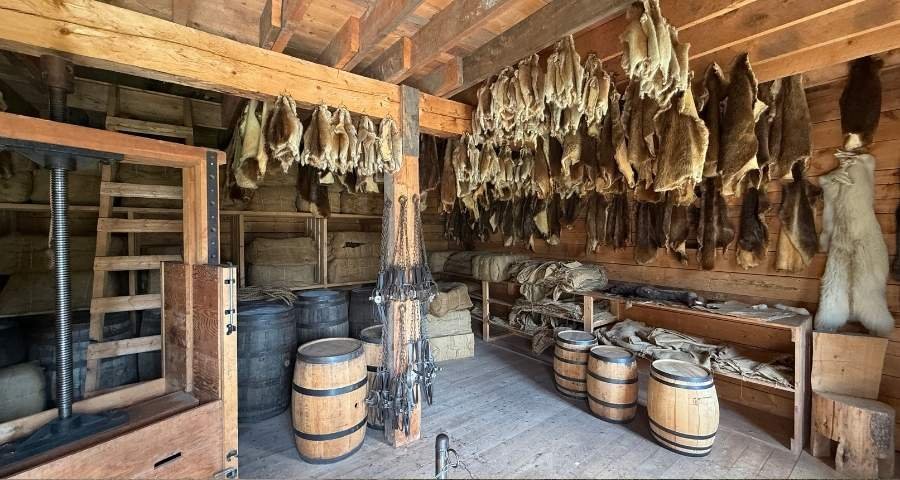
A reconstruction of the Hudson's Bay Company trading post that gave the park its name. Inside the palisade gates are the trading room, workshops, living quarters, and the Chief Factor's house. Kids like it because the buildings are small and easy to explore, and adults get more from the interpreters. It sits at the far end of the site.
1885 Street
Edmonton as a small settlement finding its feet after the fort era, and the most rural of the three streets. Along it are Kelly's Saloon, Lauder's Bakery, Ottewell Farm and its animals, and McDougall's General Store, which sells pioneer goods and ride tickets. The horse-drawn wagon runs here.
1905 Street
By 1905, Alberta was a province, and Edmonton was growing fast. This street shows that, with larger buildings and a busier main-street feel. The Masonic Hall operates as a food hall, a practical lunch stop halfway through the park. The change from 1885 to 1905 is the clearest jump here.
1920 Street
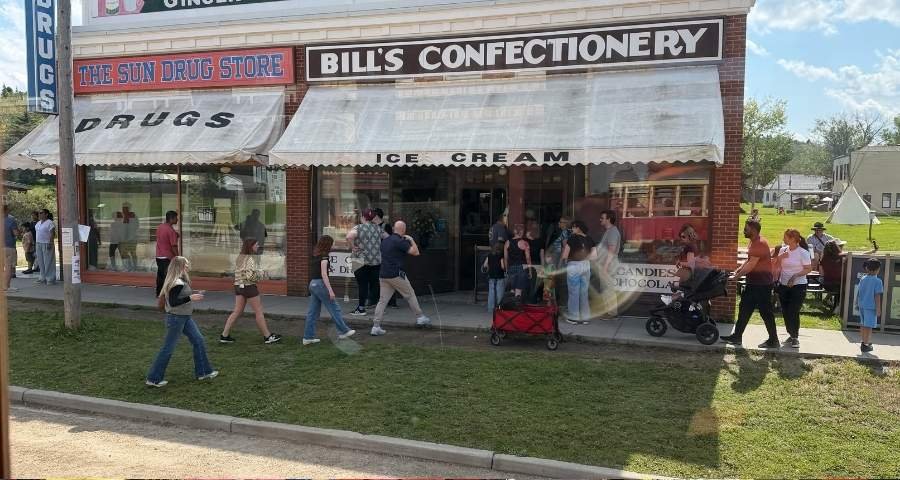
The largest and busiest street, closest to a recognizable modern city. It has the Capitol Theatre, Hotel Selkirk, Johnson's Cafe, Bill's Confectionery, and Tom Thumb Mini Golf. Families spend the most time here, partly for the food and partly because there is more to do than walk.
The Midway and Exhibition
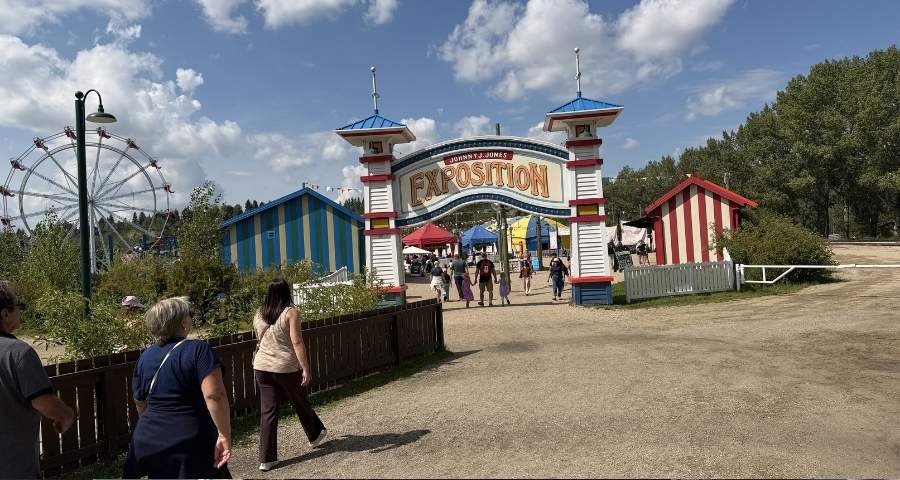
The fairground area. Admission covers unlimited rides and games, and it is the part of the ticket I rate highest.
Kids and teenagers will push for this section, and it works as a reward for getting through the streets first. Fair warning: the games are addicting, and you will spend longer here than you plan. The Treasure Trove candy store is here too.
Train and Streetcar Rides
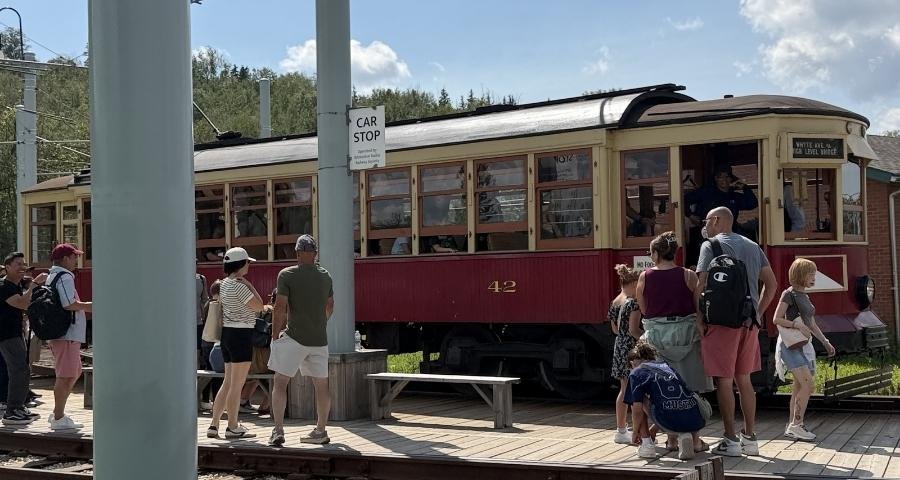
Two different experiences, both worth doing. The 1919 Baldwin steam train runs on about four kilometres of track from the front entry station to a platform at the back near the 1846 Fort. The streetcar line is roughly one kilometre, with stops on 1905 and 1920 Streets, running along the streets rather than around.
Both are included and work as transport. The streetcar takes no strollers, walkers, or wheelchairs; the steam train is wheelchair-equipped.
Wagon, Pony, and Carriage Rides
The horse-drawn wagon at Kelly's Saloon on 1885 Street. This is the wagon starting point and last stop.
The one thing not covered by your ticket, and it caught me out. Pony rides for children 10 and under and horse-drawn wagon rides both cost $8 per person; children 2 and under are free on the wagon. The wagon runs along 1885 Street past Ottewell Farm. Buy tickets online or at McDougall's General Store.
The midway costs nothing extra, so it is easy to assume the wagon does too. I would still pay it: arriving there with tired legs, sitting down behind a pair of horses was worth $8.
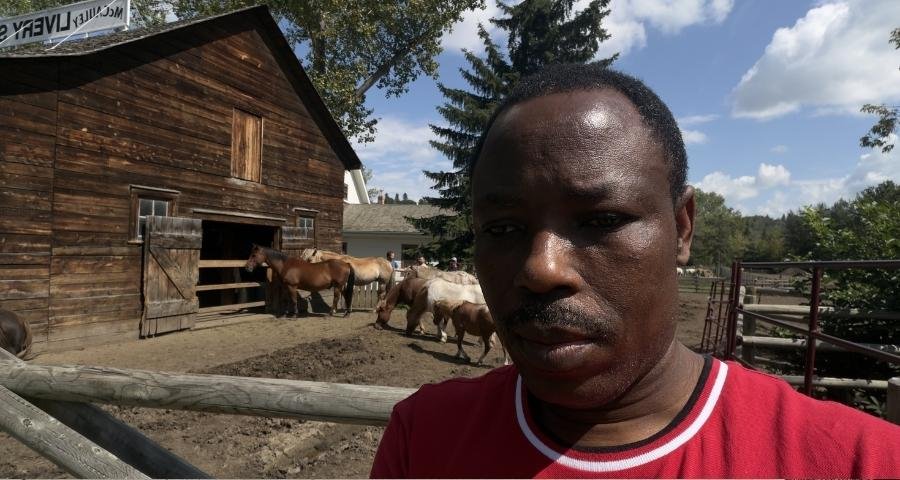
A private vis-à-vis carriage ride, about 20 minutes, covers a wider part of the park on selected dates. The park also keeps horses, ponies, donkeys, goats, pigs, sheep, chickens, and turkeys, and asks you not to feed them.
One safety note from my visit: I went to rub a horse from behind and was corrected straight away. Approach from the front and rub the forehead. Standing behind a horse puts you where it can kick.
Capitol Theatre and Events
The Capitol Theatre runs programming through the season. There is also an escape game, weekend brunch at Johnson's Cafe, and summer stays at Hotel Selkirk. Check the calendar before booking.
Food and Shops
Food is spread across the site:
Front entry: café and gift shop
1885 Street: Kelly's Saloon, Lauder's Bakery, McDougall's General Store
Johnson's Cafe in Hotel Selkirk is the only sit-down option. The I.A.M Collective and the Indigenous Market sell hand-crafted Indigenous goods.
What I Liked About Fort Edmonton Park
The strongest thing here is the structure. Moving from 1846 to 1920 gives the visit a shape a normal museum cannot match. You feel the city changing under your feet.
I also liked that most extras are included. Unlimited midway rides and games, the train, and the streetcars are covered by admission. The horse-drawn wagon is the exception.
Variety is the other strength: an indoor exhibit, four historical areas, a fairground, mini golf, farm animals, live theatre, and places to eat. Having three different ways to ride around it matters more than it sounds, because it lets you keep going once the walking catches up with you. The river-valley setting helps, too, since the city noise mostly disappears.
Is Fort Edmonton Park Worth Visiting?
Yes, for most people, as long as you give it enough time and go in the summer.
You will probably enjoy it if you are:
A family with kids roughly 4 to 12, who get the most from the interpreters, animals, and rides
Someone interested in Edmonton or Western Canadian history
A visitor with a couple of days in the city, working through an Edmonton itinerary
A local who last went on a school trip
You may want to skip it if:
You have only a couple of hours, or you are out with toddlers. The Edmonton Valley Zoo is an easier day at that age
Mobility is a concern. The site is large, only partly accessible, and several historic buildings are hard or impossible to enter with a wheelchair
You are visiting in fall or winter and expect the full park. Only the Indigenous Peoples Experience stays open then
One more honest note: the price is not small for a family, and rain would take a lot away from the day.
How Long Do You Need at Fort Edmonton Park?
The park's own advice is at least four hours, and that is fair.
2 to 3 hours. The Indigenous Peoples Experience, the train, and one or two streets. You will skip most buildings.
Half a day, 4 hours. All four historical areas at a decent pace, the train, a streetcar, and a meal.
Most of a day, 5 to 7 hours. What I would recommend: time to go inside buildings, talk to interpreters, eat properly, and let kids loose on the Midway.
Best Time to Visit Fort Edmonton Park
Season matters here more than at almost any other Edmonton attraction.
Summer is when the full park operates: 10:00 AM to 5:00 PM, Wednesday through Sunday plus holiday Mondays, closed Mondays and Tuesdays. Last admission is an hour before closing. Watch the tail end of the season: in 2026 the Wednesday-to-Sunday schedule runs to early September, then the final stretch is Saturdays and Sundays only, September 12 to 20.
Fall and winter are limited. The general park closes, and select exhibits such as the Indigenous Peoples Experience stay open on reduced schedules. Ticketed events still run through the off-season, including winter wagon rides, Indigenous storytelling, and seasonal evening events, but do not arrive in November expecting to walk 1905 Street.
Aim for a weekday in July or August, or one of those September weekends once crowds thin. If you are planning around Alberta as a whole, the same months work. Arrive close to opening, since the main lot fills by afternoon.
Fort Edmonton Park Tickets and Admission
Buy online in advance. The gate sells tickets too, with cash, debit, Visa, or Mastercard, but capacity can limit that on busy days.
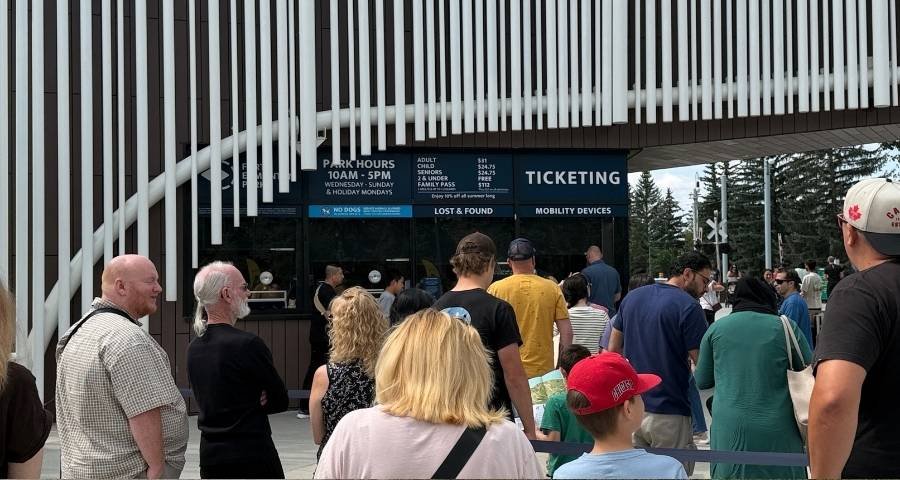
The rates posted at the gate for 2026, with 10% off all summer. GST is added on top.
Ticket
Posted
With 10% off
Adult
$31.00
about $27.90
Child
$24.75
about $22.28
Senior
$24.75
about $22.28
Family pass (2 adults, up to 4 children)
$112.00
about $100.80
Children 2 and under are free but still need a ticket. The family pass only beats separate tickets once you have three or more children.
Admission includes unlimited midway rides and games, the train, and the streetcars. Pony and wagon rides are $8 per person on top.
It is not a cheap day out, so if the budget is tight, check out the free things to do in Edmonton article. Prices change between seasons, so check the official site. Tickets are non-refundable but can usually be exchanged for another date, Leisure Access Passes are accepted in summer, free admission is extended to Indigenous Peoples, and group discounts exist. A membership pays for itself in two or three visits.
How to Get to Fort Edmonton Park
The park is at 7000 143 Street NW, Edmonton, down in the river valley on the south side.
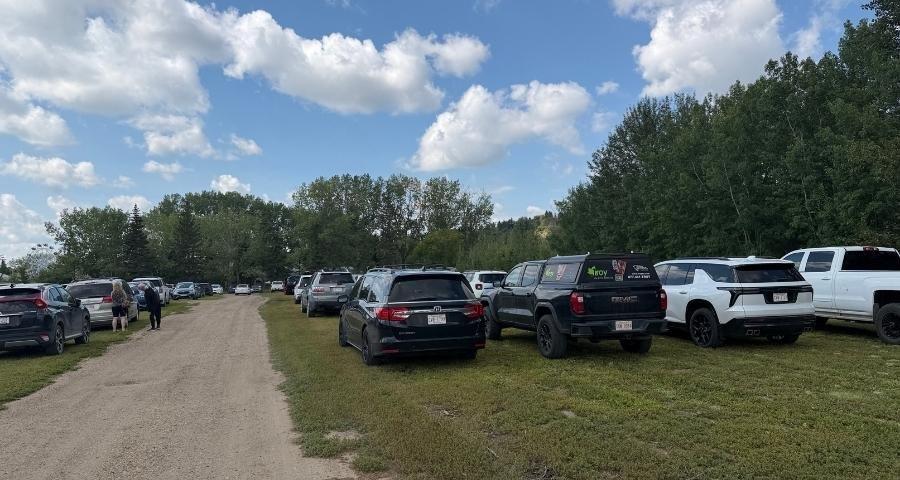
Driving. Take Fox Drive to Fort Edmonton Park Road and follow it in. Parking is free, but the main lot fills by afternoon. An overflow lot sits near the administration building.
Public transit. No regular bus drops you at the gate. Get to the South Campus/Fort Edmonton Park Transit Centre by LRT or bus, then book an On Demand Transit trip. Check fares on the City of Edmonton site.
Cycling. The park connects to the river valley trail system, and it is too far to walk from anywhere.
Tips for Visiting Fort Edmonton Park
Check the calendar first. The park is closed Mondays and Tuesdays, and the season is shorter than people assume.
Arrive within the first hour of opening. Easier parking, quieter streets, more attention from interpreters.
Wear shoes you can walk in all day. You will cover several kilometres on gravel, boardwalk, and grass.
Take the steam train down to the fort first. We walked instead and paid for it. Riding down and walking back saves your legs for the streets.
Save the Midway for the end. The historical streets are harder to face after the games.
Dress for changing weather. A hat, sunscreen, and a layer for wind or rain all earn their place.
Download the park app. Buildings occasionally close for maintenance, and the app shows what is open.
Plan your food stop around the map. Sit-down dining is on 1920 Street and the food hall on 1905 Street, so eating at the wrong moment means walking back.
Talk to the interpreters. A direct question is the difference between looking at old buildings and learning something.
Budget $8 each for the wagon ride, and bring a stroller for small kids. The wagon doubles as a sit-down break near the far end of the park. Stroller rentals are not available, and strollers are not allowed on the streetcar.
Fort Edmonton Park vs. Other Edmonton Attractions
The Royal Alberta Museum gives you the province's story indoors in a couple of hours, in any weather. Muttart Conservatory is a focused, ninety-minute visit. West Edmonton Mall is an all-weather day of shopping and rides with no historical angle at all.
Of the main attractions in Edmonton, this is the only one where the draw is a place rather than a collection: you are not looking at Edmonton's history, you are inside a version of it. It also depends far more on the season, which is the main thing to weigh when you pick a date.
Frequently Asked Questions
Is Fort Edmonton Park worth visiting?
Yes, if you go in summer and give it at least four hours. First-timers and lifelong Edmontonians both get something out of it.
How long should I spend at Fort Edmonton Park?
Four hours is the practical minimum; five to seven is better, especially with kids.
What can you do at Fort Edmonton Park?
Explore four historical areas and the Indigenous Peoples Experience, ride a steam train and streetcars, go on midway rides and games, play mini golf, see farm animals, eat at period restaurants, and shop.
Are wagon rides included in the admission?
No, they are $8 per person, as are pony rides. Midway rides and games, the steam train, and the streetcars are included.
Is Fort Edmonton Park good for families?
Very good. Children roughly 4 to 12 get the most out of it, and admission covers the rides and transport that would normally cost extra.
What is the difference between the train and the streetcar in Fort Edmonton Park?
The steam train loops around the park on its own track between the front entry and the 1846 Fort. The streetcar runs along 1905 and 1920 Streets. Both are included and show you different parts of the site.
Is Fort Edmonton Park indoors or outdoors?
Mostly outdoors. Many buildings are open to enter, and the Indigenous Peoples Experience is indoors, but the walking happens outside.
Can you visit Fort Edmonton Park in winter?
Only in a limited way. The general park closes and select exhibits stay open on reduced schedules. Ticketed seasonal events do run.
Where is Fort Edmonton Park located?
At 7000 143 Street NW, in Edmonton's river valley on the south side, reached from Fox Drive.
Final Verdict
Fort Edmonton Park earns the time it asks for. A plan, comfortable shoes, and a free afternoon make the difference between a decent day and a good one. Pace yourself, and use the rides.
I would recommend it most to families with school-age kids, to anyone curious about how Edmonton grew from a trading post into a city, and to visitors who have done the obvious stops. I would not squeeze it into a spare couple of hours, and I would check the forecast first.
Edmonton, Alberta is a city full of history and culture, making it a great place to learn and explore. As the capital of Alberta, Edmonton has a fascinating past and is a center for art, science, and history. The city is home to many top museums, each offering visitors a chance to dive into Alberta’s natural wonders, learn about the Indigenous cultures, and enjoy impressive art and science displays.
Edmonton’s museums cover a wide range of interests. History fans will love the Royal Alberta Museum, where they can learn about Alberta’s early days, while art lovers can explore beautiful works at the Art Gallery of Alberta. Science enthusiasts can visit the TELUS World of Science for fun hands-on exhibits, and those curious about transportation history can check out the Alberta Railway Museum with its old rail cars and engines. Each museum has something unique, making Edmonton an exciting place to explore.
In this post, I will take you on a journey to explore the top 10 museums in Edmonton that offer special experiences, and they’re both fun and educational.
1. Royal Alberta museum
The Royal Alberta Museum in Edmonton stands as the largest museum in Alberta, dedicated to sharing the rich natural and cultural history of the province. With expansive galleries, the museum dives deep into Alberta’s Indigenous cultures, ancient fossils, and the region’s diverse wildlife. Visitors can explore exhibits that cover everything from Alberta’s prehistoric past to its modern heritage, making the museum a must-visit for anyone interested in the province’s history and natural environment.
One of the highlights of the Royal Alberta Museum is its strong focus on Indigenous history and culture. Through powerful displays and carefully curated artifacts, the museum honours the contributions and stories of Alberta’s Indigenous communities.
In addition to its permanent collections, the museum frequently hosts rotating exhibitions, allowing visitors to experience fresh themes and discoveries each time they visit. These changing exhibits showcase different aspects of Alberta and global culture, ensuring there’s always something new to see.
The children’s galleryin the Royal Alberta Museum provides a fun and educational space where young visitors can explore Alberta’s natural world.
After touring the exhibits, guests can relax in the museum’s café or pick up a memento in the gift shop. With its blend of history, culture, and family-friendly activities, the Royal Alberta Museum delivers an immersive experience for all who want to learn more about Alberta’s past and present.
Address: 9810 103a Avenue NW, Edmonton, T5J 0G2
Phone: 825-468-6000
2.Alberta Railway Museum
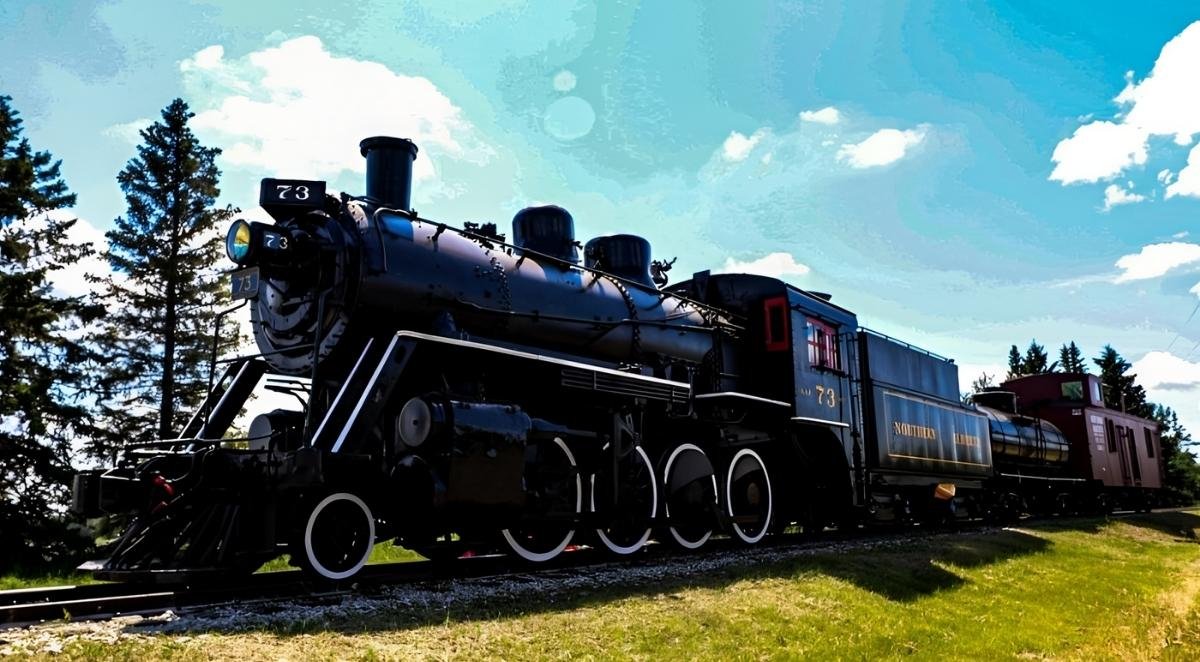
The Alberta Railway Museum is an open-air museum that brings Alberta’s railway history to life. Open only on summer weekends, the museum welcomes visitors from the Victoria Day long weekend in May through the Labour Day long weekend in September, operating between 10:00 AM and 5:00 PM. Since its founding in 1977, the museum has preserved over 75 historic rail cars, locomotives, and maintenance equipment, offering a rare glimpse into the powerful role railways played in Canada’s development.
This museum showcases a fascinating collection of vintage rail cars, steam and diesel locomotives, and various railway memorabilia, giving visitors a sense of what train travel and railway work were like in the past. The exhibits highlight the evolution of rail technology, and visitors can see firsthand the intricate details of these restored trains.
The Alberta Railway Museum aims to educate, preserve, and celebrate Alberta’s railway heritage through the values of integrity, inclusion, and curiosity, making it a trusted resource for anyone interested in Canadian railway history.
For visitors, the Alberta Railway Museum provides a hands-on experience ideal for families, train enthusiasts, and history lovers. Guests can explore the interiors of some rail cars, and walk through restored train cabins, and you can also learn about the importance of the railway to Alberta’s economy and growth.
The museum’s volunteers, who are passionate about preserving this piece of history, often share stories and insights that bring the railway’s past back to reality.
Address: 24215 – 34 St NW, Edmonton, AB
Phone: (780) 472-6229
3.Art Gallery of Alberta
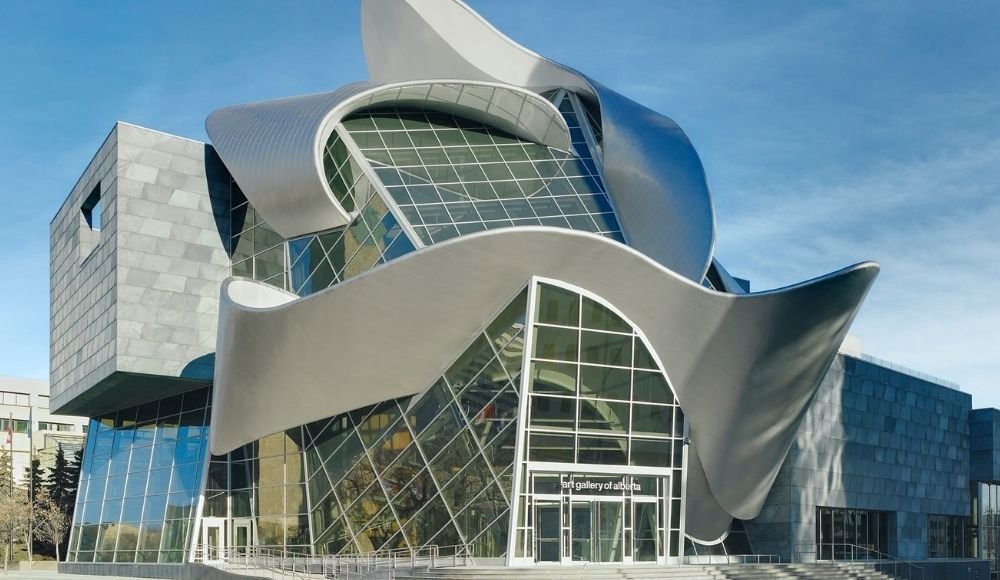
The Art Gallery of Alberta (AGA) is Edmonton’s leading destination for art lovers, it features a vast collection of over 6,000 artworks. Established in 1924, the AGA emphasizes Canadian art, particularly in abstract painting, sculpture, and both historical and contemporary photography.
The gallery proudly showcases the works of notable Alberta artists, including Jane Ash Poitras and Alex Janvier, as well as national icons like Emily Carr and Jack Bush. The AGA also hosts photography by renowned figures such as Edward Curtis and Yousuf Karsh. With funds from endowments and generous donations, the gallery’s Collection Committee carefully selects works that are historically and culturally significant.
Visitors to the AGA can expect to experience both contemporary and historical art within an impressive architectural setting. The building’s unique design is a work of art itself, creating an inspiring space to view and reflect on the exhibits.
Beyond its exhibits, the AGA offers an engaging visitor experience through its educational programs and art workshops. These programs provide an opportunity for visitors to learn about artistic techniques, art history, and cultural themes from skilled instructors and artists. School groups, families, and individuals can take part in these hands-on activities, which help deepen their appreciation for art.
Address: 2 Sir Winston Churchill Square, Edmonton, T5J 2C1
Phone: 780.422.6223
4.Alberta Aviation Museum
The Alberta Aviation Museum is a fascinating place dedicated to preserving and celebrating the city’s aviation history. Established in 1980, this museum is located in a historic World War II-era hangar built for the British Commonwealth Air Training Plan, giving visitors a glimpse into the early days of aviation.
Since moving to its permanent location at the former Edmonton Municipal Airport in 1991, the museum has grown through community support to become a lasting tribute to Alberta’s aviation heritage. Today, it serves as a central part of the Blatchford community, an area with plans for exciting future development.
One of the museum’s main attractions is its collection of over 30 historic aircraft, each telling a unique story about aviation in Alberta and beyond. These aircraft include vintage planes used in World War II, early bush planes, and experimental models that once flew over Edmonton’s skies.
The museum also houses valuable artifacts, photographs, and equipment that illustrate Alberta’s role in Canadian aviation. Through these exhibits, visitors can see how aviation transformed travel and industry in the region, making this museum an important site for understanding Alberta’s past.
Address: 11410 Kingsway NW, Edmonton, T5G 0X4
Phone: 780-451-1175
5.Fort Edmonton Park
Photo credit- - Fort Edmonton Park
Fort Edmonton Park is Canada’s largest living history museum, offering an immersive journey through Edmonton’s transformation from a fur trading post to a modern city. Spanning 158 acres in Edmonton’s scenic River Valley, the park was first developed in 1967 as a Centennial project, with support from the Rotary Club of Edmonton and the Fort Edmonton Foundation. Today, it is a major destination for cultural tourism, giving visitors a chance to step back in time and experience the city’s rich history.
The park is home to original and reconstructed historical buildings that represent different eras of Edmonton’s past. Highlights include the Indigenous Peoples Experience, which honours the heritage and contributions of Indigenous communities through storytelling, artifacts, and interactive exhibits.
Period-costumed staff bring history to life, engaging visitors with reenactments, demonstrations, and fascinating stories about early Edmonton life.
Visitors can explore Fort Edmonton Park through its immersive attractions, making it a popular destination for families, school groups, and history enthusiasts. From exploring pioneer cabins and old-fashioned shops to riding a vintage streetcar, guests can enjoy a hands-on experience that’s both educational and fun.
Address: 7000 143 St NW, Edmonton, AB T6H 4P3
Phone: (780) 496-7381
6.Telus World of Science
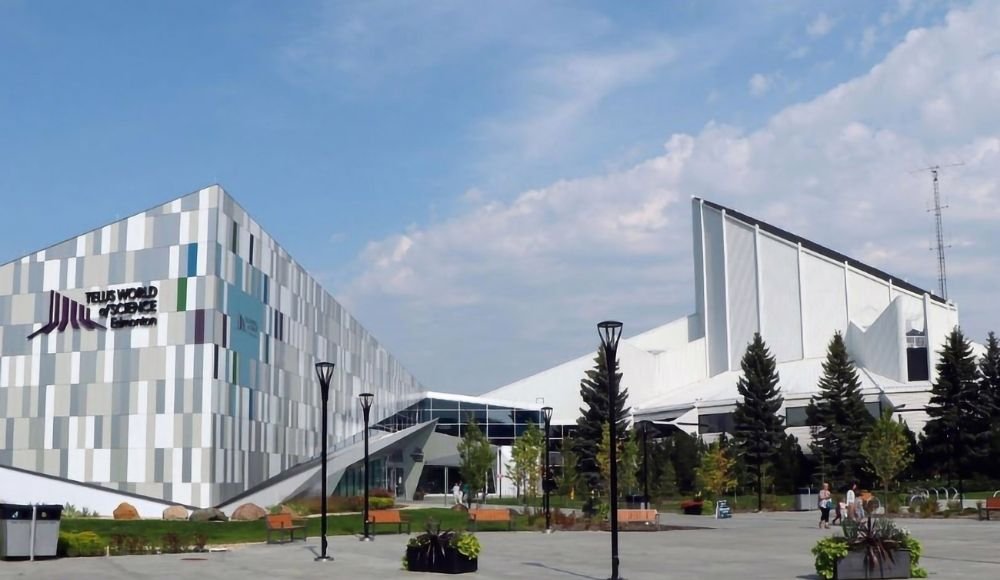
Telus World of Science is a dynamic science museum designed to inspire curiosity about science, technology, and space. Operated by the Edmonton Space & Science Foundation, this museum encourages discovery and learning through hands-on exhibits and interactive displays.
TELUS World of Science is committed to accessibility, offering features like sensory backpacks, closed-captioning, and braille signage to ensure an inclusive experience for all visitors.
The museum’s highlights include its stunning IMAX theatre, which showcases documentaries and films that bring the natural world to life on a huge screen. The planetarium transports guests to outer space with immersive displays about the universe and our solar system.
Interactive exhibits cover topics like physics, chemistry, and robotics, while live science demonstrations help visitors understand scientific principles in a fun and engaging way.
Address: 11211 – 142 Street NW, Edmonton, AB, T5M 4A1
Phone: 780-451-3344
7. Neon Sign Museum
The Neon Sign Museum offers a unique, open-air exhibit that showcases a collection of vintage neon signs from the city’s past. This outdoor museum is the first of its kind in Canada and displays 20 historic neon signs, each one representing a piece of Edmonton’s commercial history. Located along 104 Street, the signs are mounted on the side of a building, creating an eye-catching display that celebrates the city’s colourful past and vibrant spirit.
Each neon sign in the museum was carefully restored to honour the businesses that once helped shape Edmonton’s identity. From hotels to cafes and local shops, the signs tell stories of a time when neon lights filled the streets and marked the lively spots of the city. This display not only preserves Edmonton’s history but also gives visitors a chance to see a different side of the city’s heritage.
The Neon Sign Museum is open year-round and is free to the public, which makes it an accessible and enjoyable experience for all. Its outdoor setting and bright neon lights make it a popular spot for photos, especially in the evening when the signs light up.
Address: 104 St NW, Edmonton, AB T5J 0K7
Phone: (780) 496-5281
8.University of Alberta Museums
The University of Alberta Museums is a vast network of over 30 diverse museums and collections located across the university’s campus in Edmonton. Each museum offers a unique look into various fields, including paleontology, art, and anthropology. Managed by dedicated curators and staff, the museums focus on research, teaching, and community engagement, making them an important educational resource.
The Central Museums Unit provides oversight and guidance, ensuring that each museum operates with high standards in museum practices, under a policy framework that’s recognized for its quality by both the Alberta Museums Association and the Canadian Cultural Property Export Review Board.
One of the most popular highlights of the University of Alberta Museums is its impressive dinosaur exhibits, where visitors can explore Alberta’s rich fossil history. The art collections feature works from Canadian and international artists, while the anthropology collections showcase artifacts that help tell the stories of ancient cultures.
Address: Ring House 1, University of Alberta Edmonton, Edmonton, AB T6G 2E1
Phone: (780) 492-5834
9.John Walter Museum
The John Walter Museum is a historical site dedicated to the life of early settler John Walter and the community he helped shape. Located in Kinsmen Park, the museum is made up of original log homes from the 1870s, preserved to show what life was like in Edmonton over a century ago.
The museum tells the story of John Walter, a Scottish immigrant who became a prominent businessman, contributing greatly to the city’s early growth. Through these well-preserved homes, visitors can get a rare glimpse into Edmonton’s pioneer days.
Inside the John Walter Museum, guests can explore 19th-century artifacts and furnishings, showcasing the daily life and skills of Edmonton’s early settlers. Exhibits include tools, household items, and furniture, each piece providing insight into the challenges and routines of the past.
The museum also offers workshops and community events where visitors can learn historical skills, such as candle-making or blacksmithing. These activities bring history to life, making it a memorable experience for history enthusiasts and curious visitors.
Address: 9180 Walterdale Hill NW, Edmonton, AB T6E 2V3
Phone: (780) 442-5311
10.The Strathcona Streetcar Barn & Museum
The Strathcona Streetcar Barn & Museum, operated by the Edmonton Radial Railway Society (ERRS), is dedicated to preserving Edmonton’s streetcar history. Although Edmonton’s original streetcar service ended in 1951, the passion for these historic vehicles remained strong. In 1979, ERRS restored Car #1, sparking the revival of streetcars for limited use.
By 1980, the society was officially formed, and in 1984, streetcar rides began operating at Fort Edmonton Park. Today, ERRS runs seasonal streetcar services at both Fort Edmonton Park and over the iconic High-Level Bridge.
Inside the Strathcona Carbarn, visitors can explore exhibits that dive into Edmonton’s transit history. The restored streetcars on display give a glimpse of what public transportation was like in the early 1900s, allowing guests to see the craftsmanship and detail of these classic vehicles.
Guided tours provided by the museum’s knowledgeable volunteers help bring the history of Edmonton’s streetcars to life, offering interesting stories and insights into how streetcars shaped the city’s development.
Address: Edmonton Radial Railway Society, Edmonton, Alberta T6H 5Y7
Phone: (780) 437-7721
Conclusionabout museums in Edmonton
Edmonton’s museums offer a rich and diverse experience, covering everything from science and art to history and heritage. Each museum has something unique, catering to all kinds of interests. These museums not only preserve the past but also connect visitors with the stories that define Edmonton and Alberta.
Exploring these museums gives visitors a chance to gain a deeper understanding of Alberta’s unique culture and history. The museums highlight the achievements, challenges, and lifestyles of the people who built this province, including Indigenous communities, pioneers, artists, and scientists. By visiting, you can step back in time, marvel at incredible art, and engage in hands-on learning that’s both fun and educational. Edmonton’s museums provide an immersive way to experience the heart and soul of Alberta’s heritage.
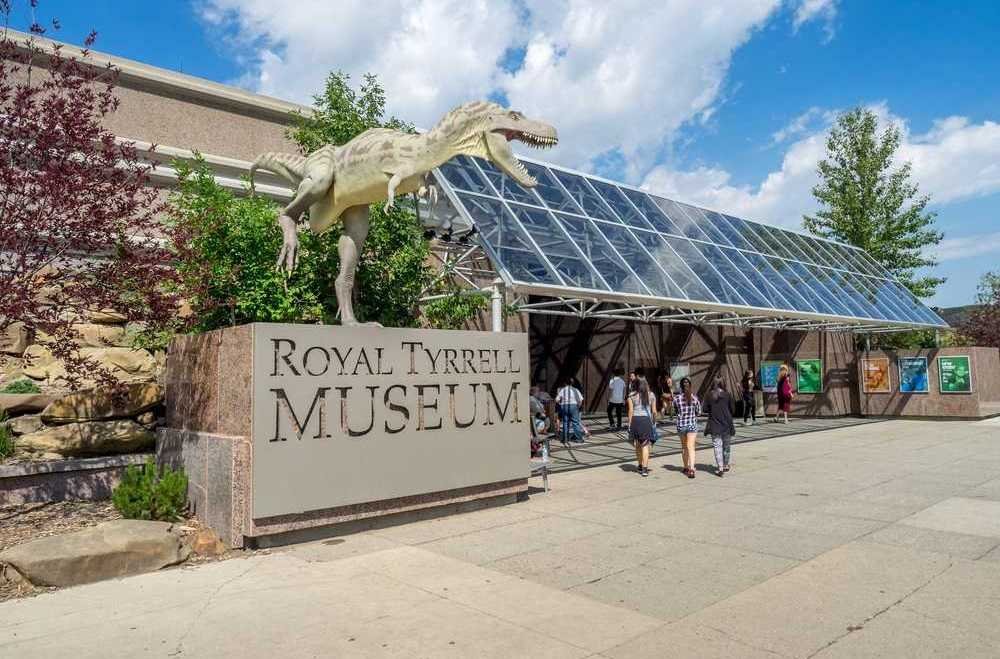
I have visited the Royal Tyrrell Museum about three times now, the latest was in July. So, I decided to write about it. This museum is tucked away in the heart of the Canadian Badlands in Drumheller Alberta, and it is a must-see for anyone curious about dinosaurs or the distant past. With its extensive collection of over 160,000 fossils, the museum offers a genuine glimpse into life millions of years ago.
Drumheller Township is often referred to as the “Dinosaur Capital of the World,” The rugged landscape around the museum isn’t just for show—many of the fossils on display were actually found right in this area. Visiting the Royal Tyrrell Museum isn’t just about seeing dinosaur bones; it’s about connecting with the history of our planet in a way that’s both informative and deeply engaging. If you’re planning a trip to Alberta, this museum should definitely be on your list.
History of the Royal Tyrrell Museum
The Royal Tyrrell Museum was founded in 1985 with a clear purpose: to study and showcase the rich fossil heritage of Alberta. Named after Joseph Burr Tyrrell, who discovered the first dinosaur fossil in the area in 1884, the museum quickly became a leading center for paleontological research.
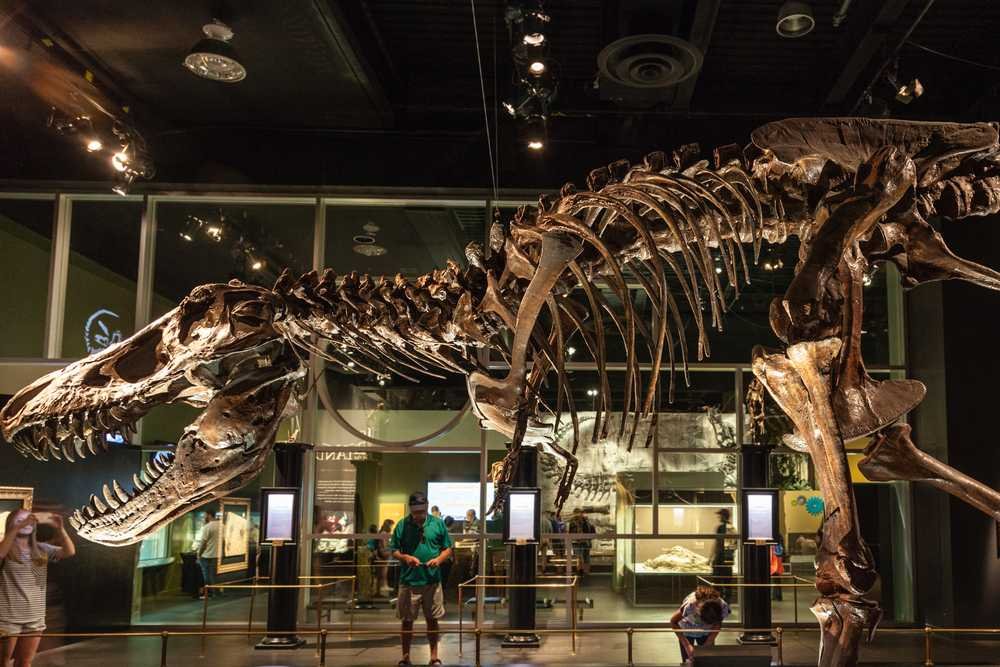
One of the key milestones in its history was the discovery of the "Black Beauty" Tyrannosaurus rex skeleton, one of the most complete T. rex fossils in the world. This finding solidified the museum’s reputation as a major player in the field of paleontology.
The Royal Tyrrell Museum plays a crucial role in scientific research, attracting scientists from around the globe. It’s not just a museum; it’s a working research facility where new discoveries are made regularly. These efforts help expand our understanding of the prehistoric world and contribute to global scientific knowledge about dinosaurs and other ancient life forms.
Information
Website: tyrrellmuseum.com
Toll-free outside Alberta 1-888-440-4240 Toll-free in Alberta 310-0000 then 403-823-7707 Outside North America 1-403-823-7707
Location: 1500 N Dinosaur Trail, Drumheller, AB T0J 0Y0
What to Expect When You Visit
When you visit the Royal Tyrrell Museum, you’ll explore amazing exhibits like Dinosaur Hall, featuring life-sized dinosaur skeletons, and the Cretaceous Garden, showcasing ancient plant life. Seasonal displays and special exhibits keep things fresh, making each visit unique.
The museum offers a gift shop for souvenirs and a cafeteria to grab a bite. After your visit, consider exploring nearby attractions like the Hoodoos, Horseshoe Canyon, or the Drumheller Badlands, all just a short drive away. These spots offer stunning landscapes and a chance to continue your adventure in Drumheller.
Must-See Exhibits
When visiting the Royal Tyrrell Museum, there are a few exhibits you absolutely can't miss. One of the most popular is the "Black Beauty" T. rex, one of the most complete and well-preserved T. rex skeletons in the world. Another highlight is the Devonian Reef, which offers a fascinating look at life over 400 million years ago.
To avoid crowds, it’s best to visit these exhibits early in the morning or later in the afternoon, especially during peak tourist season. This way, you can take your time and really enjoy the displays.
For families with children, the museum offers interactive exhibits where kids can learn about dinosaurs in a hands-on way. Activities like fossil casting and the discovery room are perfect for younger visitors who want to get a bit more involved in the experience.
When planning your visit to the Royal Tyrrell Museum, it’s important to know the hours and ticket prices. From May 15 to August 31, the museum is open daily from 9 a.m. to 9 p.m. Between September 1 and May 14, it’s open Tuesday to Sunday from 10 a.m. to 5 p.m. but closed on Mondays except for holidays. Adult tickets cost $21.00, seniors pay $14.00, and youth tickets are $10.00, while children under 6 get in for free.
The museum is located just outside of Drumheller. To get there, follow Highway 56 from the town center, and you’ll find the museum well-signposted along the way. There’s plenty of parking available on-site.
Hotels near Royal Tyrrell Museum
If you’re planning to stay overnight, Drumheller has a range of accommodation options to suit different budgets, including hotels, motels, and cozy bed-and-breakfasts. Booking in advance is a good idea, especially during the summer when the area is busiest. Here are five hotels that I will recommend:
Ramada by Wyndham Drumheller Hotel & Suites: This hotel is the one I lodged in for a night, and it is a popular choice among tourists because of its comfortable rooms, indoor pool, and proximity to local attractions like the Royal Tyrrell Museum. It makes it easier to explore nearby attractions.
Canalta Jurassic Hotel: Known for its friendly service and clean, modern rooms, the Canalta Jurassic Hotel provides a convenient stay with easy access to the Badlands' highlights.
Quality Hotel Drumheller: Offering well-equipped rooms and a complimentary breakfast, the Quality Hotel is a solid option for travelers looking for both comfort and value.
Badlands Motel: A more budget-friendly choice, the Badlands Motel offers simple, clean accommodations and is located just minutes from Drumheller’s main attractions.
Heartwood Inn and Spa: For a more unique and cozy experience, the Heartwood Inn offers charming rooms and personalized service, along with a spa for a relaxing stay after a day of exploration.
Used only with old Urchin versions of Google Analytics and not with GA.js. Was used to distinguish between new sessions and visits at the end of a session.
End of session (browser)
__utmz
Contains information about the traffic source or campaign that directed user to the website. The cookie is set when the GA.js javascript is loaded and updated when data is sent to the Google Anaytics server
6 months after last activity
__utmv
Contains custom information set by the web developer via the _setCustomVar method in Google Analytics. This cookie is updated every time new data is sent to the Google Analytics server.
2 years after last activity
__utmx
Used to determine whether a user is included in an A / B or Multivariate test.
18 months
_ga
ID used to identify users
2 years
_gali
Used by Google Analytics to determine which links on a page are being clicked
30 seconds
_ga_
ID used to identify users
2 years
_gid
ID used to identify users for 24 hours after last activity
24 hours
_gat
Used to monitor number of Google Analytics server requests when using Google Tag Manager
1 minute
_gac_
Contains information related to marketing campaigns of the user. These are shared with Google AdWords / Google Ads when the Google Ads and Google Analytics accounts are linked together.
90 days
__utma
ID used to identify users and sessions
2 years after last activity
__utmt
Used to monitor number of Google Analytics server requests
10 minutes
__utmb
Used to distinguish new sessions and visits. This cookie is set when the GA.js javascript library is loaded and there is no existing __utmb cookie. The cookie is updated every time data is sent to the Google Analytics server.