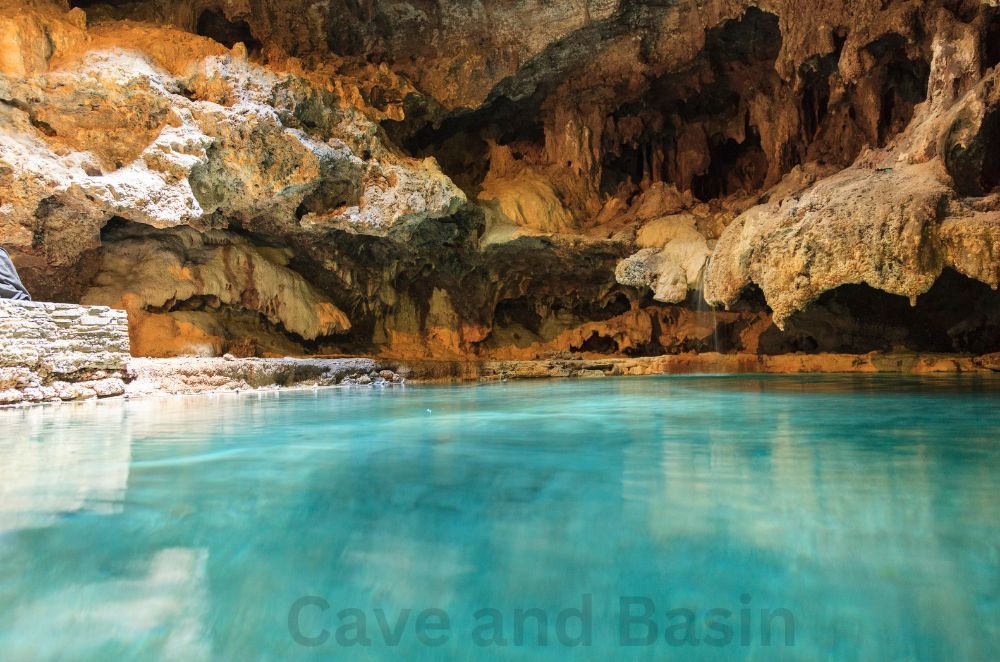
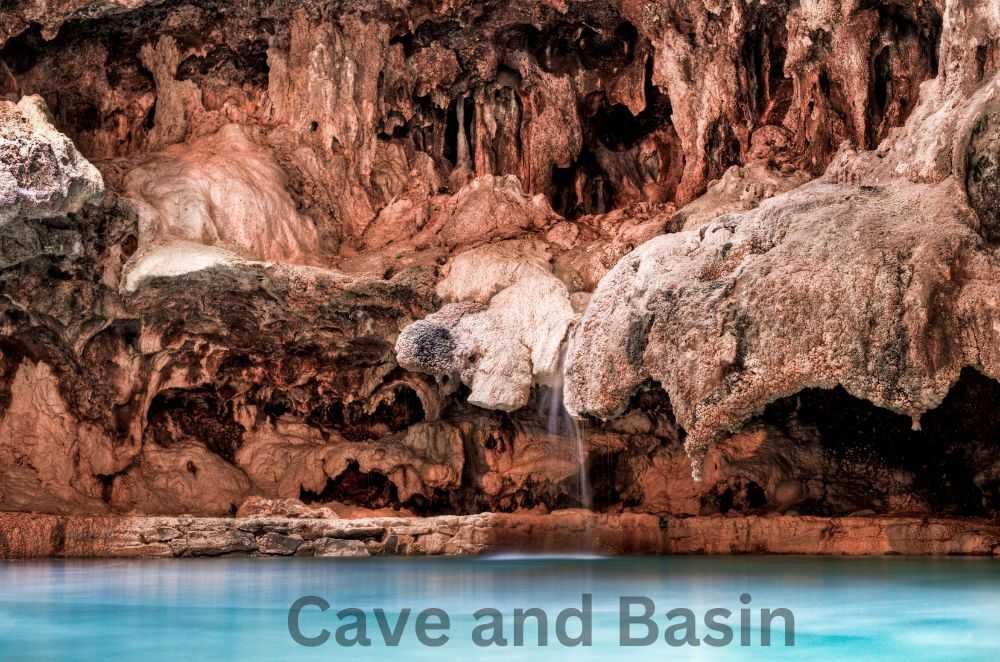
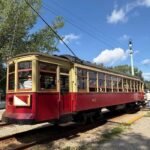
The Cave and Basin National Historic Site is known widely for its warm, mineral-rich waters. In November 1883, three railway workers namely; Tom McCardell, Frank McCabe, and William McCardell discovered a steaming vent hole on the lower part of the Sulphur Mountain. At this time, hot water was very scarce, so finding a natural hot spring like this was like winning a jackpot. The steaming hole they discovered at the time is today’s Cave and Basin.
This discovery was vital because it led to the creation of the Banff National Park on November 25, 1885, which is the first national park in Canada. Now, this site is not just about the beautiful landscapes, but it's a center for conservation stories and a place where visitors can connect with the land and learn about its history through various interactive exhibits and programs.
In 1886, a tunnel was built to make it easier for people to visit the cave. Later, people from all over the world came to visit the warm spring as they believed in the healing powers of the minerals in the water. The area grew into a town with a hotel and a bridge over the Bow River. At first, it was called Rocky Mountains Park and then changed to Banff National Park in 1930.
Visitors can engage with interactive displays and watch films that explore the discovery of the hot springs and the development of the park, along with its ties to the railway. A brief walk through a tunnel leads visitors to the cavern where the hot springs are located.
When you visit the Cave and Basin National Historic Site, you'll walk into a cool cave where warm, misty air surrounds you because of the natural hot springs under the ground. The light from outside makes the water sparkle, making it look magical. It feels special to be in a place where you can see and feel the warm water that comes up from deep in the earth.
Outside the cave, you can walk on boardwalks right next to it. These paths let you explore the area and see different plants and animals that live there. There are signs along the way that tell you interesting facts about what you're seeing, like how the plants and animals fit into this unique place. Visiting here is fun and you'll learn a lot just by walking around and looking at everything.
Getting to the Cave and Basin
Getting to the Cave and Basin National Historic Site in Banff is straightforward and can be a fun part of your adventure. The site is at #311 Cave Ave, Banff, it’s easily accessible by various modes of transportation.
Driving from Calgary: If you're driving from Calgary, the site is about a 90-minute drive west on the Trans-Canada Highway (Highway 1). Once in Banff, follow the signs to the site; parking is available on-site.
Driving from Banff: To reach the Cave and Basin National Historic Site from Banff downtown by car, start by crossing the Bow River bridge. Immediately after the bridge, make a right turn onto Cave Avenue. If you are driving along Spray Avenue, continue straight as it turns into Cave Avenue. Follow Cave Avenue to its end where you'll find the site and its parking area.
Public Transportation: For those preferring public transport, regular bus services run from various points in Banff Town to the site. This is a convenient option if you're staying in town and don’t want to worry about parking.
Shuttles: During the tourist season, there are shuttle services directly to the Cave and Basin from downtown Banff. These shuttles are not only affordable but also offer a hassle-free way to reach the site, allowing you to enjoy the scenic beauty without the stress of driving.
Walking or Biking: If you’re up for a bit of exercise, walking or biking from Banff Town is a great choice. There’s a scenic trail that leads directly to the site, which offers beautiful views of the mountains in the area and its landscape. Take the Cave and Basin trail after crossing the Bow River bridge, which is about 1.5 kilometres long and is mostly flat, which makes it an easy and enjoyable walk. This path should take you about 15 to 20 minutes to complete.
Cave and Basin National Historic SiteImages
The endangered Snail in Cave and Basin
The endangered Banff Springs snail is one of the unique inhabitants of the Cave and Basin. This small snail is about 3-5 mm in size. It can only be found in the warm, mineral-rich waters of the hot springs at this site, which makes its conservation extremely important. In the year 2000, the snails are labelled as endangered species.
The Banff Springs snail thrives and increases in the warm waters, which average about 30-35 degrees Celsius. The habitat is very specific: the snails live on the submerged rocks and vegetation that are coated with the minerals from the springs. These minerals are crucial because they support the algae and bacteria that the snails feed on.
Efforts to protect the Banff Springs snail have been ongoing. The habitat of these snails is sensitive to changes in water quality and temperature, which can be affected by human activities and environmental changes. Protecting the snails involves careful management of the site to ensure that the waters and surrounding areas remain pristine and that the ecological balance is not disturbed.
The best times to visit the Cave and Basin National Historic Site are during the late spring through early fall months, from May to October. This period offers pleasant weather, making it ideal for exploring the outdoor trails and enjoying the site's natural beauty. The visitor center and indoor exhibits are open year-round, so if you prefer a quieter visit, consider going in the off-peak months like late fall or winter.
Cave and Basinvisiting tips
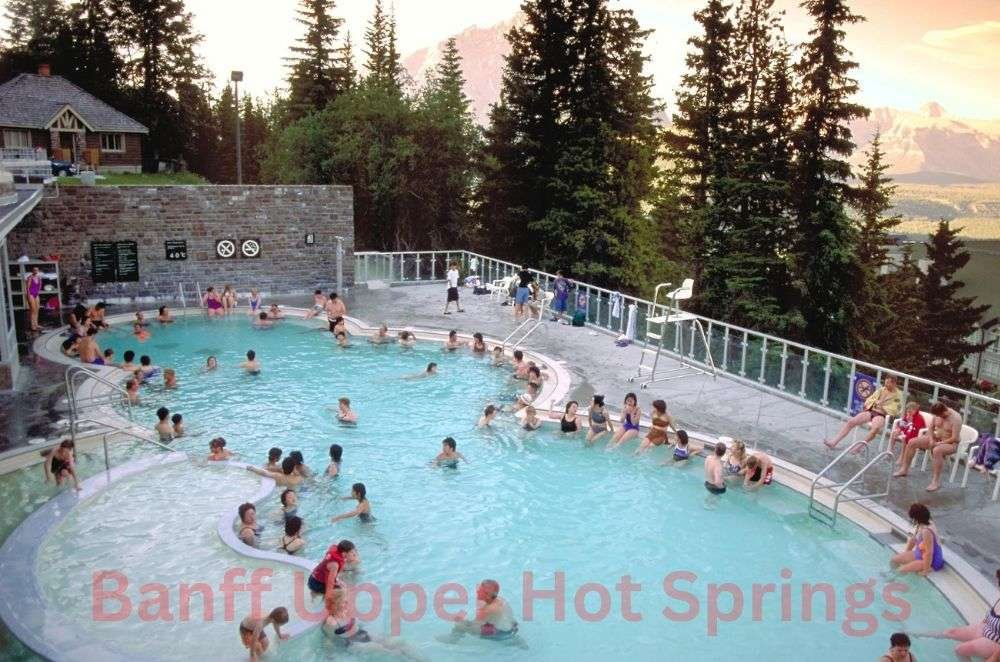
When planning a visit to the Cave and Basin, it's helpful to know that the site operates with limited hours during the winter. The cave is relatively small and tends to get quite busy in the summer. To avoid the crowds, consider visiting early in the morning or later in the day. While you cannot bathe in the hot springs at the Cave and Basin, you can enjoy a soak at the nearby Banff Upper Hot Springs. On-site facilities include a gift shop, restrooms, a cafe, and a picnic area. As a National Historic Site, entry is free for people who hold a valid Annual Discovery Park Pass, and there's no admission fee for youth aged 17 and under.
Cave and BasinContact
Address: 311 Cave Ave, Banff, AB T1L 1K2
Cave and Basin Hours: Opens 9:30 a.m. Everyday
Phone: (403) 762-1566
Things to Do at Cave and Basin
When you visit the Cave and Basin National Historic Site, there's a variety of activities that can make your trip both educational and enjoyable.
Guided Tours and Interpretive Walks: Join one of the guided tours to learn more about the history and natural features of the site. These tours are led by knowledgeable guides who share fascinating stories and details about the cave and its surroundings. Interpretive walks are also available, offering a deeper look into the unique ecology and geology of the area. These walks and tours are great for anyone looking to understand more about this important site.
Exhibits and Multimedia Presentations: Inside the visitor center, you'll find a range of exhibits and multimedia presentations that bring the history of the Cave and Basin to life. These displays are designed to be interactive, engaging visitors with visuals, sounds, and hands-on activities that explain the significance of the site in the establishment of Canada's national parks.
Nearby Trails for Hiking and Biking: If you enjoy being outdoors, there are several trails around the Cave and Basin that offer fantastic hiking and biking opportunities. These trails range in difficulty, providing options for casual walkers as well as more seasoned hikers and bikers. The trails also offer stunning views of the surrounding mountains and landscapes, making them a perfect way to explore the natural beauty of Banff National Park.
Nearby Attractions at Banff National Park
When you visit the Cave and Basin National Historic Site, there are plenty of other fascinating places to explore within Banff National Park that can enrich your experience.
Exploring More of Banff National Park: Besides the Cave and Basin, Banff National Park is home to stunning landscapes and several other key attractions. One popular spot is Lake Louise, known for its turquoise waters and breathtaking mountain backdrop. Another must-see is Moraine Lake, which offers some of the most photographed views in Canada. For those interested in wildlife, the Banff Gondola provides a scenic ride up Sulphur Mountain where you can enjoy panoramic views of the surrounding mountains and valleys.
Combining Visits with Other Historic Sites: To make the most of your trip, consider visiting some nearby historic sites along with the Cave and Basin. The Banff Park Museum, a short drive from the Cave and Basin, offers insights into the natural history of the Canadian Rockies. Another interesting site is the Whyte Museum, which delves into the human history of Banff and the Canadian Rockies through art, artifacts, and photography. Visiting these sites together can give you a fuller understanding of both the natural and cultural heritage of this unique area.
How much time do you need at Cave and Basin?
Planning your visit to the Cave and Basin National Historic Site can help make sure you don't miss out on any of the fascinating features this place has to offer. Typically, you should allow about 2 to 3 hours to explore the site thoroughly. This amount of time lets you comfortably participate in a guided tour or interpretive walk, which usually lasts about an hour. After the tour, you'll have plenty of time to check out the interactive exhibits inside the visitor center, which tell more about the history and ecology of the area.
Additionally, you might want to spend some extra time strolling along the nearby trails or simply enjoying the scenic views around the basin. If you're a photography lover like me or a nature lover, having this extra time means you can take it all in without feeling rushed. Remember, the pace at which you explore can vary, but generally, setting aside a few hours will allow you to experience all the educational and natural beauty the Cave and Basin has to offer.
Conclusion: Cave and Basin National Historic Site
Visiting the Cave and Basin National Historic Site is an incredible journey through both natural beauty and important Canadian history. This site is not only the birthplace of Canada’s national parks, where hot springs and breathtaking cave formations can be explored, but it's also a place where you can learn about the endangered Banff Springs snail and other unique ecological features. Whether you're walking through the steamy cave, strolling along the scenic boardwalks, or engaging with the interactive exhibits, you will learn a lot and enjoy your visit to this historical location.
FAQs about Cave and Basin
Is Cave and Basin worth visiting?
Yes, the Cave and Basin is worth visiting due to its historical significance as the birthplace of Canada's national parks and its unique natural features, including thermal springs and endangered species like the Banff Springs snail.
Is Cave and Basin free?
Entry to the Cave and Basin is not free, except for youth 17 and under. However, it is free to those holding a valid Annual Discovery Park Pass.
Can you swim in the Cave and Basin?
No, you cannot swim in the waters at the Cave and Basin; the hot springs are protected to preserve the habitat of the endangered Banff Springs snail.
Is Cave and Basin cold?
The Cave and Basin itself is not cold; the cave features warm, steamy air due to the thermal springs. However, the external environment can be chilly, especially outside of the summer months.
How long does it take to visit Cave and Basin?
It typically takes about 2 to 3 hours to visit the Cave and Basin, allowing time for guided tours, exploring the exhibits, and walking the nearby trails.
There's a particular kind of magic in sliding into a steaming pool of mineral water with snow-capped peaks rising all around you.
That's the experience waiting at Banff Upper Hot Springs — one of the most iconic and accessible attractions in Banff National Park. Sitting at 1,585 metres above sea level, it's the highest-elevation hot spring in Canada, and people have been soaking here since the 1880s. Whether you're a local looking for a quick escape or visiting Alberta for the first time, this is one of those rare attractions that genuinely lives up to the hype.
In this guide, you'll find everything you need to plan your visit — 2026 prices, hours, what the experience is actually like, how to get there, and the honest tips that will make your soak better. I'll also share my own experience visiting the springs and what surprised me.
What Are the Banff Upper Hot Springs?
Banff Upper Hot Springs is a developed outdoor pool filled with naturally heated mineral water. The water originates deep underground, where it's warmed by the Earth's heat and pushed to the surface through a crack in the Earth's crust called the Sulphur Mountain Thrust Fault.
As the water rises, it picks up minerals along the way — sulphate, calcium, bicarbonate, magnesium, and sodium — which is what gives the springs their distinctive feel (and that faint mineral smell). The water emerges at a comfortable temperature, kept between 37°C and 40°C (98°F to 104°F) in the pool, which is warm enough to soothe tired muscles without being uncomfortable.
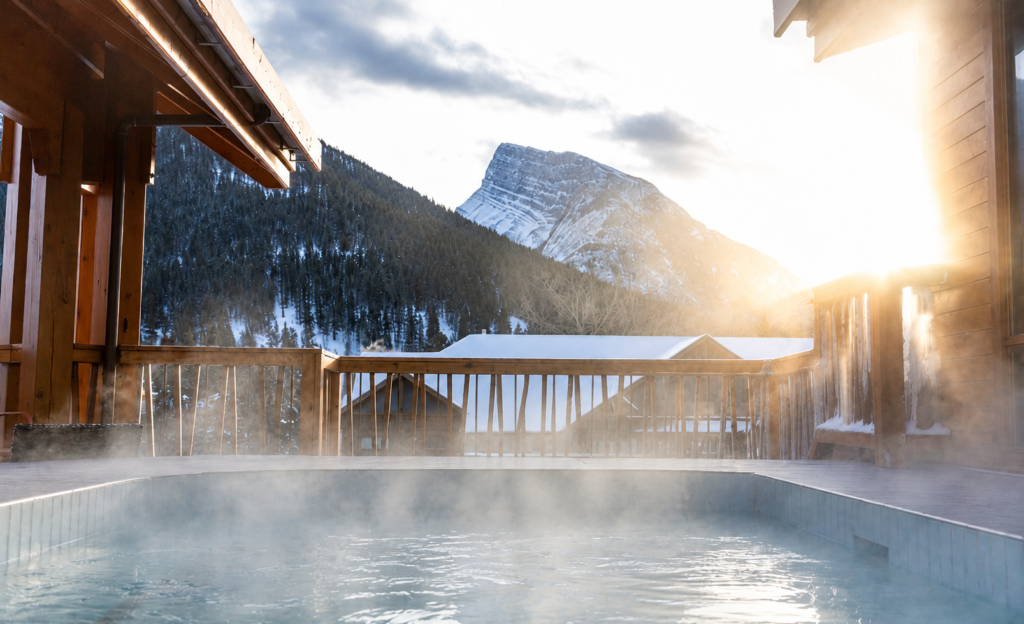
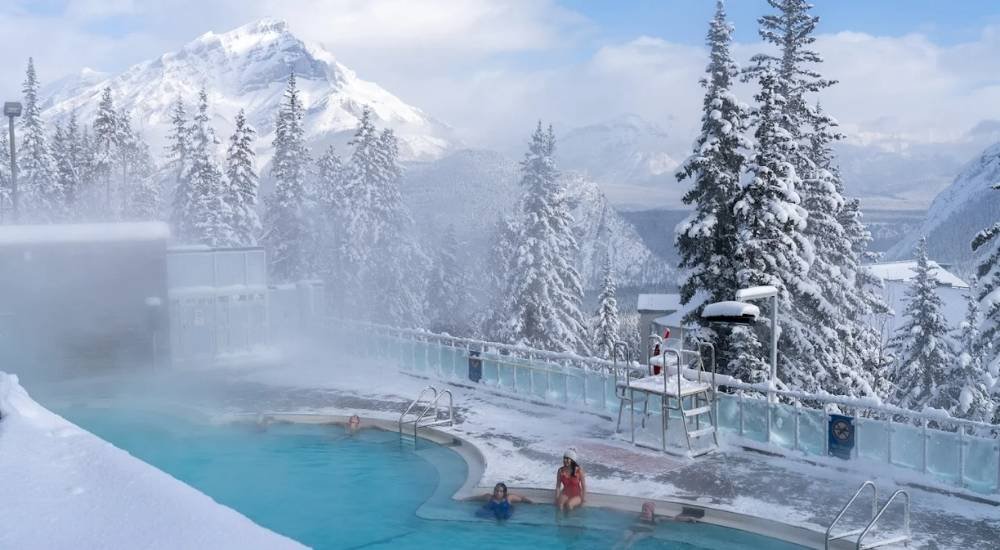
The result is a relaxing outdoor soak with one of the best mountain backdrops you'll find anywhere — views of Mount Rundle and the surrounding peaks rising right above the water.
A Quick Bit of History
The Banff Upper Hot Springs aren't just a place to relax — they're tied to the very founding of Canada's national park system.
In 1883, three railway workers discovered natural hot springs on the side of Sulphur Mountain. The discovery sparked a dispute over who owned the springs, which led the Canadian government to step in and create Banff as Canada's first national park in 1885. In other words, this humble hot spring helped launch the entire Canadian national parks system.
The springs were developed into a resort and spa to cater to wealthy travellers arriving by the Canadian Pacific Railway, who would stay at the grand Banff Springs Hotel. The current stone bathhouse was originally built in 1932 and has been restored over the years. It's now recognized as a federal heritage building, complete with interpretive exhibits sharing the history of the springs.
Important 2026 Update: The Springs Reopened After Renovation
Here's something many older guides don't mention. The Banff Upper Hot Springs were closed for several months in 2025 for a major renovation and facility upgrade, reopening in early 2026.
If you visited years ago, you'll notice some changes:
Updated bathhouse facilities
New interpretive exhibits about the history and science of the springs
Refreshed change rooms and amenities
Updated admission prices (more on this below)
The renovation preserved the historic charm of the 1932 bathhouse while modernizing the visitor experience. If you've been before, it's worth a return visit to see the updates.
Always check the official Parks Canada website before you go, as periodic maintenance closures can happen and hours sometimes change seasonally.
Banff Upper Hot Springs Prices (2026)
Admission is first-come, first-served — no reservations needed. Following the 2026 renovation and reopening, the updated prices are:
Prices are subject to change, so it's smart to confirm current rates on the Parks Canada website before your visit. If you're planning to visit multiple hot springs, note that an annual pass can be used at Banff Upper Hot Springs, Miette Hot Springs, and Radium Hot Springs — a great deal if you're touring the Rockies.
A quick note: the hot springs pool admission is separate from your Banff National Park entry pass. You'll need both — though the park pass is what gets you into the park itself, while the pool admission gets you into the springs.
Banff Upper Hot Springs Hours
The springs are generally open daily, year-round, including most Canadian holidays. Standard hours are:
Open daily: typically 1:00 PM to 10:00 PM
Last admission: 30 minutes before closing (around 9:30 PM)
Hours can vary seasonally and may differ during the post-renovation period, so always check the official Parks Canada website for current hours before your visit. This is especially important right after the reopening, when schedules can shift.
Most people spend 1 to 2 hours soaking and enjoying the scenery. There's no strict time limit within operating hours, but health experts recommend not staying continuously immersed for more than 20 minutes at a time (less for children).
What to Expect: My Honest Experience
Let me share what the visit was actually like, since that's the part most guides skip.
First Impressions
As soon as you step out of the car, the crisp mountain air hits you, along with that first stunning view of Mount Rundle towering in the distance. The bathhouse adds a nostalgic charm with its classic 1930s stone architecture. The facility is well-maintained, and the staff move people through the entrance efficiently.
The Soak
The hot springs themselves are genuinely special. Easing into the warm, mineral-rich water, you feel the stress of travel start to melt away (I won't exaggerate and say it cures everything — but it comes close). The pool sits at a comfortable temperature, warm enough to relax in without feeling overheated.
Sitting back in the water, you can't help but marvel at the view. Snow-capped peaks and green forests surround the pool, making it feel like a secluded mountain retreat — even though you're just minutes from town.
One thing that stood out was the diversity of people in the pool. Visitors from all over the world come to experience the soothing waters. Some chat softly, others float with their eyes closed, simply taking it all in. When the pool isn't busy, you can find a quiet corner and have a genuinely peaceful soak. During peak hours, though, it gets crowded — which brings me to the tips section below.
Amenities and Facilities
After your soak, take a moment to explore the bathhouse. The change rooms are clean and equipped with showers, which feels great after the mineral water. There's also a small gift shop where you can pick up souvenirs, including locally made bath products. An ATM, picnic spots, and walking trails are also on-site.
The Minerals in the Springs
For the curious, here's what's actually in the water. The five main minerals in Banff Upper Hot Springs are:
Sulphate: 572 mg/l
Calcium: 205 mg/l
Bicarbonate: 134 mg/l
Magnesium: 42 mg/l
Sodium: 6.6 mg/l
The high mineral content is part of what gives the water its soothing quality. Many people believe these minerals offer therapeutic benefits, especially for sore muscles after a day of hiking — though the relaxing warmth alone is reason enough to visit.
A fun fact that still puzzles scientists: in winter, the natural spring water flow sometimes dries up, and the pool is topped up with heated municipal water instead. Either way, the soak is just as relaxing.
Tips for Your Visit
A few honest tips to make your experience as good as possible.
Time your visit to avoid crowds. The springs get busy, especially during peak tourist seasons. To beat the crowds, visit early in the morning (before 10:30 AM) or later in the evening (after 6 PM). Weekdays are quieter than weekends.
Bring or rent a swimsuit. Street clothes aren't allowed in the pool. You can bring your own swimsuit, rent one on-site, or even buy a vintage-style "swimming costume" from the gift shop for a fun, nostalgic touch. Freshly laundered T-shirts and shorts are also permitted.
Bring a towel (or rent one). Towel rentals are available, but they cost extra. Bringing your own saves a little money.
Stay hydrated. The heat can dehydrate you faster than you'd expect. Drink plenty of water before and after your soak.
Consider your health. If you have heart conditions, high blood pressure, or are pregnant, consult your doctor before soaking. The heat affects everyone differently.
Visit in winter for the most magical experience. The contrast between the steaming hot water and the crisp, snowy mountain air is unforgettable. Steam rises off the pool, snow falls around you, and the mountains form silhouettes against the sky. Just be prepared for the cold dash from the change room to the water.
Don't soak too long. Limit continuous immersion to about 20 minutes at a time, then take a break. This keeps you from overheating.
How to Get to Banff Upper Hot Springs
The springs sit at the end of Mountain Avenue, at the base of Sulphur Mountain (right near the Banff Gondola), about a 12-minute drive from downtown Banff.
By Car: From Banff town, cross the Bow River bridge and turn onto Mountain Avenue. Follow it to the very end. There's a parking lot right at the entrance, but it fills up quickly during peak times. Arriving mid-morning on a weekday, you'll likely find the lot busy but manageable. On weekends or in peak season, arrive early or use the bus.
By Bus:Roam Transit Route 1 takes you right to the hot springs. It's a convenient, affordable option that saves you the parking hassle. Check the current schedule before you go.
By Foot or Bike: For the active, there's a scenic walking and biking path of about 4 to 4.7 km from town up to the springs. A rewarding way to arrive — and the soak feels even better after the climb.
Address: 1 Mountain Avenue, Banff
Nearby Attractions to Combine With Your Visit
The hot springs pair beautifully with several nearby attractions, since they're all clustered at the base of Sulphur Mountain.
Banff Gondola. Right next door, the Banff Gondola carries you up Sulphur Mountain for panoramic views of six mountain ranges. Combine it with your soak for a perfect Sulphur Mountain day.
Cave and Basin National Historic Site. This is where Canada's national parks system began — the lower hot springs were first discovered in 1883. The site offers fascinating history and a look at the unique cave geology. It's a short drive from the Upper Hot Springs.
Banff Townsite. The charming town of Banff is full of shops, restaurants, and galleries. A stroll down Banff Avenue is the perfect way to round off a relaxing day. For ideas on planning a full Banff trip, check out the 3, 5, and 7-day Banff itineraryblog, which walks through complete day-by-day plans.
Is Banff Upper Hot Springs Worth It?
Honestly — yes. For the price of admission, you get one of the most relaxing, scenic, and historically rich experiences in Banff National Park. It's accessible to almost everyone (the bathhouse is wheelchair accessible), open year-round, and suitable for solo visitors, couples, and families alike.
It's not a wilderness adventure or an adrenaline rush. It's the opposite — a calm, restorative soak with a million-dollar view. After a long day of hiking, driving, or sightseeing, there are few better ways to end the day in the Rockies.
If you only have time for one relaxing activity in Banff, make it this one.
Final Thoughts
The Banff Upper Hot Springs are more than just a place to relax — they're a journey into the heart of the Canadian Rockies, where nature and history come together in one steaming, scenic pool. From the 1880s discovery that created Canada's first national park, to the freshly renovated bathhouse welcoming visitors in 2026, the springs carry a story that few other attractions can match.
Whether you're soaking in the therapeutic waters, gazing at Mount Rundle, or warming up after a snowy winter day, a visit here belongs on any Banff itinerary. Pack your swimsuit, grab a towel, and get ready to unwind in one of Canada's most iconic natural wonders.
For more first-timer guides, day trip ideas, and honest advice from across the province, keep exploring AlbertaTourist.com. We're here to help you make the most of every trip to the Canadian Rockies.
Frequently Asked Questions
How much does it cost to visit Banff Upper Hot Springs?
Following the 2026 renovation, admission is approximately $19.75 for adults, $17.25 for seniors (65+), and $17.25 for youth (3–17). Children under 3 are free. Prices are subject to change, so check the Parks Canada website for current rates. Swimsuit, towel, and locker rentals are available for a small extra fee.
What are the Banff Upper Hot Springs hours?
The springs are generally open daily, year-round, typically from 10:00 AM to 10:00 PM, with last admission 30 minutes before closing. Hours can vary seasonally and may differ after the 2026 reopening, so always confirm current hours on the Parks Canada website before your visit.
How do you get to Banff Upper Hot Springs?
You can drive (12 minutes from downtown Banff, with parking on-site), take the Roam Transit Route 1 bus, or walk/bike the scenic 4 km path from town along Mountain Avenue. The address is 1 Mountain Avenue, Banff.
Is Banff Upper Hot Springs worth visiting?
Yes, it's one of Banff's most relaxing and iconic experiences, offering mineral-rich waters, stunning mountain views, and deep historical significance, all at an affordable price. It's accessible year-round and suitable for all ages.
How long should you spend at Banff Upper Hot Springs?
Most people spend 1 to 2 hours enjoying the soak and the scenery. Health experts recommend limiting continuous immersion to about 20 minutes at a time (less for children) to avoid overheating.
What are the benefits of Banff Upper Hot Springs?
The springs offer relaxation, muscle relief, and the potential therapeutic benefits of mineral-rich water (sulphate, calcium, magnesium, sodium, and bicarbonate). The warm water is especially soothing after a day of hiking or sightseeing.
Are towels provided at Banff Upper Hot Springs?
Towels are not provided for free, but you can rent one on-site for a small fee. Bringing your own towel and swimsuit saves a little money.
Does Banff Upper Hot Springs smell?
The water has a mild sulphur smell, which is completely natural for mineral hot springs. Most visitors stop noticing it within a few minutes.
Who should not go in the hot springs?
People with heart conditions, high blood pressure, or who are pregnant should consult a doctor before visiting. The heat affects everyone differently, and it's always best to be cautious.
Can you use a Banff park pass at the hot springs?
A Banff National Park entry pass gets you into the park, but the hot springs pool admission is separate. If you have a Hot Springs annual pass, it can be used at Banff Upper Hot Springs, Miette Hot Springs, and Radium Hot Springs.
Used only with old Urchin versions of Google Analytics and not with GA.js. Was used to distinguish between new sessions and visits at the end of a session.
End of session (browser)
__utmz
Contains information about the traffic source or campaign that directed user to the website. The cookie is set when the GA.js javascript is loaded and updated when data is sent to the Google Anaytics server
6 months after last activity
__utmv
Contains custom information set by the web developer via the _setCustomVar method in Google Analytics. This cookie is updated every time new data is sent to the Google Analytics server.
2 years after last activity
__utmx
Used to determine whether a user is included in an A / B or Multivariate test.
18 months
_ga
ID used to identify users
2 years
_gali
Used by Google Analytics to determine which links on a page are being clicked
30 seconds
_ga_
ID used to identify users
2 years
_gid
ID used to identify users for 24 hours after last activity
24 hours
_gat
Used to monitor number of Google Analytics server requests when using Google Tag Manager
1 minute
_gac_
Contains information related to marketing campaigns of the user. These are shared with Google AdWords / Google Ads when the Google Ads and Google Analytics accounts are linked together.
90 days
__utma
ID used to identify users and sessions
2 years after last activity
__utmt
Used to monitor number of Google Analytics server requests
10 minutes
__utmb
Used to distinguish new sessions and visits. This cookie is set when the GA.js javascript library is loaded and there is no existing __utmb cookie. The cookie is updated every time data is sent to the Google Analytics server.