How to Visit Abraham Lake: Alberta’s Hidden Gem
Picture a lake so blue it looks like liquid gemstones under the summer sun and, in winter, a frozen wonderland dotted with thousands of icy bubbles trapped like glittering marbles. This is Abraham Lake, a stunning man-made reservoir in Alberta’s Canadian Rockies. Built in 1972 with the Bighorn Dam, this lake sits along the scenic David Thompson Highway, offering jaw-dropping views of turquoise waters and snow-capped peaks. While famous parks like Banff and Jasper steal the spotlight, Abraham Lake quietly shines as a year-round paradise for adventurers, photographers, and anyone craving raw, natural beauty.
What makes Abraham Lake special? First, its vivid turquoise colour—caused by glacial rock flour that reflects sunlight—creates a surreal backdrop for summer hikes and kayaking 36. In winter, the lake transforms into a frozen art gallery. Methane gas bubbles, released by decaying plants underwater, freeze into mesmerizing patterns under the ice, making it a hotspot for photographers worldwide. Despite being man-made, the lake blends perfectly into the wild Rockies, surrounded by giants like Abraham Mountain and Mount Michener.
Why visit? Whether you’re snapping photos of the iconic ice bubbles, skating on clear winter ice, or hiking on trails like Vision Quest for panoramic views, Abraham Lake delivers unforgettable experiences. As of 2024, visitor numbers are rising, with Instagrammers and adventurers flocking here to escape crowded parks. Just remember: Strong winds sweep the lake year-round, so pack warm layers and check ice safety before stepping onto the frozen surface. Ready to explore Alberta’s best-kept secret? Abraham Lake awaits!
1. What Makes Abraham Lake Unique?

The Mysterious Abraham Lake Ice Bubbles
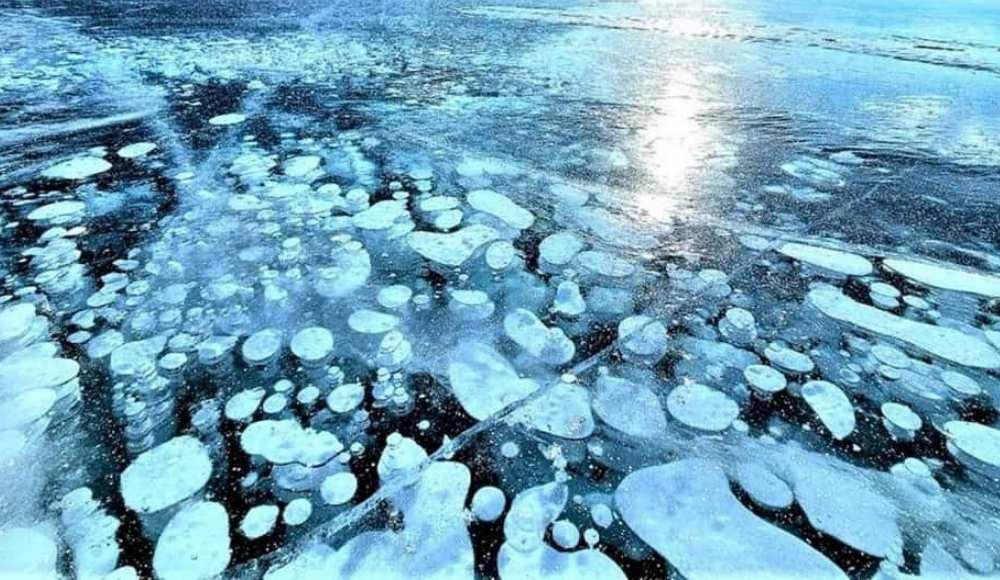
Beneath Abraham Lake’s icy surface lies a hidden wonder: glowing methane bubbles trapped like frozen marbles. These bubbles form when microbes at the bottom of the lake break down dead plants and animals, releasing methane gas. As winter freezes the lake, the gas rises and gets stuck in layers of ice, creating stacked, otherworldly patterns perfect for photos.
This winter spectacle has made the lake famous worldwide. Instagrammers and photographers flock here between January and February when the ice is clearest. Strong winds sweep away snow, polishing the ice into a glass-like window to the bubbles below. But there’s a catch: methane is a powerful greenhouse gas, times stronger than carbon dioxide at trapping heat. Scientists warn that rising global temperatures could speed up methane release from lakes like Abraham, worsening climate change.
Turquoise Waters Against a Rugged Backdrop
In summer, Abraham Lake’s waters shine bright turquoise, a colour caused by glacial rock flour. This fine powder comes from glaciers grinding rocks into dust, which mixes with the water and reflects sunlight. The result? A glowing, jewel-toned lake that contrasts sharply with the rugged Canadian Rockies surrounding it.
The lake’s dramatic setting adds to its charm. Towering peaks like Elliott Mountain (2,873 meters) frame the water, creating a wild, untouched feel. Unlike crowded parks like Banff, Abraham Lake offers quieter trails and raw, natural beauty. Adventurers kayak its vivid waters in summer while hikers explore nearby trails like Hoodoo Creek for panoramic views
2. Best Time to Visit Abraham Lake

Winter Wonderland (December–March)
Winter transforms Abraham Lake into a magical icy playground. From December to March, the frozen surface showcases glowing methane bubbles trapped under crystal-clear ice, creating a surreal scene perfect for photography. Adventurers can glide across the smooth ice on skates, surrounded by snow-blanketed Rockies and frosty peaks.
For safety, check ice thickness—it should be at least 15 cm for skating or walking—and avoid cracks or flowing water. Alberta Parks notes over 15% more winter visitors in 2023, with skaters and photographers alike drawn to the lake’s sparkling ice formations. Don’t forget your camera and helmet for this unforgettable ice-skating adventure!
Summer Adventures (June–September)
Summer brings turquoise waters and endless adventures. Kayak across the lake’s bright surface, hike trails like Siffleur Falls, or camp under star-filled skies—Abraham Lake has minimal light pollution, making it a top stargazing spot in Alberta. Strong winds (averaging 40 km/h in July) attract kite-sailors and windsurfers. Alberta Tourism data shows that summer visits jumped 20% in 2023, with families and thrill-seekers exploring the area’s rugged beauty.
Shoulder Seasons (Spring/Fall)
Visit in April- May or September- October for quieter trips. Spring melts reveal ice patterns and wildflowers, while fall paints the Rockies in golden hues. Weather shifts fast—pack layers and a camera. Photographers love capturing storms over the lake or reflections of autumn colours. Though fewer crowds visit during these months, Alberta’s 2023 travel guides recommend shoulder seasons for unique shots and peaceful hikes.
3. Top Activities and Attractions at Abraham Lake
Photography Hotspots
Like I said above, Abraham Lake is a paradise for photographers. Preacher’s Point offers stunning sunrise views, with golden light reflecting off the turquoise water and surrounding peaks. In winter, Windy Point becomes a hotspot for snapping the lake’s famous frozen methane bubbles, which look like glittering galaxies under the ice. For night photography, the lake’s remote location means almost zero light pollution, making it ideal for capturing the Northern Lights. The best time to see the auroras is between November and March. Use a tripod and slow shutter speed to photograph their vibrant greens and purples.
New photographers can join workshops led by local experts, like Rocky Mountain Photo Adventures, which saw a 40% increase in bookings in 2023. Drones are also popular here for aerial shots of the ice patterns and mountain vistas. Just follow Transport Canada’s rules: fly below 120 meters and avoid wildlife.
Abraham Lake Hike and Exploration
Hikers love Abraham Lake for its rugged trails and peaceful wilderness. The Hoodoo Creek Trail (5 km round-trip) winds past strange rock formations and offers views of the lake’s bright blue waters. For a longer adventure, the Siffleur Falls Trail (8 km) leads to a powerful waterfall surrounded by limestone cliffs. Keep your camera ready—bighorn sheep often wander near the trails, and bald eagles nest in the cliffs above.
In 2023, Alberta Parks upgraded trail markers and added more rest areas due to rising visitor numbers. Families with younger kids can try the easy Crescent Falls Loop (2 km), which ends at a cascading waterfall. Always carry bear spray and check the weather—sudden storms are common in the summer. Local guides recommend starting hikes early to avoid afternoon winds, which can reach 50 km/h.
Adventure Sports
Abraham Lake’s strong winds and icy landscapes make it a playground for thrill-seekers. Summer gusts averaging 60 km/h create perfect conditions for kite-sailing and windsurfing. Beginners can take lessons from companies like Aquabatics Calgary, which reported a 50% spike in bookings last year. Winter transforms the area into an ice-climbing hub, with frozen waterfalls like Cline River Canyon attracting climbers from around the world.
For a unique challenge, try ice skating on the lake’s smooth surface in January or February—just ensure the ice is at least 15 cm thick. In 2023, the lake hosted its first Winter Adventure Festival, featuring ice climbing races and photography contests. Always check conditions with local outfitters before heading out, as weather changes fast. Social media posts with #AbrahamLakeAdventures doubled in 2023, showcasing everything from windsurfing jumps to ice-climbing triumphs.
4. Abraham Lake nearby attractions

The David Thompson Highway, stretching 230 km through the Rockies, is one of Alberta’s most scenic drives. Stop at Crescent Falls for a picnic or visit the tiny town of Nordegg, where you can tour the historic Brazeau Collieries mine. The highway also connects to Banff and Jasper National Parks, both under two hours away. Banff’s hot springs and Jasper’s Maligne Lake are perfect for day trips.
In 2023, Alberta Tourism highlighted the highway as a “must-drive” route, noting a 30% increase in summer road-trippers. For a quieter escape, explore the Kootenay Plains Ecological Reserve, where Indigenous-guided tours share stories of the land’s cultural history. Plan to spend at least a full day here—the mix of glaciers, forests, and wildlife is worth the drive.
5. Practical Tips for Visiting Abraham Lake

Getting There
Reaching Abraham Lake is straightforward but requires planning. From Calgary, drive west on Highway 1 (Trans-Canada) for 2 hours, then take the Icefields Parkway (Highway 93) north to the David Thompson Highway (Highway 11). The total drive is about 3 hours. From Edmonton, take Highway 2 south to Red Deer, then follow Highway 11 west for 3.5 hours. The David Thompson Highway offers stunning mountain views, but winter conditions (December–March) can be icy—Alberta Transportation reported 15% more winter accidents in 2024, so use winter tires and check road updates in Alberta.
In 2025, Alberta Parks upgraded signage along the route to improve navigation. Many visitors use apps like Google Maps but download offline maps beforehand—cell service drops near the lake. For electric vehicles, charging stations are available in Nordegg (40 km east) and Saskatchewan River Crossing (seasonal). Avoid speeding: wildlife like deer and bighorn sheep often cross the highway, especially at dawn and dusk.
Safety First
Ice safety is critical at Abraham Lake. Before walking or skating, check that ice is at least 15 cm thick using an ice screw or local guide. Avoid areas near cracks, flowing water, or methane bubbles, as ice can be weaker there. In January 2025, Alberta Parks reported three ice-related incidents due to tourists ignoring safety signs—always stick to recommended spots like Preacher’s Point for safer ice conditions.
Weather changes fast here. Sudden winds can hit 100 km/h, and temperatures may drop below minus 20°C in winter. Pack layers, windproof gear, and traction cleats for icy trails. Check the Nordegg Adventure’s daily ice reports or join guided tours for real-time updates. In summer, watch for sudden storms—carry rain gear and avoid open water during high winds.
Abraham Lake Accommodation
Camping options range from rustic to comfortable. Dry Island Buffalo Jump, 90 minutes east, offers serviced sites with fire pits and picnic tables. For lakeside camping, try informal spots near Preacher’s Point or Windy Point—these are free but require a 2025 Public Lands Camping Pass ($30 annual fee). Alberta Parks opened a new campground near Crescent Falls in 2024 with 30 reservable sites, popular for stargazing.
Nearby towns provide cozy alternatives. Nordegg has cabins, the HI Nordegg Hostel, and the David Thompson Resort, which offers RV hookups and hot showers. Saskatchewan River Crossing (30 km west) has a seasonal lodge and gas station. Book early—2025 visitor numbers rose by 20%, and summer weekends fill fast.
Leave No Trace
Protecting Abraham Lake’s beauty starts with responsible habits. Pack out all trash, including food scraps and toilet paper—Alberta fined 12 campers in 2024 for littering, with penalties up to $235. Use designated fire rings or a portable stove; wildfires are a growing risk due to drier summers.
Respect wildlife and cultural sites. Store food in bear-proof containers, and never feed animals. Indigenous sites, like ceremonial grounds near Kootenay Plains, are sacred—avoid touching artifacts or disturbing areas. Stick to marked trails to prevent soil erosion, and keep drones away from wildlife nests.
6. Abraham Lake Tours from Banff and Canmore

Exploring Abraham Lake's mesmerizing ice bubbles is made easy with guided tours departing from Banff and Canmore. These tours offer a seamless experience, combining transportation, expert guidance, and breathtaking scenery.
Banff Adventures provides an 8-hour tour that includes hotel pickup, a journey along the scenic Icefields Parkway, and a visit to the frozen Abraham Lake. The tour features stops at Peyto Lake and Bow Lake, with opportunities for snowshoeing and photography. Guests are advised to bring a packed lunch and dress in warm layers.
Canadian Rockies Experience offers a private luxury SUV tour from Banff or Canmore, including hotel pickup, a scenic drive, and a guided exploration of Abraham Lake's ice bubbles. The tour includes hot beverages, pastries, and a packed lunch, providing a comfortable and personalized experience.
For those seeking a more intimate adventure, Radventures Canada and GetYourGuide offer private tours that encompass the Icefields Parkway, Peyto Lake, and Abraham Lake. These tours include snowshoeing, photography opportunities, and insights into local hidden gems
These guided tours provide a safe and informative way to experience the unique beauty of Abraham Lake, making them ideal for visitors looking to explore the Canadian Rockies' winter wonders.
Conclusion about Abraham Lake
Abraham Lake is a special place that offers beauty in every season. In summer, the lake shines with bright turquoise water, perfect for kayaking and hiking. In winter, the frozen surface traps methane bubbles, creating stunning patterns under the ice. Whether you're skating, taking photos, or just enjoying the view, there's always something amazing to see. The lake's peaceful setting and clear skies also make it a great spot for stargazing.
As more people discover Abraham Lake, it's important to visit responsibly. Always check ice conditions before going out in winter, and be prepared for sudden weather changes. Stay on marked trails, pack out all your trash, and respect wildlife and cultural sites. By following these simple steps, we can all help keep Abraham Lake beautiful for years to come.