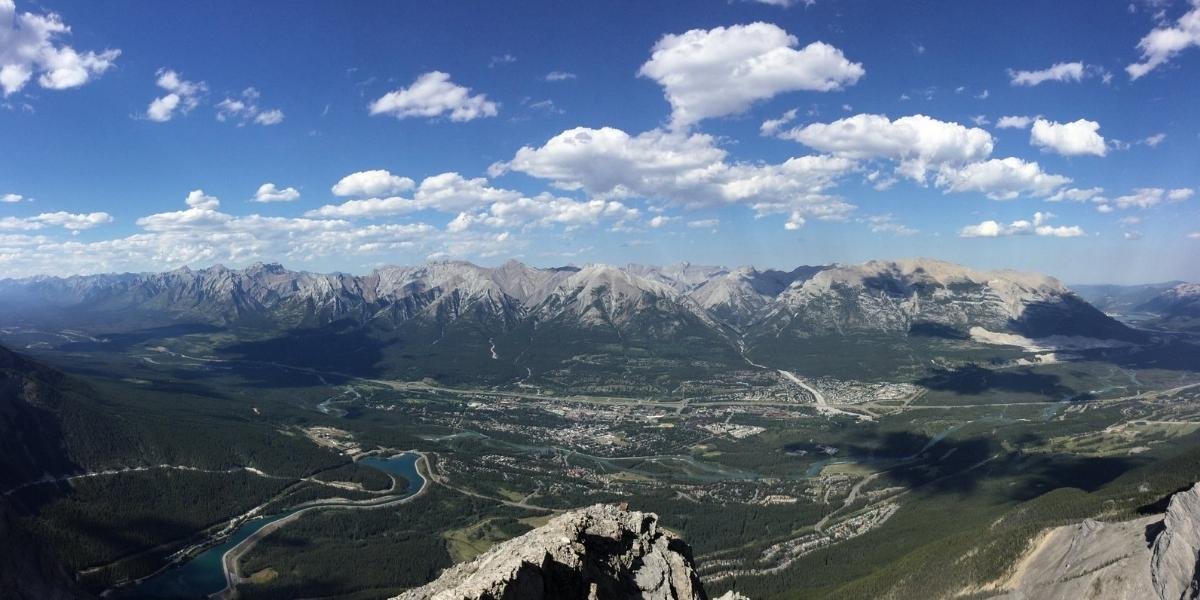
15 Best Hiking Trails in Canmore, Alberta For Best Experience

15 Best Hiking Trails in Canmore, Alberta For Best Experience

Canmore is just outside of Banff National Park; the town is one of the most underrated hiking towns in North America. This town is surrounded by peaks on every side. The town sits at the foot of Mount Rundle and the Three Sisters, with the Bow River curving through it and over 70 km of pathways linking neighbourhoods, parks, and trailheads. Step outside almost anywhere in town and you're within walking or driving distance of a trail — from flat riverside boardwalks to lung-busting scrambles up 2,400-metre summits.

Best of all, Canmore's trails are usually less crowded than Banff's, often cheaper to reach (no national park pass required for most), and arguably just as scenic. For a lot of hikers, Canmore is the smarter base for a Rocky Mountain trip — and the trails here can quietly take over your whole vacation if you let them.

This guide covers 15 of the best hiking trails in Canmore, sorted from easy to hard, so you can pick what fits your fitness, your time, and your travel style. Each one includes distance, elevation, difficulty, time estimate, and an honest take on what to expect. By the end, you'll know exactly which hike to do tomorrow morning.

A Few Things to Know Before You Hit the Trails

A few quick things to keep in mind before any hike in Canmore.

You'll need a Kananaskis Conservation Pass for many trails. Most of the popular hikes around Canmore (Grassi Lakes, Ha Ling Peak, East End of Rundle, Grotto Canyon, and others) require a Kananaskis Conservation Pass. It's $15 per vehicle per day or $90 for an annual pass, separate from a Banff National Park pass. Buy online at conservationpass.alberta.ca before you go.

Bring bear spray. Bears regularly walk through Canmore neighbourhoods and along most trails outside town. You can buy bear spray at Canadian Tire or Valhalla Pure Outfitters in Canmore. Learning how to use it takes about two minutes.

Mountain weather changes fast. Even on a sunny morning, pack a light waterproof jacket and a warm layer. Snow can fall above the tree line in any month.

Mountain fitness is different from gym fitness. Even strong gym-goers can find their first 800-metre climb humbling. Start with easier hikes and build up.

Set a turnaround time. For bigger hikes, decide before you start what time you'll head down, even if you haven't reached the summit. Getting caught in the dark in bear country is no joke.

Now, the trails.

Easy Hikes in Canmore (Great for Beginners and Families)

These are walks and gentle trails that work for almost any fitness level. Perfect for a quiet morning, an afternoon with kids, or a recovery day after a bigger hike.

1. Bow River Loop
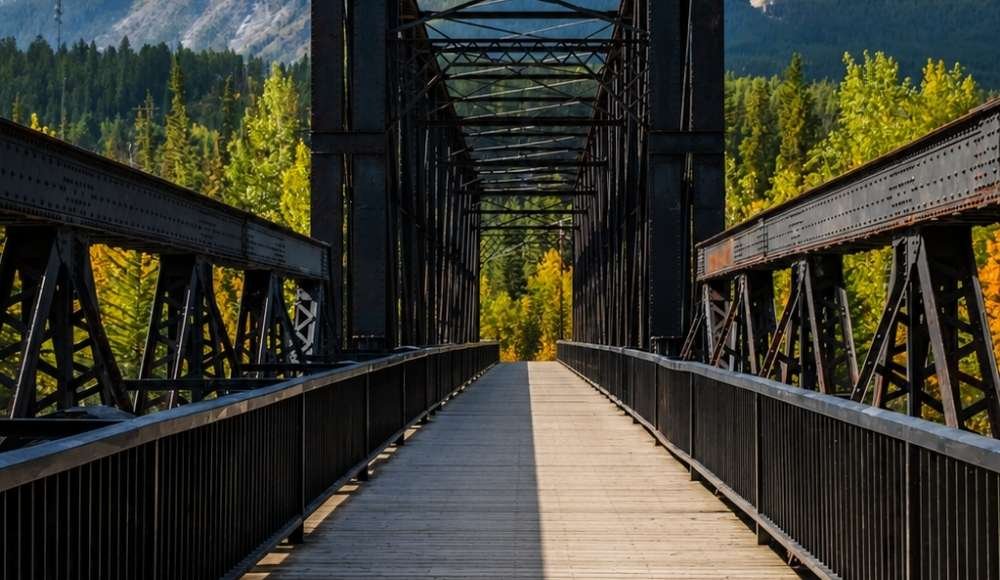
Bow River Loop hiking trails in Canmore.
  • Difficulty: Easy
  • Distance: 2.1 km
  • Elevation gain: 64 metres
  • Time: 20–50 minutes
  • Pass required: None

If you're staying in downtown Canmore and want a quick taste of the area's natural beauty, the Bow River Loop is the perfect starting point. The flat gravel path winds along both sides of the Bow River and crosses two pedestrian bridges — one at the end of 8th Avenue with sweeping views of the Three Sisters, and the historic Engine Bridge, a former railway bridge that recently made an appearance in the TV series The Last of Us.

It's the kind of walk you can do with a coffee in hand, push a stroller along, or use to clear your head between bigger adventures. Pair it with a stop at a downtown café before or after.

While you're in the area: Combine the loop with Policeman's Creek Boardwalk for a longer urban-nature stroll through downtown.

2. Policeman's Creek Boardwalk
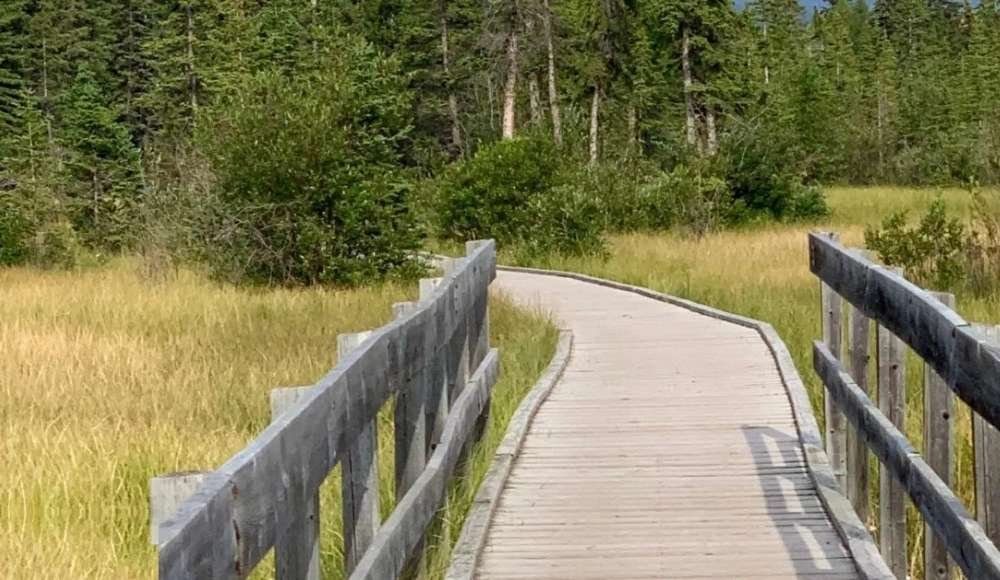
Policeman's Creek trails in Canmore.
  • Difficulty: Easy
  • Distance: 4.2 km return
  • Elevation gain: 84 metres
  • Time: 1–1.5 hr
  • Pass required: None

A raised wooden boardwalk runs through marshy wetlands along Policeman's Creek, a small offshoot of the Bow River. It's one of the most peaceful walks in downtown Canmore and an excellent spot for birding — you'll often see ducks, songbirds, and the occasional muskrat.

The most popular section runs from the Big Head sculpture on Main Street down to the Spring Creek neighbourhood. The walk is accessible year-round, and it's especially charming around the holidays when downtown Canmore lights up.

Ready to Explore Canmore?

From cozy mountain lodges to riverside hotels, find the perfect base for your Canmore hiking adventure. Rooms near the best trailheads book up fast in summer and fall — lock in your stay before peak season fills up.

Book Your Canmore Stay →

3. Three Sisters Viewpoint

Three Sisters Viewpoint hiking trails in Canmore.
  • Difficulty: Easy
  • Distance: 1 km
  • Elevation gain: 22 metres
  • Time: 30–60 minutes
  • Pass required: None

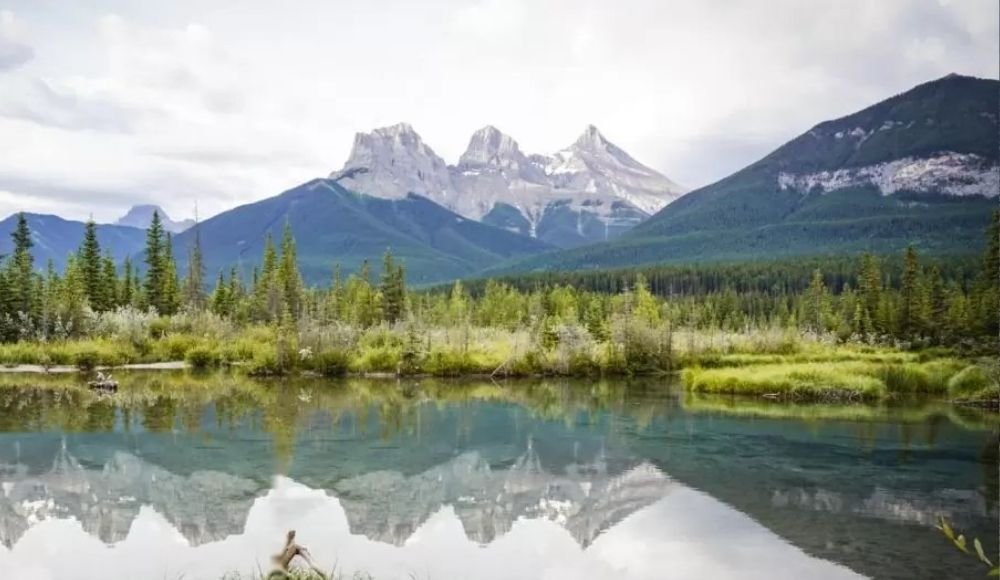
The shortest "hike" on this list — but the reward is the iconic Three Sisters photo. Park at the off-leash dog park on Bow Valley Trail near the helipad, cross under the train tracks, and follow the short path to the viewpoint. Five minutes later, you're standing in front of one of the most photographed mountain views in the Canadian Rockies.

It's a top spot at sunrise or sunset for photographers. Combine with a longer walk along the Rundle Forebay Reservoir if you want to extend the outing.

4. Quarry Lake
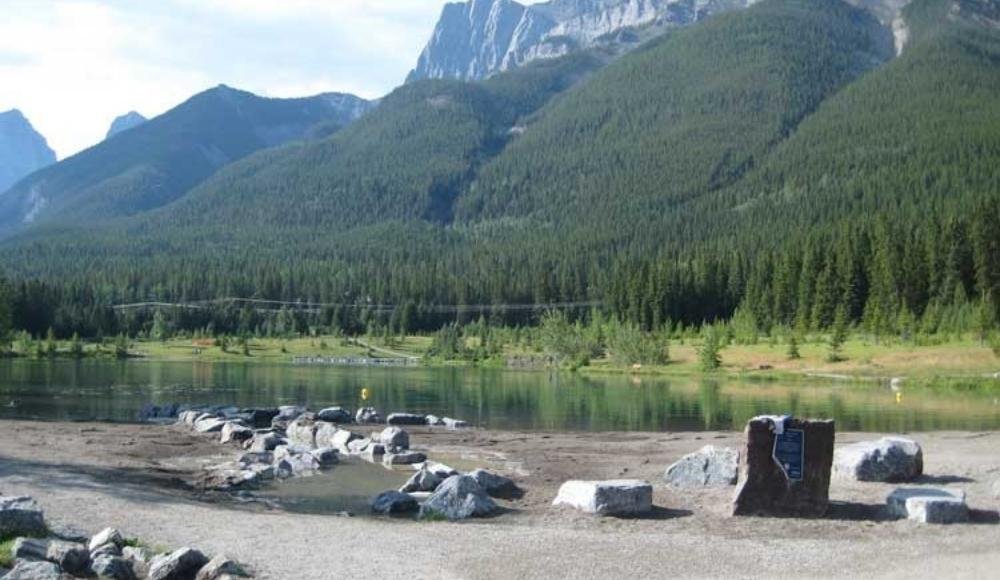
Quarry Lake hiking trails in Canmore.
  • Difficulty: Easy
  • Distance: 3 km loop
  • Elevation gain: 52 metres
  • Time: 30 minutes – 1 hour
  • Pass required: No, but paid parking is in effect

Quarry Lake is a former mine site that's been revitalized into one of the most beloved local hangouts in Canmore. The lake itself is small and circled by a gentle gravel path that's perfect for an easy walk. In summer, it's a popular swimming spot, and the neighbouring off-leash dog park is one of the best in town.

Parking is paid (use the registration kiosk or pay by app), and it fills up fast on summer weekends. Arriving early or in the late afternoon is smart.

While you're in the area: From Quarry Lake, you can join the Highline Trail or the Powerline Trail that connects to the Rundle Forebay Reservoir for a much longer walk.

5. Upper Grassi Lakes
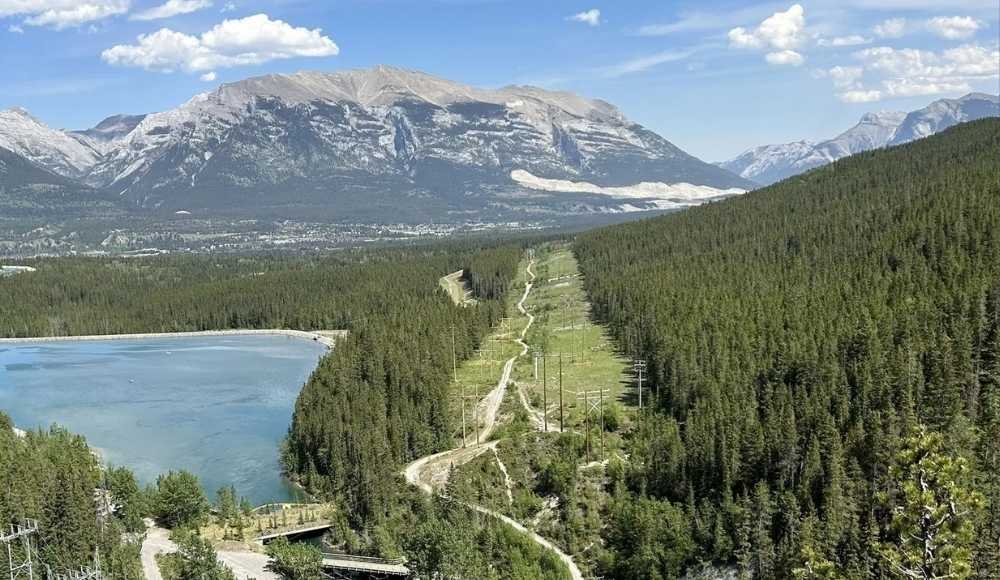
Grassi Lakes trails in Canmore.
  • Difficulty: Easy to moderate
  • Distance: 3.5 km return
  • Elevation gain: 148 metres
  • Time: 1–2 hours
  • Pass required: Yes (Kananaskis Conservation Pass)

If you only have time for one easy-moderate hike in Canmore, make it Grassi Lakes. The trail climbs gently through forest before reaching two stunning emerald-green lakes fed by underground springs. The colour of the water in summer is genuinely surprising — almost tropical.

There are two trail options: an easy path that's family-friendly year-round, and a harder path with stairs and steeper sections that closes in winter due to ice. Both lead to the same lakes. Swimming isn't allowed (the lakes are a protected water source), but a picnic at the upper lake is one of the most rewarding ways to spend an hour in Canmore.

While you're in the area: Grassi Lakes is right at the start of Spray Lakes Road — easy to combine with a drive along the road to the Goat Pond viewpoint or a stop at the Canmore Nordic Centre.

6. Grotto Canyon Trail
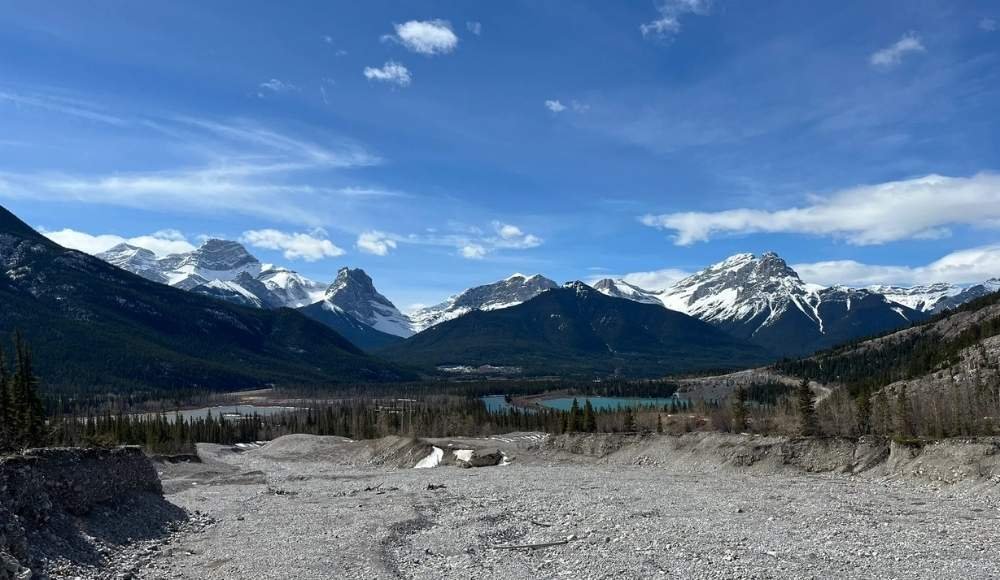
Grotto Canyon Trail in Canmore.
  • Difficulty: Easy
  • Distance: 7.4 km return
  • Elevation gain: 403 metres
  • Time: 2–3 hours
  • Pass required: Yes (Kananaskis Conservation Pass)

Grotto Canyon trail is a unique year-round hike that takes you through a narrow limestone slot canyon. In summer, the trail follows a dry creek bed flanked by towering rock walls — keep an eye out for ancient Indigenous rock art on the canyon walls. In winter, the creek freezes solid, and the canyon becomes one of the most popular ice walks in the Canadian Rockies, where you might even spot ice climbers scaling frozen waterfalls.

Microspikes are essential in winter — the ice can be treacherous without them. Doable any time of year, but visit in the shoulder seasons for the quietest experience.

Moderate Hikes in Canmore (For Hikers Ready for a Real Climb)

These hikes involve significant elevation gain and longer time on the trail. They're not for beginners, but most hikers in decent shape can handle them with proper preparation.

7. Ha Ling Peak
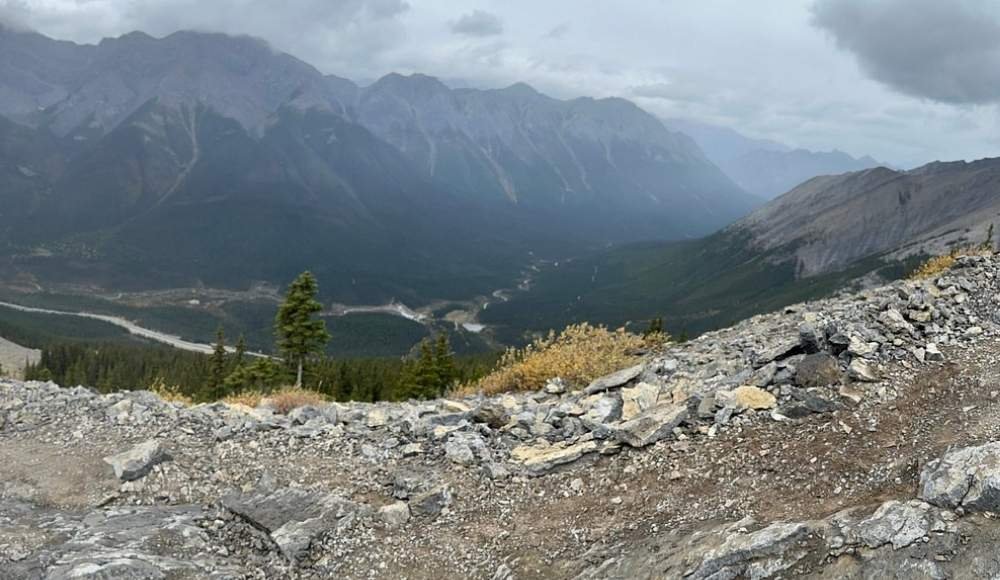
Ha Ling Peak in Canmore.
  • Difficulty: Moderate
  • Distance: 7.9 km return
  • Elevation gain: 793 metres
  • Time: 3–5 hours
  • Pass required: Yes (Kananaskis Conservation Pass)

The peak you see towering above downtown Canmore is Ha Ling Peak, and it's the most popular climb in town. Almost every local has done it. The trail was completely rebuilt in 2019 with new steps, handrails, and switchbacks, making the route safer and more accessible than it used to be.

The hike is genuinely tough — you'll gain nearly 800 metres of elevation in under 4 km — but the trail is well marked, and the summit views are spectacular. From the top, you'll see down into the Goat Valley and across the Spray Valley to Banff National Park beyond.

Best done early morning. Sunrise hikers reach the summit just as the first light hits the Bow Valley below.

While you're in the area: The trailhead is on Goat Creek Road off Spray Lakes Road, sharing parking with East End of Rundle. Many hikers actually combine the two on a long day.

8. East End of Rundle (EEOR)
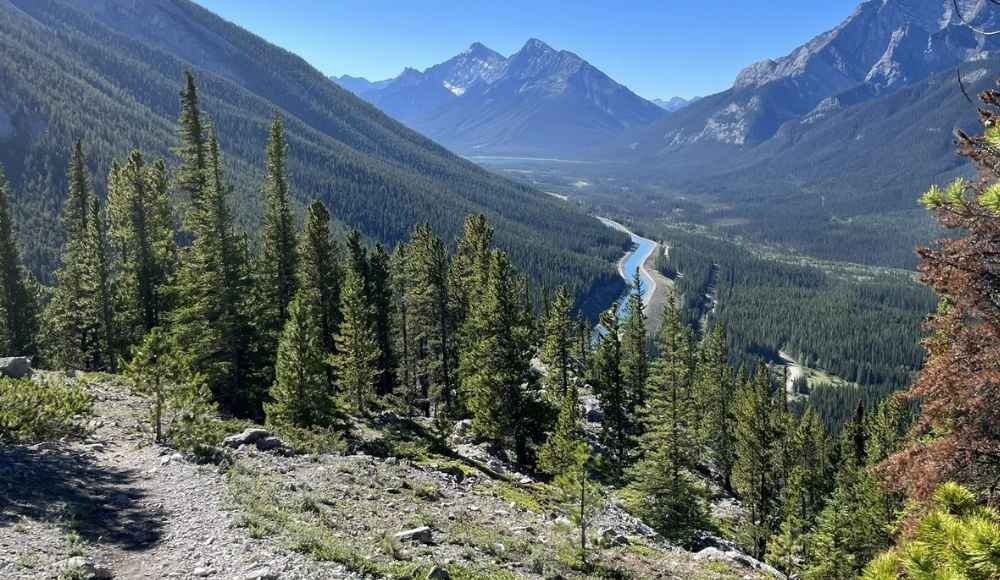
East End of Rundle in Canmore.
  • Difficulty: Moderate to difficult
  • Distance: 5.5 km return
  • Elevation gain: 826 metres
  • Time: 3–6 hours
  • Pass required: Yes (Kananaskis Conservation Pass)

Locals call it "Eeyore", but make no mistake — this hike is no soft donkey. The East End of Rundle delivers one of the best reward-to-effort ratios in Canmore: a relatively short trail with enormous elevation gain, ending in a panoramic view of the entire Bow Valley.

The final push to the true summit involves a short scramble up a cliff band, which scares off many hikers. You can stop at the lower viewpoint just below and still feel like you've earned the day. Both options are excellent.

Pack water, snacks, and a celebratory drink for the summit — there's a tradition of signing the summit registry up top.

9. Lady Macdonald Teahouse
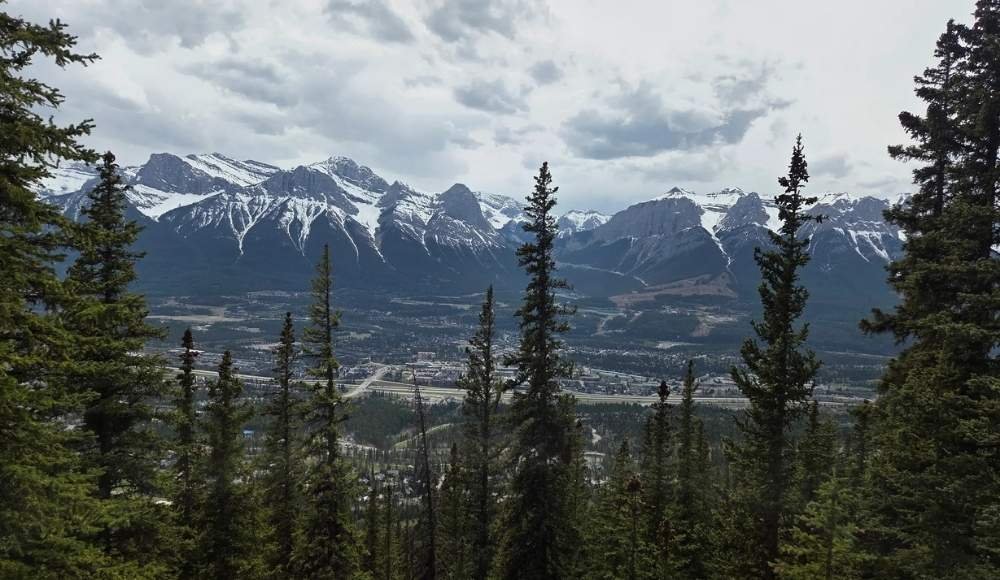
Lady Macdonald Teahouse Canmore.
  • Difficulty: Moderate
  • Distance: 9.7 km return
  • Elevation gain: 1,200 metres
  • Time: 3–5 hours
  • Pass required: No (but check current trail status)

Mount Lady Macdonald rises directly above downtown Canmore, and the hike to its "teahouse" — actually the abandoned platform of a teahouse that was never built — is one of the most popular workouts among locals. The hike sits mostly in forest with occasional viewpoints, ending at a wide open platform that offers sweeping views over Canmore and toward the Three Sisters.

Important note: The trail has been subject to closures in recent years for safety upgrades. Always check the current Alberta Parks trail reports before going. The push from the teahouse to the true summit requires exposed scrambling on a narrow ridge — best left to experienced hikers.

10. Wind Ridge
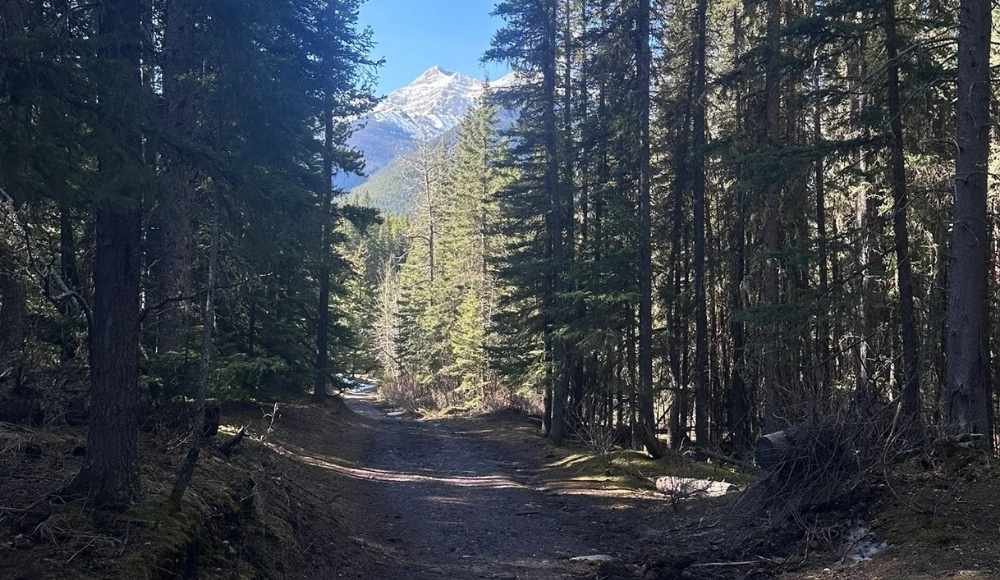
Wind Ridge Canmore.
  • Difficulty: Moderate
  • Distance: 13.4 km return
  • Elevation gain: 928 metres
  • Time: 4–6 hours
  • Pass required: Yes (Kananaskis Conservation Pass)

A scenic ridge hike with massive views of Mount Lougheed, Wind Tower, and the back side of the Three Sisters. The trail starts gently in the forest before opening into alpine meadows and a steep, exposed ridge climb. There's a brief scramble section near the top that's easy to bypass if heights aren't your thing.

True to its name, bring a windproof jacket — the ridge gets gusty even on calm valley days. The trail is closed seasonally from December 1 to June 15 to protect wildlife, so plan around the open window.

11. Read's Tower Hiking Trail
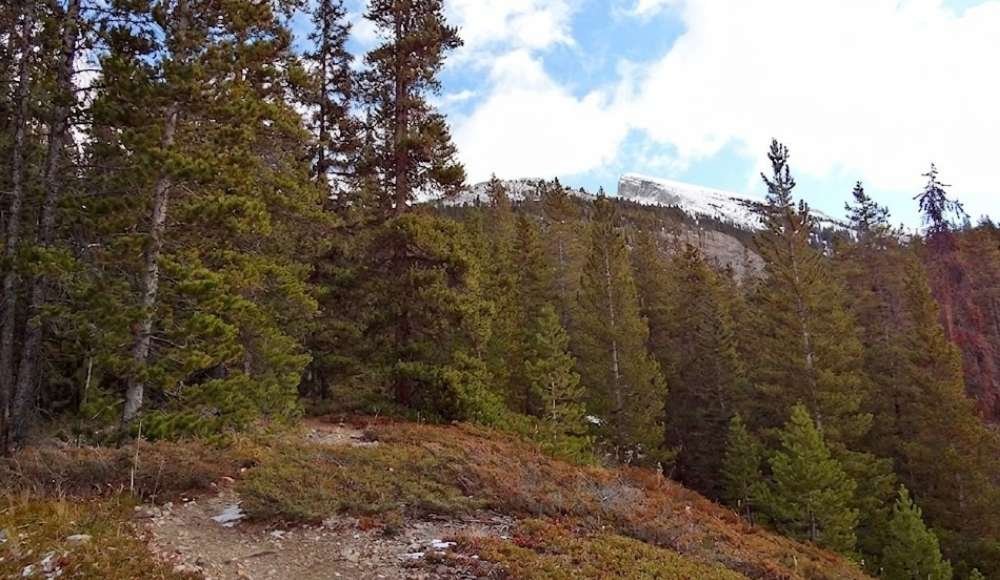
Read's Tower Hiking Trail in Canmore
  • Difficulty: Moderate
  • Distance: 10.5 km return
  • Elevation gain: 843 metres
  • Time: 3–5 hours
  • Pass required: Yes (Kananaskis Conservation Pass)

A quieter alternative to Ha Ling and EEOR. Read's Tower climbs steadily up Mount Sparrowhawk's western shoulder, ending with sweeping views over Spray Lakes Reservoir and the surrounding peaks. The trail is steep almost from the start, with a brutal scree section near the top that becomes a fast, fun "scree run" on the way down.

For hikers who want a real climb without the crowds of Ha Ling, this is the smart pick. Strong hikers can extend the day by continuing up Mount Sparrowhawk from Read's Tower.

Difficult Hikes and Scrambles in Canmore

These trails involve significant climbing, exposed terrain, and often some scrambling. They're suited to experienced hikers who are comfortable with their fitness and surroundings.

12. Tent Ridge Horseshoe Trail
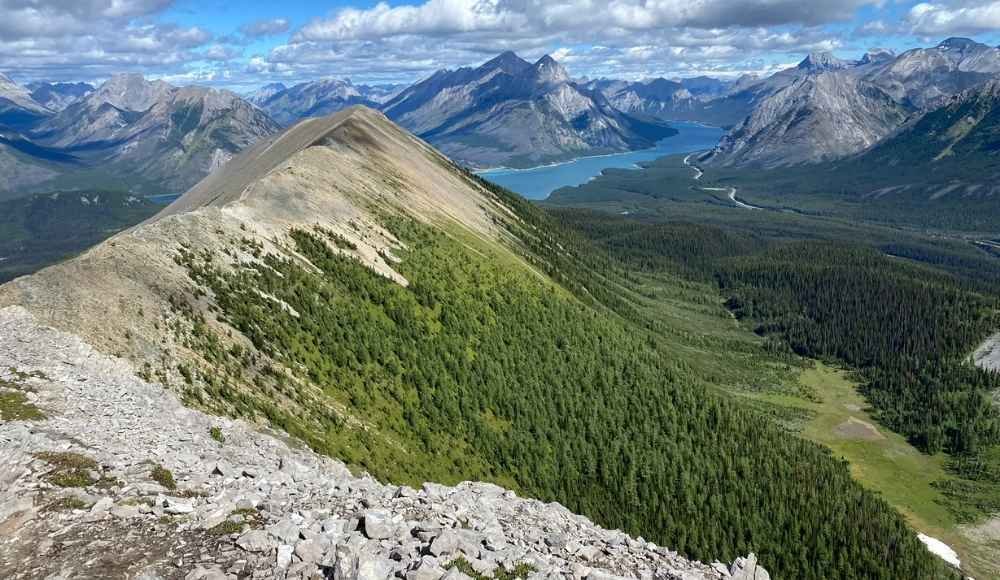
Tent Ridge Horseshoe Canmore.
  • Difficulty: Moderate to hard
  • Distance: 10.6 km loop
  • Elevation gain: 750 metres
  • Time: 3.5–6 hours
  • Pass required: Yes (Kananaskis Conservation Pass)

A genuine bucket-list hike for many Alberta hikers. Tent Ridge is a horseshoe-shaped ridge near Mount Engadine that delivers 360-degree views of the surrounding mountains, with wildflowers in summer and golden larches in fall making the experience even more spectacular.

The loop involves one short scramble section that's slightly exposed but manageable for most hikers. Doing the loop clockwise is recommended — most experienced hikers feel safer scrambling up than down. Plan around weather and ridge conditions, since exposed alpine terrain can be dangerous in storms.

This is the furthest hike on this list from Canmore (about an hour's drive south on Spray Lakes Road), but it's universally considered worth the trip.

Canmore or Banff? Which One Is Right for You?

Both sit at the doorstep of the Canadian Rockies, but they offer very different experiences. One is quieter, more local, and easier on the wallet — the other has the iconic name, the bigger crowds, and the postcard views. See how they stack up on hiking, cost, vibe, and what to do.

Read the Full Comparison →

13. Windtower

Windtower Summit Canmore.
  • Difficulty: Moderate to hard
  • Distance: 10.1 km return
  • Elevation gain: 919 metres
  • Time: 4–6 hours
  • Pass required: Yes (Kananaskis Conservation Pass)

A hike with a sense of progression — first you reach West Wind Pass (a perfectly fine stopping point for many hikers), then continue up another steep, lightly scrambled section to the actual Windtower summit. The view from the top stretches across Spray Lakes and back toward Canmore.

For hikers who want a flexible day, this is ideal: you can call it at West Wind Pass for a moderate hike, or push on to Windtower for a serious summit experience.

14. Heart Mountain Horseshoe
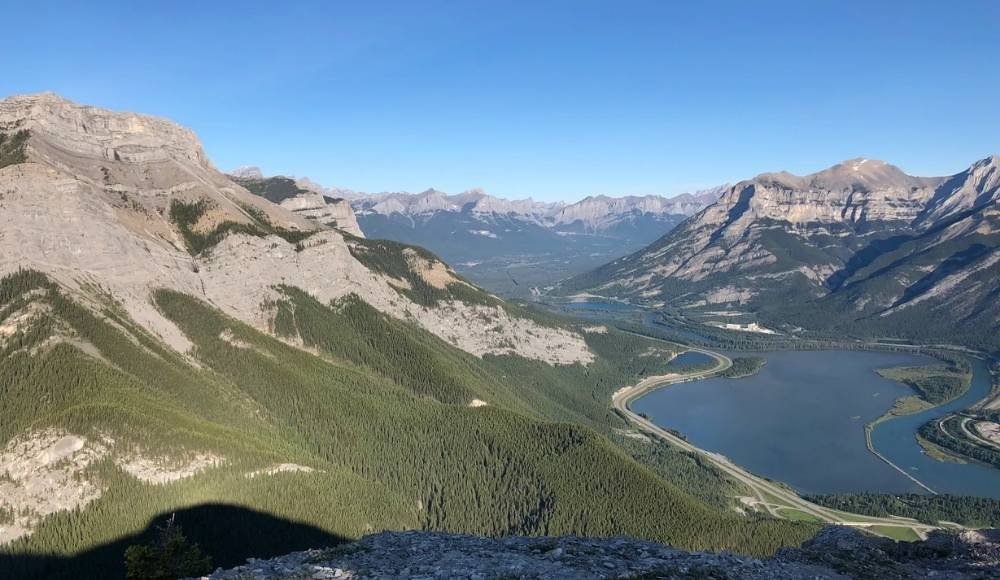
Heart Mountain Horseshoe Trail CANMORE
  • Difficulty: Difficult (easy scramble)
  • Distance: 10.8 km loop
  • Elevation gain: 942 metres
  • Time: 4–7 hours
  • Pass required: No (but trailhead parking can be limited)

A perfect "first scramble" for hikers ready to push past simple trails. Heart Mountain is shaped like — you guessed it — a heart, and it's clearly visible from Highway 1. The horseshoe loop takes you up one side, along a long, beautiful ridge with multiple sub-peaks, and back down the other side.

The scrambling here is genuinely fun, with excellent rock quality that makes the climbing feel secure rather than scary. It's one of the best transition hikes from regular hiking to mountain scrambling in the Canadian Rockies.

While you're in the area: Heart Mountain is right at Lac des Arcs, about 10 minutes east of Canmore. Easy to combine with a swim or picnic at the lake on a warm day.

15. Middle Sister
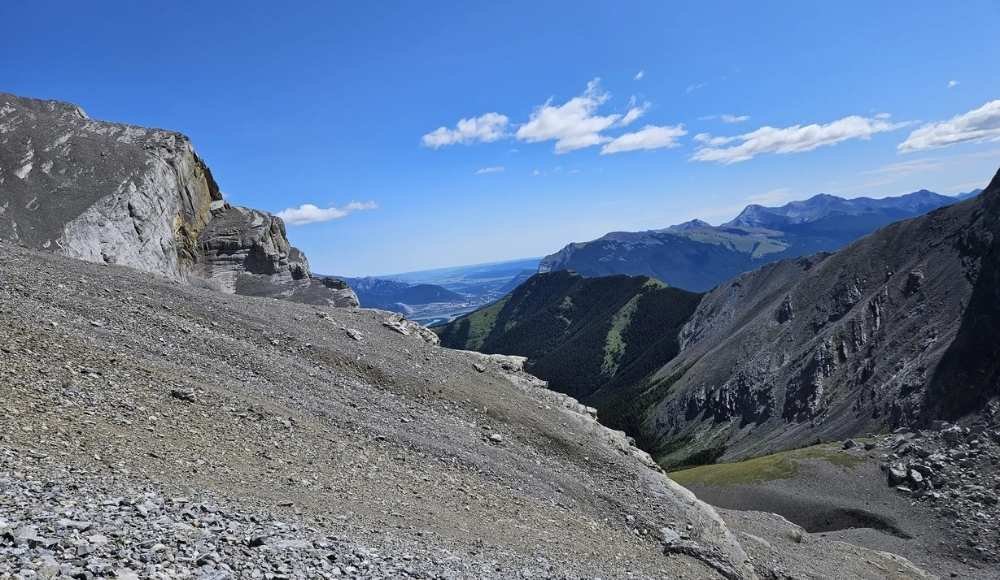
Middle Sister Canmore
  • Difficulty: Difficult
  • Distance: 16.6 km return
  • Elevation gain: 1,489 metres
  • Time: 6–10 hours
  • Pass required: No (but extremely long day)

The most ambitious hike on this list — and the only one of the famous Three Sisters peaks that's accessible from Canmore by a non-technical route. Middle Sister starts at the end of Three Sisters Mountain Village and follows Stewart Creek up through forest, then enters a brutal scree slope for the final summit push.

This is a long, demanding day. The reward isn't a teahouse or panoramic platform — it's the personal achievement of standing on top of one of Canmore's most iconic peaks. For experienced hikers only, with very early starts and a careful eye on the weather.

How to Pick the Right Hike for You

With 15 options, here's how to narrow it down:

You're new to mountain hiking. Start with Grassi Lakes or Quarry Lake. Both are easy, beautiful, and won't crush your spirit.

You want a downtown stroll with a coffee. Bow River Loop and Policeman's Creek Boardwalk are made for this.

You want a real workout but want to be safe. Ha Ling Peak is the classic. Steep but well-trodden.

You want a "wow" view without the crowds. Read's Tower or Tent Ridge are quieter alternatives to the more famous hikes.

You want a true mountain summit. East End of Rundle, Windtower, or Middle Sister.

You want your first scramble. Heart Mountain Horseshoe is the perfect transition hike.

You're visiting in winter. Grotto Canyon for the ice walk, Three Sisters Viewpoint for photos, and the Policeman's Creek Boardwalk for an easy walk in the snow.

If you're staying for several days, mix it up. Do one easy day, one moderate day, one harder day. Your body (and mood) will thank you.

A Suggested 3-Day Hiking Itinerary Based in Canmore

If you've got a long weekend, this is one of the most rewarding hiking trips you can do in the Canadian Rockies.

Day 1 — Easy day: Walk the Bow River Loop in the morning, drive up to Grassi Lakes for a relaxed afternoon hike, finish with dinner in downtown Canmore.

Day 2 — Moderate day: Ha Ling Peak at sunrise, lunch in town, easy afternoon walk around Quarry Lake to recover.

Day 3 — Bucket-list day: Drive to Tent Ridge for the full loop, finish with a beer at a local Canmore brewery to celebrate.

By the end of three days, you'll have stood on a summit, walked a glacier-shaped ridge, and seen Canmore from every angle that matters. Most Banff visitors never get to do this.

And if you're combining your Canmore trip with Banff, check my top 12 hikes in Banff guide, which will walk through the best trails in the national park.

Practical Tips for Hiking in Canmore

A few last pieces of advice that will save you time and frustration.

Start early. Parking at popular trailheads (Ha Ling, EEOR, Grassi Lakes, Quarry Lake) fills up by 8–9 AM in summer. Get there before then for a stress-free start.

Buy passes online. Kananaskis Conservation Passes are easier to buy online than at the trailhead.

Download offline maps. Cell service drops off quickly outside town. AllTrails Pro and offline Google Maps are your friend.

Pack the 10 essentials. Water, food, headlamp, layers, first-aid kit, navigation, fire starter, sun protection, knife, emergency shelter, especially on the bigger hikes.

Use trekking poles. Steep descents on shale and scree are much easier with poles. Rent them at Valhalla Pure if you don't have your own.

Respect wildlife closures. Trails like Wind Ridge close seasonally to protect wildlife. Don't try to sneak in — fines are significant, and the closures matter.

Pack out everything. Canmore's trails are kept beautiful because people respect them. Even orange peels and apple cores take months to decompose. Take it all home.

Final Thoughts: Hiking Trails in Canmore, Alberta

After all the famous Banff trails and tourist-heavy Lake Louise hikes, many travellers eventually discover that Canmore is where the locals actually hike — and for good reason. The trails are just as scenic, the crowds are thinner, the parking is better, and the town itself feels more relaxed at the end of the day.

Whether you've got one easy morning or a full week of climbing, there's a Canmore trail with your name on it. Start small. Build up. Take your time. Stop for views. The mountains will reward every level of effort you put in.

For more first-timer guides, hidden gems, and honest local advice from across the province, keep exploring AlbertaTourist.com. We're here to help you discover the best of Alberta — including the trails most travellers never find.

Frequently Asked Questions

What is the best hike in Canmore for beginners?

Grassi Lakes is the most rewarding easy hike — beautiful emerald lakes at the top, gentle elevation, and well-marked trails. Quarry Lake and the Bow River Loop are even easier and perfect for families or recovery days.

Do you need a pass to hike in Canmore?

Many hikes around Canmore are in Kananaskis Country and require a Kananaskis Conservation Pass ($15/day or $90/year). Hikes that need it include Grassi Lakes, Ha Ling Peak, East End of Rundle, Wind Ridge, Grotto Canyon, Tent Ridge, and others. Hikes inside Canmore town limits (Bow River Loop, Policeman's Creek, Quarry Lake) don't require any pass.

What's the hardest hike in Canmore?

Middle Sister is the most demanding hike on this list — 17 km, over 1,500 metres of elevation, and a brutal scree push to the summit. East End of Rundle, Windtower, and Heart Mountain Horseshoe are also challenging but more popular.

Can you hike in Canmore in winter?

Yes, Grotto Canyon is one of the most popular winter hikes in Alberta thanks to its frozen waterfalls. Three Sisters Viewpoint, Policeman's Creek Boardwalk, and the Bow River Loop are easy year-round walks. Most summit hikes require winter mountaineering gear and experience.

How long is the Ha Ling Peak hike?

Ha Ling Peak is 7.9 km return with 790 metres of elevation gain. Most hikers take 3 to 5 hours round-trip. It's one of the most popular hikes in Canmore for both locals and visitors.

What's the best Canmore hike for fall larches?

Tent Ridge is the best larch hike near Canmore. The yellow larch trees turn brilliant gold for about two weeks in late September. Plan around peak larch season for unforgettable photos.

Is Canmore better for hiking than Banff?

Both are excellent, but Canmore offers more variety, smaller crowds, easier parking, and no national park pass requirement for most trails. Many local hikers consider Canmore the smarter base for a hiking-focused trip.

Do I need bear spray hiking in Canmore?

Yes. Bears live throughout the area and have been spotted in town and on every trail on this list. Carry bear spray on every hike, keep it accessible (not in your pack), and learn how to use it before you go. You can buy it at Canadian Tire or Valhalla Pure Outfitters in Canmore.
The Ultimate Guide to Camping at Waterton National Park

The Ultimate Guide to Camping at Waterton National Park

Located in the heart of the Canadian Rockies, Waterton Lakes National Park is a breathtaking destination that offers a perfect blend of rugged mountain landscapes, serene lakes, and abundant wildlife. Known for its stunning scenery and peaceful atmosphere, Waterton is a haven for outdoor enthusiasts and nature lovers alike. Whether you're an experienced camper or a first-timer, this guide will provide you with everything you need to know to plan an unforgettable camping adventure in one of Canada’s most picturesque parks. From choosing the best campsites to exploring hidden trails, we’ve got you covered.

Camping in Waterton National Park is more than just a getaway—it’s an opportunity to disconnect from the hustle and bustle of everyday life and reconnect with nature. With its diverse range of camping options, including front-country sites for families and backcountry spots for seasoned adventurers, Waterton caters to all levels of outdoor experience. In this ultimate guide, we’ll walk you through essential tips, must-see attractions, and practical advice to ensure your trip is safe, enjoyable, and memorable. Get ready to immerse yourself in the beauty of Waterton and create memories that will last a lifetime!

Ultimate Guide to Camping at Waterton National Park

Camping at Waterton National Park: Choosing the Right Campsite

When planning your camping trip to Waterton National Park, the choice of campground can make all the difference. You want a spot that suits your needs, whether you're bringing the whole family or seeking a peaceful retreat. Let's explore the different campground options available in Waterton.

1. Different Campground Options in Waterton

Waterton offers a variety of campgrounds, each with its unique charm. Here are a couple of popular choices:

  • Townsite Campground: This is the most accessible campground. It’s close to the townsite, making it easy to grab supplies or enjoy a meal out. Plus, it has amenities like water and restrooms.
  • Crandell Mountain Campground: If you prefer a more secluded experience, this is the place for you. Nestled in the trees, it offers a peaceful atmosphere and is perfect for those who want to escape the hustle and bustle.

Each campground has its own vibe. Townsite is lively and family-friendly, while Crandell is quiet and serene. Think about what kind of experience you want. Do you want to be near activities or away from it all?

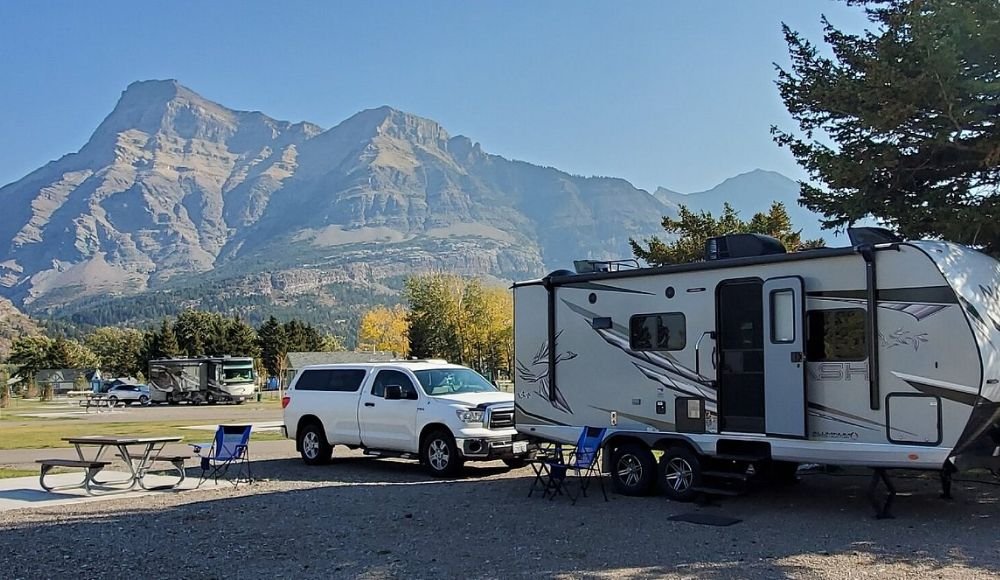
White SUV and camper trailer parked in a scenic mountainous campground at Waterton National Park, with a picnic table and chairs set up nearby under a clear sky.

2. Family-Friendly Spots vs. Secluded Hideaways

Choosing between family-friendly spots and secluded hideaways can be tough. If you’re camping with kids, you might want a place that offers more amenities. Townsite Campground is ideal for families. It has easy access to playgrounds and picnic areas. Kids can run around and explore without you worrying too much.

On the other hand, if you’re looking for a romantic getaway or just some alone time, consider a secluded site like Crandell. Here, you can enjoy the sounds of nature and the beauty of the mountains. It’s a perfect spot for stargazing at night or enjoying a quiet morning coffee.

3. Proximity to Popular Trails and Attractions

Another important factor is how close your campsite is to popular trails and attractions. You don’t want to spend all your time driving. Instead, you want to be able to hit the trails quickly. Townsite Campground is conveniently located near many hiking trails. You can easily access the Bear's Hump trail or the Crypt Lake trail from here.

Crandell Mountain Campground, while more remote, also offers access to beautiful trails. The hike to the Crandell Mountain viewpoint is breathtaking. Just be prepared for a bit of a trek. It’s worth it for the stunning views.

Remember, planning is key. Make sure you book your campsite in advance, especially during peak season. Spots fill up quickly, and you don’t want to be left without a place to stay.

"Waterton's campgrounds are designed for both adventure and relaxation." - National Park Service

Exploring various campgrounds can help tailor your experience. You can find the perfect spot that meets your needs, whether you’re traveling with family or seeking solitude. So, take your time and choose wisely!

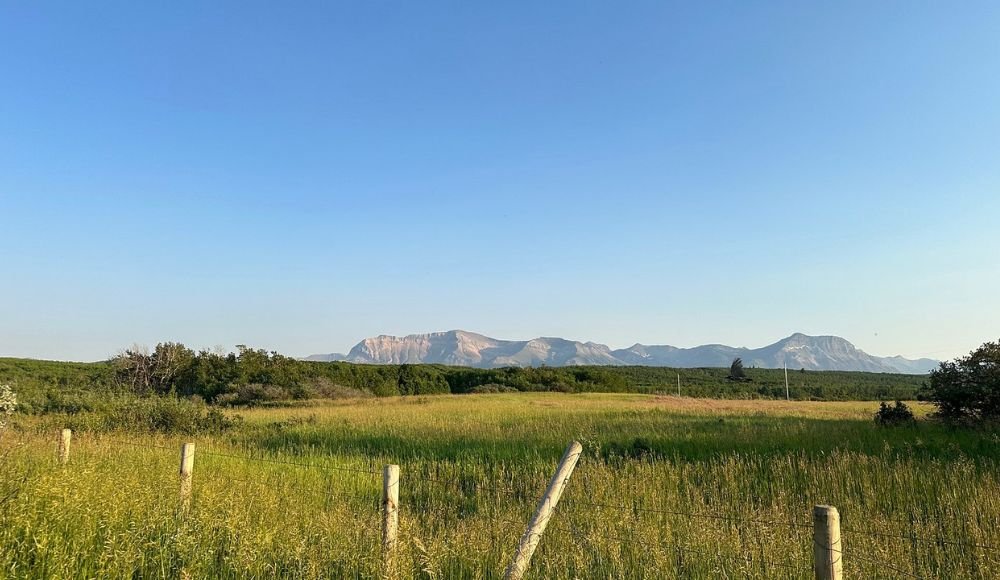
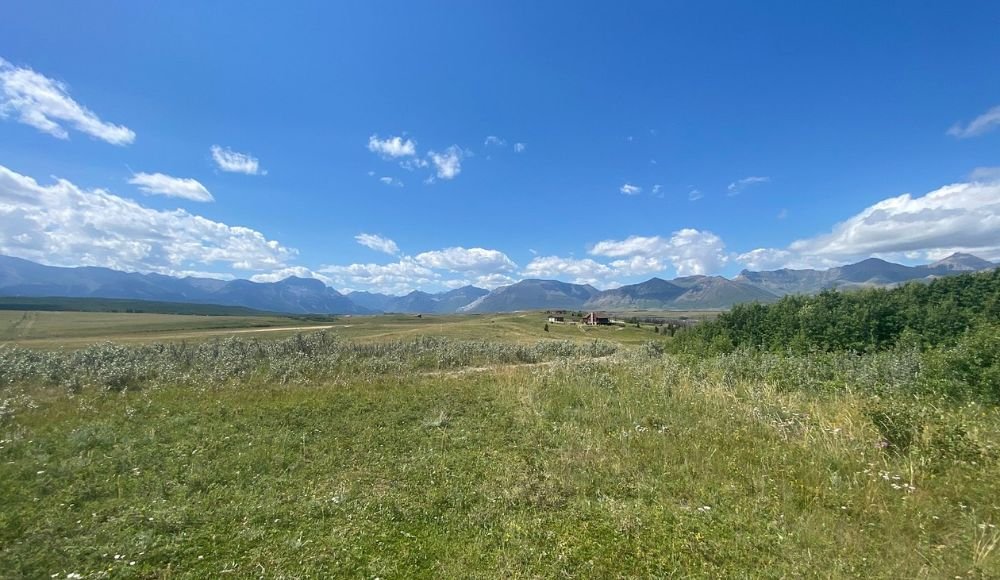
Wide grassy field with a wooden fence in the foreground and distant mountains under a clear blue sky in the background, perfect for trail guides exploring outdoor activities.

Essential Gear for a Memorable Camping Trip

Camping can be a fantastic way to connect with nature. But to truly enjoy your time outdoors, you need the right gear. Let’s dive into some essential packing tips, must-have tools, and sustainable practices to keep our environment pristine.

Packing Tips for Comfortable Camping

First things first: packing. You want to make sure you have everything you need, but you also don’t want to overpack. Here are some tips:

  • Choose the right tent: Size matters! A tent that’s too small can make for a cramped night. Look for one that fits your group comfortably. Also, consider weather resistance. A waterproof tent can save you from a soggy night.
  • Sleeping gear: A good sleeping bag is crucial. Look for one that suits the season. If it’s cold, go for a bag rated for lower temperatures. Don’t forget a sleeping pad for extra comfort!
  • Cooking equipment: Bring a portable stove or a campfire grill. Cooking outdoors can be fun, but you need the right tools. Pack lightweight pots and utensils. They make cooking and cleaning easier.

Remember, comfort is key. You want to enjoy your time in the great outdoors, not dread the nights spent in discomfort.

A grassy field under a bright blue sky with scattered clouds, bordered by distant mountains, captures the serene beauty of Camping at Waterton National Park.

Must-Have Tools for Safety and Convenience

Safety should always be a priority when camping. Here are some must-have tools to ensure you stay safe:

  • First aid kit: Accidents happen. A well-stocked first aid kit can be a lifesaver. Include band-aids, antiseptic wipes, and any personal medications.
  • Multi-tool: A good multi-tool can serve many purposes. From opening cans to making quick repairs, it’s a handy item to have.
  • Flashlight or headlamp: When the sun goes down, you’ll need light. A flashlight or headlamp can help you navigate at night. Don’t forget extra batteries!

Having these tools can help you feel more secure and prepared. You’ll be able to handle any situation that comes your way.

Read More: 10 Best Campsites In Alberta You Need to Experience

Sustainable Practices to Keep Nature Pristine

As you enjoy your camping trip, remember to respect nature. Here are some sustainable practices to consider:

  • Leave no trace: Pack out what you pack in. This includes trash, leftover food, and even toilet paper. Keeping the area clean helps preserve it for future campers.
  • Use eco-friendly products: Opt for biodegradable soaps and shampoos. They are better for the environment and won’t harm local wildlife.
  • Stay on trails: Walking off the path can damage plants and soil. Stick to established trails to minimize your impact.

By following these practices, you can enjoy your camping experience while protecting the environment. After all, “The right gear can transform your camping experience from roughing it to glamping” - Outdoor Enthusiast.

So, as you prepare for your next adventure, keep these tips in mind. They can make your trip more enjoyable and sustainable.

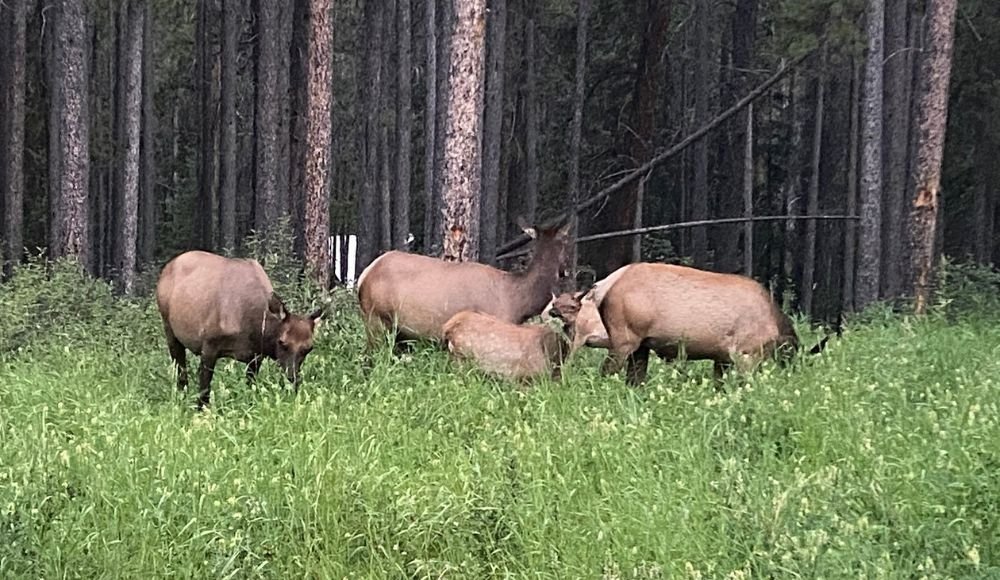
In Waterton National Park, a group of elk grazes peacefully in a grassy forest clearing with tall trees in the background—a perfect backdrop for those seeking outdoor activities.

Exploring Hiking Trails and Scenic Spots

Are you ready to lace up your hiking boots and hit the trails? Waterton National Park offers some of the most stunning landscapes and diverse hiking experiences. From easy strolls to challenging treks, there’s something for everyone. Let’s dive into the top trails, hidden gems, and breathtaking viewpoints that await you.

Top Trails: Length and Difficulty

  • Crypt Lake Trail: This trail is a must-try for any hiking enthusiast. It spans a 17.2 km round trip and typically takes about 3-5 hours to complete. The trail features a mix of terrain, including steep climbs and rocky paths. You'll be rewarded with stunning views of the lake and surrounding mountains.
  • Bear's Hump: If you're short on time, this 2 km hike is perfect. It takes about 1 to 2 hours to reach the top. The ascent is steep, but the panoramic views of Waterton townsite and the lake are worth every step.

Both trails cater to different skill levels. Crypt Lake is for those looking for a challenge, while Bear's Hump is great for a quick adventure. Which one will you choose?

Off-the-Beaten-Path Suggestions

Looking for something a bit more unique? Consider exploring some lesser-known trails. These hidden gems often provide a more peaceful experience, away from the crowds. For instance, the Rowan Lake Trail offers a serene atmosphere and beautiful scenery. It’s less traveled, making it ideal for those seeking solitude.

Another option is the Carthew-Alderson Trail. This trail is longer and more challenging, but it presents breathtaking views of the surrounding valleys and peaks. You might even spot some local wildlife along the way. Just remember to keep a safe distance and respect their space.

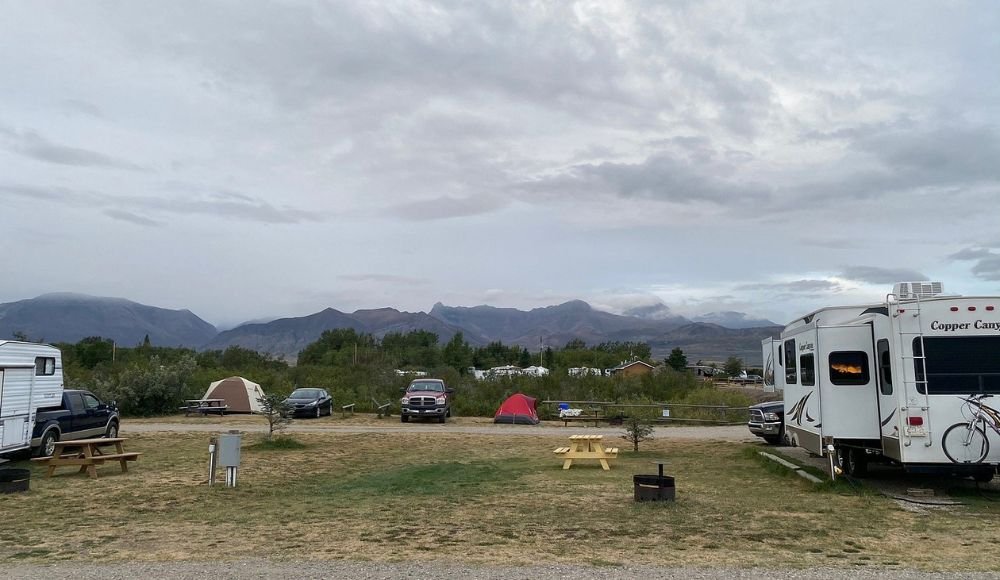
RV park scene with campers, trailers, picnic tables, and parked vehicles under a cloudy sky. Mountains are visible in the background, offering a serene setting perfect for outdoor activities. Consider these camping tips for an unforgettable experience at Waterton National Park.

Breathtaking Viewpoints for Photography

Waterton is a photographer's paradise. There are countless spots to capture the beauty of nature. One of the best viewpoints is at the top of Bear's Hump. Here, you can snap stunning photos of the lake, the mountains, and the vibrant colors of the park.

Another fantastic location is the Crypt Lake viewpoint. The view of the turquoise water against the backdrop of rugged cliffs is simply breathtaking. Don’t forget your camera! You’ll want to capture these memories.

"Hiking in Waterton connects you to the wilderness like no other experience." - Local Guide

As you explore these trails, keep an eye out for local wildlife. Waterton is home to a variety of animals, including deer, bears, and birds. To spot them safely, make noise while hiking and stay on marked trails. This helps ensure both your safety and the animals’ well-being.

In summary, Waterton National Park offers a range of hiking experiences. From well-known trails like Crypt Lake and Bear's Hump to hidden gems and stunning viewpoints, there’s plenty to explore. So, what are you waiting for? Grab your gear and start your adventure today!

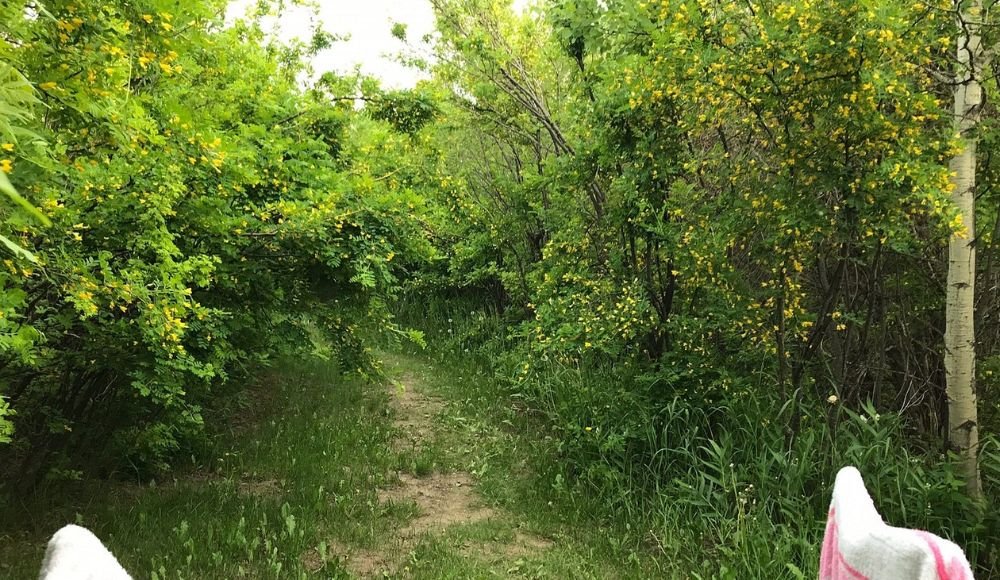
A dirt path meanders through dense green shrubs dotted with yellow flowers on a cloudy day, hinting at outdoor activities. Part of a pink and white object peeks into view in the foreground.

Culinary Delight: Campfire Recipes to Savor

Cooking outdoors can be a thrilling experience. Imagine the crackling fire, the smell of smoke, and the laughter of friends. It’s not just about the food; it’s about the moments you create together. You might be wondering, what can you cook over an open fire? Let’s dive into some easy recipes and creative ideas that will make your next camping trip unforgettable.

1. Easy Recipes for Communal Meals

When you’re camping, meals can be a group affair. Think about foil packet meals. They’re simple and fun, and everyone can customize their own. Just grab some aluminum foil, toss in your favorite ingredients, and seal it up. You can use:

  • Chicken or fish
  • Vegetables like bell peppers and zucchini
  • Seasonings like garlic and herbs

Wrap it tight and place it on the grill or over the fire. In about 20 minutes, you’ll have a delicious meal ready to share. It’s a great way to bond with friends and family. Plus, cleanup is a breeze!

Another favorite is the classic s’mores. You can’t go wrong with graham crackers, chocolate, and marshmallows. But why not mix it up? Try adding peanut butter or using different types of chocolate. You can even use cookies instead of graham crackers for a fun twist. Everyone loves s’mores, and they’re perfect for ending the night around the fire.

2. Creative Ways to Cook Over an Open Fire

Cooking over an open fire opens up a world of possibilities. Have you ever tried cooking pizza on a grill? It’s easier than you think! Just bring a pre-made crust, your favorite toppings, and some cheese. Place it on a grill grate over the fire. In no time, you’ll have a crispy, cheesy delight. It’s a fun way to get everyone involved in the cooking process.

Another creative idea is to use a cast-iron skillet. You can make everything from breakfast eggs to desserts. Imagine a warm, gooey apple crisp cooked right over the fire. Just slice some apples, mix them with sugar and cinnamon, and top with oats and butter. Cook it in the skillet until it’s bubbly. It’s a crowd-pleaser!

3. Selecting Local Ingredients for Authenticity

Using local ingredients can elevate your meals. When you’re camping, visit nearby farmers’ markets or local stores. Fresh produce not only tastes better, but it also supports local farmers. Think about adding fresh herbs to your dishes. They can transform a simple meal into something special.

Consider bringing along local cheeses or meats. They can add a unique flavor to your meals. You might be surprised at how much a little local flair can enhance your campfire cooking. Remember, “Food tastes better when cooked under the stars, shared with friends.” - Camping Chef. This quote captures the essence of outdoor cooking.

So, as you plan your next camping trip, think about the meals you’ll prepare. Gather your friends, pick out some local ingredients, and get ready for a culinary adventure. Cooking outdoors can be a delightful experience that brings everyone together. Enjoy the process, and savor each bite!

Key Tips for a Safe and Enjoyable Experience

Camping can be one of the most rewarding experiences. However, it comes with its own set of challenges. To ensure you have a safe and enjoyable time, it’s essential to follow some key tips. Let’s dive into the important aspects of camping safety, wildlife encounters, and park regulations.

Safety Precautions While Camping

First and foremost, safety should always be your top priority. Before you head out, make sure you have the right gear. This includes a first aid kit, a reliable map, and a flashlight. You never know when you might need them. Also, familiarize yourself with the area you’ll be camping in. Are there any known hazards? Are there specific weather conditions to watch out for?

When setting up camp, choose a safe location. Avoid areas near water sources or under dead trees. These spots can be dangerous during storms. Also, always keep your food stored properly. Use bear-proof containers if you’re in bear country. Remember, “Safety is paramount, particularly in the wild regions like Waterton” - Park Ranger. This advice is crucial for a reason.

Wildlife Encounters: What to Do

Encountering wildlife can be thrilling, but it can also be dangerous. If you see a bear, do not run. Instead, back away slowly while speaking in a calm voice. Make yourself look bigger by raising your arms. If the bear approaches, stand your ground. Most importantly, never feed wildlife. This can create dangerous situations for both you and the animals.

Other wildlife, like moose or deer, can also be unpredictable. Keep a safe distance and observe them quietly. Remember, they are wild animals and should be treated with respect. If you’re unsure about what to do in a specific encounter, consult park guidelines or ask a ranger.

Understanding Park Regulations and Ethics

Every national park has its own set of rules. These regulations are in place to protect both the environment and visitors. Familiarize yourself with the park’s rules before you arrive. This includes campfire regulations, trail etiquette, and wildlife protection laws.

One crucial principle to remember is the Leave No Trace philosophy. This means you should leave your campsite as you found it. Pack out what you pack in. Dispose of waste properly and respect the natural surroundings. By doing this, you help preserve the beauty of the park for future visitors.

In conclusion, preparing for the unexpected is key to enjoying your camping experience. By following safety precautions, knowing how to handle wildlife encounters, and understanding park regulations, you can have a memorable adventure. Always keep in mind the importance of respecting nature. Your actions can make a difference. So, gear up, stay safe, and enjoy the great outdoors!

TL;DR: Camping at Waterton National Park offers a myriad of experiences—from scenic trails to camping essentials. Prepare your gear, explore recommended campsites, and enjoy the beauty of nature for an unforgettable adventure.