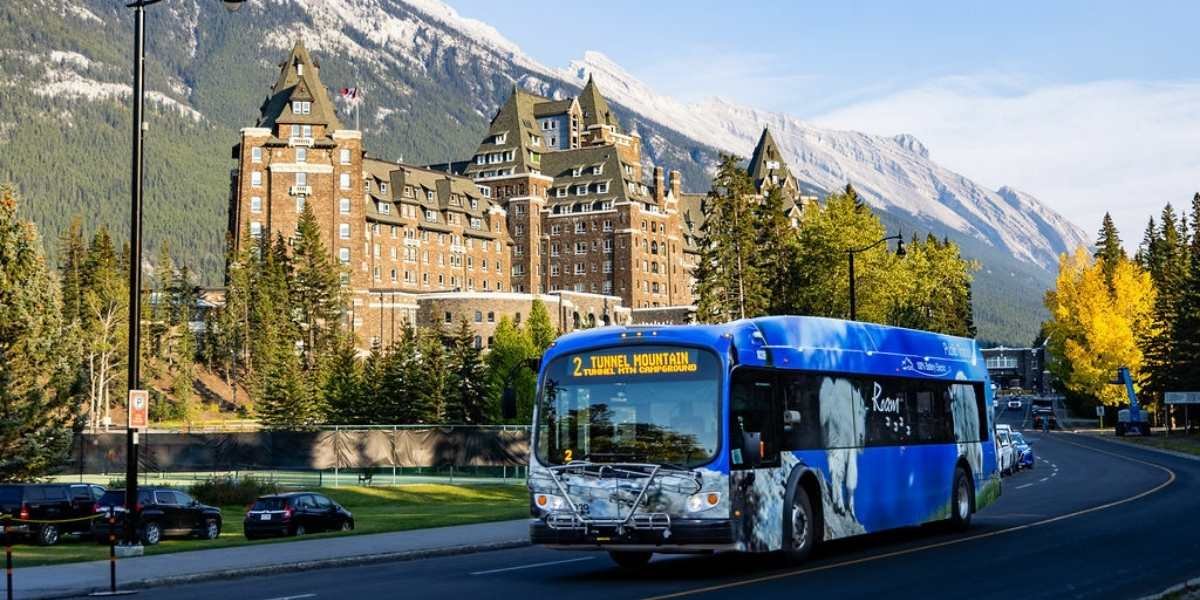
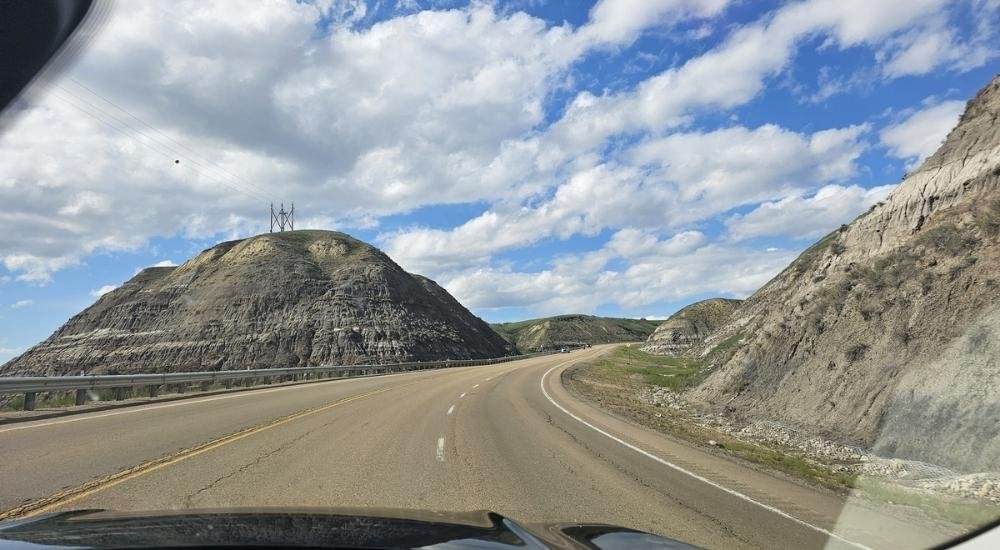
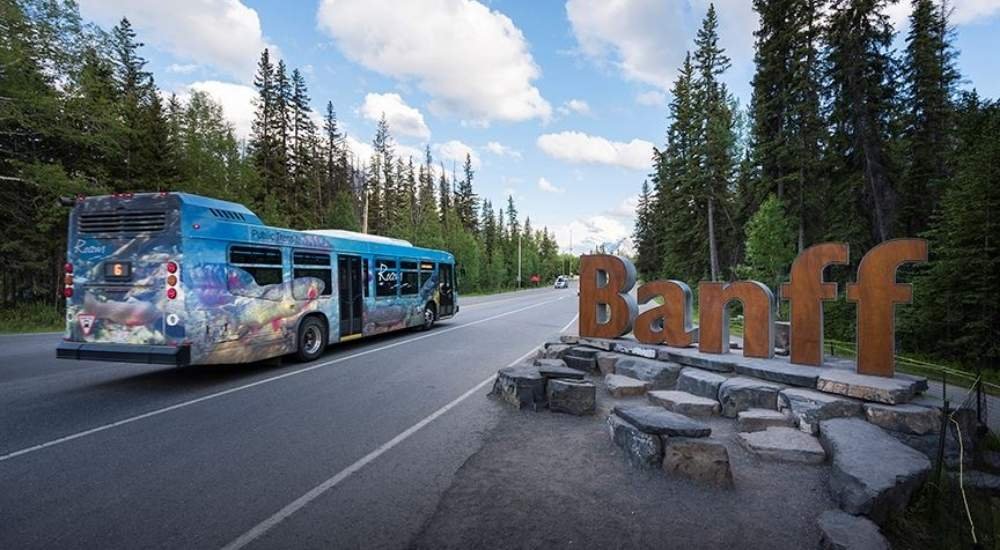
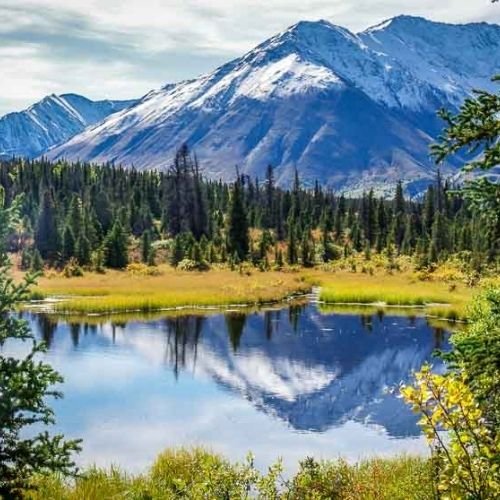
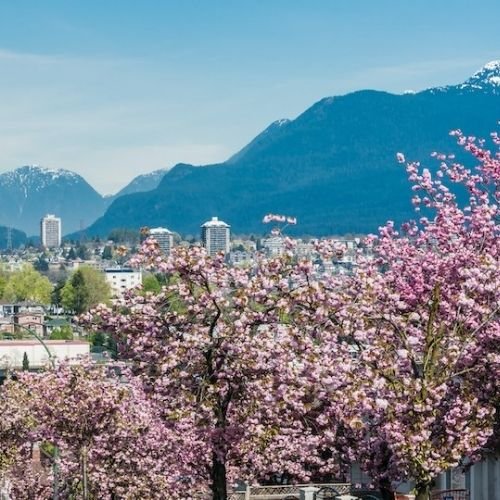
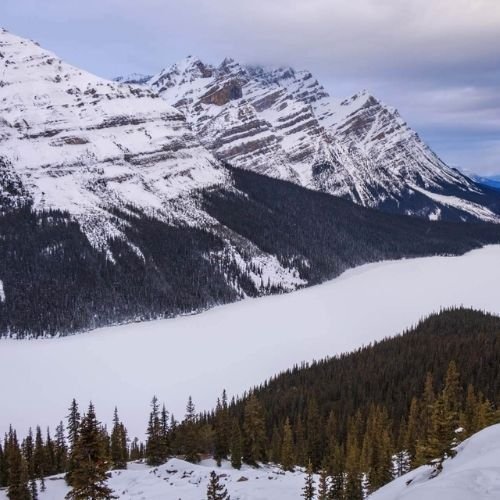
Banff National Park sits in the province of Alberta, Canada, nestled right inside the majestic Rocky Mountains. From alpine lakes to rugged peaks, this park covers a huge area of wilderness and natural beauty.
It’s no surprise that Banff is one of Canada’s most famous destinations. More than 4.28 million visits were recorded in the 2023/24 year — a record high for the park. That means people from all over the world are drawn to its mountains, rivers, wildlife and scenic views.
Here’s the good news: getting to Banff is easier than you might think. Whether you prefer flying in, driving yourself, catching a bus or hopping on a shuttle, there are solid options. We’ll cover how to get there by air, by car, by bus and by shuttle — so you can choose the travel style that fits you best.
In the next sections, I’ll guide you step by step on how to get to Banff National Park from major cities — like Calgary, Edmonton, Jasper, Vancouver — and even from the USA. By the end of the post, you’ll have a clear map in your mind of how to reach Banff and how to pick the best way for your trip.
1.Getting to Banff by Air
If you’re flying in, your journey will almost always start at Calgary International Airport (YYC). This is the main airport closest to Banff National Park, and it connects you to the Rockies in the fastest and most convenient way.
From Calgary Airport, it takes about 1.5 hours (130 km) to reach Banff by road. Whenever I visit Banff, this is the route I use, and it’s the one most visitors choose too. YYC handles millions of passengers each year, so you’ll have plenty of flight options and easy ground transportation when you arrive.
YYC offers a strong mix of domestic and international flights, which makes planning your trip simple. You can fly directly from major Canadian cities like Toronto, Vancouver, Edmonton, Winnipeg, and Montreal.
If you’re coming from outside Canada, you’ll find direct routes from many parts of the USA, along with flights from Europe, Mexico, and other international hubs. This makes Banff an accessible destination for travellers from all over the world.
2. Getting to Banff by Car
Driving to Banff National Park is one of the most enjoyable parts of the trip. If you love open roads, mountain views, and the freedom to stop along the way, you’ll enjoy this option as much as I do. The routes are simple, the scenery is incredible, and the road system in Alberta makes the drive smooth for most travellers.
The main road that takes you straight into Banff is Highway 1, also known as the Trans-Canada Highway. This is one of the busiest and most important highways in the country, and it’s designed for easy travel. It’s well-marked, paved, and open year-round, with only rare closures during major storms or accidents.
As you drive west toward the Rocky Mountains, the views get better with every kilometre. From rolling foothills to towering peaks, the entire route feels like a preview of what’s waiting for you inside Banff National Park.
Winter Driving Tips
If you’re travelling in winter, your experience can still be amazing, but it helps to be ready for colder conditions. I’ve driven this route many times in winter, and preparation makes all the difference.
Here are a few simple tips to keep your trip safe:
Roads can be icy, especially early in the morning or after fresh snowfall.
Use winter tires from October to April. They grip icy roads much better than all-season tires.
Check the weather and road conditions before driving. Alberta’s weather can change fast, so it’s smart to check updates from 511 Alberta before hitting the road.
With the right tires and a quick weather check, your winter drive can still be smooth and enjoyable.
Parking in Banff
Parking in Banff has improved over the years, and you have several good options.
Downtown Parking: You’ll find street parking and public lots around Banff Avenue. Many spots fill up quickly during summer, so arriving early helps.
Free Public Parking Lots: Banff offers large free lots, like the one at the Fenlands Recreation Centre. From there, you can walk or take Roam Transit into town.
Parks Canada Pass: Before you enter Banff National Park, remember that you need a valid Parks Canada pass. You can buy it online, at the park gates, or at visitor centres. Keep it visible on your dashboard.
3.Getting to Banff by Bus
Taking a bus to Banff is one of the easiest and most budget-friendly ways to reach the park. I’ve used this option once when I didn’t feel like driving, and it surprised me how smooth and stress-free the trip can be. If you want a simple ride with no parking worries, the bus is a great choice for your Banff adventure.
Bus Companiesto Banff
You have several reliable bus companies that run routes to Banff. Each one offers a comfortable ride with space for your luggage and clear schedules, so you can plan without stress.
On-It Regional Transit – A seasonal service that usually runs in spring, summer, and fall. It offers low-cost rides from Calgary to Banff on weekends and holidays.
Rider Express – Year-round service with routes from Calgary and other Western Canada cities.
Red Arrow / Mountain Connector – Known for comfort, great service, and reliable schedules.
FlixBus – Popular for budget travel and simple online booking.
Ebus – Another option with comfortable coaches and steady departure times.
These companies keep the trip simple, with departures from downtown Calgary or other convenient pickup points.
What to Expect
Taking the bus to Banff is a relaxed way to travel. You can sit back, enjoy the views, and save money at the same time.
Here’s what you can expect:
Affordable prices: Bus tickets usually cost far less than renting a car or booking a private transfer.
Comfortable seats and luggage space: Most coaches offer soft seats, climate control, and room for backpacks, suitcases, and ski gear.
Direct or semi-direct routes from Calgary: Many buses take you straight into Banff, and some stop only once before arriving. The trip is smooth, and you don’t have to deal with city traffic or mountain driving.
Using a shuttle bus to reach Banff is a great choice if you want a smooth, guided ride without the stress of driving. I often recommend shuttles to friends visiting for the first time, because the service is reliable, the drivers know the area well, and you can simply enjoy the mountain scenery along the way.
Airport Shuttles
If you're landing at Calgary International Airport (YYC) and want a direct ride to Banff, you’ll find several trusted shuttle services ready to go. These companies run daily and offer comfortable seats, space for luggage, and convenient drop-off points.
Here are the main airport shuttle options:
Banff Airporter: One of the most popular choices. They offer regular departures throughout the day and are known for being on time. The ride takes about 1 hour and 45 minutes.
Brewster Express: A long-standing travel company in the Rockies. They provide large, comfortable coaches with plenty of space. Great for families, groups, or anyone with extra gear.
RTB / Other Shuttle Services: Several smaller companies also run direct shuttles from YYC to Banff. They often offer flexible schedules and door-to-door service.
These airport shuttles make your trip simple from the moment you arrive. You just step on board and let the driver take care of the rest.
Hotel Shuttles
Some hotels in Banff partner with local shuttle companies to help guests reach the town without hassle. If you're staying at a resort or a higher-end hotel, you may be able to book a shuttle that takes you directly from Calgary Airport to your hotel’s doorstep.
Other hotels arrange drop-offs at central spots in Banff, such as the main bus station or popular landmarks. This is handy if you want to walk around town or take Roam Transit to your final destination.
Using a shuttle bus gives you a calm, comfortable way to start your Banff trip. It’s perfect for travellers who want a safe, easy, and scenic ride into the heart of the Canadian Rockies.
5. How to Get to Banff from Major Cities
One thing I love about Banff National Park is how easy it is to reach from different cities in Western Canada. Each route offers its own kind of scenery and experience, so you can choose the path that fits your travel style. Here’s a friendly, simple guide to help you plan your trip from Calgary, Edmonton, Jasper, and Vancouver.
Going from Calgary to Banff
Calgary is the closest major city to Banff, and the route is fast and straightforward. The distance is about 130 km, and the drive usually takes 1.5 hours. This option is fun; aside from the scenery, there are other things to do on the road. Read my post about fun road attractions between Calgary and Banff.
To get there, you head west on the Trans-Canada Highway (Highway 1). The road is smooth, wide, and easy to follow. I use this route every time I visit Banff from Calgary, and the mountain views never get old.
You have several ways to make the trip:
Car: The most flexible option.
Shuttle: Airport shuttles or downtown-to-Banff services run daily.
Bus: Budget-friendly and comfortable.
Guided tours: Great if you prefer a planned itinerary.
No matter the option you choose, the Calgary-to-Banff route is one of the simplest ways to enter the Rockies.
Going from Edmonton to Banff
The distance from Edmonton to Banff is around 415 km, and the drive takes about 4 hours. You can reach Banff using two main routes, and I’ve taken both many times.
Route 1 (Fastest): Take QE2 south to Calgary, then continue west on Highway 1 into Banff. This is the quickest and most common path.
Route 2 (Most Scenic): Drive west on Highway 16 to Jasper, then follow the Icefields Parkway (Highway 93) south all the way to Banff. This route is longer but offers amazing views of glaciers, mountains, and turquoise lakes.
If you prefer public transportation, you can take the Red Arrow from Edmonton to Calgary, then transfer to a bus or shuttle heading to Banff.
Get to Banff through GuidedTours
You can also get to Banff by joining a guided tour, which is one of the easiest options if you don’t want to drive. Many tour companies operate from Calgary, Banff, and Lake Louise, and some even offer longer trips from Edmonton or Vancouver. These tours usually include comfortable transportation, a knowledgeable guide, and visits to top attractions like Lake Louise, Moraine Lake, and the Banff townsite. It’s a simple and stress-free way to reach the park and enjoy the Rockies without worrying about planning routes or parking.
Join a Guided Banff National Park Tour
Skip the planning and let a professional guide show you Banff’s top attractions. Comfortable transport, great photo stops, and expert knowledge included. Click below to check prices and secure your tour.
If you're travelling from the United States, getting to Banff National Park is simpler than most people expect. Many American visitors make this trip each year, and you can do it by car or by flying into Alberta. I’ve met plenty of travellers on the road who loved the journey because the scenery becomes more dramatic the closer you get to the Rockies.
Driving from the US to Banff
If you plan to drive, the closest border crossings into Alberta are in the state of Montana. These crossings connect directly to major highways that lead you north toward Calgary, and then onward to Banff.
Here are the two main ports of entry:
Coutts / Sweetgrass Border Crossing: The busiest crossing between Montana and Alberta. Once you enter Alberta, you continue north on Highway 4, which becomes Highway 2 toward Calgary. From Calgary, follow Highway 1 west into Banff.
Carway / Peigan Border Crossing: A quieter crossing that connects to Highway 2 and Highway 5. This route also leads you north toward Calgary before joining Highway 1.
The drive is smooth, and the highways are well-maintained. As you move closer to Banff, the flat prairies slowly turn into rolling foothills and finally the dramatic Rocky Mountains.
Flying from the US
If you want a faster and easier trip, flying is a great option. Most U.S. visitors fly directly into Calgary International Airport (YYC). The airport offers flights from major American cities, which will make your travel straightforward.
Once you land, you can then:
Rent a car for full flexibility.
Take an airport shuttle for a relaxed, no-driving experience.
Use a bus service if you’re travelling on a budget.
Like I said before, the trip from Calgary to Banff takes about 1.5 hours.
7.How to Get Around in Banff
Getting to Banff is one thing, and moving around in the park is another. But moving around Banff is easier than most people think, and you don’t always need a car to enjoy the park. When I visit Banff from Edmonton or after a trip to Calgary, I like to mix driving with local transit. It saves time, stress, and money on parking. Here’s how you can explore Banff National Park smoothly:
Roam Transit (Best for Stress-Free Travel)
Roam Transit is the main public bus system in Banff, and it’s honestly one of the easiest ways to move around. The buses connect you to major spots like:
The buses run frequently, the fares are affordable, and many routes operate year-round. If you prefer not to deal with traffic or finding parking at popular places like Lake Minnewanka or the Upper Hot Springs, using Roam Transit is a smart choice.
Driving in Banff (Most Flexible Option)
Driving gives you the most freedom, especially if you want to explore spots outside the townsite. I often drive when I’m taking photos, checking out viewpoints, or heading deeper into the mountains.
Just keep these things in mind:
Parking fills up quickly in summer. Places like Moraine Lake no longer allow personal vehicles, so you must use Parks Canada shuttles.
Winter roads can be icy, so take your time and use winter tires.
Highway 1 is well-maintained, making it easy to reach nearby areas like Lake Louise.
Parks Canada Shuttles (For Moraine Lake & Lake Louise)
To keep traffic low and protect the environment, Parks Canada has shuttles that take you to Moraine Lake and Lake Louise during peak season. These must be booked ahead of time, especially if you’re travelling from June to October. They run from the Lake Louise Ski Resort Park and Ride and are the only way to reach Moraine Lake by vehicle.
Biking in Banff (Great for Summer)
Banff is bike-friendly, with several safe and scenic routes. If you enjoy exploring at your own speed, renting a bike is a relaxing and sustainable option. Popular routes include:
Banff Legacy Trail (Banff to Canmore)
Vermilion Lakes Road
Tunnel Mountain Drive
Walking around town
Once you’re in downtown Banff, you can walk almost everywhere. Banff Avenue, local restaurants, shops, museums, and viewpoints are all close together. Walking is often faster than driving through the busy town centre.
Best Time to Visit Banff National Park
Banff National Park is stunning all year, but the best time to visit depends on the activities you enjoy and the experience you’re looking for. I’ve visited Banff in different seasons, and each one has its own magic. Here’s a simple guide to help you plan your trip.
Summer (June to August) – Perfect for Hiking and Lakes
Summer is the most popular time to visit Banff. The weather is warm, the trails are clear, and the famous turquoise lakes like Lake Louise and Moraine Lake are at their most beautiful.
Activities: Hiking, canoeing, wildlife viewing, camping, and photography.
Tips: Arrive early to popular spots to avoid crowds. Accommodation fills up quickly, so booking in advance is a must.
Weather: Daytime temperatures range from 18°C to 25°C, but nights can be cooler in the mountains.
Spring (March to May) – Quiet and Budget-Friendly
Spring is a shoulder season with fewer tourists and lower prices on accommodation. The snow melts gradually, rivers swell, and wildlife becomes more active.
Activities: Wildlife spotting, short hikes, photography, and scenic drives.
Tips: Some higher elevation trails may still have snow, so check trail conditions before hiking.
Winter (December to February) – Skiing and Snow Fun
Winter in Banff is magical, with snow-capped mountains and frozen lakes. If you love skiing, snowboarding, or snowshoeing, this is your season.
Activities: Skiing at Sunshine Village or Lake Louise Ski Resort, snowshoeing, winter photography, and relaxing in hot springs.
Tips: Roads can be icy. Use winter tires and check Alberta 511 road conditions before heading out.
Weather: Temperatures range from -10°C to -2°C, and snowfall can be heavy in the mountains.
Fall (September to November) – Colours and Peace
Fall is another peaceful time to visit Banff. The forests turn golden, and the crowds are smaller than in summer. It’s ideal for scenic drives, photography, and quiet outdoor activities.
Activities: Hiking, sightseeing, photography, and enjoying fall foliage.
Tips: Some seasonal services and shuttle routes start to reduce in October, so plan accordingly.
Banff National Park Pass Prices
To enter Banff National Park, you’ll need a Parks Canada pass. The fee helps protect the park, maintain trails, and support wildlife programs. The good news is that the prices are clear and simple, and you can choose the pass that fits your trip.
Below is an easy breakdown of the 2025 Banff National Park pass fees based on information from Parks Canada.
Daily Admission Pass (Per Day)
A daily pass is great if you’re only visiting for a short time. It stays valid until 4:00 pm the next day, so you actually get more than one day of use.
Pass Type
Price (2025)
Details
Adult (18–64)
$11.00
Standard daily entry
Senior (65+)
$9.50
Discounted rate
Youth (6–17)
Free
Perfect for family trips
Family / Group (up to 7 people in one vehicle)
$22.00
Best value for families/groups
Annual Parks Canada Discovery Pass
The Discovery Pass gives you unlimited entry for 12 months to Banff and every other national park or historic site in Canada. This is a great choice if you're staying multiple days, coming back later in the year, or planning a Canadian road trip.
Pass Type
Price (2025)
Details
Adult
$75.25
Valid for 12 months
Senior
$64.50
Discounted yearly rate
Family / Group
$151.25
Up to 7 people
Which Pass Should You Choose?
Pick the daily pass if you’re visiting Banff for one or two days.
Go for the Discovery Pass if you’re staying three or more days, planning to see Banff and Jasper, or visiting other national parks in Canada. It pays for itself quickly.
Families of up to seven people will usually save money with the family/group option.
Why You Need a Pass
Parks Canada uses these fees to:
Maintain hiking trails
Keep facilities clean and safe
Protect wildlife and natural ecosystems
Improve roads and parking areas
You may be asked to show your pass at popular trailheads, parking areas, or park gates, so keep it handy.
Conclusion: How to get to Banff National Park
Getting to Banff National Park is easier than many people think, and by now you’ve seen all the ways you can reach this amazing place. You can fly into Calgary International Airport, rent a car, or hop on a shuttle straight to the mountains. You can also drive on the Trans-Canada Highway, take a comfortable bus, or plan a longer road trip from cities like Edmonton, Jasper, Vancouver, or even from the United States.
As you plan your trip, choose the option that feels right for your travel style. Some people enjoy the freedom of driving, while others like the convenience of shuttles or buses. No matter how you decide to get here, the journey is part of the adventure.
Once you arrive, Banff welcomes you with turquoise lakes, rugged mountains, quiet forests, and some of the most beautiful wildlife in Canada. I visit this park often, and every trip feels new. I hope your visit gives you that same sense of wonder and peace.
FAQs about Banff
Where is Banff National Park situated?
Banff National Park is in the province of Alberta, in western Canada. It sits inside the Rocky Mountains and is known for its lakes, mountains, and wildlife. The main town, Banff, is about 1.5 hours west of Calgary.
What is the difference between Banff and Banff National Park?
Banff is a small town with hotels, restaurants, and shops. Banff National Park is the large protected area that surrounds the town. The park includes mountains, lakes, forests, and many outdoor activities. The town of Banff is simply one part of the larger national park.
How do I get to Banff National Park?
Most people travel to Banff by flying into Calgary International Airport and then driving or taking a shuttle. You can also reach Banff by car, bus, or guided tour. Highway 1 (Trans-Canada Highway) takes you straight into the park. Some visitors also arrive from Edmonton, Jasper, Vancouver, or the United States.
Does Banff National Park have shuttle service?
Yes, several shuttle services run to Banff. Popular options include Banff Airporter, Brewster Express, and other YYC-to-Banff shuttles. Inside the park, Roam Transit also offers local and regional buses to major attractions like Lake Louise and Moraine Lake.
What is the best month to visit Banff?
July and August are the best months for warm weather and hiking. Winter months like December and January are ideal for skiing. Spring and fall are quieter and usually cheaper. Your best time depends on the experience you want.
Is Banff close to Calgary?
Yes, Banff is very close to Calgary. It is about 130 km away, which takes around 1.5 hours by car. This makes Banff one of the easiest national parks to reach in Canada.
Lake Louise, nestled in the heart of Banff National Park in the Canadian Rockies, is truly a destination that embodies the perfect blend of natural beauty and adventurous spirit. Whether you are a nature enthusiast, an avid hiker, or someone who loves the thrill of winter sports, Lake Louise offers something for every kind of traveller. This stunning alpine lake, with its turquoise waters and backdrop of snow-capped peaks, is a sight that never fails to leave us breathless.
From the serene trails that circle the lake to the exhilarating slopes of the nearby ski resort, Lake Louise is a place where one can immerse oneself in the grandeur of nature and create unforgettable memories. Here are 10 things to do in Lake Louise to make the most of your visit to this breathtaking corner of Canada.
1. Canoeing on Lake Louise
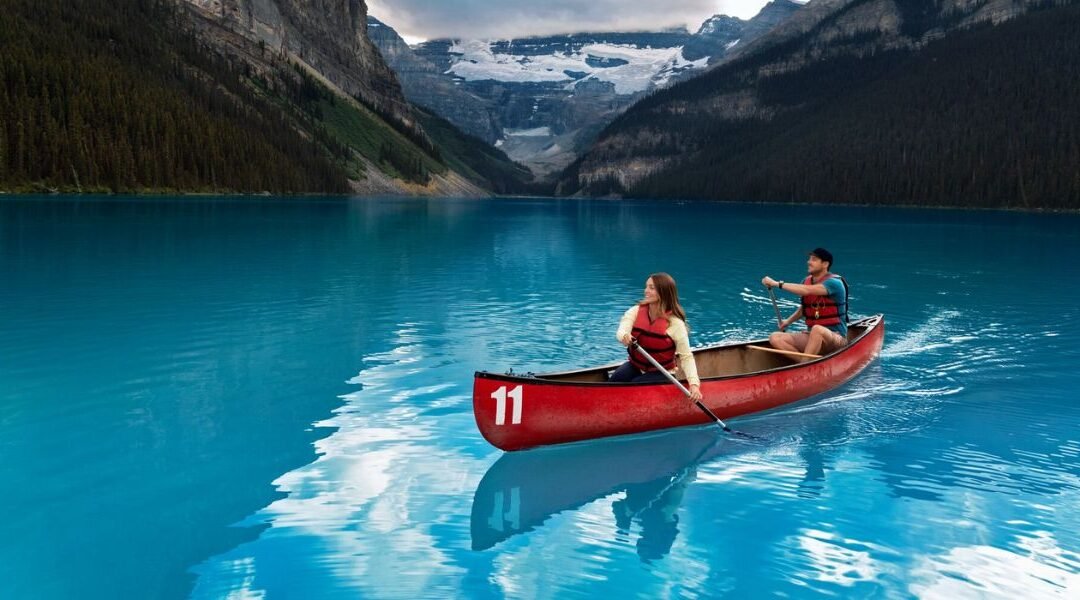
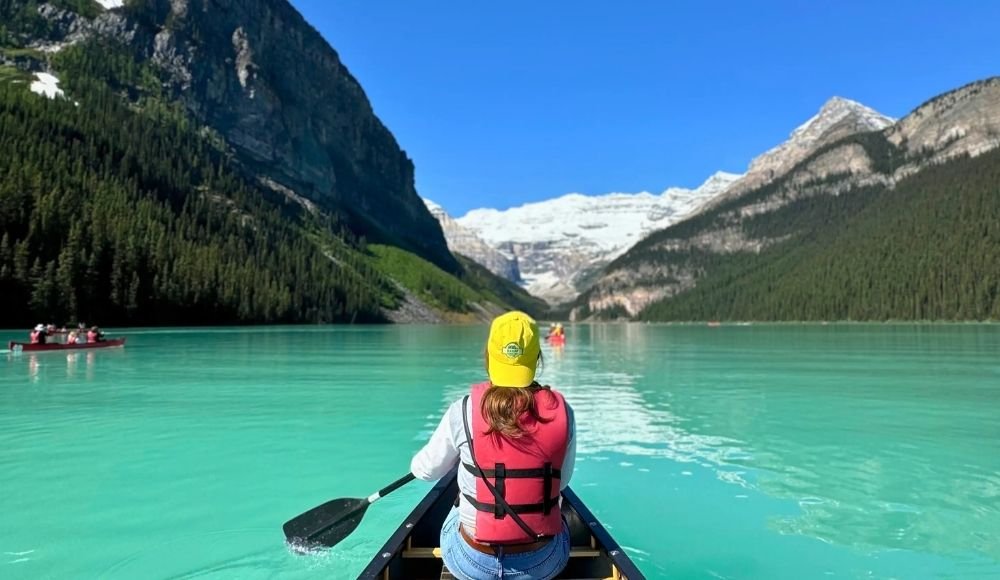
Canoeing on Lake Louise is an experience like no other that truly encapsulates the charm of this Canadian Rockies gem. The serene, turquoise waters of the lake, framed by the towering peaks and the majestic Victoria Glacier, create a scenery that’s nothing short of breathtaking. Renting a canoe from the Boathouse, operated by the Fairmont Chateau Lake Louise, is a simple way to set off on this unforgettable adventure. The boathouse is conveniently located on the lake’s west shore, making it easily accessible for visitors.
As we paddle through the calm waters, it’s hard not to marvel at the stunning vistas all around us. The opportunity to spot local wildlife while gliding across the lake adds another layer of excitement to the experience. Up to three adults or two adults with two children can fit in each canoe, making this activity perfect for families or small groups. For those seeking something more exclusive, the Fairmont offers a sunrise canoeing option, limited to just 10 canoes, providing an incredible 1.5-hour rental period that lets us soak in the lake’s beauty during the quiet, magical morning hours.
It’s worth noting that canoeing on Lake Louise is incredibly popular during summer, so planning your timing wisely can make a big difference. Arriving early in the morning or later in the evening helps beat the crowds and ensure a more peaceful experience. Those planning to bring their own canoe or kayak should be prepared to carry their watercraft from the parking area to the lake, as there is no public boat launch available.
Canoeing on Lake Louise is more than just an activity. It’s a chance to immerse ourselves in the tranquillity of nature and to see the lake’s radiant beauty from a unique perspective. Whether we choose a brief paddle or a leisurely ride, this is an experience that never fails to leave us with cherished memories of our time exploring this incredible corner of Banff National Park.
2. Hiking the Plain of Six Glaciers
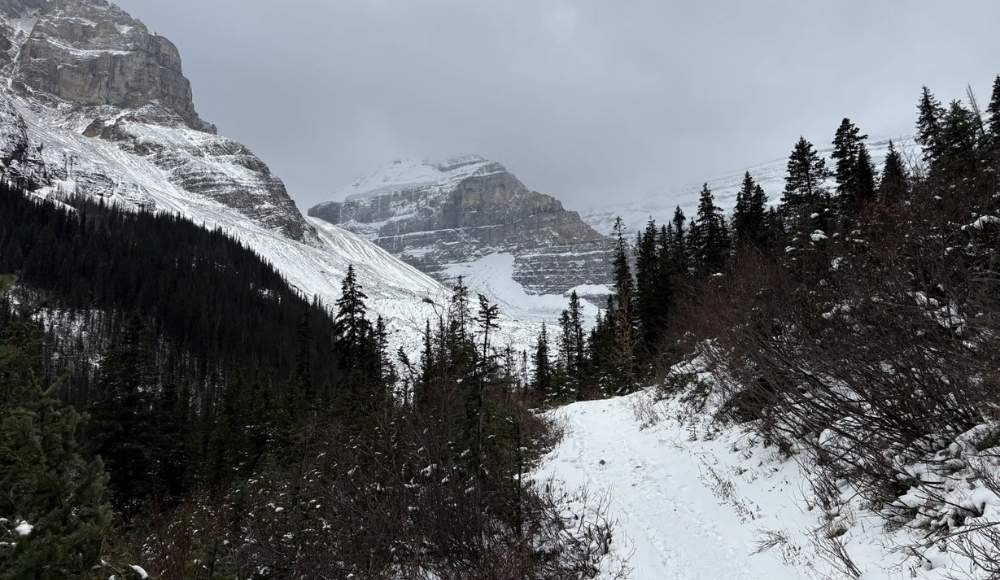
Hiking the Plain of Six Glaciers is an unforgettable experience that offers some of the most spectacular views in the Lake Louise area. This moderate hike is a must-do for anyone looking to immerse themselves in the natural beauty of Banff National Park.
The trail begins as a leisurely stroll along the shoreline of Lake Louise, providing stunning views of the lake and its surrounding mountains. As we progress, the route transitions into a gentle forested climb along a creek, eventually bursting out of the treeline into a more exposed, rocky section. Here, the views become even more breathtaking, with the path winding through a silty delta and over a rock ledge with a significant drop-off, though it remains wide enough to navigate comfortably.
The hike is approximately 14.6 kilometres round-trip, with an elevation gain of about 588 meters. The first 3.3 kilometres are relatively flat, but the trail then inclines steadily for the remaining 4 kilometres.
This moderate difficulty level makes it accessible to hikers with a reasonable level of fitness, though we advise being mindful of the distance and exposure, especially in the latter part of the hike.
A highlight for us on this hike is the Plain of Six Glaciers Teahouse, a historic teahouse built by the Canadian Pacific Railway in 1927. Perched at an elevation of 2070 meters, the teahouse offers a welcome break with bathrooms, tea, and homemade snacks. It’s cash-only, so be sure to bring some money for any purchases and enjoy this charming stop along the way.
The final viewpoint beyond the teahouse is particularly spectacular, offering a panoramic view of six glaciers that feed into Lake Louise. Here, we can soak in the 360-degree beauty of the alpine meadow, complete with waterfalls and the occasional sound of glacial ice cracking.
This viewpoint is reached via a series of switchbacks and a short, steep climb, but the reward is undoubtedly well worth the effort.
It’s recommended to hike the Plain of Six Glaciers between mid-June and early October to avoid snow and ice, which can make the higher elevation sections hazardous. During this period, the trail is well-maintained and free of significant obstacles, making it an ideal time to fully enjoy this incredible hike.
To manage the crowds—and trust us, this trail is popular—consider starting your hike early in the morning or later in the day. Public transportation and shuttle services are also available to help navigate the often-challenging parking situation at Lake Louise. Taking the time to plan ahead ensures the experience is as stress-free as possible.
3. Visit Moraine Lake
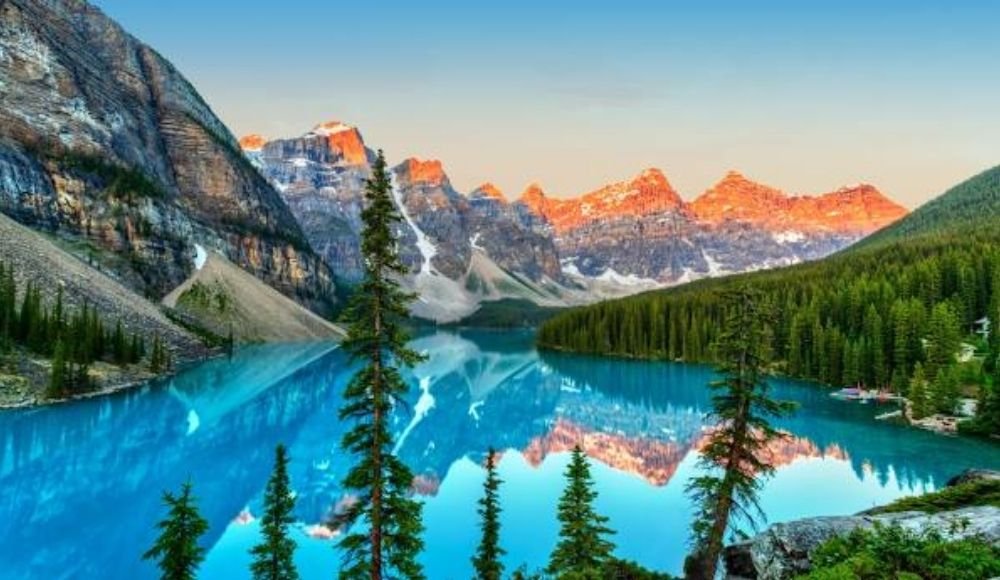
Moraine Lake is one of the best lakes in Alberta. Visiting the lake is an experience that we know will always stand out as a highlight of any journey to the Canadian Rockies. Located just 14 kilometres southeast of Lake Louise, this lake is famed for its breathtaking turquoise waters and the spectacular backdrop of the Ten Peaks. No matter how many times we visit, its beauty never ceases to amaze.
To access Moraine Lake, it’s essential to plan ahead, as personal vehicle access is not permitted. The road to Moraine Lake is closed to vehicles year-round, and visitors must rely on shuttles, public transit, or guided tours. Booking your transportation in advance is key to avoiding disappointment, as spots fill up rapidly and remain unavailable throughout the day.
The best time to visit Moraine Lake is from June to October, when the access road opens and the lake’s waters reach their most vibrant. This period, fed by glacial melt, is when the lake displays its striking hues, making it a prime time for photography or simply soaking in the scenery. Typically, the lake thaws by late May, with the alpine hiking season starting in late June. It’s a short window to experience the lake at its full glory, and we cherish every visit during this magical time.
Walk the Rockpile Trail
The Rockpile Trail is undoubtedly one of the must-do activities at Moraine Lake. This short trail takes you to the famous "Twenty Dollar View," a vantage point that graced the Canadian twenty-dollar bill. From here, you’ll enjoy views of the lake and the Ten Peaks that are nothing short of iconic. At just 350 meters long with a gentle elevation gain of 30 meters, this trail is quick and accessible, taking only 20 to 40 minutes round-trip—but it delivers unparalleled rewards in scenery.
Canoe on the Waters
For those who wish to connect more intimately with the beauty of the lake, canoe rentals are available from Moraine Lake Lodge from mid-June to mid-September. Gliding across the serene, glassy waters of Moraine Lake is an experience like no other. Each canoe can accommodate two to three people and includes paddles, life jackets, and basic instructions, allowing you to fully immerse yourself in the lake's tranquil atmosphere.
This is, without a doubt, one of the most enjoyable ways to take in the vivid turquoise waters and the dramatic peaks that surround you. Truly a moment to savour.
Explore More Trails
Moraine Lake also offers several additional trails for hikers of all skill levels. Those seeking further adventure might consider the Consolation Lakes or Larch Valley trails, both of which provide opportunities to experience the area’s unparalleled natural beauty. The flora and fauna of the Canadian Rockies hold surprises at every turn, and exploring these trails is a way to truly immerse oneself in this magical landscape truly.
Enjoy Amenities at the Lodge
To round out your visit, Moraine Lake Lodge offers several amenities that enhance your time here. A cozy café provides grab-and-go items and outdoor patio seating, letting you enjoy light bites while taking in the views. The gift shop is another highlight, featuring exclusive Moraine Lake-branded items and locally sourced souvenirs—perfect for bringing a piece of your trip home with you.
Moraine Lake isn’t just a destination; it’s an experience that stays with us long after we leave. From the awe-inspiring views and vibrant waters to the serene hikes and charming lodge, every moment here feels like a gift.
4. Explore Lake Louise Ski Resort
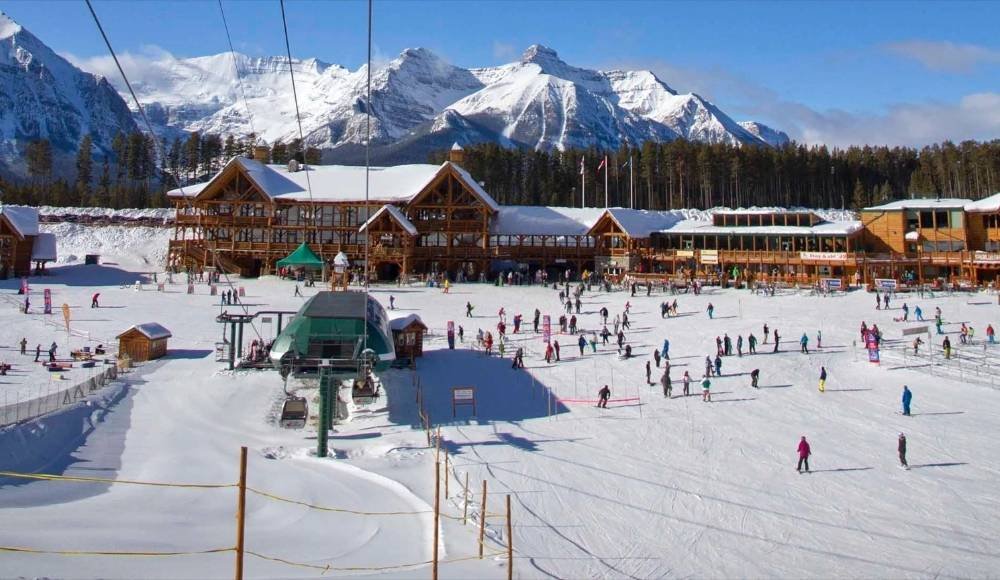
Lake Louise Ski Resort is in the heart of Banff National Park. The resort is truly a winter wonderland. It offers an unparalleled skiing and snowboarding experience that draws visitors from all over the world to its pristine wilderness. With over 4,200 acres of skiable terrain spread across four mountain faces, it proudly stands as one of the largest ski resorts in North America.
For us, the variety of trails is one of the resort’s greatest strengths. The terrain caters to all skill levels, with an impressive breakdown: 25% beginner, 45% intermediate, and 30% advanced runs. This ensures that whether you're starting out or are a seasoned expert, there's a trail that suits your abilities. The 164 marked trails feature everything from gentle slopes and long cruising runs to glades, chutes, and some of the most exciting wide-open bowls in the Canadian Rockies.
We particularly appreciate the resort’s efficient lift system. With 12 lifts, including a gondola, three carpet lifts, several quad chairs, a six-seated chair, and a high-speed heated bubble chair, the system is designed to make sure you maximize your time on the slopes. Combined, these lifts have a capacity of over 14,000 skiers per hour, effectively minimizing wait times. The convenience it offers is just another way Lake Louise delivers an incredible experience.
What truly sets Lake Louise Ski Resort apart, though, is its spectacular scenery. Everywhere we turn, from the frontside groomers to the back bowls, the views are breathtaking. Mountains, glaciers, lakes, and forests combine to create an ever-changing panorama that is nothing short of magical—a true photographer's paradise.
The resort doesn’t stop at skiing and snowboarding. Visitors can also enjoy a range of other winter activities, like dog sledding, ice skating, and cross-country skiing. The year-round Lake Louise sightseeing gondola is a favourite, offering panoramic views of the surrounding landscape. Whether you’re hoping to spot wildlife like grizzly bears or gaze at the natural springs and wildflowers, the gondola ride is unforgettable.
For dining, the resort offers several excellent options. The Whitehorn Bistro, located halfway up the front side, delights us with its exceptional farm-to-table cuisine, while the Powder Keg Lounge serves up more casual fare like fresh-baked pizza, wings, and salads. The base lodge and other mountain lodges also provide a variety of energizing meals, ensuring that you stay fueled throughout your adventure-packed day.
Lake Louise Ski Resort is renowned for its reliable snow conditions, which we value greatly. With an extensive snowmaking system covering nearly 1,690 acres of terrain, the resort ensures excellent snow even when natural snowfall is scarce. Combined with the cold climate, the snow remains in pristine condition and makes every turn a joy.
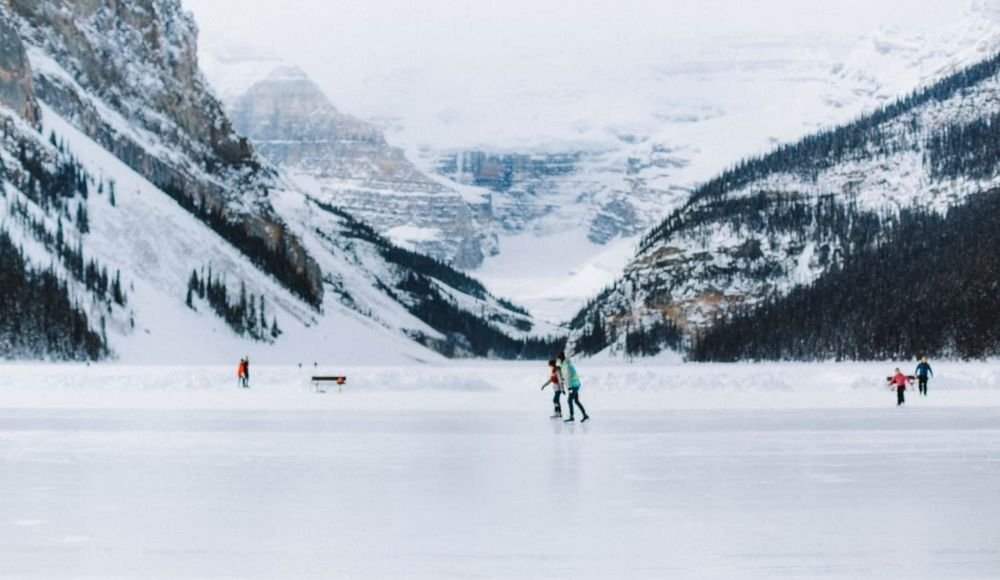
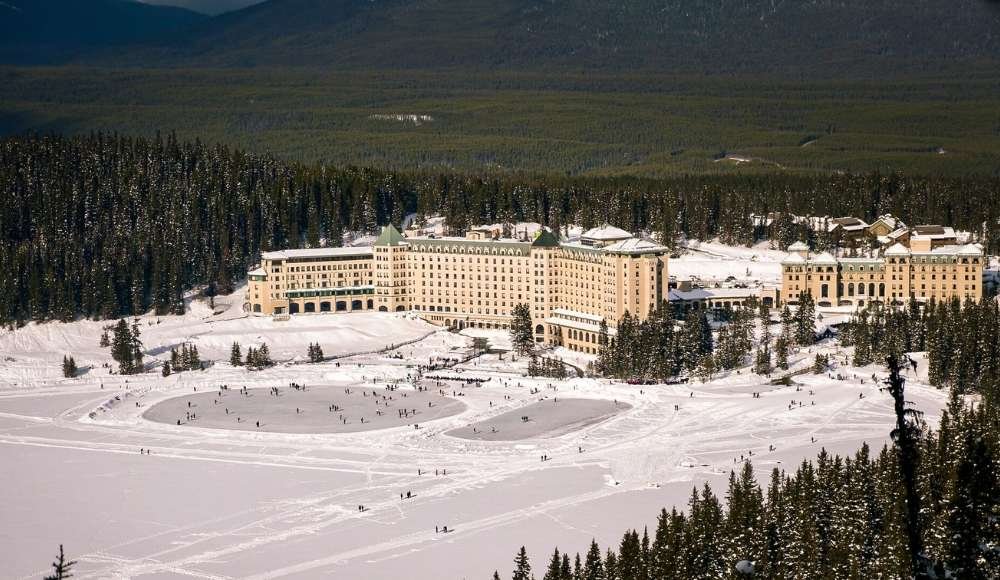
Ice skating on Lake Louise is an experience that embodies the magic of winter in the Canadian Rockies. This natural ice rink, set against the stunning backdrop of Mount Victoria and the Victoria Glacier, is often hailed as one of the most beautiful ice skating rinks in the world.
The ice skating season on Lake Louise typically runs from mid-December to mid-April, depending on the winter conditions. During this period, the Fairmont Chateau Lake Louise meticulously maintains the ice, clearing it daily of snowfall and resurfacing it to ensure optimal skating conditions. This maintenance, which includes the use of a Zamboni to resurface the ice, makes Lake Louise a reliable and enjoyable skating destination throughout the winter months.
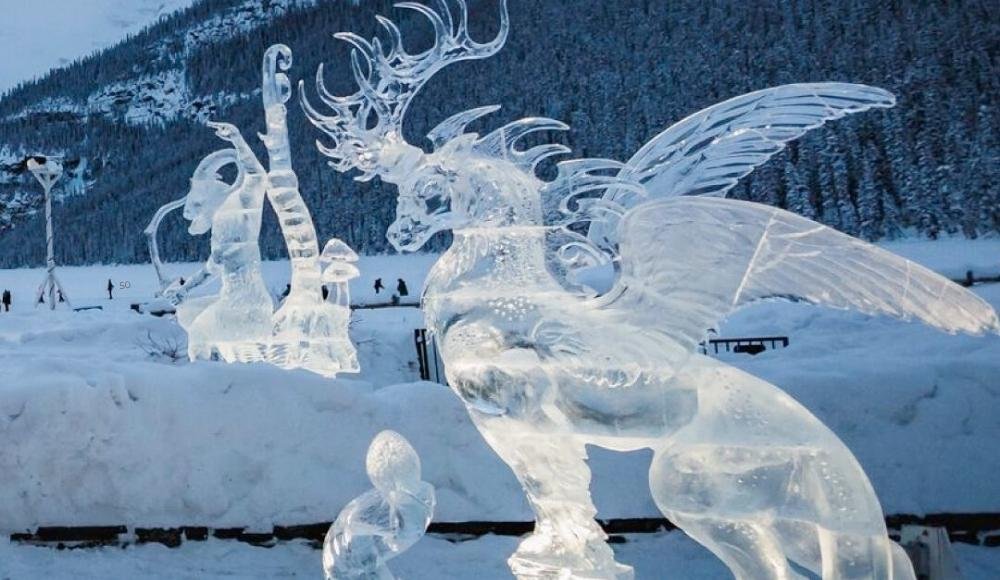
One of the unique attractions of ice skating on Lake Louise is the array of amenities and activities available around the rink. Visitors can enjoy cozy fires, an ice bar, and even take a ride on a horse-drawn sleigh. The annual Ice Magic Festival, held in late January and early February, adds an extra layer of enchantment with its intricate ice sculptures and festive atmosphere.
However, note that in 2025, attendance at the Ice Magic Festival requires a stay at one of the participating hotels and a shuttle to Lake Louise.
The skating rink is open 24 hours a day, although it is only lit by floodlights until 11 PM for night skating. This allows skaters to enjoy the rink under the stars, adding a romantic and mystical touch to the experience. Skating on Lake Louise is completely free, but you will need a National Park Pass to access the area.
To avoid the crowds, it is advisable to visit the rink during the week or early in the morning and late in the day. Weekends, especially afternoons, tend to be busier, but there is generally enough space for everyone to enjoy the skating experience. For those seeking more solitude, there are nearby winter hikes and snowshoe trails that offer a peaceful escape from the crowds.
Skate rentals are available at the Chateau Ski and Snow Rentals, making it easy for visitors to participate even if they do not have their own equipment. The combination of natural beauty, well-maintained ice, and festive amenities makes ice skating on Lake Louise a must-do winter activity in Banff National Park.
6. Snowshoeing to Fairview Lookout
Snowshoeing to Fairview Lookout is a winter adventure that offers a unique and breathtaking perspective on Lake Louise and its surrounding landscape. Located just a short distance from the Lake Louise parking lot, the Fairview Lookout trail is an accessible and rewarding snowshoeing route for visitors of all skill levels.
The trail begins at the Lake Louise parking lot, where you will walk towards the shoreline of the frozen lake. The trailhead for the Fairview Lookout is easily identifiable by the green circle with the number 15, and it is situated just a few feet into the trees on your left.
This initial section provides a serene walk along the lake's shoreline, offering a chance to absorb the winter wonderland scenery before embarking on the climb.
The Fairview Lookout trail itself is a 2 km out-and-back route with an elevation gain of 166 meters. Although labelled as an easy trail, it does include some steeper sections that can be challenging for short spurts. The trail winds uphill through a forest of snow-covered evergreen trees, featuring gentle S-shaped curves that only add to the scenic beauty of the hike.
One of the highlights of this snowshoeing trail is the stunning viewpoint at the Fairview Lookout. At an elevation of 1,852 meters, this vantage point offers an elevated view of many Lake Louise landmarks, including the Fairmont Chateau Lake Louise, Mount Fairview, and the Victoria Glacier.
The panoramic views from this point are truly breathtaking and make the climb well worth the effort.
It is important to note that beyond the Fairview Lookout, the terrain enters dangerous avalanche zones. Therefore, it is essential to return via the same path and avoid venturing further unless you have proper avalanche training and equipment. Always check the current trail conditions and avalanche reports before heading out to ensure your safety.
The duration of the snowshoe to Fairview Lookout typically ranges from 30 minutes to 1 hour, including time to enjoy the views at the lookout. This makes it a manageable and enjoyable outing for those looking to experience the beauty of Lake Louise in winter without committing to a full-day hike.
For a seamless experience, ensure you are well-prepared with the necessary gear, including snowshoes, warm and layered clothing, waterproof boots, gloves, a hat, and sunglasses. Bringing a backpack with water and snacks is also advisable to keep you hydrated and energized throughout your adventure.
7. Taking a Horse-Drawn Sleigh Ride
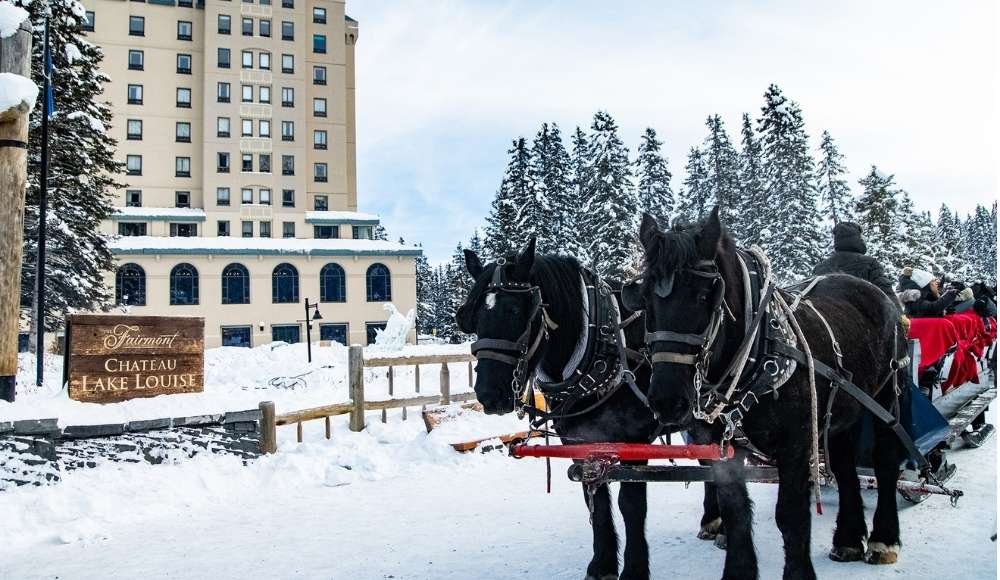
Taking a horse-drawn sleigh ride in Lake Louise is a quintessential winter experience that truly encapsulates the charm and beauty of the Canadian Rockies. This activity provides a unique and romantic way to explore the winter wonderland of Banff National Park. It’s perfect for family outings, wedding parties, or those simply seeking a romantic escape.
The sleigh rides, operated by companies such as Brewster Adventures, depart right from the lakefront at the Fairmont Chateau Lake Louise. These traditionally styled sleighs offer plush upholstered seats and cozy blankets, ensuring your journey through the snowy landscape is as comfortable as it is magical.
Majestic draft horses pull the sleighs, their patience, strength, and tranquillity adding to the peaceful and enchanting atmosphere of this activity. For approximately 45-60 minutes, you’ll have the opportunity to soak in the stunning scenery around Lake Louise. By day, the Victoria Glacier and shimmering ice falls at the end of the lake provide astonishing views, while evening rides promise a magical experience under the starlit sky, with the Fairmont Chateau Lake Louise softly illuminated in the background.
The season for sleigh rides typically begins in mid-December and continues until early April, as long as conditions remain favourable. Advance reservations are highly recommended, especially during peak times such as the Christmas holidays and Valentine’s Day weekend. For those seeking a more intimate experience, private sleigh rides are offered, including the romantic two-seater cutter.
Pricing for sleigh rides varies depending on the type of experience. Public tours start at around $55 per adult and $50 per child (ages 4-10), while children under 3 years old can ride for free. Private group rides and the two-seater cutter option are also available, with the private cutter priced at $550 per hour for up to two people.
Before embarking on your sleigh ride, you’ll need to check in at the designated area, such as the Sleigh Ride desk in the lobby of the Fairmont Chateau Lake Louise, and sign an indemnity waiver. This ensures a safe and enjoyable experience for everyone involved.
8. Afternoon Tea at the Fairmont Chateau Lake Louise
Indulging in Afternoon Tea at the Fairmont Chateau Lake Louise is a quintessential experience that combines elegance, tradition, and breathtaking views. This timeless tradition, a staple since 1890, offers an unparalleled way to savour the beauty of Lake Louise and its surroundings.
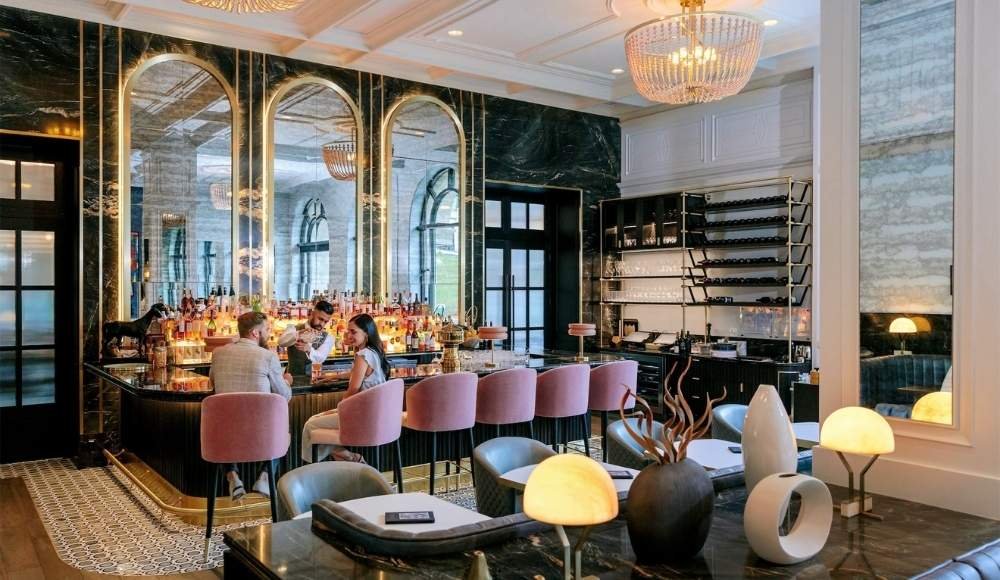
The Afternoon Tea is served in the Fairview Restaurant, a space that masterfully blends contemporary design with retro-chic charm. With its stunning views of Lake Louise and the Victoria Glacier, the ambiance feels special and refined—a perfect setting for a celebration or a moment of indulgence.
The tea service includes a variety of LOT 35 signature teas, which are carefully selected to enhance the experience. You can choose from a range of enticing blends, and for those unsure, the attentive staff are happy to provide recommendations, ensuring you select the perfect tea to suit your palate.
The menu elevates tradition with classic finger sandwiches, freshly baked scones topped with Devonshire cream, and a tempting array of sweet treats. Crafted by the culinary and pastry teams at the Fairmont Chateau, each item combines rich flavours with a modern touch, delivering a tea experience that is as exquisite as it is unforgettable.
The desserts, envisioned by the Executive Pastry Chef, form an undeniable highlight of the meal—a decadent finish that lingers in your memory long after the last bite.
Afternoon Tea is served daily from 11:30 AM to 2:30 PM, and reservations are highly recommended. This popular experience fills quickly, so it’s wise to book online or contact the Dining Reservations team directly. A 20-minute grace period is offered for late arrivals, but notifying the restaurant in advance can help ensure your plans go smoothly.
Dressing for the occasion is part of the tradition. Guests are kindly asked to avoid shorts, ripped denim, athletic, or hiking wear to preserve the refined atmosphere. Taking the time to dress elegantly elevates the overall tea experience and celebrates its heritage.
Whether you’re marking a special moment, enjoying a romantic activity, or simply treating yourself to something luxurious, Afternoon Tea at the Fairmont Chateau Lake Louise offers a rare indulgence. The combination of exquisite cuisine, fine teas, and breathtaking views makes this an unmissable and truly special experience that will leave you feeling pampered and delighted.
9. Explore the Lake Louise Gondola and Wildlife Watching
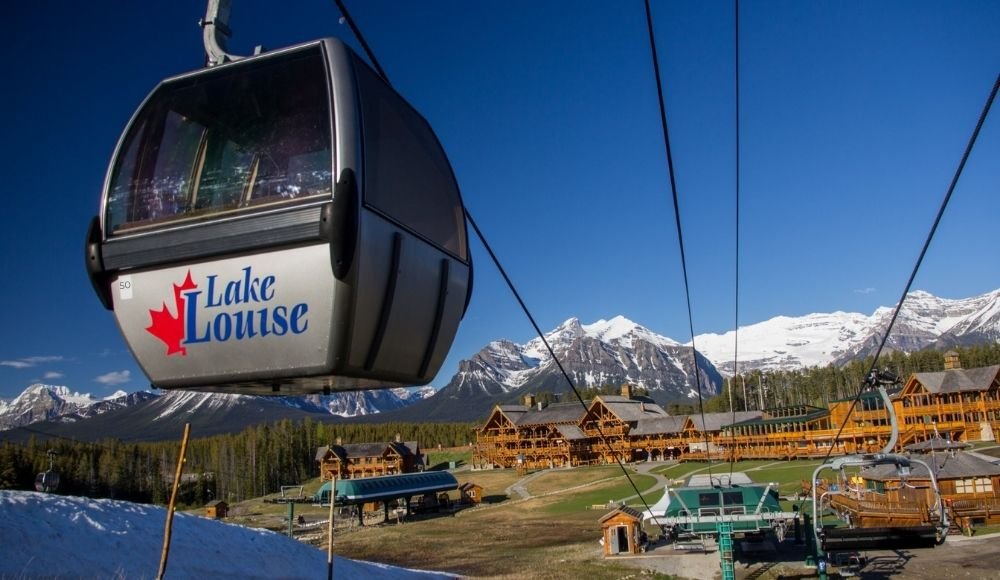
Exploring the Lake Louise Gondola is an exceptional way to immerse yourself in the natural beauty and diverse wildlife of the Canadian Rockies. This summer sightseeing gondola is renowned for offering one of the best and safest opportunities to view a variety of animals, including grizzly bears, black bears, lynx, moose, mountain goats, elk, and deer.
The gondola ride itself is a highlight, providing a peaceful and scenic ascent up the mountain. Visitors can choose between the chair lift or the gondola, each offering a unique perspective on the surrounding landscape. As we rise through the slopes, it’s captivating to scan the area for signs of wildlife, making the journey just as engaging as reaching the destination.
Upon reaching the top, you’re greeted by a sightseeing platform with sweeping views of Lake Louise, the Victoria Glacier, and the towering Mt. Temple. This vantage point is often referred to as one of the best views in the Lake Louise area, and it doesn’t disappoint. The unobstructed views of the turquoise lake and its imposing surroundings make it a photographer's dream.
The Wildlife Interpretive Centre at the summit is an unmissable attraction. Inside, you’ll find detailed exhibits featuring stuffed animals, including a fascinating side-by-side comparison of a black bear and a grizzly bear. The centre also boasts informative signage about the various species found in the Canadian Rockies, offering a mix of education and entertainment for visitors of all ages.
Collaborating closely with Parks Canada, the centre emphasizes bear conservation and educates visitors on the importance of respecting wildlife habitats. The Lake Louise Gondola also reflects its commitment to wildlife conservation by adjusting its operating hours. It remains closed in the evenings—except for Fridays—in order to prevent grizzly bears from becoming habituated to human activity, ensuring the safety of both visitors and wildlife.
For those planning their visit, the Lake Louise Gondola provides a Grizzly Bear and Wildlife Sightings Calendar on its website. This resource outlines the frequency of wildlife sightings, giving you insight into the likelihood of spotting grizzly bears or other animals during your trip. This transparency adds an element of anticipation to your wildlife viewing experience.
On the practical side, gondola tickets are offered at $26.75 for adults and $13.40 for children. To make this adventure even more special, you can upgrade your ticket to include a buffet breakfast or lunch for just a few dollars more. This package not only elevates your experience but also ensures you kick off or conclude your day with a delicious meal.
One of the reasons we love this activity is how accessible it is for families or groups with members who may not be able to hike. The gondola provides a convenient way to relish the mountain scenery and encounter wildlife without the demands of strenuous trekking. This makes it an ideal outing that the whole family can enjoy while deepening their appreciation for the pristine beauty of Lake Louise.
10. Participate in the Ice Magic Festival
Participating in the Ice Magic Festival at Lake Louise is a truly unique and enchanting experience. It beautifully blends the artistic and natural magnificence of the rugged Canadian Rockies. This annual festival, a centrepiece of the larger Banff SnowDays celebration, unfolds from January 29 to February 2, 2025, and is a must-visit for anyone lucky enough to be in the area during this magical time.
The centrepiece of the Ice Magic Festival is a world-class ice-carving competition, where talented international artists transform massive blocks of ice into stunning, intricate works of art. Over the first three days, teams work tirelessly to create these icy masterpieces, carving away at 15 blocks of crystal-clear ice, each weighing an impressive 300 pounds. The ice is specially processed to eliminate air pockets and cloudiness, ensuring that the final creations are as clear and spectacular as possible.
To attend the Ice Magic Festival, it’s essential to remember that attendance is exclusive to guests staying at participating hotels or those on guided tours. Tickets include shuttle transportation from the Lake Louise Ski Resort, where complimentary parking is available, as well as entry to the event itself. Reservations for specific time slots can be made starting November 18, 2024, through your hotel, so be sure to plan ahead for this extraordinary event.
The festival offers much more than just the competition. Visitors can enjoy live-carving demonstrations, stroll through exhibitions of completed masterpieces, and soak in the lively, festive atmosphere on the elegant grounds of the Fairmont Chateau Lake Louise. Additionally, January 29 and 30 are designated as community days, allowing locals to savour the ice sculptures and festivities without needing to book a hotel stay.
What makes the Ice Magic Festival even more special is its integration with other incredible winter activities in the area. While you're here, why not pair your experience with snowshoeing, cross-country skiing, winter hiking, or even ice skating on the dazzling frozen surface of Lake Louise? These activities add an extra layer of adventure to your visit and ensure a well-rounded winter experience in Banff National Park.
Be mindful, though, that the event is subject to weather conditions. Any changes or updates will be communicated to ticket holders via email, helping to ensure a safe and enjoyable experience regardless of the weather's whims.
In summary, the Ice Magic Festival is a captivating blend of stunning artistry, natural beauty, and winter merriment. Whether you're marvelling at the ice-carving process, admiring the completed sculptures, or taking part in one of the area's many other winter activities, this festival is sure to create memories you’ll cherish for years to come. It truly is one of the crown jewels of the Lake Louise calendar.
Conclusion: Things to do in Lake Louise
Lake Louise, nestled in the heart of Banff National Park, is a destination that offers a truly unmatched blend of natural beauty and adventurous activities. The serene waters of the lake are nothing short of magical, and the array of options—from canoeing through its vibrant turquoise waters to hiking iconic trails—ensures that no visit is ever the same.
Whether it’s paddling under the shadow of Mount Victoria, ascending scenic slopes, or marvelling at the wonders of the Ice Magic Festival, each experience resonates with the area's unique charm. Planning is key here, especially for high-demand activities like visiting Moraine Lake or the Lake Louise Gondola. Exploring the seasonal activities will ensure every visit feels special and distinctive in its own way.
With its breathtaking vistas, abundant wildlife, and the welcoming luxury of its amenities, Lake Louise is a destination that promises to leave an indelible mark on your memories. So pack your camera and a sense of adventure, and get ready to embrace one of the most remarkable landscapes this world has to offer.
FAQ about things to do in Lake Louise
What to do in Lake Louise for a day?
To truly make the most of your day at Lake Louise, it’s best to start early. Begin by snapping a few photos and taking a stroll along the Lakeshore Trail, which offers easy access to some of the most astonishing views. Renting a canoe from the Lake Louise Boathouse lets you paddle near the breathtaking Victoria Glacier, an experience that will stay with you long after your visit. Later, stretch your legs with a hike to the Lake Agnes Tea House or the spectacular Fairview Lookout trail for unforgettable panoramas.
Once you've immersed yourself in Lake Louise's beauty, consider heading up the Lake Louise Gondola for even more stunning scenery or visiting Moraine Lake via a pre-booked shuttle for another dose of nature's magic.
What is Lake Louise famous for?
Lake Louise is renowned for its mesmerizing turquoise waters, which are fed by glacier melt. The lake is complemented by awe-inspiring mountain vistas, including Mount Victoria and its hanging glacier.
It's a beloved destination for activities such as hiking, canoeing, and skiing, as well as visiting iconic spots like the historic Lake Agnes Tea House or admiring the grandeur of the Fairmont Château Lake Louise.
How much time do you need to spend in Lake Louise?
Whether you're pressed for time or have the whole day, Lake Louise offers plenty of options. A quick stop of 1 hour is enough to capture some incredible photos and take a leisurely walk along the lakeshore.
For those who want a deeper experience, spending up to 3 hours adds the opportunity for a hike or a serene lake activity like canoeing. If you're exploring the surrounding gems, such as Moraine Lake or the charming village nearby, plan for a full day to soak in all the wonders of this pristine wilderness.
What to do at Lake Louise Lakeshore?
The Lake Louise Lakeshore is perfect for soaking in the beauty of the area. Enjoy an easy 2km trail with virtually no elevation gain, allowing walkers of all skill levels to marvel at the stunning views of the turquoise waters and majestic mountains.
The well-maintained trail typically takes about 1 hour round-trip. Besides walking, don't miss the chance to paddle on the lake by canoe or kayak during the summer or snowshoeing through crystal-white surroundings in winter.
Used only with old Urchin versions of Google Analytics and not with GA.js. Was used to distinguish between new sessions and visits at the end of a session.
End of session (browser)
__utmz
Contains information about the traffic source or campaign that directed user to the website. The cookie is set when the GA.js javascript is loaded and updated when data is sent to the Google Anaytics server
6 months after last activity
__utmv
Contains custom information set by the web developer via the _setCustomVar method in Google Analytics. This cookie is updated every time new data is sent to the Google Analytics server.
2 years after last activity
__utmx
Used to determine whether a user is included in an A / B or Multivariate test.
18 months
_ga
ID used to identify users
2 years
_gali
Used by Google Analytics to determine which links on a page are being clicked
30 seconds
_ga_
ID used to identify users
2 years
_gid
ID used to identify users for 24 hours after last activity
24 hours
_gat
Used to monitor number of Google Analytics server requests when using Google Tag Manager
1 minute
_gac_
Contains information related to marketing campaigns of the user. These are shared with Google AdWords / Google Ads when the Google Ads and Google Analytics accounts are linked together.
90 days
__utma
ID used to identify users and sessions
2 years after last activity
__utmt
Used to monitor number of Google Analytics server requests
10 minutes
__utmb
Used to distinguish new sessions and visits. This cookie is set when the GA.js javascript library is loaded and there is no existing __utmb cookie. The cookie is updated every time data is sent to the Google Analytics server.