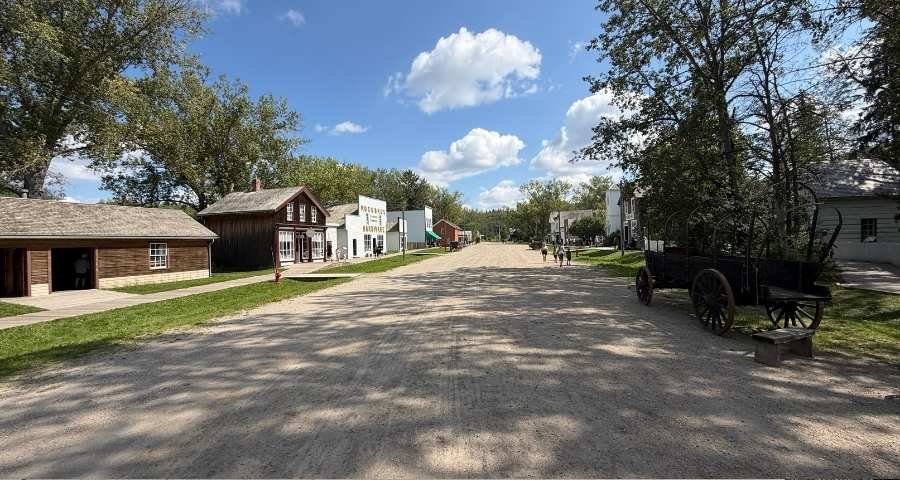
Most museums ask you to look at history through glass. Fort Edmonton Park asks you to walk down the middle of it, on wooden sidewalks, past shopfronts that look the way they did more than a hundred years ago.
I visited Fort Edmonton Park for a family day out, which turned out to be the right way to see it. We walked more than we expected, we got tired in places, and we found out the hard way which parts are worth planning around.
Inside one ticket, you can ride a steam train, walk through four different eras of the city, and lose half an hour to a midway game. The trick is knowing the order to do it in.
This guide covers what to see, how long you actually need, what tickets cost, and how to get there.
What Is Fort Edmonton Park?
Fort Edmonton Park is a living history museum in the river valley, run by the City of Edmonton and the largest of its kind in Canada. It works nothing like the other museums in Edmonton.
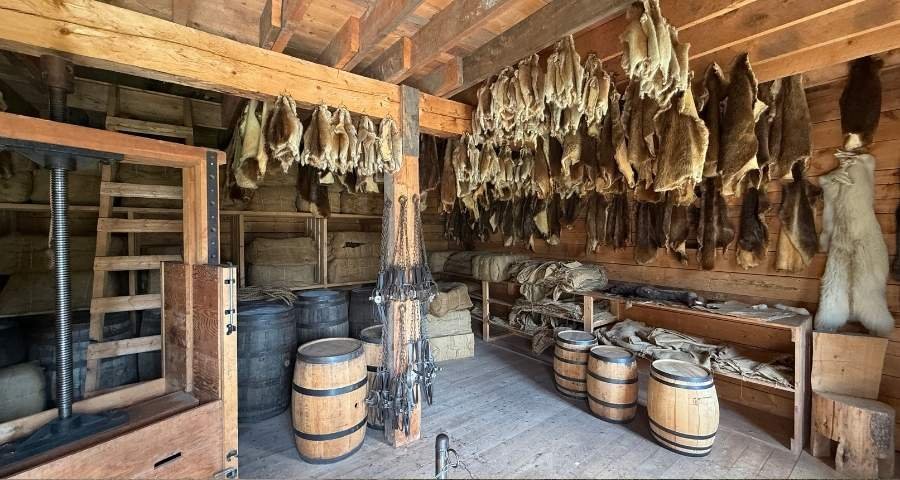
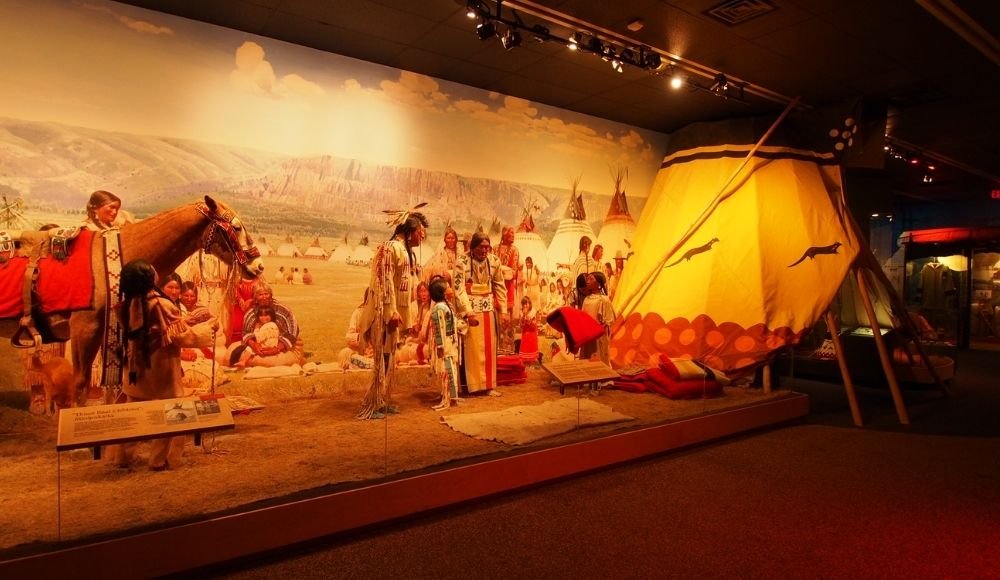
Instead of display cases, it is laid out as full-size historical settings you walk through in order: a fur trade fort, then three streets set in 1885, 1905, and 1920. An indoor Indigenous Peoples Experience covers thousands of years of history here before and after that timeline begins. The buildings are staffed by costumed interpreters who stay in the role of someone living in that period.
Why it matters to Edmonton is simple. Much of the city's early architecture is gone. This is where a lot of it still stands, either as original buildings moved here or as careful reconstructions.
My Visit to Fort Edmonton Park
The first thing I noticed is how big it is. This is not a two-hour attraction, and the walking distances between areas are real.
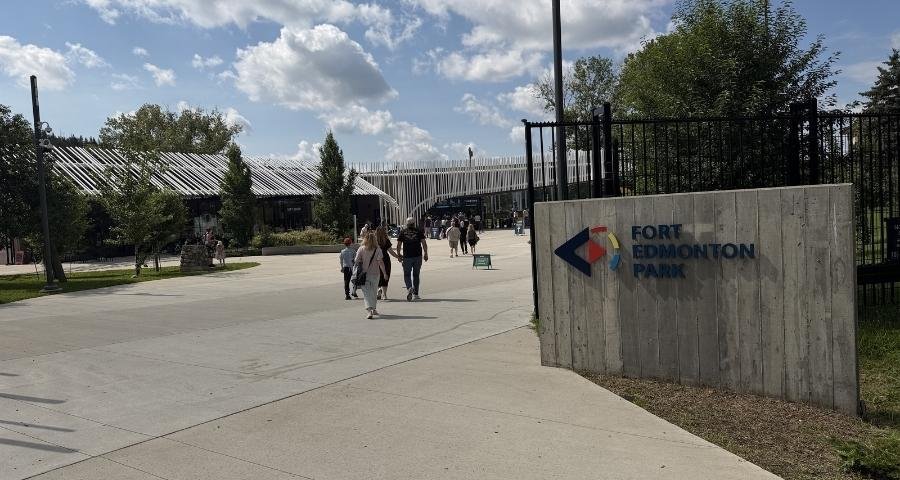
We started at the front entry and walked the historical streets rather than taking the train down first. By the time we reached the 1846 Fort at the far end, our legs were weak. The fort sits at the back, and walking there uses more energy than you expect.
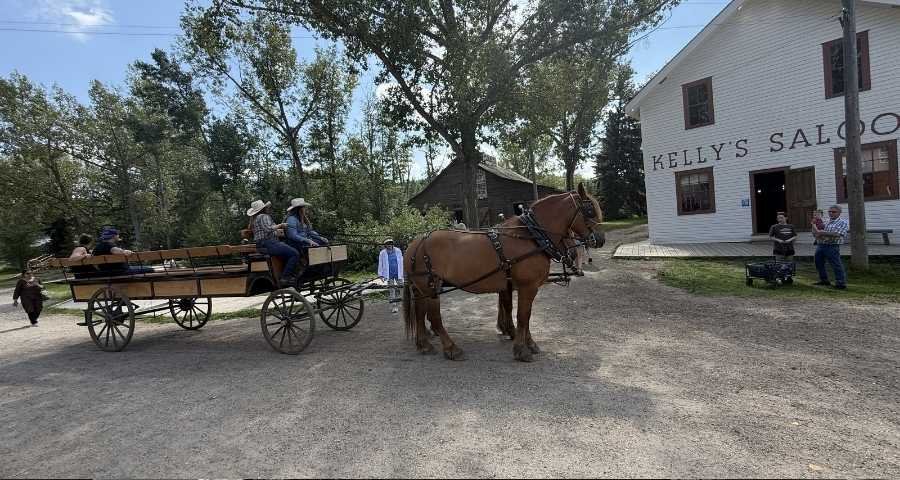
What saved us was the horse-drawn wagon on 1885 Street. It passed the fort and carried on through the settlement era past Ottewell Farm, and sitting down for it was as much a rest as a ride.
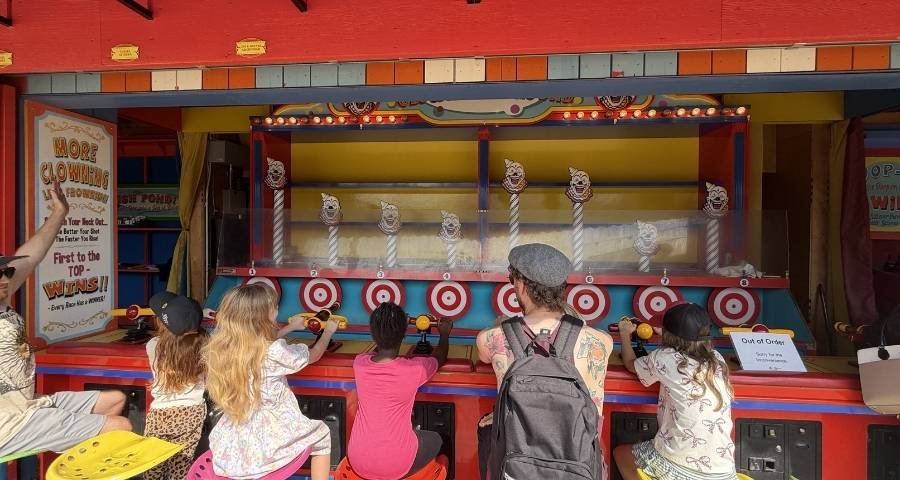
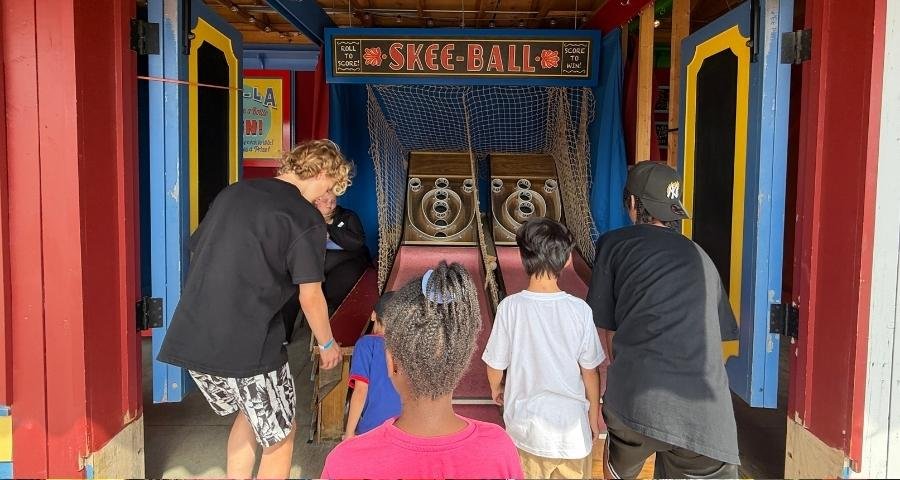
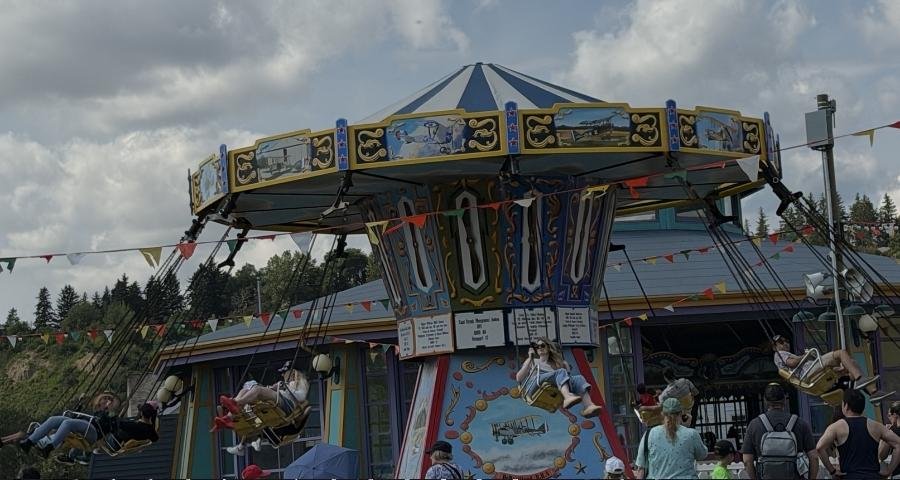
We left the Midway for the way back, after the streets were done, and that was the right order. The games are addicting, and I would not have wanted to walk the streets afterwards.
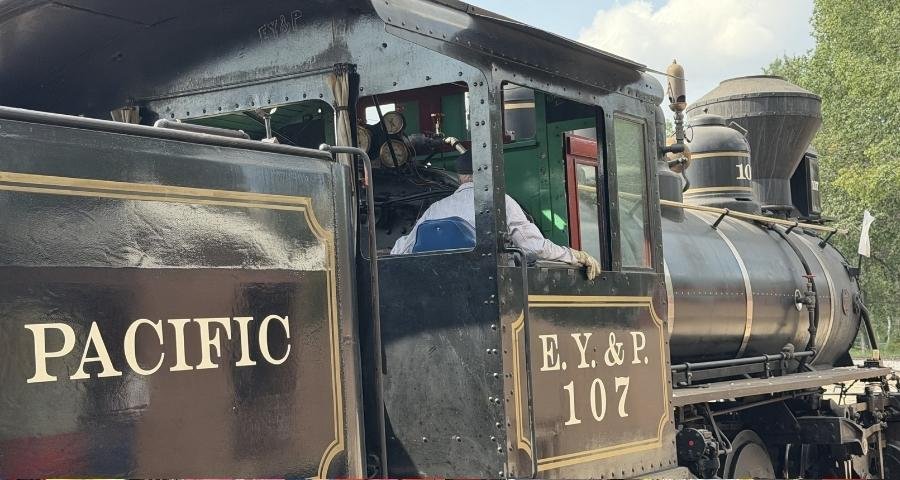
Our last ride was the 1919 Baldwin steam train. It circles the park on its own track around the outside, unlike the streetcar, which runs along the historical streets themselves. Finishing on the train, sitting down and watching the park go past, was a good way to end.
This is mostly an outdoor site, so the weather you get is the visit you get.
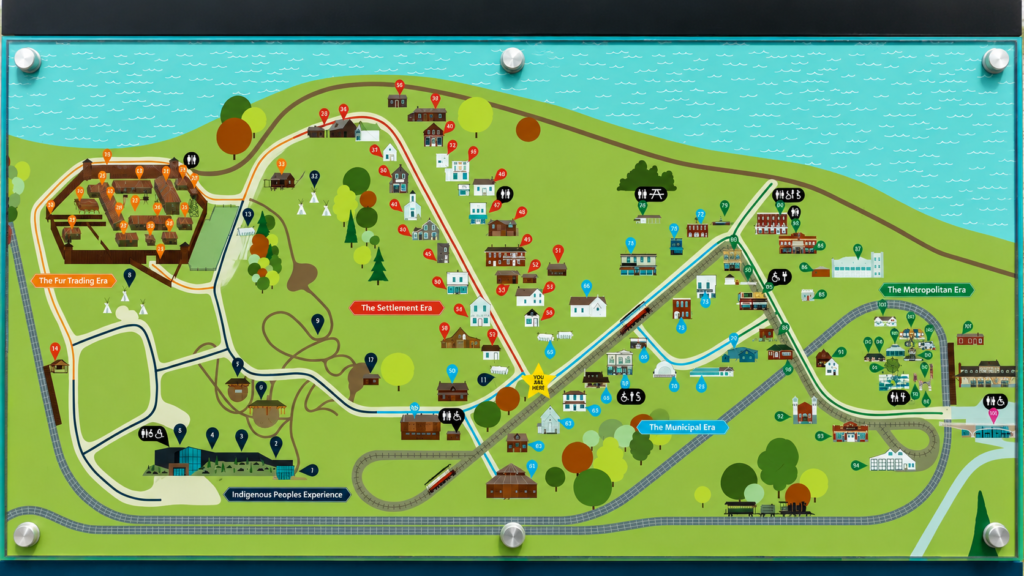
Fort Edmonton Park Map
Things to Do at Fort Edmonton Park
What to expect in each area during the summer season, and roughly how long to give it.
Area
Good for
Suggested time
Indigenous Peoples Experience
All ages, indoor break
45–60 min
1846 Fort
History fans, kids
45–60 min
1885 Street
Everyone
45–75 min
1905 Street
Everyone
45–75 min
1920 Street
Families, food stops
60–90 min
Midway
Kids and teens
45–90 min
Train and streetcar
All ages
20–40 min total
Indigenous Peoples Experience
An indoor, interactive exhibit built with input from Treaty 6 First Nations and the Métis Nation of Alberta, covering the history and culture of Indigenous Peoples here well before the fur trade. It is the most modern space in the park and a good quiet break on a hot day. A market inside sells hand-crafted goods.
1846 Fort
A reconstruction of the Hudson's Bay Company trading post that gave the park its name. Inside the palisade gates are the trading room, workshops, living quarters, and the Chief Factor's house. Kids like it because the buildings are small and easy to explore, and adults get more from the interpreters. It sits at the far end of the site.
1885 Street
Edmonton as a small settlement finding its feet after the fort era, and the most rural of the three streets. Along it are Kelly's Saloon, Lauder's Bakery, Ottewell Farm and its animals, and McDougall's General Store, which sells pioneer goods and ride tickets. The horse-drawn wagon runs here.
1905 Street
By 1905, Alberta was a province, and Edmonton was growing fast. This street shows that, with larger buildings and a busier main-street feel. The Masonic Hall operates as a food hall, a practical lunch stop halfway through the park. The change from 1885 to 1905 is the clearest jump here.
1920 Street
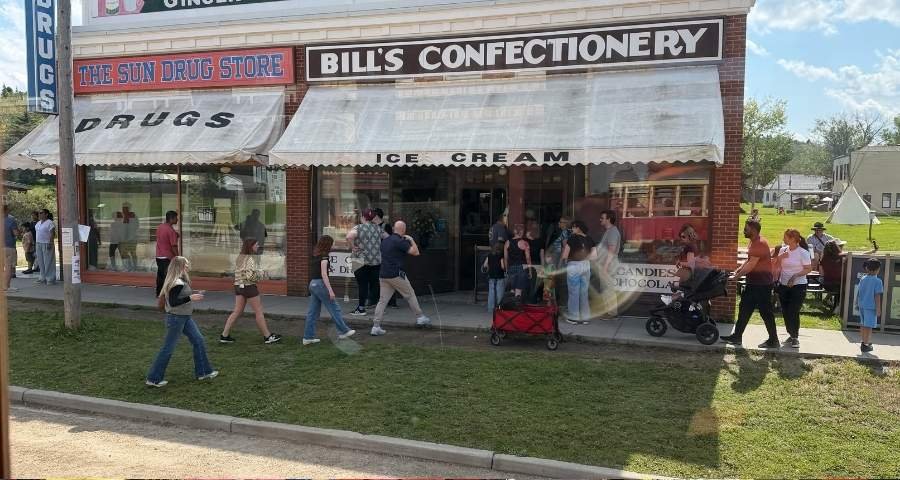
The largest and busiest street, closest to a recognizable modern city. It has the Capitol Theatre, Hotel Selkirk, Johnson's Cafe, Bill's Confectionery, and Tom Thumb Mini Golf. Families spend the most time here, partly for the food and partly because there is more to do than walk.
The Midway and Exhibition
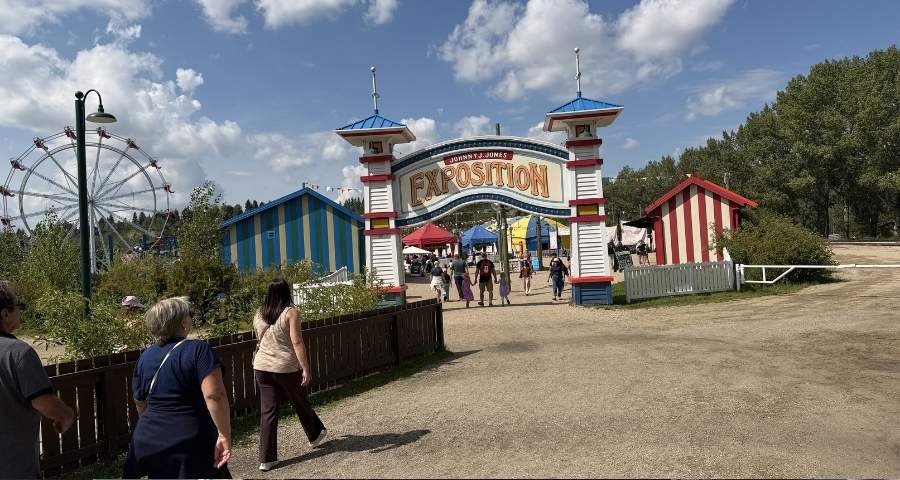
The fairground area. Admission covers unlimited rides and games, and it is the part of the ticket I rate highest.
Kids and teenagers will push for this section, and it works as a reward for getting through the streets first. Fair warning: the games are addicting, and you will spend longer here than you plan. The Treasure Trove candy store is here too.
Train and Streetcar Rides
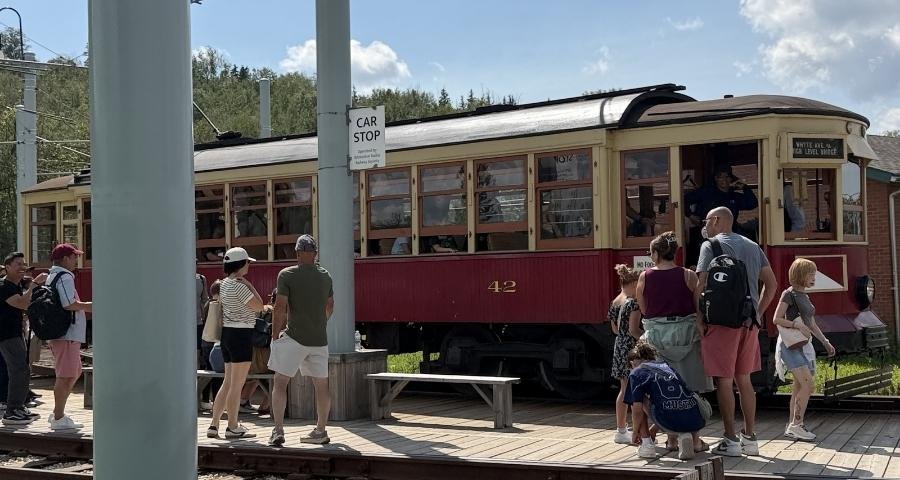
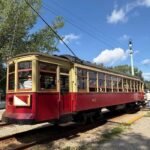
Two different experiences, both worth doing. The 1919 Baldwin steam train runs on about four kilometres of track from the front entry station to a platform at the back near the 1846 Fort. The streetcar line is roughly one kilometre, with stops on 1905 and 1920 Streets, running along the streets rather than around.
Both are included and work as transport. The streetcar takes no strollers, walkers, or wheelchairs; the steam train is wheelchair-equipped.
Wagon, Pony, and Carriage Rides
The horse-drawn wagon at Kelly's Saloon on 1885 Street. This is the wagon starting point and last stop.
The one thing not covered by your ticket, and it caught me out. Pony rides for children 10 and under and horse-drawn wagon rides both cost $8 per person; children 2 and under are free on the wagon. The wagon runs along 1885 Street past Ottewell Farm. Buy tickets online or at McDougall's General Store.
The midway costs nothing extra, so it is easy to assume the wagon does too. I would still pay it: arriving there with tired legs, sitting down behind a pair of horses was worth $8.
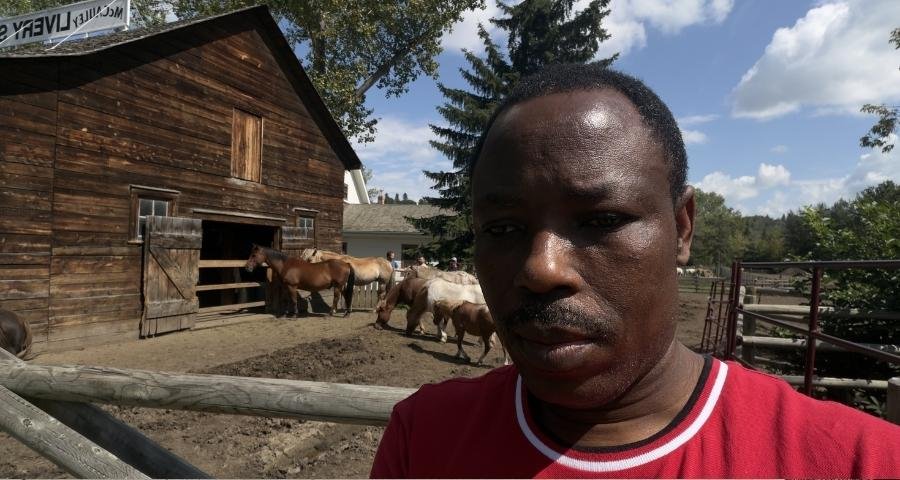
A private vis-à-vis carriage ride, about 20 minutes, covers a wider part of the park on selected dates. The park also keeps horses, ponies, donkeys, goats, pigs, sheep, chickens, and turkeys, and asks you not to feed them.
One safety note from my visit: I went to rub a horse from behind and was corrected straight away. Approach from the front and rub the forehead. Standing behind a horse puts you where it can kick.
Capitol Theatre and Events
The Capitol Theatre runs programming through the season. There is also an escape game, weekend brunch at Johnson's Cafe, and summer stays at Hotel Selkirk. Check the calendar before booking.
Food and Shops
Food is spread across the site:
Front entry: café and gift shop
1885 Street: Kelly's Saloon, Lauder's Bakery, McDougall's General Store
Johnson's Cafe in Hotel Selkirk is the only sit-down option. The I.A.M Collective and the Indigenous Market sell hand-crafted Indigenous goods.
What I Liked About Fort Edmonton Park
The strongest thing here is the structure. Moving from 1846 to 1920 gives the visit a shape a normal museum cannot match. You feel the city changing under your feet.
I also liked that most extras are included. Unlimited midway rides and games, the train, and the streetcars are covered by admission. The horse-drawn wagon is the exception.
Variety is the other strength: an indoor exhibit, four historical areas, a fairground, mini golf, farm animals, live theatre, and places to eat. Having three different ways to ride around it matters more than it sounds, because it lets you keep going once the walking catches up with you. The river-valley setting helps, too, since the city noise mostly disappears.
Is Fort Edmonton Park Worth Visiting?
Yes, for most people, as long as you give it enough time and go in the summer.
You will probably enjoy it if you are:
A family with kids roughly 4 to 12, who get the most from the interpreters, animals, and rides
Someone interested in Edmonton or Western Canadian history
A visitor with a couple of days in the city, working through an Edmonton itinerary
A local who last went on a school trip
You may want to skip it if:
You have only a couple of hours, or you are out with toddlers. The Edmonton Valley Zoo is an easier day at that age
Mobility is a concern. The site is large, only partly accessible, and several historic buildings are hard or impossible to enter with a wheelchair
You are visiting in fall or winter and expect the full park. Only the Indigenous Peoples Experience stays open then
One more honest note: the price is not small for a family, and rain would take a lot away from the day.
How Long Do You Need at Fort Edmonton Park?
The park's own advice is at least four hours, and that is fair.
2 to 3 hours. The Indigenous Peoples Experience, the train, and one or two streets. You will skip most buildings.
Half a day, 4 hours. All four historical areas at a decent pace, the train, a streetcar, and a meal.
Most of a day, 5 to 7 hours. What I would recommend: time to go inside buildings, talk to interpreters, eat properly, and let kids loose on the Midway.
Best Time to Visit Fort Edmonton Park
Season matters here more than at almost any other Edmonton attraction.
Summer is when the full park operates: 10:00 AM to 5:00 PM, Wednesday through Sunday plus holiday Mondays, closed Mondays and Tuesdays. Last admission is an hour before closing. Watch the tail end of the season: in 2026 the Wednesday-to-Sunday schedule runs to early September, then the final stretch is Saturdays and Sundays only, September 12 to 20.
Fall and winter are limited. The general park closes, and select exhibits such as the Indigenous Peoples Experience stay open on reduced schedules. Ticketed events still run through the off-season, including winter wagon rides, Indigenous storytelling, and seasonal evening events, but do not arrive in November expecting to walk 1905 Street.
Aim for a weekday in July or August, or one of those September weekends once crowds thin. If you are planning around Alberta as a whole, the same months work. Arrive close to opening, since the main lot fills by afternoon.
Fort Edmonton Park Tickets and Admission
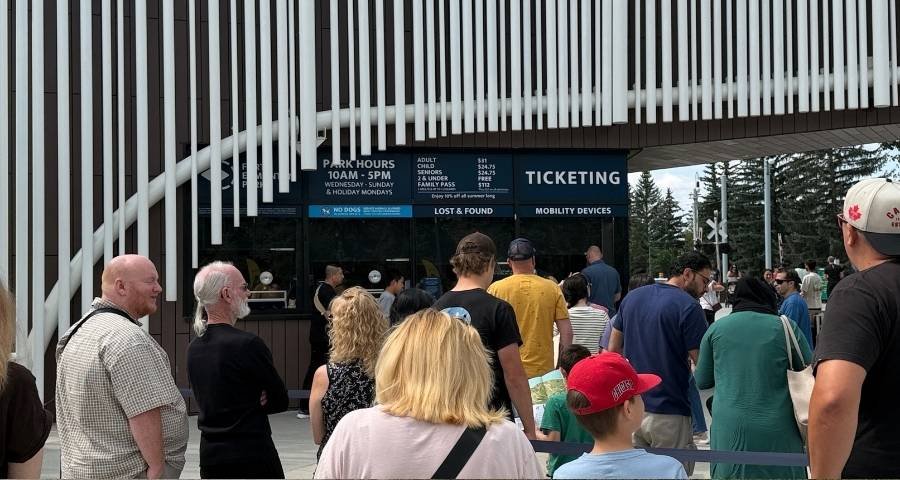
Buy online in advance. The gate sells tickets too, with cash, debit, Visa, or Mastercard, but capacity can limit that on busy days.
The rates posted at the gate for 2026, with 10% off all summer. GST is added on top.
Ticket
Posted
With 10% off
Adult
$31.00
about $27.90
Child
$24.75
about $22.28
Senior
$24.75
about $22.28
Family pass (2 adults, up to 4 children)
$112.00
about $100.80
Children 2 and under are free but still need a ticket. The family pass only beats separate tickets once you have three or more children.
Admission includes unlimited midway rides and games, the train, and the streetcars. Pony and wagon rides are $8 per person on top.
It is not a cheap day out, so if the budget is tight, check out the free things to do in Edmonton article. Prices change between seasons, so check the official site. Tickets are non-refundable but can usually be exchanged for another date, Leisure Access Passes are accepted in summer, free admission is extended to Indigenous Peoples, and group discounts exist. A membership pays for itself in two or three visits.
How to Get to Fort Edmonton Park
The park is at 7000 143 Street NW, Edmonton, down in the river valley on the south side.
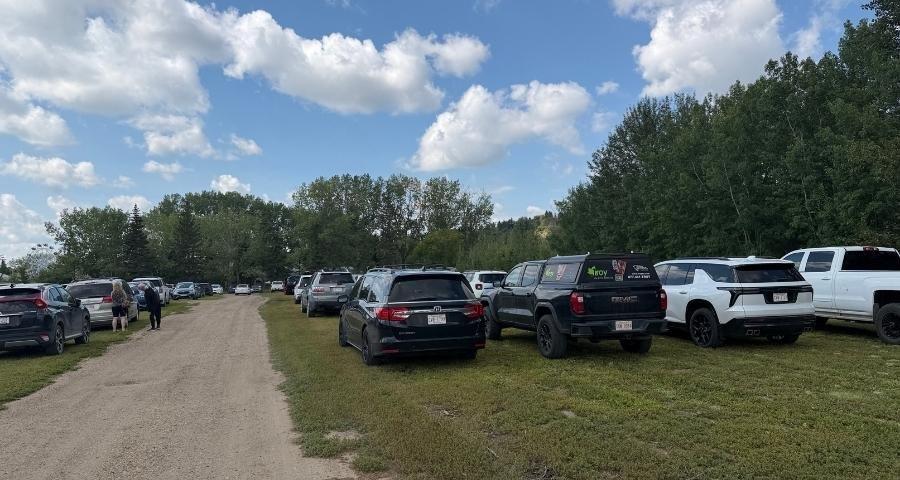
Driving. Take Fox Drive to Fort Edmonton Park Road and follow it in. Parking is free, but the main lot fills by afternoon. An overflow lot sits near the administration building.
Public transit. No regular bus drops you at the gate. Get to the South Campus/Fort Edmonton Park Transit Centre by LRT or bus, then book an On Demand Transit trip. Check fares on the City of Edmonton site.
Cycling. The park connects to the river valley trail system, and it is too far to walk from anywhere.
Tips for Visiting Fort Edmonton Park
Check the calendar first. The park is closed Mondays and Tuesdays, and the season is shorter than people assume.
Arrive within the first hour of opening. Easier parking, quieter streets, more attention from interpreters.
Wear shoes you can walk in all day. You will cover several kilometres on gravel, boardwalk, and grass.
Take the steam train down to the fort first. We walked instead and paid for it. Riding down and walking back saves your legs for the streets.
Save the Midway for the end. The historical streets are harder to face after the games.
Dress for changing weather. A hat, sunscreen, and a layer for wind or rain all earn their place.
Download the park app. Buildings occasionally close for maintenance, and the app shows what is open.
Plan your food stop around the map. Sit-down dining is on 1920 Street and the food hall on 1905 Street, so eating at the wrong moment means walking back.
Talk to the interpreters. A direct question is the difference between looking at old buildings and learning something.
Budget $8 each for the wagon ride, and bring a stroller for small kids. The wagon doubles as a sit-down break near the far end of the park. Stroller rentals are not available, and strollers are not allowed on the streetcar.
Fort Edmonton Park vs. Other Edmonton Attractions
The Royal Alberta Museum gives you the province's story indoors in a couple of hours, in any weather. Muttart Conservatory is a focused, ninety-minute visit. West Edmonton Mall is an all-weather day of shopping and rides with no historical angle at all.
Of the main attractions in Edmonton, this is the only one where the draw is a place rather than a collection: you are not looking at Edmonton's history, you are inside a version of it. It also depends far more on the season, which is the main thing to weigh when you pick a date.
Frequently Asked Questions
Is Fort Edmonton Park worth visiting?
Yes, if you go in summer and give it at least four hours. First-timers and lifelong Edmontonians both get something out of it.
How long should I spend at Fort Edmonton Park?
Four hours is the practical minimum; five to seven is better, especially with kids.
What can you do at Fort Edmonton Park?
Explore four historical areas and the Indigenous Peoples Experience, ride a steam train and streetcars, go on midway rides and games, play mini golf, see farm animals, eat at period restaurants, and shop.
Are wagon rides included in the admission?
No, they are $8 per person, as are pony rides. Midway rides and games, the steam train, and the streetcars are included.
Is Fort Edmonton Park good for families?
Very good. Children roughly 4 to 12 get the most out of it, and admission covers the rides and transport that would normally cost extra.
What is the difference between the train and the streetcar in Fort Edmonton Park?
The steam train loops around the park on its own track between the front entry and the 1846 Fort. The streetcar runs along 1905 and 1920 Streets. Both are included and show you different parts of the site.
Is Fort Edmonton Park indoors or outdoors?
Mostly outdoors. Many buildings are open to enter, and the Indigenous Peoples Experience is indoors, but the walking happens outside.
Can you visit Fort Edmonton Park in winter?
Only in a limited way. The general park closes and select exhibits stay open on reduced schedules. Ticketed seasonal events do run.
Where is Fort Edmonton Park located?
At 7000 143 Street NW, in Edmonton's river valley on the south side, reached from Fox Drive.
Final Verdict
Fort Edmonton Park earns the time it asks for. A plan, comfortable shoes, and a free afternoon make the difference between a decent day and a good one. Pace yourself, and use the rides.
I would recommend it most to families with school-age kids, to anyone curious about how Edmonton grew from a trading post into a city, and to visitors who have done the obvious stops. I would not squeeze it into a spare couple of hours, and I would check the forecast first.
Last updated: July 2026. Information has been verified against Alberta Parks' current visitor information, seasonal closures, and guided tour details.
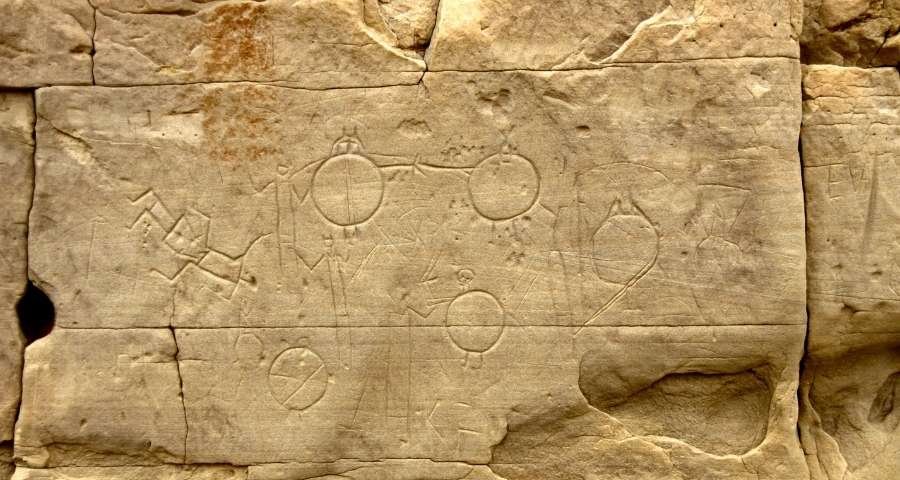
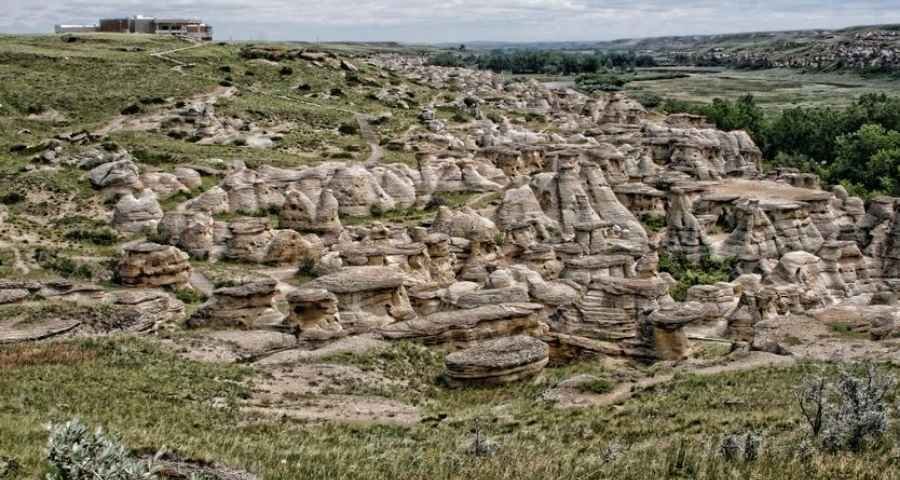
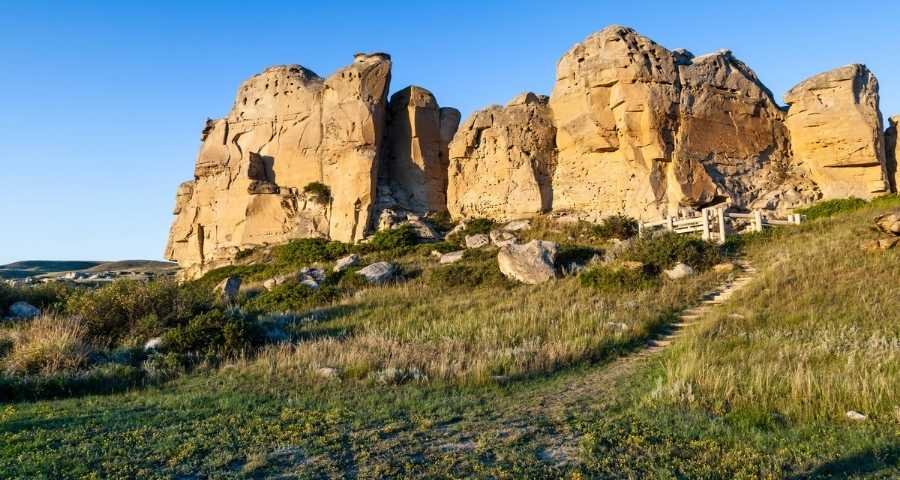
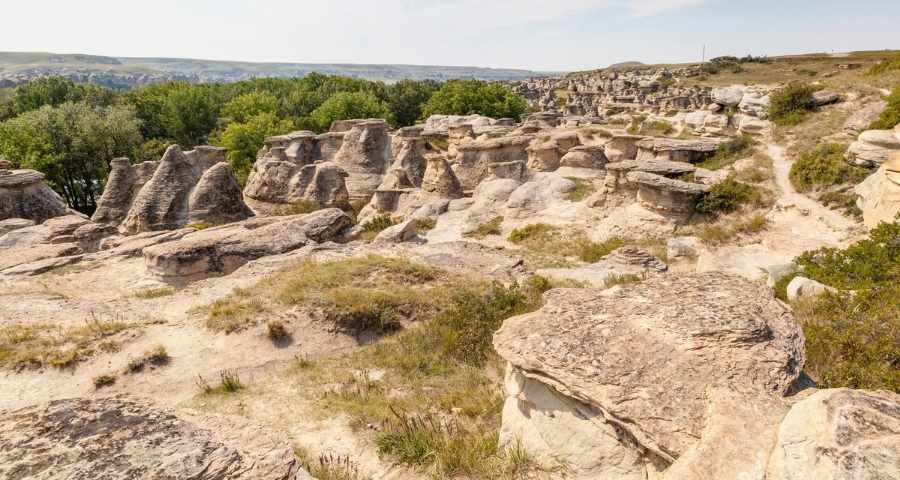
Writing-on-Stone Provincial Park is one of Alberta's most remarkable places, where dramatic sandstone hoodoos meet the largest concentration of Indigenous rock art on the North American Great Plains. Known in Blackfoot as Áísínai'pi ("it is pictured" or "it is written"), this sacred cultural landscape stretches along the Milk River in southeastern Alberta and has been an important gathering place for the Blackfoot and other Plains peoples for centuries.
In 2019, UNESCO recognized its outstanding cultural significance by designating it Canada's 20th World Heritage Site.
People visit for different reasons; some come to hike among the hoodoos, others book guided tours to see the ancient petroglyphs and pictographs, while many simply want to experience one of Alberta's most unique landscapes. This guide covers everything you need to plan your visit, including hiking trails, camping, guided tours, nearby attractions, the best time to go, and important 2026 seasonal closures.
Visitor Centre and most facilities only open mid-May to mid-October
Valley wind and summer wasps can be tough on a camping trip with young kids
Is Writing-on-Stone Provincial Park Worth Visiting?
Yes, for most travellers interested in either Alberta's landscape or its Indigenous history. It's the only place in the province where you'll find hoodoo scenery and the largest concentration of Indigenous rock art on the Great Plains in the same 17.8 square kilometres — and the UNESCO designation reflects that combination, not just the scenery on its own.
It's worth being clear-eyed about who it's a better fit for. If you want the rock art specifically, you need to build your visit around a guided tour schedule, not just show up. If you want a quiet, uncrowded alternative to Banff or Jasper with real hiking and camping, it delivers. If you're looking for shade, extensive facilities, or a park you can wander freely without planning, it's a weaker match — the terrain is exposed, services are seasonal, and the best parts require some coordination.
For a southern Alberta or cross-border Waterton road trip, it's a strong, easy addition. As a standalone long weekend from Calgary, it still holds up, provided you plan the drive, the tour booking, and the exposed conditions around it rather than treating it like a drop-in park.
Where is Writing-on-Stone Provincial Park?
Writing-on-Stone Provincial Park is located in southeastern Alberta, approximately 100 kilometres southeast of Lethbridge, about 337 kilometres south of Calgary, and 44 km east of the town of Milk River. The park stretches along the scenic Milk River near the small town of Milk River, just north of the Montana border.
Known in Blackfoot as Áísínai'pi, the park sits within Alberta's rugged coulee and prairie landscape, where towering sandstone hoodoos, river valleys, and rolling grasslands create one of the province's most distinctive natural settings.
Although the park feels remote compared to Alberta's mountain destinations, it's surprisingly easy to reach by car using fully paved provincial highways. Its location makes it an excellent stop on a southern Alberta road trip, whether you're exploring Lethbridge, Waterton Lakes National Park, Dinosaur Provincial Park, or other attractions throughout the region.
How to Get to Writing-on-Stone Provincial Park
The easiest and most convenient way to visit Writing-on-Stone Provincial Park is by private vehicle, as there is currently no public transportation or shuttle service to the park. The drive itself is part of the experience, taking you through Alberta's wide-open prairie landscapes, farmland, and dramatic coulee country before reaching the Milk River valley. Roads leading to the park are well maintained and clearly signed, making the journey straightforward for first-time visitors.
From Calgary
Distance: Approximately 337 km
Driving time:3.5–4 hours
Drive south on Highway 2 toward Fort Macleod before joining Highway 3 east toward Lethbridge. From Lethbridge, continue south on Highway 4 to the town of Milk River, then follow Highway 501 east and Highway 500 south directly to the park entrance.
From Lethbridge
Distance: Approximately 100 km
Driving time:About 1.5 hours
Take Highway 4 south to Milk River, then continue along Highway 501 east before turning onto Highway 500 south. This is the shortest and most popular route for day-trippers visiting the park.
From Edmonton
Distance: Approximately 530 km
Driving time:5.5–6 hours
Travel south on Highway 2 through Red Deer and Calgary before following the Calgary directions. Because of the longer drive, many visitors from Edmonton choose to stay overnight in Lethbridge or camp inside the park to make the most of their visit.
Please Note: There are no fuel services near the park itself, so fill up your car in Milk River or Lethbridge before you head out. There's also no ATM on site; the campground shower building only accepts loonies and toonies, so grab cash in town first.
Parking
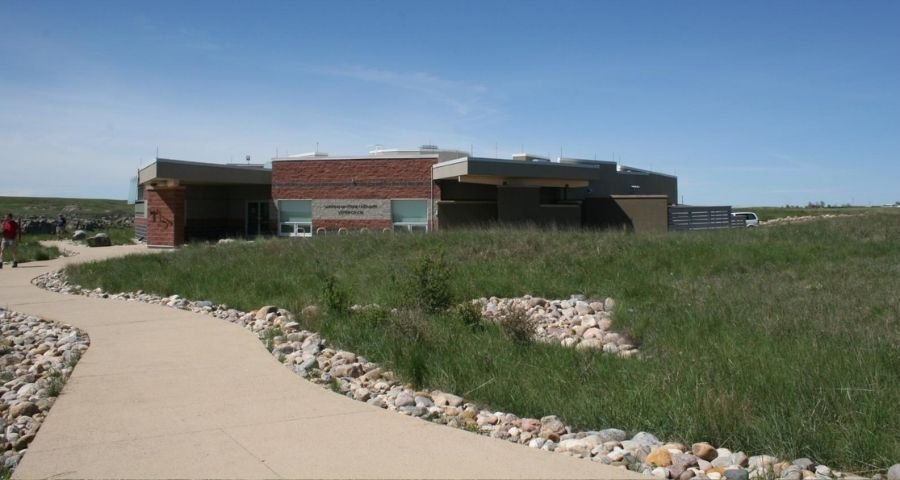
The Visitor Centre has a paved parking lot, and there's separate parking near the day-use area and beach. On busy summer weekends and around guided tour departure times, the Visitor Centre lot can fill up — give yourself a few extra minutes if you're arriving right at your tour time.
Road conditions
The entire route in from Milk River — 32 km on Highway 501 and 10 km on Highway 500 — is paved, according to Alberta Parks, so this isn't a gravel-road trip in summer. Winter and shoulder-season driving is a different story: rural southern Alberta highways can see ice, wind-blown snow drifts, and reduced visibility, so check Alberta's 511 road report before an off-season visit.
Why the rock art matters
The carvings and paintings at Áísínai'pi were made by the Blackfoot and other Plains peoples over centuries, and they depict travel routes, battles, ceremonies, and spiritual figures. The hoodoos and cliffs surrounding them were considered dwellings of powerful spirits, which is part of why the site was treated as sacred long before it became a park. Defacing or touching the rock art is illegal and damages a record that can't be replaced — Alberta Parks asks visitors to report any vandalism they see to staff.
Because the art is fragile and the Archaeological Preserve is a restricted area, most of it isn't accessible independently. The most significant sites can only be visited on a guided tour.
Writing-on-Stone is just one of Alberta's remarkable protected areas. If you're planning a road trip around the province, be sure to explore our guide to the best provincial parks in Alberta for more incredible hiking, camping, and sightseeing destinations.
Guided tours: what they actually cost
The main interpretive tour runs from the Visitor Centre into the restricted archaeological area — this is the only way most visitors see the rock art up close. Recent visitor reports put the standard tour at around $21 per person for roughly 90 minutes, plus a non-refundable $5 booking fee whether you reserve by phone or online. Cancellations more than 48 hours out are refundable; inside that window, they're not, and Alberta Parks doesn't refund for weather, road conditions, or car trouble once a tour is running.
For something longer, the Haffner Coulee Guided Hike is a roughly 3-hour, more strenuous route into a remote coulee with its own petroglyph sites — rated difficult, with uneven terrain the whole way. Wear real hiking shoes for this one.
Book ahead in July and August. Tours fill, and Alberta is on Mountain Time, so double-check your booking window if you're calling from elsewhere.
Visitor Centre Trail
A flat, wheelchair-accessible 0.5 km one-way route connecting the Visitor Centre, campground, and hoodoo exploration area. Roughly 15–20 minutes each way — a good option for families or anyone with limited mobility who still wants to see the hoodoos up close.
Sweet Pine (Sweetgrass) Hills Viewpoint Trail
Another accessible 0.5 km one-way trail from the Visitor Centre, ending at a viewpoint looking toward the Sweetgrass Hills across the Montana border.
Backcountry hiking area (Davis and Humphrey Coulee)
Difficulty: Difficult — no maintained trails, only game trails
Distance: 930 hectares to explore, no fixed route
Access: Requires wading across the Milk River; check water levels before you go
What you'll see: Rolling grassland, hoodoo fields, narrow sandstone canyons, badlands terrain
Tips: Pick up a backcountry map at the Visitor Centre or Hoodoo Hut first — there's no signage out here
Safety: No overnight camping and no fires are permitted in this zone; leashed dogs are allowed but must be under control; you'll cross cattle fences along the way, so leave gates as you found them
Water and shade: None of either — carry everything you'll need
Things to Do in Writing-on-Stone Provincial Park
Hiking
Writing-on-Stone Provincial Park offers some of the most unique hiking in southern Alberta, with trails winding through sandstone hoodoos, prairie grasslands, and the scenic Milk River valley. Most visitors begin with the Matapiiksi (Hoodoo) Interpretive Trail, a relatively easy hike featuring interpretive signs, panoramic viewpoints, and several petroglyphs that can be viewed without joining a guided tour.
If you're looking for more adventure, the Davis and Humphrey Coulee backcountry hiking area provides a completely different experience. There are no maintained trails, so you'll need to navigate using a map after crossing the Milk River. Carry plenty of water, wear sturdy hiking boots, and avoid hiking during the hottest part of summer, as there is very little shade anywhere in the park.
Matapiiksi (Hoodoo) Interpretive Trail
Distance: 2.5 km one-way (5 km return)
Difficulty: Easy to moderate — mostly flat with a couple of short inclines
Elevation gain: Minimal
Time: 1.5–2.5 hours round trip depending on how long you linger
Best season: Spring and fall for cooler temperatures; early morning if you're hiking in summer
What you'll see: Hoodoos, sandstone cliffs, upland prairie grassland, Milk River valley views, and petroglyphs viewable without a guide
Tips for beginners: Pick up the self-guided trail booklet at the Visitor Centre before you start — it corresponds to numbered stops along the route
Safety: Wear closed-toe shoes, stay on the marked trail, and stay alert around sun-warmed rocks where rattlesnakes are occasionally seen
Water availability: None on the trail — carry at least 1–2 litres per person
Shade: Little to none; the hoodoo terrain is fully exposed
Camping
The Writing-on-Stone campground has 43 sites for tents and RVs, many with 15- or 30-amp electrical service, plus a group unserviced camping option for larger parties. The campground has flush toilets, and the park's day-use area has pit toilets. Drinking water is available at the campground and Visitor Centre — worth topping up before you head out hiking, since none of the trails have water access.
RV suitability: Many sites accommodate RVs, though exact length limits vary by site — check the specific site details when booking if you're pulling something large.
Tent camping: Widely available across the campground; natural surface sites work well for tents.
Group camping: A group unserviced site is bookable separately, with a longer advance booking window (up to 180 days) than standard sites (90 days).
Reservations and peak season: Reservations open 90 days ahead of your arrival date. July and August book up fast — reserve as early as your window allows. Unreserved sites go first-come, first-served outside peak season.
Comfort camping: For something less rustic, the park's three insulated cabins come with beds, electricity, and a private deck.
Quiet hours: Alberta Parks' standard system-wide quiet hours of 11:00 pm to 7:00 am apply.
The one thing to flag for fall 2026: Alberta Parks has the campground, group camping areas, and campground road access closed from September 8 through October 29, 2026 for a septic system replacement. The day-use area in the valley stays open during the closure, but you'll park at the Visitor Centre and walk in along the Visitor Centre trail instead of driving down. Check the official Alberta Parks page before booking anything in that window, since closure dates can shift.
Guided Rock Art Tours
A guided rock art tour is the highlight of a visit for many people and the only way to access the protected Archaeological Preserve, where most of the park's significant petroglyphs and pictographs are located. Knowledgeable Alberta Parks interpreters explain the meaning of the carvings and paintings while sharing the cultural importance of Áísínai'pi to the Blackfoot Confederacy and other Plains Nations.
Tours typically last around 90 minutes and operate seasonally from the Visitor Centre. During July and August, spaces often fill well in advance, so booking ahead is highly recommended. Comfortable walking shoes, water, sunscreen, and a hat are essential because much of the tour takes place on exposed terrain.
Canoeing
Paddling the Milk River offers a completely different perspective of Writing-on-Stone Provincial Park. Floating quietly beneath towering hoodoos and sandstone cliffs allows you to appreciate the landscape from the same river corridor that Indigenous peoples travelled for centuries.
The river generally has a slow, gentle current, making it suitable for beginner and intermediate paddlers during normal water conditions. Always check current river levels before launching, wear a properly fitted life jacket, and avoid paddling during periods of high water or after heavy rainfall.
Kayaking
Kayaking is another popular way to experience the Milk River, giving you more control and manoeuvrability than a canoe while exploring the winding river corridor. It's an excellent option for photographers and wildlife enthusiasts, as kayaks allow you to move quietly along the shoreline without disturbing birds and other animals.
Morning and evening paddles are often the most enjoyable, with cooler temperatures, calmer winds, and better opportunities to spot deer, waterfowl, and birds of prey. Remember to pack drinking water, sun protection, and a dry bag to keep your belongings safe.
Tubing
If you're looking for a relaxing summer activity, tubing down the Milk River is hard to beat. The gentle current allows you to drift past hoodoos, cottonwood trees, and prairie scenery at an easy pace, making it a popular choice for families and groups of friends.
Tubing conditions depend on seasonal water levels, so always check current river conditions before setting out. Wear a life jacket, avoid floating alone, and be prepared for limited shade along the river during hot summer afternoons.
Photography
Writing-on-Stone Provincial Park is one of Alberta's most photogenic landscapes. The combination of sandstone hoodoos, dramatic coulees, the winding Milk River, and expansive prairie skies creates outstanding photography opportunities throughout the day.
Early morning and late afternoon provide the best light, bringing out the warm colours and textures of the hoodoos while reducing harsh shadows. Wildlife photographers should visit around sunrise or sunset when animals are most active, while night photographers will appreciate the park's exceptionally dark skies for astrophotography.
Birdwatching
The Milk River corridor supports one of southern Alberta's richest bird habitats, making the park an excellent destination for birdwatching. During spring migration, the riparian forest attracts numerous songbirds, while the surrounding cliffs and grasslands provide habitat for several prairie species.
Keep an eye out for prairie falcons, red-tailed hawks, golden eagles, burrowing owls, and a variety of waterfowl. Bringing binoculars and visiting during the early morning hours will greatly improve your chances of spotting wildlife before temperatures rise.
Wildlife Viewing
Although the park is best known for its hoodoos and rock art, it also supports a surprising variety of wildlife. Pronghorn antelope, mule deer, and white-tailed deer are commonly seen grazing throughout the grasslands and along the Milk River, particularly around sunrise and sunset.
Smaller animals such as yellow-bellied marmots, Richardson's ground squirrels, and the occasional bobcat may also be spotted. Visitors should remain alert for prairie rattlesnakes during the warmer months and always observe wildlife from a respectful distance without feeding or approaching animals.
Stargazing
With very little light pollution, Writing-on-Stone Provincial Park is one of the best places in southern Alberta to enjoy a clear night sky. On cloudless evenings, visitors can easily see thousands of stars, the Milky Way, and seasonal constellations stretching across the prairie sky.
For the best experience, stay overnight or visit during a new moon when the sky is darkest. Bring a reclining chair or blanket, use a red-light flashlight to preserve your night vision, and allow your eyes 20 to 30 minutes to fully adjust to the darkness.
Picnicking
The day-use area near the Visitor Centre provides a peaceful place to enjoy lunch while surrounded by hoodoos and the scenic Milk River valley. Picnic tables, washroom facilities, and easy access to nearby walking trails make it a convenient stop for families and day visitors.
Even during the scheduled fall 2026 campground closure, the day-use area remains open and accessible via the Visitor Centre Trail. Arrive earlier in the day during summer weekends to secure a picnic table and enjoy the cooler morning temperatures before heading out to explore the park.
Know Before You Go
Cell service: None in the campground or backcountry. The Visitor Centre has cell service and free wifi.
Washrooms: Flush toilets at the campground; pit toilets at the day-use area.
Drinking water: Available at the Visitor Centre and campground — carry your own for hiking, since trails have none.
Dogs: Leashed dogs are welcome on the Matapiiksi Trail, the Battle Scene Trail, in the campground, and at a designated pet-friendly beach area. Dogs are not permitted on guided rock art tours or inside the Archaeological Preserve.
Drone restrictions: Recreational drone use is prohibited in Alberta's provincial parks. Commercial or research use requires a permit applied for in advance through Alberta Parks.
Fire restrictions: No fires are permitted anywhere in the backcountry hiking area. Always check current fire bans before lighting a campfire elsewhere in the park.
Leave No Trace: Stay on marked trails, never touch or deface the rock art, pack out all garbage, and don't remove fossils, bones, or cultural artifacts you come across.
Sun protection: There's little to no shade around the hoodoos, and temperatures at the exposed rock can run noticeably hotter than the surrounding grassland. Sunscreen, a hat, and sun-safe clothing aren't optional in summer.
Snake awareness: Prairie rattlesnakes are present in the park, most often seen April through October sunning on warm rocks. Wear closed-toe shoes, stay on trails, and if you hear a rattle, don't step back — locate the sound first, then back away slowly.
Weather: Summer daytime temperatures of 30–35°C are common in July and August, and the exposed hoodoo terrain can run noticeably hotter still. Spring and fall weather is milder but more unpredictable — pack layers. The valley can also get genuinely windy, and wasps are active in summer — both are worth planning around if you're camping with kids.
What to Pack for Writing-on-Stone Provincial Park
Packing the right gear can make your visit much more comfortable, especially during the hot summer months when temperatures often exceed 30°C and much of the park's hoodoo landscape offers little natural shade. If you're planning to hike, camp, or spend time on the Milk River, here's what you should bring:
Hiking shoes or sturdy trail runners – Essential for uneven trails, sandstone terrain, and guided rock art tours.
Wide-brimmed hat – Provides much-needed protection from the intense prairie sun.
Sunscreen (SPF 30 or higher) – There is very little shade on most trails.
At least 2 litres of drinking water per person – Water is available at the Visitor Centre and campground but not on hiking trails.
Camera or smartphone – You'll want to capture the hoodoos, river valley, wildlife, and dramatic sunsets.
Binoculars – Great for spotting prairie falcons, burrowing owls, deer, and other wildlife from a distance.
Lightweight windbreaker or rain jacket – Weather can change quickly, and strong winds are common in the coulees, even on warm days.
Insect repellent – Helpful during the warmer months, particularly near the river and campground where mosquitoes and wasps can be active.
Dry bag – Recommended if you're canoeing, kayaking, or tubing to keep electronics, keys, and extra clothing dry.
Swimsuit and towel – If you plan to cool off in the Milk River or spend time at the river's natural beach.
Snacks or a picnic lunch – Food options are limited nearby, making it a good idea to bring your own meals for a full day in the park.
Printed park map or downloaded offline map – Cell service is limited outside the Visitor Centre, so don't rely entirely on your phone for navigation.
Pro Tip: If you're visiting in July or August, plan outdoor activities for the morning or late afternoon when temperatures are cooler, and the lighting is better for photography.
Things to Do Near Writing-on-Stone Provincial Park
Milk River — The nearest town, roughly 26–44 km away depending on your route in, with fuel, groceries, and motels. Worth fuelling up here before heading to the park, since there's no fuel service nearby.
Devil's Coulee Dinosaur Heritage Museum (Warner) — The site of Canada's first dinosaur egg nesting site, discovered by a local teenager in 1987. The museum offers guided fossil tours and hands-on exhibits, including embryonic dinosaur material.
Etzikom Windmill Museum (Etzikom) — A small hamlet museum built around a collection of historic windmills, reflecting the region's early prairie settlement history.
Police Outpost Provincial Park — Alberta's southernmost provincial park, on the shores of Outpost Lake near the Montana border. A quieter park known for fishing, birding, and paddling, and a natural stop if you're continuing toward Waterton.
Lethbridge — About 100 km / 1.5 hours away, with the Nikka Yuko Japanese Garden, Fort Whoop-Up Interpretive Centre, and the Galt Museum & Archives.
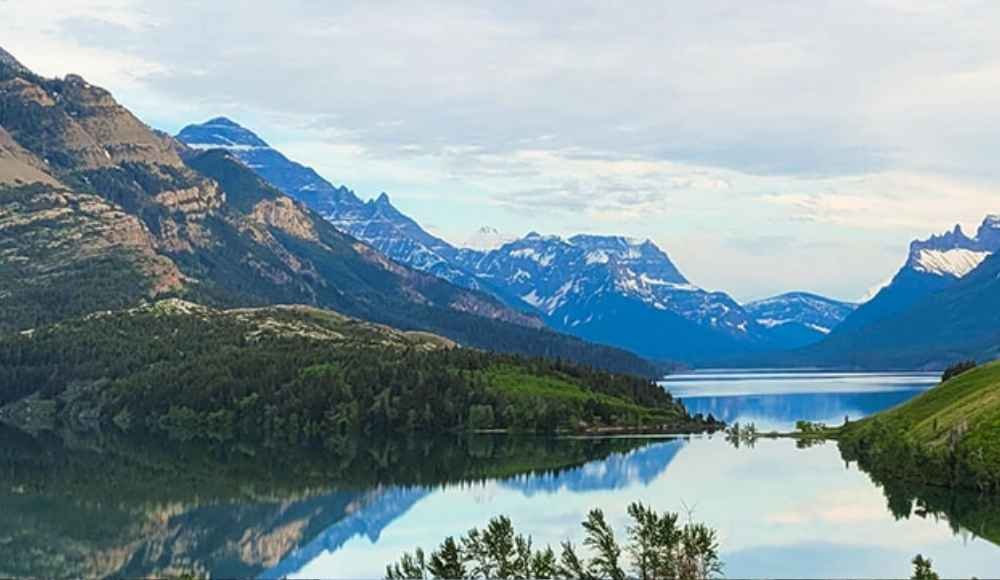
Waterton Lakes National Park — For a longer road trip, Waterton is a further drive west but pairs naturally with a southern Alberta UNESCO circuit, as the Canadian half of the Waterton-Glacier International Peace Park.
Where to Stay
Inside the park: The campground (43 sites) and the three comfort camping cabins are the only accommodation actually inside Writing-on-Stone.
Milk River: The Sandstone Motel and Roxie Smith Bed & Breakfast are the main in-town options, both close enough for an early start.
Lethbridge (~100 km / 1.5 hrs): More hotel chain options here, including Sandman, Holiday Inn, and Ramada properties — worth it if you want more amenities or are combining the trip with other Lethbridge sightseeing.
Nearby camping alternatives: If Writing-on-Stone's campground is full or closed, 8 Flags Campground and the Milk River RV Park in town, and Gold Springs Park a short drive away, are all options other visitors have used as a base.
Sample Itineraries
One-Day Itinerary
8:00 am — Depart Lethbridge
9:30 am — Arrive at the Visitor Centre, pick up trail booklet
10:00 am — Guided rock art tour (~90 minutes)
11:30 am — Lunch at the day-use picnic area
12:30–2:30 pm — Hike the Matapiiksi Trail
3:00 pm — Depart
Two-Day Itinerary
Day 1
Afternoon arrival, set up camp
Evening walk along the river and photography at sunset
Stargazing after dark
Day 2
Morning guided rock art tour
Midday hike on the Matapiiksi Trail
Afternoon canoe or tube float on the Milk River
Evening departure
Photography Guide
Eroded sandstone hoodoos and rock formations at Writing-on-the-Stone
Best sunrise locations: East-facing viewpoints along the Matapiiksi Trail catch the first light on the hoodoos, when the sandstone takes on a warmer colour than it does at midday.
Best sunset viewpoints: The bluffs above the Milk River valley, facing west, give you the river, the coulee, and the hoodoos backlit in the same frame.
Hoodoo photography: Shoot from a low angle to exaggerate scale, and favour early morning or evening light — midday sun flattens the texture that makes the formations interesting.
Wildlife photography: A telephoto lens and patience near the river corridor in early morning or evening will get you the best chance at deer, raptors, and songbirds.
Lens suggestions: A wide-angle (16–35mm equivalent) covers the hoodoo and valley landscapes; a telephoto (100–400mm) handles wildlife and birds; a macro lens is useful for rock texture, but never touch the rock art itself to photograph it up close.
Seasonal tips: Spring brings wildflowers across the grassland, fall brings coulee colour, and winter offers stark, low-angle light — though access and facilities are limited that time of year.
Accessibility
Wheelchair access: The Visitor Centre Trail (0.5 km) and the Sweet Pine Hills viewpoint trail (0.5 km) are both accessible.
Accessible washrooms: Available at the Visitor Centre.
Visitor Centre: Accessible, with interpretive displays, a gift shop, and an information desk.
Accessible viewpoints: The hoodoo viewpoint reached via the Visitor Centre Trail doesn't require the full Matapiiksi Trail to enjoy.
What isn't accessible: The guided rock art tours involve uneven terrain and are not wheelchair accessible, and the Matapiiksi Trail itself is unpaved and not considered accessible.
Best Time to Visit
Spring (Apr–May)
Summer (Jun–Aug)
Fall (Sep–Oct)
Winter (Nov–Mar)
Crowds
Light
Heaviest of the year
Light to moderate
Minimal
Weather
Mild, unpredictable
Hot, 30–35°C common
Mild, cooling
Cold, can be harsh
Wildlife
Spring bird migration
Most active early/late in day
Deer more visible
Limited activity
Photography
Wildflowers
Long daylight hours, harsh midday light
Coulee colour
Stark, low-angle light
Camping
Open, quieter
Open, book well ahead
Open except Sept 8–Oct 29, 2026 closure
Mostly closed
Guided tours
Running, less full
Running, book ahead
Running, reduced hours
Not offered
How Writing-on-Stone Compares to Dinosaur Provincial Park
Both are UNESCO World Heritage Sites in Alberta's badlands and prairie country, but they're built around different things.
Writing-on-Stone
Dinosaur Provincial Park
UNESCO designation
Yes, since 2019
Yes, since 1979
Hoodoos
Sandstone hoodoos along the Milk River
Smaller, more weathered badlands hoodoos
Camping
43 sites plus 3 cabins
Campground with showers
Rock art
Largest concentration of Indigenous rock art on the Great Plains
None — known for fossils instead
Hiking
Matapiiksi Trail plus backcountry zone
Badlands terrain trails
Guided tours
Rock art interpretive tours
Fossil Safari, bonebed hikes, sunset tours
River activities
Canoeing, kayaking, tubing on the Milk River
Red Deer River corridor
Distance from Calgary
~337 km
~2.5 hours
If rock art and Indigenous history are the draw, Writing-on-Stone is the one to visit. If it's fossils and dinosaur history, Dinosaur Provincial Park is the better fit — some southern Alberta road trips do both.
What Surprises Most First-Time Visitors
The hoodoos are bigger and more dramatic than photos suggest — they're easy to underestimate until you're standing next to one.
The rock art isn't freely accessible. Most first-timers assume they can just walk up and see it; the significant sites require a guided tour into the Archaeological Preserve.
It's much quieter than Alberta's national parks. No Banff-style crowds, even in peak season.
Summer heat feels more intense than the number suggests, because the exposed hoodoo terrain runs hotter than the surrounding grassland with almost no shade.
The valley wind can be surprisingly strong, even on days when the temperature itself feels comfortable — worth planning for if you're camping.
There's no cell service outside the Visitor Centre, which catches a lot of visitors off guard.
Final Thoughts on Writing-on-Stone Provincial Park
Writing-on-Stone Provincial Park rewards a little planning. The park's most remarkable attraction—its ancient Indigenous rock art—can only be explored on a guided tour, so it's worth checking tour availability, seasonal hours, and the latest visitor information before you go.
Once you arrive, you'll discover one of Alberta's most extraordinary destinations, where dramatic hoodoos, rich Indigenous history, and stunning prairie landscapes come together in one unforgettable place. Whether you're hiking scenic trails, paddling the Milk River, or learning about the area's cultural significance, a visit to Writing-on-Stone Provincial Park is an experience you'll remember long after you leave.
Frequently Asked Questions
Is Writing-on-Stone worth visiting?
Yes, it's one of the few places in Alberta where a UNESCO-recognized cultural landscape and a genuinely distinctive natural landscape are the same site. It rewards a bit of planning more than most parks, since the best part (the rock art) is only visible on a tour.
How much time do you need?
A guided tour, a hike on the Matapiiksi Trail, and a stop at the Visitor Centre can be done in 3–6 hours. Staying overnight lets you add paddling, photography at golden hour, and more relaxed exploring.
Can you see the rock art without a guided tour?
Some petroglyphs along the Matapiiksi Trail are visible without a guide, but the most significant sites are inside the restricted Archaeological Preserve and only accessible on an official tour.
How long is the guided tour?
The standard interpretive tour runs about 90 minutes. The longer Haffner Coulee Guided Hike runs roughly 3 hours.
Can you bring dogs?
Yes, on leash, in the campground and on the Matapiiksi and Battle Scene Trails, plus a designated pet-friendly beach area. Dogs aren't permitted on guided rock art tours.
Do I need reservations?
For camping, yes. If you want to guarantee a campsite, especially in July and August, reservations open 90 days ahead. Guided tour reservations are also strongly recommended during summer because they frequently sell out.
Are drones allowed?
No, recreational drone use is prohibited in Alberta's provincial parks, including here.
Can you swim in the Milk River?
There's a natural beach near the campground that's commonly used for wading and swimming, though river conditions and depth vary through the season; check current conditions before you go in.
Can you fish?
Fishing regulations and licensing apply on the Milk River and can vary by zone — check Alberta's current sportfishing regulations before you cast a line.
Is it suitable for children?
Yes. The Matapiiksi Trail and Visitor Centre Trail are manageable for most families, and the guided tours are family-friendly, though the terrain on tours is uneven.
Can you visit without hiking?
Yes, the Visitor Centre Trail is flat and short, and the guided rock art tour and Visitor Centre itself don't require a long hike. Is there cell service? Not in the campground or backcountry. The Visitor Centre has service and free wifi.
Are there bears?
Black bears aren't a common concern in this prairie and coulee habitat. Prairie rattlesnakes are far more likely to be encountered, so bears aren't something most visitors need to actively watch for here.
Is Writing-on-Stone wheelchair accessible?
Partially. The Visitor Centre, the Visitor Centre Trail, and the Sweet Pine Hills viewpoint trail are accessible. The Matapiiksi Trail and the guided rock art tours are not, due to uneven terrain.
Are there snakes?
Yes, prairie rattlesnakes are present, most often seen April through October. Bites are rare when visitors stay on trails and wear closed-toe shoes.
Can I visit Writing-on-Stone Provincial Park in winter?
The park itself stays accessible, but the Visitor Centre, guided tours, and most facilities close for the season, typically mid-October to mid-May.
Image Credits
Some photographs in this article are used under Creative Commons licenses from Wikimedia Commons. Additional images are courtesy of Alberta Parks.
Imagine standing on a cliff where, thousands of years ago, Indigenous hunters used a brilliant technique to drive buffalo over the edge. This isn't just any cliff—this is Head-Smashed-In Buffalo Jump, a place where history and nature come together in a dramatic way. The name itself comes from a powerful Blackfoot legend. According to the story, a young Blackfoot boy wanted to watch the buffalo fall from the cliff up close, standing beneath them. However, as the massive animals plunged down, he was tragically buried under the pile of carcasses, and when they found him, his head had been crushed—thus, the name "Head-Smashed-In."
Brief Overview of Head-Smashed-In Buffalo Jump
Head-Smashed-In Buffalo Jump is a UNESCO World Heritage Site located in Alberta, Canada. It’s not only a stunning natural landmark but also a place of deep cultural significance for the Plains Indigenous peoples, especially the Blackfoot Nation. The site tells the story of a time when buffalo were essential to survival, and how the people of the Plains used the landscape in ingenious ways to hunt them. Today, it stands as a powerful reminder of the rich traditions and history of the Indigenous peoples of North America.
Historical and Cultural Significance
Head-Smashed-In Buffalo Jump holds a profound connection to the Plains Indigenous peoples, particularly the Blackfoot Nation, serving as a vital site for survival, community, and tradition for thousands of years.
This location, where the Blackfoot and other tribes relied on buffalo for essential resources like food and clothing, demonstrates their deep understanding of the land. The site was used for over 6,000 years, it employed a sophisticated hunting method where Indigenous peoples drove buffalo herds toward a cliff, showcasing strong community bonds and teamwork.
Recognized globally for its cultural significance, it was designated a UNESCO World Heritage Site in 1981, to celebrate its status as one of the best-preserved examples of a buffalo jump, which is essential to the cultural identity and survival of the Plains Indigenous peoples.
Getting There
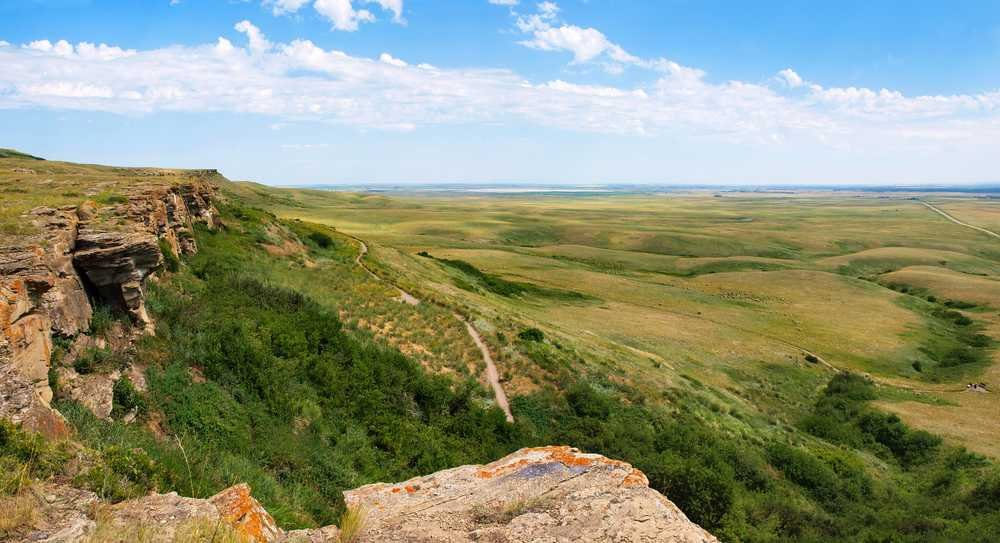
Location: Head-Smashed-In Buffalo Jump is located in southern Alberta, Canada. It’s about 18 kilometres northwest of the town of Fort Macleod, which is the closest town. If you're coming from a larger city, Lethbridge is about 45 minutes away by car, while Calgary is roughly 160 kilometres to the north, about a two-hour drive. The site is situated in a beautiful rural area that offers stunning views of the surrounding prairies and the Rocky Mountains in the distance.
Directions and Transportation: Getting to Head-Smashed-In Buffalo Jump is easy if you're driving. From Calgary, take Highway 2 south towards Fort Macleod. Once you reach Fort Macleod, you'll need to take Highway 785 west for about 15 minutes, and you'll see signs leading you to the site. If you're coming from Lethbridge, take Highway 3 west towards Fort Macleod, then follow the signs to Highway 785.
Public transportation options are limited, so it's best to have your own vehicle. However, if you’re visiting from Calgary or Lethbridge, you might find guided tours that include transportation as part of the package. The distance from Calgary is about 160 kilometres, while Lethbridge is closer, at approximately 50 kilometres.
Address: Secondary Highway 785, Fort Macleod, Alberta, Canada.
Phone Number: 403-553-2731
Find them on Facebook
Best Time to Visit Head-Smashed-In Buffalo Jump
The best time to visit Head-Smashed-In Buffalo Jump is during the warmer months, from May to September. During this time, the weather is mild, and the landscape is at its most beautiful, with green prairies and clear skies. July and August are the peak tourist months, so if you prefer fewer crowds, consider visiting in May, June, or September. Early morning or late afternoon visits are ideal for avoiding the midday heat and for catching the best light for photography. Keep in mind that the site is open year-round, but some services may be limited in the off-season.
Head-Smashed-In Buffalo Jump Images
Other Information
Hours of Operation: When I visited Head-Smashed-In Buffalo Jump, I made sure to check the hours beforehand. The Interpretive Centre is open year-round, with hours varying depending on the season. From May to September, the Centre typically operates from 10:00 AM to 5:00 PM daily, which is perfect for planning a day trip. During the quieter months, from October to April, the hours may be reduced, so it's always a good idea to double-check the current schedule before you go.
Admission Fees: The cost to enter Head-Smashed-In Buffalo Jump is quite reasonable, making it accessible for families and groups. As of 2024, the admission fees are around $15 for adults. Seniors (65 and over) and students with valid ID can enter for a discounted rate of $12.50. For children aged 7-17, the fee is about $9, and kids under 7 get in for free. They also offer family rates and group discounts, so if you’re visiting with a group of friends or family, it’s worth looking into these options to save a bit of money.
Facilities: The site is well-equipped with facilities to make your visit comfortable. There are clean restrooms available at the Interpretive Centre, which is always a relief after a long drive. If you're planning to spend a few hours exploring, you'll find picnic areas where you can sit down and enjoy a packed lunch with a view of the prairies. While there isn’t a full-service restaurant on-site, there’s a small café in the Interpretive Centre where you can grab a snack or a drink. If you're looking for more dining options, Fort Macleod is nearby and offers several restaurants where you can enjoy a meal after your visit.
Visitor Experience
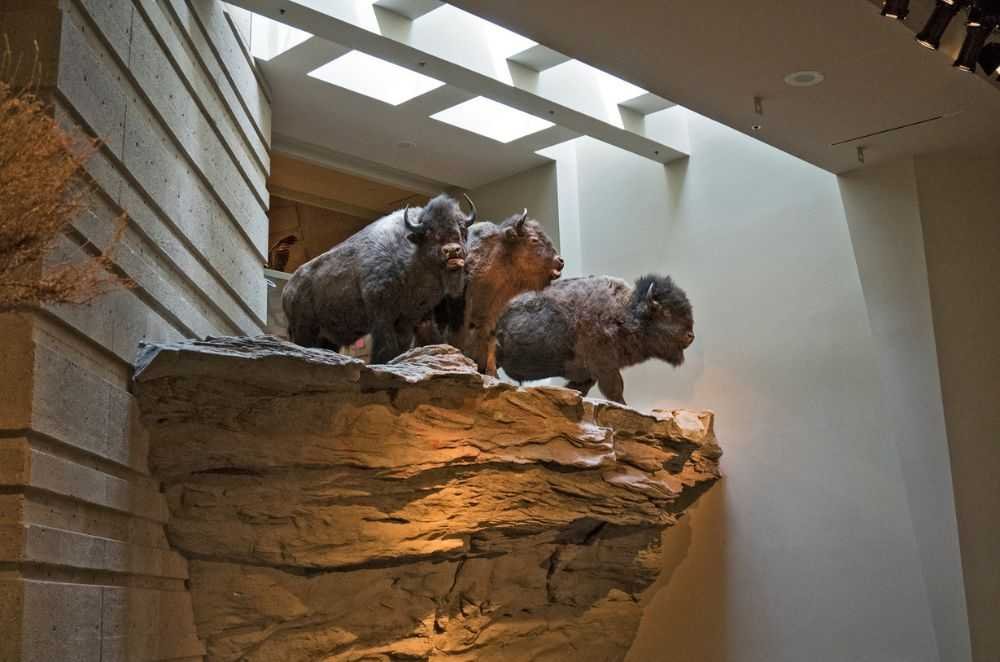
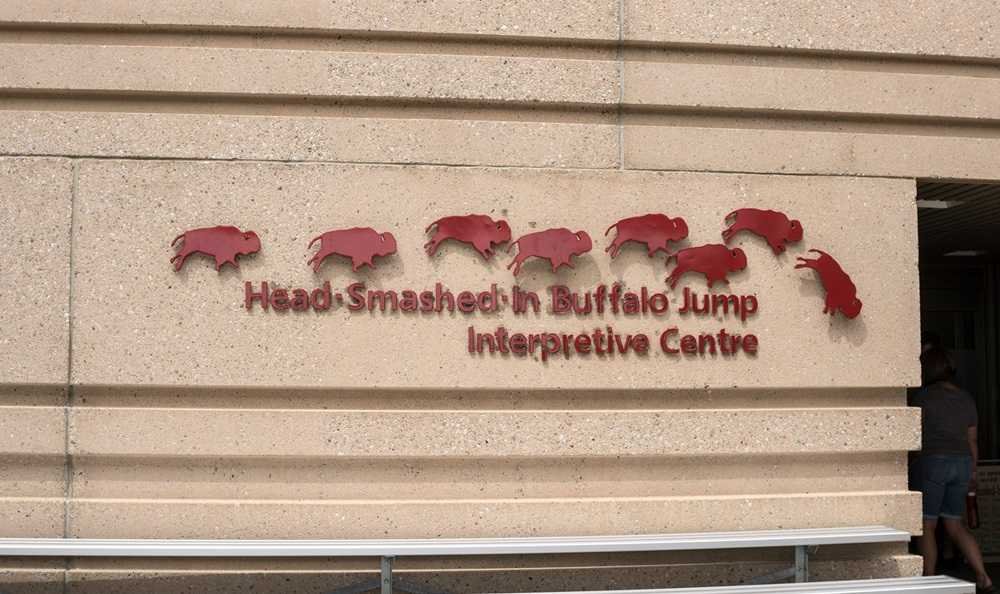
Interpretive Centre: When you visit Head-Smashed-In Buffalo Jump, the Interpretive Centre is the perfect place to start. This award-winning centre offers a deep dive into the history and culture of the Plains Indigenous peoples. You'll find five levels of exhibits that explain how the buffalo jump was used, showcasing artifacts, life-sized displays, and interactive exhibits. Educational programs are available for visitors of all ages, and they often include cultural demonstrations such as traditional drumming, dancing, and storytelling. With over 65,000 visitors each year, the Interpretive Centre provides an engaging and informative experience that brings the history of the Buffalo Jump to life.
Guided Tours: I decided to join a guided tour when I visited, and it made all the difference. The guide was incredibly knowledgeable and brought the history of the site to life. They shared fascinating stories and historical facts that I wouldn’t have learned on my own. For instance, the guide explained how the buffalo jump was more than just a hunting technique—it was a critical part of the Plains Indigenous people's way of life, deeply tied to their culture and survival.
One of the highlights for me was getting special access to areas that aren’t as easily explored on your own. The guide took us to viewpoints and explained the significance of each spot, offering a much deeper understanding of the site. The tour made my visit so much more meaningful, and I left with a richer appreciation for the history and culture preserved at Head-Smashed-In Buffalo Jump.
Self-Guided Exploration: If you prefer to explore at your own pace, self-guided exploration is a great option. The Interpretive Centre provides maps and information to help you navigate the site. Must-see exhibits include the dioramas that depict the buffalo jump in action and the archaeological displays that showcase artifacts found at the site. Don’t miss the stunning viewpoints overlooking the cliff—these spots offer breathtaking views and a real sense of the scale of the Buffalo Jump. Make sure to bring a camera, as the natural landscape and historic features provide excellent photo opportunities.
I discovered several other incredible sites nearby that are well worth a visit. One of the standout attractions is Writing-on-Stone Provincial Park, about a two-hour drive southeast. This park is famous for its fascinating hoodoos and ancient rock carvings, offering a deep dive into Indigenous history similar to Head-Smashed-In. Another must-see is Waterton Lakes National Park, located about an hour and a half to the southwest. It’s a stunning place where the prairies meet the Rocky Mountains, and you can enjoy everything from hiking and wildlife watching to boating on crystal-clear lakes.
Accommodation Options: If you're planning to stay overnight, there are many accommodation options to suit your needs. For a more immersive experience, consider camping at nearby parks like Waterton Lakes or in the campgrounds around Fort Macleod. If you prefer the comforts of a hotel, Fort Macleod offers several choices, ranging from budget motels to more comfortable inns. The Fort Museum Motor Inn and Century II Motel are both good options within a short drive of Head-Smashed-In Buffalo Jump. For those looking for something a bit more upscale, the Prince of Wales Hotel in Waterton Lakes is a historic and scenic option, especially if you’re combining your visit with a trip to the national park.
Dining Recommendations: After exploring Head-Smashed-In Buffalo Jump, I found that Fort Macleod has a few great places to grab a meal. The Silver Grill is a local favourite, known for its hearty breakfasts and classic diner fare. Cafe Orange offers a menu filled with fresh, locally sourced ingredients for something with a bit more variety, perfect for a light lunch or dinner. If you’re in the mood for a more substantial meal, the Stronghold Brewing Co. has excellent pub food, including burgers, sandwiches, and craft beers brewed on-site. These dining spots give you a taste of the local cuisine and are a perfect way to end a day of exploration.
Conclusion
Visiting Head-Smashed-In Buffalo Jump was an unforgettable experience for me, and I’m confident it will be for you too. This site isn’t just a place to see; it’s a place to feel connected to a deep and rich history. Standing at the edge of the cliff, you can almost imagine the scenes from thousands of years ago, when the Plains Indigenous peoples used this land to survive and thrive.
Throughout your visit, you'll gain a better understanding of the incredible skills and knowledge these people had. The Interpretive Centre provides fascinating insights, the guided tours offer deeper stories, and the natural beauty of the site leaves a lasting impression.
I hope this guide helps you plan your visit to Head-Smashed-In Buffalo Jump and gives you everything you need to know to make the most of your trip. From the history and cultural significance to the practical details and nearby attractions, this place has so much to offer. Take your time exploring, and don't forget to take in the stunning views and the powerful sense of history that surrounds you.
Used only with old Urchin versions of Google Analytics and not with GA.js. Was used to distinguish between new sessions and visits at the end of a session.
End of session (browser)
__utmz
Contains information about the traffic source or campaign that directed user to the website. The cookie is set when the GA.js javascript is loaded and updated when data is sent to the Google Anaytics server
6 months after last activity
__utmv
Contains custom information set by the web developer via the _setCustomVar method in Google Analytics. This cookie is updated every time new data is sent to the Google Analytics server.
2 years after last activity
__utmx
Used to determine whether a user is included in an A / B or Multivariate test.
18 months
_ga
ID used to identify users
2 years
_gali
Used by Google Analytics to determine which links on a page are being clicked
30 seconds
_ga_
ID used to identify users
2 years
_gid
ID used to identify users for 24 hours after last activity
24 hours
_gat
Used to monitor number of Google Analytics server requests when using Google Tag Manager
1 minute
_gac_
Contains information related to marketing campaigns of the user. These are shared with Google AdWords / Google Ads when the Google Ads and Google Analytics accounts are linked together.
90 days
__utma
ID used to identify users and sessions
2 years after last activity
__utmt
Used to monitor number of Google Analytics server requests
10 minutes
__utmb
Used to distinguish new sessions and visits. This cookie is set when the GA.js javascript library is loaded and there is no existing __utmb cookie. The cookie is updated every time data is sent to the Google Analytics server.