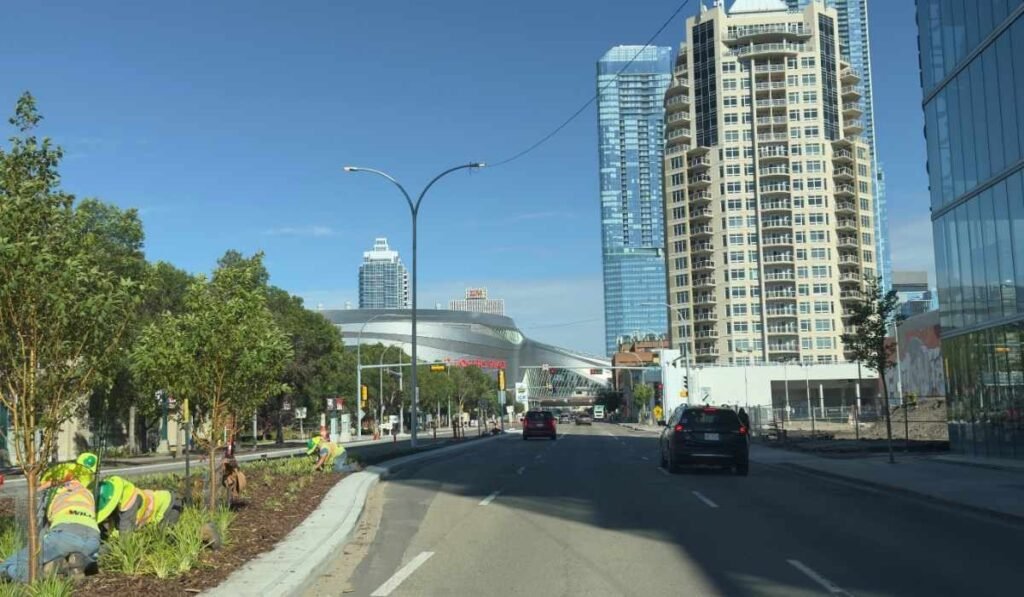
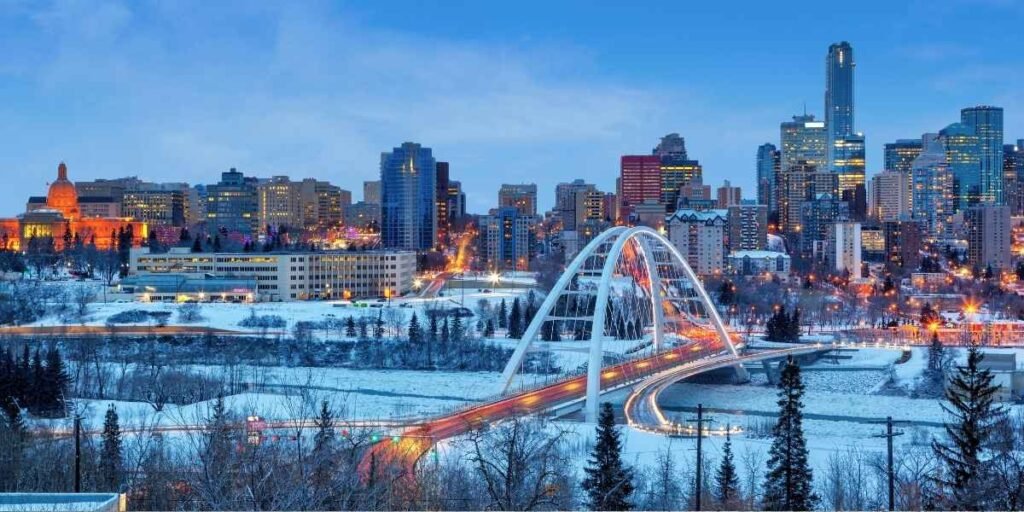
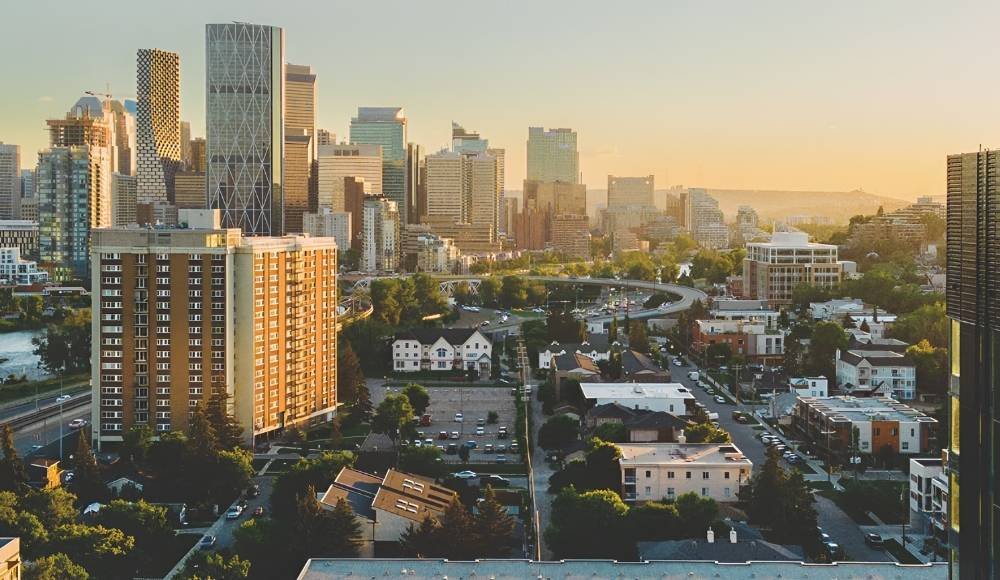
Downtown Edmonton is the heart of Alberta's capital city, stretching between the North Saskatchewan River valley and the city's central neighbourhoods. It brings together some of Edmonton's best-known attractions, cultural venues, restaurants, shops and entertainment districts, making it a convenient place to start exploring the city.
From the museums and galleries around Churchill Square to the restaurants and historic buildings along 104 Street and the sports and entertainment of the ICE District, downtown offers plenty to see and do within a relatively compact area. The river valley is also close by, giving you an easy way to combine city sightseeing with trails, parks and scenic views.
This Downtown Edmonton Guide covers the area's top attractions, neighbourhoods, places to eat and stay, nightlife, transportation, parking, seasonal tips and suggested itineraries to help you plan your visit.
Downtown Edmonton at a Glance
Where it is
Central Edmonton, north of the North Saskatchewan River valley.
Best for
First-time visitors, concert and game trips, museum days, festival season, business travel with free time
Main attractions
Royal Alberta Museum, Art Gallery of Alberta, Churchill Square, ICE District, 104 Street, Legislature grounds, river valley access
Time needed
Half a day for highlights, one full day to do it properly
Walkability
High. Flat, gridded, with an indoor pedway linking many buildings and three LRT stations
Public transit
Capital, Metro and Valley Line LRT, plus most major bus routes
Nearby areas
Old Strathcona and Whyte Avenue, 124 Street, Chinatown, the river valley parks
Best time to visit
July for festivals, September for weather without crowds, winter for hockey and skating
Where Is Downtown Edmonton?
Downtown Edmonton sits in the central part of the city, immediately north of the North Saskatchewan River valley. For visitors, “Downtown Edmonton” generally refers to the central urban core around Jasper Avenue, 104 Street, Churchill Square and the ICE District, extending west toward the Government Centre area.
The downtown area is relatively compact, but it has several distinct districts worth knowing. Churchill Square and the Arts District are home to major museums, galleries and cultural venues. 104 Street and the Warehouse District are known for restaurants, cafés, historic buildings and the Downtown Farmers' Market. The ICE District is Edmonton's major sports and entertainment area, centred on Rogers Place.
One of downtown's biggest advantages is its proximity to the North Saskatchewan River valley. The 100 Street Funicular connects the downtown core with the river valley, where you can find walking trails, parks and viewpoints.
Why Visit Downtown Edmonton?
Downtown Edmonton is one of the easiest places to experience several sides of the city in a single visit. The area brings together major cultural attractions, restaurants, entertainment venues and public spaces, making it a convenient starting point for exploring Edmonton.
Culture is a major draw, with museums, galleries, theatres and other attractions concentrated around the downtown core. The ICE District adds a lively sports and entertainment scene, especially during Edmonton Oilers games, concerts and major events.
Downtown also has a good mix of restaurants, cafés and bars, particularly around 104 Street, Jasper Avenue and the ICE District. During the warmer months, festivals and outdoor events bring even more activity to the area.
Another advantage is the North Saskatchewan River valley, which sits just south of downtown and offers trails, parks and scenic views. With the LRT, pedestrian connections and nearby attractions, you can explore much of downtown without needing a car.
For first-time visitors, downtown is a practical place to begin discovering Edmonton.
Downtown Edmonton Areas to Know
Downtown is not one uniform place. These pockets each feel different.
Area
Best known for
Churchill Square & Arts District
Museums, galleries and festivals
104 Street & Warehouse District
Restaurants, cafés and historic buildings
ICE District
Rogers Place, sports and concerts
Jasper Avenue
Hotels, restaurants and central-city access
Government Centre
Legislature and river valley access
The rhythms differ. The Jasper Avenue office core is busiest at weekday lunch. ICE District runs on the event calendar. Churchill Square and 104 Street are at their best on summer weekends.
Best Things to Do in Downtown Edmonton
Downtown Edmonton has a mix of museums, galleries, public spaces, entertainment venues and river valley experiences. You can explore the city's culture during the day, catch a game or concert in the evening, or simply walk between some of the area's most interesting districts.
1. Royal Alberta Museum
Discover Alberta's natural and human history through exhibits covering wildlife, Indigenous cultures, dinosaurs and the province's past. It's one of the city's best indoor attractions at the Royal Alberta Museum, especially on a cold or rainy day.
2. Art Gallery of Alberta
Located near Churchill Square, the Art Gallery of Alberta features Canadian and international art in a striking modern building. It's a good choice for visitors interested in art, architecture and culture.
3. Churchill Square
This central public square is one of downtown's main gathering places and hosts festivals, concerts and seasonal events. It's also surrounded by several of Edmonton's major cultural attractions.
4. Explore 104 Street
Walk along 104 Street to see historic warehouse buildings, cafés, restaurants and independent businesses. The area is especially lively during the Downtown Farmers' Market.
5. Visit the ICE District
The ICE District is downtown's major sports and entertainment hub, centred around Rogers Place. Check the schedule for an Edmonton Oilers game, concert or other major event during your visit.
6. Ride the 100 Street Funicular
Take the funicular down from downtown toward the North Saskatchewan River valley. It's an easy way to reach river valley trails and enjoy views of the city.
7. Explore the River Valley
Just south of downtown, Edmonton's river valley offers walking and cycling trails, parks and scenic viewpoints. It's a chance to experience the city's natural side without leaving the central area.
8. See a Show
The Citadel Theatre and Winspear Centre make downtown an important destination for theatre, music and live performances. Check what's playing during your visit.
Where to Stay in Downtown Edmonton
Staying downtown makes sense if you are attending an event at Rogers Place, doing a museum-focused trip, or would rather walk than drive. It makes less sense if your plans revolve around West Edmonton Mall or an early flight.
There are three useful clusters. ICE District puts you minutes from Rogers Place, which matters on a game night. Churchill Square and Jasper Avenue are the best all-round position for museums and pedway access to the LRT. The river valley edge, near 100 Street south of Jasper Avenue, gives you valley views and the funicular on your doorstep.
Downtown has everything from luxury hotels to mid-range and suite-style properties. Rates can increase around Oilers games, concerts and major conventions, so check the event calendar if your dates are flexible.
Where to Eat in Downtown Edmonton
Downtown Edmonton has a diverse dining scene, from casual cafés and quick bites to upscale restaurants, international cuisine and lively spots for a night out.
104 Street and the Warehouse District are popular choices for restaurants, cafés and casual dining, with a mix of independent businesses and more polished dining options. Jasper Avenue has another concentration of restaurants and bars, making it convenient for a meal before exploring downtown or heading to an evening event.
Around the ICE District, you'll find restaurants, pubs and casual spots that are especially convenient before or after an Edmonton Oilers game or concert at Rogers Place. The Arts District also has several places to eat close to museums, galleries, theatres and Churchill Square.
Whether you're looking for a quick coffee, a relaxed lunch, international flavours or a restaurant for a special evening, you won't have to go far to find something downtown.
Downtown Edmonton Nightlife
Nightlife concentrates in three areas: 104 Street, the Jasper Avenue corridor near 109 Street, and ICE District.
Event nights change everything. When the Oilers are home or a big concert is on, bars near Rogers Place fill hours beforehand and stay busy afterward. When nothing is scheduled, the same blocks can be quiet midweek.
Beyond bars, the evening scene leans toward performance: the Winspear for symphony and touring music, the Citadel for theatre, and late dining rather than late clubbing. If you want a dense strip of pubs and live bands, Whyte Avenue across the river is the better bet, and the LRT gets you there.
How to Get Around Downtown Edmonton
Walking. Downtown is walkable. It is flat, the grid is logical, and most attractions sit 15 to 20 minutes apart at most. Churchill Square to 104 Street or to Rogers Place is about ten minutes. The indoor pedway connects many towers, hotels and three LRT stations, though signage is poor and hours vary because segments run through private buildings.
LRT. Genuinely useful for visitors. The Capital and Metro lines share an underground tunnel through the core, stopping at Corona, Bay/Enterprise Square, Central, Churchill, MacEwan and Government Centre. The Valley Line runs at street level and stops at 102 Street.
Fares are flat at $3.00 tapping an Arc card or a contactless bank card, $3.75 cash on buses, with no cash on the LRT. One fare covers 90 minutes including transfers, and daily fare capping replaced day passes. Children 12 and under ride free with a paying rider. Fares and payment options can change, so check the current ETS information before your trip.
Driving. A car is not necessary if you are staying downtown, and ongoing Valley Line West LRT construction has closed and reconfigured streets across the core. Park once and walk.
From the airport.Edmonton International Airport is about 30 km south, a 30 to 45 minute drive. There is no LRT to the airport. By transit, take Route 747 from Door 8 to Century Park Transit Centre on a separate fare, then the Capital Line north. Budget an hour door to door.
Cycling. Downtown has a growing protected bike lane network, shifted in places during construction. The payoff is the river valley trail system below the bank, and the funicular takes bikes.
Parking in Downtown Edmonton
Downtown has street parking and several parkades, including options near Churchill Square and the ICE District. Event-day parking can be more expensive and busier around Rogers Place, so check posted signs before leaving your car. If you're spending the day downtown, parking once and walking is often the easiest option.
Parkades suit longer stays, including City Hall, the Milner Library and the ICE District parkade, which connects into the pedway.
On event days, on-street rates near Rogers Place switch to higher event pricing when a large crowd is expected, and the streets around 104 Avenue congest before and after. Rates and rules change, so read the signage. Because the attractions cluster so tightly, the simplest approach is to park once near Churchill Square and cover the rest on foot.
Downtown Edmonton in Winter
Edmonton winters are long and genuinely cold, and downtown is built with that in mind more than most Canadian cores.
The pedway system is the first thing to understand. Enclosed walkways and tunnels link many office towers, hotels, the shopping centre and three LRT stations, so you can cross much of downtown without going outside. Pull up the city's pedway map before relying on it, since signage is limited and some segments close outside business hours.
Indoor attractions carry the season: the Royal Alberta Museum, the Art Gallery of Alberta, the Milner Library, the Winspear and the Citadel. The farmers' market moves inside City Hall from mid-October to mid-May. Skating is free at the City Hall rink on Churchill Square, with free skate rentals during select hours and weekend programming through January and February.
Hockey season is one of the reasons winter can be a great time to visit. An Oilers game is the most reliably lively thing happening downtown between November and April.
Daylight is short, with sunset before 4:30 p.m. around the solstice, so plan outdoor walking for early afternoon. Dress in layers with a windproof shell, wear boots with real grip, and cover your ears. Sidewalks near construction get icy and detoured, and cold slows transit, so build in extra time.
Events and Festivals
Downtown Edmonton comes alive throughout the year with festivals, concerts, sporting events and community celebrations. Churchill Square is one of the city's main gathering places, hosting outdoor festivals, performances and seasonal events, particularly during the warmer months.
Summer is the busiest season for downtown events, with recurring celebrations such as the Edmonton International Street Performers Festival, Taste of Edmonton, The Works Art & Design Festival and Cariwest Caribbean Arts Festival bringing performances, food, art and entertainment to the city centre.
The ICE District provides year-round entertainment, with Edmonton Oilers games, concerts and other major events at Rogers Place. If you're visiting during hockey season, checking the Rogers Place schedule can help you plan an evening around a game or concert.
Downtown also hosts seasonal markets, holiday activities and smaller cultural events throughout the year. Event schedules change from season to season, so check official event websites before your visit to see what's happening during your dates.
Is Downtown Edmonton Safe?
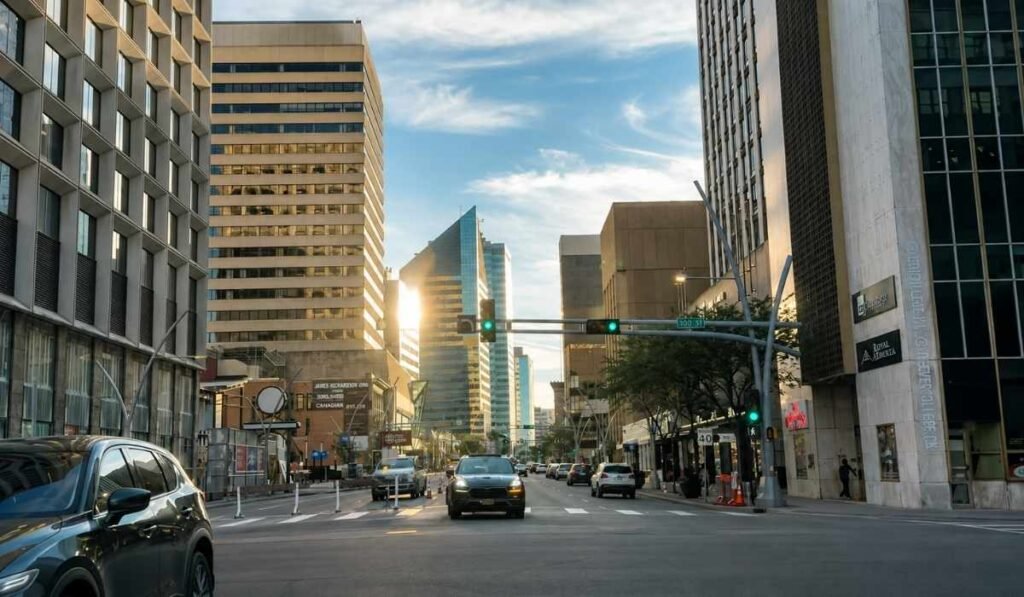
Downtown Edmonton along 100 Street, with high-rise buildings lining the city centre.
Downtown Edmonton is safe for most visitors most of the time, though how comfortable it feels varies by block and time of day.
Visitors are rarely targeted. What you are more likely to notice is visible homelessness and street disorder in parts of the core and around some transit stations, particularly late at night.
Normal urban precautions cover the rest. Stay aware of your surroundings, keep valuables out of sight and leave nothing visible in a parked car, use well-lit and busier streets after dark, and take a rideshare rather than a long late walk alone.
Best Time to Visit Downtown Edmonton
The best time to visit Downtown Edmonton depends on what you want to do and how much you want to spend.
Summer (late June to August) is the busiest season and the best time for outdoor sightseeing. Long daylight hours, outdoor patios, festivals and the Downtown Farmers' Market make the city centre especially lively. This is also when hotel rates tend to be highest.
Fall (September to October) is a quieter alternative, with comfortable early-fall temperatures, fewer crowds and colourful foliage in the nearby river valley. Hotel rates may also be lower than during the summer peak.
Winter (November to March) is cold, but downtown remains active with Edmonton Oilers games, concerts, skating and indoor attractions. It's a good time to experience Edmonton's winter atmosphere, provided you're prepared for freezing temperatures and snow.
Spring (April to May) is generally quieter and can offer lower accommodation rates. However, weather can be unpredictable, with lingering snow and muddy conditions in the river valley. By late spring, outdoor activities and downtown events begin picking up again.
For most first-time visitors, summer and early fall offer the easiest combination of pleasant weather, long days and things to do.
How Many Days Do You Need?
A few hours covers Churchill Square, one major indoor attraction, and either a walk down 104 Street or a funicular ride to the river valley lookout.
One day is enough for downtown itself: a museum in the morning, the square and gallery in the afternoon, 104 Street and ICE District on foot, the valley before dinner, and an evening event.
Two days lets you slow down and add nearby areas, most naturally Old Strathcona and Whyte Avenue across the river, or the Muttart Conservatory in the valley.
Downtown Edmonton Itineraries
Half-day
Start at Churchill Square, spend two hours at the Royal Alberta Museum a block away, eat lunch on 104 Street, then walk south to the Fairmont and take the funicular down to the river valley lookout. About four hours without rushing.
One day
Morning: coffee on 104 Street, then the Royal Alberta Museum at opening. On a summer Saturday, do the farmers' market first.
Lunch: Churchill Square, or back toward 104 Street and Rice Howard Way.
Afternoon: Visit the Art Gallery of Alberta or another nearby cultural attraction. If it's closed on your visit, use the Legislature or another downtown attraction as an alternative.
Late afternoon: the funicular down to the lookout and part of the Louise McKinney trail.
Evening: dinner in the core, then a show at the Citadel or Winspear, or an Oilers game if the schedule cooperates.
Two days
Day one follows the plan above. On day two, cross the river. In summer, the High Level Bridge Streetcar runs from downtown's Jasper Plaza terminus to Whyte Avenue, which makes the trip an attraction in itself. Spend the morning in Old Strathcona, stop at the Muttart Conservatory in the valley on the way back, and finish with dinner downtown.
Places Near Downtown Edmonton
Close enough to combine with a downtown visit, but separate destinations.
Old Strathcona and Whyte Avenue sit across the river on the south side, 10 to 15 minutes by car. Independent shops, vintage stores, live music, a Saturday farmers' market and the Fringe grounds in August. The seasonal High Level Bridge Streetcar connects the two areas from roughly the May long weekend to Thanksgiving.
Muttart Conservatory, four glass pyramids in the river valley in Cloverdale, is visible from downtown and a short drive or Valley Line trip away. Plan around two hours for all four pyramids.
The Edmonton River Valley connects directly to downtown by funicular and stairways, with Louise McKinney Riverfront Park closest.
124 Street, about 20 minutes on foot west of downtown, has galleries, design shops and one of the city's better restaurant strips.
What Isn't Actually Downtown Edmonton?
Travel lists often group Edmonton attractions together as "downtown" when they sit in very different parts of the city, which leads to wasted time. To be clear:
Old Strathcona is across the river on the south side, not downtown.
Whyte Avenue is the main street of Old Strathcona, also south of the river.
Muttart Conservatory is close, but sits in the river valley in Cloverdale on the other side of the water.
West Edmonton Mall is in the far west end, 20 to 30 minutes away by car.
Fort Edmonton Park is in the river valley in the southwest, well outside the core.
124 Street and Wîhkwêntôwin are just west of downtown, part of central Edmonton rather than the core.
All are worth visiting. Just budget separate travel time rather than assuming you can walk there from a downtown hotel.
Frequently Asked Questions
Is Downtown Edmonton worth visiting? Yes, particularly for museums, live events and river valley access, all within walking distance of each other.
What is Downtown Edmonton known for? Rogers Place and ICE District, Churchill Square and its summer festivals, the Arts District museums and theatres, the warehouse blocks on 104 Street, and the river valley below.
Is Downtown Edmonton walkable? Yes. It is flat and gridded, with most attractions 15 to 20 minutes apart, plus an indoor pedway linking three LRT stations. LRT construction creates some detours.
Where should I stay in Downtown Edmonton? ICE District for events at Rogers Place, Churchill Square or Jasper Avenue for museums and pedway access, the river valley edge for views.
Is Downtown Edmonton safe for tourists? Generally yes, with normal urban precautions. Visitors are rarely targeted, though you may notice street disorder in parts of the core and near some transit stations at night.
How do I get downtown from the airport? About 30 km, or a 30 to 45 minute drive. There is no direct LRT. By transit, take Route 747 to Century Park, then the Capital Line north, roughly an hour door to door.
What attractions are near Downtown Edmonton? Old Strathcona and Whyte Avenue across the river, the Muttart Conservatory, the 124 Street strip, and the river valley park system.
Final Thoughts
Downtown Edmonton rewards visitors who know what it is: a compact, walkable district with a strong museum and gallery cluster, an NHL arena at its centre, a square that hosts festivals and events throughout the summer, and a river valley you can reach ten minutes after leaving your hotel.
Give it a full day rather than a rushed couple of hours, and go past the obvious stops. Walk the 104 Street warehouse blocks. Take the funicular down and stand on the lookout.
Use this Downtown Edmonton Guide as your starting point, then dig into the detail with our guides below.
Edmonton is bigger than most first-time visitors expect. The city covers more than 700 square kilometres, making it larger in area than Toronto, Montreal or Vancouver. The North Saskatchewan River Valley cuts through Edmonton, and the city stretches across a large area, making some neighbourhoods feel surprisingly far apart.
That is why it helps to think about Edmonton areas before you think about individual attractions. Where you base yourself changes almost everything about your trip:
How far you are from the attractions you actually came to see
Whether you can walk to restaurants at night or need to drive
How much shopping is within easy reach
How quickly you can get into the river valley
Whether transit works for you, or whether you need a car
The general feel of your mornings and evenings
Edmonton is a driving city for most visitors. Distances are real, and winter weather can slow things down. A 15-minute trip in July can take 30 minutes in January. Getting the location right the first time saves you a lot of backtracking.
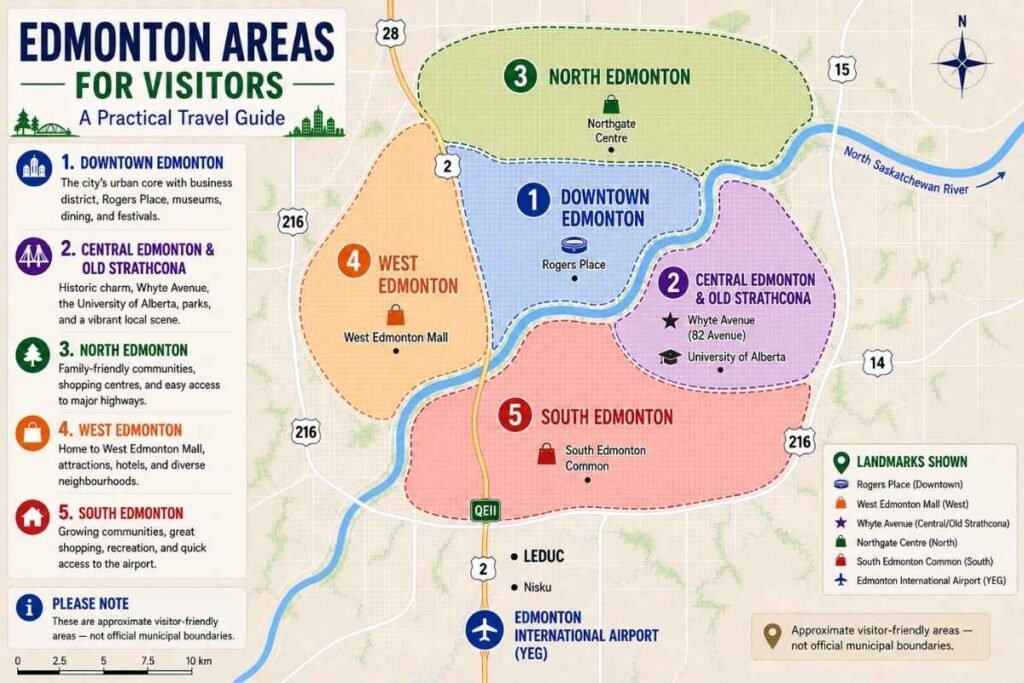
Map of Edmonton’s five visitor-friendly areas and their approximate locations.
To keep things simple, this guide breaks the city into five broad areas: Downtown, Central Edmonton and Old Strathcona, North Edmonton, West Edmonton and South Edmonton. These are visitor-friendly groupings rather than official city boundaries; locals use them loosely, and you will hear other names too. They are just the clearest way to understand the different areas of the city before you book anything. If you want the wider picture first, our ultimate Edmonton travel guide covers seasons, history and trip length.
Downtown Edmonton
Rogers Place and high-rise buildings in Downtown Edmonton.
Downtown sits on the north bank of the river, roughly between 97 Street and 109 Street, with Jasper Avenue running through it as one of its main streets. Almost everything else in the city is described in relation to it, so it is worth understanding even if you decide to stay somewhere else.
This is the most compact part of Edmonton and the easiest to explore on foot. It is also the part of the city that has changed the most in the last decade. The ICE District, built around Rogers Place arena, added hotels, towers, restaurants and a public plaza to what used to be a quiet stretch of downtown. When the Oilers are playing, or a concert is on, the area fills up quickly.
The other downtown anchors are close together. Churchill Square hosts festivals through the summer and sits beside the Art Gallery of Alberta, the Stanley A. Milner Library and the Citadel Theatre. The Royal Alberta Museum is one of Western Canada's major museums and is easily worth half a day if you take your time.
The Edmonton Convention Centre sits along the riverbank overlooking the valley, and the Alberta Legislature grounds sit at the southwest edge of downtown, with free public gardens and a wading pool that turns into a skating rink in winter. If museums are a priority for your trip, our roundup of the best museums in Edmonton covers what is worth your time across the city.
Downtown Edmonton along 100 Street, with high-rise buildings lining the city centre.
River valley access is one of the underrated things about staying downtown. You can be on a trail in Louise McKinney Riverfront Park or Victoria Park within 10 or 15 minutes of leaving a downtown hotel, which is not true of most city centres. Several of the free things to do in Edmonton are in or near this area.
Downtown also has the strongest transit connections in the city. The Capital, Metro and Valley Line LRT routes all pass through here, which matters if you are travelling without a car.
Downtown suits you if you are visiting Edmonton for the first time, coming for an event at Rogers Place or the Convention Centre, travelling for business, or you simply want restaurants and bars within walking distance of your room. It is less ideal if you are travelling with young kids who need space and easy parking, since most downtown hotels charge for parking.
One practical note for 2026: Valley Line West LRT construction is affecting 102 Avenue downtown, with lane closures in place through the construction season. Give yourself extra driving time in the core.
Old Strathcona along 83 Avenue, one of Edmonton's most lively areas.
Central Edmonton is the ring of older, denser neighbourhoods around downtown, on both sides of the river. It gets its own section because the feel is genuinely different: fewer towers, more main streets, and more of the day-to-day life of the city.
The best-known part is Old Strathcona, on the south side of the river. This was a separate town until 1912, and the brick storefronts along Whyte Avenue (82 Avenue) still show it. Whyte is where you go for independent shops, record stores, pubs, coffee, live music and late-night food.
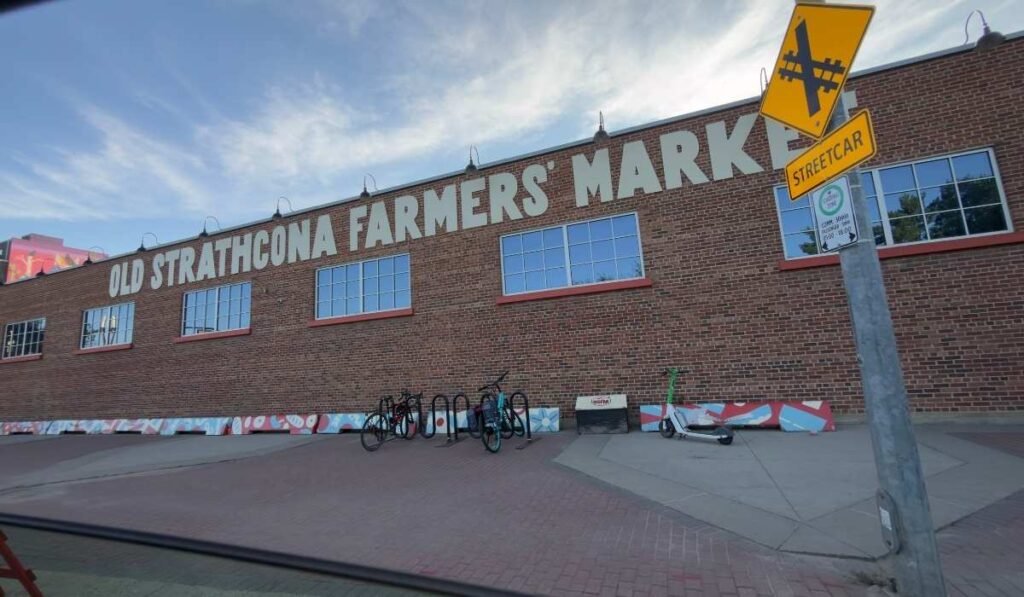
The Old Strathcona Farmers' Market runs on Saturdays year-round and is a good place to start a morning. In August, the Edmonton International Fringe Theatre Festival takes over the whole district. It is the largest and oldest fringe festival in North America, and the streets change completely for about ten days. Our festivals and events section tracks what is on through the year.
Just north and west of Whyte is Garneau, a leafy older neighbourhood beside the University of Alberta campus. The student population keeps the area lively, with plenty of cafés, restaurants and shops serving the university community. Walk north from campus, and you reach the High Level Bridge, which carries you back to downtown on foot.
In summer, the High Level Bridge Streetcar runs across it, a restored streetcar with a genuinely good view of the valley, and one of the more memorable things you can do in the city for a few dollars.
The Old Strathcona Farmers' Market in Edmonton.
On the north side of the river, Wîhkwêntôwin, the neighbourhood many people still call Oliver, was officially renamed in 2025 and sits immediately west of downtown. It is one of Edmonton's most densely populated areas, with good restaurants along 104 Street and Jasper Avenue and quick access to Victoria Park. A little further west, 124 Street has galleries, patios and a summer farmers' market.
Central Edmonton also has the best river valley access of any area. The Muttart Conservatory and its four glass pyramids sit in Cloverdale, just across the water from downtown, and the trail network connects most of these neighbourhoods to each other.
Central Edmonton suits you if you would rather stay in a neighbourhood than a hotel district. You want to walk to breakfast, browse shops in the afternoon and eat somewhere local at night. Accommodation here leans toward smaller hotels and short-term rentals rather than large chains, so book earlier than you would downtown, especially during Fringe in August.
Explore Central Edmonton & Old Strathcona →
North Edmonton
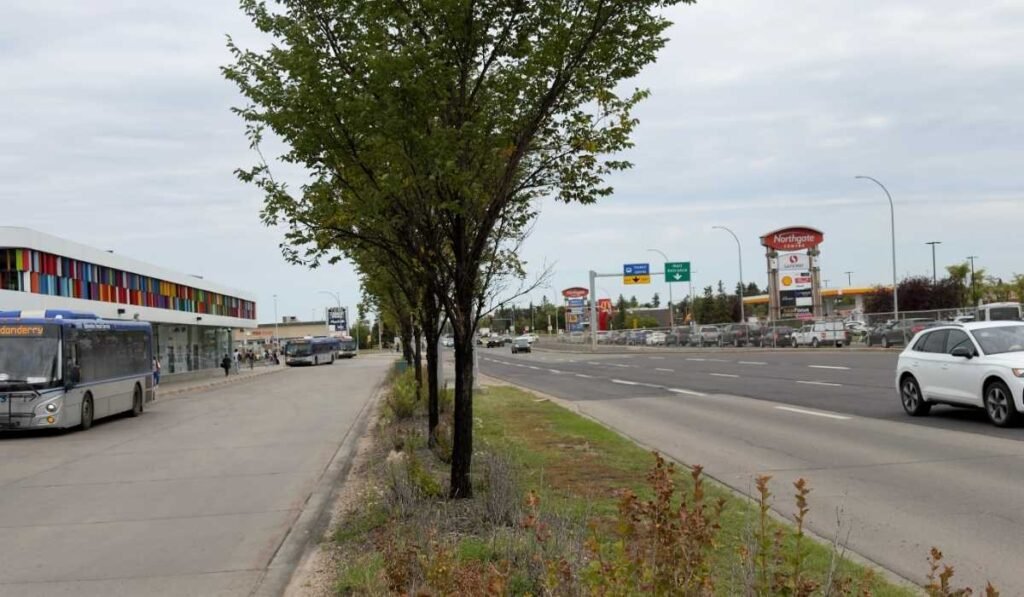
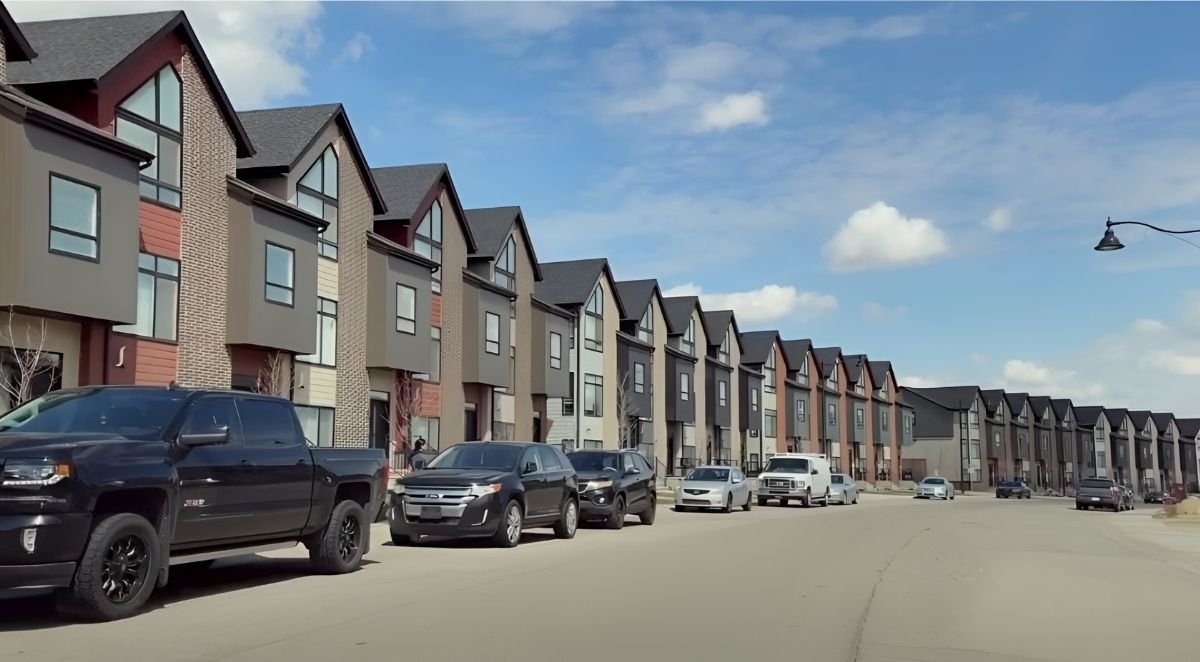
Northgate Centre and Edmonton Transit buses in North Edmonton.
North Edmonton covers a wide band of the city above downtown, stretching from the Yellowhead Trail up to Anthony Henday Drive and out to both the northwest and northeast corners. Most visitors group all of it together, and that is how we treat it here.
The character is mostly residential. A large share of Edmontonians live here, in a mix of 1960s and 70s neighbourhoods and much newer developments. Castle Downs and the Northgate area sit in the central and northwest parts of North Edmonton. Clareview and Londonderry are further east.
Griesbach, built on a former military base, is one of the newer communities and is noticeably different in layout from the older grid around it.
You will not find a dense cluster of headline attractions up here, and it is worth being honest about that. What you will find is everyday convenience: large grocery stores, big-box shopping along 137 Avenue, chain restaurants, recreation centres, arenas and some of the city's better neighbourhood parks.
Hermitage Park and Rundle Park in the northeast both sit along the river valley, with paved trails, picnic areas and open space that rarely feels crowded. The TELUS World of Science in Coronation Park, northwest of downtown, is the main family attraction in this part of the city.
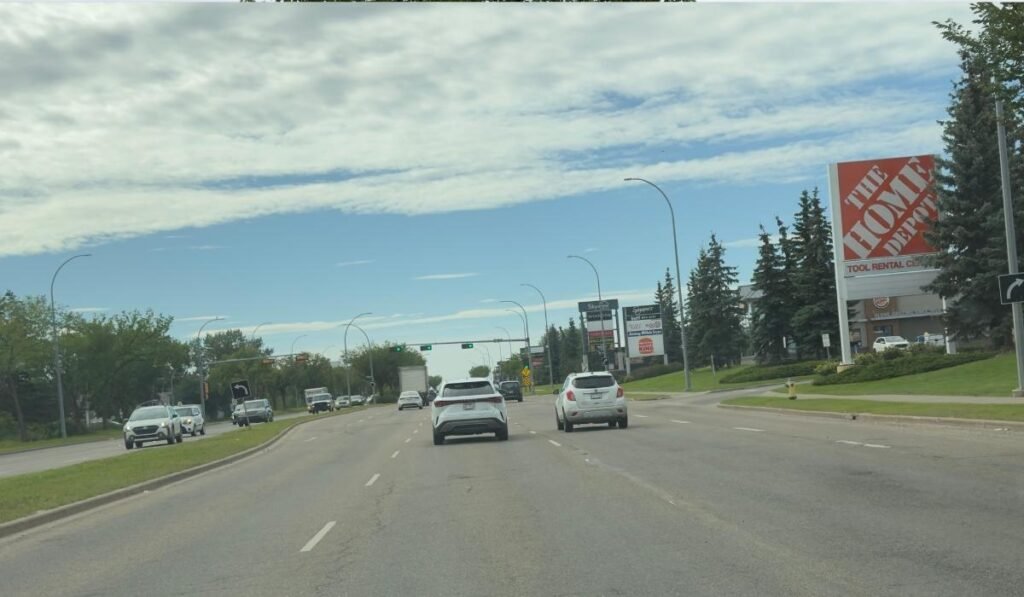
Skyview Centre along 137 Street in North Edmonton.
Getting around is straightforward if you have a car. Anthony Henday Drive rings the north side of the city, so you can reach the west end or cross to the south without going through the core.
The Capital Line LRT runs north to Clareview, and Edmonton Transit Service connects most of these neighbourhoods, though service is less frequent than in the centre. Our Edmonton Transit Service guide explains how fares and Arc cards work.
North Edmonton suits you if you are visiting family, you want a hotel with free surface parking rather than a downtown parkade, or you are heading somewhere north of the city: St. Albert, Fort Saskatchewan or the drive toward Elk Island National Park in the northeast.
Be realistic about the trade-off. If your plan is to walk to downtown attractions, restaurants and nightlife, North Edmonton will mean driving or a transit trip every single day. Choose it for a reason, not by default.
Explore North Edmonton →
West Edmonton
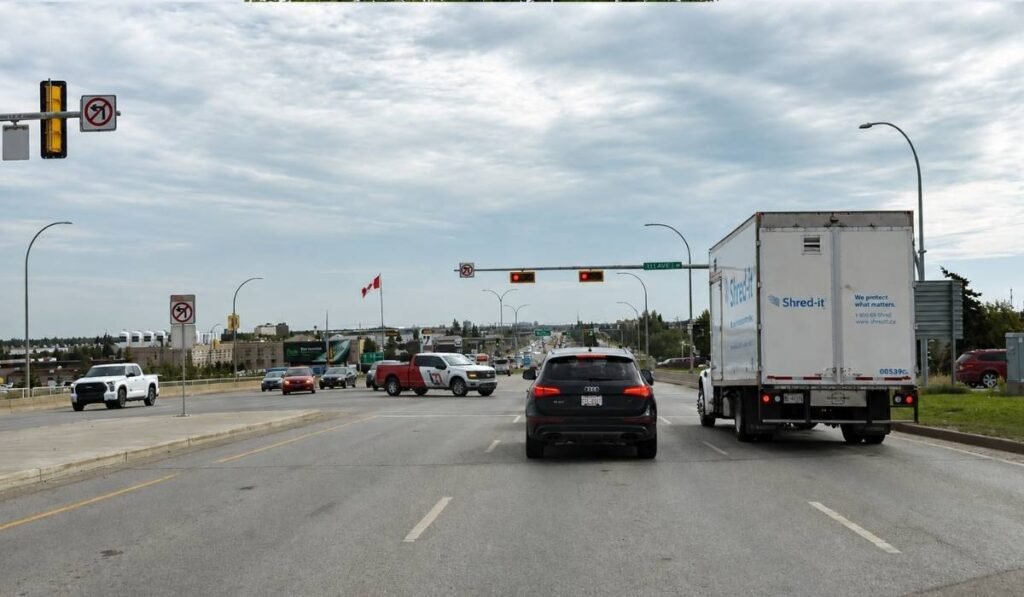
Yellowhead Trail and 170 Street in West Edmonton.
For many visitors, West Edmonton is synonymous with one attraction: West Edmonton Mall.
West Edmonton Mall opened in 1981 and is one of North America's largest shopping and entertainment complexes, with more than 800 stores and services. Calling it a mall undersells what it actually is: there is an indoor amusement park (Galaxyland), an indoor waterpark with a wave pool and slides, an ice rink, a sea lion habitat, a mini-golf course, two hotels attached to the property and more than 100 places to eat.
Families regularly build entire trips around it, particularly in winter when the weather makes outdoor plans unreliable. Our complete West Edmonton Mall guide covers tickets, timing and how to plan a day there without burning out.
The mall sits near 170 Street and 87 Avenue, and the surrounding area has developed around it. There is a large cluster of hotels within a few minutes' drive, at a wider range of prices than you will find downtown, and most of them have free parking, a real consideration if you are travelling by car. We keep an updated list of hotels near West Edmonton Mall if you are comparing options.
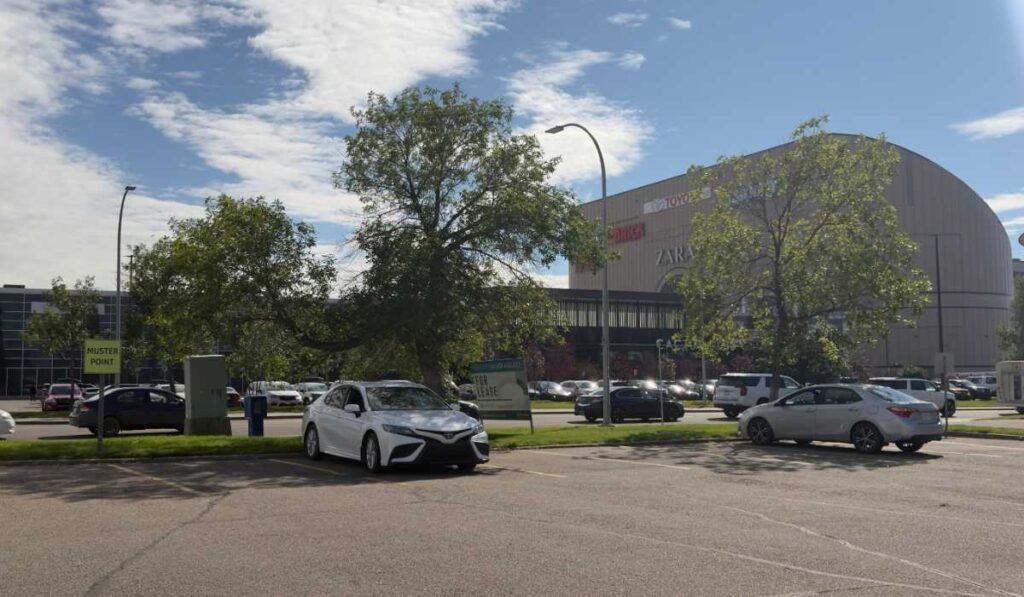
West Edmonton Mall, one of Edmonton's best-known shopping and entertainment destinations.
There is more out here than the mall, though. The Edmonton Valley Zoo sits in the river valley on the west side and is a manageable size for young children. Fort Edmonton Park, Canada's largest living history museum, is in the valley near Whitemud Drive, with costumed interpreters, four historical eras, a steam train and a midway.
Whitemud Park and the Terwillegar trail system are close by for walking and cycling. Beyond that, west Edmonton is made up of established neighbourhoods like Jasper Place, Meadowlark and Callingwood, and newer ones out toward Lewis Farms.
Road access is good. Whitemud Drive runs east-west across the south end of the area, Stony Plain Road heads into the core, and Anthony Henday Drive gets you around the city quickly. If you are continuing west toward Jasper, starting from here saves you crossing the whole city.
West Edmonton suits you if you are travelling with kids, you plan to spend more than a day at the mall, you want a hotel with easy parking, or shopping is a real part of your trip. More options are listed in our shopping and malls section.
One heads-up: Valley Line West LRT construction along 87 Avenue continues through 2026, with lane reductions between 161 Street and Anthony Henday Drive. When the line opens in 2028, it will connect the mall directly to downtown, but for now, budget extra driving time.
Explore West Edmonton →
South Edmonton
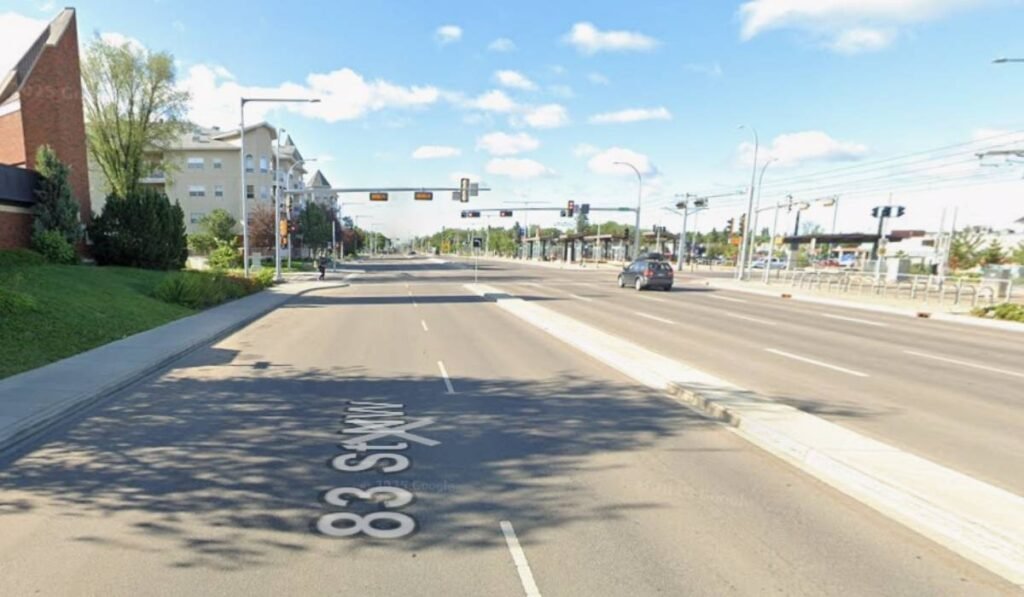
83 Street near Bonnie Doon, one of the key areas of Edmonton’s south side.
South Edmonton is the largest and most varied of the five areas, covering everything below the river from Terwillegar in the west across to Mill Woods in the east, and south to the city limits near Ellerslie and Heritage Valley.
It contains two different kinds of neighbourhood. There are established communities built from the 1960s through the 1980s (Mill Woods, Riverbend, Millbourne) and then a large band of newer development that has filled in over the past 20 years: Windermere, Summerside, Heritage Valley, Ellerslie, Terwillegar Towne.
The newer areas have wide roads, recent construction and shopping centres nearby. The older ones have mature trees and more established neighbourhoods.
The defining feature for visitors is retail. South Edmonton Common, near 23 Avenue and Gateway Boulevard, is one of the largest open-air shopping developments in North America, with big-box stores, restaurants and cinemas spread across a very large site. Southgate Centre, further north near 51 Avenue, is an enclosed mall connected directly to the LRT.
Mill Woods in the southeast is more established, while Windermere in the southwest is newer and quieter. Together, these areas have a wide range of shopping options and restaurants, including some of Edmonton's best South Asian, Filipino, and Vietnamese food in and around Mill Woods.
The river valley curves along the northern edge of the area, and the ravine systems reach further south than people expect. Whitemud Creek and the Terwillegar Park trails are genuinely good walking, and Snow Valley operates as a small ski and tube hill right inside the city limits in winter.
South Edmonton also has a large selection of newer hotels, particularly in the Gateway Boulevard and Ellerslie corridors, and it is one of the most convenient areas of Edmonton for reaching Edmonton International Airport, which sits about 30 km south near Leduc.
If you have an early flight, staying south saves you a long drive. The Valley Line LRT connects Mill Woods to downtown, and Route 747 links the airport to Century Park station.
South Edmonton suits you if you have a car, you want newer accommodation, you are doing serious shopping, you are visiting family, or you are flying out early. Compare options across the city in our where to stay section.
The one thing to watch: this area is enormous. A hotel in Windermere and a hotel in Mill Woods are both "south Edmonton" and roughly 25 minutes apart. Before booking, check the actual address against wherever you plan to spend your days.
Explore South Edmonton →
Which Area of Edmonton Is Best for Your Trip?
There is no single best area to stay in Edmonton. It depends entirely on what you came for and whether you are driving. This table compares the five areas of Edmonton at a glance.
Area
Best For
General Character
Downtown Edmonton
First-time visitors, events at Rogers Place, business travel, nightlife
Older, denser main streets on both sides of the river
North Edmonton
Visiting family, parking, heading north of the city
Mostly residential and spread out
West Edmonton
Families, shopping, West Edmonton Mall stays
Shopping and attraction focused, car friendly
South Edmonton
Shopping, newer hotels, early flights, longer stays
Very large and varied, driving essential
A few honest points that the table cannot capture:
Without a car, downtown or Old Strathcona are the practical choices. The LRT and bus network work well in the core and get thinner as you move outward.
With a car, the calculation flips. Parking is free and plentiful in the outer areas and costs money downtown.
Winter changes things. Between November and March, an indoor-heavy plan built around West Edmonton Mall, museums or the Muttart makes more sense than a walking-based itinerary.
Two nights in different areas is not a bad idea on longer trips: a couple of nights central, then a couple near the mall, for example.
Edmonton Areas at a Glance
Downtown: Central attractions, arena events, hotels and nightlife within walking distance.
Central Edmonton & Old Strathcona: Whyte Avenue, restaurants, cafés, arts, festivals and river valley access.
North Edmonton: Residential communities, everyday shopping, parks, and a base for trips north of the city.
West Edmonton: West Edmonton Mall, family attractions, and hotels with easy parking.
South Edmonton: The biggest shopping districts, newer hotels, and the closest area to the airport.
Frequently Asked Questions About Edmonton Areas
What are the main areas of Edmonton?
For visitors, Edmonton can be grouped into five main areas: Downtown, Central Edmonton & Old Strathcona, North Edmonton, West Edmonton, and South Edmonton. Each has a different mix of attractions, restaurants, hotels, and things to do.
Is Edmonton divided into quadrants?
Yes. Edmonton uses a street-address system with quadrant designations, with NW being the most common. However, the five-area approach in this guide is easier for visitors planning their trip.
What is the best area to stay in Edmonton for a first visit?
Downtown is a good choice for first-time visitors because it is close to major attractions, Rogers Place, the river valley, restaurants, and public transit. Old Strathcona is another great option for a livelier neighbourhood atmosphere.
Do you need a car in Edmonton?
You can get around without a car if you stay in Downtown or Old Strathcona. For exploring attractions across the city, however, having a car is more convenient.
How far is West Edmonton Mall from downtown?
West Edmonton Mall is about 15 km from downtown, usually taking around 20–30 minutes by car, depending on traffic and weather.
Which area of Edmonton is best for families?
West Edmonton is a popular choice for families because of West Edmonton Mall, Galaxyland, the World Waterpark, Fort Edmonton Park, and the Edmonton Valley Zoo.
Which area is closest to Edmonton International Airport?
South Edmonton is one of the most convenient areas for reaching Edmonton International Airport. Staying around Gateway Boulevard or Ellerslie can be useful for early flights.
Which area of Edmonton is best for nightlife?
Old Strathcona is one of the best areas for nightlife, with pubs, restaurants, live music and entertainment around Whyte Avenue. Downtown is another good option, especially around 104 Street and Rogers Place.
Conclusion on Edmonton Areas
Edmonton makes far more sense once you stop looking at it as one large city and start looking at it area by area. The distances stop being a surprise, the hotel choices start to mean something, and it becomes obvious why a stay near West Edmonton Mall feels nothing like a stay on Whyte Avenue.
Use these five Edmonton areas as your starting framework, pick the one that matches the trip you actually want, and then dig into the detail. Each area has its own full guide:
Calgary is a vibrant city with neighbourhoods that fit every lifestyle, need, and preference. Known for its mix of urban sophistication and natural beauty, Calgary offers a unique blend of modern amenities and outdoor adventures. From bustling downtown areas to peaceful suburbs, Calgary's neighbourhoods cater to young professionals, families, seniors, and outdoor enthusiasts alike.
The city's diverse communities allow residents to enjoy easy access to everything from trendy cafes and local art to lakeside parks and mountain views, making it one of Canada’s most desirable places to live.
This list of the best neighbourhoods in Calgary ranks each community based on key features like amenities, accessibility, safety, and lifestyle options. Neighborhoods with excellent schools, green spaces, and convenient transportation options are especially popular for families. Meanwhile, areas with high-end dining, shopping, and nightlife are more suited to young adults and professionals.
This guide will help you explore what makes these Calgary neighbourhoods unique, so you can find the perfect place to live, work, or raise a family in this incredible city.
1. Bridgeland – Best for Young Professionals
Bridgeland is one of Calgary’s top neighbourhoods for young professionals looking for an energetic, modern lifestyle. Located just minutes from downtown, Bridgeland offers easy access to the city center. This neighbourhood is known for its trendy vibe, with stylish cafes, unique shops, and plenty of green spaces to relax and unwind. Bridgeland’s location allows residents to enjoy both the benefits of city life and the peacefulness of parks, providing a balanced spot for a busy yet enjoyable lifestyle.
One of Bridgeland’s biggest draws is its vibrant dining scene. The neighbourhood features a range of eateries, from cozy breakfast spots to fine dining restaurants. Popular cafes and bakeries create a social, friendly atmosphere, perfect for meeting friends or taking a break from work. The abundance of local businesses also adds to the neighbourhood's character, creating a lively place to spend time both day and night. Bridgeland has several parks, including Tom Campbell’s Hill Natural Park, where residents can walk, jog, or simply enjoy views of downtown Calgary.
For young professionals, Bridgeland’s easy commuting options are a huge advantage. The area is well-served by Calgary Transit, with the Bridgeland-Memorial C-Train station connecting residents to the city’s core in minutes. Walkable streets and bike paths also make it simple to get around without a car.
2. Sunnyside – Best for Community and Creative Living
Sunnyside is a popular neighbourhood in Calgary. In fact, it is one of the best neighbourhoods to stay in the city, especially for those who enjoy a vibrant, community-focused lifestyle with easy access to downtown.
Located just across the Bow River from Calgary City Center, Sunnyside offers a mix of historic charm and modern convenience. Known for its walkability and access to the Sunnyside C-Train station, residents can enjoy a car-free lifestyle with easy access to shops, cafes, and work opportunities downtown.
The neighbourhood has a strong sense of community, with popular spots like the Sunnyside Natural Market, Kensington Village, and Riley Park nearby. Families, young professionals, and artists will enjoy Sunnyside’s local art, cultural events, and green spaces, creating a lively atmosphere perfect for meeting neighbours and joining community activities.
Sunnyside is also highly regarded for its outdoor access, with the Bow River pathways and Hillhurst/Sunnyside Community Association offering sports fields, events, and green space year-round.
Residents can enjoy walks along the river, biking paths, and stunning views of downtown, all within a short distance. For those seeking a dynamic neighbourhood that blends history, art, and community spirit, Sunnyside stands out as one of the best Calgary neighbourhoods.
3. Mahogany – Best for Lake Living and Family-Friendly Amenities
Mahogany is located in southeast Calgary and is one of the city’s most desirable neighbourhoods for lake living and family-friendly amenities. Known as a newer, master-planned community, Mahogany offers Calgary’s largest freshwater lake, surrounded by beaches, parks, and recreational spaces.
This neighbourhood is perfect for individuals and families, offering a peaceful lakeside lifestyle combined with modern amenities. With stunning lake views and plenty of activities, Mahogany is among the city’s top communities for those seeking a relaxed, nature-centred environment.
As a community that has it all, Mahogany provides residents with a wide range of amenities. The area features beaches for swimming, sandy spots for picnics, and playgrounds for children.
Additionally, Mahogany has plenty of walking and biking trails, creating a scenic environment for those who enjoy an active lifestyle. With local shops, cafes, and community centers nearby, residents have everything they need close at hand, adding to the convenience of living in this well-planned community.
4. Beltline – Best for Nightlife and Young Adults
Beltline is one of the best areas to live in Calgary, especially for young adults and anyone who loves a vibrant social scene. Located just south of downtown, Beltline is a prime spot for those who enjoy urban living, offering a mix of modern apartments, lofts, and condos.
Known as one of the most densely populated neighbourhoods in the city, it is also one of the city’s most urban and lively areas. The neighbourhood has a unique energy, with people out enjoying the streets day and night, creating an exciting atmosphere that feels like the heart of the city.
Beltline is filled with an impressive array of bars, restaurants, cafes, and art spaces, which makes it one of the top choices for nightlife enthusiasts in Calgary. From stylish pubs to cozy coffee spots and art galleries, there’s always something happening in this area.
Beltline is also a hotspot for entertainment, with the trendy 17th Avenue known for its lineup of local eateries and shops that draw people from all over the city. This vibrant community is not only about nightlife but also offers daytime activities like brunch spots, boutiques, and fitness studios, making it a well-rounded place to live.
5. Arbour Lake – Best for Outdoor Enthusiasts and Family-Friendly Living
Arbour Lake stands out as one of Calgary’s best neighbourhoods for outdoor enthusiasts, offering unique lake access right within city limits. This northwest Calgary neighbourhood combines the beauty of nature with the convenience of urban living, which creates a perfect spot for families and individuals who love spending time outdoors.
As one of the safest neighbourhoods in the city, Arbour Lake provides peace of mind and a strong community atmosphere, ideal for people of all ages to call home.
With a private lake at the center of the community, Arbour Lake offers a range of activities that make it easy to stay active and enjoy nature year-round. Residents can swim, fish, or paddle on the lake in summer, while winter brings opportunities for ice skating and other seasonal events.
The neighbourhood also has scenic walking trails, parks, and playgrounds that give families plenty of ways to enjoy the outdoors. Throughout the year, Arbour Lake hosts community events, from family movie nights to holiday celebrations, helping neighbours connect and build lasting friendships.
Along with its outdoor offerings, the neighbourhood has quality schools, shopping areas, and convenient access to public transit. Arbour Lake’s combination of safety, recreational options, and strong community spirit makes it one of the best neighbourhoods in the city for families who prioritize outdoor activities and a friendly, welcoming environment.
6. Signal Hill – Best for Seniors and Peaceful Living
Signal Hill is one of the best communities for seniors in Calgary, known for its calm and peaceful environment. Located in the southwest part of the city, this neighbourhood offers a quiet setting with beautiful views and well-maintained homes.
Signal Hill provides a relaxing atmosphere that makes it a top choice for those seeking a laid-back lifestyle. With a strong sense of community and clean, safe streets, Signal Hill is one of the great Calgary neighbourhoods for seniors looking to enjoy a comfortable, stress-free life.
One of the highlights of Signal Hill is its convenient access to essential services. The neighbourhood is close to shopping centers like Westhills Towne Centre and Signal Hill Centre, where residents can find grocery stores, pharmacies, and retail shops. Medical facilities and healthcare services are also nearby, offering added convenience and peace of mind for seniors.
For those looking to stay active and engaged, Signal Hill has several parks, walking paths, and community spaces to enjoy. The neighbourhood offers a mix of social events and quiet spots for relaxation, allowing seniors to enjoy the best of both worlds.
7. Eau Claire – Best for Luxury Living with Scenic Views
Eau Claire is one of the most exclusive communities in Calgary, offering a luxurious lifestyle with stunning views of the Bow River. Located near downtown, this neighbourhood is perfect for those who want both the beauty of nature and the convenience of city life.
Eau Claire is known for its upscale high-rise condos, which provide a mix of modern design, spacious layouts, and incredible river views. As one of the top places for luxury living in Calgary, Eau Claire gives residents a high-quality, sophisticated experience.
One of Eau Claire’s standout features is its access to scenic river pathways and green spaces. The Bow River pathways offer ideal spots for walking, jogging, and cycling, giving residents a peaceful escape right outside their doors.
Prince’s Island Park, located nearby, is a popular area for festivals, outdoor events, and picnics. With these scenic amenities so close by, Eau Claire is a great choice for those who want to balance a vibrant lifestyle with the tranquillity of natural surroundings.
In addition to its natural beauty, Eau Claire offers premium amenities that enhance its luxurious appeal. The neighbourhood has top-notch dining, boutique shops, and nearby fitness centers, providing everything needed for a convenient urban lifestyle.
Eau Claire’s combination of elegant homes, high-end amenities, and beautiful views makes it one of the best places to live in Calgary for those seeking a high-end, stylish community that blends city and nature seamlessly.
8. Altadore – Best for Young Families and Pet Owners
Altadore is among Calgary's top neighbourhoods for young families and pet owners, known for its welcoming and family-friendly atmosphere. This area is located in southwest Calgary, Altadore provides a peaceful yet active environment, which is ideal for those who want a community-focused lifestyle.
This neighbourhood is filled with spacious parks, playgrounds, and dog-friendly areas, making it awesome for families with children and pets. The laid-back vibe and friendly community spirit make Altadore a wonderful place to call home.
One of Altadore’s biggest draws is its convenient location near Marda Loop, which is one of Calgary's most sought-after shopping and dining areas. Marda Loop offers a variety of local stores, cafes, and restaurants, giving residents plenty of options for shopping and entertainment close by. Families can also take advantage of the district’s well-regarded schools and recreational facilities. With everything from sports fields to splash parks, Altadore ensures that families have access to the amenities they need to stay active and engaged.
Altadore’s blend of green spaces and community-focused amenities creates a relaxed, enjoyable atmosphere. The community has many spots for picnics, family gatherings, and pet-friendly outings, making it ideal for those who value outdoor activities. Altadore’s welcoming vibe, along with its parks and proximity to Marda Loop, makes it one of the best neighbourhoods in Calgary for young families and pet lovers seeking a balanced, active lifestyle.
9. West Springs – Best for Upscale Suburban Living with Natural Beauty
West Springs is one of the most desirable suburban neighbourhoods in Calgary, it offers an upscale lifestyle in a scenic setting. Located in the southwest quadrant of Calgary, West Springs is known for its spacious, high-quality homes and well-kept surroundings. This affluent community is perfect for families and professionals looking for a suburban feel with all the comforts of modern living. With its quiet streets, beautiful homes, and friendly community, West Springs is a top choice for those seeking both luxury and peace.
A standout feature of West Springs is its access to nature reserves and outdoor spaces, giving residents plenty of opportunities to explore nearby trails, parks, and green areas. The community is also conveniently located for quick trips to the Rocky Mountains, making weekend getaways easy and enjoyable. West Springs is close to some of the best schools in Calgary, which is a major draw for families prioritizing high-quality education in a safe, supportive environment.
Along with its natural surroundings, West Springs offers a range of amenities to enhance suburban life. Local shops, cafes, and restaurants provide everything needed for a convenient lifestyle, while recreational facilities and sports centers offer ways to stay active close to home. West Springs is one of the best places to live in Calgary for those who want a blend of upscale living and easy access to nature, making it a perfect choice for families and professionals looking for a relaxed yet refined lifestyle.
10. Hillhurst – Best for Urban Living with Community Charm
Hillhurst is a lively Calgary neighborhood, known for its blend of city convenience and community charm. Located next to Kensington, Hillhurst is an ideal spot for those who enjoy urban living but still want a friendly neighbourhood in Calgary to live in.
This area is filled with cafes, unique shops, and historic buildings, giving it a classic yet vibrant vibe. With easy access to downtown and the Bow River pathways, Hillhurst is one of the best neighbourhoods in Calgary for anyone seeking a mix of activity and relaxation.
Hillhurst has a strong sense of community and offers frequent events at the Hillhurst-Sunnyside Community Association, from farmers' markets to local art shows. The neighbourhood also has a great selection of dining options, with everything from cozy brunch spots to international restaurants. Residents can enjoy the vibrant energy of Kensington’s art and shopping scene just steps away, making Hillhurst a top choice for those who appreciate a lively, creative community close to the heart of the city.
11. Evanston – Best for Growing Families in a Suburban Setting
Evanston is a family-oriented neighbourhood located in northwest Calgary, it is popular for its suburban setting and welcoming atmosphere. Known for its spacious homes, quiet streets, and quality schools, Evanston is an ideal choice for growing families. The community is designed with families in mind, offering parks, playgrounds, and walking paths that make it easy for kids to play and neighbours to connect. Its peaceful, suburban vibe provides a safe and comfortable place for families to settle.
In addition to its family-friendly environment, Evanston has convenient access to shopping centers, medical facilities, and community services. Local shopping plazas offer everything from grocery stores to coffee shops, ensuring residents have all the essentials nearby. Evanston also hosts community events that bring neighbours together, making it one of the best neighbourhoods for families looking for a supportive, close-knit community.
12. Sage Hill – Best for Nature Lovers Seeking a Modern Suburb
Sage Hill, located in the northwest quadrant of Calgary, is a beautiful neighbourhood that combines modern suburban living with easy access to nature. Known for its newer homes and scenic surroundings, Sage Hill appeals to those who want a fresh, stylish neighbourhood with plenty of green spaces.
The area is filled with natural beauty, with many parks, ponds, and walking trails providing a peaceful outdoor environment. Sage Hill is perfect for families, young professionals, and anyone looking to live close to nature without being far from urban conveniences.
Sage Hill also offers convenient shopping and dining options, with Sage Hill Crossing providing everything from big-name retailers to local eateries. Its proximity to major roads like Stoney Trail makes commuting simple, connecting residents to downtown and other parts of Calgary.
Conclusion: Best neighbourhoods in Calgary
Calgary offers a range of diverse neighbourhoods, each with its own unique charm, and that makes it easy to find the perfect place to call home. From family-friendly communities with parks and schools to vibrant urban areas filled with art, dining, and nightlife, Calgary has options for every lover of the city.
Whether you're looking for peaceful suburban living, exciting lakefront activities, or a blend of urban and rural lifestyles, the neighbourhoods in Calgary offer plenty of choices. Families in Calgary, young professionals, and even retirees can all find a neighbourhood that suits their lifestyle and needs.
If you’re planning to move to Calgary, exploring these top neighbourhoods can help you find the right fit for you and your family. With its strong community spirit, excellent amenities, and access to nature, life in Calgary offers a balance of convenience and adventure.
FAQ: Calgary's best neighbourhoods
What is the nicest neighbourhood in Calgary?
Bridgeland, Aspen Woods, and Beltline are often seen as Calgary’s nicest neighbourhoods, offering great dining, family-friendly spaces, and vibrant social scenes.
What is the safest area in Calgary?
Arbour Lake is known as one of Calgary’s safest neighbourhoods, ideal for families with its lake access and outdoor amenities.
What is the richest area in Calgary?
Eau Claire is considered Calgary’s wealthiest neighbourhood, featuring high-end condos, river paths, and luxury living.
What is the quietest neighbourhood in Calgary?
Signal Hill is one of Calgary’s quietest areas, offering a peaceful atmosphere near shopping and medical facilities.
Which side of Calgary is better?
Each quadrant in Calgary has unique advantages; the northwest is close to the mountains, the southwest is upscale, the northeast is diverse, and the southeast has lake communities like Mahogany.
Where to avoid in downtown Calgary?
Parts of East Village and Beltline may have higher crime rates; staying in well-lit, populated areas is advised.
What is there to do in Mahogany Calgary?
Enjoy Mahogany Lake, parks, wetlands, community events, and local dining spots for a balanced, active lifestyle.
Used only with old Urchin versions of Google Analytics and not with GA.js. Was used to distinguish between new sessions and visits at the end of a session.
End of session (browser)
__utmz
Contains information about the traffic source or campaign that directed user to the website. The cookie is set when the GA.js javascript is loaded and updated when data is sent to the Google Anaytics server
6 months after last activity
__utmv
Contains custom information set by the web developer via the _setCustomVar method in Google Analytics. This cookie is updated every time new data is sent to the Google Analytics server.
2 years after last activity
__utmx
Used to determine whether a user is included in an A / B or Multivariate test.
18 months
_ga
ID used to identify users
2 years
_gali
Used by Google Analytics to determine which links on a page are being clicked
30 seconds
_ga_
ID used to identify users
2 years
_gid
ID used to identify users for 24 hours after last activity
24 hours
_gat
Used to monitor number of Google Analytics server requests when using Google Tag Manager
1 minute
_gac_
Contains information related to marketing campaigns of the user. These are shared with Google AdWords / Google Ads when the Google Ads and Google Analytics accounts are linked together.
90 days
__utma
ID used to identify users and sessions
2 years after last activity
__utmt
Used to monitor number of Google Analytics server requests
10 minutes
__utmb
Used to distinguish new sessions and visits. This cookie is set when the GA.js javascript library is loaded and there is no existing __utmb cookie. The cookie is updated every time data is sent to the Google Analytics server.