Embark on an unforgettable journey from the bustling city of Calgary to the prehistoric wonders of Dinosaur Provincial Park, a UNESCO World Heritage Site that promises to transport you back in time. This iconic destination, located in the heart of Alberta’s badlands, is renowned for its otherworldly landscapes, rich fossil deposits, and fascinating history.
If you're a paleontology enthusiast, a nature lover, or simply seeking a unique adventure, this guide will help you navigate the route, plan your itinerary, and make the most of your trip. From scenic drives to must-see attractions, we’ll cover everything you need to know to ensure a smooth and exciting journey.
Traveling from Calgary to Dinosaur Provincial Park is more than just a road trip—it’s an opportunity to explore the diverse beauty of Alberta, from rolling prairies to dramatic canyons. Along the way, you’ll discover charming small towns, stunning viewpoints, and plenty of opportunities to stretch your legs and soak in the scenery.
In this ultimate guide, we’ll provide you with practical tips, including the best routes, travel times, and essential stops to enhance your experience. Get ready to uncover the secrets of the ancient past and create memories that will last a lifetime on this epic Alberta adventure!
Setting the Scene: Why Dinosaur Provincial Park?
Dinosaur Provincial Park offers you a unique glimpse into Canada's prehistoric past. Imagine walking where dinosaurs once roamed. It’s not just a park; it’s a time machine. You can almost hear the echoes of ancient giants in the wind. Isn’t that fascinating?
This park is home to one of the richest deposits of dinosaur fossils in the world. Over 500 dinosaur specimens have been discovered here. That’s more than many other places combined! Each fossil tells a story. Each rock holds secrets of a time long gone. As you explore, you might find yourself wondering: What did these creatures look like? How did they live?
Dinosaur Provincial Park is perfect for family adventures and nature exploration. It’s a place where kids can learn and play. You can hike along scenic trails, camp under the stars, or join guided tours. These activities are not just fun; they’re educational too. Imagine your children discovering the wonders of nature while having the time of their lives. What could be better than that?
Hiking: Explore various trails that lead you through stunning landscapes.
Camping: Spend a night under the vast, starry sky.
Guided Tours: Learn from experts about the park's rich history and ecology.
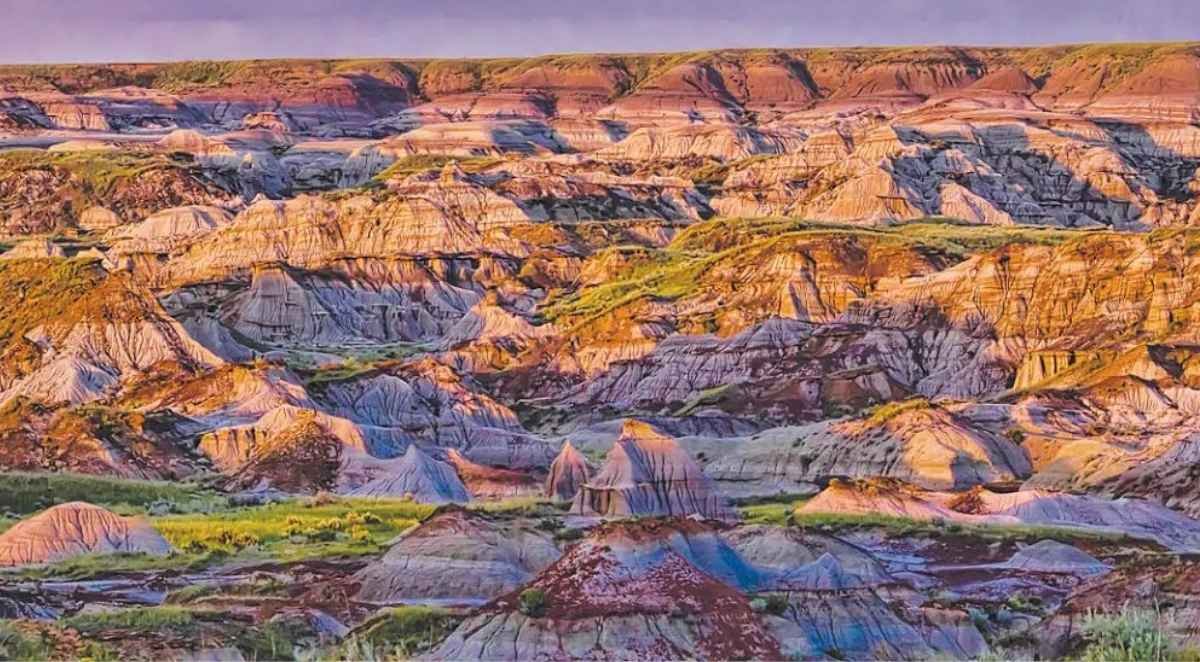
Dinosaur Provincial Park is recognized as a UNESCO World Heritage Site. This means it’s not just any park; it’s a treasure. The park showcases remarkable badlands landscapes. You’ll see striking rock formations and vibrant prairie grasslands. The colors and shapes are breathtaking. It’s a photographer’s paradise.
But that’s not all. The park is also a haven for various wildlife. You might spot bighorn sheep, coyotes, or even a rattlesnake if you’re lucky. The diverse ecosystem adds to the park’s charm. It’s a place where nature thrives. Can you imagine the thrill of seeing wildlife in their natural habitat?
"Exploring Dinosaur Provincial Park is like stepping back into time, where every rock tells a story of ancient giants." - Explorer Enthusiast
As you wander through the park, you’ll find over 30 square kilometers of stunning landscapes. Each area has its own unique features. From the dramatic badlands to the lush grasslands, there’s so much to see. You might feel like you’re in a different world. The beauty of this place is truly captivating.
In summary, Dinosaur Provincial Park is not just a destination; it’s an experience. It’s a place where you can connect with nature and history. So, pack your bags and get ready for an adventure. The park awaits you with open arms and countless stories to tell.
Planning the Route: Best Roads to Take
When you set out from Calgary, the journey to Dinosaur Provincial Park is as exciting as the destination itself. The roads you choose can transform your trip into an unforgettable adventure. So, what are the best routes to take? Let’s dive into the scenic highways and hidden gems that await you.
1. Scenic Highways from Calgary
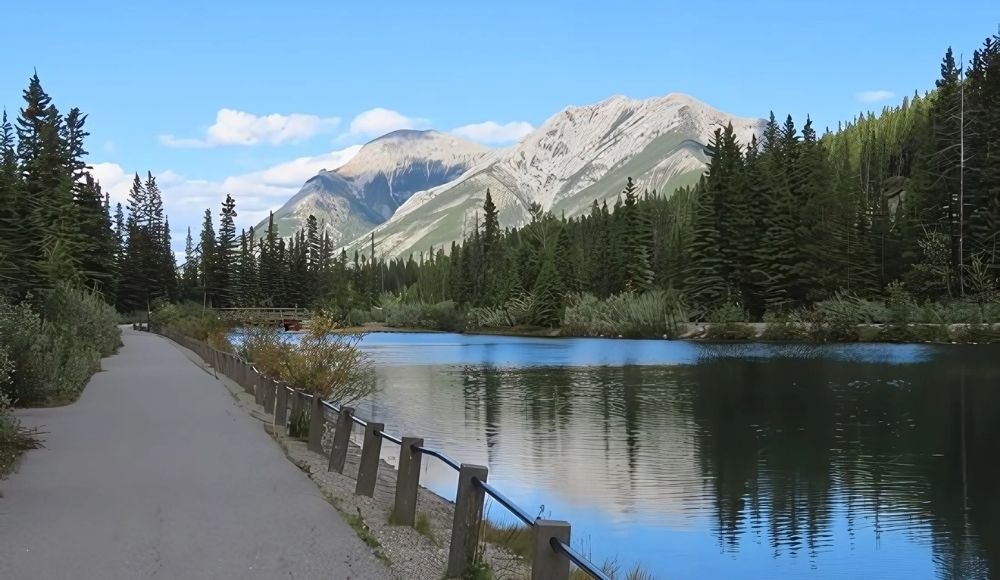
One of the best options is the Trans-Canada Highway. This highway offers stunning views of Alberta’s diverse landscapes. You’ll see rolling hills, vast prairies, and even the majestic Rocky Mountains in the distance. It’s a straight shot to your destination, making it a popular choice for travelers.
Another great option is Highway 36. This route is less traveled but equally beautiful. You’ll pass through charming small towns and open fields. It’s a perfect way to experience the local culture. Plus, it’s a chance to take those scenic photos that will make your friends envious.
2. Alternative Routes for a Unique Experience
Looking for something different? Consider taking some back roads. These routes may not be as direct, but they offer a unique perspective on Alberta’s beauty. You might stumble upon hidden lakes, wildlife, and breathtaking views that you wouldn’t see on the main highways.
Think about Highway 1A as an alternative. It winds through the countryside and offers a more leisurely drive. You’ll find quaint cafes and local shops along the way. It’s a great way to break up the journey and enjoy the local flavors.
3. Estimating Travel Times and Distances
Now, let’s talk about travel times. The drive from Calgary to Dinosaur Provincial Park is approximately 2.5 hours or 200 kilometers. This makes it an easy day trip or a weekend getaway.
Keep in mind that your travel time may vary based on the route you choose and any stops you make along the way. It’s always a good idea to check for road conditions and plan accordingly. After all, you want to enjoy the journey, not just rush to the destination.
"The road less traveled can often lead to the most memorable adventures." - Travel Blogger
Choosing the right route sets the tone for your adventure. It allows you to experience the diverse landscapes of Alberta on your way to the dinosaur riches. So, pack your bags, hit the road, and enjoy the ride!
Must-See Stops Along the Way
Traveling from Calgary to Dinosaur Provincial Park? You’re in for a treat! This journey is not just about reaching your destination; it’s about the experiences you gather along the way. Let's explore some must-see stops that will enrich your adventure.
Unique Attractions
Brooks: This small town is rich in history. Visit the Brooks Aqueduct, a fascinating piece of engineering that tells the story of Alberta's irrigation system. You can take a leisurely walk along the aqueduct and enjoy the scenery.
Drumheller: Known as the “Dinosaur Capital of the World,” Drumheller is home to the Royal Tyrrell Museum. Here, you can marvel at dinosaur fossils and learn about prehistoric life. It’s a must-visit for anyone interested in paleontology.
Horsethief Canyon: Just outside Drumheller, this canyon offers stunning views and great hiking trails. The colorful rock formations are a photographer's dream. Don’t forget your camera!
Local Eateries
What’s a road trip without good food? Alberta is known for its culinary delights. Here are some local eateries you shouldn’t miss:
Oyen’s Diner: Stop here for a hearty breakfast. The pancakes are fluffy, and the coffee is strong. It’s the perfect fuel for your journey.
The Last Chance Saloon: Located in Wayne, this quirky restaurant serves delicious burgers and has a unique atmosphere. You can even explore the nearby ghost town after your meal.
Horsethief Canyon Café: After your hike, grab a bite at this cozy café. They offer homemade soups and sandwiches that will satisfy your hunger.
Rest Areas with Stunning Views
Need a break? There are several rest areas along the route that offer breathtaking views:
Badlands Viewpoint: This spot provides panoramic views of the Badlands. It’s a great place to stretch your legs and take in the unique landscape.
Red Deer River Lookout: Stop here for a quick photo op. The river winding through the valley is a sight to behold.
Scenic Overlook at Drumheller: Just before you enter Drumheller, there’s an overlook that gives you a fantastic view of the town and the surrounding hills.
Cultural Sites
To truly appreciate Alberta, you must explore its cultural sites:
Atlas Coal Mine: Located in East Coulee, this historic site offers guided tours of a former coal mine. It’s a fascinating glimpse into Alberta’s mining history.
Royal Tyrrell Museum: As mentioned earlier, this museum is not just about dinosaurs. It also showcases the rich geological history of the area.
Local Art Galleries: Keep an eye out for small art galleries in towns like Drumheller and Brooks. They often feature local artists and unique pieces.
Remember, “Taking the scenic route is more than just a detour; it’s an opportunity to weave in local culture with your adventure.” - Travel Enthusiast. These stops turn a simple road trip into an exploration of Alberta’s culture, history, and cuisine. Enjoy the journey as much as the destination!
What to Expect at Dinosaur Provincial Park
Dinosaur Provincial Park is a treasure trove of natural wonders. You’ll find diverse wildlife and unique geology that captivates visitors of all ages. Imagine walking through a landscape that feels like a scene from a prehistoric movie. The park is home to various animals, including deer, coyotes, and even the occasional bighorn sheep. Each visit is a chance to connect with nature in a way that few places can offer.
The park's geology is equally impressive. With its stunning rock formations and vibrant colors, it’s like nature’s own art gallery. You might wonder how these formations came to be. Over millions of years, erosion and sedimentation shaped the land, creating a breathtaking backdrop for your adventures. The sheer beauty of the landscape is enough to leave you speechless.
Guided Tours for Fossil Hunting
One of the best ways to explore Dinosaur Provincial Park is through guided tours. These tours operate during the park's visitor season and provide a hands-on experience of the prehistoric era. You’ll have the opportunity to uncover fossils and learn about the ancient creatures that once roamed this land. It’s not just a tour; it’s an adventure into the past.
Imagine holding a piece of history in your hands. The guides are knowledgeable and passionate, making the experience even more enriching. They share fascinating stories about the fossils and the history of the area. You’ll leave with a deeper appreciation for the natural world and its history.
Camping Facilities and Tips
If you want to immerse yourself in the beauty of Dinosaur Provincial Park, consider camping. The camping facilities are well-equipped and provide an excellent opportunity to connect further with nature. Imagine sitting around a campfire under a blanket of stars, listening to the sounds of the wilderness. It’s a perfect way to unwind and enjoy the great outdoors.
When planning your stay, remember to pack essentials like food, water, and camping gear. The park offers various campsites, so you can choose one that fits your needs. Some sites are more secluded, while others are closer to amenities. Make sure to check availability and book in advance, especially during peak season.
Essential Information for Families
Visiting Dinosaur Provincial Park is a fantastic family adventure. There are plenty of activities suitable for kids and adults alike. From fossil hunting to hiking trails, there’s something for everyone. Make sure to bring comfortable shoes for walking and plenty of water to stay hydrated.
Safety is also a priority. Keep an eye on your children and educate them about wildlife. It’s important to respect the animals and their habitat. The park is a living museum; as a park ranger once said,
“Dinosaur Provincial Park is unlike any park; it’s a living museum of Earth’s ancient past.”
This quote perfectly captures the essence of the park.
So, are you ready for an unforgettable experience? Dinosaur Provincial Park awaits with its wonders and adventures. Whether you’re a solo traveler, a couple, or a family, this park has something special for you. Get ready to explore the past and create lasting memories!
Tips and Tricks for the Perfect Visit
Planning a trip to Dinosaur Provincial Park? You’re in for a treat! This stunning park is home to some of the most incredible landscapes and fossil finds in Canada. But before you set off, there are a few essential tips to keep in mind. Preparation is key to ensuring your excursion is smooth and enjoyable. Here’s how you can make the most of your visit.
Packing Essentials
First things first: packing. What should you bring? Here’s a quick list of essentials:
Comfortable Footwear: You’ll be doing a lot of walking. Make sure your shoes are sturdy and comfortable.
Weather-Appropriate Clothing: The weather can change quickly in the park. Layering is your best friend.
Water and Snacks: Stay hydrated and energized. Bring plenty of water and some light snacks.
Sun Protection: Sunscreen, hats, and sunglasses are a must. The sun can be intense.
Camera: Capture the breathtaking views and unique wildlife. You’ll want to remember this trip!
Remember, packing wisely can make your trip much more enjoyable. You don’t want to be caught unprepared.
Safety Precautions
Exploring the park is exciting, but it’s important to be cautious. Here are some safety tips:
Stay on Marked Trails: This is crucial for your safety and the protection of the ecosystem. Straying off the path can lead to accidents and harm to the environment.
Wildlife Awareness: Keep a safe distance from animals. They are wild and unpredictable. Never feed them!
Emergency Kit: Carry a small first aid kit. It’s better to be prepared for minor injuries.
Inform Someone: Let someone know your plans. This is especially important if you’re hiking alone.
By following these precautions, you can enjoy the park while keeping yourself safe.
Respecting Wildlife and Nature
Respecting the park’s wildlife and natural beauty is essential. How can you do this? Here are some tips:
Leave No Trace: Pack out what you pack in. Don’t leave trash behind.
Observe from a Distance: Use binoculars or a zoom lens for wildlife viewing. This keeps both you and the animals safe.
Stay on Trails: This protects the delicate ecosystems in the park. It’s important for conservation.
By respecting nature, you help preserve the park for future visitors.
Leveraging Resources
Finally, leverage available resources for planning your visit. The park’s official website is a treasure trove of information. You can find maps, trail guides, and tips for your trip. Local visitor centers also offer insights and advice. Don’t hesitate to ask rangers for recommendations. They know the park well and can point you to hidden gems.
As you prepare for your adventure, remember: “A great trip is not just about the destination but also about how well you prepare for it before you go.” - Travel Expert. With these tips, you’ll be ready to explore Dinosaur Provincial Park safely and respectfully. Enjoy your journey!
TL;DR: Traveling from Calgary to Dinosaur Provincial Park offers an exhilarating blend of nature, history, and unforgettable experiences. Plan your trip with tips on the best routes, stops, and park highlights.
Alberta's provincial parks offer a diverse range of natural wonders, from towering mountains to serene lakes and ancient fossil beds. These protected areas provide countless opportunities for outdoor activities such as hiking, camping, and wildlife viewing, making them ideal destinations for nature enthusiasts and adventure seekers.
In 2023, Alberta's parks welcomed visitors from 36 countries, which highlighted their global appeal. With over 470 provincial parks and recreation areas, including 250 campgrounds and nearly 14,000 campsites, Alberta offers ample space for exploration and relaxation.
Whether you're interested in discovering Indigenous rock art, exploring UNESCO World Heritage Sites, or simply enjoying the great outdoors, Alberta's provincial parks have something that makes them worth visiting.
In this guide, we'll explore 12 of the best provincial parks in Alberta. Each offers unique landscapes and experiences. From the rugged terrains of Peter Lougheed Provincial Park to the ancient rock art of Writing-on-Stone Provincial Park, these destinations showcase the rich natural and cultural heritage of the province.
1. Peter Lougheed Provincial Park
Peter Lougheed Provincial Park, located in Kananaskis Country, Alberta, spans 304 square kilometres, making it one of the province's largest parks. Established in 1977 and renamed in 1986 to honour Premier Peter Lougheed, the park features rugged mountains, clear lakes, and diverse wildlife, including grizzly bears, elk, and bighorn sheep.
Visitors can enjoy over 85 kilometres of groomed cross-country ski trails in winter and numerous hiking and biking trails in summer. The park offers six vehicle-accessible campgrounds and six backcountry campgrounds, totalling 546 and 83 campsites respectively. Anglers can fish in the Kananaskis Lakes, while hikers can explore trails leading to Banff National Park and Elk Lakes Provincial Park.
For those seeking a more comfortable stay, the William Watson Lodge provides accessible accommodations with stunning views of the surrounding landscape. The park's diverse ecosystems and recreational opportunities make it a must-visit destination for nature enthusiasts and adventurers.
2. Writing-on-Stone Provincial Park
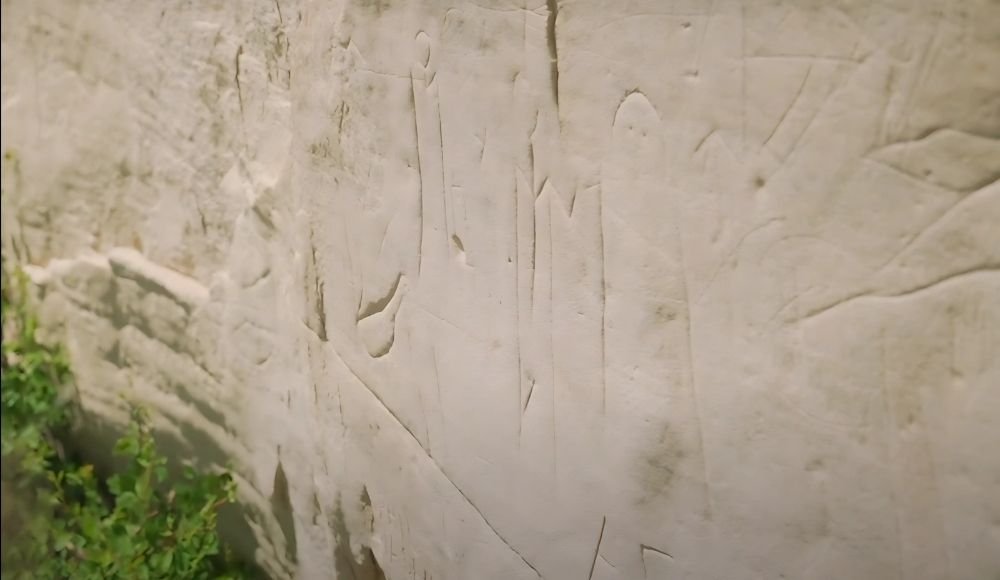
Writing-on-Stone Provincial Parkis located in southeastern Alberta, it is renowned for its rich cultural heritage and striking natural features. The park is home to the largest collection of Indigenous rock art on the North American plains, with over 50 petroglyph sites and thousands of works. These ancient carvings and paintings, created by the Blackfoot people, offer a glimpse into the region's deep-rooted history.
In 2019, Writing-on-Stone / Áísínai’pi was designated a UNESCO World Heritage Site, recognizing its outstanding universal value. The park's unique sandstone formations, known as hoodoos, have been sculpted by erosion over millennia and create a surreal landscape that attracts visitors worldwide.
Visitors can participate in guided tours led by Alberta Parks interpreters, who provide insights into the petroglyphs and the cultural significance of the area. The park also offers hiking trails that wind through the hoodoos and along the Milk River, allowing for immersive exploration of this unique environment.
Cultural programs and events are held throughout the year, they offer a deeper understanding of the traditions and practices of the Indigenous people who have lived in the area for thousands of years.
3. Dinosaur Provincial Park
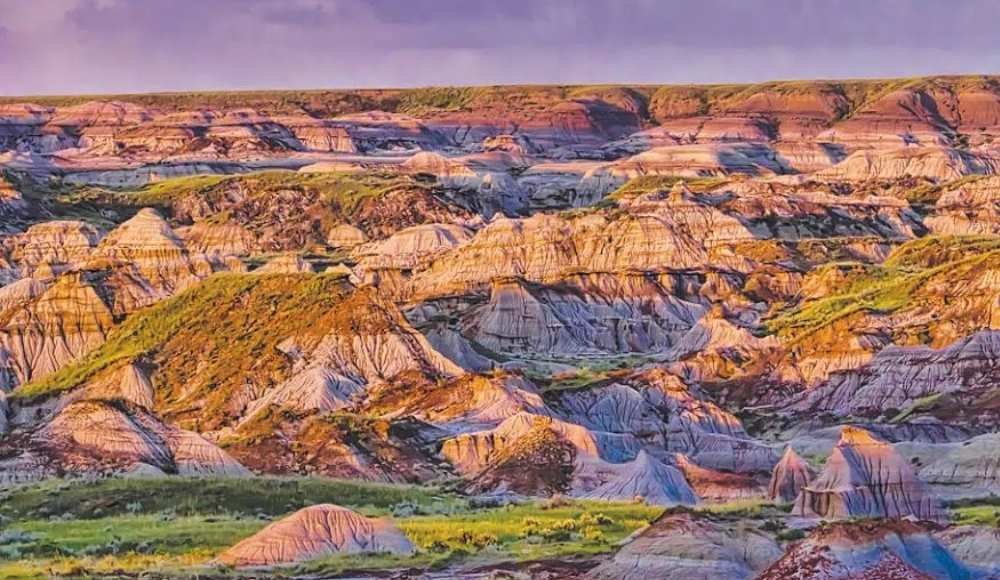
Located in the badlands of southeastern Alberta, the Dinosaur Provincial Parkis renowned for its rich fossil beds and striking badlands scenery. Established in 1955, the park spans nearly 29 square miles (75 square kilometres) and offers visitors a unique glimpse into Earth's prehistoric past.
Recognized as a UNESCO World Heritage Site, the park has yielded over 150 complete dinosaur skeletons, representing more than 50 species. These discoveries make it one of the world's most significant paleontological sites. The park's unique landscape, characterized by eroded sandstone formations and hoodoos, provides a stunning backdrop for exploration.
Visitors can participate in guided fossil tours, offering insights into the park's ancient inhabitants and ongoing research. The park also features several hiking trails, such as the Badlands Trail and the Cottonwood Flats Trail.
Camping facilities are available, including both front-country and backcountry options, which enable guests to fully experience the park's natural beauty.
4. Lesser Slave Lake Provincial Park
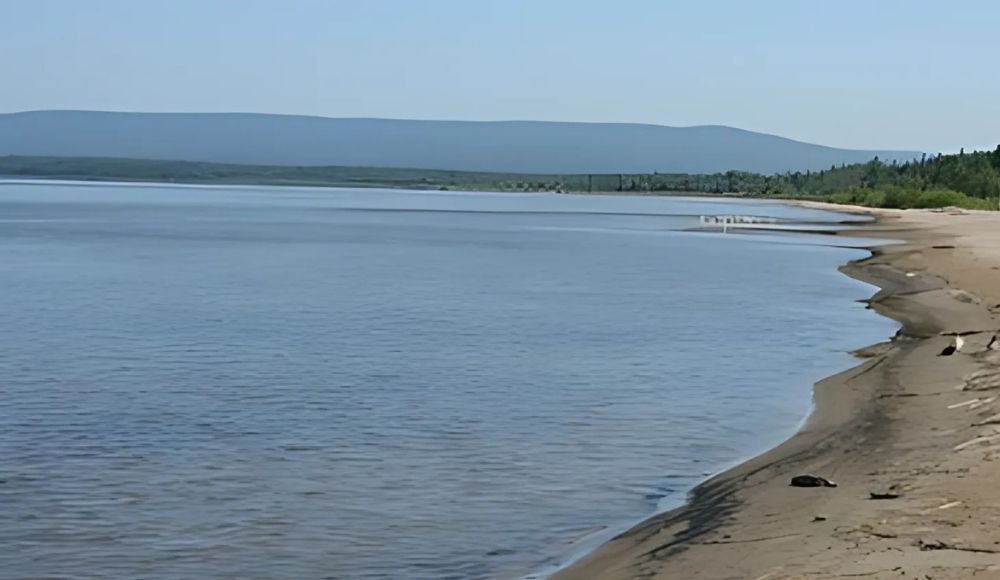
Lesser Slave Lake Provincial Park is in northern Alberta, the provincial park is home to one of the largest lakes in Alberta, covering approximately 1,160 square kilometres. The park's diverse landscapes include sandy beaches, boreal forests, and wetlands.
The park is renowned for its exceptional birdwatching opportunities, with over 246 bird species recorded, including 23 species of wood warblers. The Boreal Centre for Bird Conservation, situated within the park, serves as an education and research hub, it offers interactive exhibits and information on the region's avian inhabitants.
Visitors can enjoy a variety of recreational activities such as boating, fishing, and camping. The Marten River Campground provides well-equipped sites, while the Marten Mountain Viewpoint offers panoramic views of the lake and surrounding area. Hiking trails, including the Songbird Trail and Lily Lake Trail, cater to different skill levels, allowing guests to explore the park's natural beauty.
5. Kinbrook Island Provincial Park
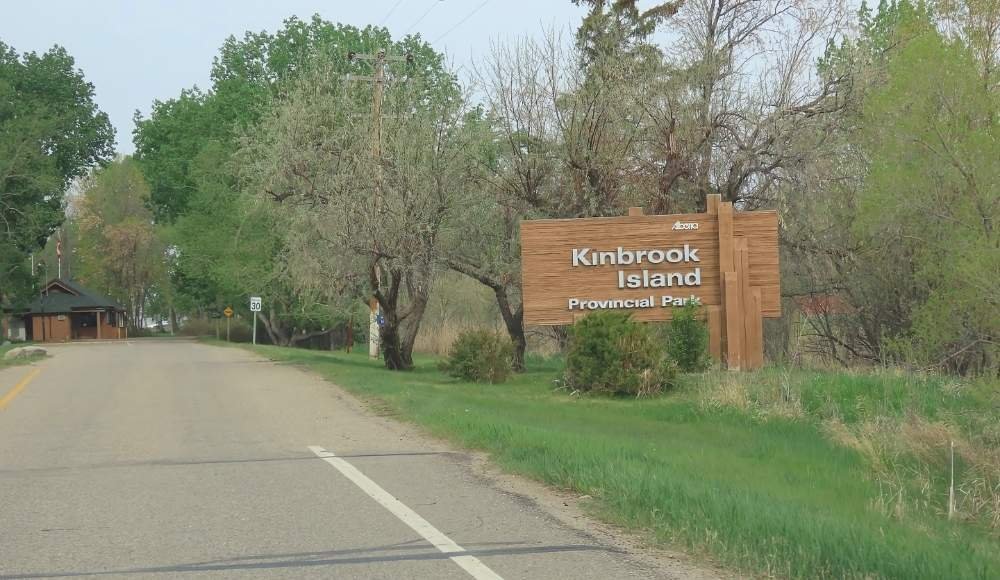
Kinbrook Island Provincial Park is on the eastern shore of Lake Newell in southern Alberta and offers visitors sandy beaches and warm waters. This place is one of the best destinations for swimming and water sports. Established in 1951, the park spans approximately 11 square kilometres and is situated about 13 kilometres south of Brooks, Alberta.
The park provides a variety of recreational activities, including canoeing, kayaking, sailing, fishing, and power boating. An interpretive trail through nearby wetlands offers excellent bird-watching opportunities, with species such as American white pelicans and great blue herons commonly observed.
Camping facilities at Kinbrook Island Provincial Park include 199 sites suitable for both RVs and tents, with options for powered and unserviced sites. Amenities such as showers, flush toilets, and a playground are available to enhance the camping experience.
6. Castle Provincial Park
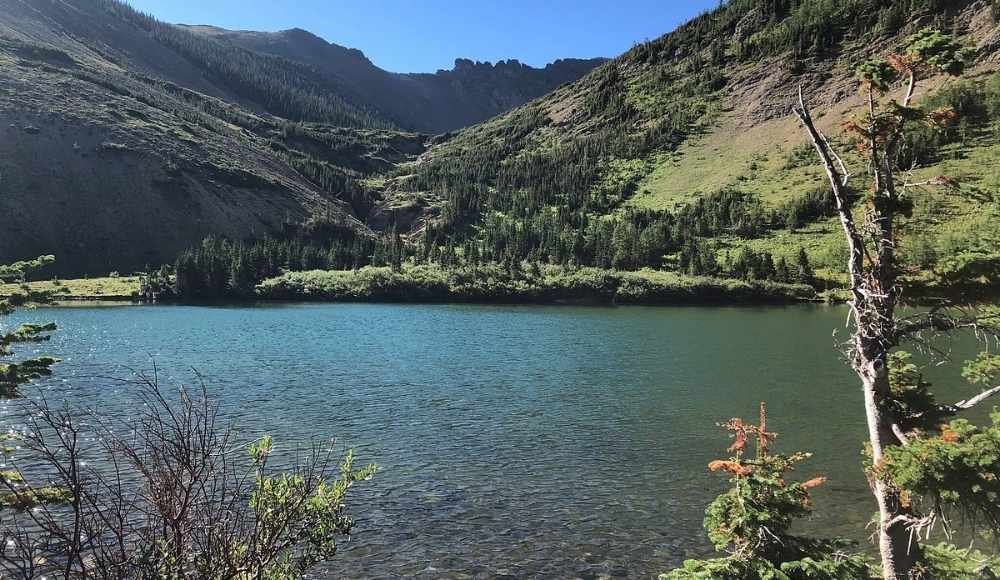
Castle Provincial Park is located between Pincher Creek and Crowsnest Pass in southwestern Alberta, it spans over 25,000 hectares and was established in 2017. The park features diverse topography, including rugged mountains, rolling hills, and clear lakes.
The park offers a variety of recreational activities throughout the year. In warmer months, visitors can explore numerous hiking trails that cater to different skill levels, such as the Syncline River Loop and Southfork Lakes Trail. These trails provide opportunities to experience the park's natural beauty and observe wildlife.
During winter, Castle Mountain Ski Resort, which is within the park, becomes a popular destination for skiing and snowboarding. The resort offers a range of slopes suitable for beginners to advanced skiers. Additionally, the park provides camping facilities, including designated camping areas and comfort camping options.
7. Elbow-Sheep Wildland Provincial Park
Elbow-Sheep Wildland Provincial Park is in Kananaskis Country, Alberta, it spans approximately 816 square kilometres, making it one of the largest protected areas in the province. Established in 1996, the park features rugged terrain, including towering peaks, deep valleys, and pristine rivers.
The park is a haven for backcountry enthusiasts, it provides numerous trails that cater to various skill levels. Popular routes include the Wasootch Ridge Trail, known for its panoramic views, and the Picklejar Lakes Trail, which leads to a series of picturesque alpine lakes. These trails offer hikers the opportunity to explore diverse landscapes, from dense forests to open meadows.
Wildlife viewing is a highlight in Elbow-Sheep Wildland Provincial Park. Visitors may encounter species such as grizzly bears, elk, and bighorn sheep. Birdwatchers can also observe a variety of bird species, including golden eagles and peregrine falcons. The park's diverse ecosystems support a rich array of flora and fauna, and that makes it a prime location for nature observation and photography.
8. Bow Valley Provincial Park
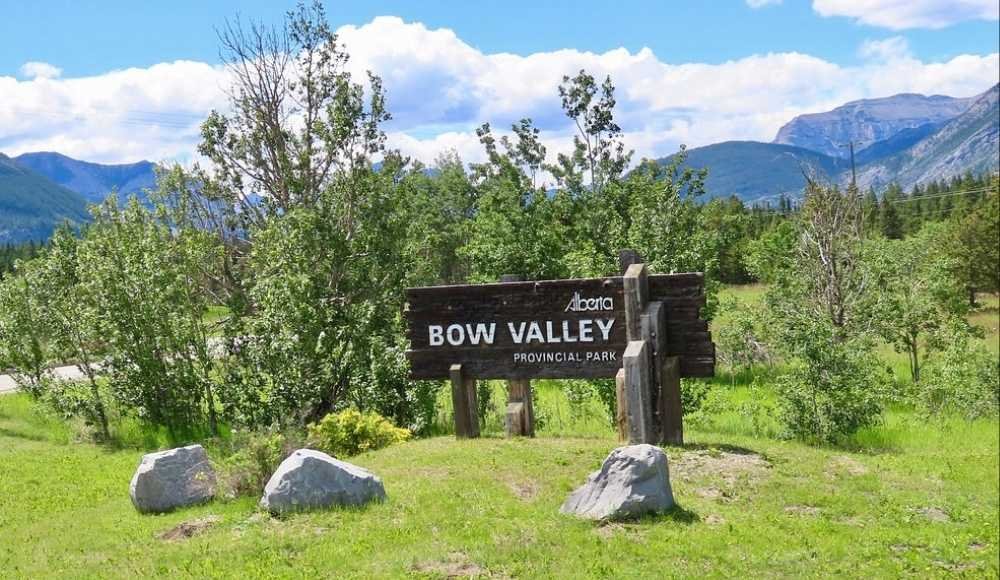
Like the Elbow-Sheep Provincial Park above, Bow Valley Provincial Park is also in Kananaskis Country and it offers a unique blend of prairie and mountain landscapes. Established in 1959, the park spans approximately 32.87 square kilometres and is situated at the confluence of the Bow and Kananaskis Rivers.
The park features numerous trails suitable for various skill levels. Popular options include the Bow River Trail, which offers scenic views of the river and surrounding mountains, and the Many Springs Trail, known for its interpretive signs and diverse plant life. These trails provide opportunities for hiking, wildlife viewing, and photography.
Camping facilities in Bow Valley Provincial Park cater to both tent and RV campers. The Bow Valley Campground offers sites with amenities such as power and water hookups, showers, and playgrounds.
Fishing enthusiasts can also enjoy angling in the Bow River, as this place is known for its trout population. The park's diverse ecosystems and recreational opportunities make it a popular destination for outdoor enthusiasts.
9. Ram Falls Provincial Park
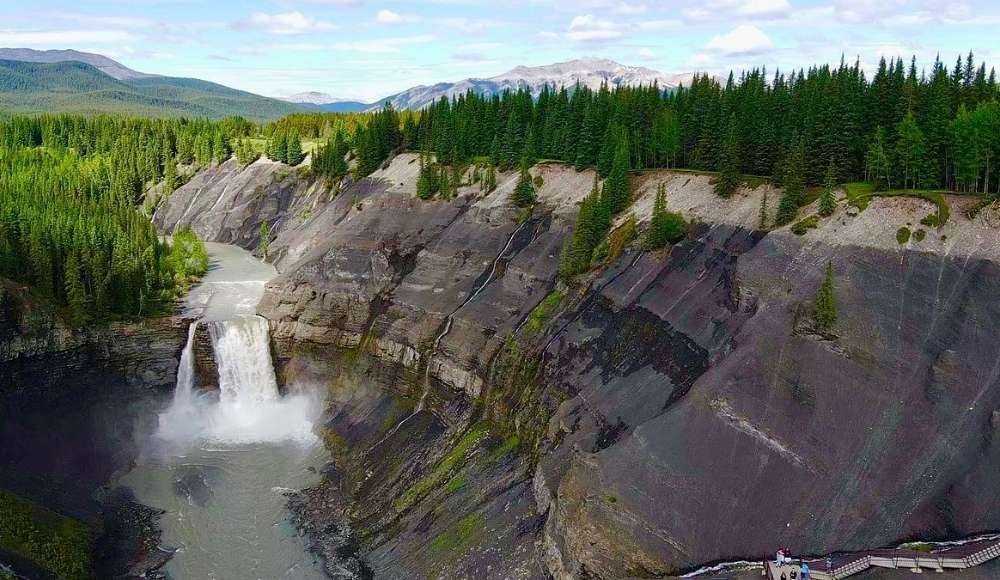
Ram Falls Provincial Park is in west-central Alberta, the park offers visitors a chance to experience one of the province's most stunning natural features—a 20-meter waterfall cascading into the Ram River.
The park is situated approximately 64 kilometres south of Nordegg along Highway 734, also known as the Forestry Trunk Road. The journey to the park involves travelling on gravel roads, which can be rough and winding, so it's advisable to check current road conditions before departing.
Upon arrival, a short walk from the parking area leads to a viewing platform that provides breathtaking vistas of the falls and the surrounding river valley. The sound of the water plunging into the canyon below is both powerful and mesmerizing.
For those interested in hiking, the park offers trails that meander through the forested landscape, allowing for exploration of the area's natural beauty. Anglers will find opportunities to fish in the Ram River, which is known for its populations of bull trout and mountain whitefish.
Wildlife enthusiasts may encounter bighorn sheep along the riverbanks, as these iconic animals are commonly seen in the area. The park's rustic campground provides a peaceful setting for overnight stays, with basic amenities such as vault toilets.
It's important to note that there is no firewood or drinking water available on-site, so visitors should come prepared. Also, another heads up is that there is no cell phone reception in the area, so you need to prepare yourself.
10. Aspen Beach Provincial Park
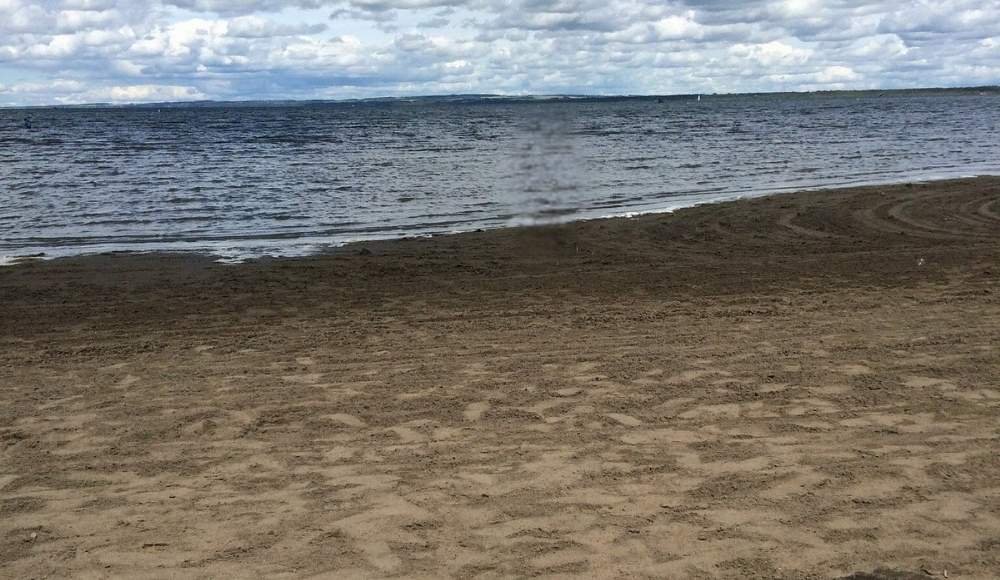
Aspen Beach Provincial Park was established in 1932 as Alberta's first provincial park, it is located near Lacombe in central Alberta. The park is situated on the southern shores of Gull Lake, so it offers visitors sandy beaches and warm, shallow waters which are ideal for swimming and boating.
The park features two main campgrounds: Brewers and Lakeview. Brewers Campground is popular for its proximity to the beach and offers a large number of powered campsites suitable for tents, trailers, and large RVs. Lakeview Campground provides open, pull-through sites with full hookups, powered sites, and unserviced sites. Amenities include boat launches, playgrounds, trails, and a concession stand.
Visitors can enjoy various recreational activities such as swimming, boating, fishing, and hiking. The park's sandy beaches and warm waters make it a popular destination for families during the summer months.
11. William A. Switzer Provincial Park
William A. Switzer Provincial Park is located near Hinton, Alberta, and spans over 63 square kilometres of diverse forests and pristine lakes. This park offers a tranquil retreat into nature, with its serene landscapes providing a perfect backdrop for various outdoor activities.
During the summer months, the park's extensive network of trails caters to hikers of all skill levels. One of my personal favourites is the Friendly Vista Trail, which offers a gentle hike through lush forests and along the shores of Jarvis Lake.
The park's five lakes, including Gregg Lake and Jarvis Lake, are ideal for canoeing, kayaking, and fishing. Camping enthusiasts can choose from several campgrounds, such as Gregg Lake Campground, which offers well-maintained sites and modern amenities.
As winter sets in, the park transforms into a haven for cross-country skiing and snowshoeing. The Hinton Nordic Centre is right within the park and boasts over 35 kilometres of groomed trails suitable for both classic and skate skiing.
12. Crimson Lake Provincial Park
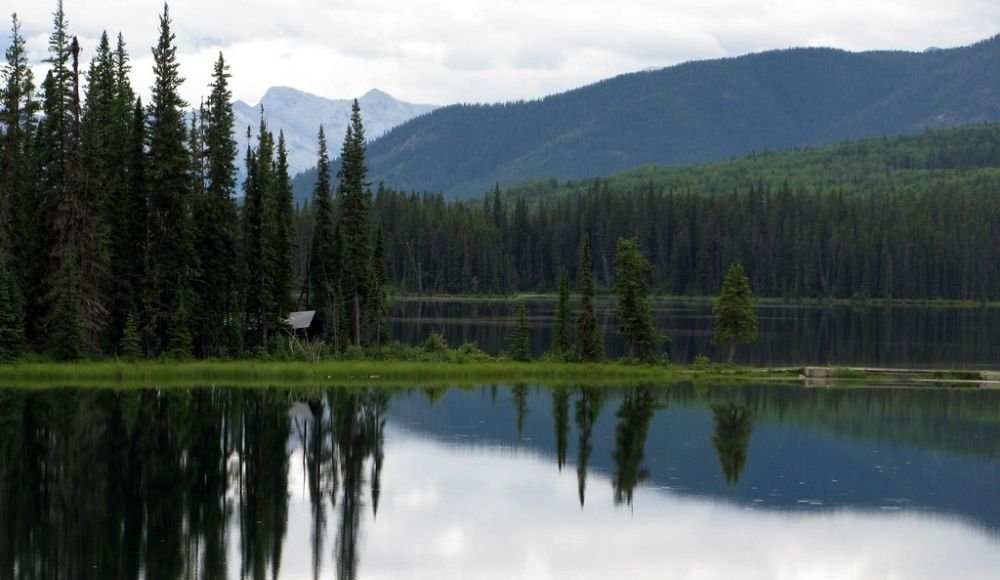
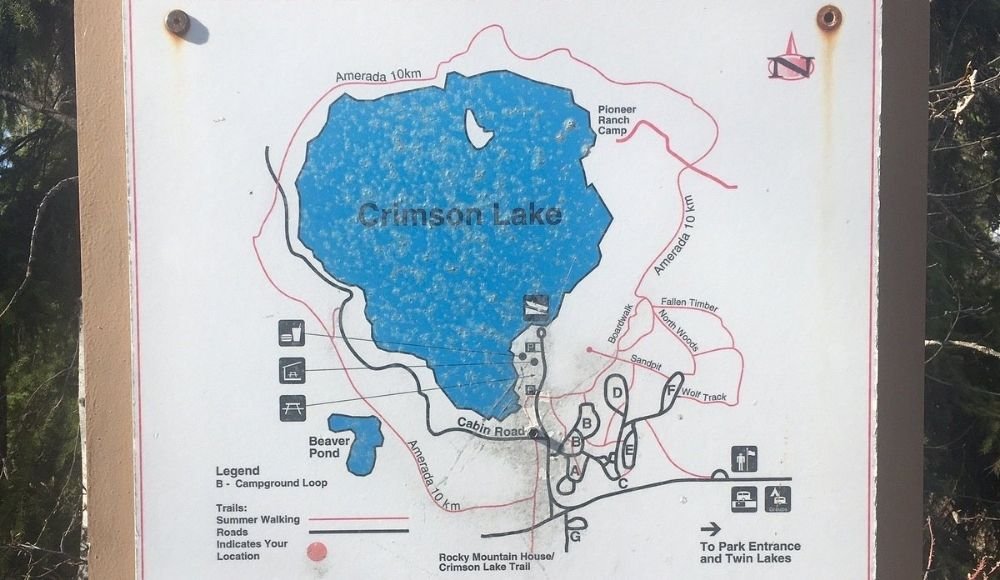
Crimson Lake Provincial Park is just 14 kilometres west of Rocky Mountain House. It offers a serene escape into nature. The park's centrepiece is its clear, shallow lake, which is ideal for swimming, boating, and fishing. The sandy beach area is perfect for families looking to relax by the water, and the boat launch provides easy access for those eager to explore the lake by canoe or kayak.
The park boasts over 20 kilometres of well-maintained trails for hiking and biking enthusiasts. The Amerada Trail, a 10-kilometer loop, circles the lake and offers picturesque views of the surrounding forest and wetlands. Along the way, you'll find benches and viewpoints, perfect spots to pause and take in the natural beauty. The trails are relatively flat, making them accessible for all skill levels.
Camping at Crimson Lake is a delightful experience. The campground offers 161 powered sites, accommodating both tents and RVs. Amenities include showers, flush toilets, and a playground. The park is open year-round, with winter camping available on a first-come, first-served basis.
Conclusion on Provincial Parks in Alberta
Alberta's provincial park is a must-visit destination for anyone who wants to immerse themselves in nature. These parks offer diverse landscapes and activities, which make them must-visit destinations.
From the rugged mountains of Peter Lougheed Provincial Park to the ancient rock art at Writing-on-Stone Provincial Park, each park provides unique experiences. Visitors can immerse themselves in nature through activities like hiking, fishing, and wildlife viewing.
Camping in these parks enhances the experience, allowing for a deeper exploration of Alberta's natural beauty. Whether setting up a tent at a lakeside campground or staying in a backcountry site, the province's parks cater to all preferences. Planning a trip to an Alberta provincial park is an excellent way to connect with nature and create lasting memories.
FAQs
How many provincial parks are in Alberta?
As of December 2023, Alberta manages 77 provincial parks and 34 wildland provincial parks, totalling 111.
What are the 5 national parks in Alberta?
The five national parks in Alberta are Banff, Jasper, Waterton Lakes, Elk Island, and Wood Buffalo.
What are 3 interesting provincial parks in Alberta?
Three notable provincial parks in Alberta are Writing-on-Stone Provincial Park, Dinosaur Provincial Park, and Peter Lougheed Provincial Park.
What is the oldest provincial park in Alberta?
Aspen Beach Provincial Park, established in 1932, is Alberta's oldest provincial park.
What is the best Provincial Park?
The "best" provincial park varies based on individual preferences; however, Writing-on-Stone Provincial Park is renowned for its unique sandstone formations and Indigenous rock art.
The Dinosaur Provincial Park in southeastern Alberta, Canada, is renowned for its rich fossil beds and striking badlands scenery. Established in 1955, the park spans over 73 square kilometres and offers visitors a unique glimpse into Earth's prehistoric past. The park's diverse landscapes, including rugged badlands, lush river valleys, and unique sandstone formations, provide a stunning backdrop for exploration and discovery.
In 1979, Dinosaur Provincial Park was designated a UNESCO World Heritage Site due to its outstanding universal value. This recognition highlights the park's exceptional contribution to our understanding of the Age of Reptiles, with over 35 species of dinosaurs discovered here, dating back approximately 75 million years.
The park's well-preserved fossils and unique geological features make it a significant site for both scientific research and public education.
Visitors to Dinosaur Provincial Park can engage in a variety of activities, including guided fossil tours, hiking through the badlands, and exploring the park's visitor center, which offers informative exhibits about the area's natural history.
Why You Need to Visit
Dinosaur Provincial Park is a must-visit destination for anyone interested in Earth's prehistoric past. The park's rich fossil beds have yielded over 35 dinosaur species, and that makes it one of the world's most significant paleontological sites.
Exploring these ancient grounds offers a unique opportunity to connect with the creatures that once roamed here millions of years ago.
Beyond its paleontological significance, the park's unique badlands landscape provides stunning scenery. Eroded sandstone formations, hoodoos, and coulees create a surreal environment that captivates photographers, hikers, and nature enthusiast. The interplay of light and shadow across the rugged terrain offers breathtaking views, especially during sunrise and sunset.
Visitors can enhance their experience through educational opportunities available at the park. Guided tours led by knowledgeable interpreters delve into the area's geology and fossil history, providing insights into the processes that shaped this remarkable landscape.
The visitor center features exhibits showcasing fossil displays and interactive learning stations, making it an engaging destination for families and individuals eager to learn more about the Earth's ancient history.
When to VisitDinosaur Provincial Park
The ideal time to visit Dinosaur Provincial Park is between May and September, when the weather is warm and dry, that time make outdoor activities more enjoyable. During these months, temperatures typically range from 15°C to 25°C, which provides a comfortable condition for hiking and exploring the park's unique badlands landscape.
Visiting during the off-season, from October to April, offers a more solitary experience with fewer visitors. However, services are limited during this time. The Visitor Centre may have reduced hours or be closed, and guided tours are less frequent or unavailable.
Dinosaur Provincial Park Weatherconditions can also be more unpredictable, with cooler temperatures and potential for snow, which may affect accessibility to certain areas of the park. If you prefer a quieter visit and are prepared for these limitations, the off-season can still provide a unique and peaceful experience.
How to Get There
Dinosaur Provincial Park is situated 48 kilometers northeast of Brooks, Alberta, and approximately 2.5 hours by car from Calgary. It's important to note that the park is not located in Drumheller; instead, Brooks serves as the nearest city for accessing the park.
To reach the park from Brooks, drive north on Highway 873 for about 11 kilometres. Then, turn east onto Highway 544 and continue for approximately 14 kilometres, following signs toward Patricia and Jenner. Look for the big blue Dinosaur Provincial Park signs, and turn north onto P.R. #130 at the Dinosaur Country Store landmark. Proceed for 5 kilometres to a four-way stop, turn east, and follow the paved road for about 15 kilometres along Little Sandhill Creek coulee to the park entrance.
For GPS navigation, use the coordinates Latitude: 50.7537 and Longitude: -111.528. Be aware that some GPS systems may not display tertiary roads like P.R. #130. Ensure your vehicle has sufficient fuel before departing, as the closest fuel stations are in Brooks (48 km away) or Duchess (42 km away).
Visitor Centre and Museum
The park's Visitor Centre and guided tours operate primarily during this peak season. The Visitor Centre offers exhibits and educational programs that enhance your understanding of the area's rich fossil history.
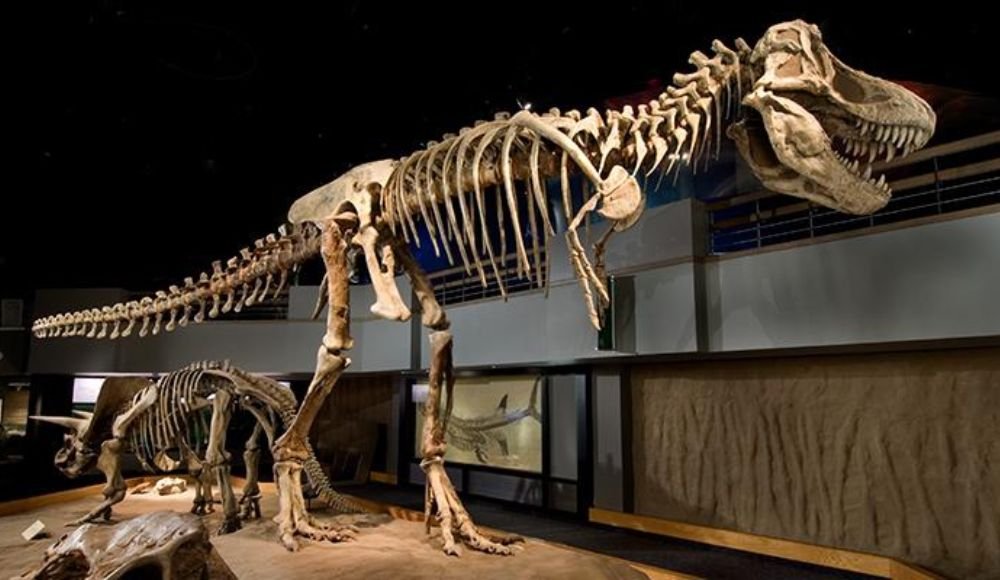
Visitors can explore displays featuring dinosaur skeletons, fossil replicas, and interactive elements that provide insights into the area's prehistoric past.
Educational programs are available for all ages, including fossil casting workshops, and interpretive hikes led by knowledgeable staff. These programs deepen understanding of paleontology and the park's natural history, making learning both fun and informative.
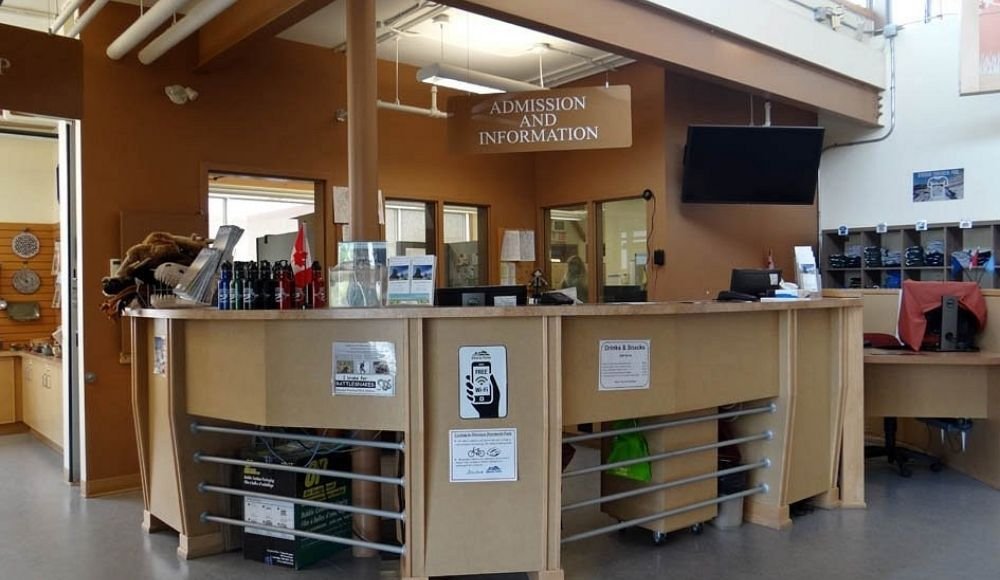
The Visitor Centre enhances the overall experience by serving as an information hub, offering resources on park activities, trail maps, and safety guidelines. Its knowledgeable staff are ready to answer questions and provide recommendations, ensuring visitors make the most of their time in the park.
Guided Tours and Activities
Dinosaur Provincial Park offers a variety of guided tours that allow visitors to explore its unique landscape and rich fossil history. One popular option is the Explorer's Bus Tour, which takes you through restricted areas of the park, providing insights into its geology and paleontology. Another engaging activity is the Fossil Safaris, where participants can search for and learn about fossils in the field.
For those who prefer self-guided exploration, the park features several well-marked hiking trails suitable for various skill levels. The Badlands Trail, a 1.4 km loop, offers an easy walk-through striking badlands scenery. The Cottonwood Flats Trail, at 1.4 km, provides a leisurely stroll along the Red Deer River, ideal for birdwatching. These trails are equipped with interpretive signs that enhance your understanding of the area's natural and cultural history.
Before embarking on any activity, it's advisable to check the park's official website or contact the Visitor Centre for the latest information on tour schedules, trail conditions, and any necessary permits. This ensures a safe and enjoyable experience while exploring the park's remarkable features.
Dinosaur Provincial Park Camping and Accommodation
Dinosaur Provincial Park offers a well-equipped campground located in a valley by the Red Deer River, shaded by cottonwood trees. The campground features over 120 sites suitable for both RVs and tents, including unserviced, powered, and pull-through options. Amenities include showers, flush toilets, a playground, and a concession stand.
For a unique experience, consider the park's comfort camping options, such as DinosaurWall Tents that provide a more luxurious stay while keeping you close to nature. These accommodations come furnished and offer a comfortable alternative to traditional camping.
To secure a campsite, it's advisable to make reservations, especially during peak seasons. Reservations can be made up to 90 days in advance through the Alberta Parks online system or by calling their reservation line. Booking early increases your chances of obtaining a preferred site and ensures a smooth camping experience.
Dinosaur Provincial Park Images
Conclusion on Dinosaur Provincial Park
Dinosaur Provincial Park stands as a testament to Alberta's rich natural heritage, offering visitors an unparalleled glimpse into the prehistoric past amidst the striking badlands landscape. As a UNESCO World Heritage Site, it provides unique opportunities for education and exploration through its guided tours, extensive hiking trails, and informative exhibits.
For those seeking an immersive experience, the park's well-maintained campgrounds and comfort camping options allow guests to fully engage with the natural surroundings. Planning your visit during the peak season ensures access to a full range of services and activities, enhancing the overall experience.
By adhering to park guidelines and respecting the delicate ecosystem, visitors play a crucial role in preserving this extraordinary site for future generations. Dinosaur Provincial Park not only offers a window into Earth's distant past but also serves as a reminder of the importance of conservation and responsible tourism.
FAQs aboutDinosaur Provincial Park
What is special about Dinosaur Provincial Park?
Dinosaur Provincial Park is renowned for its exceptional concentration of dinosaur fossils, with over 44 species discovered, making it one of the world's richest fossil sites. Its unique badlands landscape offers visitors a chance to explore striking geological formations and diverse ecosystems.
Which is better, Drumheller or Dinosaur Provincial Park?
Both Drumheller and Dinosaur Provincial Park offer unique experiences related to paleontology and Alberta's badlands. Drumheller is home to the Royal Tyrrell Museum, featuring extensive dinosaur exhibits, while Dinosaur Provincial Park provides an immersive natural setting with guided tours of fossil sites. Choosing between them depends on your interests; ideally, visiting both would offer a comprehensive understanding of the region's prehistoric significance.
Is it worth it to go to Dinosaur Provincial Park?
Yes, visiting Dinosaur Provincial Park is highly worthwhile. As a UNESCO World Heritage Site, it offers unparalleled opportunities to explore one of the world's richest dinosaur fossil locales amidst stunning badland scenery.
How long do you need at Dinosaur Provincial Park?
A visit of at least one full day is recommended to explore the Visitor Centre, participate in a guided tour, and hike some of the trails. For a more in-depth experience, including multiple tours and activities, consider staying for two to three days.
Can you take fossils from Dinosaur Provincial Park?
No, removing fossils or any natural objects from Dinosaur Provincial Park is prohibited. The park is a protected area, and collecting fossils without a permit is illegal to preserve its scientific and historical integrity.
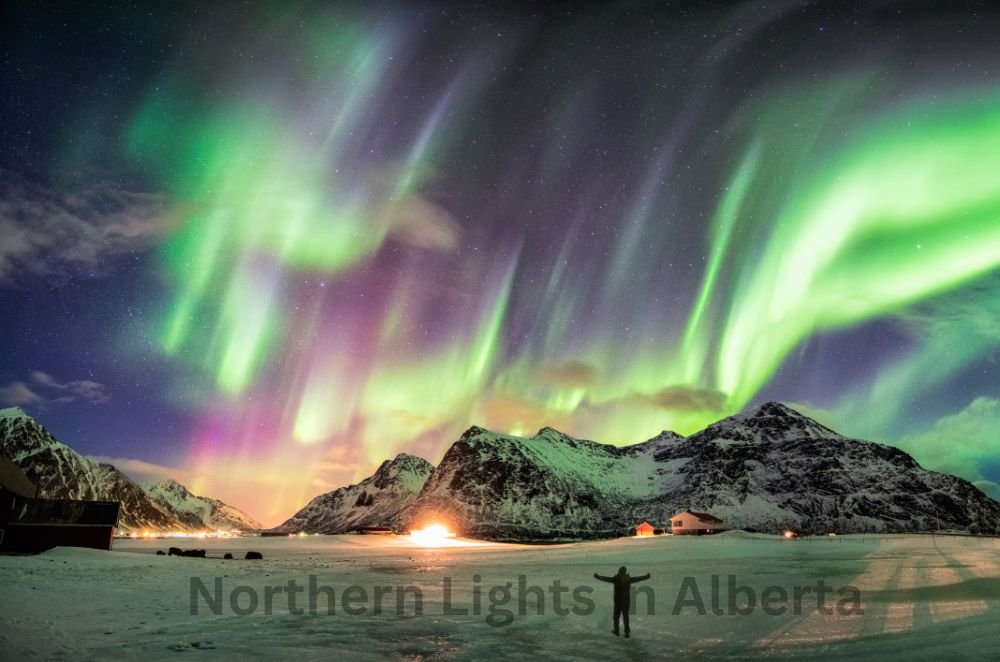
Have you ever seen the night sky come alive with swirling colours? It's not just in storybooks; this magical display is called the aurora borealis, or the Northern Lights, and Alberta is one of the best places in the world to watch this natural light show. In this guide, I’ll share the top seven spots for northern lights in Alberta where the skies light up with mesmerizing hues of green, pink, and violet.
Seeing the Northern Lights isn't just about luck; it’s about knowing where to go and when. Alberta's vast northern skies, far from city lights, offer some of the clearest views of this phenomenon. Recent statistics from local tourism boards highlight that areas like Fort McMurray and Wood Buffalo National Park not only provide prime viewing locations but also see auroral activity on more nights than many places worldwide. This is due to their favourable geographic position under the auroral oval, where solar particles collide with the Earth’s atmosphere and light up the night.
In this blog, I'm excited to take you through each location, detailing what makes each special and how you can maximize your chances of experiencing one of nature’s most stunning displays.
What is a Northern Light?
The Northern Lights are pretty popular, but what is the Northern Lights? The Northern Lights have a scientific name that is called aurora borealis and they are a kind of natural light display which are mystifying and stunning when it is dark. When particles from the Sun meet with gases in Earth’s atmosphere, the sky turns into bursts of colours.
These solar particles are left out by the planet’s magnetic field as the solar wind pushes them towards Earth. Nevertheless, some breakthroughs in polar regions, interact with oxygen and nitrogen gases causing the release of photons or tiny bundles of light that we see as auroras.
The colour of an aurora depends on the type of gas concerned and at what height above sea level the reaction occurs. Oxygen produces greenish-yellowish light, and also red light, while nitrogen causes blue or purple lights in the atmosphere.
To view the Northern Lights at their best times, visit the locations during the fall and winter months when nights are longer and skies darker. This occurrence is more than just beautiful; it is a reminder of how the planet fits within the larger universe order.
Fort McMurray is one of the great places in Alberta to view the northern lights, this is due to its location and less light pollution.
The city is right under the Aurora oval, which is a ring-shaped zone over the polar region where aurora activity is concentrated.
This unique placement means that the sky shows this magnificent aurora borealis on more nights during the year compared to other areas down South. With many clear, dark nights, your chances of seeing the lights increase during the peak viewing season from September to April.
I’ve visited Fort McMurray several times to view the northern lights, and I can say that the experience is fantastic. The auroras here range from gentle glows to vibrant dramatic dancing lights across the sky, that paint the night with incredible colours. It's a truly unforgettable sight and an absolute must-visit for anyone looking to see the Northern Lights in Alberta.
The Wood Buffalo National Park is the largest national park in the whole of Canada. This location is one of the five designated dark sky preserves in Alberta, and this allows for a great experience when watching the dancing green and purple northern lights.
When I visited, the place was so quiet, the only thing to notice was the marvellous display of the northern lights,
Besides the aurora watching, there are other things to do in Wood Buffalo Park, like hiking and bird-watching. You can also paddle along the peaceful Athabasca Delta which is known for its unique ecosystem.
Northern Lights can be witnessed at Elk Island National Park, situated to the east of Edmonton. This park is a certified dark sky preserve and therefore has little interruption in terms of light pollution of the auroras. I have always been mesmerized by the beautiful lights from mere twinkle to brilliant rays across the dark skies during my visits.
The fact that it is located near Edmonton means that the park remains a perfect getaway for a night of camping. Official statistics reveal that it has numerous auroral occurrences, especially between the period of autumn to the early spring season. In addition to viewing the Northern Lights, Elk Island offers stargazing opportunities.
Thus, visiting Elk Island National Park is not limited to the observation of the Northern Lights because there are several other activities to do. There are opportunities to view animals such as bison and elk, bike or hike on trails, or canoe or kayak on the Astotin Lake.
They also provide specific areas set aside for picnickers, making it ideal for anyone to have a lovely day out in the park. Because it’s a dark sky preserve, it offers an excellent environment for observational astronomy. For those planning on spending more days in the park, there are several campgrounds to choose from.
Of course, it has always been a pleasure to travel to Banff National Park, but watching the Northern Lights there is like being in a fairy tale. Banff is in the Canadian Rockies and has mountains and trees which when coupled with the northern light from the auroras makes the experience even more beautiful.
While Banff is a bit further south compared to other Northern Lights spots in Alberta, the skies over Lake Minnewanka as well as the region around Bow Lake offer excellent visibility on clear nights. From the current data, these areas are some of the beautiful places to watch the aurora in the park, especially during the solar maximum period when the aurora is most frequently observed.
Apart from the celestial show, Banff is a playground for the adventurous. You can go ice skating on Lake Louise, take a moonlit snowshoe tour, or simply relax in the natural hot springs after a night of aurora chasing. Each activity offers a unique way to experience the majestic setting of the park.
For the best experience of the lights, it is better to check the aurora forecast and go to the place during the new moon. This can greatly improve your chances of seeing an awesome aurora against the scenic backdrop of the Banff National Park.
Kananaskis Country, often just called K-Country by locals, is a lesser-known treasure trove for viewing the Northern Lights in Alberta. This vast area, with its rugged terrain and minimal light pollution, offers some of the darkest skies around Calgary, making it an ideal spot for catching the auroral display.
During my numerous trips to Kananaskis, I’ve found that the wide-open spaces, such as the shores of Upper Kananaskis Lake, provide a panoramic view of the sky. This not only enhances the experience but increases the chances of seeing the auroras in full glory. The absence of city lights combined with the natural landscape creates a perfect natural theatre for the lights.
Besides aurora watching, Kananaskis offers year-round outdoor activities. From hiking and mountain biking in the summer to snowshoeing and skiing in the winter, there’s always something to do. The area also features several cozy lodges where you can relax after a night under the stars.
6. Lesser Slave Lake Provincial Park
Lesser Slave Lake Provincial Park has become one of the go-to destinations for viewing the Northern Lights in Alberta. Located in the northern part of the province, this park offers a unique combination of clear skies and serene lake views, setting the stage for a remarkable auroral display.
The park's northern location is key to its charm as a Northern Lights hotspot. Statistical analysis from local astronomy groups shows that Lesser Slave Lake has a higher incidence of auroral activity than many southern locations, largely due to its proximity to the auroral zone. The best viewing times are typically from late autumn to early spring when the nights are the longest and the skies are the darkest.
Besides the breathtaking lights, Lesser Slave Lake Provincial Park is a haven for outdoor enthusiasts. Whether it's hiking along the scenic trails, bird watching, or simply enjoying the quiet of the vast wilderness, there’s plenty to do. In winter, the frozen lake becomes a playground for ice fishing and snowmobiling, offering a full day of activities before the night skies come alive.
When planning a trip here, I always remind fellow travellers to check the local weather and aurora forecasts to ensure the best possible viewing conditions. Staying a few nights greatly increases your chances of witnessing this celestial dance, and the park’s campgrounds provide the perfect spot to settle in and gaze upward.
7. Cold Lake
Cold Lake has rapidly become one of my favourite spots for catching the Northern Lights in Alberta. Situated in the northeastern part of the province, this location is prized for its clear skies and minimal light pollution, which provide optimal conditions for viewing the auroras.
What sets Cold Lake apart is its remarkable clarity. According to local meteorological data, Cold Lake experiences fewer cloudy nights compared to other regions, which maximizes the opportunities to see the Northern Lights. The lake itself, with its vast, unobstructed horizon, offers a panoramic view that enhances the visual experience. The best times to visit are during the winter months when the nights are longest and the sky is at its darkest.
Aside from the light show, Cold Lake is a hub of activity. You can explore the trails by foot or bike, go fishing on the lake, or visit the nearby Cold Lake Provincial Park for a day of adventure. In the winter, the area is perfect for cross-country skiing and snowshoeing, allowing you to enjoy a full day outdoors before the night's spectacle begins.
Make sure to check the aurora forecast to choose the best nights for viewing. Staying nearby also allows for multiple viewing attempts, increasing the likelihood of seeing the Northern Lights in all their glory.
Final Thoughts: Northern Lights in Alberta
Exploring Alberta's vast landscapes under the dance of the Northern Lights has been one of the most magical experiences I’ve had. Each location, from the remote wilderness of Wood Buffalo National Park to the accessible shores of Cold Lake, offers a unique window into this celestial phenomenon. Whether you're a seasoned aurora hunter or a first-time viewer, the places listed in this guide provide the perfect backdrop for experiencing the Northern Lights.
Remember, while the aurora borealis is elusive and sightings can never be guaranteed, choosing the right spot can significantly increase your chances. Check local forecasts, plan your visit during the darker months, and consider multiple nights of viewing to catch the spectacular display.
Alberta doesn’t just offer a glimpse of the Northern Lights; it offers a full embrace of nature's wonders, complemented by a range of activities that can enrich your experience. So, pack your bags, charge your cameras, and prepare for an unforgettable adventure under Alberta's starlit skies.
Used only with old Urchin versions of Google Analytics and not with GA.js. Was used to distinguish between new sessions and visits at the end of a session.
End of session (browser)
__utmz
Contains information about the traffic source or campaign that directed user to the website. The cookie is set when the GA.js javascript is loaded and updated when data is sent to the Google Anaytics server
6 months after last activity
__utmv
Contains custom information set by the web developer via the _setCustomVar method in Google Analytics. This cookie is updated every time new data is sent to the Google Analytics server.
2 years after last activity
__utmx
Used to determine whether a user is included in an A / B or Multivariate test.
18 months
_ga
ID used to identify users
2 years
_gali
Used by Google Analytics to determine which links on a page are being clicked
30 seconds
_ga_
ID used to identify users
2 years
_gid
ID used to identify users for 24 hours after last activity
24 hours
_gat
Used to monitor number of Google Analytics server requests when using Google Tag Manager
1 minute
_gac_
Contains information related to marketing campaigns of the user. These are shared with Google AdWords / Google Ads when the Google Ads and Google Analytics accounts are linked together.
90 days
__utma
ID used to identify users and sessions
2 years after last activity
__utmt
Used to monitor number of Google Analytics server requests
10 minutes
__utmb
Used to distinguish new sessions and visits. This cookie is set when the GA.js javascript library is loaded and there is no existing __utmb cookie. The cookie is updated every time data is sent to the Google Analytics server.