I have written numerous posts about Banff National Park on this site. Banff is a place I love to visit all the time. You can visit Banff in one day, up to 7 days or more, depending on your availability, schedule, or interest. But, in this post, I will write about how to spend your precious 3 days in Banff National Park.
A 3-day Banff and Lake Louise trip gives you enough time to enjoy the best highlights without feeling rushed. In three days, you can explore famous spots like Lake Louise, Moraine Lake, and the Banff townsite, along with scenic drives and relaxing hot springs like Banff Upper Hot Springs.
This type of itinerary is perfect for first-time visitors who want a mix of adventure, sightseeing, and downtime. With careful planning, you can fit a lot into a long weekend.
During your visit, you can expect bright blue lakes, mountain peaks, and calm forest trails. You might even spot elk, deer, or bighorn sheep along the road. Visitors also love soaking in the Banff Upper Hot Springs after a day of exploring.
With so many must-see spots close to each other, this 3-day Banff itinerary gives you a full taste of the Rockies and leaves you wanting to come back for more.
Day 1: Discover the Heart of Banff
Start at the Banff Townsite
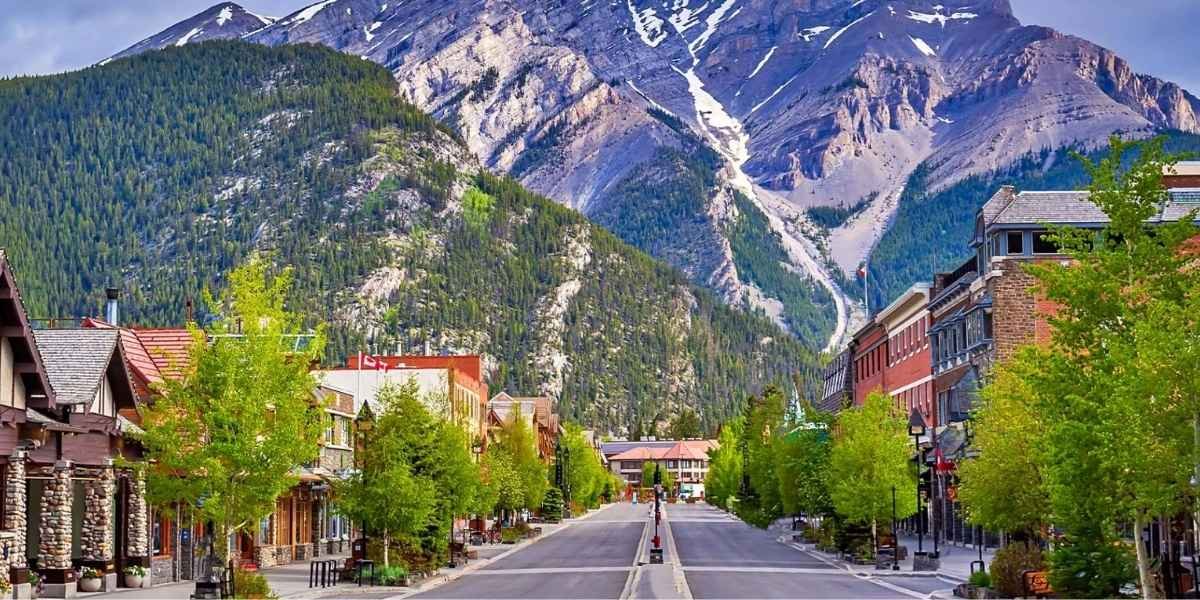
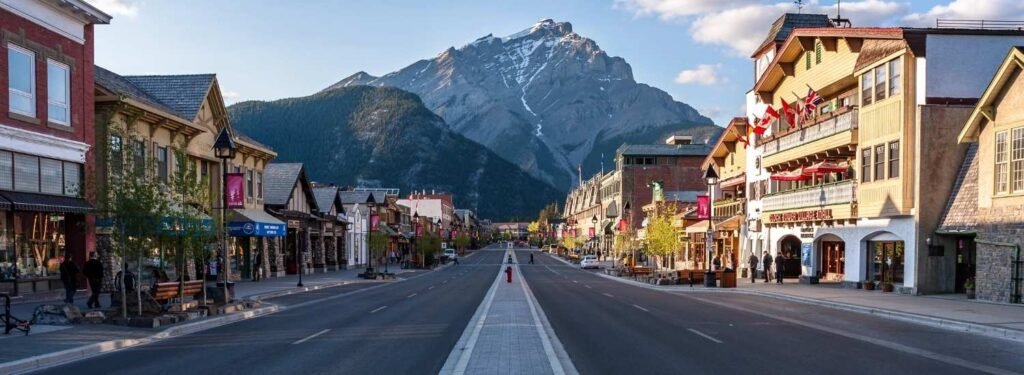
You start your first day in Banff right in the townsite because it instantly pulls you into the charm of the Rockies. Banff Avenue wakes up with energy as shops open, cafés fill with guests, and mountain views frame every corner.
You walk past local boutiques, pick up a warm drink or a fresh pastry, and take photos of the peaks that make this town so famous. Exploring the heart of Banff gives you a perfect first taste of Banff National Park.
As you stroll through the townsite, you quickly learn where everything is. Top attractions like the Bow River and Central Park sit just minutes away. Also, when you stay in Banff town, you enjoy easy access to hotels, restaurants, and public transit.
This area also gives you quick access to some of the best things to do in Banff.
Ride the Banff Gondola to Sulphur Mountain
After exploring the town, you need to head to the Banff Gondola for an incredible and exhilarating climb up Sulphur Mountain. The gondola lifts you to a whooping 7,486 feet high above the forest and gives you sweeping views of the mountains and valleys below.
When you reach the summit, you can walk onto wide viewing decks and view one of the best panoramas in the Canadian Rockies. You snap photos, breathe the crisp alpine air, and enjoy the rewarding views.
At the top, you can also explore the skywalk that leads to a historic weather station and discover several lookout areas. You can also enjoy a meal or snack at the summit restaurants, where the views make everything taste better. For photos, you can take the best ones early in the day or later in the afternoon when the light hits the peaks for the best sunset experience.
Visit Bow Falls
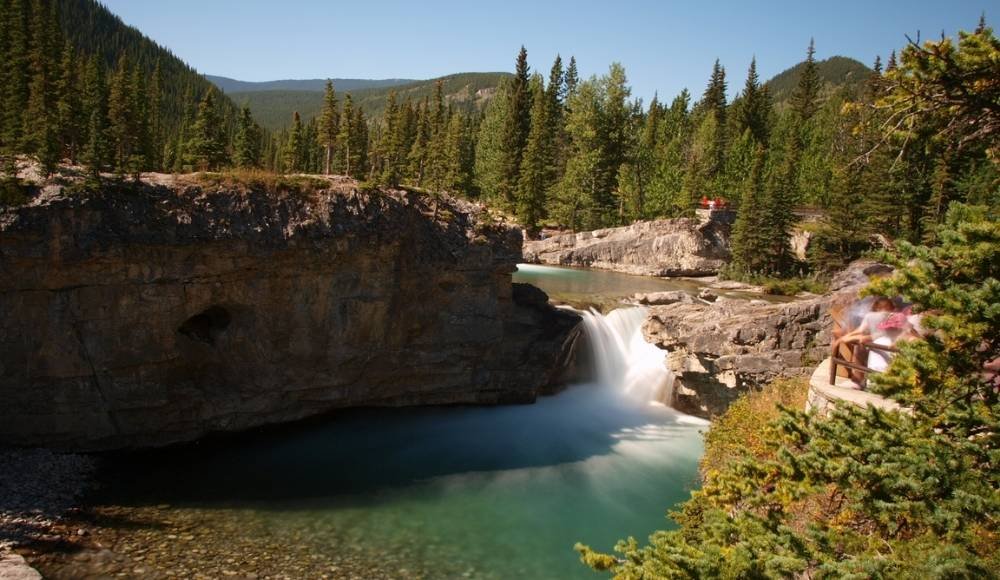
After coming down from Sulphur Mountain, you need to visit the Bow Falls. You can reach it by taking a short and easy walk from the parking area. The powerful sound of the waterfalls, along with the dramatic backdrop of Mount Rundle and the Banff Springs Hotel, creates a classic Banff scene.
You also find a relaxing riverside path beside the falls. You walk along the Bow River and enjoy the peaceful atmosphere. It’s a simple but beautiful stop that fits perfectly into your first day in Banff. Bow Falls gives you a chance to slow down and enjoy nature before moving on to the next activity.
Relax at Banff Upper Hot Springs
Later in the afternoon, head to the Banff Upper Hot Springs to relax. The warm mineral water helps your body unwind after a day of walking and sightseeing. You sit in the outdoor pool while mountain views surround you, and you feel the stress melt away. I consider this one of the most relaxing things to do in Banff.
To enjoy your visit more here, bring a swimsuit, a towel, and sandals. And try to arrive early or late to enjoy quieter moments in the water. The warm springs help you recharge for the days ahead, especially if your itinerary includes hiking or exploring.
The Banff Upper Hot Springs offer the perfect ending to a busy day.
Evening Options in Banff
When evening arrives, explore Banff’s great food options. Choose from cozy pubs, family-friendly spots, or restaurants that serve Alberta specialties like steak, bison, or fresh mountain dishes.
After dinner, walk along Banff Avenue as the lights glow against the mountains, which give the town a warm and peaceful look.
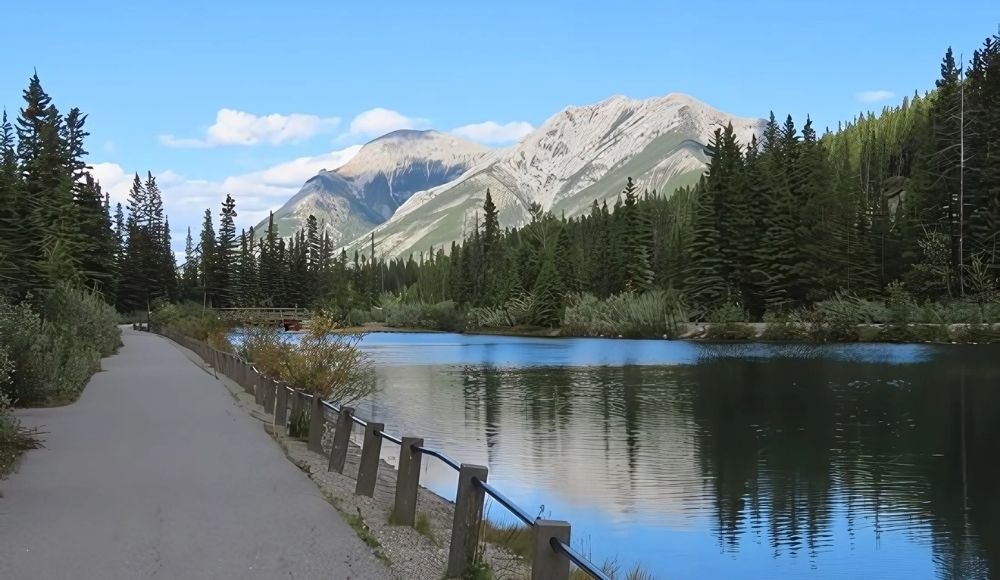
To finish your day, watch the sunset from one of Banff’s scenic viewpoints. Vermilion Lakes creates stunning reflections of the mountains, and the Bow River bridge gives you soft evening colours over the water.
You might also enjoy the view from behind the Banff Springs Hotel. Ending Day 1 with a quiet sunset helps set the perfect mood for the rest of your 3-day Banff and Lake Louise adventure.
Day 2: Lake Louise & Moraine Lake – The Iconic Lakes
1. Sunrise at Moraine Lake
Arrive at Moraine Lake before dawn to witness one of the most spectacular sunrises in the Canadian Rockies. Parks Canada requires advance reservations for the Moraine Lake shuttle service from the Park and Ride lot near Lake Louise Village.
Book your shuttle spot at least 48 hours ahead through the Parks Canada reservation system during peak season (mid-May to mid-October). The first shuttle typically departs around 4:30 AM, giving you plenty of time to reach the lake for first light.
Position yourself on the Rockpile Trail for the classic postcard view that made Moraine Lake famous worldwide. This short, steep path leads to the most photographed viewpoint in Banff National Park.
Bring a tripod for your camera, as early morning light remains dim. Pack a headlamp for the short walk from the shuttle drop-off, and dress in warm layers—the temperature sits near freezing even in summer.
2. Explore Lake Louise
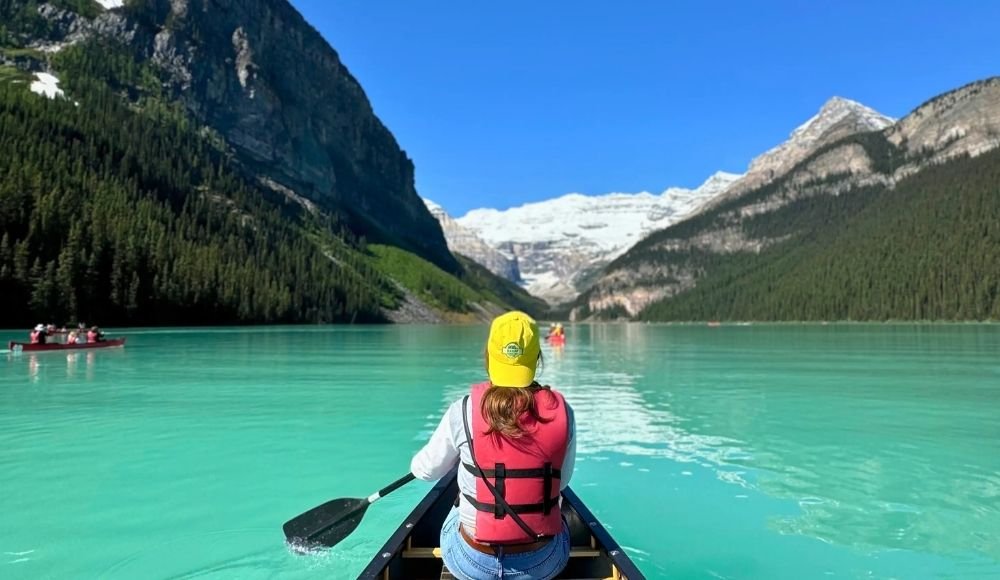
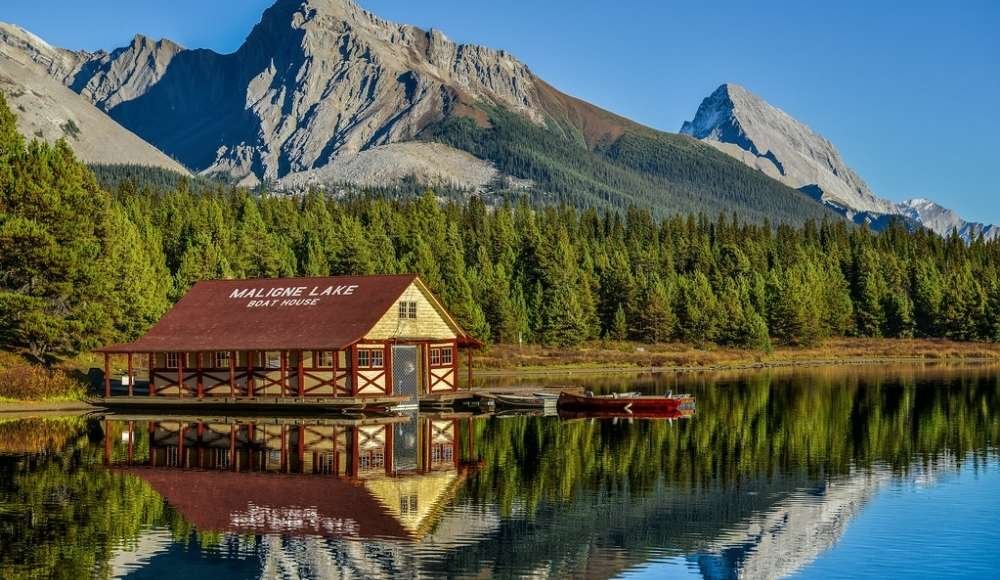
Lake Louise is the best lake in Alberta. It is a must add to your itinerary. You can rent a canoe directly from the Lake boathouse and paddle across the turquoise glacial waters. The vibrant colour comes from rock flour carried into the lake by melting glaciers.
Canoe rentals operate from 9 AM to 7 PM in summer, with hourly rates accommodating most budgets. Stick to the shoreline walk if you prefer staying on land—the flat, 4-kilometre path circles the lake and offers stunning views of Mount Victoria and the Victoria Glacier.
Grab lunch at the Trailhead Café inside the Fairmont Chateau Lake Louise for quick service and reasonable prices. The café serves fresh sandwiches, soup, and coffee, perfect for hikers. For a sit-down meal, the Lakeview Lounge offers floor-to-ceiling windows overlooking the lake.
The Alpine Social restaurant provides upscale dining with locally-inspired dishes. All options sit within walking distance of the lakefront.
Lace up your boots for the Lake Agnes Tea HouseTrail, a moderate 7.2-kilometre round-trip hike starting from Lake Louise. The path climbs 385 meters through dense forest, opening to reveal Mirror Lake halfway up.
Most hikers complete the trail in 2-3 hours, leaving ample time for tea service. The final stretch includes stone steps and switchbacks, but remains achievable for families with children aged eight and up.
This trail fits perfectly into your 3-day Banff itinerary because it delivers maximum reward for moderate effort. The historic Lake Agnes Tea House, built in 1901, serves freshly-baked treats and over 100 types of tea.
The tea house operates without electricity, adding rustic charm to your mountain experience. Hikers earn panoramic views of Lake Louise from above, making every step worthwhile.
4. Hop on the Plain of Six Glaciers Trail
Tackle the Plain of Six Glaciers Trail for an extended adventure starting from behind the Fairmont Chateau. This 13.8-kilometre route follows the western shore of Lake Louise before climbing toward an alpine teahouse with glacier views.
The trail adds 3-4 hours to your day, bringing you face-to-face with six distinct glaciers spilling down Mount Lefroy and Mount Victoria. Watch for mountain goats clinging to the rocky cliffs above.
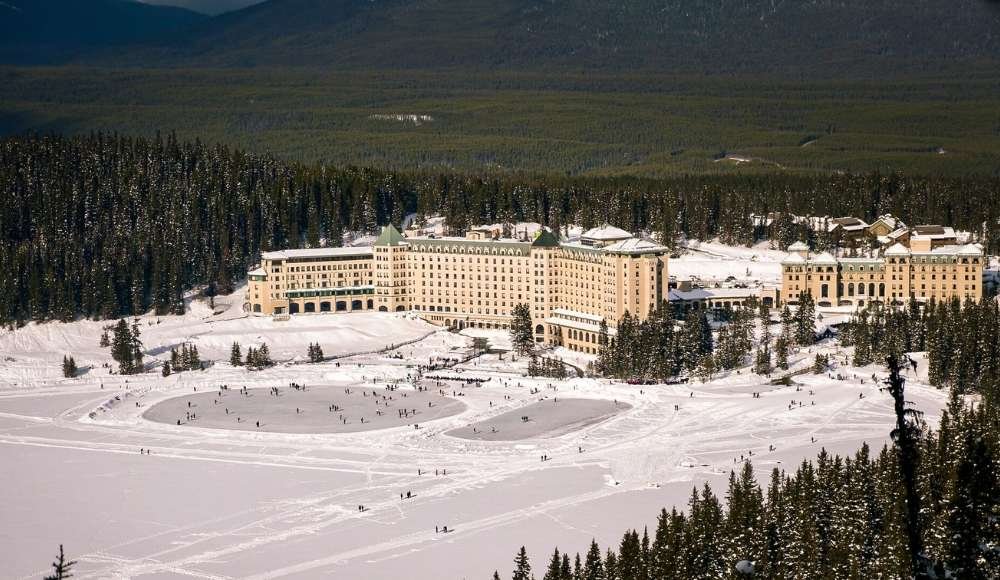
In addition, indulge in afternoon tea at the Fairmont Chateau Lake Louise if you prefer relaxation over additional hiking. The ritzy service includes finger sandwiches, scones, and pastries served in the elegant lobby lounge.
Reservations open 30 days in advance and fill quickly during the summer months. The experience costs more than the hike, but rewards you with refined luxury and uninterrupted lake views without breaking a sweat.
5. Evening Options
Stay for golden hour at Lake Louise when the setting sun paints the mountains pink and orange. The soft, warm light creates perfect conditions for photography without harsh shadows.
Most day-trippers leave by 5 PM, giving you space to breathe and appreciate the silence. The Victoria Glacier catches the last rays of sunlight, creating a natural spotlight on the hanging ice.
Drive 15 minutes back to Banff town for dinner, or eat at one of three restaurants in Lake Louise Village. The Timberwolf Pub offers hearty meals and local beer in a casual setting.
In Banff, try The Maple Leaf for Canadian cuisine or Block Kitchen + Bar for small plates. Both towns provide easy access to your hotel after a full day exploring the most iconic lakes in Banff National Park.
Day 3: Adventure on the Icefields Parkway
1. Drive the Icefields Parkway (Highway 93N)
On your third day, hit the road on the legendary Icefields Parkway, a 232-kilometre stretch that ranks among the world’s most scenic drives. This highway connects Banff National Park to Jasper National Park and delivers non-stop views of glaciers, jagged peaks, and turquoise lakes.
Parks Canada maintains the road year-round, but you must check road conditions before you leave. The drive takes 3 hours without stops, but you will want to pause at every viewpoint.
Watch for wildlife along the entire route. You can spot bears, elk, mountain goats, and bighorn sheep, especially at dawn and dusk. Drive slowly and use designated pullouts—never stop on the highway.
Pack binoculars and a telephoto lens for safe viewing. Mountain weather changes fast, so layer your clothing and pack rain gear even if the forecast looks clear. Snowfall can happen any month at higher elevations.
2. Peyto Lake Lookout
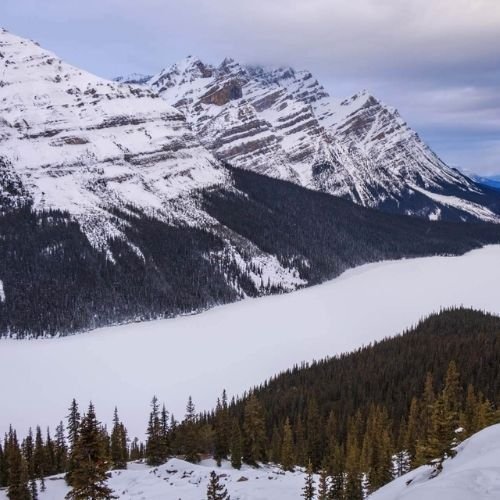
Park at Bow Summit and walk 15 minutes along a paved trail to the Peyto Lake viewing platform. This short, uphill hike rewards you with a bird’s-eye view of a lake shaped like a wolf’s head.
The brilliant blue-green colour comes from glacial rock flour suspended in the water. The platform sits at the highest point on the Icefields Parkway, offering sweeping views of the surrounding mountain valleys. It’s one of the best places for photos on the Icefields Parkway.
Visit early morning for the best photos and smallest crowds. The sun hits the lake surface around 8 AM in summer, creating perfect lighting conditions. Midday brings harsh light and hundreds of tourists from tour buses.
If you miss sunrise, late afternoon also works well. Parking fills quickly, so arrive before 9 AM or after 5 PM. Consider taking the Parks Canada shuttle from Lake Louise to avoid parking stress.
3. Mistaya Canyon or Bow Lake
Next, choose Mistaya Canyon if you are in a hurry or have less than an hour to spare. This 0.5-kilometre trail leads to a narrow gorge where the Mistaya River carved swirling patterns into limestone rock.
The canyon lies a short drive south of Peyto Lake and offers a quick but impressive stop. You can hear the rushing water from the parking lot, and the view gets better at every step.
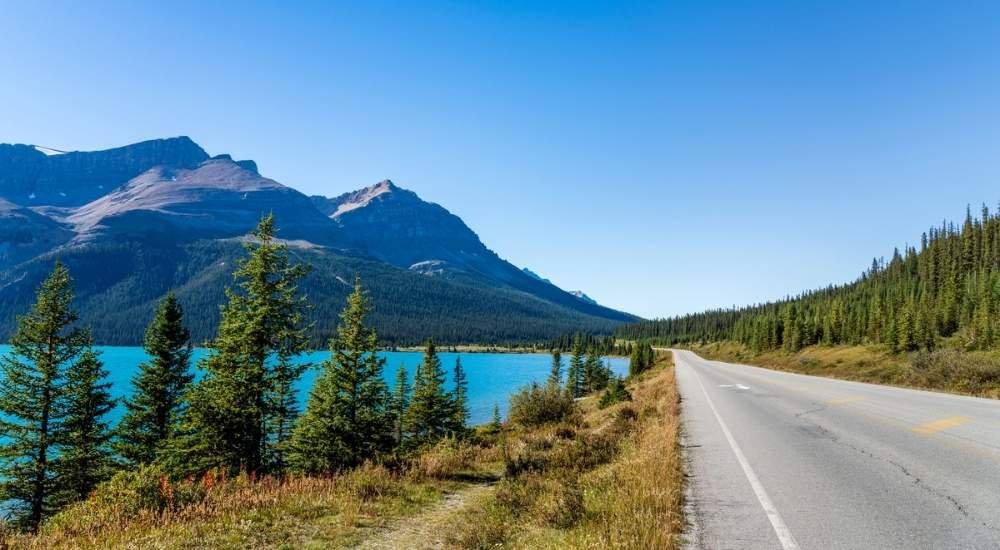
Pick Bow Lake if you want a longer, more relaxed experience. This large lake sits right beside the highway and offers easy lakeshore walks with views of Crowfoot Glacier. The historic Num-Ti-Jah Lodge sits on the shoreline and serves light meals.
Bow Lake provides classic Canadian Rockies scenery with calm mornings that create perfect reflections. Both stops deliver incredible beauty, but Mistaya Canyon suits tight schedules while Bow Lake rewards those with extra time.
4. Columbia Icefield Discovery Centre
After the lakes and canyons, visit the Columbia Icefield Discovery Centre near the border of Banff and Jasper National Parks. Book the Glacier Adventure tour and ride a massive Ice Explorer bus onto the Athabasca Glacier. The 90-minute experience lets you walk on 10,000-year-old ice and fill your water bottle with pure glacial meltwater. The nearby Skywalk features a glass-floored platform 918 feet above the Sunwapta Valley.
Reserve your tickets online at least a week ahead during the summer. Combo packages save money if you want both the glacier tour and Skywalk. Morning tours face fewer crowds and better light for photos.
Dress in warm layers—the glacier temperature runs 15 degrees colder than the valley. Wear sturdy shoes and bring sunglasses, as the ice glare remains intense all day. The centre closes in winter, so check seasonal dates before you plan your Banff itinerary.
5. Return to Banff with Scenic Stops
On your way back to Banff, take time to stop at viewpoints you skipped on the way north. Pull over at Tangle Falls, a multi-tiered waterfall visible from the road. The Weeping Wall presents dramatic cliff faces with seasonal waterfalls.
If time allows, the Parker Ridge Trail offers a 2-hour round trip with alpine views. Plan to leave the Columbia Icefield by 3 PM to reach Banff before dark.
End your 3-day Banff adventure with relaxation in town. Soak your muscles at the Banff Upper Hot Springs, open until 10 PM. Stroll Banff Avenue for souvenir shopping and grab maple walnut ice cream at Cows.
Book a table at The Bison Restaurant for locally-sourced Canadian cuisine. Pack your bags for tomorrow’s departure and review the hundreds of photos from your Icefields Parkway journey. This final day delivers the grand finale your Canadian Rockies trip deserves.
Where to Stay for a 3-Day Trip in Banff
Stay inBanff Townsite for the best convenience
Banff townsite gives you the best mix of comfort, walkability, and classic mountain charm. You stay close to restaurants, stores, museums, and popular attractions like the Banff Gondola and Bow Falls.
This area works great for first-time visitors because you can explore the town on foot and enjoy the lively atmosphere. Banff townsite also offers a wide range of hotels, from luxury mountain lodges to budget-friendly stays.
You get the fastest access to tours, shuttles, and public transportation when you stay in Banff townsite, which makes planning easier for a short 3-day itinerary.
Many travellers choose this area to avoid long drives and enjoy more time sightseeing. This spot is also perfect for nighttime activities like dining, shopping, and walking along Banff Avenue.
Stay inLake Louise Village for the best scenic views
Lake Louise Village gives you front-row access to iconic spots like Lake Louise and Moraine Lake. You wake up close to the most beautiful lakes in Banff National Park, which helps you start your day early for sunrise photography or hiking.
The village is small but peaceful, surrounded by mountains and alpine forests. This makes it a great choice if you want a quiet base for your trip.
You get fewer shops and restaurants here, but the natural scenery makes up for it. Staying in Lake Louise Village also shortens the travel time to popular hikes like Lake Agnes Tea House and Plain of the Six Glaciers.
If you want to relax and enjoy pure nature, this is one of the best places for your Banff vacation.
Stay inCanmore for the best budget-friendly travel
Canmore is a great option if you want more affordable accommodations while still staying near Banff. This mountain town sits just outside the park gates and offers many hotels, condos, and vacation rentals at lower prices.
You also get a quieter atmosphere with stunning views of the Three Sisters mountain range. Many travellers choose Canmore for longer trips or for more space, like full kitchens or multi-bedroom units.
You drive about 20–30 minutes to reach the Banff townsite, but the savings and comfort often make it worth it. Canmore has excellent restaurants, craft breweries, and local shops that add charm to your stay.
It’s a perfect base for families, budget travellers, or visitors who want a relaxed pace with easy access to the park.
Recommended Hotels: Luxury, Mid-Range, and Budget
Luxury
Banff Springs Hotel (Banff) – Iconic castle hotel with spa and stunning views
Fairmont Chateau Lake Louise (Lake Louise) – Perfect for lakefront sunrise stays
Pommier Inn & Suites (Canmore) – Spacious suites with premium comfort
Mid-Range
Moose Hotel & Suites (Banff) – Cozy rooms and rooftop pools
Lake Louise Inn (Lake Louise) – Good balance of comfort and value
Blackstone Mountain Lodge (Canmore) – Great for families and long stays
Budget
Banff International Hostel (Banff) – Affordable and central
HI Lake Louise Alpine Centre (Lake Louise) – Clean and budget-friendly
Canmore Rocky Mountain Inn (Canmore) – Simple and economical
Location
Distance to Lake Louise
Average Hotel Price
Pros
Cons
Banff Townsite
45 min
$250-400
Walkable, many hotels, restaurants, shops; close to major attractions; great nightlife
Parking issues, Higher prices, busy during summer
Lake Louise Village
5 min
$350-500
Close to Lake Louise and Moraine Lake; peaceful; amazing mountain scenery
Expensive, Limited dining, fewer hotel options, quieter at night
Canmore
1 hour
$150-300
Most budget-friendly; spacious accommodations; great food scene, breweries
20–30 min drive to Banff; outside the national park, pay park fees on every trip.
How to Get Around
Rental Car Tips
Using a rental car gives you the most freedom during your 3-day Banff itinerary. You can explore at your own pace, stop at scenic lookouts, and visit popular places like Lake Louise, Johnston Canyon, and the Icefields Parkway with ease.
A rental car also helps you reach sunrise spots, trailheads, and quieter areas before the crowds arrive. You can park in most areas around the Banff townsite, and driving between attractions is simple with clear signs and well-maintained roads.
Rent a car in Calgary or at Calgary International Airport for the easiest access to Banff National Park. Book your vehicle at least two weeks ahead during the summer months. Choose an SUV or all-wheel drive for mountain roads and winter conditions.
Most rental companies offer winter tire packages from November to April. Calgary sits 90 minutes east of the Banff townsite on Highway 1.
You need a Parks Canada pass to stop anywhere in Banff National Park. Some Calgary rental locations include this pass in your agreement. So, if you enjoy road trips and flexibility, a rental car is the best way to explore Banff National Park in just three days.
Local Shuttles (ROAM, Parks Canada)
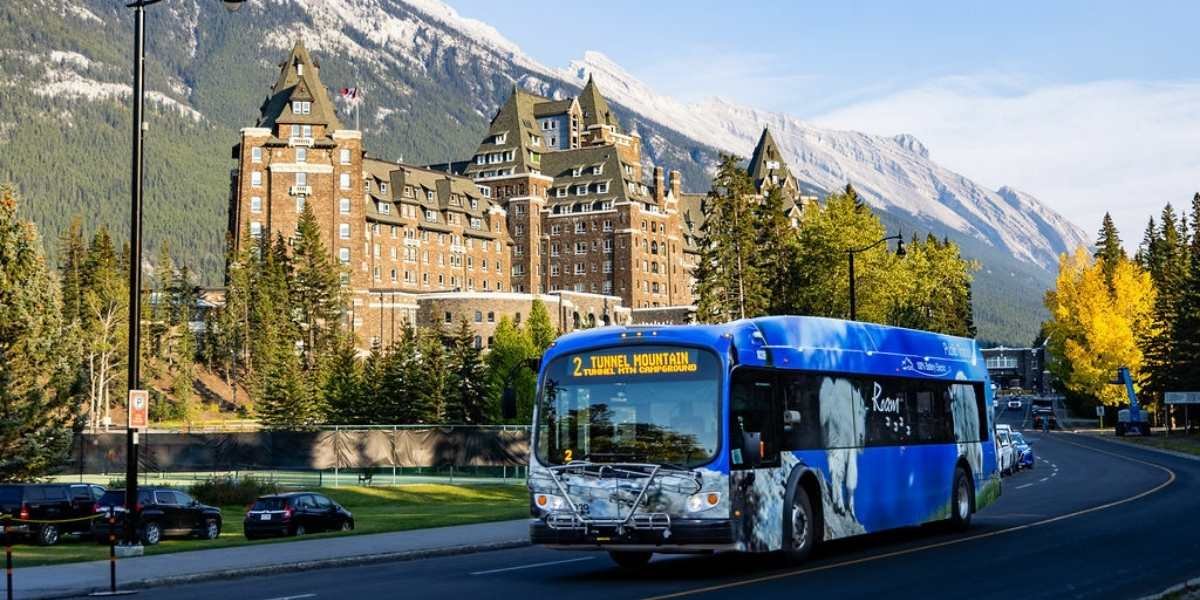
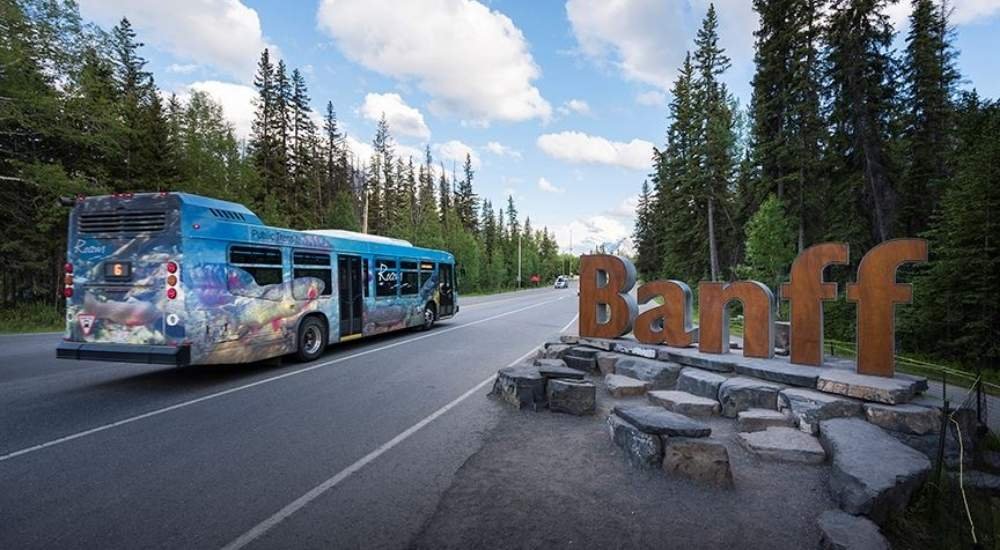
If you prefer relaxing and letting someone else do the driving, local shuttles are a great option. ROAM Transit buses move you around the Banff townsite and to nearby attractions.
Route 1 connects Banff to Canmore every hour. Route 8 runs from Banff to Lake Louise Village in the summer months.
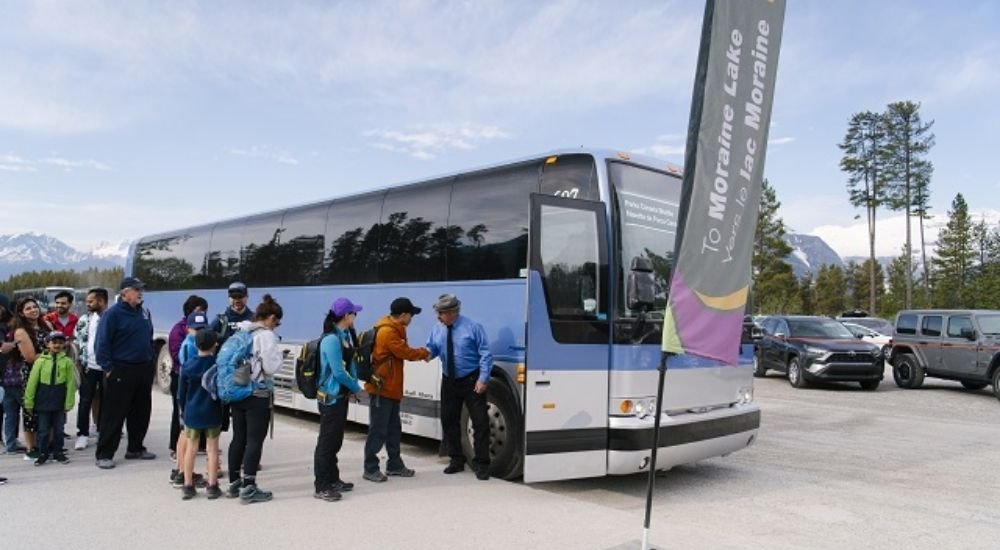
The Lake Louise Summer Shuttle takes you from the Park and Ride to Lake Louise and Moraine Lake. Book Moraine Lake shuttle tickets online at least 48 hours in advance.
Parks Canada operates free shuttles on the Lake Louise Summer Shuttle route from mid-May to mid-October. These buses run from the Lake Louise Park and Ride every 20 minutes.
These shuttles run during the main season and guarantee entry to popular viewpoints and trails. You avoid parking stress and spend more time enjoying the scenery. Many travellers mix shuttle rides with short walks to create a smooth and enjoyable Banff trip.
Parking Tips for Moraine Lake & Lake Louise
Arrive at Lake Louise before 7 AM or after 5 PM to find parking easily. The main parking lot fills by 8 AM in July and August. Overflow lots exist, but add a 15-minute walk to the lakeshore.
Parks Canada closes the Lake Louise Lakeshore Road to public traffic when lots reach capacity. Check parking status on the Banff National Park website before you leave.
Parking at Lake Louise and Moraine Lake is very limited and fills fast. The road to Moraine Lake is closed to personal vehicles during peak season; this is why you need to consider shuttles, tour buses, or guided tours to access it.
Booking your shuttle in advance helps you plan your day and reach the lake early.
Winter vs Summer Driving Advice
Summer driving in Banff is simple and enjoyable. The roads are dry, the mountain views are clear, and you can reach most attractions without delays. Start your day early to avoid traffic and tour buses, especially on the Bow Valley Parkway and Icefields Parkway. Bring water, sunglasses, and a phone charger to stay comfortable during your drive.
Winter driving requires more preparation. Snow, ice, and reduced daylight can make the roads slippery. Rent a car with winter tires, drive slowly, and pack an emergency kit with blankets, food, and a shovel. and keep extra warm clothing in the vehicle.
Check road conditions on 511 Alberta before you leave because some highways may close during strong storms. With the right car and careful planning, you can still enjoy a safe and beautiful winter trip in Banff National Park.
Conclusion: 3-Day Banff Itinerary
Planning a 3-day Banff itinerary gives you the perfect mix of adventure, nature, and relaxation. You explored famous places like Lake Louise, Moraine Lake, Sulphur Mountain, Peyto Lake, and the stunning Icefields Parkway.
As you plan your own trip, keep things simple by booking your shuttles early, staying close to the places you want to explore, and choosing activities that match your travel style.
Banff National Park offers something for everyone, and every season brings new ways to enjoy the mountains.
Start your days before sunrise to avoid crowds at Lake Louise and Moraine Lake. Download offline maps before you enter the park—cell service disappears quickly on the Icefields Parkway. Build flexibility into your Banff itinerary.
Weather changes fast, and some roads may close due to snow or construction. Check Parks Canada updates each morning. Your preparation turns potential problems into minor adjustments and ensures you make the most of your Canadian Rockies adventure.
Banff National Park sits in the province of Alberta, Canada, nestled right inside the majestic Rocky Mountains. From alpine lakes to rugged peaks, this park covers a huge area of wilderness and natural beauty.
It’s no surprise that Banff is one of Canada’s most famous destinations. More than 4.28 million visits were recorded in the 2023/24 year — a record high for the park. That means people from all over the world are drawn to its mountains, rivers, wildlife and scenic views.
Here’s the good news: getting to Banff is easier than you might think. Whether you prefer flying in, driving yourself, catching a bus or hopping on a shuttle, there are solid options. We’ll cover how to get there by air, by car, by bus and by shuttle — so you can choose the travel style that fits you best.
In the next sections, I’ll guide you step by step on how to get to Banff National Park from major cities — like Calgary, Edmonton, Jasper, Vancouver — and even from the USA. By the end of the post, you’ll have a clear map in your mind of how to reach Banff and how to pick the best way for your trip.
1.Getting to Banff by Air
If you’re flying in, your journey will almost always start at Calgary International Airport (YYC). This is the main airport closest to Banff National Park, and it connects you to the Rockies in the fastest and most convenient way.
From Calgary Airport, it takes about 1.5 hours (130 km) to reach Banff by road. Whenever I visit Banff, this is the route I use, and it’s the one most visitors choose too. YYC handles millions of passengers each year, so you’ll have plenty of flight options and easy ground transportation when you arrive.
YYC offers a strong mix of domestic and international flights, which makes planning your trip simple. You can fly directly from major Canadian cities like Toronto, Vancouver, Edmonton, Winnipeg, and Montreal.
If you’re coming from outside Canada, you’ll find direct routes from many parts of the USA, along with flights from Europe, Mexico, and other international hubs. This makes Banff an accessible destination for travellers from all over the world.
2. Getting to Banff by Car
Driving to Banff National Park is one of the most enjoyable parts of the trip. If you love open roads, mountain views, and the freedom to stop along the way, you’ll enjoy this option as much as I do. The routes are simple, the scenery is incredible, and the road system in Alberta makes the drive smooth for most travellers.
The main road that takes you straight into Banff is Highway 1, also known as the Trans-Canada Highway. This is one of the busiest and most important highways in the country, and it’s designed for easy travel. It’s well-marked, paved, and open year-round, with only rare closures during major storms or accidents.
As you drive west toward the Rocky Mountains, the views get better with every kilometre. From rolling foothills to towering peaks, the entire route feels like a preview of what’s waiting for you inside Banff National Park.
Winter Driving Tips
If you’re travelling in winter, your experience can still be amazing, but it helps to be ready for colder conditions. I’ve driven this route many times in winter, and preparation makes all the difference.
Here are a few simple tips to keep your trip safe:
Roads can be icy, especially early in the morning or after fresh snowfall.
Use winter tires from October to April. They grip icy roads much better than all-season tires.
Check the weather and road conditions before driving. Alberta’s weather can change fast, so it’s smart to check updates from 511 Alberta before hitting the road.
With the right tires and a quick weather check, your winter drive can still be smooth and enjoyable.
Parking in Banff
Parking in Banff has improved over the years, and you have several good options.
Downtown Parking: You’ll find street parking and public lots around Banff Avenue. Many spots fill up quickly during summer, so arriving early helps.
Free Public Parking Lots: Banff offers large free lots, like the one at the Fenlands Recreation Centre. From there, you can walk or take Roam Transit into town.
Parks Canada Pass: Before you enter Banff National Park, remember that you need a valid Parks Canada pass. You can buy it online, at the park gates, or at visitor centres. Keep it visible on your dashboard.
3.Getting to Banff by Bus
Taking a bus to Banff is one of the easiest and most budget-friendly ways to reach the park. I’ve used this option once when I didn’t feel like driving, and it surprised me how smooth and stress-free the trip can be. If you want a simple ride with no parking worries, the bus is a great choice for your Banff adventure.
Bus Companiesto Banff
You have several reliable bus companies that run routes to Banff. Each one offers a comfortable ride with space for your luggage and clear schedules, so you can plan without stress.
On-It Regional Transit – A seasonal service that usually runs in spring, summer, and fall. It offers low-cost rides from Calgary to Banff on weekends and holidays.
Rider Express – Year-round service with routes from Calgary and other Western Canada cities.
Red Arrow / Mountain Connector – Known for comfort, great service, and reliable schedules.
FlixBus – Popular for budget travel and simple online booking.
Ebus – Another option with comfortable coaches and steady departure times.
These companies keep the trip simple, with departures from downtown Calgary or other convenient pickup points.
What to Expect
Taking the bus to Banff is a relaxed way to travel. You can sit back, enjoy the views, and save money at the same time.
Here’s what you can expect:
Affordable prices: Bus tickets usually cost far less than renting a car or booking a private transfer.
Comfortable seats and luggage space: Most coaches offer soft seats, climate control, and room for backpacks, suitcases, and ski gear.
Direct or semi-direct routes from Calgary: Many buses take you straight into Banff, and some stop only once before arriving. The trip is smooth, and you don’t have to deal with city traffic or mountain driving.
Using a shuttle bus to reach Banff is a great choice if you want a smooth, guided ride without the stress of driving. I often recommend shuttles to friends visiting for the first time, because the service is reliable, the drivers know the area well, and you can simply enjoy the mountain scenery along the way.
Airport Shuttles
If you're landing at Calgary International Airport (YYC) and want a direct ride to Banff, you’ll find several trusted shuttle services ready to go. These companies run daily and offer comfortable seats, space for luggage, and convenient drop-off points.
Here are the main airport shuttle options:
Banff Airporter: One of the most popular choices. They offer regular departures throughout the day and are known for being on time. The ride takes about 1 hour and 45 minutes.
Brewster Express: A long-standing travel company in the Rockies. They provide large, comfortable coaches with plenty of space. Great for families, groups, or anyone with extra gear.
RTB / Other Shuttle Services: Several smaller companies also run direct shuttles from YYC to Banff. They often offer flexible schedules and door-to-door service.
These airport shuttles make your trip simple from the moment you arrive. You just step on board and let the driver take care of the rest.
Hotel Shuttles
Some hotels in Banff partner with local shuttle companies to help guests reach the town without hassle. If you're staying at a resort or a higher-end hotel, you may be able to book a shuttle that takes you directly from Calgary Airport to your hotel’s doorstep.
Other hotels arrange drop-offs at central spots in Banff, such as the main bus station or popular landmarks. This is handy if you want to walk around town or take Roam Transit to your final destination.
Using a shuttle bus gives you a calm, comfortable way to start your Banff trip. It’s perfect for travellers who want a safe, easy, and scenic ride into the heart of the Canadian Rockies.
5. How to Get to Banff from Major Cities
One thing I love about Banff National Park is how easy it is to reach from different cities in Western Canada. Each route offers its own kind of scenery and experience, so you can choose the path that fits your travel style. Here’s a friendly, simple guide to help you plan your trip from Calgary, Edmonton, Jasper, and Vancouver.
Going from Calgary to Banff
Calgary is the closest major city to Banff, and the route is fast and straightforward. The distance is about 130 km, and the drive usually takes 1.5 hours. This option is fun; aside from the scenery, there are other things to do on the road. Read my post about fun road attractions between Calgary and Banff.
To get there, you head west on the Trans-Canada Highway (Highway 1). The road is smooth, wide, and easy to follow. I use this route every time I visit Banff from Calgary, and the mountain views never get old.
You have several ways to make the trip:
Car: The most flexible option.
Shuttle: Airport shuttles or downtown-to-Banff services run daily.
Bus: Budget-friendly and comfortable.
Guided tours: Great if you prefer a planned itinerary.
No matter the option you choose, the Calgary-to-Banff route is one of the simplest ways to enter the Rockies.
Going from Edmonton to Banff
The distance from Edmonton to Banff is around 415 km, and the drive takes about 4 hours. You can reach Banff using two main routes, and I’ve taken both many times.
Route 1 (Fastest): Take QE2 south to Calgary, then continue west on Highway 1 into Banff. This is the quickest and most common path.
Route 2 (Most Scenic): Drive west on Highway 16 to Jasper, then follow the Icefields Parkway (Highway 93) south all the way to Banff. This route is longer but offers amazing views of glaciers, mountains, and turquoise lakes.
If you prefer public transportation, you can take the Red Arrow from Edmonton to Calgary, then transfer to a bus or shuttle heading to Banff.
Get to Banff through GuidedTours
You can also get to Banff by joining a guided tour, which is one of the easiest options if you don’t want to drive. Many tour companies operate from Calgary, Banff, and Lake Louise, and some even offer longer trips from Edmonton or Vancouver. These tours usually include comfortable transportation, a knowledgeable guide, and visits to top attractions like Lake Louise, Moraine Lake, and the Banff townsite. It’s a simple and stress-free way to reach the park and enjoy the Rockies without worrying about planning routes or parking.
Join a Guided Banff National Park Tour
Skip the planning and let a professional guide show you Banff’s top attractions. Comfortable transport, great photo stops, and expert knowledge included. Click below to check prices and secure your tour.
If you're travelling from the United States, getting to Banff National Park is simpler than most people expect. Many American visitors make this trip each year, and you can do it by car or by flying into Alberta. I’ve met plenty of travellers on the road who loved the journey because the scenery becomes more dramatic the closer you get to the Rockies.
Driving from the US to Banff
If you plan to drive, the closest border crossings into Alberta are in the state of Montana. These crossings connect directly to major highways that lead you north toward Calgary, and then onward to Banff.
Here are the two main ports of entry:
Coutts / Sweetgrass Border Crossing: The busiest crossing between Montana and Alberta. Once you enter Alberta, you continue north on Highway 4, which becomes Highway 2 toward Calgary. From Calgary, follow Highway 1 west into Banff.
Carway / Peigan Border Crossing: A quieter crossing that connects to Highway 2 and Highway 5. This route also leads you north toward Calgary before joining Highway 1.
The drive is smooth, and the highways are well-maintained. As you move closer to Banff, the flat prairies slowly turn into rolling foothills and finally the dramatic Rocky Mountains.
Flying from the US
If you want a faster and easier trip, flying is a great option. Most U.S. visitors fly directly into Calgary International Airport (YYC). The airport offers flights from major American cities, which will make your travel straightforward.
Once you land, you can then:
Rent a car for full flexibility.
Take an airport shuttle for a relaxed, no-driving experience.
Use a bus service if you’re travelling on a budget.
Like I said before, the trip from Calgary to Banff takes about 1.5 hours.
7.How to Get Around in Banff
Getting to Banff is one thing, and moving around in the park is another. But moving around Banff is easier than most people think, and you don’t always need a car to enjoy the park. When I visit Banff from Edmonton or after a trip to Calgary, I like to mix driving with local transit. It saves time, stress, and money on parking. Here’s how you can explore Banff National Park smoothly:
Roam Transit (Best for Stress-Free Travel)
Roam Transit is the main public bus system in Banff, and it’s honestly one of the easiest ways to move around. The buses connect you to major spots like:
The buses run frequently, the fares are affordable, and many routes operate year-round. If you prefer not to deal with traffic or finding parking at popular places like Lake Minnewanka or the Upper Hot Springs, using Roam Transit is a smart choice.
Driving in Banff (Most Flexible Option)
Driving gives you the most freedom, especially if you want to explore spots outside the townsite. I often drive when I’m taking photos, checking out viewpoints, or heading deeper into the mountains.
Just keep these things in mind:
Parking fills up quickly in summer. Places like Moraine Lake no longer allow personal vehicles, so you must use Parks Canada shuttles.
Winter roads can be icy, so take your time and use winter tires.
Highway 1 is well-maintained, making it easy to reach nearby areas like Lake Louise.
Parks Canada Shuttles (For Moraine Lake & Lake Louise)
To keep traffic low and protect the environment, Parks Canada has shuttles that take you to Moraine Lake and Lake Louise during peak season. These must be booked ahead of time, especially if you’re travelling from June to October. They run from the Lake Louise Ski Resort Park and Ride and are the only way to reach Moraine Lake by vehicle.
Biking in Banff (Great for Summer)
Banff is bike-friendly, with several safe and scenic routes. If you enjoy exploring at your own speed, renting a bike is a relaxing and sustainable option. Popular routes include:
Banff Legacy Trail (Banff to Canmore)
Vermilion Lakes Road
Tunnel Mountain Drive
Walking around town
Once you’re in downtown Banff, you can walk almost everywhere. Banff Avenue, local restaurants, shops, museums, and viewpoints are all close together. Walking is often faster than driving through the busy town centre.
Best Time to Visit Banff National Park
Banff National Park is stunning all year, but the best time to visit depends on the activities you enjoy and the experience you’re looking for. I’ve visited Banff in different seasons, and each one has its own magic. Here’s a simple guide to help you plan your trip.
Summer (June to August) – Perfect for Hiking and Lakes
Summer is the most popular time to visit Banff. The weather is warm, the trails are clear, and the famous turquoise lakes like Lake Louise and Moraine Lake are at their most beautiful.
Activities: Hiking, canoeing, wildlife viewing, camping, and photography.
Tips: Arrive early to popular spots to avoid crowds. Accommodation fills up quickly, so booking in advance is a must.
Weather: Daytime temperatures range from 18°C to 25°C, but nights can be cooler in the mountains.
Spring (March to May) – Quiet and Budget-Friendly
Spring is a shoulder season with fewer tourists and lower prices on accommodation. The snow melts gradually, rivers swell, and wildlife becomes more active.
Activities: Wildlife spotting, short hikes, photography, and scenic drives.
Tips: Some higher elevation trails may still have snow, so check trail conditions before hiking.
Winter (December to February) – Skiing and Snow Fun
Winter in Banff is magical, with snow-capped mountains and frozen lakes. If you love skiing, snowboarding, or snowshoeing, this is your season.
Activities: Skiing at Sunshine Village or Lake Louise Ski Resort, snowshoeing, winter photography, and relaxing in hot springs.
Tips: Roads can be icy. Use winter tires and check Alberta 511 road conditions before heading out.
Weather: Temperatures range from -10°C to -2°C, and snowfall can be heavy in the mountains.
Fall (September to November) – Colours and Peace
Fall is another peaceful time to visit Banff. The forests turn golden, and the crowds are smaller than in summer. It’s ideal for scenic drives, photography, and quiet outdoor activities.
Activities: Hiking, sightseeing, photography, and enjoying fall foliage.
Tips: Some seasonal services and shuttle routes start to reduce in October, so plan accordingly.
Banff National Park Pass Prices
To enter Banff National Park, you’ll need a Parks Canada pass. The fee helps protect the park, maintain trails, and support wildlife programs. The good news is that the prices are clear and simple, and you can choose the pass that fits your trip.
Below is an easy breakdown of the 2025 Banff National Park pass fees based on information from Parks Canada.
Daily Admission Pass (Per Day)
A daily pass is great if you’re only visiting for a short time. It stays valid until 4:00 pm the next day, so you actually get more than one day of use.
Pass Type
Price (2025)
Details
Adult (18–64)
$11.00
Standard daily entry
Senior (65+)
$9.50
Discounted rate
Youth (6–17)
Free
Perfect for family trips
Family / Group (up to 7 people in one vehicle)
$22.00
Best value for families/groups
Annual Parks Canada Discovery Pass
The Discovery Pass gives you unlimited entry for 12 months to Banff and every other national park or historic site in Canada. This is a great choice if you're staying multiple days, coming back later in the year, or planning a Canadian road trip.
Pass Type
Price (2025)
Details
Adult
$75.25
Valid for 12 months
Senior
$64.50
Discounted yearly rate
Family / Group
$151.25
Up to 7 people
Which Pass Should You Choose?
Pick the daily pass if you’re visiting Banff for one or two days.
Go for the Discovery Pass if you’re staying three or more days, planning to see Banff and Jasper, or visiting other national parks in Canada. It pays for itself quickly.
Families of up to seven people will usually save money with the family/group option.
Why You Need a Pass
Parks Canada uses these fees to:
Maintain hiking trails
Keep facilities clean and safe
Protect wildlife and natural ecosystems
Improve roads and parking areas
You may be asked to show your pass at popular trailheads, parking areas, or park gates, so keep it handy.
Conclusion: How to get to Banff National Park
Getting to Banff National Park is easier than many people think, and by now you’ve seen all the ways you can reach this amazing place. You can fly into Calgary International Airport, rent a car, or hop on a shuttle straight to the mountains. You can also drive on the Trans-Canada Highway, take a comfortable bus, or plan a longer road trip from cities like Edmonton, Jasper, Vancouver, or even from the United States.
As you plan your trip, choose the option that feels right for your travel style. Some people enjoy the freedom of driving, while others like the convenience of shuttles or buses. No matter how you decide to get here, the journey is part of the adventure.
Once you arrive, Banff welcomes you with turquoise lakes, rugged mountains, quiet forests, and some of the most beautiful wildlife in Canada. I visit this park often, and every trip feels new. I hope your visit gives you that same sense of wonder and peace.
FAQs about Banff
Where is Banff National Park situated?
Banff National Park is in the province of Alberta, in western Canada. It sits inside the Rocky Mountains and is known for its lakes, mountains, and wildlife. The main town, Banff, is about 1.5 hours west of Calgary.
What is the difference between Banff and Banff National Park?
Banff is a small town with hotels, restaurants, and shops. Banff National Park is the large protected area that surrounds the town. The park includes mountains, lakes, forests, and many outdoor activities. The town of Banff is simply one part of the larger national park.
How do I get to Banff National Park?
Most people travel to Banff by flying into Calgary International Airport and then driving or taking a shuttle. You can also reach Banff by car, bus, or guided tour. Highway 1 (Trans-Canada Highway) takes you straight into the park. Some visitors also arrive from Edmonton, Jasper, Vancouver, or the United States.
Does Banff National Park have shuttle service?
Yes, several shuttle services run to Banff. Popular options include Banff Airporter, Brewster Express, and other YYC-to-Banff shuttles. Inside the park, Roam Transit also offers local and regional buses to major attractions like Lake Louise and Moraine Lake.
What is the best month to visit Banff?
July and August are the best months for warm weather and hiking. Winter months like December and January are ideal for skiing. Spring and fall are quieter and usually cheaper. Your best time depends on the experience you want.
Is Banff close to Calgary?
Yes, Banff is very close to Calgary. It is about 130 km away, which takes around 1.5 hours by car. This makes Banff one of the easiest national parks to reach in Canada.
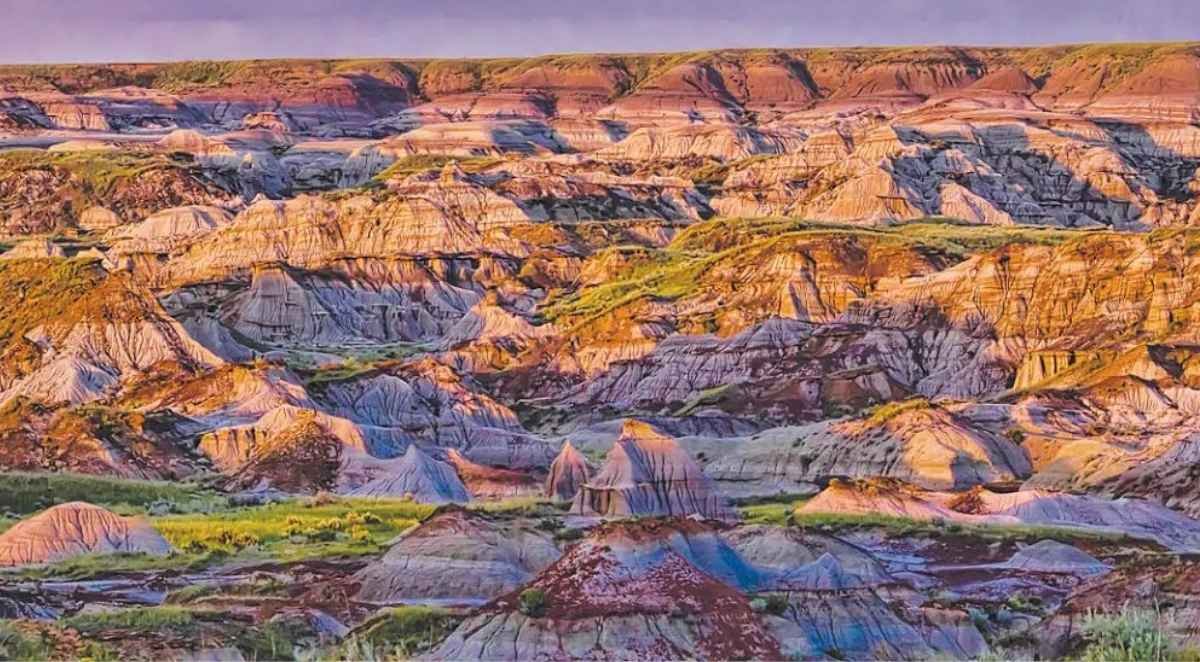
Embark on an unforgettable journey from the bustling city of Calgary to the prehistoric wonders of Dinosaur Provincial Park, a UNESCO World Heritage Site that promises to transport you back in time. This iconic destination, located in the heart of Alberta’s badlands, is renowned for its otherworldly landscapes, rich fossil deposits, and fascinating history.
If you're a paleontology enthusiast, a nature lover, or simply seeking a unique adventure, this guide will help you navigate the route, plan your itinerary, and make the most of your trip. From scenic drives to must-see attractions, we’ll cover everything you need to know to ensure a smooth and exciting journey.
Traveling from Calgary to Dinosaur Provincial Park is more than just a road trip—it’s an opportunity to explore the diverse beauty of Alberta, from rolling prairies to dramatic canyons. Along the way, you’ll discover charming small towns, stunning viewpoints, and plenty of opportunities to stretch your legs and soak in the scenery.
In this ultimate guide, we’ll provide you with practical tips, including the best routes, travel times, and essential stops to enhance your experience. Get ready to uncover the secrets of the ancient past and create memories that will last a lifetime on this epic Alberta adventure!
Setting the Scene: Why Dinosaur Provincial Park?
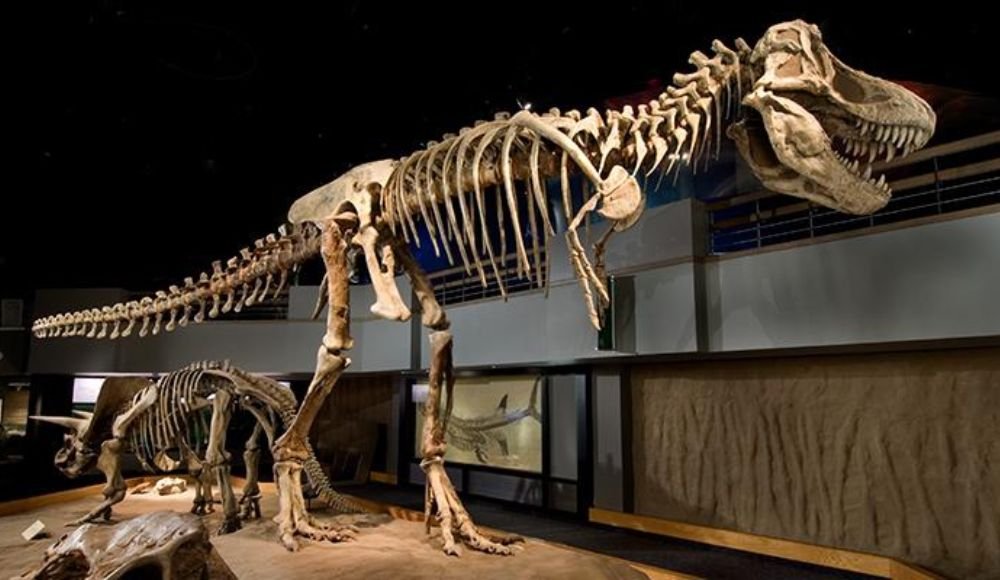
Dinosaur Provincial Park offers you a unique glimpse into Canada's prehistoric past. Imagine walking where dinosaurs once roamed. It’s not just a park; it’s a time machine. You can almost hear the echoes of ancient giants in the wind. Isn’t that fascinating?
This park is home to one of the richest deposits of dinosaur fossils in the world. Over 500 dinosaur specimens have been discovered here. That’s more than many other places combined! Each fossil tells a story. Each rock holds secrets of a time long gone. As you explore, you might find yourself wondering: What did these creatures look like? How did they live?
Dinosaur Provincial Park is perfect for family adventures and nature exploration. It’s a place where kids can learn and play. You can hike along scenic trails, camp under the stars, or join guided tours. These activities are not just fun; they’re educational too. Imagine your children discovering the wonders of nature while having the time of their lives. What could be better than that?
Hiking: Explore various trails that lead you through stunning landscapes.
Camping: Spend a night under the vast, starry sky.
Guided Tours: Learn from experts about the park's rich history and ecology.
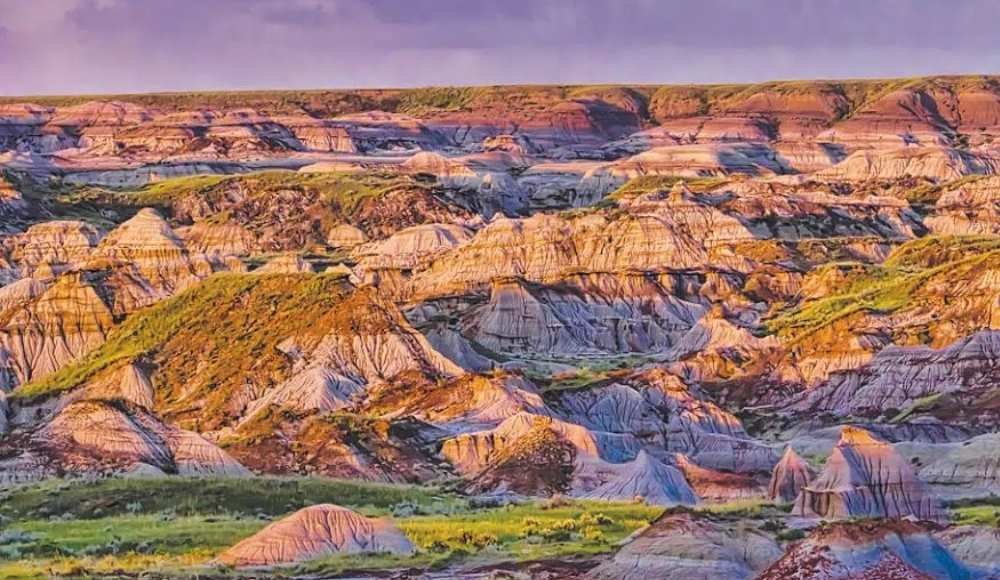
Dinosaur Provincial Park is recognized as a UNESCO World Heritage Site. This means it’s not just any park; it’s a treasure. The park showcases remarkable badlands landscapes. You’ll see striking rock formations and vibrant prairie grasslands. The colors and shapes are breathtaking. It’s a photographer’s paradise.
But that’s not all. The park is also a haven for various wildlife. You might spot bighorn sheep, coyotes, or even a rattlesnake if you’re lucky. The diverse ecosystem adds to the park’s charm. It’s a place where nature thrives. Can you imagine the thrill of seeing wildlife in their natural habitat?
"Exploring Dinosaur Provincial Park is like stepping back into time, where every rock tells a story of ancient giants." - Explorer Enthusiast
As you wander through the park, you’ll find over 30 square kilometers of stunning landscapes. Each area has its own unique features. From the dramatic badlands to the lush grasslands, there’s so much to see. You might feel like you’re in a different world. The beauty of this place is truly captivating.
In summary, Dinosaur Provincial Park is not just a destination; it’s an experience. It’s a place where you can connect with nature and history. So, pack your bags and get ready for an adventure. The park awaits you with open arms and countless stories to tell.
Planning the Route: Best Roads to Take
When you set out from Calgary, the journey to Dinosaur Provincial Park is as exciting as the destination itself. The roads you choose can transform your trip into an unforgettable adventure. So, what are the best routes to take? Let’s dive into the scenic highways and hidden gems that await you.
1. Scenic Highways from Calgary
One of the best options is the Trans-Canada Highway. This highway offers stunning views of Alberta’s diverse landscapes. You’ll see rolling hills, vast prairies, and even the majestic Rocky Mountains in the distance. It’s a straight shot to your destination, making it a popular choice for travelers.
Another great option is Highway 36. This route is less traveled but equally beautiful. You’ll pass through charming small towns and open fields. It’s a perfect way to experience the local culture. Plus, it’s a chance to take those scenic photos that will make your friends envious.
2. Alternative Routes for a Unique Experience
Looking for something different? Consider taking some back roads. These routes may not be as direct, but they offer a unique perspective on Alberta’s beauty. You might stumble upon hidden lakes, wildlife, and breathtaking views that you wouldn’t see on the main highways.
Think about Highway 1A as an alternative. It winds through the countryside and offers a more leisurely drive. You’ll find quaint cafes and local shops along the way. It’s a great way to break up the journey and enjoy the local flavors.
3. Estimating Travel Times and Distances
Now, let’s talk about travel times. The drive from Calgary to Dinosaur Provincial Park is approximately 2.5 hours or 200 kilometers. This makes it an easy day trip or a weekend getaway.
Keep in mind that your travel time may vary based on the route you choose and any stops you make along the way. It’s always a good idea to check for road conditions and plan accordingly. After all, you want to enjoy the journey, not just rush to the destination.
"The road less traveled can often lead to the most memorable adventures." - Travel Blogger
Choosing the right route sets the tone for your adventure. It allows you to experience the diverse landscapes of Alberta on your way to the dinosaur riches. So, pack your bags, hit the road, and enjoy the ride!
Must-See Stops Along the Way
Traveling from Calgary to Dinosaur Provincial Park? You’re in for a treat! This journey is not just about reaching your destination; it’s about the experiences you gather along the way. Let's explore some must-see stops that will enrich your adventure.
Unique Attractions
Brooks: This small town is rich in history. Visit the Brooks Aqueduct, a fascinating piece of engineering that tells the story of Alberta's irrigation system. You can take a leisurely walk along the aqueduct and enjoy the scenery.
Drumheller: Known as the “Dinosaur Capital of the World,” Drumheller is home to the Royal Tyrrell Museum. Here, you can marvel at dinosaur fossils and learn about prehistoric life. It’s a must-visit for anyone interested in paleontology.
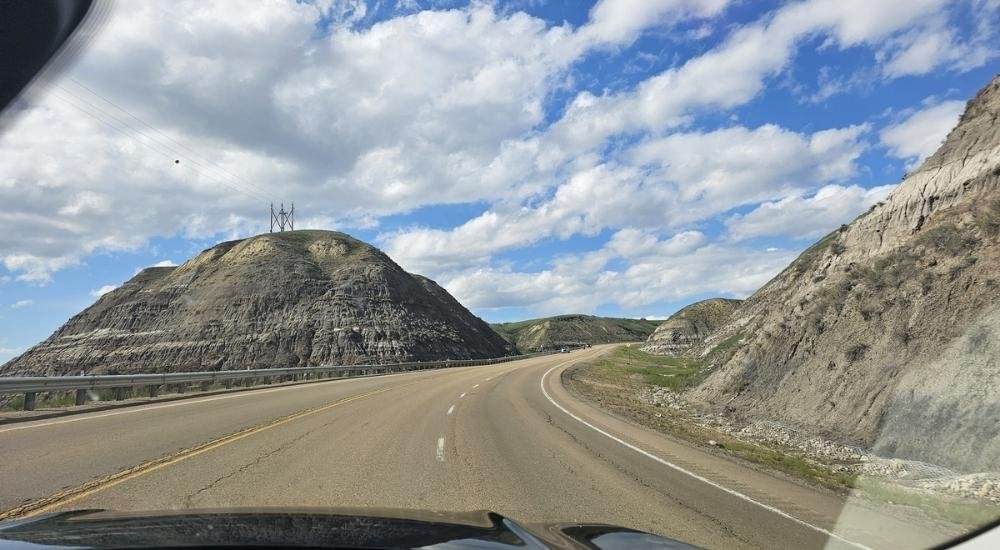
Horsethief Canyon: Just outside Drumheller, this canyon offers stunning views and great hiking trails. The colorful rock formations are a photographer's dream. Don’t forget your camera!
Local Eateries
What’s a road trip without good food? Alberta is known for its culinary delights. Here are some local eateries you shouldn’t miss:
Oyen’s Diner: Stop here for a hearty breakfast. The pancakes are fluffy, and the coffee is strong. It’s the perfect fuel for your journey.
The Last Chance Saloon: Located in Wayne, this quirky restaurant serves delicious burgers and has a unique atmosphere. You can even explore the nearby ghost town after your meal.
Horsethief Canyon Café: After your hike, grab a bite at this cozy café. They offer homemade soups and sandwiches that will satisfy your hunger.
Rest Areas with Stunning Views
Need a break? There are several rest areas along the route that offer breathtaking views:
Badlands Viewpoint: This spot provides panoramic views of the Badlands. It’s a great place to stretch your legs and take in the unique landscape.
Red Deer River Lookout: Stop here for a quick photo op. The river winding through the valley is a sight to behold.
Scenic Overlook at Drumheller: Just before you enter Drumheller, there’s an overlook that gives you a fantastic view of the town and the surrounding hills.
Cultural Sites
To truly appreciate Alberta, you must explore its cultural sites:
Atlas Coal Mine: Located in East Coulee, this historic site offers guided tours of a former coal mine. It’s a fascinating glimpse into Alberta’s mining history.
Royal Tyrrell Museum: As mentioned earlier, this museum is not just about dinosaurs. It also showcases the rich geological history of the area.
Local Art Galleries: Keep an eye out for small art galleries in towns like Drumheller and Brooks. They often feature local artists and unique pieces.
Remember, “Taking the scenic route is more than just a detour; it’s an opportunity to weave in local culture with your adventure.” - Travel Enthusiast. These stops turn a simple road trip into an exploration of Alberta’s culture, history, and cuisine. Enjoy the journey as much as the destination!
What to Expect at Dinosaur Provincial Park
Dinosaur Provincial Park is a treasure trove of natural wonders. You’ll find diverse wildlife and unique geology that captivates visitors of all ages. Imagine walking through a landscape that feels like a scene from a prehistoric movie. The park is home to various animals, including deer, coyotes, and even the occasional bighorn sheep. Each visit is a chance to connect with nature in a way that few places can offer.
The park's geology is equally impressive. With its stunning rock formations and vibrant colors, it’s like nature’s own art gallery. You might wonder how these formations came to be. Over millions of years, erosion and sedimentation shaped the land, creating a breathtaking backdrop for your adventures. The sheer beauty of the landscape is enough to leave you speechless.
Guided Tours for Fossil Hunting
One of the best ways to explore Dinosaur Provincial Park is through guided tours. These tours operate during the park's visitor season and provide a hands-on experience of the prehistoric era. You’ll have the opportunity to uncover fossils and learn about the ancient creatures that once roamed this land. It’s not just a tour; it’s an adventure into the past.
Imagine holding a piece of history in your hands. The guides are knowledgeable and passionate, making the experience even more enriching. They share fascinating stories about the fossils and the history of the area. You’ll leave with a deeper appreciation for the natural world and its history.
Camping Facilities and Tips
If you want to immerse yourself in the beauty of Dinosaur Provincial Park, consider camping. The camping facilities are well-equipped and provide an excellent opportunity to connect further with nature. Imagine sitting around a campfire under a blanket of stars, listening to the sounds of the wilderness. It’s a perfect way to unwind and enjoy the great outdoors.
When planning your stay, remember to pack essentials like food, water, and camping gear. The park offers various campsites, so you can choose one that fits your needs. Some sites are more secluded, while others are closer to amenities. Make sure to check availability and book in advance, especially during peak season.
Essential Information for Families
Visiting Dinosaur Provincial Park is a fantastic family adventure. There are plenty of activities suitable for kids and adults alike. From fossil hunting to hiking trails, there’s something for everyone. Make sure to bring comfortable shoes for walking and plenty of water to stay hydrated.
Safety is also a priority. Keep an eye on your children and educate them about wildlife. It’s important to respect the animals and their habitat. The park is a living museum; as a park ranger once said,
“Dinosaur Provincial Park is unlike any park; it’s a living museum of Earth’s ancient past.”
This quote perfectly captures the essence of the park.
So, are you ready for an unforgettable experience? Dinosaur Provincial Park awaits with its wonders and adventures. Whether you’re a solo traveler, a couple, or a family, this park has something special for you. Get ready to explore the past and create lasting memories!
Tips and Tricks for the Perfect Visit
Planning a trip to Dinosaur Provincial Park? You’re in for a treat! This stunning park is home to some of the most incredible landscapes and fossil finds in Canada. But before you set off, there are a few essential tips to keep in mind. Preparation is key to ensuring your excursion is smooth and enjoyable. Here’s how you can make the most of your visit.
Packing Essentials
First things first: packing. What should you bring? Here’s a quick list of essentials:
Comfortable Footwear: You’ll be doing a lot of walking. Make sure your shoes are sturdy and comfortable.
Weather-Appropriate Clothing: The weather can change quickly in the park. Layering is your best friend.
Water and Snacks: Stay hydrated and energized. Bring plenty of water and some light snacks.
Sun Protection: Sunscreen, hats, and sunglasses are a must. The sun can be intense.
Camera: Capture the breathtaking views and unique wildlife. You’ll want to remember this trip!
Remember, packing wisely can make your trip much more enjoyable. You don’t want to be caught unprepared.
Safety Precautions
Exploring the park is exciting, but it’s important to be cautious. Here are some safety tips:
Stay on Marked Trails: This is crucial for your safety and the protection of the ecosystem. Straying off the path can lead to accidents and harm to the environment.
Wildlife Awareness: Keep a safe distance from animals. They are wild and unpredictable. Never feed them!
Emergency Kit: Carry a small first aid kit. It’s better to be prepared for minor injuries.
Inform Someone: Let someone know your plans. This is especially important if you’re hiking alone.
By following these precautions, you can enjoy the park while keeping yourself safe.
Respecting Wildlife and Nature
Respecting the park’s wildlife and natural beauty is essential. How can you do this? Here are some tips:
Leave No Trace: Pack out what you pack in. Don’t leave trash behind.
Observe from a Distance: Use binoculars or a zoom lens for wildlife viewing. This keeps both you and the animals safe.
Stay on Trails: This protects the delicate ecosystems in the park. It’s important for conservation.
By respecting nature, you help preserve the park for future visitors.
Leveraging Resources
Finally, leverage available resources for planning your visit. The park’s official website is a treasure trove of information. You can find maps, trail guides, and tips for your trip. Local visitor centers also offer insights and advice. Don’t hesitate to ask rangers for recommendations. They know the park well and can point you to hidden gems.
As you prepare for your adventure, remember: “A great trip is not just about the destination but also about how well you prepare for it before you go.” - Travel Expert. With these tips, you’ll be ready to explore Dinosaur Provincial Park safely and respectfully. Enjoy your journey!
TL;DR: Traveling from Calgary to Dinosaur Provincial Park offers an exhilarating blend of nature, history, and unforgettable experiences. Plan your trip with tips on the best routes, stops, and park highlights.
Have you ever felt that rush of excitement just before a camping trip, knowing that adventure awaits? I remember the first time I set up a tent under the stars in Alberta. It was a crisp evening, the smell of pine surrounded me, and the night sky was alive with stars. Alberta offers a rich tapestry of landscapes, which makes it one of the best provinces for camping. In this blog post, I'll share the 10 best campsites in Alberta to help you plan your next memorable adventure.
1. Banff National Park: The Jewel of the Rockies
Banff National Park is truly a breathtaking destination. Located in the heart of the Canadian Rockies, it offers stunning mountain landscapes that will leave you in awe. Imagine towering peaks, lush forests, and crystal-clear lakes. This park is a paradise for nature lovers and adventure seekers alike.
One of the highlights of Banff is its numerous hiking trails. You can choose from easy walks to challenging hikes. Each trail offers unique views and experiences. For example, the popular Johnston Canyon trail leads you to beautiful waterfalls. Have you ever stood in front of a waterfall? The sound of rushing water is simply mesmerizing. You can feel the mist on your face as you take in the scenery.
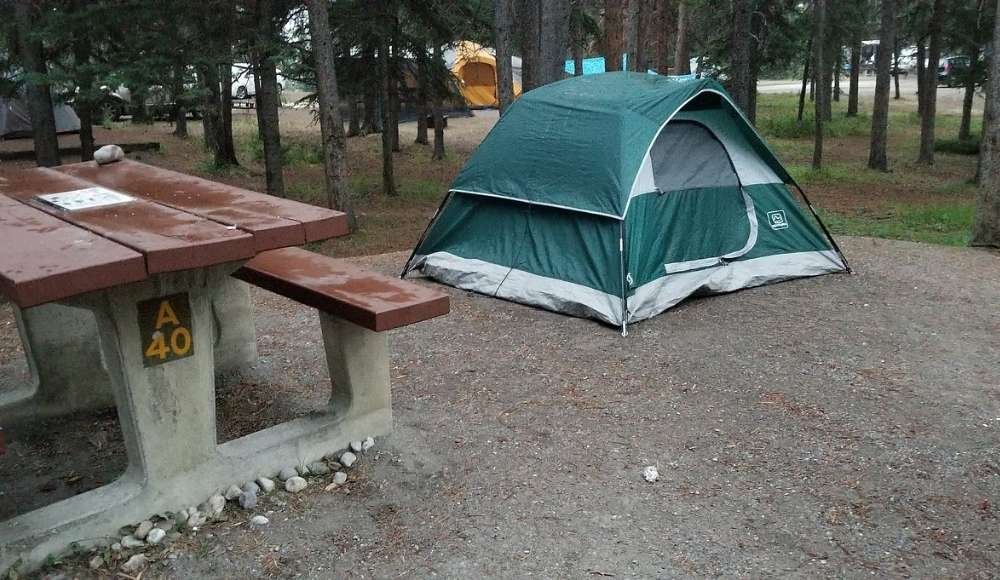
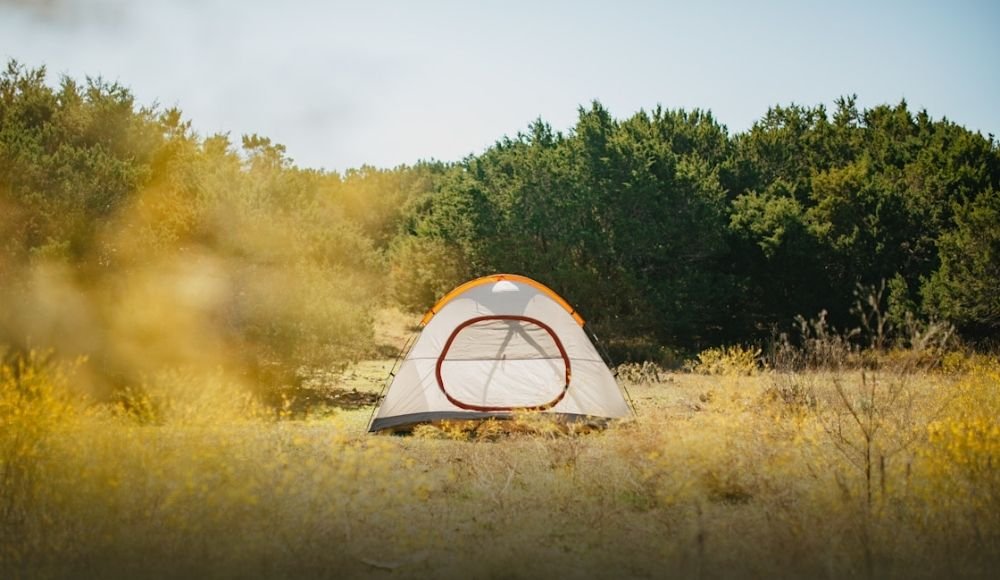
When it comes to camping, Banff has you covered. The park features easily accessible campgrounds, such as Tunnel Mountain Campground. This campground is perfect for families and solo travellers. You can set up your tent and enjoy the great outdoors. Imagine roasting marshmallows over a campfire under a starlit sky. It’s an experience you won’t forget.
Wildlife encounters are another exciting aspect of Banff National Park. You may spot elk grazing in the meadows or even catch a glimpse of a bear from a safe distance. Remember, these animals are part of the park's ecosystem. It’s essential to respect their space. Always follow park guidelines to ensure your safety and the animal’s well-being.
In addition to hiking and camping, Banff offers a variety of activities. One of the most popular is canoeing on Lake Louise. The lake's turquoise waters are stunning, especially against the backdrop of the mountains. Picture yourself gliding across the water, surrounded by nature’s beauty. It’s a peaceful experience that allows you to connect with the environment.
Banff National Park is not just a pretty place. It’s a UNESCO World Heritage Site, recognized for its natural beauty and ecological significance. Established in 1885, it is one of Canada’s oldest national parks. With a total area of 6,641 square kilometres, there’s so much to explore. Did you know that over 3 million visitors come to Banff each year? That’s a testament to its popularity and allure.
"Banff is where you connect with nature and its grandeur like nowhere else." - Travel Alberta
As you plan your visit, keep in mind that Banff is more than just a destination. It’s a place where you can immerse yourself in nature. From hiking to canoeing, there’s something for everyone. So, pack your bags and get ready for an adventure of a lifetime. Banff National Park awaits you with open arms!
2. Jasper National Park
Have you ever dreamed of a place where the stars shine brighter than anywhere else? Jasper National Park is that place. It is home to one of the largest dark sky preserves in the world. This means that when night falls, the sky transforms into a canvas of twinkling stars. You can see constellations, planets, and even the Milky Way with your naked eye. Isn’t that incredible?
During summer nights, the stargazing opportunities are phenomenal. Imagine lying on a blanket, surrounded by nature, as you gaze up at the vast expanse of the universe. You might even catch a glimpse of a shooting star. This experience is not just for astronomers; it’s for anyone who appreciates the beauty of the night sky. So, pack your telescope or simply bring a cozy blanket. You won’t regret it.
Jasper offers a range of camping options. You can choose from powered sites that provide electricity, or venture into the backcountry for a more rustic experience. Each option has its charm. Powered sites are great for families who want comfort, while backcountry sites are perfect for those seeking adventure. Imagine waking up to the sound of birds chirping and the smell of fresh pine. It’s a refreshing escape from the hustle and bustle of daily life.
Powered Sites: Ideal for families and those who enjoy modern conveniences.
Backcountry Sites: Perfect for adventurers looking to immerse themselves in nature.
Jasper National Park spans over 11,000 square kilometres. That’s a lot of space to explore! You can hike through lush forests, climb rugged mountains, or simply enjoy the breathtaking views. The park is also home to the Athabasca Glacier, a stunning sight that showcases the power of nature. Walking on a glacier is an experience like no other. It’s a reminder of the earth’s history and the beauty that surrounds us.
Wildlife viewing is another highlight of Jasper. You might spot elk, deer, or even bears roaming freely. The park’s remote location fosters incredible wildlife diversity. It’s a reminder that we share this planet with many other creatures. Always remember to respect their space. Observing wildlife in their natural habitat is a privilege, and it’s essential to keep a safe distance.
"Jasper feels like a world away, with its untamed wilderness and breathtaking vistas." - Local Guide
In Jasper, every corner offers something new. Whether you’re hiking a trail, camping under the stars, or simply soaking in the views, you’ll find endless opportunities for adventure. The park invites you to explore its beauty, to connect with nature, and to create memories that will last a lifetime. So, what are you waiting for? Adventure awaits in Jasper National Park!
3. Kananaskis Country
Kananaskis Country is a true treasure in Alberta. If you’re looking for a camping experience that feels more authentic and less commercialized than Banff or Jasper, this is the place for you. Here, you can escape the hustle and bustle of crowded tourist spots. Imagine waking up to the sound of birds chirping and the gentle rustle of leaves. It’s a refreshing change, isn’t it?
One of the best things about Kananaskis is the variety of outdoor activities available. You can hike through stunning trails, perfect for all skill levels. Want to feel the wind in your hair? Try mountain biking on the rugged paths. Fishing enthusiasts will also find plenty of spots to cast their lines. The options are endless, making it a fantastic destination for adventure seekers.
Hiking: Explore trails that lead you through breathtaking landscapes.
Mountain Biking: Ride along paths that challenge your skills and reward you with stunning views.
Fishing: Enjoy peaceful moments by the water, surrounded by nature.
The scenery in Kananaskis is nothing short of spectacular. Picture unique mountain vistas that seem to touch the sky. Wildflower-filled meadows paint the landscape with vibrant colours. Each season brings its own beauty, from lush greens in summer to the golden hues of autumn. It’s like stepping into a painting, where every corner reveals a new masterpiece.
This destination is also perfect for families and large groups. With spacious campgrounds and a variety of activities, there’s something for everyone. Kids can explore nature, while adults can relax and enjoy the serene environment. It’s a place where memories are made, whether you’re roasting marshmallows by the campfire or sharing stories under the stars.
Kananaskis spans over 4,000 square kilometres of protected land. Yes, you read that right—4,000 square kilometres! This vast area provides access to smaller, less crowded campsites. You won’t have to worry about noisy neighbours or long lines at the restrooms. Instead, you can immerse yourself in nature and enjoy the peace and quiet.
"Kananaskis is perfect for those seeking serenity and adventure in one escape." - Adventure Magazine
Local residents adore Kananaskis, and it’s easy to see why. The campgrounds cater to various preferences, whether you prefer a rustic experience or a more comfortable setup. You can find sites that allow you to pitch a tent or park your RV. The choice is yours! This flexibility makes Kananaskis a popular spot for both seasoned campers and newcomers alike.
So, if you’re planning your next camping trip, consider Kananaskis Country. It’s a hidden gem that offers a unique blend of adventure and tranquillity. You’ll leave feeling refreshed and inspired, ready to tackle whatever life throws your way. Why settle for the ordinary when you can experience the extraordinary?
4. Waterton Lakes National Park
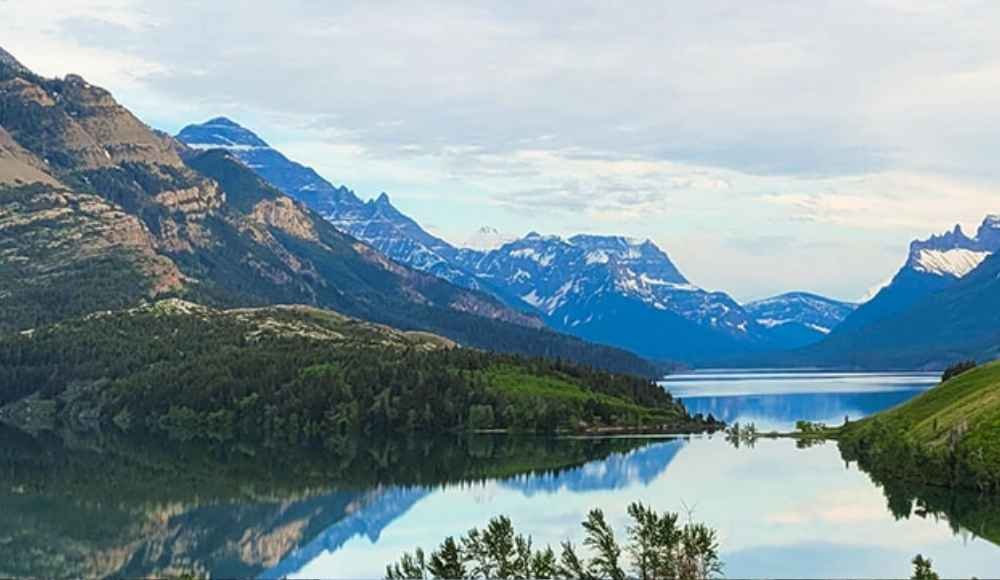
Have you ever dreamed of a place where mountains touch the sky and lakes shimmer like jewels? Waterton Lakes National Park is a dream come true. This stunning park is known for its breathtaking lake and mountain views. You can almost feel the beauty wrapping around you like a warm blanket.
Waterton Lakes is ideal for those who enjoy both hiking trails and water activities. Imagine hiking through lush forests, with the sound of birds singing and the scent of pine in the air. Then, after a day of exploring, you can cool off in the crystal-clear waters of Waterton Lake. It’s the perfect blend of adventure and relaxation.
Breathtaking Views: The park is famous for its picturesque Waterton Lake, a perfect backdrop for relaxation.
Hiking Trails: There are numerous trails for all skill levels, winding through diverse landscapes.
Water Activities: Kayaking, canoeing, and fishing are just a few of the activities you can enjoy.
Did you know that Waterton is part of the Waterton-Glacier International Peace Park? This unique designation highlights the park's commitment to conservation and international cooperation. Established in 1895, it has been a sanctuary for wildlife and a haven for nature lovers. The park covers a total area of 505 square kilometres, making it spacious enough for everyone to find their own slice of paradise.
Each year, approximately 500,000 visitors come to experience the magic of Waterton. They come for the stunning scenery, the diverse wildlife, and the chance to escape the hustle and bustle of daily life. As one nature enthusiast put it,
"Waterton is quietly stunning, with a charm that pulls you in, inviting you to stay longer."
This sentiment rings true for anyone who has set foot in this enchanting place.
Waterton offers both peaceful camping and active adventures in a remarkable landscape. You can pitch a tent near the lake and listen to the gentle lapping of the water against the shore. Or, if you prefer, you can embark on a thrilling hike up to one of the park's many peaks. Each step you take reveals new vistas and hidden gems. The choices are endless.
5. Elk Island National Park: A Taste of the Prairie
Elk Island National Park is a hidden gem in Alberta. It’s a place where nature thrives. You can encounter bison, elk, and over 250 species of birds. Imagine standing quietly, watching these magnificent creatures roam freely. It’s a sight that leaves you in awe.
What makes Elk Island truly special? It’s not just the wildlife. The park is perfect for wildlife watching and photography. You can capture stunning images of animals in their natural habitat. The golden hour, when the sun sets, offers breathtaking views. Have you ever seen a bison silhouetted against a vibrant sunset? It’s a photographer's dream.
Elk Island offers a variety of camping options. You can choose from front-country campgrounds, which are easily accessible. These sites are ideal for families or those who prefer convenience. But if you’re looking for adventure, try the backcountry campgrounds. They provide a more rustic experience. You’ll feel closer to nature, surrounded by the sounds of the wild.
Did you know that Elk Island is one of the few places where you can observe bison in their natural habitat? Established in 1906, this park has been protecting these majestic animals for over a century. The total area of the park is 194 square kilometres. That’s a lot of space for wildlife to roam!
Home to bison, elk, and over 250 species of birds.
Perfect for wildlife watching and photography.
Offers both front-country and backcountry campgrounds.
When you visit, take a moment to appreciate the unique features of Elk Island. Its proximity to urban centers makes it an easily accessible wildlife retreat. You don’t have to travel far to escape the hustle and bustle of city life. Just a short drive can transport you to a world filled with nature.
Imagine camping under the stars, surrounded by the sounds of nature. You might hear the distant call of a bird or the rustling of leaves. And if you’re lucky, you might even spot a bison wandering nearby. As one wildlife photographer put it,
"Being surrounded by bison while camping is a unique adventure everybody should try!"
This experience is something you won’t forget.
Elk Island is not just a park; it’s a sanctuary for wildlife. It’s a place where you can reconnect with nature. The fresh air, the open skies, and the vibrant wildlife create a perfect setting for relaxation. Whether you’re an avid photographer, a wildlife enthusiast, or just someone looking to escape, Elk Island National Park has something for everyone.
So, pack your bags and head to Elk Island. Experience the beauty of the prairie and the thrill of wildlife watching. You’ll leave with memories that last a lifetime.
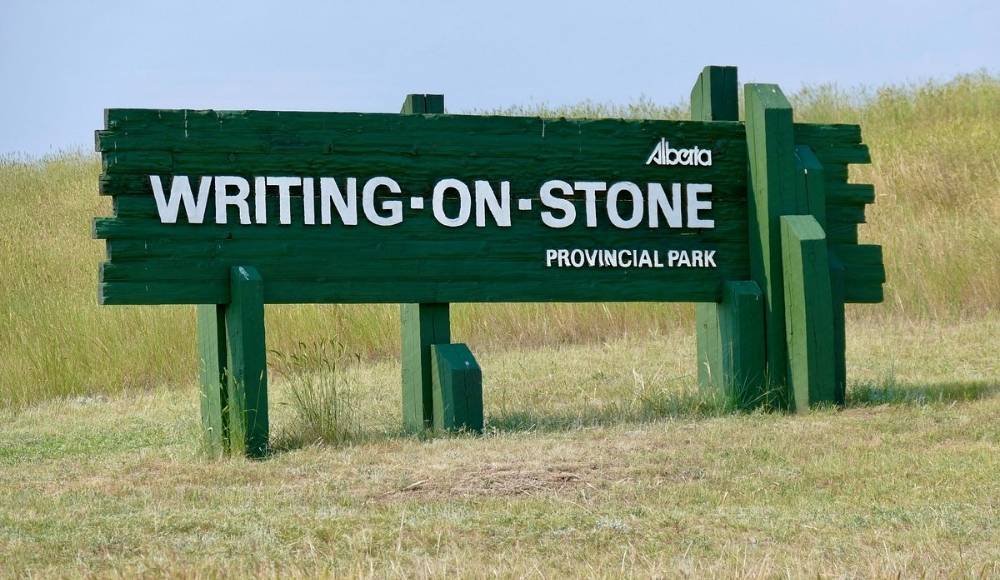
6. Writing-on-Stone Provincial Park
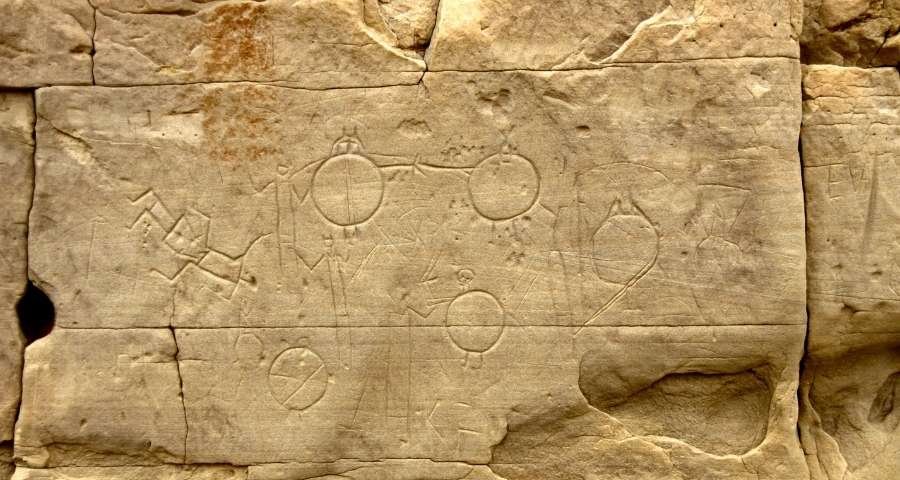
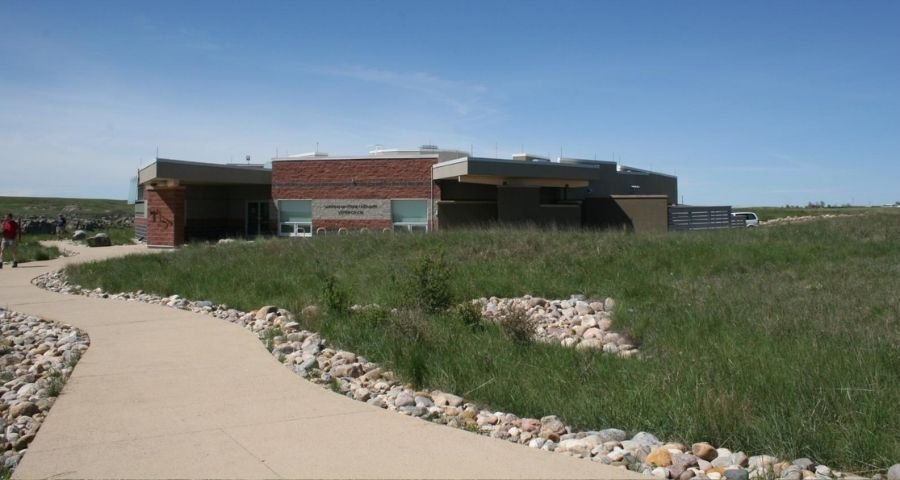
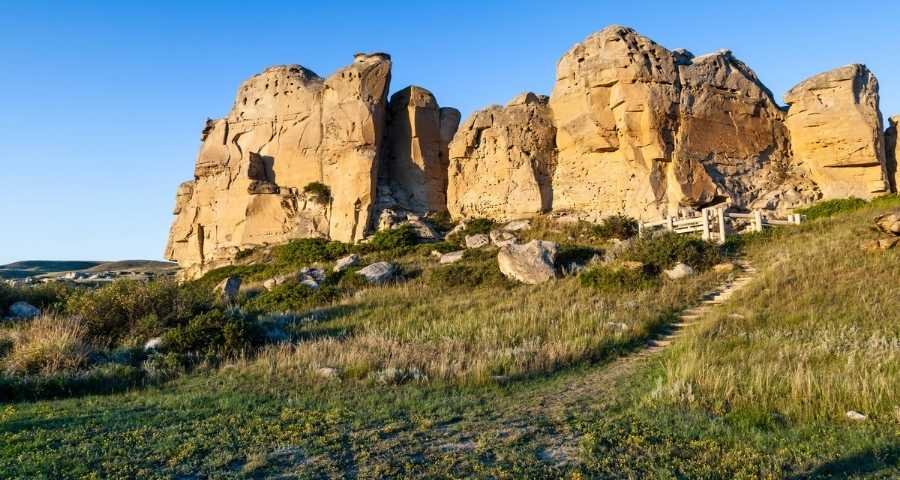
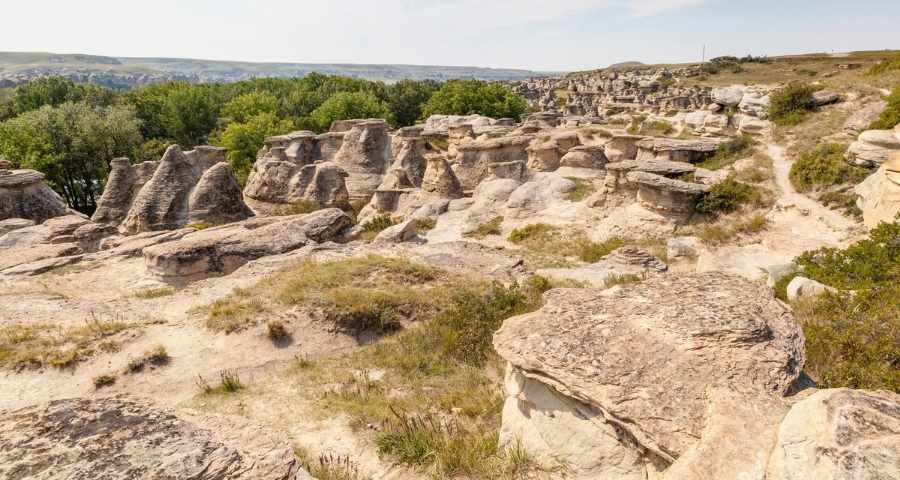
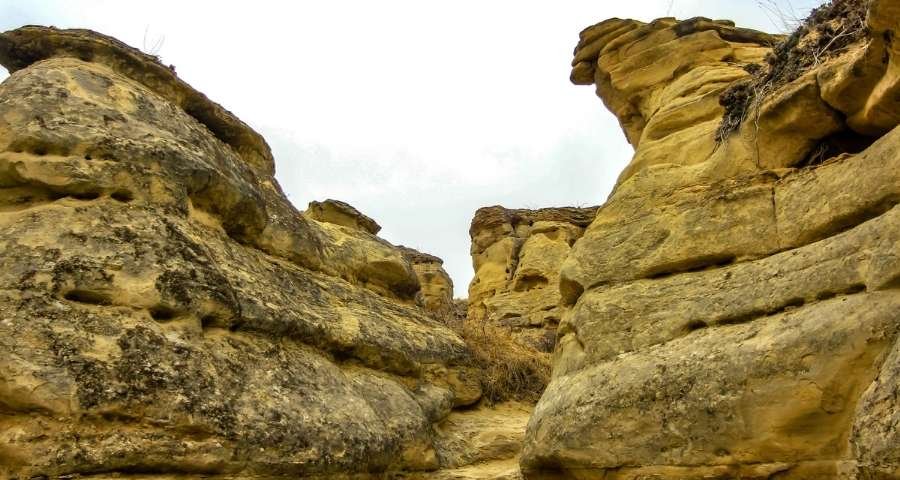
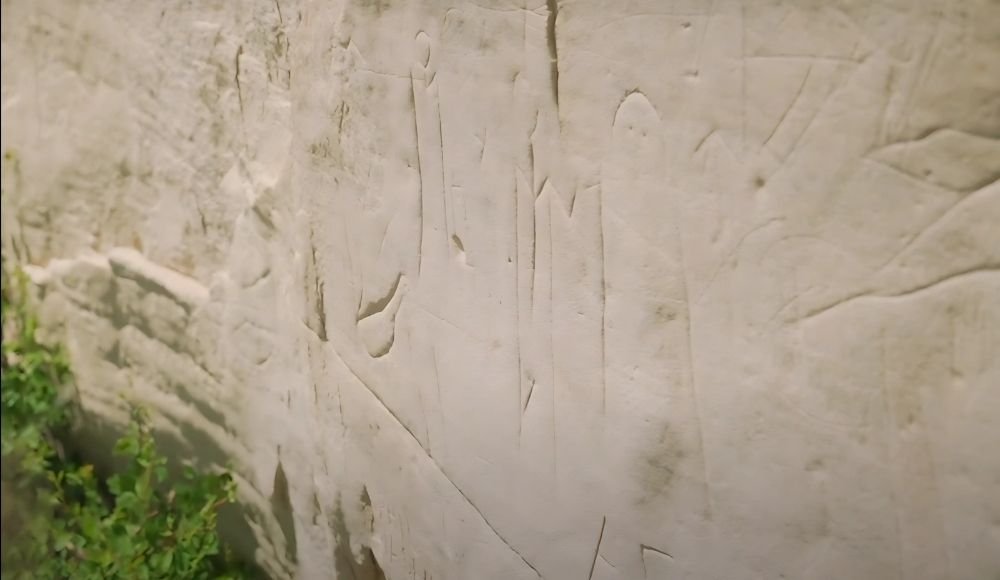
Writing-on-Stone Provincial Park, located in southeastern Alberta, is a captivating destination that offers a blend of stunning landscapes and rich Indigenous culture. The park is renowned for its ancient rock art, known as petroglyphs, created by the Blackfoot people. These carvings provide a glimpse into the spiritual and cultural history of the Indigenous communities that have inhabited the area for centuries. Visitors can participate in guided tours that share the significance of these artworks, enhancing their understanding of the local heritage.
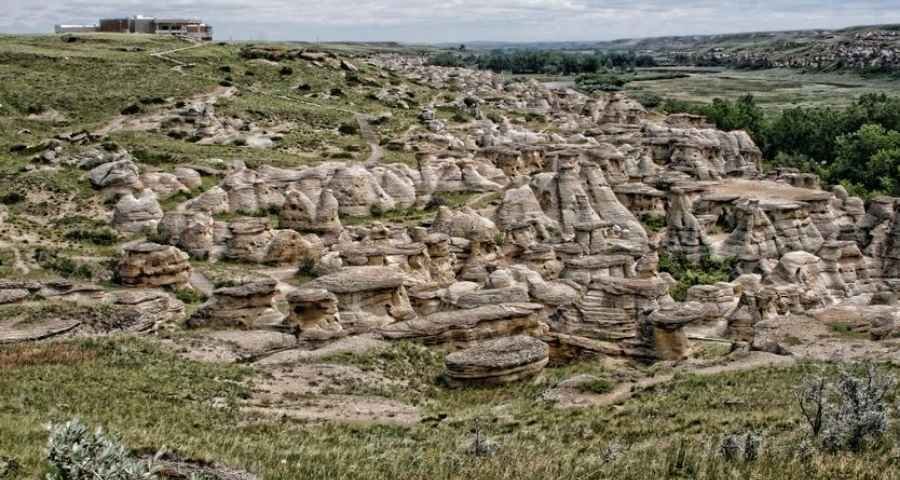
The park features breathtaking views of the Milk River Valley and unique geological formations, including striking hoodoos. Hiking trails meander through this picturesque environment, allowing campers to explore the natural beauty while soaking in the historical context. Birdwatching and photography are popular activities here, especially with the diverse wildlife that calls the park home.
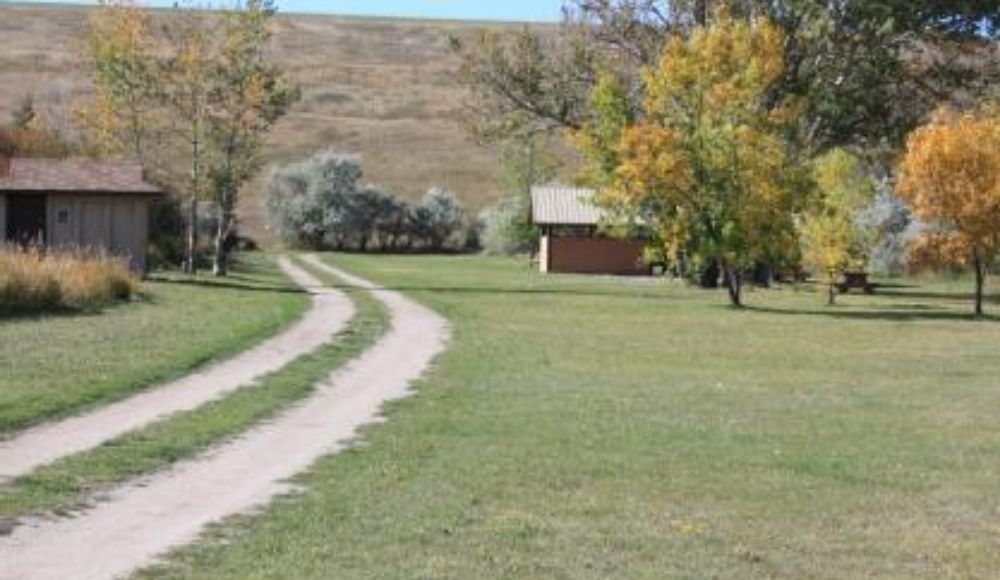
The campgrounds are well-maintained, providing a peaceful retreat where you can unwind and connect with nature. This lesser-known gem is perfect for those seeking a camping experience that goes beyond the typical, immersing you in the cultural richness of Alberta's Indigenous history.
7. Cypress Hills Provincial Park
Cypress Hills Provincial Park is a hidden gem in southeastern Alberta, renowned for its distinctive topography that features rolling hills and lush forests. This park offers a variety of campgrounds, including Elkwater Lake and Cypress Hills Interprovincial Park, making it an ideal base for outdoor enthusiasts.
With a plethora of hiking and mountain biking trails, visitors can explore the area at their own pace, enjoying the stunning views and rich wildlife. The park is also perfect for fishing, swimming, and picnicking, providing ample opportunities for relaxation.
Unique to Cypress Hills is its elevation, which creates a climate and ecosystem that differs from other regions in Alberta, making it a year-round destination for activities such as cross-country skiing in the winter. Reservations are recommended during peak seasons to ensure a spot in this beautiful park.
8.Miette Mountain Cabins
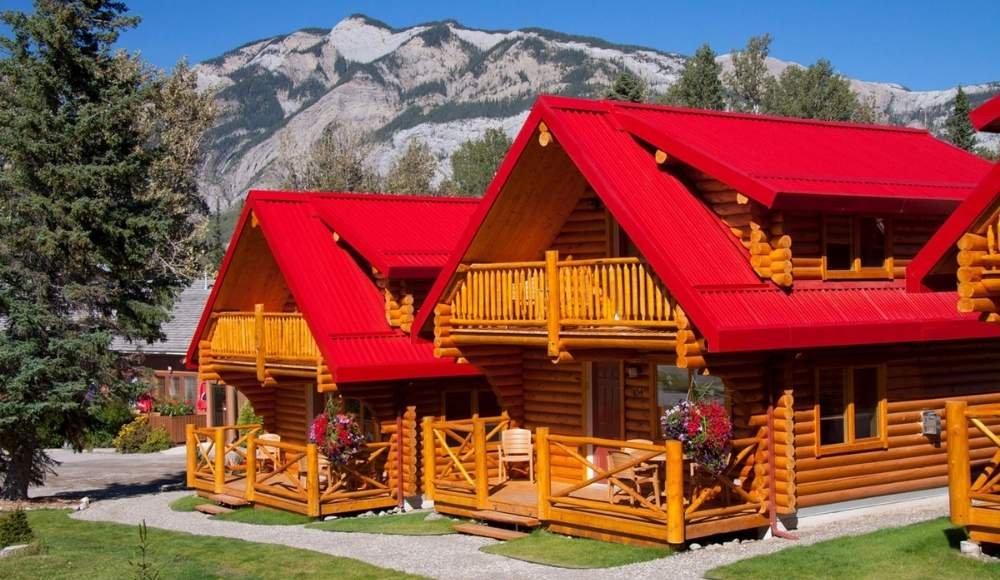
Located in the historic Miette area of Jasper National Park, Miette Mountain Cabins offers an idyllic alpine retreat for families, couples, and friends seeking a memorable mountain getaway. Located just a short drive from Jasper's east gate, these cabins provide a serene escape surrounded by the breathtaking beauty of the Canadian Rockies. Whether you're planning a family adventure, a romantic retreat, or a weekend with friends, Miette Mountain Cabins caters to all.
Guests can choose from a variety of accommodations, including private log cabins and cozy rooms, each designed to evoke a sense of nostalgia and comfort. The interiors feature warm wood finishes and classic stone fireplaces, creating a cozy atmosphere perfect for unwinding after a day of exploration. Many cabins also boast private patios, offering stunning views of snowcapped mountains and the surrounding natural beauty.
Miette Mountain Cabins is equipped with amenities to enhance your stay. Guests can enjoy the outdoor hot tub, perfect for relaxing while taking in the picturesque mountain scenery. For those looking to stay active, nearby trails offer opportunities for hiking and wildlife viewing. The on-site gift shop provides convenient access to essentials and souvenirs, ensuring a comfortable and enjoyable experience.
The prime location of Miette Mountain Cabins allows guests to immerse themselves in the natural wonders of Jasper National Park. The nearby historic Pocahontas mine site trail is great for snowshoeing and cross-country skiing. Whether you're seeking adventure or tranquillity, Miette Mountain Cabins serves as the perfect base for your Rocky Mountain escape.
9. Fish Creek Provincial Park
Fish Creek Provincial Park is an urban oasis located in Calgary, making it one of the largest urban parks in North America. This unique setting means you can enjoy all the benefits of a camping experience while still being close to city conveniences.
The park features several campgrounds that provide access to a variety of trails perfect for hiking, biking, and picnicking. With its beautiful landscapes, visitors can explore the serene surroundings, which are home to a diverse range of wildlife including deer, foxes, and many bird species.
Fishing in the creek is another popular activity, offering a tranquil way to soak up the natural beauty. The park is easily accessible, making it a great option for families or anyone looking to escape the hustle and bustle of city life without venturing too far from urban amenities.
10. St. Mary Lower Campground
St. Mary Lower Campground is situated near the eastern entrance of Glacier National Park, making it an ideal base for those wishing to explore this stunning area. The campground is surrounded by breathtaking mountain views and offers convenient access to a variety of hiking trails that range from easy walks to more challenging treks.
Campers can indulge in activities such as fishing in the nearby river, hiking the scenic trails, or simply enjoying the natural beauty that surrounds the campground. This location is particularly suitable for families and groups seeking a relaxing camping experience in a picturesque setting. Given its popularity, it is advisable to make reservations early, especially during the peak summer season, to ensure a spot in this beautiful locale.
Conclusion: Best Campsites In Alberta
As you wrap up your planning for the perfect camping trip in Alberta, it’s essential to consider your group's interests. Are you all about hiking, fishing, or simply looking to relax in nature? Each campground offers unique experiences tailored to different activities. Think about what excites you and your companions the most. This will help you choose the right spot that caters to everyone’s preferences.
Travel times and accessibility are also crucial factors. You wouldn’t want to spend hours on the road only to find out that the campground is difficult to reach. Look for locations that suit your adventure style. Do you prefer a remote site that requires a bit of hiking to get to? Or maybe a more accessible site that allows for a quick setup? Whatever your choice, make sure it aligns with your group’s comfort level and expectations.
Don’t forget about the practical side of camping. Permits, gear and the best seasons to visit are all important considerations. Some campgrounds require permits, especially during peak seasons. Make sure you secure these in advance to avoid any last-minute surprises. Check your gear as well. Is everything in working order? Do you have enough supplies for your trip? Planning ahead can save you from unnecessary stress during your adventure.
Lastly, aim to respect nature and leave no trace behind. This is not just a guideline; it’s a way to ensure that future generations can enjoy the same beauty you are experiencing. Carry out what you bring in, and be mindful of wildlife. Remember, the great outdoors is not just a place; it's a feeling. As you immerse yourself in Alberta's stunning landscapes, take a moment to appreciate the serenity and wonder around you.
FAQs: Campsites in Alberta
What are the best times of year to go camping in Alberta?
The best times to camp in Alberta are during the summer months, specifically from June to August when the weather is warm and perfect for outdoor activities.
Do I need a special permit to camp in Alberta camping sites?
Yes, most camping sites in Alberta require a permit, which can typically be obtained online or at the campsite.
What amenities can I expect at Alberta's camping sites?
Many camping sites in Alberta offer amenities like picnic tables, fire pits, restrooms, and sometimes shower facilities, though they vary by location.
Are there any family-friendly camping sites in Alberta?
Yes, Alberta has several family-friendly camping sites that provide activities for kids, such as hikes, swimming, and nature programmes.
Can I bring my pet along when camping in Alberta?
Many camping sites in Alberta allow pets, but it's important to check the specific site’s rules regarding pets before you go.
TL;DR Discover the top 10 camping sites in Alberta, ranging from the stunning mountain views of Banff and Jasper National Parks to the unique wildlife experiences at Elk Island and the cultural richness of Writing-on-Stone Provincial Park. Enjoy serene escapes in Kananaskis Country, scenic beauty in Waterton Lakes, and urban retreats at Fish Creek Provincial Park. Each site offers diverse outdoor activities, picturesque landscapes, and essential facilities for a memorable camping adventure.
Last updated: July 2026. Information has been verified against Alberta Parks' current visitor information, seasonal closures, and guided tour details.
Writing-on-Stone Provincial Park is one of Alberta's most remarkable places, where dramatic sandstone hoodoos meet the largest concentration of Indigenous rock art on the North American Great Plains. Known in Blackfoot as Áísínai'pi ("it is pictured" or "it is written"), this sacred cultural landscape stretches along the Milk River in southeastern Alberta and has been an important gathering place for the Blackfoot and other Plains peoples for centuries.
In 2019, UNESCO recognized its outstanding cultural significance by designating it Canada's 20th World Heritage Site.
People visit for different reasons; some come to hike among the hoodoos, others book guided tours to see the ancient petroglyphs and pictographs, while many simply want to experience one of Alberta's most unique landscapes. This guide covers everything you need to plan your visit, including hiking trails, camping, guided tours, nearby attractions, the best time to go, and important 2026 seasonal closures.
Visitor Centre and most facilities only open mid-May to mid-October
Valley wind and summer wasps can be tough on a camping trip with young kids
Is Writing-on-Stone Provincial Park Worth Visiting?
Yes, for most travellers interested in either Alberta's landscape or its Indigenous history. It's the only place in the province where you'll find hoodoo scenery and the largest concentration of Indigenous rock art on the Great Plains in the same 17.8 square kilometres — and the UNESCO designation reflects that combination, not just the scenery on its own.
It's worth being clear-eyed about who it's a better fit for. If you want the rock art specifically, you need to build your visit around a guided tour schedule, not just show up. If you want a quiet, uncrowded alternative to Banff or Jasper with real hiking and camping, it delivers. If you're looking for shade, extensive facilities, or a park you can wander freely without planning, it's a weaker match — the terrain is exposed, services are seasonal, and the best parts require some coordination.
For a southern Alberta or cross-border Waterton road trip, it's a strong, easy addition. As a standalone long weekend from Calgary, it still holds up, provided you plan the drive, the tour booking, and the exposed conditions around it rather than treating it like a drop-in park.
Where is Writing-on-Stone Provincial Park?
Writing-on-Stone Provincial Park is located in southeastern Alberta, approximately 100 kilometres southeast of Lethbridge, about 337 kilometres south of Calgary, and 44 km east of the town of Milk River. The park stretches along the scenic Milk River near the small town of Milk River, just north of the Montana border.
Known in Blackfoot as Áísínai'pi, the park sits within Alberta's rugged coulee and prairie landscape, where towering sandstone hoodoos, river valleys, and rolling grasslands create one of the province's most distinctive natural settings.
Although the park feels remote compared to Alberta's mountain destinations, it's surprisingly easy to reach by car using fully paved provincial highways. Its location makes it an excellent stop on a southern Alberta road trip, whether you're exploring Lethbridge, Waterton Lakes National Park, Dinosaur Provincial Park, or other attractions throughout the region.
How to Get to Writing-on-Stone Provincial Park
The easiest and most convenient way to visit Writing-on-Stone Provincial Park is by private vehicle, as there is currently no public transportation or shuttle service to the park. The drive itself is part of the experience, taking you through Alberta's wide-open prairie landscapes, farmland, and dramatic coulee country before reaching the Milk River valley. Roads leading to the park are well maintained and clearly signed, making the journey straightforward for first-time visitors.
From Calgary
Distance: Approximately 337 km
Driving time:3.5–4 hours
Drive south on Highway 2 toward Fort Macleod before joining Highway 3 east toward Lethbridge. From Lethbridge, continue south on Highway 4 to the town of Milk River, then follow Highway 501 east and Highway 500 south directly to the park entrance.
From Lethbridge
Distance: Approximately 100 km
Driving time:About 1.5 hours
Take Highway 4 south to Milk River, then continue along Highway 501 east before turning onto Highway 500 south. This is the shortest and most popular route for day-trippers visiting the park.
From Edmonton
Distance: Approximately 530 km
Driving time:5.5–6 hours
Travel south on Highway 2 through Red Deer and Calgary before following the Calgary directions. Because of the longer drive, many visitors from Edmonton choose to stay overnight in Lethbridge or camp inside the park to make the most of their visit.
Please Note: There are no fuel services near the park itself, so fill up your car in Milk River or Lethbridge before you head out. There's also no ATM on site; the campground shower building only accepts loonies and toonies, so grab cash in town first.
Parking
The Visitor Centre has a paved parking lot, and there's separate parking near the day-use area and beach. On busy summer weekends and around guided tour departure times, the Visitor Centre lot can fill up — give yourself a few extra minutes if you're arriving right at your tour time.
Road conditions
The entire route in from Milk River — 32 km on Highway 501 and 10 km on Highway 500 — is paved, according to Alberta Parks, so this isn't a gravel-road trip in summer. Winter and shoulder-season driving is a different story: rural southern Alberta highways can see ice, wind-blown snow drifts, and reduced visibility, so check Alberta's 511 road report before an off-season visit.
Why the rock art matters
The carvings and paintings at Áísínai'pi were made by the Blackfoot and other Plains peoples over centuries, and they depict travel routes, battles, ceremonies, and spiritual figures. The hoodoos and cliffs surrounding them were considered dwellings of powerful spirits, which is part of why the site was treated as sacred long before it became a park. Defacing or touching the rock art is illegal and damages a record that can't be replaced — Alberta Parks asks visitors to report any vandalism they see to staff.
Because the art is fragile and the Archaeological Preserve is a restricted area, most of it isn't accessible independently. The most significant sites can only be visited on a guided tour.
Writing-on-Stone is just one of Alberta's remarkable protected areas. If you're planning a road trip around the province, be sure to explore our guide to the best provincial parks in Alberta for more incredible hiking, camping, and sightseeing destinations.
Guided tours: what they actually cost
The main interpretive tour runs from the Visitor Centre into the restricted archaeological area — this is the only way most visitors see the rock art up close. Recent visitor reports put the standard tour at around $21 per person for roughly 90 minutes, plus a non-refundable $5 booking fee whether you reserve by phone or online. Cancellations more than 48 hours out are refundable; inside that window, they're not, and Alberta Parks doesn't refund for weather, road conditions, or car trouble once a tour is running.
For something longer, the Haffner Coulee Guided Hike is a roughly 3-hour, more strenuous route into a remote coulee with its own petroglyph sites — rated difficult, with uneven terrain the whole way. Wear real hiking shoes for this one.
Book ahead in July and August. Tours fill, and Alberta is on Mountain Time, so double-check your booking window if you're calling from elsewhere.
Visitor Centre Trail
A flat, wheelchair-accessible 0.5 km one-way route connecting the Visitor Centre, campground, and hoodoo exploration area. Roughly 15–20 minutes each way — a good option for families or anyone with limited mobility who still wants to see the hoodoos up close.
Sweet Pine (Sweetgrass) Hills Viewpoint Trail
Another accessible 0.5 km one-way trail from the Visitor Centre, ending at a viewpoint looking toward the Sweetgrass Hills across the Montana border.
Backcountry hiking area (Davis and Humphrey Coulee)
Difficulty: Difficult — no maintained trails, only game trails
Distance: 930 hectares to explore, no fixed route
Access: Requires wading across the Milk River; check water levels before you go
What you'll see: Rolling grassland, hoodoo fields, narrow sandstone canyons, badlands terrain
Tips: Pick up a backcountry map at the Visitor Centre or Hoodoo Hut first — there's no signage out here
Safety: No overnight camping and no fires are permitted in this zone; leashed dogs are allowed but must be under control; you'll cross cattle fences along the way, so leave gates as you found them
Water and shade: None of either — carry everything you'll need
Things to Do in Writing-on-Stone Provincial Park
Hiking
Writing-on-Stone Provincial Park offers some of the most unique hiking in southern Alberta, with trails winding through sandstone hoodoos, prairie grasslands, and the scenic Milk River valley. Most visitors begin with the Matapiiksi (Hoodoo) Interpretive Trail, a relatively easy hike featuring interpretive signs, panoramic viewpoints, and several petroglyphs that can be viewed without joining a guided tour.
If you're looking for more adventure, the Davis and Humphrey Coulee backcountry hiking area provides a completely different experience. There are no maintained trails, so you'll need to navigate using a map after crossing the Milk River. Carry plenty of water, wear sturdy hiking boots, and avoid hiking during the hottest part of summer, as there is very little shade anywhere in the park.
Matapiiksi (Hoodoo) Interpretive Trail
Distance: 2.5 km one-way (5 km return)
Difficulty: Easy to moderate — mostly flat with a couple of short inclines
Elevation gain: Minimal
Time: 1.5–2.5 hours round trip depending on how long you linger
Best season: Spring and fall for cooler temperatures; early morning if you're hiking in summer
What you'll see: Hoodoos, sandstone cliffs, upland prairie grassland, Milk River valley views, and petroglyphs viewable without a guide
Tips for beginners: Pick up the self-guided trail booklet at the Visitor Centre before you start — it corresponds to numbered stops along the route
Safety: Wear closed-toe shoes, stay on the marked trail, and stay alert around sun-warmed rocks where rattlesnakes are occasionally seen
Water availability: None on the trail — carry at least 1–2 litres per person
Shade: Little to none; the hoodoo terrain is fully exposed
Camping
The Writing-on-Stone campground has 43 sites for tents and RVs, many with 15- or 30-amp electrical service, plus a group unserviced camping option for larger parties. The campground has flush toilets, and the park's day-use area has pit toilets. Drinking water is available at the campground and Visitor Centre — worth topping up before you head out hiking, since none of the trails have water access.
RV suitability: Many sites accommodate RVs, though exact length limits vary by site — check the specific site details when booking if you're pulling something large.
Tent camping: Widely available across the campground; natural surface sites work well for tents.
Group camping: A group unserviced site is bookable separately, with a longer advance booking window (up to 180 days) than standard sites (90 days).
Reservations and peak season: Reservations open 90 days ahead of your arrival date. July and August book up fast — reserve as early as your window allows. Unreserved sites go first-come, first-served outside peak season.
Comfort camping: For something less rustic, the park's three insulated cabins come with beds, electricity, and a private deck.
Quiet hours: Alberta Parks' standard system-wide quiet hours of 11:00 pm to 7:00 am apply.
The one thing to flag for fall 2026: Alberta Parks has the campground, group camping areas, and campground road access closed from September 8 through October 29, 2026 for a septic system replacement. The day-use area in the valley stays open during the closure, but you'll park at the Visitor Centre and walk in along the Visitor Centre trail instead of driving down. Check the official Alberta Parks page before booking anything in that window, since closure dates can shift.
Guided Rock Art Tours
A guided rock art tour is the highlight of a visit for many people and the only way to access the protected Archaeological Preserve, where most of the park's significant petroglyphs and pictographs are located. Knowledgeable Alberta Parks interpreters explain the meaning of the carvings and paintings while sharing the cultural importance of Áísínai'pi to the Blackfoot Confederacy and other Plains Nations.
Tours typically last around 90 minutes and operate seasonally from the Visitor Centre. During July and August, spaces often fill well in advance, so booking ahead is highly recommended. Comfortable walking shoes, water, sunscreen, and a hat are essential because much of the tour takes place on exposed terrain.
Canoeing
Paddling the Milk River offers a completely different perspective of Writing-on-Stone Provincial Park. Floating quietly beneath towering hoodoos and sandstone cliffs allows you to appreciate the landscape from the same river corridor that Indigenous peoples travelled for centuries.
The river generally has a slow, gentle current, making it suitable for beginner and intermediate paddlers during normal water conditions. Always check current river levels before launching, wear a properly fitted life jacket, and avoid paddling during periods of high water or after heavy rainfall.
Kayaking
Kayaking is another popular way to experience the Milk River, giving you more control and manoeuvrability than a canoe while exploring the winding river corridor. It's an excellent option for photographers and wildlife enthusiasts, as kayaks allow you to move quietly along the shoreline without disturbing birds and other animals.
Morning and evening paddles are often the most enjoyable, with cooler temperatures, calmer winds, and better opportunities to spot deer, waterfowl, and birds of prey. Remember to pack drinking water, sun protection, and a dry bag to keep your belongings safe.
Tubing
If you're looking for a relaxing summer activity, tubing down the Milk River is hard to beat. The gentle current allows you to drift past hoodoos, cottonwood trees, and prairie scenery at an easy pace, making it a popular choice for families and groups of friends.
Tubing conditions depend on seasonal water levels, so always check current river conditions before setting out. Wear a life jacket, avoid floating alone, and be prepared for limited shade along the river during hot summer afternoons.
Photography
Writing-on-Stone Provincial Park is one of Alberta's most photogenic landscapes. The combination of sandstone hoodoos, dramatic coulees, the winding Milk River, and expansive prairie skies creates outstanding photography opportunities throughout the day.
Early morning and late afternoon provide the best light, bringing out the warm colours and textures of the hoodoos while reducing harsh shadows. Wildlife photographers should visit around sunrise or sunset when animals are most active, while night photographers will appreciate the park's exceptionally dark skies for astrophotography.
Birdwatching
The Milk River corridor supports one of southern Alberta's richest bird habitats, making the park an excellent destination for birdwatching. During spring migration, the riparian forest attracts numerous songbirds, while the surrounding cliffs and grasslands provide habitat for several prairie species.
Keep an eye out for prairie falcons, red-tailed hawks, golden eagles, burrowing owls, and a variety of waterfowl. Bringing binoculars and visiting during the early morning hours will greatly improve your chances of spotting wildlife before temperatures rise.
Wildlife Viewing
Although the park is best known for its hoodoos and rock art, it also supports a surprising variety of wildlife. Pronghorn antelope, mule deer, and white-tailed deer are commonly seen grazing throughout the grasslands and along the Milk River, particularly around sunrise and sunset.
Smaller animals such as yellow-bellied marmots, Richardson's ground squirrels, and the occasional bobcat may also be spotted. Visitors should remain alert for prairie rattlesnakes during the warmer months and always observe wildlife from a respectful distance without feeding or approaching animals.
Stargazing
With very little light pollution, Writing-on-Stone Provincial Park is one of the best places in southern Alberta to enjoy a clear night sky. On cloudless evenings, visitors can easily see thousands of stars, the Milky Way, and seasonal constellations stretching across the prairie sky.
For the best experience, stay overnight or visit during a new moon when the sky is darkest. Bring a reclining chair or blanket, use a red-light flashlight to preserve your night vision, and allow your eyes 20 to 30 minutes to fully adjust to the darkness.
Picnicking
The day-use area near the Visitor Centre provides a peaceful place to enjoy lunch while surrounded by hoodoos and the scenic Milk River valley. Picnic tables, washroom facilities, and easy access to nearby walking trails make it a convenient stop for families and day visitors.
Even during the scheduled fall 2026 campground closure, the day-use area remains open and accessible via the Visitor Centre Trail. Arrive earlier in the day during summer weekends to secure a picnic table and enjoy the cooler morning temperatures before heading out to explore the park.
Know Before You Go
Cell service: None in the campground or backcountry. The Visitor Centre has cell service and free wifi.
Washrooms: Flush toilets at the campground; pit toilets at the day-use area.
Drinking water: Available at the Visitor Centre and campground — carry your own for hiking, since trails have none.
Dogs: Leashed dogs are welcome on the Matapiiksi Trail, the Battle Scene Trail, in the campground, and at a designated pet-friendly beach area. Dogs are not permitted on guided rock art tours or inside the Archaeological Preserve.
Drone restrictions: Recreational drone use is prohibited in Alberta's provincial parks. Commercial or research use requires a permit applied for in advance through Alberta Parks.
Fire restrictions: No fires are permitted anywhere in the backcountry hiking area. Always check current fire bans before lighting a campfire elsewhere in the park.
Leave No Trace: Stay on marked trails, never touch or deface the rock art, pack out all garbage, and don't remove fossils, bones, or cultural artifacts you come across.
Sun protection: There's little to no shade around the hoodoos, and temperatures at the exposed rock can run noticeably hotter than the surrounding grassland. Sunscreen, a hat, and sun-safe clothing aren't optional in summer.
Snake awareness: Prairie rattlesnakes are present in the park, most often seen April through October sunning on warm rocks. Wear closed-toe shoes, stay on trails, and if you hear a rattle, don't step back — locate the sound first, then back away slowly.
Weather: Summer daytime temperatures of 30–35°C are common in July and August, and the exposed hoodoo terrain can run noticeably hotter still. Spring and fall weather is milder but more unpredictable — pack layers. The valley can also get genuinely windy, and wasps are active in summer — both are worth planning around if you're camping with kids.
What to Pack for Writing-on-Stone Provincial Park
Packing the right gear can make your visit much more comfortable, especially during the hot summer months when temperatures often exceed 30°C and much of the park's hoodoo landscape offers little natural shade. If you're planning to hike, camp, or spend time on the Milk River, here's what you should bring:
Hiking shoes or sturdy trail runners – Essential for uneven trails, sandstone terrain, and guided rock art tours.
Wide-brimmed hat – Provides much-needed protection from the intense prairie sun.
Sunscreen (SPF 30 or higher) – There is very little shade on most trails.
At least 2 litres of drinking water per person – Water is available at the Visitor Centre and campground but not on hiking trails.
Camera or smartphone – You'll want to capture the hoodoos, river valley, wildlife, and dramatic sunsets.
Binoculars – Great for spotting prairie falcons, burrowing owls, deer, and other wildlife from a distance.
Lightweight windbreaker or rain jacket – Weather can change quickly, and strong winds are common in the coulees, even on warm days.
Insect repellent – Helpful during the warmer months, particularly near the river and campground where mosquitoes and wasps can be active.
Dry bag – Recommended if you're canoeing, kayaking, or tubing to keep electronics, keys, and extra clothing dry.
Swimsuit and towel – If you plan to cool off in the Milk River or spend time at the river's natural beach.
Snacks or a picnic lunch – Food options are limited nearby, making it a good idea to bring your own meals for a full day in the park.
Printed park map or downloaded offline map – Cell service is limited outside the Visitor Centre, so don't rely entirely on your phone for navigation.
Pro Tip: If you're visiting in July or August, plan outdoor activities for the morning or late afternoon when temperatures are cooler, and the lighting is better for photography.
Things to Do Near Writing-on-Stone Provincial Park
Milk River — The nearest town, roughly 26–44 km away depending on your route in, with fuel, groceries, and motels. Worth fuelling up here before heading to the park, since there's no fuel service nearby.
Devil's Coulee Dinosaur Heritage Museum (Warner) — The site of Canada's first dinosaur egg nesting site, discovered by a local teenager in 1987. The museum offers guided fossil tours and hands-on exhibits, including embryonic dinosaur material.
Etzikom Windmill Museum (Etzikom) — A small hamlet museum built around a collection of historic windmills, reflecting the region's early prairie settlement history.
Police Outpost Provincial Park — Alberta's southernmost provincial park, on the shores of Outpost Lake near the Montana border. A quieter park known for fishing, birding, and paddling, and a natural stop if you're continuing toward Waterton.
Lethbridge — About 100 km / 1.5 hours away, with the Nikka Yuko Japanese Garden, Fort Whoop-Up Interpretive Centre, and the Galt Museum & Archives.
Waterton Lakes National Park — For a longer road trip, Waterton is a further drive west but pairs naturally with a southern Alberta UNESCO circuit, as the Canadian half of the Waterton-Glacier International Peace Park.
Where to Stay
Inside the park: The campground (43 sites) and the three comfort camping cabins are the only accommodation actually inside Writing-on-Stone.
Milk River: The Sandstone Motel and Roxie Smith Bed & Breakfast are the main in-town options, both close enough for an early start.
Lethbridge (~100 km / 1.5 hrs): More hotel chain options here, including Sandman, Holiday Inn, and Ramada properties — worth it if you want more amenities or are combining the trip with other Lethbridge sightseeing.
Nearby camping alternatives: If Writing-on-Stone's campground is full or closed, 8 Flags Campground and the Milk River RV Park in town, and Gold Springs Park a short drive away, are all options other visitors have used as a base.
Sample Itineraries
One-Day Itinerary
8:00 am — Depart Lethbridge
9:30 am — Arrive at the Visitor Centre, pick up trail booklet
10:00 am — Guided rock art tour (~90 minutes)
11:30 am — Lunch at the day-use picnic area
12:30–2:30 pm — Hike the Matapiiksi Trail
3:00 pm — Depart
Two-Day Itinerary
Day 1
Afternoon arrival, set up camp
Evening walk along the river and photography at sunset
Stargazing after dark
Day 2
Morning guided rock art tour
Midday hike on the Matapiiksi Trail
Afternoon canoe or tube float on the Milk River
Evening departure
Photography Guide
Eroded sandstone hoodoos and rock formations at Writing-on-the-Stone
Best sunrise locations: East-facing viewpoints along the Matapiiksi Trail catch the first light on the hoodoos, when the sandstone takes on a warmer colour than it does at midday.
Best sunset viewpoints: The bluffs above the Milk River valley, facing west, give you the river, the coulee, and the hoodoos backlit in the same frame.
Hoodoo photography: Shoot from a low angle to exaggerate scale, and favour early morning or evening light — midday sun flattens the texture that makes the formations interesting.
Wildlife photography: A telephoto lens and patience near the river corridor in early morning or evening will get you the best chance at deer, raptors, and songbirds.
Lens suggestions: A wide-angle (16–35mm equivalent) covers the hoodoo and valley landscapes; a telephoto (100–400mm) handles wildlife and birds; a macro lens is useful for rock texture, but never touch the rock art itself to photograph it up close.
Seasonal tips: Spring brings wildflowers across the grassland, fall brings coulee colour, and winter offers stark, low-angle light — though access and facilities are limited that time of year.
Accessibility
Wheelchair access: The Visitor Centre Trail (0.5 km) and the Sweet Pine Hills viewpoint trail (0.5 km) are both accessible.
Accessible washrooms: Available at the Visitor Centre.
Visitor Centre: Accessible, with interpretive displays, a gift shop, and an information desk.
Accessible viewpoints: The hoodoo viewpoint reached via the Visitor Centre Trail doesn't require the full Matapiiksi Trail to enjoy.
What isn't accessible: The guided rock art tours involve uneven terrain and are not wheelchair accessible, and the Matapiiksi Trail itself is unpaved and not considered accessible.
Best Time to Visit
Spring (Apr–May)
Summer (Jun–Aug)
Fall (Sep–Oct)
Winter (Nov–Mar)
Crowds
Light
Heaviest of the year
Light to moderate
Minimal
Weather
Mild, unpredictable
Hot, 30–35°C common
Mild, cooling
Cold, can be harsh
Wildlife
Spring bird migration
Most active early/late in day
Deer more visible
Limited activity
Photography
Wildflowers
Long daylight hours, harsh midday light
Coulee colour
Stark, low-angle light
Camping
Open, quieter
Open, book well ahead
Open except Sept 8–Oct 29, 2026 closure
Mostly closed
Guided tours
Running, less full
Running, book ahead
Running, reduced hours
Not offered
How Writing-on-Stone Compares to Dinosaur Provincial Park
Both are UNESCO World Heritage Sites in Alberta's badlands and prairie country, but they're built around different things.
Writing-on-Stone
Dinosaur Provincial Park
UNESCO designation
Yes, since 2019
Yes, since 1979
Hoodoos
Sandstone hoodoos along the Milk River
Smaller, more weathered badlands hoodoos
Camping
43 sites plus 3 cabins
Campground with showers
Rock art
Largest concentration of Indigenous rock art on the Great Plains
None — known for fossils instead
Hiking
Matapiiksi Trail plus backcountry zone
Badlands terrain trails
Guided tours
Rock art interpretive tours
Fossil Safari, bonebed hikes, sunset tours
River activities
Canoeing, kayaking, tubing on the Milk River
Red Deer River corridor
Distance from Calgary
~337 km
~2.5 hours
If rock art and Indigenous history are the draw, Writing-on-Stone is the one to visit. If it's fossils and dinosaur history, Dinosaur Provincial Park is the better fit — some southern Alberta road trips do both.
What Surprises Most First-Time Visitors
The hoodoos are bigger and more dramatic than photos suggest — they're easy to underestimate until you're standing next to one.
The rock art isn't freely accessible. Most first-timers assume they can just walk up and see it; the significant sites require a guided tour into the Archaeological Preserve.
It's much quieter than Alberta's national parks. No Banff-style crowds, even in peak season.
Summer heat feels more intense than the number suggests, because the exposed hoodoo terrain runs hotter than the surrounding grassland with almost no shade.
The valley wind can be surprisingly strong, even on days when the temperature itself feels comfortable — worth planning for if you're camping.
There's no cell service outside the Visitor Centre, which catches a lot of visitors off guard.
Final Thoughts on Writing-on-Stone Provincial Park
Writing-on-Stone Provincial Park rewards a little planning. The park's most remarkable attraction—its ancient Indigenous rock art—can only be explored on a guided tour, so it's worth checking tour availability, seasonal hours, and the latest visitor information before you go.
Once you arrive, you'll discover one of Alberta's most extraordinary destinations, where dramatic hoodoos, rich Indigenous history, and stunning prairie landscapes come together in one unforgettable place. Whether you're hiking scenic trails, paddling the Milk River, or learning about the area's cultural significance, a visit to Writing-on-Stone Provincial Park is an experience you'll remember long after you leave.
Frequently Asked Questions
Is Writing-on-Stone worth visiting?
Yes, it's one of the few places in Alberta where a UNESCO-recognized cultural landscape and a genuinely distinctive natural landscape are the same site. It rewards a bit of planning more than most parks, since the best part (the rock art) is only visible on a tour.
How much time do you need?
A guided tour, a hike on the Matapiiksi Trail, and a stop at the Visitor Centre can be done in 3–6 hours. Staying overnight lets you add paddling, photography at golden hour, and more relaxed exploring.
Can you see the rock art without a guided tour?
Some petroglyphs along the Matapiiksi Trail are visible without a guide, but the most significant sites are inside the restricted Archaeological Preserve and only accessible on an official tour.
How long is the guided tour?
The standard interpretive tour runs about 90 minutes. The longer Haffner Coulee Guided Hike runs roughly 3 hours.
Can you bring dogs?
Yes, on leash, in the campground and on the Matapiiksi and Battle Scene Trails, plus a designated pet-friendly beach area. Dogs aren't permitted on guided rock art tours.
Do I need reservations?
For camping, yes. If you want to guarantee a campsite, especially in July and August, reservations open 90 days ahead. Guided tour reservations are also strongly recommended during summer because they frequently sell out.
Are drones allowed?
No, recreational drone use is prohibited in Alberta's provincial parks, including here.
Can you swim in the Milk River?
There's a natural beach near the campground that's commonly used for wading and swimming, though river conditions and depth vary through the season; check current conditions before you go in.
Can you fish?
Fishing regulations and licensing apply on the Milk River and can vary by zone — check Alberta's current sportfishing regulations before you cast a line.
Is it suitable for children?
Yes. The Matapiiksi Trail and Visitor Centre Trail are manageable for most families, and the guided tours are family-friendly, though the terrain on tours is uneven.
Can you visit without hiking?
Yes, the Visitor Centre Trail is flat and short, and the guided rock art tour and Visitor Centre itself don't require a long hike. Is there cell service? Not in the campground or backcountry. The Visitor Centre has service and free wifi.
Are there bears?
Black bears aren't a common concern in this prairie and coulee habitat. Prairie rattlesnakes are far more likely to be encountered, so bears aren't something most visitors need to actively watch for here.
Is Writing-on-Stone wheelchair accessible?
Partially. The Visitor Centre, the Visitor Centre Trail, and the Sweet Pine Hills viewpoint trail are accessible. The Matapiiksi Trail and the guided rock art tours are not, due to uneven terrain.
Are there snakes?
Yes, prairie rattlesnakes are present, most often seen April through October. Bites are rare when visitors stay on trails and wear closed-toe shoes.
Can I visit Writing-on-Stone Provincial Park in winter?
The park itself stays accessible, but the Visitor Centre, guided tours, and most facilities close for the season, typically mid-October to mid-May.
Image Credits
Some photographs in this article are used under Creative Commons licenses from Wikimedia Commons. Additional images are courtesy of Alberta Parks.
Alberta's provincial parks offer a diverse range of natural wonders, from towering mountains to serene lakes and ancient fossil beds. These protected areas provide countless opportunities for outdoor activities such as hiking, camping, and wildlife viewing, making them ideal destinations for nature enthusiasts and adventure seekers.
In 2023, Alberta's parks welcomed visitors from 36 countries, which highlighted their global appeal. With over 470 provincial parks and recreation areas, including 250 campgrounds and nearly 14,000 campsites, Alberta offers ample space for exploration and relaxation.
Whether you're interested in discovering Indigenous rock art, exploring UNESCO World Heritage Sites, or simply enjoying the great outdoors, Alberta's provincial parks have something that makes them worth visiting.
In this guide, we'll explore 12 of the best provincial parks in Alberta. Each offers unique landscapes and experiences. From the rugged terrains of Peter Lougheed Provincial Park to the ancient rock art of Writing-on-Stone Provincial Park, these destinations showcase the rich natural and cultural heritage of the province.
1. Peter Lougheed Provincial Park
Peter Lougheed Provincial Park, located in Kananaskis Country, Alberta, spans 304 square kilometres, making it one of the province's largest parks. Established in 1977 and renamed in 1986 to honour Premier Peter Lougheed, the park features rugged mountains, clear lakes, and diverse wildlife, including grizzly bears, elk, and bighorn sheep.
Visitors can enjoy over 85 kilometres of groomed cross-country ski trails in winter and numerous hiking and biking trails in summer. The park offers six vehicle-accessible campgrounds and six backcountry campgrounds, totalling 546 and 83 campsites respectively. Anglers can fish in the Kananaskis Lakes, while hikers can explore trails leading to Banff National Park and Elk Lakes Provincial Park.
For those seeking a more comfortable stay, the William Watson Lodge provides accessible accommodations with stunning views of the surrounding landscape. The park's diverse ecosystems and recreational opportunities make it a must-visit destination for nature enthusiasts and adventurers.
2. Writing-on-Stone Provincial Park
Writing-on-Stone Provincial Parkis located in southeastern Alberta, it is renowned for its rich cultural heritage and striking natural features. The park is home to the largest collection of Indigenous rock art on the North American plains, with over 50 petroglyph sites and thousands of works. These ancient carvings and paintings, created by the Blackfoot people, offer a glimpse into the region's deep-rooted history.
In 2019, Writing-on-Stone / Áísínai’pi was designated a UNESCO World Heritage Site, recognizing its outstanding universal value. The park's unique sandstone formations, known as hoodoos, have been sculpted by erosion over millennia and create a surreal landscape that attracts visitors worldwide.
Visitors can participate in guided tours led by Alberta Parks interpreters, who provide insights into the petroglyphs and the cultural significance of the area. The park also offers hiking trails that wind through the hoodoos and along the Milk River, allowing for immersive exploration of this unique environment.
Cultural programs and events are held throughout the year, they offer a deeper understanding of the traditions and practices of the Indigenous people who have lived in the area for thousands of years.
3. Dinosaur Provincial Park
Located in the badlands of southeastern Alberta, the Dinosaur Provincial Parkis renowned for its rich fossil beds and striking badlands scenery. Established in 1955, the park spans nearly 29 square miles (75 square kilometres) and offers visitors a unique glimpse into Earth's prehistoric past.
Recognized as a UNESCO World Heritage Site, the park has yielded over 150 complete dinosaur skeletons, representing more than 50 species. These discoveries make it one of the world's most significant paleontological sites. The park's unique landscape, characterized by eroded sandstone formations and hoodoos, provides a stunning backdrop for exploration.
Visitors can participate in guided fossil tours, offering insights into the park's ancient inhabitants and ongoing research. The park also features several hiking trails, such as the Badlands Trail and the Cottonwood Flats Trail.
Camping facilities are available, including both front-country and backcountry options, which enable guests to fully experience the park's natural beauty.
4. Lesser Slave Lake Provincial Park
Lesser Slave Lake Provincial Park is in northern Alberta, the provincial park is home to one of the largest lakes in Alberta, covering approximately 1,160 square kilometres. The park's diverse landscapes include sandy beaches, boreal forests, and wetlands.
The park is renowned for its exceptional birdwatching opportunities, with over 246 bird species recorded, including 23 species of wood warblers. The Boreal Centre for Bird Conservation, situated within the park, serves as an education and research hub, it offers interactive exhibits and information on the region's avian inhabitants.
Visitors can enjoy a variety of recreational activities such as boating, fishing, and camping. The Marten River Campground provides well-equipped sites, while the Marten Mountain Viewpoint offers panoramic views of the lake and surrounding area. Hiking trails, including the Songbird Trail and Lily Lake Trail, cater to different skill levels, allowing guests to explore the park's natural beauty.
5. Kinbrook Island Provincial Park
Kinbrook Island Provincial Park is on the eastern shore of Lake Newell in southern Alberta and offers visitors sandy beaches and warm waters. This place is one of the best destinations for swimming and water sports. Established in 1951, the park spans approximately 11 square kilometres and is situated about 13 kilometres south of Brooks, Alberta.
The park provides a variety of recreational activities, including canoeing, kayaking, sailing, fishing, and power boating. An interpretive trail through nearby wetlands offers excellent bird-watching opportunities, with species such as American white pelicans and great blue herons commonly observed.
Camping facilities at Kinbrook Island Provincial Park include 199 sites suitable for both RVs and tents, with options for powered and unserviced sites. Amenities such as showers, flush toilets, and a playground are available to enhance the camping experience.
6. Castle Provincial Park
Castle Provincial Park is located between Pincher Creek and Crowsnest Pass in southwestern Alberta, it spans over 25,000 hectares and was established in 2017. The park features diverse topography, including rugged mountains, rolling hills, and clear lakes.
The park offers a variety of recreational activities throughout the year. In warmer months, visitors can explore numerous hiking trails that cater to different skill levels, such as the Syncline River Loop and Southfork Lakes Trail. These trails provide opportunities to experience the park's natural beauty and observe wildlife.
During winter, Castle Mountain Ski Resort, which is within the park, becomes a popular destination for skiing and snowboarding. The resort offers a range of slopes suitable for beginners to advanced skiers. Additionally, the park provides camping facilities, including designated camping areas and comfort camping options.
7. Elbow-Sheep Wildland Provincial Park
Elbow-Sheep Wildland Provincial Park is in Kananaskis Country, Alberta, it spans approximately 816 square kilometres, making it one of the largest protected areas in the province. Established in 1996, the park features rugged terrain, including towering peaks, deep valleys, and pristine rivers.
The park is a haven for backcountry enthusiasts, it provides numerous trails that cater to various skill levels. Popular routes include the Wasootch Ridge Trail, known for its panoramic views, and the Picklejar Lakes Trail, which leads to a series of picturesque alpine lakes. These trails offer hikers the opportunity to explore diverse landscapes, from dense forests to open meadows.
Wildlife viewing is a highlight in Elbow-Sheep Wildland Provincial Park. Visitors may encounter species such as grizzly bears, elk, and bighorn sheep. Birdwatchers can also observe a variety of bird species, including golden eagles and peregrine falcons. The park's diverse ecosystems support a rich array of flora and fauna, and that makes it a prime location for nature observation and photography.
8. Bow Valley Provincial Park
Like the Elbow-Sheep Provincial Park above, Bow Valley Provincial Park is also in Kananaskis Country and it offers a unique blend of prairie and mountain landscapes. Established in 1959, the park spans approximately 32.87 square kilometres and is situated at the confluence of the Bow and Kananaskis Rivers.
The park features numerous trails suitable for various skill levels. Popular options include the Bow River Trail, which offers scenic views of the river and surrounding mountains, and the Many Springs Trail, known for its interpretive signs and diverse plant life. These trails provide opportunities for hiking, wildlife viewing, and photography.
Camping facilities in Bow Valley Provincial Park cater to both tent and RV campers. The Bow Valley Campground offers sites with amenities such as power and water hookups, showers, and playgrounds.
Fishing enthusiasts can also enjoy angling in the Bow River, as this place is known for its trout population. The park's diverse ecosystems and recreational opportunities make it a popular destination for outdoor enthusiasts.
9. Ram Falls Provincial Park
Ram Falls Provincial Park is in west-central Alberta, the park offers visitors a chance to experience one of the province's most stunning natural features—a 20-meter waterfall cascading into the Ram River.
The park is situated approximately 64 kilometres south of Nordegg along Highway 734, also known as the Forestry Trunk Road. The journey to the park involves travelling on gravel roads, which can be rough and winding, so it's advisable to check current road conditions before departing.
Upon arrival, a short walk from the parking area leads to a viewing platform that provides breathtaking vistas of the falls and the surrounding river valley. The sound of the water plunging into the canyon below is both powerful and mesmerizing.
For those interested in hiking, the park offers trails that meander through the forested landscape, allowing for exploration of the area's natural beauty. Anglers will find opportunities to fish in the Ram River, which is known for its populations of bull trout and mountain whitefish.
Wildlife enthusiasts may encounter bighorn sheep along the riverbanks, as these iconic animals are commonly seen in the area. The park's rustic campground provides a peaceful setting for overnight stays, with basic amenities such as vault toilets.
It's important to note that there is no firewood or drinking water available on-site, so visitors should come prepared. Also, another heads up is that there is no cell phone reception in the area, so you need to prepare yourself.
10. Aspen Beach Provincial Park
Aspen Beach Provincial Park was established in 1932 as Alberta's first provincial park, it is located near Lacombe in central Alberta. The park is situated on the southern shores of Gull Lake, so it offers visitors sandy beaches and warm, shallow waters which are ideal for swimming and boating.
The park features two main campgrounds: Brewers and Lakeview. Brewers Campground is popular for its proximity to the beach and offers a large number of powered campsites suitable for tents, trailers, and large RVs. Lakeview Campground provides open, pull-through sites with full hookups, powered sites, and unserviced sites. Amenities include boat launches, playgrounds, trails, and a concession stand.
Visitors can enjoy various recreational activities such as swimming, boating, fishing, and hiking. The park's sandy beaches and warm waters make it a popular destination for families during the summer months.
11. William A. Switzer Provincial Park
William A. Switzer Provincial Park is located near Hinton, Alberta, and spans over 63 square kilometres of diverse forests and pristine lakes. This park offers a tranquil retreat into nature, with its serene landscapes providing a perfect backdrop for various outdoor activities.
During the summer months, the park's extensive network of trails caters to hikers of all skill levels. One of my personal favourites is the Friendly Vista Trail, which offers a gentle hike through lush forests and along the shores of Jarvis Lake.
The park's five lakes, including Gregg Lake and Jarvis Lake, are ideal for canoeing, kayaking, and fishing. Camping enthusiasts can choose from several campgrounds, such as Gregg Lake Campground, which offers well-maintained sites and modern amenities.
As winter sets in, the park transforms into a haven for cross-country skiing and snowshoeing. The Hinton Nordic Centre is right within the park and boasts over 35 kilometres of groomed trails suitable for both classic and skate skiing.
12. Crimson Lake Provincial Park
Crimson Lake Provincial Park is just 14 kilometres west of Rocky Mountain House. It offers a serene escape into nature. The park's centrepiece is its clear, shallow lake, which is ideal for swimming, boating, and fishing. The sandy beach area is perfect for families looking to relax by the water, and the boat launch provides easy access for those eager to explore the lake by canoe or kayak.
The park boasts over 20 kilometres of well-maintained trails for hiking and biking enthusiasts. The Amerada Trail, a 10-kilometer loop, circles the lake and offers picturesque views of the surrounding forest and wetlands. Along the way, you'll find benches and viewpoints, perfect spots to pause and take in the natural beauty. The trails are relatively flat, making them accessible for all skill levels.
Camping at Crimson Lake is a delightful experience. The campground offers 161 powered sites, accommodating both tents and RVs. Amenities include showers, flush toilets, and a playground. The park is open year-round, with winter camping available on a first-come, first-served basis.
Conclusion on Provincial Parks in Alberta
Alberta's provincial park is a must-visit destination for anyone who wants to immerse themselves in nature. These parks offer diverse landscapes and activities, which make them must-visit destinations.
From the rugged mountains of Peter Lougheed Provincial Park to the ancient rock art at Writing-on-Stone Provincial Park, each park provides unique experiences. Visitors can immerse themselves in nature through activities like hiking, fishing, and wildlife viewing.
Camping in these parks enhances the experience, allowing for a deeper exploration of Alberta's natural beauty. Whether setting up a tent at a lakeside campground or staying in a backcountry site, the province's parks cater to all preferences. Planning a trip to an Alberta provincial park is an excellent way to connect with nature and create lasting memories.
FAQs
How many provincial parks are in Alberta?
As of December 2023, Alberta manages 77 provincial parks and 34 wildland provincial parks, totalling 111.
What are the 5 national parks in Alberta?
The five national parks in Alberta are Banff, Jasper, Waterton Lakes, Elk Island, and Wood Buffalo.
What are 3 interesting provincial parks in Alberta?
Three notable provincial parks in Alberta are Writing-on-Stone Provincial Park, Dinosaur Provincial Park, and Peter Lougheed Provincial Park.
What is the oldest provincial park in Alberta?
Aspen Beach Provincial Park, established in 1932, is Alberta's oldest provincial park.
What is the best Provincial Park?
The "best" provincial park varies based on individual preferences; however, Writing-on-Stone Provincial Park is renowned for its unique sandstone formations and Indigenous rock art.
The Dinosaur Provincial Park in southeastern Alberta, Canada, is renowned for its rich fossil beds and striking badlands scenery. Established in 1955, the park spans over 73 square kilometres and offers visitors a unique glimpse into Earth's prehistoric past. The park's diverse landscapes, including rugged badlands, lush river valleys, and unique sandstone formations, provide a stunning backdrop for exploration and discovery.
In 1979, Dinosaur Provincial Park was designated a UNESCO World Heritage Site due to its outstanding universal value. This recognition highlights the park's exceptional contribution to our understanding of the Age of Reptiles, with over 35 species of dinosaurs discovered here, dating back approximately 75 million years.
The park's well-preserved fossils and unique geological features make it a significant site for both scientific research and public education.
Visitors to Dinosaur Provincial Park can engage in a variety of activities, including guided fossil tours, hiking through the badlands, and exploring the park's visitor center, which offers informative exhibits about the area's natural history.
Why You Need to Visit
Dinosaur Provincial Park is a must-visit destination for anyone interested in Earth's prehistoric past. The park's rich fossil beds have yielded over 35 dinosaur species, and that makes it one of the world's most significant paleontological sites.
Exploring these ancient grounds offers a unique opportunity to connect with the creatures that once roamed here millions of years ago.
Beyond its paleontological significance, the park's unique badlands landscape provides stunning scenery. Eroded sandstone formations, hoodoos, and coulees create a surreal environment that captivates photographers, hikers, and nature enthusiast. The interplay of light and shadow across the rugged terrain offers breathtaking views, especially during sunrise and sunset.
Visitors can enhance their experience through educational opportunities available at the park. Guided tours led by knowledgeable interpreters delve into the area's geology and fossil history, providing insights into the processes that shaped this remarkable landscape.
The visitor center features exhibits showcasing fossil displays and interactive learning stations, making it an engaging destination for families and individuals eager to learn more about the Earth's ancient history.
When to VisitDinosaur Provincial Park
The ideal time to visit Dinosaur Provincial Park is between May and September, when the weather is warm and dry, that time make outdoor activities more enjoyable. During these months, temperatures typically range from 15°C to 25°C, which provides a comfortable condition for hiking and exploring the park's unique badlands landscape.
Visiting during the off-season, from October to April, offers a more solitary experience with fewer visitors. However, services are limited during this time. The Visitor Centre may have reduced hours or be closed, and guided tours are less frequent or unavailable.
Dinosaur Provincial Park Weatherconditions can also be more unpredictable, with cooler temperatures and potential for snow, which may affect accessibility to certain areas of the park. If you prefer a quieter visit and are prepared for these limitations, the off-season can still provide a unique and peaceful experience.
How to Get There
Dinosaur Provincial Park is situated 48 kilometers northeast of Brooks, Alberta, and approximately 2.5 hours by car from Calgary. It's important to note that the park is not located in Drumheller; instead, Brooks serves as the nearest city for accessing the park.
To reach the park from Brooks, drive north on Highway 873 for about 11 kilometres. Then, turn east onto Highway 544 and continue for approximately 14 kilometres, following signs toward Patricia and Jenner. Look for the big blue Dinosaur Provincial Park signs, and turn north onto P.R. #130 at the Dinosaur Country Store landmark. Proceed for 5 kilometres to a four-way stop, turn east, and follow the paved road for about 15 kilometres along Little Sandhill Creek coulee to the park entrance.
For GPS navigation, use the coordinates Latitude: 50.7537 and Longitude: -111.528. Be aware that some GPS systems may not display tertiary roads like P.R. #130. Ensure your vehicle has sufficient fuel before departing, as the closest fuel stations are in Brooks (48 km away) or Duchess (42 km away).
Visitor Centre and Museum
The park's Visitor Centre and guided tours operate primarily during this peak season. The Visitor Centre offers exhibits and educational programs that enhance your understanding of the area's rich fossil history.
Visitors can explore displays featuring dinosaur skeletons, fossil replicas, and interactive elements that provide insights into the area's prehistoric past.
Educational programs are available for all ages, including fossil casting workshops, and interpretive hikes led by knowledgeable staff. These programs deepen understanding of paleontology and the park's natural history, making learning both fun and informative.
The Visitor Centre enhances the overall experience by serving as an information hub, offering resources on park activities, trail maps, and safety guidelines. Its knowledgeable staff are ready to answer questions and provide recommendations, ensuring visitors make the most of their time in the park.
Guided Tours and Activities
Dinosaur Provincial Park offers a variety of guided tours that allow visitors to explore its unique landscape and rich fossil history. One popular option is the Explorer's Bus Tour, which takes you through restricted areas of the park, providing insights into its geology and paleontology. Another engaging activity is the Fossil Safaris, where participants can search for and learn about fossils in the field.
For those who prefer self-guided exploration, the park features several well-marked hiking trails suitable for various skill levels. The Badlands Trail, a 1.4 km loop, offers an easy walk-through striking badlands scenery. The Cottonwood Flats Trail, at 1.4 km, provides a leisurely stroll along the Red Deer River, ideal for birdwatching. These trails are equipped with interpretive signs that enhance your understanding of the area's natural and cultural history.
Before embarking on any activity, it's advisable to check the park's official website or contact the Visitor Centre for the latest information on tour schedules, trail conditions, and any necessary permits. This ensures a safe and enjoyable experience while exploring the park's remarkable features.
Dinosaur Provincial Park Camping and Accommodation
Dinosaur Provincial Park offers a well-equipped campground located in a valley by the Red Deer River, shaded by cottonwood trees. The campground features over 120 sites suitable for both RVs and tents, including unserviced, powered, and pull-through options. Amenities include showers, flush toilets, a playground, and a concession stand.
For a unique experience, consider the park's comfort camping options, such as DinosaurWall Tents that provide a more luxurious stay while keeping you close to nature. These accommodations come furnished and offer a comfortable alternative to traditional camping.
To secure a campsite, it's advisable to make reservations, especially during peak seasons. Reservations can be made up to 90 days in advance through the Alberta Parks online system or by calling their reservation line. Booking early increases your chances of obtaining a preferred site and ensures a smooth camping experience.
Dinosaur Provincial Park Images
Conclusion on Dinosaur Provincial Park
Dinosaur Provincial Park stands as a testament to Alberta's rich natural heritage, offering visitors an unparalleled glimpse into the prehistoric past amidst the striking badlands landscape. As a UNESCO World Heritage Site, it provides unique opportunities for education and exploration through its guided tours, extensive hiking trails, and informative exhibits.
For those seeking an immersive experience, the park's well-maintained campgrounds and comfort camping options allow guests to fully engage with the natural surroundings. Planning your visit during the peak season ensures access to a full range of services and activities, enhancing the overall experience.
By adhering to park guidelines and respecting the delicate ecosystem, visitors play a crucial role in preserving this extraordinary site for future generations. Dinosaur Provincial Park not only offers a window into Earth's distant past but also serves as a reminder of the importance of conservation and responsible tourism.
FAQs aboutDinosaur Provincial Park
What is special about Dinosaur Provincial Park?
Dinosaur Provincial Park is renowned for its exceptional concentration of dinosaur fossils, with over 44 species discovered, making it one of the world's richest fossil sites. Its unique badlands landscape offers visitors a chance to explore striking geological formations and diverse ecosystems.
Which is better, Drumheller or Dinosaur Provincial Park?
Both Drumheller and Dinosaur Provincial Park offer unique experiences related to paleontology and Alberta's badlands. Drumheller is home to the Royal Tyrrell Museum, featuring extensive dinosaur exhibits, while Dinosaur Provincial Park provides an immersive natural setting with guided tours of fossil sites. Choosing between them depends on your interests; ideally, visiting both would offer a comprehensive understanding of the region's prehistoric significance.
Is it worth it to go to Dinosaur Provincial Park?
Yes, visiting Dinosaur Provincial Park is highly worthwhile. As a UNESCO World Heritage Site, it offers unparalleled opportunities to explore one of the world's richest dinosaur fossil locales amidst stunning badland scenery.
How long do you need at Dinosaur Provincial Park?
A visit of at least one full day is recommended to explore the Visitor Centre, participate in a guided tour, and hike some of the trails. For a more in-depth experience, including multiple tours and activities, consider staying for two to three days.
Can you take fossils from Dinosaur Provincial Park?
No, removing fossils or any natural objects from Dinosaur Provincial Park is prohibited. The park is a protected area, and collecting fossils without a permit is illegal to preserve its scientific and historical integrity.
Edmonton is home to some of the most beautiful parks in Canada, offering green spaces perfect for outdoor activities, relaxation, and family fun. Whether you're looking for a spot to enjoy a picnic, take a scenic walk, or explore nature with your kids, Edmonton's parks have something for everyone.
These parks are spread across the city, each offering unique features like river valley views, hiking trails, playgrounds, and even wildlife sightings. In this guide, I’ll take you through the 10 best parks in Edmonton, showcasing the best places to unwind and enjoy the fresh air in Alberta's capital.
From iconic destinations like Hawrelak Park to hidden gems tucked away in the city’s outskirts, these parks are sure to offer a perfect day outdoors for all types of visitors.
10 Best Parks in Edmonton
1. Fort Edmonton Park
Fort Edmonton Park, Edmonton Alberta
Fort Edmonton Park is more than just a park—it's a living history museum where you can explore the city’s past in a hands-on way. As soon as you step inside, you’ll feel like you’ve travelled back in time. The park features restored historic buildings, including an 1846 fort, homes, and businesses from the late 1800s to the early 1900s. It’s the perfect spot for families, history buffs, and anyone curious about what life was like in old Edmonton.
What I love about Fort Edmonton Park is how interactive it is. You can walk through the streets of four different time periods, chat with costumed interpreters, and even ride a vintage streetcar. It’s like stepping into a history book, but you get to live it! There's also an Indigenous Peoples Experience, which provides a deeper understanding of the local First Nations and Métis cultures.
For families, the park offers fun and educational activities, from old-fashioned games to train rides. The whole place has a welcoming, friendly vibe, and it’s easy to spend a whole day here learning and exploring. If you're a history lover, this is one park you don’t want to miss.
Address: 7000 143 St NW, Edmonton, AB T6H 4P3
2. Rundle Park
Rundle Parkis one of Edmonton's best spots for outdoor activities, offering something for everyone. As a nature lover, I enjoy coming here because the park is huge and packed with things to do. Whether you're looking to relax or get active, Rundle Park has it all. You’ll find peaceful walking trails that wind through green spaces, perfect for a morning hike or an evening stroll. There are also plenty of picnic areas where you can relax with family and friends and a beautiful lake that adds to the park’s scenic charm.
One of the highlights here is the recreational options. Rundle Park is home to a golf course, a disc golf course, and several playgrounds, making it an ideal spot for both kids and adults. There’s also a fitness area and sports fields if you're in the mood for something more active. In the winter, the park transforms into a hub for ice skating and cross-country skiing, making it a year-round destination.
After enjoying the outdoors, I recommend visiting Yang Ming Buffet, located just across the street on 118 Avenue. It’s a great place to refuel with a delicious meal after a day of fun in the park. With its wide variety of food, it's sure to satisfy everyone in your group.
Address: 2909 113 Ave NW, Edmonton, AB T5W 0P3
3. William Hawrelak Park
William Hawrelak Park is a must-visit spot in Edmonton for anyone who loves nature and outdoor beauty. Known for its stunning floral displays, this park offers a peaceful escape from the city. I’ve always found the vibrant flower beds and open green spaces perfect for relaxing or enjoying a quiet picnic with family and friends. The park’s central lake also offers fun activities like paddle boating in the summer, making it an ideal destination during warmer months.
One of the things that sets William Hawrelak Park apart is how it transforms with the seasons. In winter, the park becomes a wonderland with a large ice-skating rink on the lake, while summer invites visitors to enjoy walking paths, picnics, and boating. It's also the host of some of Edmonton's biggest festivals, such as the Heritage Festival and Silver Skate Festival, which bring the park to life with music, food, and cultural celebrations.
However, it’s important to note that William Hawrelak Park closed on March 13, 2023, for major rehabilitation work. The park is set to reopen in early 2026, so it’s currently unavailable for visitors. While the trails inside the park are off-limits, you can still access the perimeter trails, offering scenic views of the park from the outside.
Address: 9330 Groat Rd NW, Edmonton, AB T6G 2A8
4. River ValleyPark
The River Valley Park in Edmonton is a nature lover’s dream. It Stretches along the North Saskatchewan River, and this park is the largest urban park in North America. When I want to escape the hustle of city life, this is my go-to spot for outdoor adventures. With over 160 kilometres of trails, the River Valley offers endless opportunities for hiking, biking, and exploring nature. You can spend hours wandering through forests, alongside riverbanks, or up to scenic viewpoints that give you breathtaking views of Edmonton’s skyline and the flowing river below.
I often recommend starting at Rossdale Road, which is a central point to explore from. You can follow the riverfront, stop for a picnic, or even try out some river activities like canoeing or paddleboarding. The River Valley also has great spots for wildlife watching—keep your eyes open for birds and even deer along the paths.
Each season brings its own charm here. In the summer, it's perfect for biking and hiking, while winter opens up the trails for cross-country skiing and snowshoeing.
Address: Multiple access points, central starting point at Rossdale Rd NW, Edmonton, AB T5K 1C1
5. Hermitage Park
Hermitage Park is one of Edmonton’s most peaceful parks, which is perfect for anyone looking to escape into nature. Every time I visit, the atmosphere is always calm and scenic. With its beautiful pond and well-maintained walking trails, it's a great spot for a relaxing stroll or just sitting by the water and enjoying the fresh air. If you're looking for a quiet place to unwind, Hermitage Park has that calming vibe that makes it feel like a little retreat in the city.
One of the best parts of Hermitage Park is the off-leash dog area. As a dog owner, you’ll love bringing your pup here because it’s spacious and safe, which will let them run freely while you enjoy the nature around you. The park is also great for families, offering gentle trails that are ideal for kids to explore.
Address: 2115 Hermitage Rd NW, Edmonton, AB T5A 5H5
6. Borden Park
Borden Park is a fantastic spot for anyone looking to enjoy some outdoor fun in Edmonton. This Edmonton Playground is known for its wide range of activities, making it a great place for people of all ages. Every time I visit, I’m impressed by how much there is to do here. From sports facilities to playgrounds, Borden Park really has something for everyone. There’s a golf course nearby, and during the summer, the outdoor swimming pool is a refreshing way to cool off.
If you’re visiting with family, the playgrounds are a big hit with kids. I’ve often seen families spread out on the grassy areas for picnics while the little ones play. The park feels welcoming and spacious, which makes it easy to find a spot to relax.
What I find particularly unique about Borden Park are the art installations scattered around. You can spend time walking through the park and stumble upon modern sculptures that add a fun, creative vibe to the space. The combination of art and nature makes this park stand out as more than just a place for recreation—it's also a spot to appreciate local culture and creativity.
If you're visiting Borden Park, I highly recommend taking a quick trip to Klondike Park, which is just a 3-minute drive away. It’s a smaller, quieter spot compared to Borden Park, but it has its own charm. This park is perfect if you're looking for a peaceful escape with a touch of history. The park features interesting monuments that highlight Edmonton’s past during the Klondike Gold Rush, giving you a glimpse into the city’s rich heritage.
Whitemud Park is one of the best places in Edmonton to enjoy scenic walking trails and beautiful views of the city. The park is popular with hikers, and it’s easy to see why. With winding trails that lead through wooded areas and open spaces, you can take in the peaceful surroundings while getting a bit of exercise. The paths are well-maintained, making it a great spot for people of all fitness levels.
One of my favourite things about Whitemud Park is the stunning views. You can catch glimpses of the city skyline in the distance, while also enjoying the natural beauty of the river valley. The park also has plenty of picnic areas, perfect for relaxing with family and friends after a day of hiking. It's a wonderful spot to enjoy lunch surrounded by nature.
For birdwatchers, Whitemud Park is a hidden gem. The park is home to various bird species, so it’s not uncommon to spot birds along the trails. It’s a peaceful retreat for anyone who loves spending time outdoors, with plenty of opportunities for wildlife viewing.
Address: 13204 Fox Dr NW, Edmonton, AB T6H 4P3
8. Victoria Park
Victoria Park is the perfect mix of riverside relaxation and fun sports activities. Located right along the North Saskatchewan River, this park offers some of the best views in the city. Whenever I visit, I love taking a casual walk along the riverbanks or finding a spot for a quiet picnic. It’s a great place to unwind while being surrounded by nature, with the sounds of the river adding to the peaceful atmosphere.
If you're into sports, Victoria Park has you covered. There are several open spaces for activities like soccer, along with well-maintained sports courts. For those who love cycling, the park connects to Edmonton’s extensive River Valley trail system, making it a popular spot for bikers to start or end their ride. I often see cyclists enjoying the smooth paths, which are perfect for both casual riders and those looking for a workout.
One of the best things about Victoria Park is how accessible it is. With nearby amenities and plenty of space for everyone, it’s easy to spend a whole afternoon here.
Address: 12030 River Valley Rd NW, Edmonton, AB T5K 1L4
9.Terwillegar Park
Terwillegar Park is a favourite for anyone who loves outdoor adventures, especially dog owners and cyclists. The park's off-leash dog area is one of the largest in Edmonton, which is a paradise for pups to run around and play. Whenever you visit with your dog, you will be amazed by how much space there is to explore. It’s always a joy to watch dogs happily running here.
For hikers and cyclists, Terwillegar Park offers some great trails that wind through the scenic river valley. The paths here are perfect for those who want to explore on foot or bike, with plenty of open space and lush greenery all around. It's a peaceful spot for a solo walk or a challenging ride, and the trails are well-connected, giving you access to even more of Edmonton’s amazing River Valley parks.
Terwillegar Park is also a popular community hub for active recreation. I often see families, groups of friends, and fitness enthusiasts all enjoying the wide-open areas. Whether you're here for a casual stroll, an intense workout, or to let your dog burn off some energy, the park has something to satisfy all.
Address: 10 Rabbit Hill Rd NW, Edmonton, AB T6R 2E3
10.Mill Creek Ravine Park
Mill Creek Ravine Park is the perfect spot if you're looking for a peaceful escape from nature. As you walk along the scenic trails beside the creek, you’ll quickly feel the calming effect of the flowing water and the quiet, natural surroundings. This park is ideal for a tranquil hike or a casual walk, where you can take your time and enjoy the serene environment.
What makes Mill Creek Ravine special is how secluded it feels. Even though you're still within the city, the dense trees and natural beauty create the feeling of being far away from urban life. It’s popular with hikers and nature lovers who appreciate the peaceful vibe and the chance to unwind outdoors.
The trails here are easy to walk, so you don’t have to be a hardcore hiker to enjoy them. Whether you're looking for a quick stroll or a longer nature walk, Mill Creek Ravine is a great place to clear your mind and soak in the beauty of Edmonton’s natural spaces.
Address: 9555 84 Ave NW, Edmonton, AB T6C 4B2
Conclusion: Best Parks in Edmonton
Edmonton is full of beautiful parks that offer something for everyone, from peaceful nature walks to exciting outdoor activities. Each park has its own unique charm, from exploring the scenic trails of Mill Creek Ravine to enjoying a picnic by the river in Victoria Park or stepping back in time at Fort Edmonton Park.
These green spaces are perfect for spending time outdoors, staying active, or simply relaxing with family and friends. If you're a hiker, cyclist, history lover, or just looking to unwind, Edmonton's parks are a great way to connect with nature and enjoy the beauty of the city. So, grab your walking shoes, pack a snack, and start exploring these amazing parks!
The Northeast River Valley Park is one of the largest parks in Edmonton. It spans an impressive 190 acres (77 hectares), making it even larger than Hawrelak Park, which covers 168 acres (68 hectares).
Are there any dog-friendly parks in Edmonton?
Yes, Edmonton has several dog-friendly parks, including areas where dogs can roam off-leash. Popular spots like Terwillegar Park and Hermitage Park provide ample space for dogs to explore and enjoy nature.
What is the best time to visit Edmonton's parks?
The best time to visit Edmonton's parks is during the summer months, from June to August, when the weather is warm, and all outdoor activities are available. Fall, from September to October, is also a great time, with cooler temperatures and vibrant autumn colours.
Are there any family-friendly parks in Edmonton?
Yes, Edmonton has many family-friendly parks, such as William Hawrelak Park and Rundle Park, which offer playgrounds, picnic areas, and recreational activities. These parks provide a great environment for families to enjoy outdoor activities together.
Can I rent a boat in any of Edmonton's parks?
Yes, you can rent paddle boats at William Hawrelak Park during the summer months. The park's pond is a popular spot for boating, offering a fun activity for visitors to enjoy.
Used only with old Urchin versions of Google Analytics and not with GA.js. Was used to distinguish between new sessions and visits at the end of a session.
End of session (browser)
__utmz
Contains information about the traffic source or campaign that directed user to the website. The cookie is set when the GA.js javascript is loaded and updated when data is sent to the Google Anaytics server
6 months after last activity
__utmv
Contains custom information set by the web developer via the _setCustomVar method in Google Analytics. This cookie is updated every time new data is sent to the Google Analytics server.
2 years after last activity
__utmx
Used to determine whether a user is included in an A / B or Multivariate test.
18 months
_ga
ID used to identify users
2 years
_gali
Used by Google Analytics to determine which links on a page are being clicked
30 seconds
_ga_
ID used to identify users
2 years
_gid
ID used to identify users for 24 hours after last activity
24 hours
_gat
Used to monitor number of Google Analytics server requests when using Google Tag Manager
1 minute
_gac_
Contains information related to marketing campaigns of the user. These are shared with Google AdWords / Google Ads when the Google Ads and Google Analytics accounts are linked together.
90 days
__utma
ID used to identify users and sessions
2 years after last activity
__utmt
Used to monitor number of Google Analytics server requests
10 minutes
__utmb
Used to distinguish new sessions and visits. This cookie is set when the GA.js javascript library is loaded and there is no existing __utmb cookie. The cookie is updated every time data is sent to the Google Analytics server.