
Most people who visit Alberta usually do the same trip. They fly into Calgary. They drive to Banff. They take a photo at Lake Louise. They take another at Moraine Lake. They head home.
And don't get me wrong — those places are world famous for a reason. But after years of travelling around this province, I've come to believe something a little controversial: the best parts of Alberta are not the famous ones.
The famous parts are crowded, expensive, and often photographed beyond recognition. The hidden parts? They're quiet. They're cheap. They're often more beautiful, and you can have entire viewpoints to yourself in the middle of summer.
I've spent more than a decade exploring this province. I've slept in tiny prairie towns where my hotel room cost less than a Banff coffee. I've stood beside lakes you've never heard of, in canyons that don't show up on Instagram, in badlands that look like Mars. I've watched the northern lights from a place that no tour bus has ever visited.
So if you want to see the real Alberta — the parts most tourists drive right past — this guide is for you. These are 15 hidden gems I keep coming back to. Some are easy day trips. Some require a long drive. All of them are worth it.
A Quick Note Before We Start
A few things to know before you head out to any of these places.
You'll need a car for almost all of them. Public transport in Alberta drops off fast outside Calgary, Edmonton, Banff, and a few other hubs. Rent a car if you don't have one.
Check road conditions. Many of these places are remote. In winter, some roads close or become dangerous. Always check Alberta 511 before you drive long distances.
Bring food and water. Some of these spots don't have a gas station or restaurant for an hour in any direction. Pack snacks. Fill up your tank.
Respect the land. Many of these places are quiet because few people know them. Help keep them that way. Pack out everything you bring in. Stay on marked trails. Don't geotag your photos at sensitive spots.
1. Writing-on-Stone Provincial Park

Down in the far southern corner of Alberta, near the Montana border, sits one of the most spiritually powerful places I've ever visited.
Writing-on-Stone, also called Áísínai'pi, is one of the best places to visit in Alberta. It is a UNESCO World Heritage Site protecting the largest collection of Indigenous rock art on the North American Plains. The Niitsitapi (Blackfoot) people have considered this land sacred for thousands of years, and you can feel it the moment you walk in. Sandstone cliffs rise up from a quiet river valley. Hoodoos stand like silent watchers. The petroglyphs and pictographs on the rocks tell stories older than anything in your history books.
I camped here on a quiet night in late summer. The stars came out, the coyotes started calling, and I genuinely felt like I'd stepped through a door into another time.
Where: About 100 km southeast of Lethbridge.
My honest tip: Take the guided tour to the restricted petroglyph area. Most visitors miss it, but it's the highlight of the park.
2. Head-Smashed-In Buffalo Jump
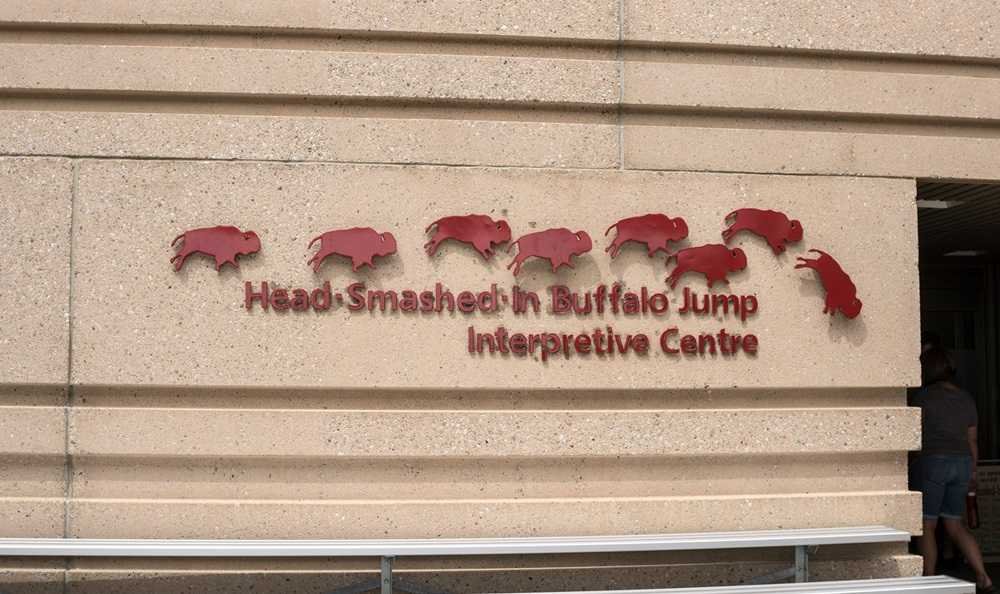
About 90 minutes south of Calgary, hidden in the foothills near Fort Macleod, sits one of the most globally significant sites in Canada — and one that most international tourists somehow drive right past.
Head-Smashed-In Buffalo Jump is a UNESCO World Heritage Site that preserves 6,000 years of Indigenous bison-hunting tradition by the Niitsitapi (Blackfoot) people. For thousands of years, Blackfoot hunters would drive herds of bison off a sandstone cliff here, using a sophisticated system of stone cairns, runners, and decoys to guide the animals to their deaths. The site has been carefully preserved, and the interpretive centre built right into the cliff face is widely considered one of the best museums in Alberta.
What makes this site special isn't just the cliff itself — it's the depth of the story. You walk through five floors of exhibits that explain Blackfoot life, the spirituality behind the hunt, and how the practice ended only when European settlers arrived. By the time you step outside and look over the edge of the actual jump, you understand exactly what happened here and why it mattered.
The name comes from a Blackfoot story about a young man who wanted to watch the hunt from below the cliff. The falling bison crushed him — hence "head-smashed-in." Even the name carries weight.
Where: About 18 km west of Fort Macleod, or roughly 90 minutes south of Calgary.
My honest tip: Plan at least 2 to 3 hours to do the interpretive centre justice. Pair it with a stop in nearby Lethbridge or Crowsnest Pass to make it a full day. The site is open year-round but reduced hours apply in winter.
2. Cypress Hills Provincial Park
Imagine driving across hundreds of kilometres of flat prairie, then suddenly cresting a ridge to find pine forests, lakes, and rolling hills that look more like Montana than Alberta.
That's Cypress Hills. Because of its elevation, it was never covered by glaciers during the ice age, which means the plants and animals here are completely different from those in the surrounding prairie. It's also a dark-sky preserve, so the stargazing is unreal.
I once watched a meteor shower from Cypress Hills with no light pollution in any direction. I've seen a lot of skies. That one is in my top three.
Where: Southeastern Alberta, about 3.5 hours from Calgary.
My honest tip: Stay overnight. The day trip doesn't do it justice.
3. Dinosaur Provincial Park
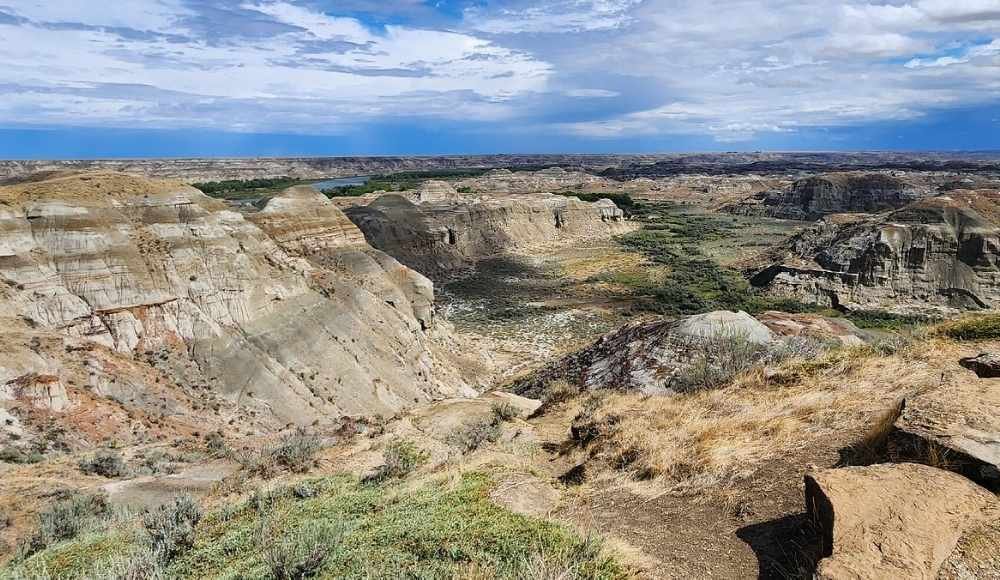
Most people visit Drumheller and think they've seen Alberta's badlands. They haven't.
Dinosaur Provincial Park, about two hours east of Drumheller, is a separate UNESCO World Heritage Site and one of the richest dinosaur fossil beds on the planet. The landscape looks like another planet — eroded hoodoos, dry coulees, and bone fragments that you can actually spot lying on the ground.
The first time I visited, I joined a guided fossil hike with a park interpreter. Within 30 minutes, she'd shown us five real fossils embedded in the rock. Real, 75-million-year-old dinosaur bones. I'm not someone who gets emotional about science, but I had goosebumps.
Where: About 2.5 hours east of Calgary.
My honest tip: Book a guided "fossil safari" tour. The rest of the park (about 70 percent) is closed to the public to protect the fossils, and the only way to see it is with a guide.
4. Mistaya Canyon
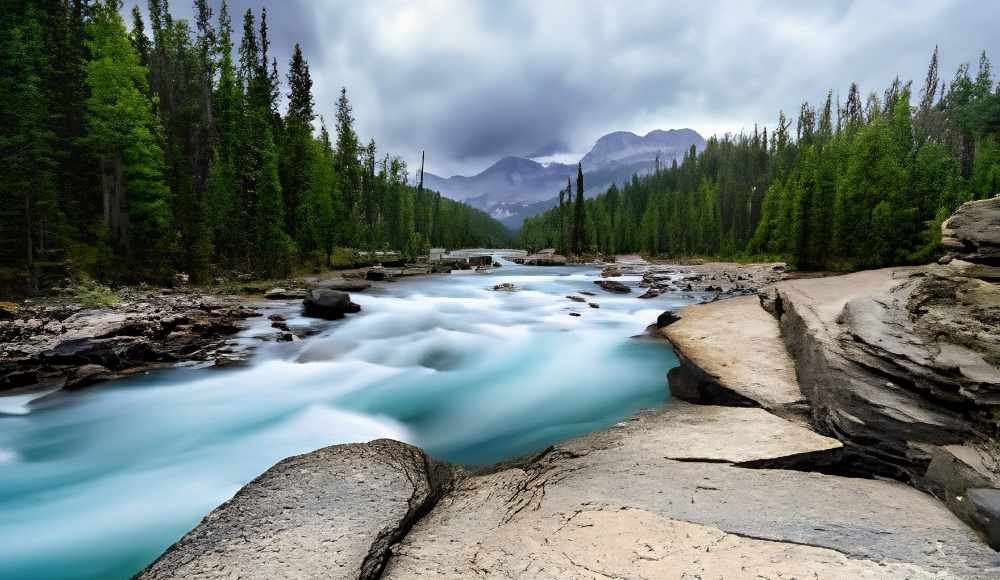
You'll drive right past this one if you're not paying attention.
Mistaya Canyon sits along the Icefields Parkway, between Lake Louise and the Columbia Icefield. It's a 10-minute walk from the parking lot to one of the most dramatic little canyons in the Rockies — twisting, water-carved limestone walls with the Mistaya River roaring through the bottom.
Almost every tour bus zooms past this stop. That's what makes it perfect. While Peyto Lake's parking lot is packed, you can have Mistaya Canyon almost to yourself, even in July.
Where: Icefields Parkway, about an hour north of Lake Louise.
My honest tip: Visit in the late afternoon when the light hits the canyon walls just right.
5. Horseshoe Canyon
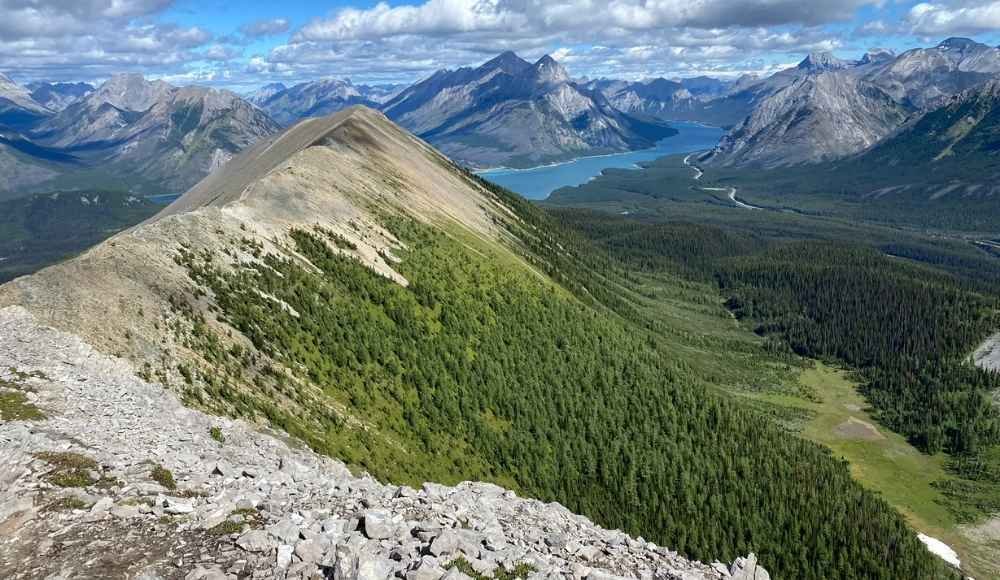
Horseshoe Canyon is a wide, jaw-dropping badlands view about 15 minutes outside Drumheller, on the way in from Calgary. Most people drive right past it on their way to the Royal Tyrrell Museum without realizing the parking lot is right there.
Pull over. Walk to the edge. You'll be looking down into a horseshoe-shaped canyon of striped rock that goes on for kilometres. There are unmarked trails that drop down into the canyon if you want to explore further.
Where: Highway 9, about 15 minutes west of Drumheller.
My honest tip: Free to visit. No entry fee. Just pull off the highway.
6. Highwood Pass
If you've heard of the Icefields Parkway but never of Highwood Pass, you're missing the second-best mountain drive in Alberta.
Highwood Pass is the highest paved road in Canada, sitting at over 2,200 metres. It runs through Kananaskis Country, between Calgary and Banff, and the views are every bit as good as the famous parkway — without the tour buses. I've driven Highwood in late September during larch season and seen entire mountain valleys turning gold with just a handful of other cars on the road.
Where: Highway 40, in Kananaskis Country.
My honest tip: The road closes from December 1 to June 15 every year for wildlife protection. Plan around this.
7. Red Rock Coulee
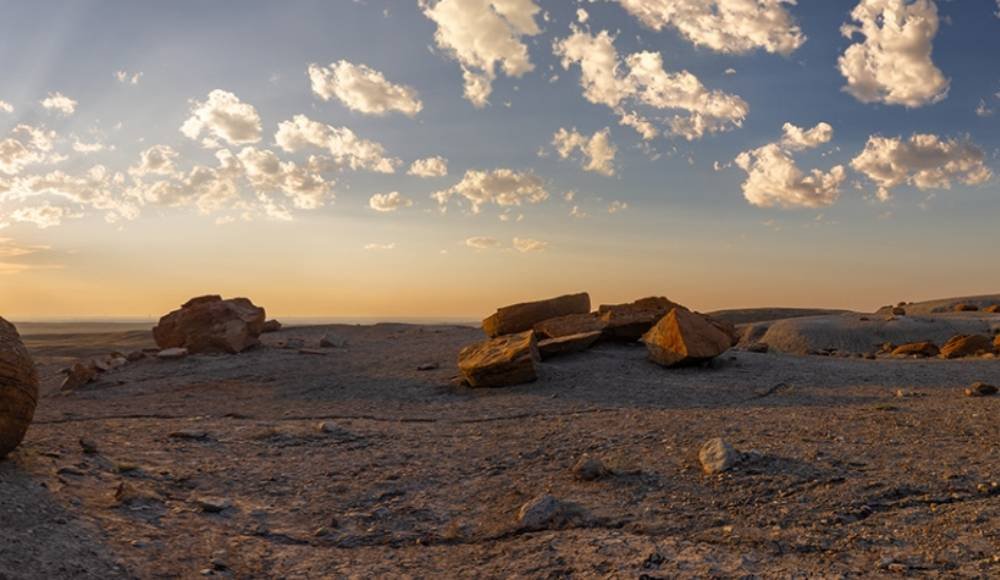
Red Rock Coulee, about 45 minutes south of Medicine Hat, is a quiet patch of badlands famous for its giant red concretions — perfectly round boulders, some up to 2.5 metres across, scattered across an arid valley like enormous marbles. Geologists are still arguing about exactly how they formed.
There's no visitor centre. No entrance gate. You just pull off a quiet road, walk up over a small ridge, and suddenly you're in this strange Martian landscape with nobody else in sight.
Where: About 45 minutes south of Medicine Hat.
My honest tip: Watch for rattlesnakes in summer. Yes, really. Stay on the higher ground and wear closed shoes.
8. Bankhead Ghost Town
Just a 15-minute drive from downtown Banff, almost no one visits this place.
Bankhead Ghost Town was once a thriving coal-mining town with over 1,000 residents in the early 1900s. After the mine closed in 1922, the buildings were torn down, and the people moved away. What's left today is a haunting set of ruins — old foundations, mining equipment rusting in the grass, a small interpretive trail that walks you through the town's story.
Every time I take a visitor here, they're amazed. They've spent two days driving past it on their way to Lake Minnewanka without noticing.
Where: Lake Minnewanka Road, just outside the Banff townsite.
My honest tip: Combine with a visit to nearby Lake Minnewanka. You can do both in half a day.
9. Lake Minnewanka (Yes, Really)
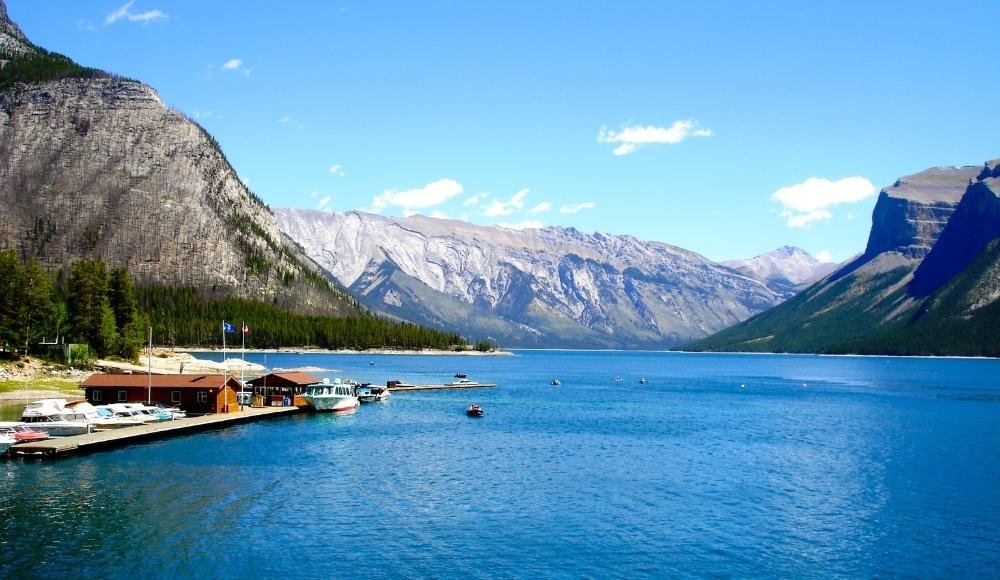
Speaking of Lake Minnewanka, most Banff visitors never make it here, even though it's the largest lake in Banff National Park.
It sits about 10 minutes from the town of Banff, but somehow it gets a fraction of the attention of Lake Louise or Moraine Lake. The drive in is beautiful. You'll often spot bighorn sheep on the cliffs. You can take a boat cruise, paddle a canoe, hike the lakeshore, or dive (yes, scuba dive) to a submerged ghost town under the water.
I've taken first-time visitors to Lake Minnewanka after they've spent two days fighting crowds at Lake Louise. They always look at me and ask the same question: "Why didn't anyone tell us about this?"
Where: Lake Minnewanka Road, just outside Banff.
My honest tip: The boat cruise is great, but the easy lakeshore hike toward Stewart Canyon is free and almost as good.
10. Maligne Canyon (At Sunrise)
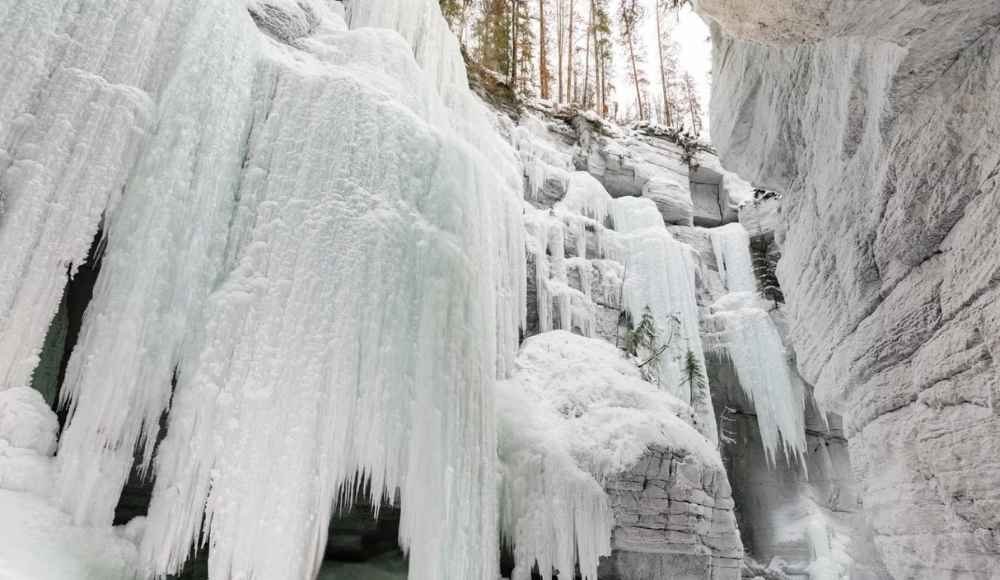
Maligne Canyon in Jasper isn't exactly a secret. But almost nobody visits it at the right time.
The canyon is one of the deepest in the Rockies — up to 50 metres deep — with waterfalls, twisting limestone walls, and a series of bridges that let you peer straight down into the rushing water below. During the day in summer, it's busy. But if you go at sunrise, you'll have the place to yourself, with mist rising off the water and the early light slanting into the canyon walls.
In winter, the canyon freezes solid and you can take guided icewalk tours down into the bottom of it. That's a top-five Alberta experience for me, no exaggeration.
Where: About 15 minutes from the town of Jasper.
My honest tip: Skip the parking lot at the main First Bridge. Park at the Sixth Bridge and walk up — you'll see more, and it's quieter.
11. Pyramid Lake (Jasper)
Most people who visit Jasper rush out to Maligne Lake and Spirit Island. Pyramid Lake is a quiet little gem just five minutes north of the town of Jasper that hardly anyone bothers with.
The lake sits at the base of Pyramid Mountain, which often reflects perfectly on the water at sunset. There's a small wooden footbridge that connects the shore to a tiny island in the middle — one of the most peaceful walks in the Rockies. In winter, locals turn the lake into a giant outdoor skating rink.
I've watched the northern lights from Pyramid Lake on a freezing November night. Just me, my camera, and a sky going green overhead. I'll never forget it.
Where: A few minutes' drive from downtown Jasper.
My honest tip: Go at golden hour. The reflection on the water is unreal.
12. Waterton Lakes National Park
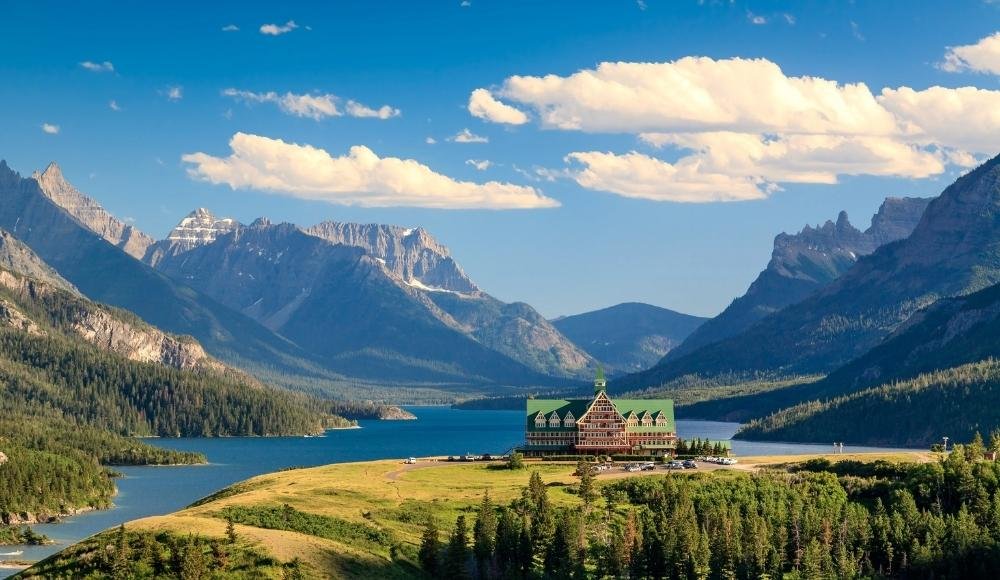
Alberta's third national park gets less than 10 percent of Banff's visitors, and it's every bit as beautiful.
Waterton Lakes National Park sits in the far southwest corner of Alberta, where the prairies smash directly into the Rocky Mountains with no foothills in between. It's a UNESCO World Heritage Site shared with Glacier National Park in Montana. The town is tiny. The hikes are spectacular. The iconic Prince of Wales Hotel sits on a hill overlooking Upper Waterton Lake like something out of a movie.
The 2017 Kenow wildfire burned through parts of the park, and you'll still see scarred trees on some trails. But the recovery has been beautiful, and many locals say the wildflowers have come back stronger than ever.
Where: About 2.5 hours south of Calgary.
My honest tip: Hike to Bear's Hump for one of the best viewpoints in Alberta. It's short (about 2.8 km return) but steep, and the view of the lake from the top is jaw-dropping.
13. Elk Island National Park

Twenty minutes east of Edmonton, almost nobody visits this place — and they should.
Elk Island is one of the only places in North America where you can see both plains bison and wood bison in their natural habitat. It's also one of the largest dark-sky preserves in the world, which means stargazing is incredible. The park is small, easy to drive around, and you have a real chance of seeing dozens of bison up close on a single visit.
The first time I drove the Bison Loop, I rounded a corner to find a massive male bison standing right next to my car. He looked at me with zero interest and kept eating grass. I sat there frozen for about a minute.
Where: 35 minutes east of Edmonton.
My honest tip: Visit in the late afternoon or early evening, when bison are most active and the light is best for photos. Stay in your car if they're close.
14. Crowsnest Pass
In the southwestern corner of Alberta, near the BC border, there's a string of small towns tucked into a dramatic mountain pass that almost no tourists visit.
Crowsnest Pass is famous for the Frank Slide, the deadliest landslide in Canadian history. In 1903, a massive section of Turtle Mountain collapsed and buried part of the town of Frank. You can still see the boulder field today — it's surreal, sobering, and unforgettable. The interpretive centre tells the full story.
But there's more here than the slide. The whole area is full of mining history, hiking trails, sleepy small towns with great little restaurants, and mountain views that rival anything in Banff.
Where: About 2.5 hours south of Calgary, on Highway 3.
My honest tip: Combine Crowsnest Pass with Waterton for an incredible 3-day southern Alberta road trip.
15. Athabasca Sand Dunes (Alberta's Mini Desert)
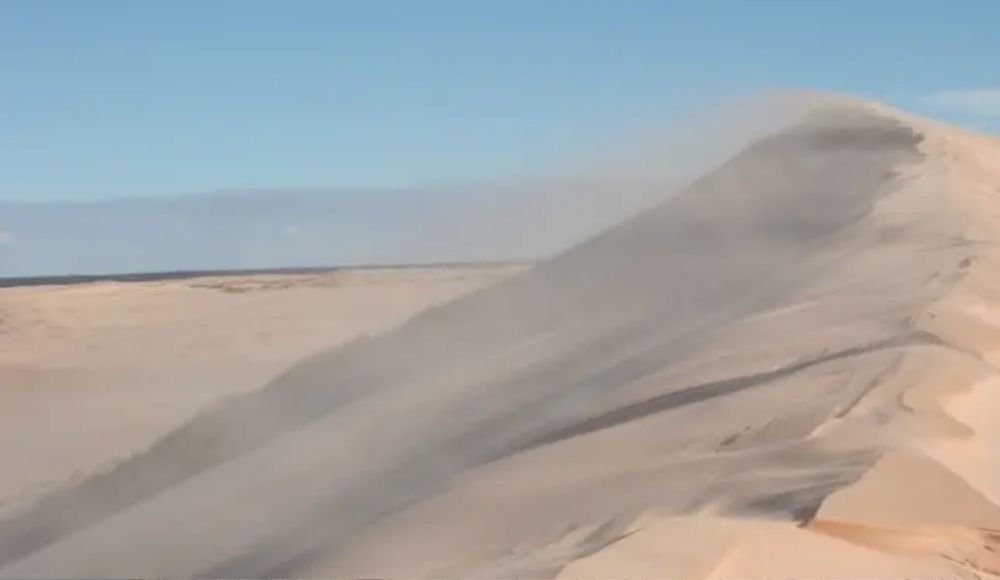
Most people don't realize Alberta has sand dunes — and not just small ones.
There are several dune areas across the province, but my favourites are the smaller, accessible dunes around Lake Athabasca in the far north. These are quiet, surreal places where you stand on real desert sand with boreal forest in the background. It feels like someone took a piece of the Sahara and dropped it in Canada by accident.
For a more accessible "almost-desert" experience, head to the Empress Sand Dunes in southeastern Alberta, where wind-blown sand has piled up into shifting hills near the Saskatchewan border. Either way, you're seeing a side of Alberta most people don't even know exists.
Where: Various spots in northern and southeastern Alberta.
My honest tip: This one takes real planning and a long drive. Save it for when you've already done the easier hidden gems.
How to Plan a Hidden-Gems Road Trip
If you want to chain a few of these together, here are three solid hidden-gem road trip routes I've done myself.
Southern Alberta Loop (3-5 days): Calgary → Crowsnest Pass → Waterton Lakes → Writing-on-Stone → Cypress Hills → back to Calgary. Big skies, badlands, mountains, and Indigenous history. One of the best road trips I've ever done.
Badlands Trail (2-3 days): Calgary → Horseshoe Canyon → Drumheller → Dinosaur Provincial Park → Red Rock Coulee → back. Pure Mars-on-Earth scenery, and not a Rocky Mountain in sight.
Banff Beyond the Crowds (2 days): Stay in Banff, but skip the famous lakes for a couple of days. Visit Bankhead Ghost Town, Lake Minnewanka, Mistaya Canyon (further north on the Icefields Parkway), and any of the lesser-known hikes around town. You'll see a totally different side of the park.
Why "Hidden Gems" Are the Best Way to Experience Alberta
After all my trips around this province, the thing I've learned is this: Alberta's most famous places are great, but they're not where the magic happens.
The magic happens in a quiet badlands valley you've never heard of, where you're the only person for kilometres. It happens at a small lake at sunrise, where the only sound is your own breath. It happens in a tiny prairie town where the waitress at the diner remembers your name by the time you order coffee for the second time.
If you only have one trip to Alberta, sure — see Banff. See Lake Louise. Take the photos. But if you can squeeze in even one hidden gem from this list, you'll come home with a story that no tour bus visitor can tell.
Final Thoughts: Hidden gems in Alberta
Alberta's tourism industry pushes everyone toward the same handful of destinations — Banff townsite, Lake Louise, and Moraine Lake. There's a reason: these places are genuinely incredible. But after years of exploring the province, I can tell you the most memorable moments of my own trips have almost always come from the lesser-known spots on this list.
Driving into Crowsnest Pass and learning the Frank Slide story. Watching a bison cross the road inches from my car at Elk Island. Standing in front of Indigenous rock art at Writing-on-Stone, that's older than most of the world's written history. Sitting beside a still mountain lake at Pyramid in Jasper with absolutely no one else around. These are the moments that stay with you long after the famous photos fade.
If you have a week in Alberta, give yourself permission to plan at least one or two days off the tourist trail. Drive a quieter highway. Visit a park no one talks about. Pick a hidden gem from this list and build a half-day around it. You'll come away with a better sense of what Alberta actually is — and probably a few stories worth telling.
Frequently Asked Questions
What is the most underrated place in Alberta?
Hard to pick just one, but Waterton Lakes National Park consistently surprises first-time visitors. It's every bit as beautiful as Banff with a fraction of the crowds. Writing-on-Stone Provincial Park is a close second for its cultural significance and quiet beauty.
Are the hidden gems in Alberta hard to get to?
Some are. Places like Cypress Hills, Writing-on-Stone, and the Athabasca Sand Dunes require long drives. But others — like Bankhead Ghost Town, Lake Minnewanka, Mistaya Canyon, and Horseshoe Canyon — are quick day trips from Banff or Calgary.
Can I visit Alberta's hidden gems without a car?
Most of them, no. Public transport doesn't reach these places. You'll need a rental car or a guided tour. A few exceptions, like Bankhead Ghost Town, are within walking distance of major hubs if you're already there.
Are these hidden gems family-friendly?
Most of them, yes. Dinosaur Provincial Park, Elk Island (bison!), Bankhead Ghost Town, Horseshoe Canyon, and Lake Minnewanka are all great with kids. A few — like Red Rock Coulee with its rattlesnakes — require a bit more caution.
0 Comments