Edmonton is a vibrant city known for its rich culture, stunning landscapes, and exceptional shopping experiences. As Alberta’s capital, Edmonton offers a mix of world-class retail destinations that attract both locals and visitors. From luxury shopping to community-focused malls, this city has a variety of options that cater to every kind of shopper.
One of the best things about Edmonton's malls is their unique blend of shopping, entertainment, and dining. You can find high-end brands, affordable fashion, or family-friendly activities in every corner of the city. Some malls focus on luxury and designer stores, while others feature local boutiques, family-oriented events, and even indoor amusement parks, making them more than just places to shop.
This guide will highlight the 10 best shopping malls in Edmonton, showcasing the wide range of experiences available. Whether your style leans towards high-fashion outlets or vibrant community spaces, Edmonton's shopping scene promises something for all tastes and preferences.
1. West Edmonton Mall
West Edmonton Mall is not just the biggest mall in Canada, but it's also one of the largest malls in the world. As a shopping lover, you can easily spend an entire day (or more!) here, and still not see everything. With over 800 stores, there's something for everyone. You’ll find everything from luxury brands like Louis Vuitton to budget-friendly stores like H&M, making it the perfect place for all types of shoppers.
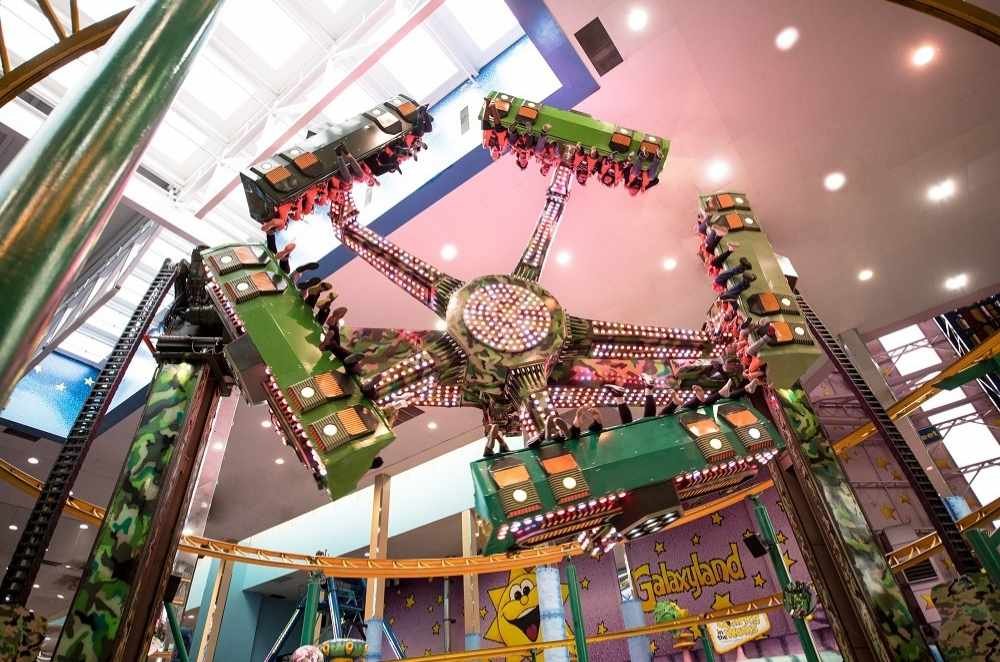
But what makes West Edmonton Mall stand out is its incredible entertainment options. It’s home to Galaxyland, one of the largest indoor amusement parks with thrilling rides for all ages. Then, there's the World Waterpark, a tropical paradise with waterslides, a wave pool, and even a zipline. If you love marine life, don’t miss Sea Life Caverns, an underground aquarium where you can see penguins, sharks, and other fascinating sea creatures.
On top of that, the mall offers a wide range of dining options, from quick bites to full-service restaurants. After a fun day of shopping and entertainment, you can relax and enjoy a meal at places like The Old Spaghetti Factory or L2 Grill.
Address: 8882 170 St NW, Edmonton, AB T5T 4J2
Hours: Monday-Saturday 10:00 AM - 9:00 PM, Sunday 11:00 AM - 6:00 PM
Phone Number: (780) 444-5321
Number of Stores: 800+
Best For: Shopping, entertainment and family attractions, and dining.
2. South Edmonton Common
South Edmonton Common is a unique shopping destination because it's an open-air mall, meaning all the stores are spread out across a large area. I love visiting here when I want to enjoy the fresh air while shopping. It's one of the biggest outlet malls in Edmonton, and you can find all kinds of stores, from big-box retailers to popular restaurants.
South Edmonton Common is home to Costco, IKEA, Walmart, and Best Buy, making it a one-stop shop for everything you need. Whether you’re shopping for home goods, electronics, or groceries, you’ll find it all here. The open layout makes it easy to navigate, and there's plenty of parking, so getting around is never a problem.
After a day of shopping, you can grab a bite to eat at one of the many dining spots. There’s a mix of casual options like The Canadian Brewhouse and local favourites like Chop Steakhouse & Bar, which are great for relaxing and enjoying a meal.
Address: 1978 99 St NW, Edmonton, AB T6N 1K8
Hours: Varies by store (Most are 10:00 AM - 9:00 PM)
Phone Number: (780) 702-2070
Number of Stores: 100+
Best For: Open-air shopping.
3. Kingsway Mall
Kingsway Mall is one of my favourite places to shop in Edmonton. It offers a great mix of fashion and specialty stores, which makes it perfect for both families and individuals who enjoy a variety of shopping options. The mall has over 160 stores, so there’s something for every interest.
Fashion lovers will be happy to find popular brands like H&M, Sephora, and Lululemon. These stores carry the latest styles, so you can keep your wardrobe fresh without breaking the bank. For those looking for something more unique, Kingsway also has specialty shops, offering everything from tech gadgets to handmade crafts.
After a busy shopping trip, you can relax and grab a meal at one of the mall's dining spots. You’ll find quick options like Starbucks or Tim Hortons for a coffee break, as well as casual sit-down restaurants like Boston Pizza if you want to enjoy a bigger meal.
Address: 109 Street & Kingsway Edmonton, AB T5G 3A6
Hours: Monday-Saturday 10:00 AM - 8:00 PM, Sunday 11:00 AM - 6:00 PM
Phone Number: (780) 477-5756
Number of Stores: 200+
Best For: Fashion lovers, and dining.
4. Southgate Centre
Southgate Centre is a beautiful, modern mall that offers a more upscale shopping experience. When you want to treat yourself or shop for high-end brands, this is one of the go-to spots in Edmonton. The sleek design and clean layout make it easy to find your way around, and it has a great mix of luxury and everyday stores.
Fashion lovers will be excited to find high-end brands like American Eagle Outfitters, Gap, and Michael Kors. Most of these stores attract shoppers looking for the latest gadgets, stylish bags, and top-quality fashion. But even if you're not into luxury shopping, there are plenty of other great options, like Zara and Aritzia, where you can find trendy clothing at various price points.
Southgate Centre is also conveniently located; it is ideal for people who live in downtown or south Edmonton. The mall is easy to reach by car or public transit, so it's a perfect stop for a quick shopping trip or a leisurely day out. With plenty of parking and a relaxed atmosphere, Southgate Centre offers a pleasant, stress-free shopping experience in South Edmonton.
Address: 5015 111 St NW, Edmonton, AB T6H 4M6
Hours: Monday-Saturday 10:00 AM - 8:00 PM, Sunday 11:00 AM - 6:00 PM
Phone Number: (780) 435-3721
Number of Stores: 160+
Best For: Upscale shopping.
5. Londonderry Mall
Londonderry Mall is a great spot for anyone who enjoys a mix of shopping, dining, and community vibes. You’ll find popular fashion retailers, electronics shops, and a food court with plenty of tasty options.
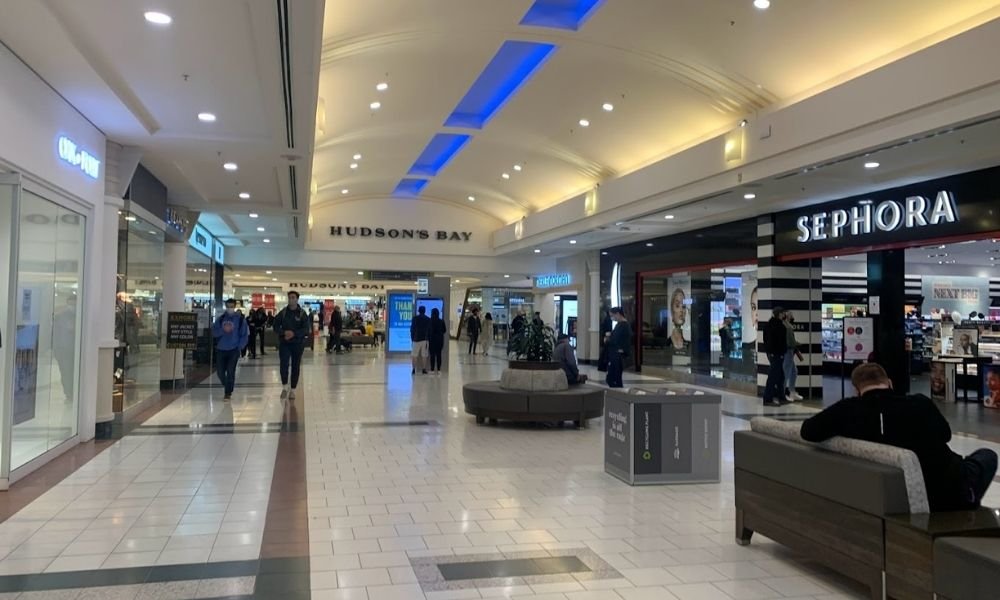
Some of the major stores here include Hudson’s Bay and Sport Chek, where you can shop for clothing, shoes, and sporting goods. There are also smaller stores that offer unique items and local finds, which adds to the mall’s community-focused feel. The variety of stores means you can find something for everyone,
The mall recently underwent renovations that cost around $130 million. and the improvements really make a difference. It feels more modern and inviting, with updated seating areas and a fresh look throughout. Plus, the food court has a great selection of meals, from fast food to healthier choices, making it a perfect place to grab a bite after a day of shopping.
Address: 137th Avenue & 66th Street NW, Edmonton, AB T5C 3C8
Hours: Monday-Saturday 10:00 AM - 8:00 PM, Sunday 11:00 AM - 5:00 PM
Phone Number: (780) 476-1441
Number of Stores: 150+
Best For: Community-oriented shopping.
6. Edmonton City Centre
Edmonton City Centreis a key shopping and entertainment hub located right in the heart of downtown. I love how convenient it is, especially for people who work or live in the area. It's a great spot to stop by during a lunch break or for a quick shopping trip after work. What I don’t like about this mall is that there is no free parking, get ready to pay for parking or take public transportation to the mall.
However, what makes Edmonton City Centre stand out is its accessibility. It’s directly connected to many downtown office buildings and hotels, so you can get there easily without going far. Inside, you’ll find a mix of retail stores, perfect for picking up fashion items, accessories, and everyday essentials. The mall features well-known stores like Winners and The Gap.
Beyond shopping, there’s also a variety of dining options, from fast food to sit-down restaurants like Cactus Club Cafe. And if you’re in the mood for some entertainment, the mall has a movie theatre where you can catch the latest films.
Address: 10025 102A Ave NW, Edmonton, AB T5J 2Z2
Hours: Monday-Friday 9:00 AM - 6:00 PM, Saturday 10:00 AM - 5:00 PM, Closed on Sunday
Phone Number: (780) 426-8444
Number of Stores: 60+
Best For: Downtown shopping with easy access to dining and entertainment venues.
7. Mill Woods Town Centre
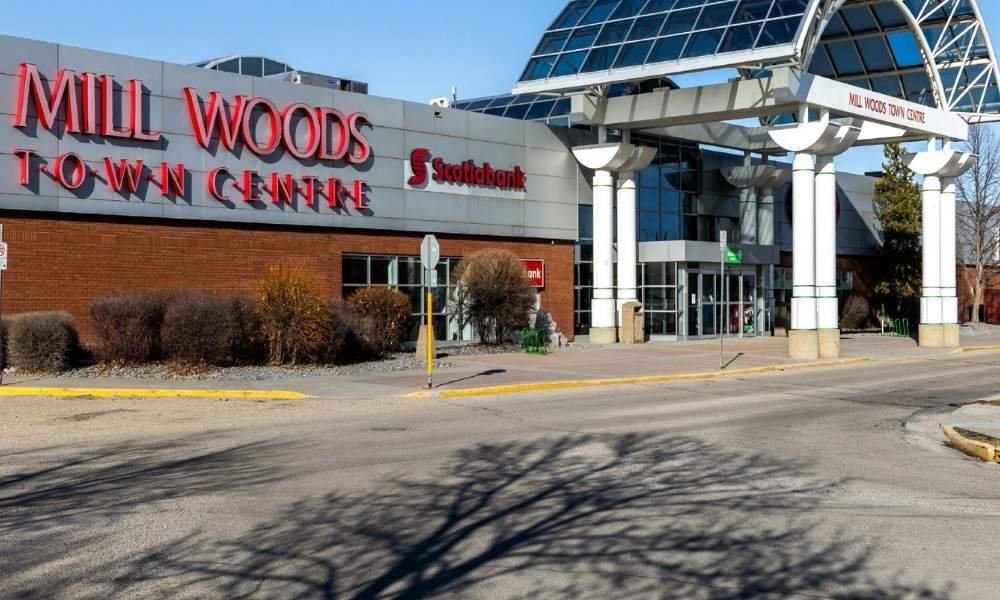
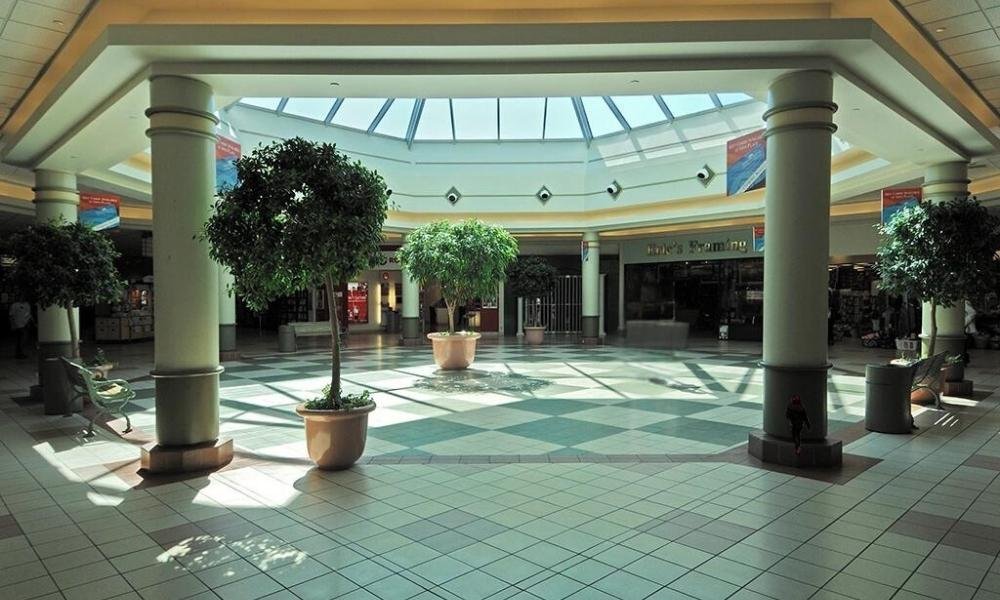
Mill Woods Town Centre is a great community-focused mall, perfect for residents of the Mill Woods area. The shopping center combines both shopping and essential services, making it a convenient place to visit for everyday needs. The mall is smaller compared to some of the bigger ones in Edmonton, but it offers everything you need in one spot.
Inside, you’ll find a variety of shops and services that cater to local residents. There are fashion stores, home goods, and even grocery options. Mill Woods Town Centre is also home to anchor stores like Shoppers Drug Mart and Canadian Tire.
The mall also provides important community services, including banks and medical offices. With its welcoming atmosphere and focus on local needs, Mill Woods Town Centre offers a relaxed shopping experience that fits right into the everyday life of the neighbourhood.
Best For: Community shopping with essential services like groceries and banks
8. Premium Outlet Collection
If you love outlet shopping, the Premium Outlet Collection at Edmonton International Airport is the perfect spot to check out. This is by far my top choice for the best outlet mall in Edmonton. It's located just minutes from the Edmonton International Airport, which makes it super convenient for travellers who want to grab a deal before or after their flight. I’ve found that this mall is really popular because it offers great discounts on top brands. You’ll find a mix of high-end and everyday favourites like Nike, Michael Kors, and Adidas here.
Also, what makes this outlet special is the variety of stores you can explore, all while enjoying huge savings. Many shoppers come here for the deals you won’t easily find elsewhere. I personally love visiting Nike and Adidas for athletic wear, and Michael Kors is a must-see if you’re into designer handbags at a fraction of the price.
Even if you're not flying, it's worth the drive for the deals alone. The Premium Outlet Collection is also a good stop if you’re just passing through Edmonton or need something at the last minute. Shopping here is stress-free because the mall is spacious, and it's easy to find what you're looking for. This is a destination you don’t want to miss, especially if you’re a savvy shopper like me!
Address: 1 Outlet Collection Way, Leduc, AB T9E 1J5
Hours: Monday-Saturday 10:00 AM - 8:00 PM, Sunday 10:00 AM - 6:00 PM
Phone Number: (780) 670-9888
Number of Stores: 100+
Best For: Outlet shopping, shopping deals lover.
9. Bonnie Doon Shopping Centre
Bonnie Doon Shopping Centre has been a part of Edmonton for many years, and it is one of the city's oldest shopping malls. It has a long history and has grown into a local favourite, especially for people who live nearby. You’ll find a lot of local stores in this mall, along with essential services like banks, grocery stores, and even health clinics, which makes it a super convenient spot for daily needs.
One of the best things about Bonnie Doon is how easy it is to shop for practical things. It’s not just a place for big-name brands but also smaller local businesses that make the mall feel unique, and it’s always a smooth experience to shop here because everything is so close and easy to access.
Bonnie Doon Shopping Centre continues to serve the community in a big way. It’s a go-to for practical shopping and has a friendly, neighbourhood vibe.
Address: 8330 82 Avenue, Edmonton, Alberta T6C 4E3
Best For: A neighbourhood-focused mall with local services and shopping.
10. Meadowlark Health and Shopping Centre
Meadowlark Health and Shopping Centre may be smaller compared to other malls in Edmonton, but it offers everything you need for everyday shopping. I like how it has a bit of everything, making it super convenient for local residents. It’s the kind of place where you can quickly grab your groceries, shop for some new clothes, or even explore Fit 4 Less Gym, all in one compact place.
The grocery store here is one of the main reasons people visit, but you’ll also find some good fashion stores for casual shopping. Plus, there are services like banks, medical clinics, and even a pharmacy, so it really covers all the basics.
Meadowlark has a strong community feel, and it really caters to people living in the area. You’ll see families and locals going about their day, and it feels like the kind of place where everyone knows each other. Meadowlark Shopping Centre is a great option to have if you're nearby and want a simple, stress-free shopping experience.
Address: 156 Street NW & 87 Avenue NW, Edmonton, AB T5R 5W9
Hours: Monday-Friday 7:00 AM - 9:00 PM, weekends 8:00 AM - 6:00 PM
Phone Number: (780) 475-3695
Number of Stores: 50+
Best For: Everyday shopping needs with a focus on convenience
Conclusion: Best shopping malls in Edmonton
Edmonton's shopping scene offers an impressive variety, catering to both locals and visitors with its diverse mall experiences. Whether you’re looking for luxury shopping at Southgate Centre or want a day of adventure at West Edmonton Mall, there’s something for every shopper. Malls like Kingsway and Londonderry provide a mix of fashion and specialty stores, while community hubs like Mill Woods Town Centre and Bonnie Doon Shopping Centre emphasize convenience and local services. For those hunting for bargains, the Premium Outlet Collection near the airport is a must-visit.
Each Edmonton mall brings its unique vibe, combining shopping, dining, and entertainment to create memorable experiences. No matter what you’re searching for—high fashion, outlet deals, or everyday essentials—Edmonton’s malls have you covered. Shopping here isn’t just about the stores; it's about the wide range of activities and experiences these malls offer, making them key destinations for residents and tourists alike.
Edmonton is home to some of the most beautiful parks in Canada, offering green spaces perfect for outdoor activities, relaxation, and family fun. Whether you're looking for a spot to enjoy a picnic, take a scenic walk, or explore nature with your kids, Edmonton's parks have something for everyone.
These parks are spread across the city, each offering unique features like river valley views, hiking trails, playgrounds, and even wildlife sightings. In this guide, I’ll take you through the 10 best parks in Edmonton, showcasing the best places to unwind and enjoy the fresh air in Alberta's capital.
From iconic destinations like Hawrelak Park to hidden gems tucked away in the city’s outskirts, these parks are sure to offer a perfect day outdoors for all types of visitors.
10 Best Parks in Edmonton
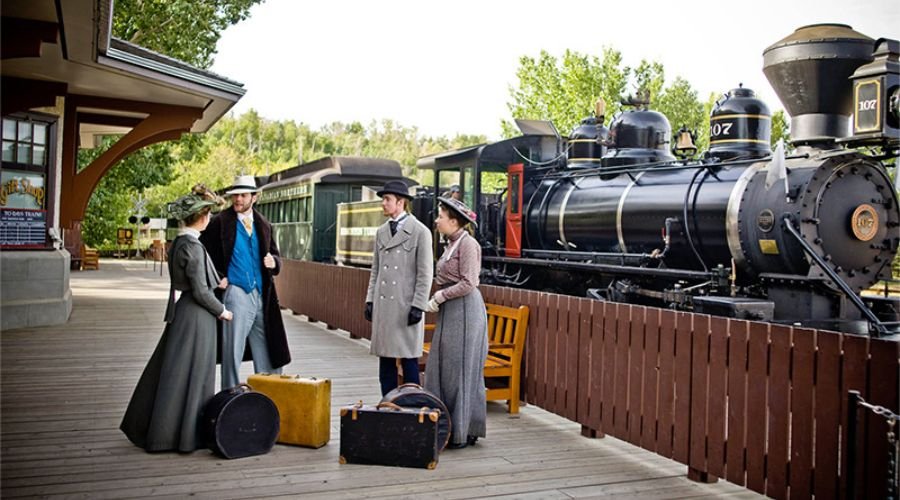
1. Fort Edmonton Park
Fort Edmonton Park, Edmonton Alberta
Fort Edmonton Park is more than just a park—it's a living history museum where you can explore the city’s past in a hands-on way. As soon as you step inside, you’ll feel like you’ve travelled back in time. The park features restored historic buildings, including an 1846 fort, homes, and businesses from the late 1800s to the early 1900s. It’s the perfect spot for families, history buffs, and anyone curious about what life was like in old Edmonton.
What I love about Fort Edmonton Park is how interactive it is. You can walk through the streets of four different time periods, chat with costumed interpreters, and even ride a vintage streetcar. It’s like stepping into a history book, but you get to live it! There's also an Indigenous Peoples Experience, which provides a deeper understanding of the local First Nations and Métis cultures.
For families, the park offers fun and educational activities, from old-fashioned games to train rides. The whole place has a welcoming, friendly vibe, and it’s easy to spend a whole day here learning and exploring. If you're a history lover, this is one park you don’t want to miss.
Address: 7000 143 St NW, Edmonton, AB T6H 4P3
2. Rundle Park
Rundle Parkis one of Edmonton's best spots for outdoor activities, offering something for everyone. As a nature lover, I enjoy coming here because the park is huge and packed with things to do. Whether you're looking to relax or get active, Rundle Park has it all. You’ll find peaceful walking trails that wind through green spaces, perfect for a morning hike or an evening stroll. There are also plenty of picnic areas where you can relax with family and friends and a beautiful lake that adds to the park’s scenic charm.
One of the highlights here is the recreational options. Rundle Park is home to a golf course, a disc golf course, and several playgrounds, making it an ideal spot for both kids and adults. There’s also a fitness area and sports fields if you're in the mood for something more active. In the winter, the park transforms into a hub for ice skating and cross-country skiing, making it a year-round destination.
After enjoying the outdoors, I recommend visiting Yang Ming Buffet, located just across the street on 118 Avenue. It’s a great place to refuel with a delicious meal after a day of fun in the park. With its wide variety of food, it's sure to satisfy everyone in your group.
Address: 2909 113 Ave NW, Edmonton, AB T5W 0P3
3. William Hawrelak Park
William Hawrelak Park is a must-visit spot in Edmonton for anyone who loves nature and outdoor beauty. Known for its stunning floral displays, this park offers a peaceful escape from the city. I’ve always found the vibrant flower beds and open green spaces perfect for relaxing or enjoying a quiet picnic with family and friends. The park’s central lake also offers fun activities like paddle boating in the summer, making it an ideal destination during warmer months.
One of the things that sets William Hawrelak Park apart is how it transforms with the seasons. In winter, the park becomes a wonderland with a large ice-skating rink on the lake, while summer invites visitors to enjoy walking paths, picnics, and boating. It's also the host of some of Edmonton's biggest festivals, such as the Heritage Festival and Silver Skate Festival, which bring the park to life with music, food, and cultural celebrations.
However, it’s important to note that William Hawrelak Park closed on March 13, 2023, for major rehabilitation work. The park is set to reopen in early 2026, so it’s currently unavailable for visitors. While the trails inside the park are off-limits, you can still access the perimeter trails, offering scenic views of the park from the outside.
Address: 9330 Groat Rd NW, Edmonton, AB T6G 2A8
4. River ValleyPark
The River Valley Park in Edmonton is a nature lover’s dream. It Stretches along the North Saskatchewan River, and this park is the largest urban park in North America. When I want to escape the hustle of city life, this is my go-to spot for outdoor adventures. With over 160 kilometres of trails, the River Valley offers endless opportunities for hiking, biking, and exploring nature. You can spend hours wandering through forests, alongside riverbanks, or up to scenic viewpoints that give you breathtaking views of Edmonton’s skyline and the flowing river below.
I often recommend starting at Rossdale Road, which is a central point to explore from. You can follow the riverfront, stop for a picnic, or even try out some river activities like canoeing or paddleboarding. The River Valley also has great spots for wildlife watching—keep your eyes open for birds and even deer along the paths.
Each season brings its own charm here. In the summer, it's perfect for biking and hiking, while winter opens up the trails for cross-country skiing and snowshoeing.
Address: Multiple access points, central starting point at Rossdale Rd NW, Edmonton, AB T5K 1C1
5. Hermitage Park
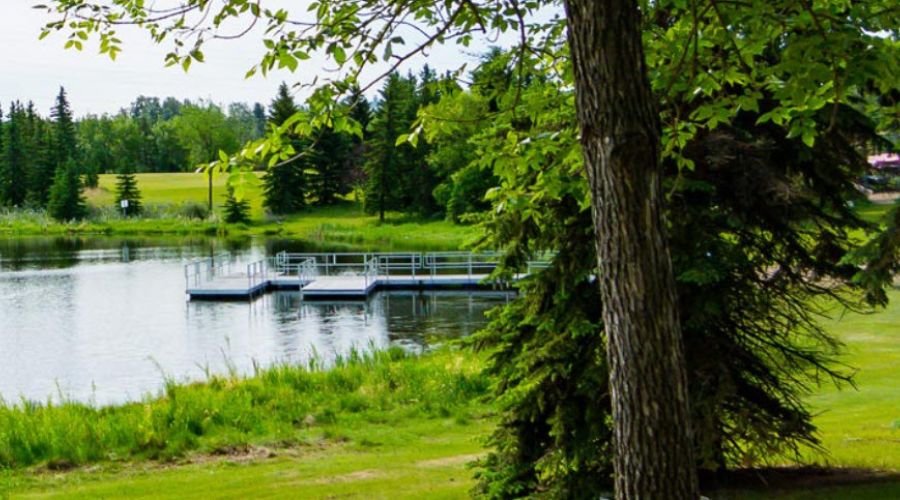
Hermitage Park is one of Edmonton’s most peaceful parks, which is perfect for anyone looking to escape into nature. Every time I visit, the atmosphere is always calm and scenic. With its beautiful pond and well-maintained walking trails, it's a great spot for a relaxing stroll or just sitting by the water and enjoying the fresh air. If you're looking for a quiet place to unwind, Hermitage Park has that calming vibe that makes it feel like a little retreat in the city.
One of the best parts of Hermitage Park is the off-leash dog area. As a dog owner, you’ll love bringing your pup here because it’s spacious and safe, which will let them run freely while you enjoy the nature around you. The park is also great for families, offering gentle trails that are ideal for kids to explore.
Address: 2115 Hermitage Rd NW, Edmonton, AB T5A 5H5
6. Borden Park
Borden Park is a fantastic spot for anyone looking to enjoy some outdoor fun in Edmonton. This Edmonton Playground is known for its wide range of activities, making it a great place for people of all ages. Every time I visit, I’m impressed by how much there is to do here. From sports facilities to playgrounds, Borden Park really has something for everyone. There’s a golf course nearby, and during the summer, the outdoor swimming pool is a refreshing way to cool off.
If you’re visiting with family, the playgrounds are a big hit with kids. I’ve often seen families spread out on the grassy areas for picnics while the little ones play. The park feels welcoming and spacious, which makes it easy to find a spot to relax.
What I find particularly unique about Borden Park are the art installations scattered around. You can spend time walking through the park and stumble upon modern sculptures that add a fun, creative vibe to the space. The combination of art and nature makes this park stand out as more than just a place for recreation—it's also a spot to appreciate local culture and creativity.
If you're visiting Borden Park, I highly recommend taking a quick trip to Klondike Park, which is just a 3-minute drive away. It’s a smaller, quieter spot compared to Borden Park, but it has its own charm. This park is perfect if you're looking for a peaceful escape with a touch of history. The park features interesting monuments that highlight Edmonton’s past during the Klondike Gold Rush, giving you a glimpse into the city’s rich heritage.
Whitemud Park is one of the best places in Edmonton to enjoy scenic walking trails and beautiful views of the city. The park is popular with hikers, and it’s easy to see why. With winding trails that lead through wooded areas and open spaces, you can take in the peaceful surroundings while getting a bit of exercise. The paths are well-maintained, making it a great spot for people of all fitness levels.
One of my favourite things about Whitemud Park is the stunning views. You can catch glimpses of the city skyline in the distance, while also enjoying the natural beauty of the river valley. The park also has plenty of picnic areas, perfect for relaxing with family and friends after a day of hiking. It's a wonderful spot to enjoy lunch surrounded by nature.
For birdwatchers, Whitemud Park is a hidden gem. The park is home to various bird species, so it’s not uncommon to spot birds along the trails. It’s a peaceful retreat for anyone who loves spending time outdoors, with plenty of opportunities for wildlife viewing.
Address: 13204 Fox Dr NW, Edmonton, AB T6H 4P3
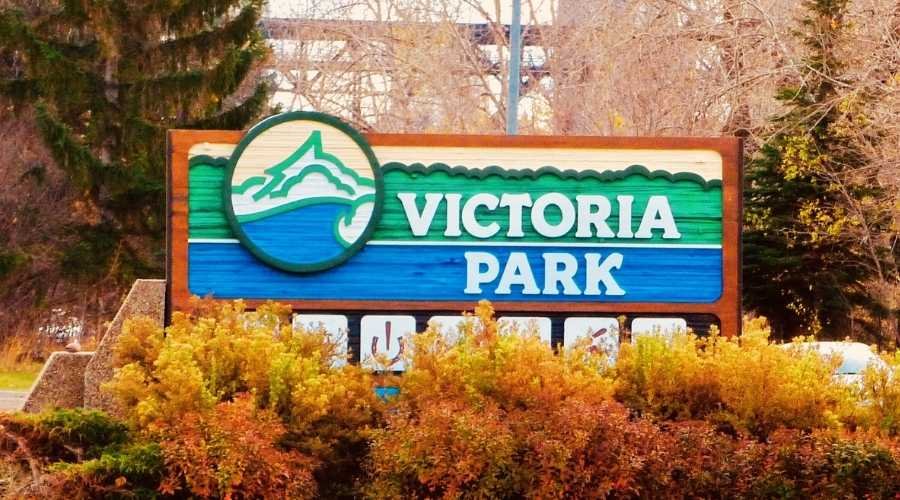
8. Victoria Park
Victoria Park is the perfect mix of riverside relaxation and fun sports activities. Located right along the North Saskatchewan River, this park offers some of the best views in the city. Whenever I visit, I love taking a casual walk along the riverbanks or finding a spot for a quiet picnic. It’s a great place to unwind while being surrounded by nature, with the sounds of the river adding to the peaceful atmosphere.
If you're into sports, Victoria Park has you covered. There are several open spaces for activities like soccer, along with well-maintained sports courts. For those who love cycling, the park connects to Edmonton’s extensive River Valley trail system, making it a popular spot for bikers to start or end their ride. I often see cyclists enjoying the smooth paths, which are perfect for both casual riders and those looking for a workout.
One of the best things about Victoria Park is how accessible it is. With nearby amenities and plenty of space for everyone, it’s easy to spend a whole afternoon here.
Address: 12030 River Valley Rd NW, Edmonton, AB T5K 1L4
9.Terwillegar Park
Terwillegar Park is a favourite for anyone who loves outdoor adventures, especially dog owners and cyclists. The park's off-leash dog area is one of the largest in Edmonton, which is a paradise for pups to run around and play. Whenever you visit with your dog, you will be amazed by how much space there is to explore. It’s always a joy to watch dogs happily running here.
For hikers and cyclists, Terwillegar Park offers some great trails that wind through the scenic river valley. The paths here are perfect for those who want to explore on foot or bike, with plenty of open space and lush greenery all around. It's a peaceful spot for a solo walk or a challenging ride, and the trails are well-connected, giving you access to even more of Edmonton’s amazing River Valley parks.
Terwillegar Park is also a popular community hub for active recreation. I often see families, groups of friends, and fitness enthusiasts all enjoying the wide-open areas. Whether you're here for a casual stroll, an intense workout, or to let your dog burn off some energy, the park has something to satisfy all.
Address: 10 Rabbit Hill Rd NW, Edmonton, AB T6R 2E3
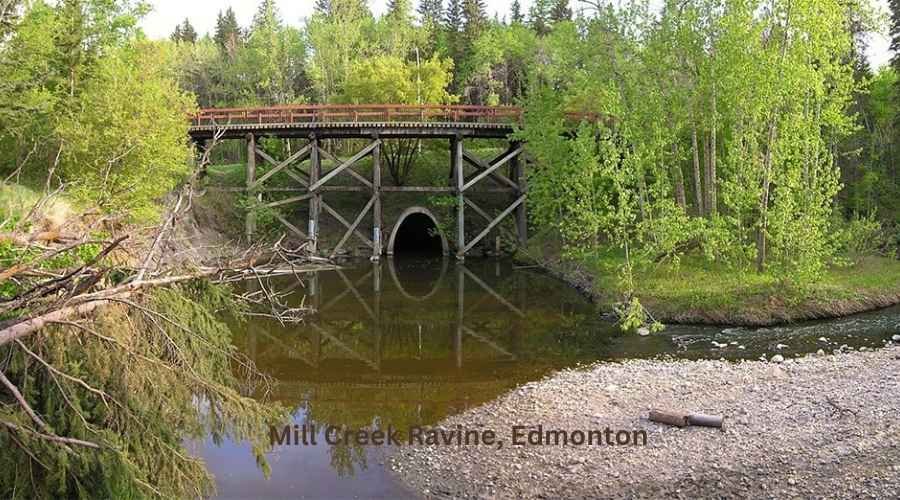
10.Mill Creek Ravine Park
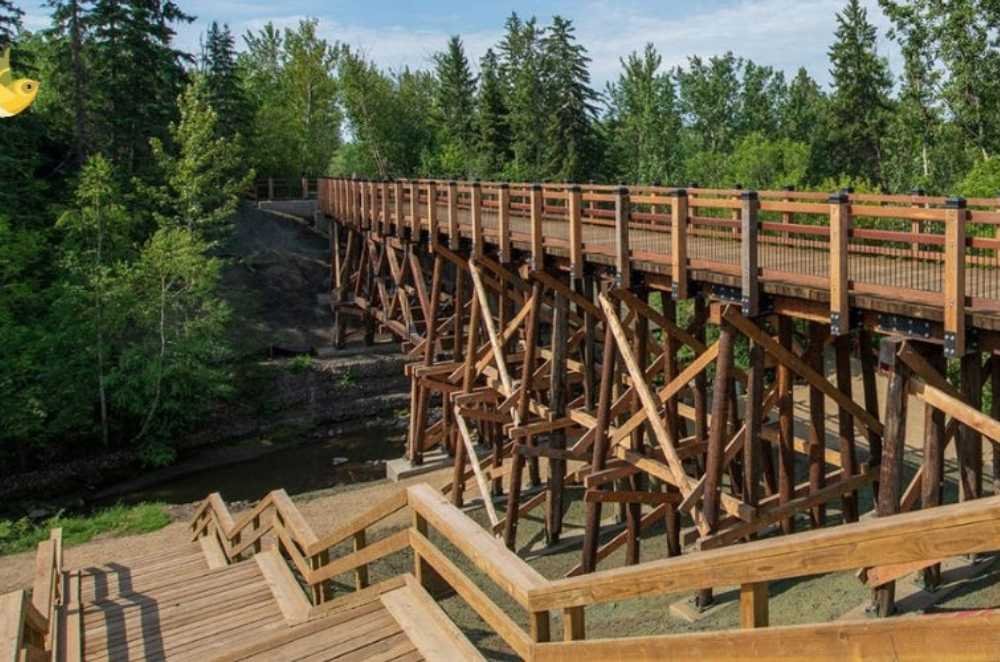
Mill Creek Ravine Park is the perfect spot if you're looking for a peaceful escape from nature. As you walk along the scenic trails beside the creek, you’ll quickly feel the calming effect of the flowing water and the quiet, natural surroundings. This park is ideal for a tranquil hike or a casual walk, where you can take your time and enjoy the serene environment.
What makes Mill Creek Ravine special is how secluded it feels. Even though you're still within the city, the dense trees and natural beauty create the feeling of being far away from urban life. It’s popular with hikers and nature lovers who appreciate the peaceful vibe and the chance to unwind outdoors.
The trails here are easy to walk, so you don’t have to be a hardcore hiker to enjoy them. Whether you're looking for a quick stroll or a longer nature walk, Mill Creek Ravine is a great place to clear your mind and soak in the beauty of Edmonton’s natural spaces.
Address: 9555 84 Ave NW, Edmonton, AB T6C 4B2
Conclusion: Best Parks in Edmonton
Edmonton is full of beautiful parks that offer something for everyone, from peaceful nature walks to exciting outdoor activities. Each park has its own unique charm, from exploring the scenic trails of Mill Creek Ravine to enjoying a picnic by the river in Victoria Park or stepping back in time at Fort Edmonton Park.
These green spaces are perfect for spending time outdoors, staying active, or simply relaxing with family and friends. If you're a hiker, cyclist, history lover, or just looking to unwind, Edmonton's parks are a great way to connect with nature and enjoy the beauty of the city. So, grab your walking shoes, pack a snack, and start exploring these amazing parks!
The Northeast River Valley Park is one of the largest parks in Edmonton. It spans an impressive 190 acres (77 hectares), making it even larger than Hawrelak Park, which covers 168 acres (68 hectares).
Are there any dog-friendly parks in Edmonton?
Yes, Edmonton has several dog-friendly parks, including areas where dogs can roam off-leash. Popular spots like Terwillegar Park and Hermitage Park provide ample space for dogs to explore and enjoy nature.
What is the best time to visit Edmonton's parks?
The best time to visit Edmonton's parks is during the summer months, from June to August, when the weather is warm, and all outdoor activities are available. Fall, from September to October, is also a great time, with cooler temperatures and vibrant autumn colours.
Are there any family-friendly parks in Edmonton?
Yes, Edmonton has many family-friendly parks, such as William Hawrelak Park and Rundle Park, which offer playgrounds, picnic areas, and recreational activities. These parks provide a great environment for families to enjoy outdoor activities together.
Can I rent a boat in any of Edmonton's parks?
Yes, you can rent paddle boats at William Hawrelak Park during the summer months. The park's pond is a popular spot for boating, offering a fun activity for visitors to enjoy.
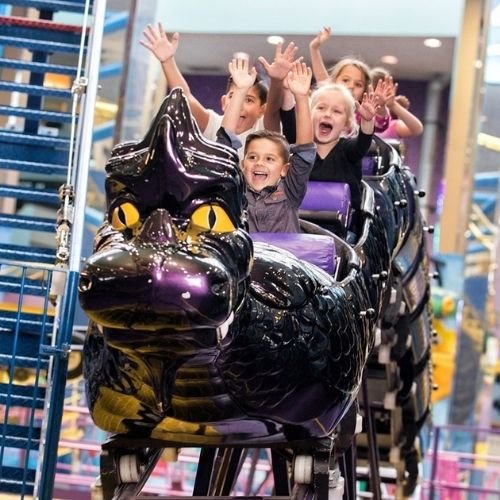
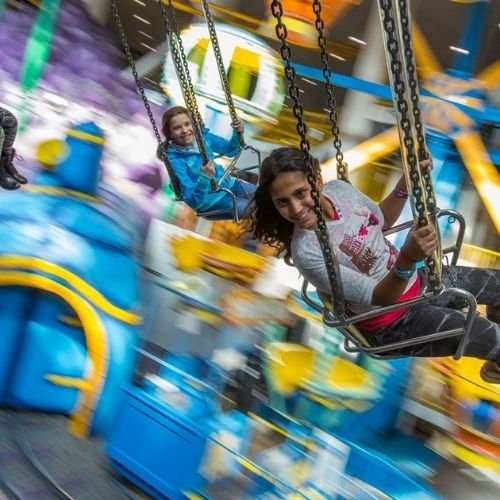
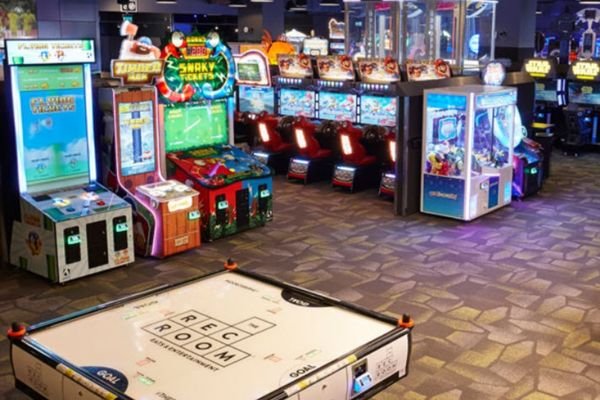
If you're looking for an exciting adventure, Galaxyland at West Edmonton Mall is the place to be. As the world’s largest indoor amusement park, it’s filled with things to do that will keep everyone entertained, no matter their age. For younger visitors, rides like the Carousel and Dragon Wagon provide gentle thrills, while those seeking more excitement can hop on the Galaxy Orbiter. For the truly brave, there’s the exhilarating Space Shot, a free-fall ride that offers a rush of adrenaline.
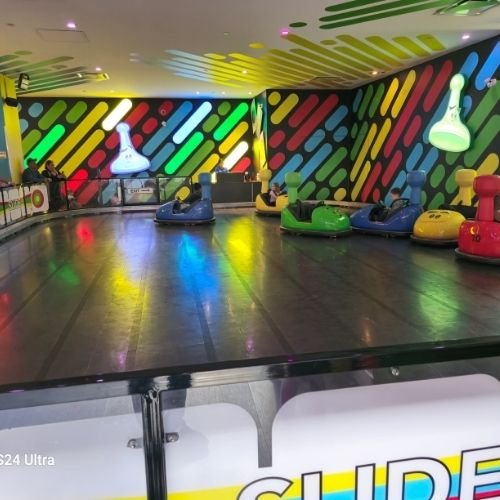
With over 25 rides and attractions, Galaxyland has something for everyone. You can challenge your friends at bumper cars, take on interactive experiences, or enjoy family-friendly activities. It’s the perfect spot for a fun day out, whether you're visiting with family, friends, or even solo. From beginners to thrill-seekers, Galaxyland will give you an unforgettable memory.
In this post, I will show you some exciting things to Do in Galaxyland at West Edmonton Mall. I will tell you the type of rides, and the height requirement in inches for each ride.
GalaxylandBeginner Rides
1.Carousel: A Classic for Younger Visitors
The CarouselGalaxylandride is perfect for younger visitors or anyone looking for a gentle ride. It’s a beginner-level attraction, where you sit on beautifully decorated seats that move up and down as the ride travels in a circular motion. It's a fun and relaxing way to enjoy the park. For children under 42 inches, a paid adult chaperone is required, but there are no other restrictions. It’s a great option for families with small kids to enjoy a safe, fun experience together!
2.Dragon Wagon: A Mini Coaster for Kids
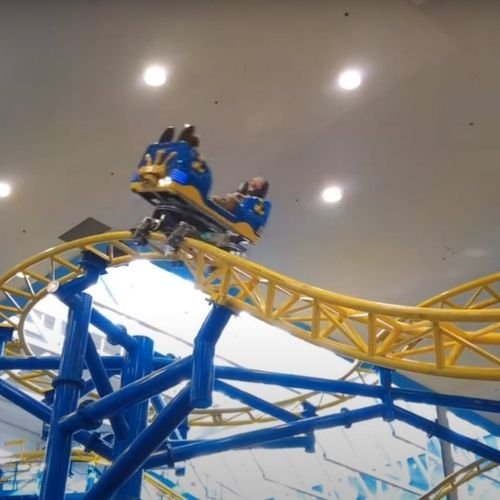
The Dragon Wagon is a fun, beginner-friendly ride that’s perfect for kids. This mini roller coaster offers plenty of excitement as it moves around an oval track, climbing and dropping gently over small hills. It’s a great way for young riders to experience the thrills of a coaster at a comfortable speed. Riders must be between 36" and 56" tall, and those between 36" and 41" need to ride with another person in the accepted height range.
3.Flight to Equestria: Fantasy-Themed Fun
In Flight to Equestria, you’ll soar into a magical adventure. This beginner-friendly ride is a slow-moving Ferris wheel that resembles a balloon race, making it perfect for younger kids or those who enjoy gentler rides. There’s no minimum height to ride, but anyone under 41 inches will need a paid chaperone who is over 56 inches tall. It’s a fun, relaxing way to enjoy the sights and sounds of the park while being part of a whimsical world!
4.SORRY! Sliders Bumper Cars: Fun for Everyone
If you're looking for a bit of friendly competition, the SORRY! Sliders Bumper Cars are a great choice. This beginner ride is perfect for younger kids who want to enjoy some safe, lighthearted action. You get to zip around and bump into your friends in these fun, easy-to-control cars. To ride, kids must be between 38" and 53" tall. It’s an exciting way to add some laughter and thrills to your day at Galaxyland!
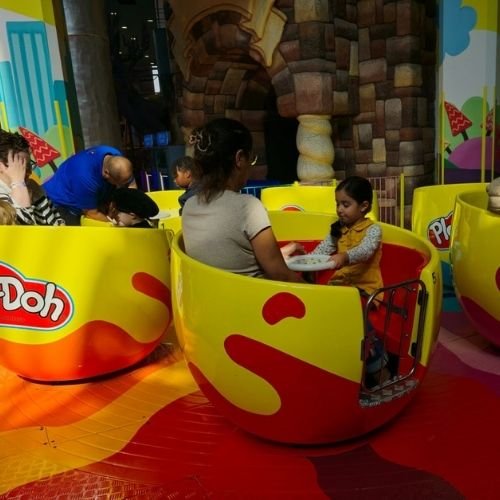
5.Dizzy Doh-Dohs: Spin Your Way to Fun
At Galaxyland, the Dizzy Doh-Dohs offers a playful twist on classic fun! This beginner ride lets you and your friends spin around in colorful tea cups, while the whole ride moves in a circle. It's a great way to enjoy some light-hearted excitement that’s perfect for both kids and adults. For smaller riders under 36 inches, a paid adult chaperone is required. Get ready to twirl, laugh, and make memories on this delightful, dizzying ride!
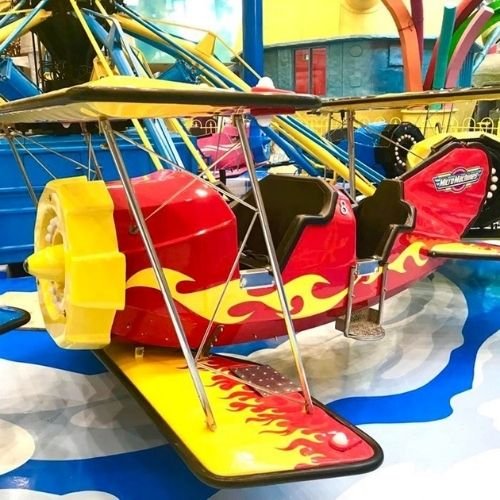
6.Micro Machines Aero: Fly High in Fun
Kids can become pilots on the Micro Machines Aero ride! This beginner-friendly attraction lets two riders hop into mini airplanes, where they soar up and down while rotating around a circular track. It’s a thrilling yet gentle way for young adventurers to experience the excitement of flight. Perfect for children between 36" and 55" tall, this ride offers a fun and safe way to enjoy a taste of the skies!
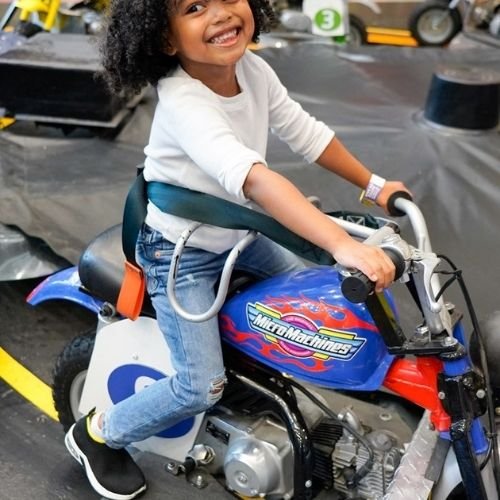
7.Micro Machines Motojump: Miniature Dirt Bike Fun
For young thrill-seekers, the Micro Machines Motojump at Galaxyland offers an exciting ride on mini dirt bikes and ATVs. Kids can race around a circular track, complete with a small jump for an added burst of excitement! This beginner-level ride is perfect for kids who want to feel like real off-road racers. To hop on, riders must be between 35" and 55" tall. It’s the perfect way for children to experience a bit of adventurous fun in a safe environment!
8.Galaxy Kids Playpark: Fun for the Little Ones
The Galaxy Kids Playpark at Galaxyland is a perfect spot for younger kids to burn off some energy. This multi-level play area features bridges, slides, climbing obstacles, and ball pools, offering hours of fun for kids aged 12 and under. It’s a safe and engaging space for little adventurers. Keep in mind that it’s a socks-only environment, and if you forget yours, you can purchase a pair for $3. With exciting new changes happening, the Playpark is undergoing a Hasbro conversion at the time of writing, so plan your visit accordingly!
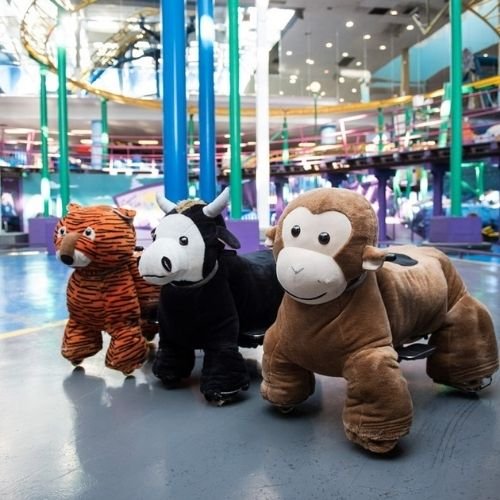
9.Galactic Rodeo: A Space Cowboy Adventure
The Galactic Rodeo lets kids become space cowboys and cowgirls as they ride intergalactic beasts in a fun, space-themed arena. It’s a great beginner-level ride designed to spark imagination and adventure. Kids must be 38 inches or taller to ride, and those between 38" and 43" will need a paid adult chaperone. It’s a unique way for young adventurers to enjoy a little space-themed fun while safely exploring the world of Galaxyland!
10.Rainbow Bounce: Mini Thrills for the Little Ones
The Rainbow Bounce offers younger visitors a chance to experience the fun of a drop ride, just like the big kids! This beginner-friendly ride steadily climbs upward before dropping in short, exciting bursts. It’s a scaled-down version of the Space Shot, perfect for families with little ones. Riders under 42 inches will need a paid adult chaperone to join in the fun. It’s a great way to introduce young adventurers to a bit of excitement in a safe, family-friendly setting!
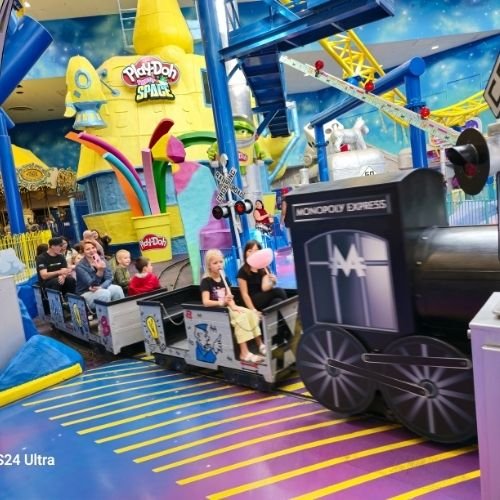
11.Monopoly Railroad: All Aboard for Family Fun
The Monopoly Railroad is a beginner ride that’s perfect for young kids and families. Hop on board this fun train ride inspired by the classic Monopoly game and enjoy a gentle, scenic journey around the track. It’s a great way for little ones to experience the excitement of riding a train in a safe and friendly environment. Riders under 40 inches will need a paid adult chaperone who’s over 56 inches tall. It’s the perfect choice for a calm and enjoyable adventure!
Galaxyland Intermediate Rides
12.Cootie Coaster: Family-Friendly Thrills
The Cootie Coaster is a fantastic ride for families looking for a bit more excitement. This intermediate coaster reaches heights of 34 feet and speeds through thrilling twists and turns. It’s a great step up from the Dragon Wagon, offering more adventure for those not quite ready for the Galaxy Orbiter. A paid adult chaperone is required for riders between 43” and 47”, while those 48 inches and taller can ride solo. Don’t forget—you can capture your fun with action photos available for purchase!
13.Swing of the Century: A Fun, Airy Ride
The Swing of the Century at Galaxyland is a perfect mix of fun and relaxation. This intermediate ride lifts you into the air as your seat swings outward and spins in a circular motion. It's a great way to enjoy a gentle breeze while experiencing the thrill of soaring through the air. Riders must be 43 inches or taller to enjoy the ride, with those between 43” and 47” requiring a paid adult chaperone. For riders 48 inches and taller, you can swing solo!
14.GI Joe Laser Mission: Test Your Skills
Step into action with the GI Joe Laser Mission, where you’ll dodge and weave through lasers in a high-stakes mission. Your goal? To navigate the zone, avoid the Cobra Commander's lasers, and hit the targets. This intermediate-level attraction is perfect for anyone ready for a challenge. It’s all about quick reflexes and strategy as you work your way through the mission. With no height restrictions, this exciting adventure is open to everyone ready to prove their skills!
15.Quirks in the Works: Fast-Paced Target Fun
Get ready for action with Quirks in the Works! This intermediate-level ride lets you join the battle to defeat alien "Quirks" by hitting as many targets as possible. As you ride through the attraction, flashing lights and loud sounds create a thrilling atmosphere, keeping you on your toes. Test your reflexes and compete for a high score before you exit. Riders must be 43 inches or taller to join this exciting, fast-paced target-shooting adventure!
16.Cosmic Spinner: Twisting and Turning Fun
The Cosmic Spinner is an exciting, intermediate ride that lifts riders up and down while spinning them in circles. Each car moves independently, so you’ll get a unique experience every time! This thrilling attraction is perfect for those looking for a bit more excitement in their day. Riders must be between 52" and 75" tall to enjoy the twists and turns of this Hasbro-themed ride. It’s a great way to add some dizzying fun to your visit!
17.GI Joe Ninja Training: Conquer the Ropes Course
The GI Joe Ninja Training ropes course is an exciting, intermediate-level adventure that challenges you to navigate obstacles while suspended high above the ground. With three levels to explore, you’ll test your balance and agility as you make your way through the course. It’s perfect for thrill-seekers looking to push their limits! Riders must be 43 inches or taller, with those between 43” and 47” requiring a paid adult chaperone.
18.Super Simon: A Race Against Time
In Super Simon, players test their speed and reflexes by pressing as many lights as they can, as quickly as possible. The faster you press, the higher your score! This interactive game is all about quick reactions and sharp focus, making it perfect for anyone looking for a fun challenge. There are no height restrictions, so everyone can join in the fun and compete for the best score.
19.Flying Galleon: Sail Through the Skies
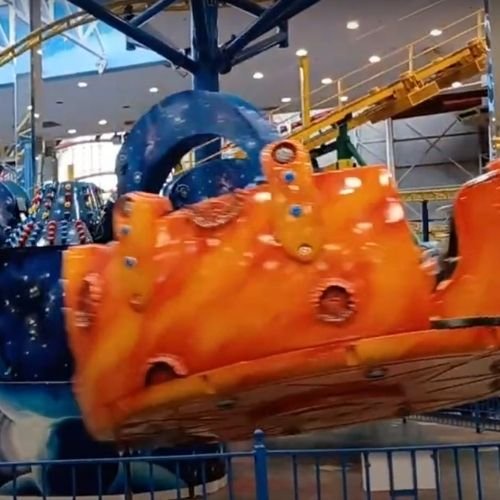
Climb aboard the Flying Galleon for a thrilling adventure on the high seas! This Spanish-themed ride rocks back and forth like a ship navigating rough waters, picking up speed with every swing until you’re nearly vertical! The ride creates an exciting "U" pattern that will have you feeling like you're soaring through the air. Perfect for riders seeking a bit more excitement, you must be at least 38 inches tall to enjoy this fun, intermediate-level experience.
GalaxylandAdvanced Rides
20.Galaxy Orbiter: A Thrilling Roller Coaster Adventure
The Galaxy Orbiter is the ultimate thrill ride! This advanced roller coaster sends you spinning through 1,500 feet of track at high speeds, delivering up to 3.3 Gs of excitement. With its twisting turns and fast drops, you’ll get an exhilarating view of the entire park. Riders between 43” and 47” need a paid adult chaperone, while those 48 inches and taller can ride solo.
21.Space Shot: Free-Fall Adrenaline Ride
Get ready for a heart-pounding adventure on Space Shot, the world’s tallest indoor tower ride. This advanced attraction blasts you off the ground at 55 km/h, rocketing you 120 feet into the air! After the thrilling ascent, experience an adrenaline-pumping free fall that’s sure to get your heart racing. If you’re a thrill-seeker, this is a must-ride. You must be at least 52 inches tall to enjoy this exciting attraction.
22. Havoc: Intense Spinning Adventure
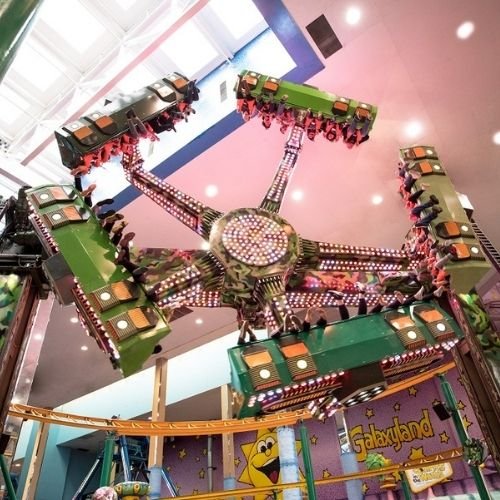
If you’re ready for a wild ride, Havoc is the perfect choice. This intense attraction takes you up to 45 feet in the air, spinning and flipping you at speeds of up to 27 km/h. It’s a rush like nothing you’ve experienced before! To hop on, you need to be between 52" and 77" tall and under 220 pounds. I absolutely recommend it if you're craving a fast, heart-pounding adventure that will leave you breathless!
23.Trouble Twist: A Ride You Control
On the Trouble Twist, you get to control your own adventure! This advanced ride lets you decide how intense your ride will be as you twist and flip along a wave-shaped track. The more you twist, the wilder the experience becomes. It’s perfect for thrill-seekers who want to personalize their ride. To join the fun, you need to be at least 48 inches tall.
24.Hungry Hungry Hippos Feeding Frenzy: Bumper Car Fun
The Hungry Hungry Hippos Feeding Frenzy is perfect if you’re in the mood for some lighthearted competition! This advanced ride lets you and a friend hop into double-seated bumper cars and drive around freely, bumping into other vehicles in a fun, action-packed game. It’s all about strategy and quick moves as you try to out-bump your fellow riders. To join the frenzy, you must be at least 50 inches tall.
Other Attractions
25.GI Joe Climb and Conquer: Reach New Heights
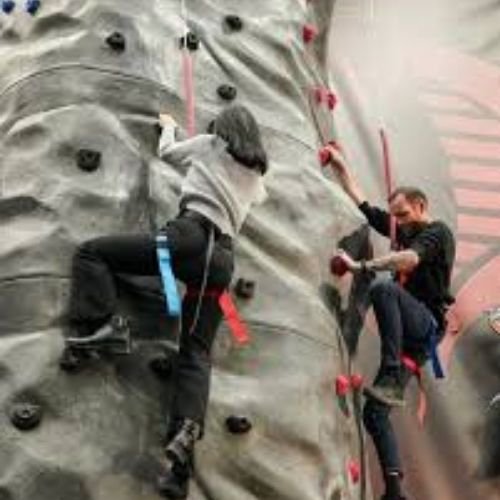
The GI Joe Climb and Conquer is an exciting indoor climbing wall with three different routes to challenge climbers of all skill levels. For those who want to push their limits, there’s an extreme route that offers extra difficulty. Safety is key—participants must fit securely in a harness and may be weighed to ensure safety. You need to be at least 36 inches tall to participate. The wall is open on Fridays, weekends, and holidays.
26.NewPlay Arcade Games: Fun for All Ages
Galaxyland'sNewPlay Arcade offers over 100 games, from timeless classics to the latest releases. No more worrying about tokens or paper tickets—everything is loaded onto an arcade card! Simply swipe your card to play and collect points. When you're ready, redeem your points for cool prizes at the Redemption Prize Centre.
Galaxyland Tickets
At Galaxyland, rides operate on a points system. Beginner rides cost 1 point, intermediate rides cost 2 points, and advanced rides are 3 points each. Each point costs $6, so you can plan your day based on the rides you want to experience. There are also options for unlimited ride passes available online, which can be a great value if you’re planning to spend the whole day at the park. Check the official Galaxyland ticket page for more details.
Galaxyland Points
You can earn and redeem Galaxyland Points through various activities, such as arcade games and prize redemptions. When you load your points onto an arcade card, it becomes your pass for gameplay throughout the arcade. Points collected from wins in the arcade can also be used to claim prizes at the Redemption Prize Centre. It's a simple and fun system that lets you enjoy your time at Galaxyland without worrying about tokens or tickets, adding convenience to your day of fun!
Galaxyland Operating Hours
Galaxyland at West Edmonton Mall operates on the following schedule:
Monday to Thursday: 12:00 PM to 5:00 PM
Friday: 12:00 PM to 7:00 PM
Saturday: 11:00 AM to 7:00 PM
Sunday: 11:00 AM to 6:00 PM
Make sure that you check the Galaxyland website for any changes or special hours during holidays or events, as they may affect the regular schedule. It's always a good idea to plan your visit ahead of time to make the most of your day!
Final Thoughts: Galaxyland at West Edmonton Mall
Galaxyland Rides at West Edmonton Mall offers a truly unforgettable experience with a variety of rides and attractions that cater to all ages. From beginner rides like the Carousel to thrilling coasters such as the Galaxy Orbiter, there’s something for everyone. The arcade games and interactive challenges like the GI Joe Ninja Training make the day even more fun.
While we’ve covered many attractions, there are still numerous children’s rides that didn’t make the list, ensuring even more opportunities for kids to explore and have fun. Galaxyland is the ultimate destination for an exciting family adventure!
FAQs on Galaxyland
Why is the Galaxyland roller coaster closed?
The iconic Mindbender roller coaster, once the world’s largest indoor triple-loop roller coaster, was permanently closed in January 2023. The closure is part of a redevelopment effort as Galaxyland transitions into a Hasbro-themed park. The area previously occupied by the Mindbender is being transformed to make way for new attractions.
How many rides does Galaxyland have?
Galaxyland features 27 rides and attractions, catering to all ages and thrill levels, from beginner to advanced rides.
How old do you have to be to go to Galaxyland alone?
There is no specific age restriction for visiting Galaxyland alone, but ride participation often requires meeting height and safety requirements. For younger children, adult supervision may be necessary based on individual ride restrictions.
What is Galaxyland's new name?
Galaxyland has been rebranded as Galaxyland Powered by Hasbro, incorporating themes and attractions based on popular Hasbro brands.
Are all Galaxyland rides open?
While many rides are open, not all are available at all times due to maintenance or redevelopment. For instance, the Mindbender roller coaster has been permanently closed, and some attractions are under renovation as part of the Hasbro transformation.
West Edmonton Mall is not just a shopping mall—it's a top travel destination in Edmonton, Alberta. As the largest mall in North America, it offers endless entertainment, shopping, and dining experiences all under one roof. From high-end fashion stores to the thrilling Galaxyland amusement park and World Waterpark, there's something for every visitor. Shopping for a car? There is a Toyota car dealership right inside the mall as well.
During my first visit, I was amazed by how much there was to do. You can spend an entire day exploring over 800 stores, grabbing a bite at unique restaurants, or catching a show at the cinema. For families, it’s perfect, with kid-friendly attractions like the Marine Life sea lion show and the Ice Palace skating rink.
This mall is so big that I have never explored every corner of it since I have been going there. I don’t think there is anyone who can explore the whole mall in one day because there are just so many things to see and do.
In this guide, I’ll show you how to explore all the best parts of West Edmonton Mall. We’ll dive into the top attractions, the best places to shop and eat, and tips on making the most of your visit. If you’re planning a trip to Edmonton, WEM is a must-see, and this guide will help you have an unforgettable experience! View WEM Map.
Facts About West Edmonton Mall
The West Edmonton Mall is owned and operated by the Triple Five Group, the same company behind other major retail centers in North America. As I said above, the mall has over 800 stores, attractions, and services. WEM is the largest shopping mall in North America by store count and the second largest by square footage, right behind the Mall of America.
WEM covers an incredible 5.3 million square feet of space, making it the 14th largest mall in the world, comparable in size to The Dubai Mall. What sets it apart is its variety of attractions. There are nine major attractions inside the mall, including Galaxyland, World Waterpark, an ice skating rink, and an indoor mini-golf course. It’s not just about shopping here—there’s always something to see or do.
The mall is also home to two hotels and over 100 places to eat, giving visitors plenty of options for dining and staying overnight. Parking is a breeze, too, with space for more than 20,000 vehicles. And let’s not forget the people—over 24,000 employees work at WEM, which brings in around 32 million visitors each year. On any given day, between 90,000 and 200,000 people pass through its doors, depending on the season and events.
In terms of shopping, the mall houses a mix of big-name brands and luxury stores like Balenciaga, Nike Factory Store, Guess Store, and Moncler, alongside Canadian favourites like Hudson’s Bay and L.L.Bean. It’s no wonder it’s the second most visited mall in Canada, right behind the Toronto Eaton Centre.
WEM first opened in 1981 and has expanded over the years through four phases of construction. Even though it’s no longer the largest mall in the world (a title it held until 2004), it remains a top destination for shopping and entertainment in North America.
Quick Overview: West Edmonton Mall at a Glance
Here is the short version before we get into the details:
How long you need: A full day minimum; two days if you want to do the major attractions properly.
What it is: The largest shopping and entertainment complex in North America, in west Edmonton, Alberta.
The big draws: Galaxyland indoor amusement park, World Waterpark, the Ice Palace skating rink, Marine Life, mini golf, bowling, and an IMAX cinema.
Stores and food: Over 800 stores and more than 100 places to eat.
Where to stay: The themed Fantasyland Hotel is connected right to the things to do at West Edmonton Mall, Galaxyland, World Waterpark, West Edmonton Mall attractions, Fantasyland Hotel, West Edmonton Mall parking, and what to do in Edmonton.
Parking: Free, with room for around 20,000 vehicles.
Best time to visit: Weekday mornings to beat the crowds; any time in winter to escape the cold.
How to Get to WEM
Getting to West Edmonton Mall is pretty simple, no matter how you're travelling. The mall is located on the West side of Edmonton, Alberta, and is super easy to find. It is right on 170 Street. The address is at 8882 170 St NW, Edmonton, AB T5T 4J2. If you’re driving, it’s right off Whitemud Drive, Anthony Henday Drive, and Yellowhead Trail which are three of the city’s main roads. Parking isn’t usually a problem. With over 20,000 parking spaces, you’ll almost always find a spot, even on weekends or busy shopping days.
If you’re taking public transit, Edmonton Transit Service (ETS) makes it a breeze. Several buses stop directly at the mall, like routes 1, 2, and 100, which is handy if you don’t want to deal with parking or traffic. The bus drops you off right at the doors, so you can start your day of shopping or exploring without any hassle.
Flying into Edmonton? The mall is about a 30- to 40-minute drive from the Edmonton International Airport. You can take a taxi, rideshare, or even grab an airport shuttle. If you plan on seeing more of the city, renting a car is another good option.
Top Attractions and fun things to do
These are the headline experiences that make West Edmonton Mall famous. If you only have time for a couple, start here.
Galaxyland – North America's Largest Indoor Amusement Park
Galaxyland, powered by Hasbro, is one of the best attractions in Edmonton, and it is the largest indoor amusement park in North America, with more than 27 rides and attractions for every age and thrill level. It is also a park in the middle of an exciting transformation.
For decades, the undisputed star here was the Mindbender, a towering triple-loop roller coaster that held the title of the world's tallest indoor roller coaster and was a true Edmonton icon. After 37 years of service, the Mindbender was retired and has since been removed to make way for the park's future.
Here is the exciting part for 2026: crews are actively building a brand-new Vekoma multi-launch family and thrill coaster to anchor the park and replace the beloved Mindbender. It is a custom-designed ride squeezed into the park's unique indoor space, and it is shaping up to be a worthy successor that the whole family can enjoy. At the time of writing, it is still under construction and not yet open, so check the official Galaxyland page for the latest opening news before your visit.
In the meantime, Galaxyland remains fully open during the construction, with plenty to ride. There is the Space Shot, a stomach-dropping tower ride, several family roller coasters, a new Monopoly-themed carousel, classic midway rides, and a whole play area for little ones at Galaxy Kids Playpark.
Because everything is indoors, it runs year-round, no matter the weather — a huge plus in Edmonton. The park has been steadily adding new Hasbro-themed attractions too, bringing classic characters and games to life.
My tip: Buy your all-day ride pass rather than individual ride tickets if you plan to do more than a few rides. Hit the most popular rides first thing when the park opens, before the lines build. Weekdays are dramatically quieter than weekends. And if you are a coaster fan, keep an eye on the new Vekoma coaster's opening date — it is set to be the park's headline attraction.
World Waterpark – The World's Largest Indoor Wave Pool
World Waterpark is a tropical paradise in the middle of the prairies. It is home to the world's largest indoor wave pool, a giant indoor beach, and 17 waterslides ranging from gentle kid-friendly slides to steep, stomach-in-your-throat drops. You can try indoor surfing, ride a zipline over the park, or just relax on the sand while the kids splash around. It is kept warm and tropical all year, so you can swim in your swimsuit while it snows outside.
My tip: The park is fully cashless — you load money onto your wristband with their "Splash Cash" system to pay for food and rentals, so you do not have to carry a wet wallet. Visiting in the last few hours before closing often comes with cheaper admission. Bring your own towel to save on rental fees, and arrive early on busy days to grab a good spot.
Marine Life – Sea Lions, Penguins, and an Underground Aquarium
Tucked into the heart of the mall is Marine Life, a certified zoo and underground aquarium that is a hit with kids and adults alike. You can watch the playful sea lions at Sea Lions' Rock, say hello to penguins, and explore the Sea Life Caverns to see all kinds of marine creatures. Sea lion shows and feedings are a highlight, so check the daily schedule when you arrive.
My tip: Catch a sea lion presentation if the timing works — it is genuinely entertaining and educational. This is a great mid-day break from the busier attractions.
Ice Palace – Skating in the Middle of the Mall
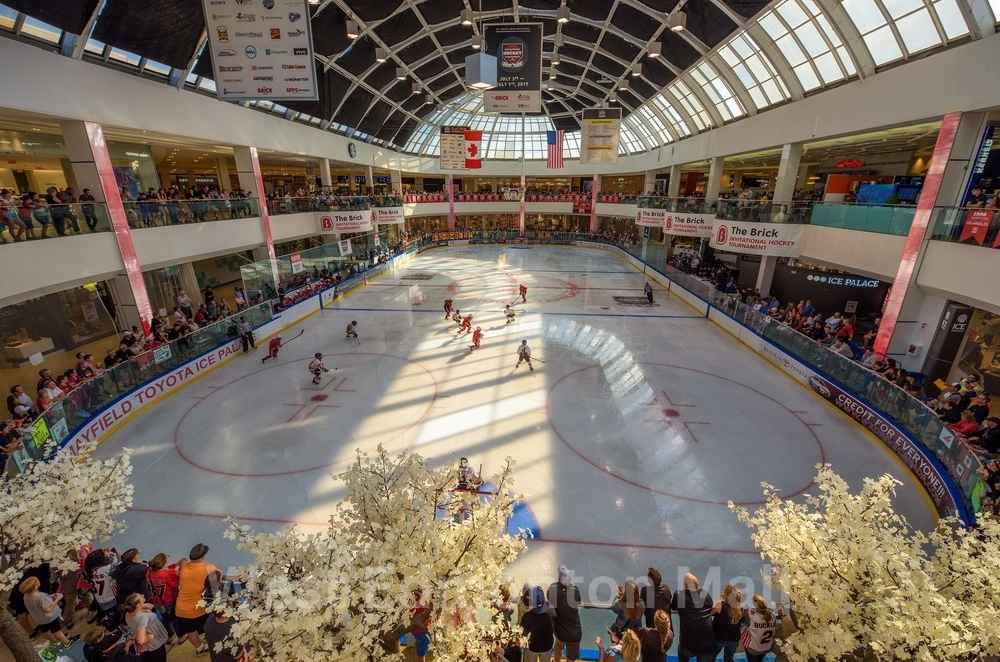
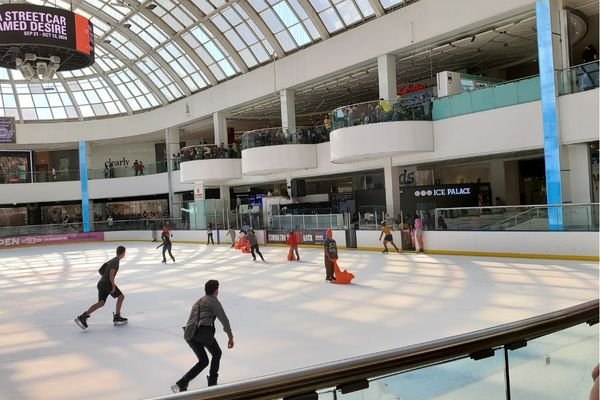
Right in the centre of the mall sits the Ice Palace, a full NHL-regulation skating rink. You can lace up rental skates and glide around, watch the local figure skaters and hockey players who train here, and enjoy the surreal experience of ice skating while shoppers stroll by above. It is a classic West Ed experience. The hours and schedules are available on their website.
My tip: Public skating times vary, so check the schedule before you go. It is a fun, affordable activity and a nice change of pace from the high-energy attractions.
Mini Golf, Bowling, and More
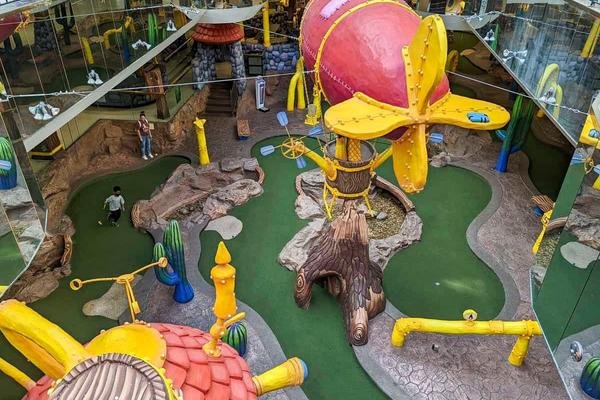
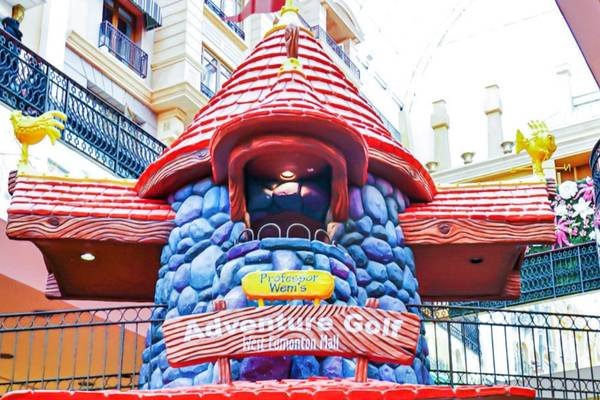
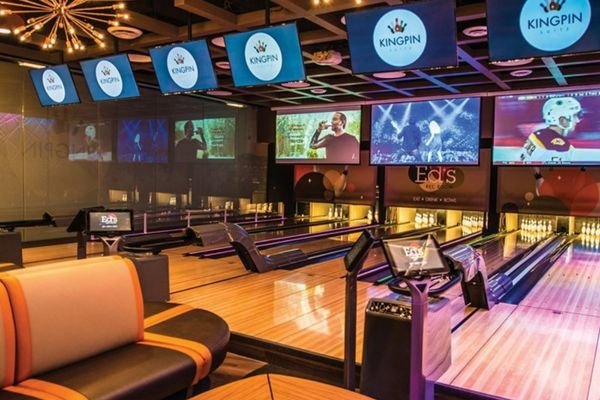
The fun does not stop there. You can play a round at Professor WEM's Adventure Golf or the pirate-themed Dragon's Tale mini golf, bowl a few frames at Ed's Bowling, test your aim, get lost in the Crystal Labyrinth Mirror Maze, race at the go-kart track, or catch the latest blockbuster at the big IMAX and Scotiabank Theatre cinema complex. There is also a casino for the grown-ups.
My tip: These smaller attractions are perfect for filling gaps between the big-ticket activities, and they are great rainy-day or cold-day options. Many can be bundled into combo passes for savings.
The Pirate Ship and Sea Lions' Lake
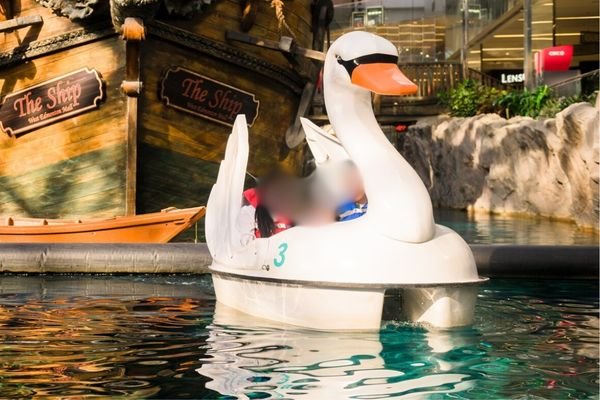
One of the most photographed spots in the whole mall is Deep Sea Adventure Lake, a large indoor lake complete with a full-size replica ship, a recreation of Christopher Columbus's Santa María. You can stroll the decks, take in the views, and watch the sea lions that call the lake's rocky shore home. It is a wonderfully odd and delightful thing to stumble upon inside a shopping mall, and a great photo opportunity.
My tip: This is a free area to walk through and a lovely place to take a breather. It connects nicely to the Marine Life attractions, so combine them.
For a deeper dive into these attractions, check out my other article on the best attractions in West Edmonton Mall. It covers everything you need to know to make the most of your visit!
West Edmonton Mall Images
Upper Northern Parking
Where to Stay
If you're planning to spend a lot of time at West Edmonton Mall, staying nearby is a great idea. The best option is the Fantasyland Hotel, which is actually inside the mall. It’s a unique place to stay because it has themed rooms like space, safari, and even a princess room. It’s perfect for families or anyone who wants a fun experience right in the heart of the action.
If you’re looking for more options, there are plenty of hotels close to WEM. Holiday Inn and Courtyard by Marriott are just a few minutes away, offering comfortable rooms and good prices. Staying near the mall makes it easy to explore all the attractions without having to worry about long drives or parking.
If you're planning a trip to West Edmonton Mall, timing can make a big difference in your experience. Personally, I’ve found that weekdays are the best time to visit if you want to avoid the crowds. The mall tends to be quieter from Monday to Thursday, so it’s easier to shop and explore without the hustle and bustle. Plus, attractions like Galaxyland and World Waterpark have shorter lines, which means more time for fun!
If you’re coming with family or friends, weekends can still be a good time to visit. Just keep in mind that the mall gets much busier on Saturdays and Sundays, especially around the holiday season or during big sales events. It’s great if you love the energy of a busy place, but I always recommend arriving early in the day to get a head start before it fills up.
For those who like to make the most of special events, West Edmonton Mall hosts many events year-round, like Mascot Meet and Greet, animal art exhibition, Fright Night at Galaxyland, and many more. In addition, winter is perfect if you want to visit the Ice Palace skating rink or enjoy holiday activities. In the summer, the waterpark is a huge hit, and it’s a great way to cool off while exploring everything the mall has to offer.
How to Plan Your Visit (A Local's Strategy)
The number one mistake first-timers make is trying to do everything and wandering without a plan. Here is how I would approach it:
For a one-day visit, pick one major attraction to anchor your day — either Galaxyland or World Waterpark, since each can easily fill several hours. Do it first thing in the morning when it opens, and the lines are short. Then spend the afternoon on smaller attractions (Marine Life, the Ice Palace, mini golf) and some shopping, with a proper sit-down lunch in the middle to recharge.
For a two-day visit, do Galaxyland one day and World Waterpark the other, with shopping, dining, and the smaller attractions woven around them. Staying at the Fantasyland Hotel makes this seamless.
For families with young kids, start early before the little ones get tired and cranky, build in rest and food breaks, and consider the play areas at Galaxy Kids Playpark and the gentler attractions.
My tip: Buy attraction passes and combo deals online in advance. They are often cheaper than at the gate and save you time in line. Look for family pass deals, which can be a great value, especially on weekday "value days."
Practical Tips for Visiting
A few more things I always tell first-time visitors:
Wear comfortable shoes. You will walk a lot — this place is enormous. Treat it like a day of sightseeing, not a quick shopping trip.
Note your parking spot. I am saying it again because it matters. Photograph the entrance number and lot.
Download or grab a map. Use the mall directory or app to navigate efficiently and find the entrances nearest your priorities.
Budget realistically. The attractions are a lot of fun but can add up, especially for a family. Combo passes, hotel package deals, and weekday pricing all help stretch your dollar.
Pack for the waterpark. Bring your own swimsuit and towel to save on rentals if you plan to swim.
Stay hydrated and take breaks. It is easy to overdo it. Build in downtime so the day stays fun for everyone.
Keep kids close. With these crowds, agree on a meeting spot and a plan in case anyone gets separated.
Conclusion: Guide to West Edmonton Mall
West Edmonton Mall is an incredible place to visit, offering so much more than just shopping. From the thrilling rides at Galaxyland to the relaxing waves at the World Waterpark, there’s something for everyone. Don’t miss out on skating at the Ice Palace, checking out the marine life at the Sea Life Caverns, or exploring the hundreds of stores and dining options.
To make the most of your visit, I recommend going on weekdays if you want to avoid crowds and be sure to look for deals to save some money. Staying at the Fantasyland Hotel or a nearby hotel will also help you make the most of your time.
With so many attractions, West Edmonton Mall is a place you won’t forget. I hope this guide helps you plan an amazing trip
Frequently Asked Questions
How big is West Edmonton Mall?
It is the largest mall in North America, with over 800 stores and services, more than 100 dining options, and parking for roughly 20,000 vehicles, plus major attractions like an amusement park and a waterpark all under one roof.
How long do you need to visit West Edmonton Mall?
Plan for at least a full day to experience the highlights. If you want to properly enjoy both Galaxyland and World Waterpark, two days is ideal, which is why many families stay at the connected Fantasyland Hotel.
What are the main attractions at West Edmonton Mall?
The headliners are Galaxyland (North America's largest indoor amusement park) and World Waterpark (with the world's largest indoor wave pool and 17 waterslides). Galaxyland's legendary Mindbender roller coaster has been removed, and a new Vekoma multi-launch coaster is currently being built to replace it. Other favourites include Marine Life with its sea lions and aquarium, the Ice Palace skating rink, mini golf, bowling, a go-kart track, and an IMAX cinema.
Is parking free at West Edmonton Mall?
Yes. The mall offers free parking for around 20,000 vehicles, with accessible spaces and EV charging stations available. Just be sure to note your entrance number and lot so you can find your car later.
Can you stay overnight at West Edmonton Mall?
Yes. The Fantasyland Hotel is connected directly to the mall and is famous for its themed rooms, like the Space Room and Dino Room. Booking direct often includes discounted attraction passes.
When is the best time to visit West Edmonton Mall?
Weekday mornings are the quietest and best for shorter lines and easier parking. Winter is especially popular with locals as a warm indoor escape from the cold.
Is West Edmonton Mall good for kids?
Absolutely. It is one of the best family destinations in Alberta, with attractions for all ages, kid-friendly play areas, family pass deals, and the themed Fantasyland Hotel. Build in breaks to keep little ones happy.
When we are talking about top hotels near West Edmonton Mall, we are basically talking about hotels in the West End of Edmonton. West Edmonton Mall is in the center of Edmonton West region. The mall is more than just a shopping center—it's a world-class destination that draws millions of visitors every year.
As the largest mall in North America, WEM is home to countless attractions, including indoor theme parks, a massive waterpark, an ice rink, mini-golf, and over 800 stores. It’s a place where you can easily spend days shopping, dining, and enjoying unique experiences, from riding roller coasters to seeing sea lions perform.
If you're planning to visit WEM, staying at a nearby hotel can make your trip even more enjoyable. Being close to the mall means you can maximize your time and take full advantage of everything it has to offer without worrying about long commutes.
In this guide, I’ll share some of the best hotels near West Edmonton Mall, from luxury stays to budget-friendly options. This way, no matter your budget, you can find the perfect spot for a comfortable and convenient stay while exploring the mall and its attractions.
Luxury Hotels Near West Edmonton Mall
Top Pick in luxury
Fantasyland Hotel
The Fantasyland Hotel is my top pick for its unbeatable location right inside West Edmonton Mall, giving guests instant access to all the shopping, dining, and entertainment the mall has to offer. Its unique themed rooms provide a one-of-a-kind experience, making your stay more memorable and fun, especially for families and couples.
If you’re looking for a little extra comfort and luxury during your stay, there are some great upscale hotels near West Edmonton Mall. I’ve stayed at a few of these places myself, and they really make your trip feel special.
1.Fantasyland Hotel
If you're looking for a truly unique and luxurious stay near West Edmonton Mall, Fantasyland Hotel is a top pick. Located right inside the mall, it offers an unmatched level of convenience. During my stay, I was blown away by the themed rooms—it's like stepping into a whole new world. From Roman-inspired spa rooms to tropical island escapes, the creativity and detail are amazing. What really made it special for me was how comfortable and luxurious everything felt. You don’t just get a fun theme, but also high-end furnishings and modern amenities that make your stay unforgettable.
One thing I found especially appealing is that Fantasyland Hotel combines entertainment with comfort. My room had a whirlpool tub and a huge TV, which made it easy to unwind after a day exploring West Edmonton Mall. For families, couples, or anyone looking for something out of the ordinary, these themed rooms are a must-try. You could choose to stay in a room themed like an igloo, space station, or even a luxury Arabian palace. It’s not just a hotel; it’s an experience.
Beyond the rooms, the hotel offers excellent services. I enjoyed a delicious meal at L2 Grill, which offers gourmet dining without leaving the hotel. There’s also a fitness center if you want to stay active, plus room service to make your stay even more convenient. As someone who loves to shop, being right inside West Edmonton Mall was perfect. I could walk out of the hotel and be in the middle of one of the largest shopping centers in the world, with access to hundreds of stores, Galaxyland amusement park, and the World Waterpark.
From my personal experience, Fantasyland Hotel is one of the best luxury hotels near West Edmonton Mall. It perfectly blends fun, relaxation, and convenience.
Candlewood Suites West Edmonton is a fantastic choice for those looking for comfort and convenience near West Edmonton Mall. While it offers a more relaxed and homey feel compared to some of the ultra-luxury hotels, it still provides a premium experience. Located just a short drive from the mall, it’s perfect for travellers who want easy access to all the excitement but also prefer a peaceful place to unwind at the end of the day.
What I love about Candlewood Suites is the spacious rooms that feel more like mini-apartments. Each suite comes with a full kitchen, making it ideal if you enjoy preparing your own meals during your stay. This is especially useful for extended stays or families who want the option to dine in. The rooms are also designed with modern comforts, including a large workspace, fast Wi-Fi, and cozy beds that guarantee a good night’s sleep.
One standout feature is the hotel’s commitment to convenience. There’s a 24-hour fitness center for those who like to stay active, and a free laundry facility, which is a huge plus for longer visits. Additionally, the Candlewood Cupboard, the hotel’s on-site mini-market, offers snacks, drinks, and quick meal options any time of the day.
The Hilton Garden Inn West Edmonton is a great choice for travellers seeking a blend of luxury and comfort near West Edmonton Mall. This hotel is known for its spacious rooms, modern design, and top-notch service. One of the highlights is the on-site restaurant, which serves a variety of delicious meals, so you don’t need to go far for dining options. The hotel also features an indoor pool and a fully equipped fitness center, perfect for relaxing after a day at the mall.
What sets the Hilton Garden Inn apart is the excellent customer service. The staff is known for being friendly and accommodating, ensuring that your stay is as comfortable as possible. It’s just a short drive to WEM, making it easy to explore the mall and all its attractions without having to worry about transportation.
Distance to the mall: 8 min (3.0 km)
Address: 17610 Stony Plain Rd, Edmonton, AB T5S 1A2
Four Points by Sheraton is another great option for those looking for comfort and style. It’s just a short drive away from the mall and offers spacious, modern rooms. The hotel features a heated indoor pool and hot tub, perfect for relaxing after a day of shopping or exploring. There’s also an on-site restaurant that serves delicious meals, so you don’t have to venture far for food. The only downside is that you’ll need to drive or take a quick cab ride to the mall, but the overall comfort and amenities make it worth considering.
Hyatt Place Edmonton-West is a top choice for travellers who want a stylish stay close to West Edmonton Mall. I visit this hotel when I need a weekend getaway with my family. The hotel offers spacious rooms with separate living areas, making it great for families or anyone looking for extra space.
It also has a fitness center, indoor pool, and a 24-hour food and drink bar, which is super convenient. It’s not directly attached to the mall, but it’s just a short drive away, and the comfort and service make it a standout choice. The only downside is that breakfast isn’t always included, so you’ll need to check when booking.
Home2 Suites by Hilton West Edmonton is a fantastic choice for travellers looking for a mix of comfort and convenience near West Edmonton Mall. This hotel is perfect for longer stays, as it offers spacious suites with fully equipped kitchens, making it easy to feel at home during your visit. It’s especially great for families or anyone who enjoys having a little extra space to relax. The hotel features modern amenities, including a fitness center, an indoor pool, and complimentary breakfast to start your day right.
One of the standout features of Home2 Suites is its pet-friendly policy, making it a good option if you’re travelling with your furry friend. It’s just a short drive from West Edmonton Mall, and the friendly staff and clean, comfortable rooms make this a great base for your trip. The only downside is that it’s not within walking distance of the mall, but the quick drive makes up for it, and the amenities offered are top-notch for the price.
Element Edmonton West is a fantastic luxury hotel for travellers looking for eco-friendly accommodations near West Edmonton Mall. This modern hotel is designed with sustainability in mind, offering eco-conscious amenities like energy-efficient rooms and environmentally friendly cleaning products. The rooms are spacious and come with fully equipped kitchenettes, making it a great option for both short and long stays.
Guests can enjoy a variety of amenities, including a saltwater indoor pool, a 24-hour fitness center, and a complimentary breakfast each morning. One of the highlights of staying at Element Edmonton West is the hotel's focus on wellness, with healthy dining options and a relaxing atmosphere.
Although it’s not directly connected to West Edmonton Mall, it’s just a short drive away, making it convenient for shopping and entertainment. It’s a great choice for travellers who want a luxurious stay with a focus on sustainability and comfort.
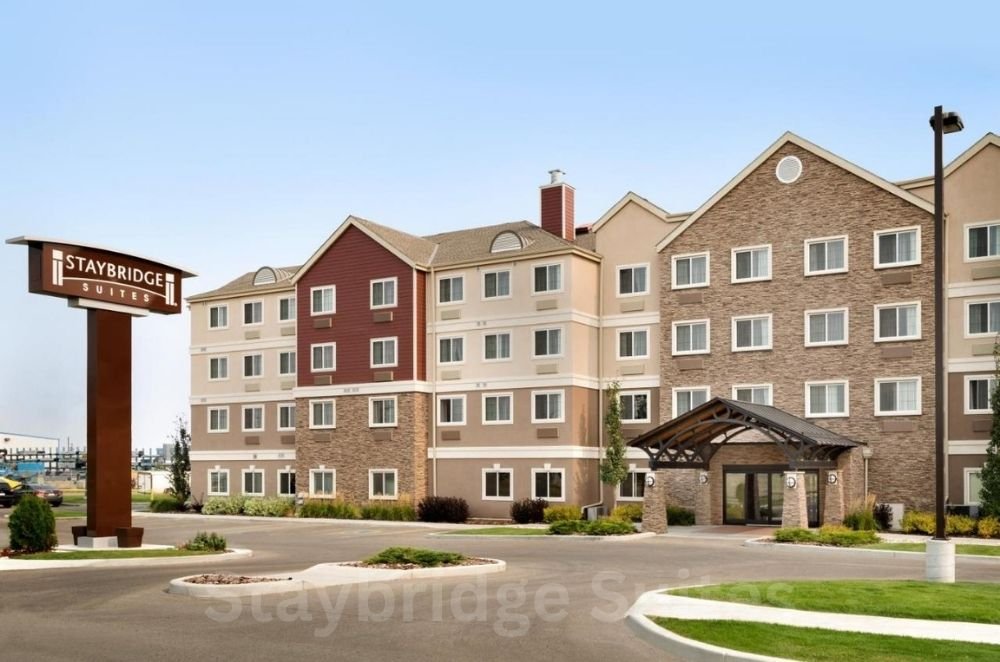
Staybridge Suites West Edmonton, an IHG Hotel offers luxury with a home-like feel, perfect for extended stays or travellers who want more space and convenience. Each suite comes with a fully equipped kitchen, ideal for families or anyone who prefers to cook their own meals during their trip. The rooms are spacious and modern, providing a comfortable and stylish atmosphere.
This hotel also offers great amenities, including a 24-hour fitness center, an indoor pool, and a complimentary hot breakfast each morning. Guests also have access to a free laundry facility, which is a bonus for those staying longer. While the hotel isn’t within walking distance of West Edmonton Mall, it’s just a short drive away, making it easy to enjoy all the mall’s attractions. The friendly staff and excellent service make Staybridge Suites a top choice for travellers who want the comforts of home with a touch of luxury.
The West Edmonton Mall Inn is my top pick in the mid-range category because of its unbeatable location right across the street from West Edmonton Mall, making it incredibly convenient for visitors who want quick and easy access to the mall’s attractions. Its affordable rates combined with comfortable rooms offer great value, especially for families and travellers looking to stay close without paying luxury prices.
If you're looking for a good balance of comfort and value, there are plenty of mid-range hotels near West Edmonton Mall that offer great service without breaking the bank. These hotels are perfect for families or travellers who want a comfortable stay at a reasonable price while still being close to the mall.
9.West Edmonton Mall Inn
The West Edmonton Mall Inn is located just across the street from the mall, so it’s another incredibly convenient option. This hotel offers standard rooms with all the basics, and the proximity to the mall is its biggest selling point. You won’t find luxury amenities like a spa or themed rooms here, but it’s perfect if you’re looking for a simple, comfortable stay with easy access to West Edmonton Mall. One downside is that it doesn’t have as many extras as some of the other hotels, but the location makes up for it.
The Holiday Inn Express & Suites is a great mid-range option. It’s located just a short drive from West Edmonton Mall, making it easy to visit the mall without spending too much time in transit. This hotel offers spacious rooms, free Wi-Fi, and a complimentary hot breakfast each morning, which is perfect if you’re heading out early to explore the area. There’s also an indoor pool and a fitness center, so you’ll have everything you need for a relaxing stay.
The Courtyard by Marriott is another solid choice for those looking for comfort and convenience. It’s a little more modern, with spacious suites and helpful amenities like an on-site restaurant, a heated indoor pool, and a fitness center. The hotel is only a few minutes away from West Edmonton Mall, so you won’t have to worry about long drives. It’s a great option for families or couples who want a bit more space and comfort during their trip.
The Sandman Signature Hotel offers a sleek, modern stay with a great location near WEM. This hotel features a heated indoor pool, on-site dining at Chop Steakhouse & Bar, and spacious rooms with modern decor. It’s great for families or anyone looking for a stylish, affordable option close to the mall. The Sandman Signature is known for its friendly service and clean, comfortable rooms.
Distance to the mall: 6 min (3.3 km)
Address: 17635 Stony Plain Rd, Edmonton, AB T5S 1E3
The Royal Hotel West Edmonton is a fantastic mid-range option that offers a cozy and inviting atmosphere. It’s just a short drive from WEM, making it easy to enjoy all the mall’s attractions. The hotel provides free parking, an on-site restaurant, and spacious rooms that are perfect for families. It’s an excellent choice if you’re looking for a more classic hotel feel with modern amenities.
The Best Western Plus offers clean and comfortable rooms with all the amenities you’d expect, including an indoor pool, free breakfast, and free Wi-Fi. It’s a great choice for families, especially with its proximity to WEM. The rooms are spacious, and the hotel’s customer service is top-notch, ensuring you have a pleasant stay. The Best Western Plus also has a fitness center and free parking, making it a convenient and affordable option for your trip.
If you’re looking for something a little more upscale in the mid-range category, the DoubleTree by Hilton is a great option. It offers spacious suites, a fitness center, an indoor pool, and on-site dining at Stages Kitchen & Bar. The hotel is known for its warm cookies at check-in, which is always a nice touch! It’s only a short drive from WEM and provides excellent service for families or solo travellers.
The Quality Inn West Edmonton is my top pick in the budget hotel section because it offers great value without sacrificing comfort. With clean, comfortable rooms and key amenities like free breakfast, Wi-Fi, and parking, it provides everything you need for a pleasant stay at an affordable price. Its proximity to West Edmonton Mall makes it a convenient choice for budget-conscious travellers.
If you’re travelling on a budget, there are plenty of budget-friendly hotels near West Edmonton Mall that still offer a comfortable and convenient stay. These options give you all the basics without breaking the bank, and you’ll still be close enough to enjoy everything the mall has to offer.
16.Comfort Inn West Edmonton
The Comfort Inn West Edmonton is a solid budget choice. It offers free breakfast, free Wi-Fi, and free parking, which can save you some money during your trip. The rooms are simple but clean, and the hotel is just a short drive from West Edmonton Mall. It’s a great option if you’re looking for something affordable that still has good service. The only downside is that the amenities are pretty basic, so if you’re looking for luxury, this isn’t the place. But for the price, it’s a great deal.
Another good option is Days Inn & Suites by Wyndham West Edmonton. It’s affordable, close to WEM, and offers free breakfast, which is always a plus when you’re travelling. The rooms are comfortable, and they have an indoor pool, which is great if you’re travelling with kids. The hotel also provides free Wi-Fi and parking, so you’re covered when it comes to the basics. One thing to keep in mind is that the hotel can get busy, especially during peak times, but it’s still a solid choice for budget travellers.
The Quality Inn is another budget-friendly option close to West Edmonton Mall. Like the others, it offers free breakfast, Wi-Fi, and parking. The rooms are clean and comfortable, and the staff is friendly. It’s a bit older than some other hotels, but it’s well-maintained. It’s a great choice if you’re looking for an affordable place to stay while being just minutes from the mall.
Distance to the mall: 6 min (2.6 km)
Address: 17803 Stony Plain Rd, Edmonton, AB T5S 1B4
The Travelodge by Wyndham Edmonton West is a very affordable 2-star hotel, perfect for travellers who are looking to save money while staying close to West Edmonton Mall. The rooms are basic but provide everything you need for a simple, no-frills stay. One of the highlights is the Smitty's restaurant on-site, which offers delicious meals that make dining convenient. Though the amenities are minimal, this hotel is a great option for budget-conscious travellers who prioritize location and affordability.
Distance to the mall: 9 min (3.7 km)
Address: 18320 Stony Plain Rd, Edmonton, AB T5S 1A7
The Super 8 by Wyndham Edmonton West is the farthest among the list, however, the road is straightforward to the mall. It lies on 170 Street which will take you straight to the West Edmonton Mall. The hotel offers a good mix of affordability and comfort. It’s budget-friendly but still has a few nice extras like an indoor pool, free breakfast, and free Wi-Fi. It’s not the fanciest hotel, but it’s a good value for the price, and it’s close enough to West Edmonton Mall to make your stay convenient. I always lodge in the hotel when I want to relax, you will love it if you plan to spend just one night. It is not ideal for a longer stay.
Finding the right hotel near West Edmonton Mall can make your trip both convenient and enjoyable. We’ve highlighted some of the best options, ranging from the luxury of the Fantasyland Hotel to the affordable comfort of West Edmonton Mall Inn and budget-friendly spots like Comfort Inn. Each hotel offers something unique, from themed rooms and on-site amenities to family-friendly features and great service, ensuring there's something for every type of traveller.
Of course, this list only scratches the surface. There are plenty more hotels in the area that didn’t make the list but are still excellent options. Some offer different amenities, pricing, or locations that might better suit your specific needs. With so many great choices, you’re sure to find the perfect place to stay near West Edmonton Mall, giving you easy access to all the shopping, dining, and entertainment that makes the mall a world-famous destination.
West Edmonton Mall is North America’s largest shopping and entertainment destination, and it’s truly a place you need to see to believe. It offers so much more than just shopping. With its wide range of attractions, there’s something for every visitor here. Families can enjoy fun activities together, thrill-seekers will love the adventure-packed rides, and even casual visitors will find a lot to explore.
What makes West Edmonton Mall so iconic is the way it blends world-class entertainment with everyday fun. You can spend a full day here and still not see everything. Trust me, I have been visiting the West Edmonton Mall for years, but I won’t say I have explored every corner of the mall.
Located in Edmonton, Alberta, it’s one of those must-visit spots that leave you with unforgettable memories. Whether you're into water parks, amusement rides, or unique dining and entertainment experiences, the mall has it all, making it a top attraction in Canada. In this post, I will show you the top West Edmonton Mall Attractions that you and your children can enjoy.
Best West Edmonton Mall Attractions
1.World Waterpark
West Edmonton Mall’s World Waterpark is one of the biggest indoor waterparks in the world, and it's a place packed with excitement. The moment you walk in, you’re greeted by a warm, tropical atmosphere, which feels like an escape from everyday life. The waterpark offers a huge range of attractions. For thrill-seekers, there are multiple water slides that will get your adrenaline pumping, while the giant wave pool is perfect for splashing around or just floating on the waves.
One of the great features of World Waterpark is the variety. It’s not just for kids; there are slides and areas for all ages, making it a top choice for families. If you’re looking for a more relaxing day, you can rent a private cabana where you can take a break and enjoy some downtime between the rides. Plus, there are often special events hosted at the waterpark, adding something extra to your visit. It’s an ideal destination for anyone wanting a fun-filled day.
2.Galaxyland Powered by Hasbro
Galaxyland is the world’s largest indoor amusement park. It’s packed with thrilling rides and roller coasters that will get your heart racing, making it perfect for adrenaline junkies. But it’s not just for thrill-seekers—there are plenty of family-friendly attractions too, so everyone can have fun. Though, the roller coaster has been closed, there are still many rides that makes the place worthy to visit.
What makes Galaxyland special are the Hasbro-themed areas and rides. From Transformers to My Little Pony, there’s something for all ages to enjoy. With rides suited for both kids and adults, it’s easy to spend hours exploring and having a blast. Galaxyland is a must-visit for families and adventure lovers alike, offering excitement and entertainment for everyone who walks through its doors.
3. The Ship
The Ship at West Edmonton Mall is a replica of Christopher Columbus’s famous ship, the Santa Maria. It’s a beautiful, life-sized model that takes you back in time to the days of exploration. You can walk around and explore the ship, making it a great spot for history buffs or anyone curious about old sailing vessels.
It’s also an ideal place for taking photos. The detailed craftsmanship and historical vibe make it a perfect backdrop for memorable pictures. Whether you’re just passing by or taking the time to explore, The Ship is a fun and unique attraction that adds a touch of history to your mall experience.
4. Ed's Bowling
Ed's Bowling at West Edmonton Mall is the perfect spot for family fun. It’s not just about bowling—there’s a lot more to enjoy. The lanes are modern and sleek, but the whole place has a cool retro vibe that makes it feel like a classic bowling alley.
Along with bowling, Ed’s offers an awesome arcade where you can play all kinds of games. It’s a great place to spend time with friends or family, no matter your age. Whether you're rolling strikes or playing arcade games, Ed’s Bowling is the ultimate spot for entertainment and a good time.
5. Alien Outbreak Escape Room
The Alien Outbreak Escape Room is a thrilling experience with a cool sci-fi twist. You and your group are tasked with escaping an alien invasion, solving puzzles, and figuring out clues before time runs out. The challenge level is high, so it’s perfect for people who love a good brain teaser.
This escape room is great for groups of friends, families, or anyone who enjoys sci-fi adventures. You’ll feel like you’re part of an exciting space mission, working together to save the day. If you enjoy challenges and immersive experiences, Alien Outbreak Escape Room is a must-try!
6. Ed's Karaoke
Ed’s Karaoke at WEM is the perfect spot for groups who want to have a blast and sing their hearts out. You can rent private rooms where you and your friends can belt out your favourite songs without any pressure. There’s a huge selection of songs to choose from, so you’ll always find something you love.
It’s a great place for birthdays, celebrations, or just a fun night out. Ed’s Karaoke even offers group packages, making it easy to plan a great time. If you’re looking for a fun, memorable experience, Ed’s Karaoke is the place to go!
7. Marine Life
The Marine Life exhibit at West Edmonton Mall is a fantastic place to explore the wonders of the ocean without leaving the city. It’s full of interactive experiences that let you get up close to amazing sea creatures. You’ll see colourful fish swimming in large tanks, and even get a chance to watch the playful penguins.
This exhibit is great for kids and adults, especially if you’re curious about marine animals. There are also educational opportunities where kids can learn about ocean life and conservation. Marine Life is a fun, hands-on experience that’s perfect for families looking to learn and explore together!
8. Sea Lions' Rock
Sea Lions' Rock is a must-see for animal lovers. Here, you can watch amazing sea lion performances that are fun for all ages. The sea lions show off their skills with jumps, tricks, and playful acts that will make you smile. The performances happen throughout the day, so it’s easy to catch a show during your visit.
There are also chances for visitors to interact with the sea lions, making it a memorable experience. If you love animals and want to see something exciting, Sea Lions' Rock is definitely a highlight of the mall!
9. Professor WEM’s Adventure Golf
Professor WEM’s Adventure Golf is a fun and exciting mini-golf course at West Edmonton Mall. The course is full of unique themes and designs, making every hole feel like a new adventure. It’s not just your regular mini-golf—it has cool decorations and creative setups that make the game even more enjoyable.
The atmosphere is great for families, and it’s perfect for all ages. Everyone will have a blast whether you’re playing with friends or bringing the kids. The fun, laid-back vibe makes it easy to relax and enjoy a round of mini-golf in one of the mall’s coolest attractions!
10. Crystal Labyrinth Mirror Maze
The Crystal Labyrinth Mirror Maze at West Edmonton Mall is a visually stunning experience that will challenge your sense of direction. As you walk through the maze, mirrors create the illusion of endless paths, making it tricky and fun to find your way out. The reflections and lights make the whole experience feel magical.
This maze is perfect for groups of friends or families who love a challenge. It can be a bit difficult, but that’s part of the fun! If you enjoy puzzles and want a unique adventure, the Crystal Labyrinth Mirror Maze is a great way to spend your time at the mall.
11. Dragon's Tale Blacklight Mini Golf
Dragon's Tale Blacklight Mini Golf is a one-of-a-kind glow-in-the-dark experience. The entire course is lit up with bright neon colours that glow under blacklights, creating a magical and exciting atmosphere. Each hole has a fun, dragon-themed design that adds to the adventure.
This mini-golf course is perfect for all ages, making it a great choice for families, friends, or anyone looking for a unique twist on a classic game. The vibrant colours and cool visuals make it a fun and unforgettable experience that will leave everyone smiling.
12. Surfside Pickleball
Surfside Pickleball is becoming one of the fastest-growing sports, and West Edmonton Mall has its own courts at Surfside Pickleball. This fun game is a mix of tennis, badminton, and ping-pong, and it’s easy to pick up for all ages. It’s great for families, friends, or anyone who wants to try something new.
At the mall, you can rent a court and start playing right away. If you’re new to the game, don’t worry—there are lots of people playing, and it’s easy to join in. Surfside Pickleball is perfect for anyone looking for a fun and active way to spend their day!
13. Ice Palace
The Ice Palace in this mall is an NHL-sized rink right in the heart of the mall. It’s a great spot for anyone who loves ice sports or just wants to go for a fun skate. The rink hosts public skating sessions so that you can glide across the ice at your own pace.
If you’re into ice hockey or figure skating, the Ice Palace also offers opportunities to practice and join events. It’s perfect for all ages and skill levels, making it a fun activity for families, friends, or anyone looking to enjoy some time on the ice.
14. Drive
Drive at West Edmonton Mall offers an exciting go-karting experience for adrenaline seekers. The track is fast and fun, giving you the thrill of racing with your friends or family. You’ll get to zoom around sharp turns and straightaways, reaching impressive speeds that make you feel like a real race car driver.
This go-karting experience is perfect for anyone who loves action and competition. The high-speed track is designed to challenge your driving skills, and it’s a great way to add some excitement to your day at the mall. If you enjoy the rush of speed, Drive is the place to be!
15. Birds of Paradise
Birds of Paradise at the mall features a fleet of five majestic paddle boat swans. This attraction offers a peaceful and fun way to explore the water inside the mall. It’s perfect for a romantic date night or a family outing, providing a relaxing experience while you paddle around in beautifully designed swan boats.
This new attraction is quickly becoming one of Edmonton’s best experiences, offering something unique for all visitors. Whether you’re looking for a quiet moment or some family fun, Birds of Paradise is a must-try activity at the mall.
16. The Rec Room
The Rec Room takes fun to a whole new level, with a massive 54,000 square feet packed with games, food, and entertainment—all under one roof! It’s the perfect place to let loose, be playful, and try something new. Whether you’re in the mood for a virtual reality adventure, arcade games, or live entertainment, The Rec Room has it all.
Their Canadian-inspired cuisine is a must-try, whether you’re grabbing a quick bite or sitting down for a full meal. It’s also a great spot to catch up with friends over a pint or even host an event. If you're looking for an unforgettable time, The Rec Room is the ultimate gathering place for food, fun, and entertainment!
Entertainment options at WEM
1. Starlight Casino
Starlight Casino at West Edmonton Mall is a top spot for adult entertainment and gaming. With its upscale vibe, it offers a classy and exciting atmosphere for visitors looking to try their luck. Inside, you’ll find a wide variety of games, from slot machines to poker and blackjack tables, catering to all types of players.
After some gaming, head over to one of the dining areas for a meal, and it won’t disappoint. The food and drinks here are top-notch, which will make it a perfect way to end your evening.
2. The Comic Strip
Rick Bronson’s The Comic Strip is a must-visit for comedy lovers at West Edmonton Mall. This Edmonton comedy club is known for hosting top stand-up comedians and fresh new talent. Every time you visit, you can expect a night filled with laughter and fun.
The Comic Strip has regular performances by famous comedians, and the atmosphere is always upbeat and welcoming. It’s the perfect spot to grab a drink, sit back, and enjoy some of the best stand-up comedy around. If you’re in the mood for a good laugh, The Comic Strip is the place to be!
3. Jubilations Dinner Theatre
Jubilations Dinner Theatre offers an amazing interactive experience where dinner and entertainment come together. You’ll get to enjoy a delicious gourmet meal while watching a live, on-stage performance. The shows are always fun and lively, with rotating themes to keep things fresh, so there’s always something new to see.
The whole experience feels personal, with actors often interacting with the audience, making it more than just a regular night out. If you’re looking for a place where you can feast on great food and laugh along to a fun performance, Jubilations Dinner Theatre is the perfect spot!
4. Scotiabank Theatre
The Scotiabank Theatre is the perfect place for movie lovers. With its huge IMAX screen, you get an incredible viewing experience that makes you feel like you’re right in the action. The theatre also offers luxury seating, so you can sit back and relax in comfort while enjoying the latest films.
You can catch an action-packed blockbuster or a family-friendly flick, and Scotiabank Theatre provides the ultimate movie experience. It’s a great spot for film lovers who want top-quality sound, pictures, and comfort all in one place.
5. Wild West Shooting Centre
Wild West Shooting Centre is 8,000 square feet of air-conditioned fun, offering an unforgettable experience for anyone looking to try their hand at shooting. Specializing in first-time shooters, the friendly staff ensures you feel comfortable and safe in a controlled environment. They have a large selection of handguns to choose from, so you can experience the thrill of shooting, even if it’s your first time.
It’s perfect for individuals or groups, with group rates available. Just keep in mind that access to the facility is only from the exterior of West Edmonton Mall. If you’re looking for a unique and exciting adventure, Wild West Shooting Centre is a must-visit!
6. Build-A-Bear Workshop
Build-A-Bear Workshop is a fun-filled store where you get to create your very own stuffed animal. You can choose from over 25 different animals, priced between $12 and $27, and bring your new best friend to life by stuffing it yourself. The coolest part? You get to make a wish and give your furry friend a heart before dressing it up in one of over 250 outfits and accessories.
After that, you can name your creation and even print a personalized birth certificate or storybook. You’ll leave hand-in-paw with your new friend in a special carrying case. It’s a “pawsitively” fun experience for the whole family!
Multi PlayPass: Choose Your Way to Play
With the Multi PlayPass at West Edmonton Mall, you get to choose your way to play across a variety of awesome attractions! Enjoy unlimited access to Galaxyland, Ice Palace, World, Sea Life Caverns, Ed’s Bowling, World Waterpark, The Ship, Dragon’s Tale, Crystal Labyrinth Mirror Maze, and Professor WEM’s Adventure Golf. Plus, you can catch Sea Lions Rock on weekends at 2 PM on a first-come, first-served basis.
The pass also gives you extra perks, like 10% off when you buy food and alcoholic-free drinks at Ed’s Bowling, and World Waterpark, as well as 25% off the Skyflyer Zipline. Please note that some attractions like DRIVE, Alien Outbreak Escape Room, and Birds of Paradise are not included in the pass.
There are three season pass options to choose from, offering year-round fun. The 7-Day Pass gives you unlimited access for one week, with prices starting at $300 for individuals and $900 for a family of up to four. The 3-Month Pass gives you three months of fun for $400 per individual or $1200 for a family. If you’re in it for the long haul, the 12-month pass (One-Year Pass) offers the best value at $650 for individuals or $1950 for a family of four.
Other attractions in WEM
Aside from the attractions and entertainment listed above, there are many other fun activities in West Edmonton Mall for adults and children that I did not make the list. For example, Monkey Jump Trampoline Park is on the lower level of the mall close to the elevator, this is mainly for children, and trust me, they will love to bounce on the trampoline. Another exciting and interesting activity is the Dream Riders which is close to the Urban Planet Store at the lower level. These are animal-shaped rides that fit one or two people, and you can ride them around certain sections of the mall for 10 minutes.
Edmonton is one of the best places to enjoy winter, and it knows how to celebrate the cold! Every year, the city comes alive with exciting winter festivals that bring people together for fun, art, and culture. From stunning ice sculptures to festive markets and outdoor sports, there’s something for everyone to enjoy.
As the snow falls, Edmonton embraces the winter season with events that offer ice carving competitions, ice skating, live music, and family-friendly activities. You’ll find magical ice castles, sparkling Christmas lights, and even fire sculptures lighting up the night. These festivals celebrate the rich traditions of different cultures while adding a unique twist to winter fun.
If you love the magic of winter, then Edmonton’s festivals are the perfect way to experience it all. From the enchanting Ice on Whyte Festival to the festive Edmonton Christmas Market, there’s so much to explore. In this blog post, I will show you the 10 Must-Experience Winter Festivals in Edmonton.
10 Winter Festivals in Edmonton
1. Ice on Whyte Festival
The Ice on Whyte Festival is one of the most famous winter events in Edmonton, drawing both locals and visitors each year. It’s internationally known for its incredible ice-carving competition, where talented artists from around the world create stunning sculptures out of ice. Walking through the festival, you’ll be amazed by the intricate details and creativity of the sculptures, making it a truly magical experience.
But the festival is more than just ice sculptures. It’s also a fun, family-friendly event with activities for everyone. Kids will love the ice slides and interactive workshops, where they can learn more about ice carving and winter crafts. For the adults, there’s live music to enjoy while exploring the festival, along with a variety of food vendors offering warm drinks and tasty treats.
Located in Old Strathcona, the festival is easy to get to and is usually held in January. If you love winter and art, this is a must-see event in Edmonton. For the best experience, visit during the weekdays when it’s less crowded, giving you plenty of time and space to take in the amazing sculptures and snap some great photos.
2. Deep Freeze: A Byzantine Winter Festival
The Deep Freeze: A Byzantine Winter Festival is a special celebration of winter traditions from different cultures. It takes place along Alberta Avenue and offers fun activities like ice skating and street curling. You’ll also find beautiful art installations, live cultural performances, and cozy bonfires to keep warm. This festival is perfect for those who enjoy a mix of art, culture, and winter sports.
Held in January, it’s the ideal time to get outside and experience something different in the winter season. While you’re there, don’t miss the local food trucks for some delicious warm treats.
If you’re looking for a festival that combines winter fun with cultural diversity, this is the one to visit. The festival's unique vibe makes it a standout event in Edmonton’s winter scene.
The Silver Skate Festival is Edmonton’s longest-running winter festival, and it’s held every year in beautiful Hawrelak Park. This festival brings together the best of winter fun, with activities like ice skating, snowshoeing, and exploring incredible snow and ice sculptures. One of the most exciting parts of the festival is the fire sculptures, which light up the night and create a magical atmosphere.
This event isn’t just about sports; it also showcases cultural performances and traditions, making it a true celebration of Edmonton’s winter spirit. Held in February, it’s a perfect way to enjoy the cold season in a scenic setting.
4. Flying Canoë Volant
The Flying Canoë Volant festival is a celebration of French-Canadian, First Nations, and Métis traditions, held every winter in the snowy Mill Creek Ravine. It’s a one-of-a-kind event that brings history and culture to life through exciting canoe races, traditional music, dance, and storytelling. The festival’s unique mix of outdoor adventure and cultural heritage makes it a standout in Edmonton’s winter festival lineup.
What makes this event truly special is how it blends the excitement of the races with the warmth of shared stories and songs. One of the highlights is the enchanting evening lantern walk through the ravine, which adds a magical touch to the experience.
5. All is Bright Festival
The All is Bright Festival is a fun one-day event that brings the holiday spirit to 124th Street. This community festival is full of festive cheer with live performances, bright light displays, and cozy bonfires to keep warm. You can also enjoy delicious food from local food trucks and browse through items from local vendors.
Held in late November, All is Bright is a perfect way to kick off the holiday season, especially for families looking for a festive outing. The event transforms 124th Street into a winter wonderland for everyone to enjoy.
To make the most of your experience, arrive early to get a good spot for the live performances and enjoy everything the festival has to offer. It’s a great way to spend a magical evening with friends and family while soaking up the holiday atmosphere.
6.International Festival of Winter Cinema
The International Festival of Winter Cinema is one of the most unique festivals in Edmonton, where the magic of winter and the art of film come together. Held outdoors in Hawrelak Park, this festival showcases a wide range of films that focus on winter themes, the environment, and stories that celebrate the human experience. What sets this event apart from other film festivals is that the movies are projected onto a giant snow screen, giving it a truly special winter feel.
Running in February, the festival attracts filmmakers from around the world, along with local talents, making it a must-visit for movie lovers and art enthusiasts alike. Watching films while surrounded by snow and crisp winter air creates an unforgettable experience, making this festival a perfect way to embrace both art and the winter season.
7. Edmonton Christmas Market
The Edmonton Christmas Market is a wonderful place to get into the festive spirit during the holiday season. This market is filled with holiday vendors offering handmade crafts, local products, and unique gifts. It’s perfect for holiday shopping, and there’s something special around every corner.
Besides shopping, you can enjoy delicious seasonal foods and live holiday performances, making the market a fun experience for all ages. Held in November and December, the market is usually located in the heart of downtown Edmonton.
If you love the cozy feeling of the holidays, this is the perfect spot to soak up the festive atmosphere. While you’re browsing for gifts,
8. Festival of Trees
The Festival of Trees is a beautiful holiday event that supports the University Hospital Foundation. This charity event is known for its stunning holiday trees, each one uniquely decorated to bring out the magic of the season. As you walk through the festival, you can enjoy live performances and participate in family-friendly activities, making it a great outing for all ages.
Held in late November and early December, the Festival of Trees takes place at the Edmonton Convention Centre. It’s a wonderful way to enjoy the festive season while giving back to a good cause.
If you want to bring home a piece of the magic, be sure to check out the tree auction, where you can bid on the beautifully decorated trees. This event is a cherished holiday tradition in Edmonton and a must-see for anyone looking to celebrate the season in a meaningful way.
9. Candy Cane Lane
Candy Cane Lane is one of Edmonton’s most beloved holiday traditions. Every year, an entire street lights up with elaborate Christmas decorations, creating a magical display that attracts thousands of visitors. The homes along Candy Cane Lane are covered in twinkling lights, festive ornaments, and larger-than-life holiday figures, making it a must-see for families and friends.
Located in west Edmonton, Candy Cane Lane runs throughout December, and it’s free to visit. For an extra special experience, you can even enjoy a sleigh ride through the glowing lights.
This event isn’t just about the sights—visitors are encouraged to bring non-perishable food donations to support local charities, adding a spirit of giving to the holiday fun. If you love the charm of Christmas lights, this is a festive tradition you won’t want to miss.
10. Winter Wonder Forest
Winter Wonder Forest is a magical drive-through light festival that’s perfect for those who want to enjoy stunning holiday displays from the warmth of their car. This festival features beautiful light shows that light up the night, creating a cozy and festive atmosphere. It’s ideal for families or anyone looking for a comfortable and memorable winter experience without having to brave the cold.
Located just outside of Edmonton, Winter Wonder Forest runs throughout December, offering visitors a chance to enjoy the magic of the season from the comfort of their vehicle. If you live close to St. Albert, there is another location there called Borealis Lights. I was there last December and it was marvelous.
For the best experience, make sure to pre-purchase your tickets online to avoid long lines and ensure a smooth entry. If you’re looking for a warm and enchanting way to enjoy the holidays, this is a must-visit winter event.
Conclusionon Winter Festivals in Edmonton
Edmonton’s winter festivals are truly special, offering a mix of art, culture, and outdoor fun that make winter a season to celebrate. From the magical ice sculptures at Ice on Whyte to the cozy lights of Candy Cane Lane and the cultural traditions of Flying Canoë Volant, there’s something for everyone to enjoy. Each festival brings its own unique charm, showcasing the diversity and warmth of Edmonton’s community.
These festivals are a wonderful way to bring people together and highlight what makes winter in Edmonton so special. The mix of art, traditions, and outdoor activities creates an experience that’s both heartwarming and exciting. Each event invites you to embrace the season
FAQs: Winter Festivals in Edmonton
What is the festival in Edmonton in January?
The Ice on Whyte Festival in January is one of Edmonton’s most famous winter events, featuring ice-carving competitions and stunning sculptures.
Is Edmonton worth visiting in winter?
Yes, Edmonton is worth visiting in winter for its vibrant winter festivals, outdoor activities, and stunning snow-covered landscapes.
How many festivals are there in Edmonton?
Edmonton hosts dozens of festivals throughout the year, with many focused on summer and winter, like Ice on Whyte, Deep Freeze, and Silver Skate.
What is the mid-winter festival called?
The mid-winter festival is called the Deep Freeze: A Byzantine Winter Festival.
What is the most famous winter festival in Edmonton?
The Ice on Whyte Festival is one of the most famous winter festivals in Edmonton.
What is the festival in Edmonton in February?
In February, the Silver Skate Festival and the International Festival of Winter Cinema are popular winter events in Edmonton.
The Gondolas in Banff are one of the most exciting ways to see Banff National Park from above. As I ride the gondola to the top of Sulphur Mountain, it feels like I'm moving right into the sky and scary for me at the same time! This journey is not just about getting to the top; it's about enjoying every moment of the ride, where I see trees, mountains, and wildlife like nowhere else.
Visiting this attraction is important because it's more than just a fun ride. It lets us connect with nature in a deep and meaningful way. From the top, the view is spectacular. You can see all of Banff National Park in 360 degrees, This national park is a UNESCO World Heritage site. This park also draws over four million visitors each year, and the gondola is a favourite attraction in Banff for many. It's a place where you can see the beauty of the Canadian Rockies unfold before you.
What is the Banff Gondola?
The Banff Gondola is an incredible aerial ride that carries you up to Sulphur Mountain, offering an unparalleled view of Banff National Park. Stepping into the gondola, I was excited for a journey that combines thrill with serenity. The ride smoothly climbs to an altitude of 2,281 meters (about 7,486 feet) over eight minutes. From the gondola, the changing landscape unfolds spectacularly below—with sprawling forests and towering mountains.
Designed for comfort, the gondola can comfortably seat four people, making it ideal for a family or a group of friends. Its engineering ensures a safe and smooth experience in any weather, allowing you to enjoy the breathtaking scenery worry-free. Each ascent and descent presents a new angle of the vast wilderness and the rugged peaks of the Canadian Rockies, making it a memorable part of visiting Banff.
The Gondola Ride experience
The Banff Gondola ride is a thrilling journey that begins as soon as you step into one of the comfortable, glass-enclosed cabins. The ride lasts about 8 minutes, during which you're treated to unparalleled views of the Bow Valley, the town of Banff, and the surrounding mountains.
On a clear day, you can see for miles, with the iconic Mount Rundle and Cascade Mountain dominating the landscape. The ride is smooth, but will still be fearful for someone who is afraid of heights like me. In the middle of the journey, the gondola sometimes stopped, I guess to let you enjoy the breathtaking scenery and to take a picture. As I said, if you’re afraid of heights, it is scary.
As you ascend, the sheer beauty of the landscape becomes more apparent. The gondola glides silently over a dense forest of pine trees, offering glimpses of wildlife below. Keep your eyes peeled for mountain goats, elk, and even the occasional grizzly bear. The higher you go, the more expansive the views become, culminating in a stunning panorama that showcases the rugged beauty of the Canadian Rockies.
Banff Gondola Images
Nearby Fun Things to Do
After your gondola ride, explore the Cave and Basin National Historic Site, located just a short drive away. This site is where Banff’s story as a national park began, and it offers fascinating exhibits on the area’s natural and cultural history. Another nearby attraction is the Banff Upper Hot Springs, where you can soak in naturally heated mineral waters while enjoying the mountain views.
For a complete mountain adventure, consider combining your gondola ride with a hike on one of the nearby trails, such as the Tunnel Mountain Trail. This moderate hike offers stunning views of the Bow Valley and the town of Banff, making it a perfect way to cap off your day in the mountains. Alternatively, head into the town of Banff and explore its charming shops, galleries, and museums.
If you want to know about other activities in Banff, read about the best things to do there.
The Gondola Summit Experience
Once you reach the summit of Sulphur Mountain, you will find a world of discovery. The summit complex features several viewing platforms, each offering a different perspective on the surrounding landscape. From the expansive valley below to the jagged peaks of the Rockies, every angle is a photographer’s dream. The main observation deck is particularly popular, providing a 360-degree view that is nothing short of spectacular.
One of the highlights of the summit is the Sulphur Mountain Boardwalk, a 1-kilometer (0.6-mile) trail that leads to the Sanson’s Peak Meteorological Station. This historic site, named after Norman Sanson who manned the station for nearly 30 years, offers even more incredible views and a sense of history. The boardwalk is well-maintained and accessible, making it an easy walk for visitors of all fitness levels.
For those interested in learning more about the area’s geology, wildlife, and Indigenous history, the interpretive center at the summit is a must-visit. It features interactive exhibits and knowledgeable guides who can answer any questions you may have. The center also offers a short film that provides an overview of Banff National Park and its unique ecosystem.
How to Get to the Banff Gondola
Getting to the Banff Gondola is quite straightforward and adds to the excitement of your visit to Banff National Park. Here’s how you can do it:
By Car: Driving to the Banff Gondola is simple if you have access to a car. It's located just a few minutes from the town of Banff, on Mountain Avenue. The drive offers scenic views of the mountains, making the journey a memorable part of your visit. There's parking available at the site, but it can fill up quickly during peak times, so consider arriving early.
By Public Transit: If you prefer not to drive, Banff offers excellent public transit options. You can take the Roam Public Transit, which provides routes connecting the town with the gondola. Route 1 takes you directly to the Banff Gondola, and buses run frequently, especially during the tourist season. It’s a convenient and eco-friendly way to travel.
By Shuttle: Another convenient option is the Banff Gondola shuttle service. This free shuttle runs from several locations in Banff, including major hotels and landmarks. The shuttle service is reliable, and schedules are usually aligned with the gondola’s operating hours, making it easy to plan your visit.
Walking or Biking: If you're up for a bit more adventure, consider walking or biking to the Banff Gondola via the Banff Legacy Trail. It’s a longer trek but very rewarding with stunning views along the way. The trail is well-maintained and signs along the route make it easy to navigate.
Banff Gondola Contact
Address: 100 Mountain Ave, Banff, AB T1L 1B2
Phone: +1 866-756-1904
Sky Bistro and Northern Lights Café
Dining at the summit of Sulphur Mountain is an experience in itself. The Sky Bistro, located within the summit complex is one of the best restaurants in Banff, it offers a dining experience like no other, with floor-to-ceiling windows that provide breathtaking views of the Rockies. The menu features a range of Canadian-inspired dishes, using locally sourced ingredients to create a culinary journey that complements the stunning surroundings.
Imagine enjoying a glass of wine or a craft beer while gazing out at the endless mountain vistas—it’s an experience that’s hard to beat. If you prefer something lighter, the Northern Lights Café offers a selection of sandwiches, salads, and pastries, as well as hot beverages to warm you up on a chilly day.
Dining at the top of Sulphur Mountain is not just about the food—it’s about the experience. The combination of great cuisine, incredible views, and the serene mountain atmosphere creates a memorable dining experience that you’ll cherish long after your visit.
Special Events and Seasonal Activities
Though I like to visit Banff in the summer, the Banff Gondola is a year-round attraction with something unique for every season. In the winter months, the summit transforms into a winter wonderland, with snow-covered peaks and crisp mountain air. The gondola ride during this time offers a completely different experience, as you glide over a snowy landscape that looks unique and amazing.
The summit complex hosts a variety of special events throughout the year, including the Northern Lights and stargazing nights, where you can learn about the constellations and enjoy unobstructed views of the night sky. During the holiday season, the complex is decorated with festive lights, and you can even visit Santa Claus at the summit!
In the summer, the focus shifts to outdoor activities such as guided hikes, wildlife viewing, and photography workshops. The Banff Gondola is also a great starting point for more challenging hikes, such as the trek to the summit of Mount Bourgeau, which offers even more spectacular views of the Rockies.
Tips for Visiting the Banff Gondola
To ensure you have a wonderful experience at the Banff Gondola, here are some practical tips based on my own visits:
Best Time to Visit: From personal experience, visiting early in the morning or late in the afternoon provides the best lighting for photography and generally smaller crowds. During my visit in early August, I found that an early start allowed for a serene and uncrowded ride, and also offered that soft, magical morning light that photographers will love. If you're visiting during the busy season from July to September, I strongly recommend booking your tickets online in advance. This saves you from the long lines because the lines can be very long and uncomfortable, especially if you have children with you.
What to Wear: The temperature difference between the base and the top of the Sulphur Mountain can be different, because the top there can sometimes be chilling. Even on a warm summer day, so bring a jacket, as the summit was quite breezy and cool. Comfortable walking shoes are essential, especially if you intend to explore the boardwalk or take on some of the hiking trails. The terrain isn't overly challenging, but good footwear makes the experience much more enjoyable.
Banff Gondola Tickets: Purchasing tickets is straightforward—either online or at the base station. On my last visit, I opted for a combination ticket that included entry to other local attractions, such as the Banff Gondola, Lake Minnewanka, Jonson Lake & Banff Bus Tour. This not only saved money but also enriched the day with diverse experiences. Checking for these deals online can add considerable value to your trip. But I strongly recommend booking your tickets online in advance. This saves you from the long lines because the lines can be very long and uncomfortable, especially if you have children with you.
Accessibility: Accessibility is well-handled at the Banff Gondola. There are ramps and elevators both at the base and the summit, making it accessible for everyone.
Conclusionon gondolas in Banff
The Banff Gondola is more than just a ride to the top of Sulphur Mountain—it’s an experience that immerses you in the natural beauty of the Canadian Rockies. From the exhilarating gondola ride to the summit’s panoramic views, from dining at Sky Bistro to exploring the boardwalk, every moment is designed to leave you in awe. Whether you visit in summer to enjoy the lush green landscapes or in winter to experience a snowy wonderland, the Banff Gondola offers something for everyone.
Beyond the gondola itself, the surrounding area is rich with opportunities for adventure, relaxation, and cultural exploration. From hiking and wildlife viewing to soaking in hot springs and discovering the history of Banff National Park, there’s no shortage of activities to fill your day. A visit to the Banff Gondola is not just a highlight of any trip to Banff—it’s a gateway to discovering the best that this incredible region has to offer.
FAQs
How long is the Banff Gondola ride?
The Banff Gondola ride takes approximately eight minutes to reach the summit of Sulphur Mountain.
What is Banff Gondola known for?
The Banff Gondola is renowned for its stunning panoramic views of the Canadian Rockies and Banff National Park, providing a unique perspective from the summit of Sulphur Mountain.
Is Lake Louise gondola the same as Banff Gondola?
No, the Lake Louise Gondola and the Banff Gondola are different. The Lake Louise Gondola is located at Lake Louise Ski Resort, offering views of the lake and surrounding mountains, whereas the Banff Gondola specifically ascends Sulphur Mountain in Banff.
Is it worth going to Banff Gondola?
Yes, it is worth going to the Banff Gondola for its breathtaking views, access to hiking trails, and educational exhibits at the summit, making it a comprehensive mountain experience.
Do I need to book Banff Gondola in advance?
Yes, it's advisable to book Banff Gondola tickets in advance, especially during peak tourist seasons (July to September), to avoid long waits and ensure availability.
How many people can fit in a gondola in Banff?
Each gondola cabin in Banff can comfortably accommodate up to four people.
Can you see bears from Banff Gondola?
While it is possible to spot wildlife, including bears, from the Banff Gondola, such sightings are not guaranteed and depend on various factors like the time of year and the animals' natural movements.
What is the difference between Banff Gondola and Jasper SkyTram?
The main difference is their location and the views they offer: the Banff Gondola provides views over Banff National Park from Sulphur Mountain, while the Jasper SkyTram ascends Whistlers Mountain in Jasper National Park, offering vistas of the surrounding area including the town of Jasper.
Used only with old Urchin versions of Google Analytics and not with GA.js. Was used to distinguish between new sessions and visits at the end of a session.
End of session (browser)
__utmz
Contains information about the traffic source or campaign that directed user to the website. The cookie is set when the GA.js javascript is loaded and updated when data is sent to the Google Anaytics server
6 months after last activity
__utmv
Contains custom information set by the web developer via the _setCustomVar method in Google Analytics. This cookie is updated every time new data is sent to the Google Analytics server.
2 years after last activity
__utmx
Used to determine whether a user is included in an A / B or Multivariate test.
18 months
_ga
ID used to identify users
2 years
_gali
Used by Google Analytics to determine which links on a page are being clicked
30 seconds
_ga_
ID used to identify users
2 years
_gid
ID used to identify users for 24 hours after last activity
24 hours
_gat
Used to monitor number of Google Analytics server requests when using Google Tag Manager
1 minute
_gac_
Contains information related to marketing campaigns of the user. These are shared with Google AdWords / Google Ads when the Google Ads and Google Analytics accounts are linked together.
90 days
__utma
ID used to identify users and sessions
2 years after last activity
__utmt
Used to monitor number of Google Analytics server requests
10 minutes
__utmb
Used to distinguish new sessions and visits. This cookie is set when the GA.js javascript library is loaded and there is no existing __utmb cookie. The cookie is updated every time data is sent to the Google Analytics server.