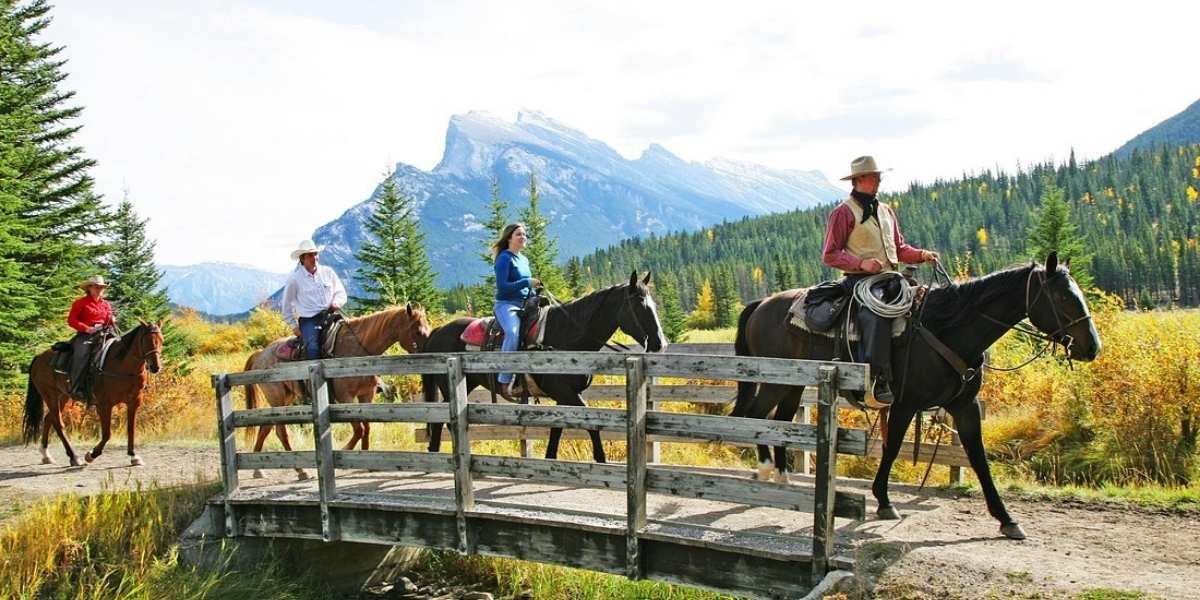
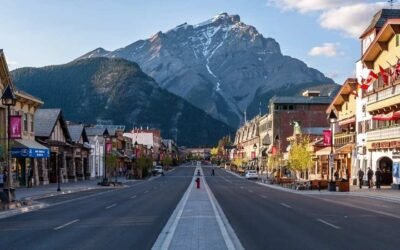
Alberta is one of those rare places where the scenery does not just look good in photos — it actually stops you in your tracks. I have lived in this province for years, and I still get that same jolt of awe every time I round a bend on the Icefields Parkway or watch the Northern Lights ripple over a quiet prairie sky.
This is my complete guide to the best places to visit in Alberta. I have organized it into five easy sections: mountain wonders, night sky wonders, waterfalls and canyons, unique landscapes, and hidden gems. For each place, I share what makes it special, the best time to visit, how to get there, and the honest tips I wish someone had told me before my first trip.
Whether you are planning a Canadian Rockies road trip, a weekend escape from Edmonton or Calgary, or a once-in-a-lifetime bucket-list adventure, this guide has you covered. Let's get started.
Quick Overview: Alberta's Wonders at a Glance
Before we dive into the details, here is a simple map of what you will find in this guide:
- Mountain Wonders: Lake Louise, Moraine Lake, Peyto Lake, Maligne Lake, Athabasca Glacier, Johnston Canyon, and Takakkaw Falls.
- Night Sky Wonders: Elk Island National Park, Jasper Dark Sky Preserve, and the Northern Lights across northern Alberta.
- Waterfalls and Canyons: Athabasca Falls, Sunwapta Falls, Crescent Falls, and Maligne Canyon.
- Unique Landscapes: The Hoodoos, Dinosaur Provincial Park, Writing-on-Stone Provincial Park, and Waterton Lakes National Park.
- Hidden Gems: Abraham Lake, Mount Edith Cavell, Kananaskis Country, and Castle Provincial Park.
Most of these wonders are within a half-day drive of either Edmonton or Calgary, which makes Alberta one of the easiest places in the world to pack big scenery into a short trip.
Mountain Wonders of the Canadian Rockies
The Canadian Rockies are the headline act, and for good reason. The combination of glacier-fed lakes, towering peaks, and open mountain roads is hard to match anywhere on Earth. These are the spots I send every visitor to first.
1. Lake Louise – The Turquoise Jewel of the Rockies
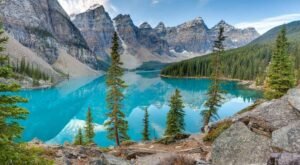
Lake Louise is the picture that probably made you want to visit Alberta in the first place. It is a glacial lake with a colour so vivid and turquoise that first-time visitors often think the photos must be edited. They are not. The colour comes from rock flour — tiny particles of rock ground up by glaciers — that hangs in the water and reflects light.
The lake sits beneath Victoria Glacier, with the grand Fairmont Chateau Lake Louise right on its shore. You can rent a canoe in summer, walk the easy lakeshore trail, or hike up to the Lake Agnes Tea House for a warm drink and a stunning view back down to the water.
My tip: Arrive before 7 a.m. or after 5 p.m. The parking lot fills early and stays full all day in summer. Better yet, take the Parks Canada shuttle from the Lake Louise Park and Ride, because the area gets very busy. In winter, the lake freezes into a magical skating rink, and the Chateau builds an ice castle on the shore.
Best time to visit: June to September for that famous blue colour; December to March for winter skating and quiet beauty.
2. Moraine Lake – The Valley of the Ten Peaks
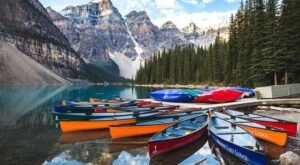
If I had to choose just one lake in all of Alberta, it might be Moraine. It is even more striking than Lake Louise to my eye, ringed by the jagged peaks of the Valley of the Ten Peaks. This is the view that once appeared on the Canadian twenty-dollar bill. Climb the short Rockpile Trail for the classic postcard angle.
Here is the most important thing to know for 2026: you cannot drive your own car to Moraine Lake. Parks Canada permanently closed the road to personal vehicles back in 2023 to protect the area and reduce traffic. Today the only ways in are the official Parks Canada shuttle, a licensed tour operator, public transit with the right pass, or by bicycle.
My tip: Book your shuttle reservation the moment they open, which is usually in mid-April for the summer season. The sunrise "Alpine Start" shuttles are the first to sell out, often within minutes. If you miss the first release, Parks Canada drops more seats two days before each departure date, so set an alarm and try again.
Best time to visit: Mid-June to early October, when the access road and shuttles are running. The road is closed in winter.
3. Peyto Lake – The Wolf-Shaped Wonder
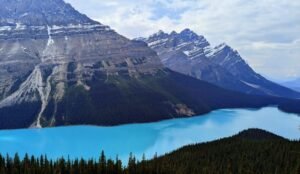
Just off the Icefields Parkway, Peyto Lake delivers one of the most jaw-dropping lookouts in the Rockies. From the viewing platform, the lake stretches out below you in the shape of a wolf's head and glows an almost electric blue when the sun hits it. It is fed by the Peyto Glacier, which is what gives it that intense colour in summer.
The walk from the parking area to the upgraded viewing platform is short and mostly paved, so it is one of the easier "wow" moments you can have in the mountains. That accessibility makes it incredibly popular, so it can get crowded around midday.
My tip: Go in the morning. The lake colour is most vivid from late June through August, once the glacier melt is in full swing. Earlier in the season, the lake can still be partly frozen and grey.
Best time to visit: July and August for peak colour.
4. Maligne Lake – Home of Spirit Island
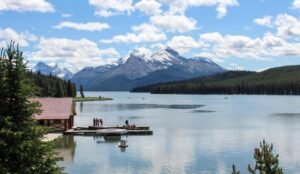
Deep in Jasper National Park, Maligne Lake is the largest natural lake in the Canadian Rockies and one of the most peaceful places I have ever paddled. Its real claim to fame is Spirit Island, a tiny, tree-covered islet that is one of the most photographed scenes in all of Canada. You cannot reach it by trail — the classic view is only accessible by boat.
The Maligne Lake boat cruise to Spirit Island is worth every penny. It is calm, scenic, and the guides share great stories about the area along the way. Good news for 2026: Maligne Lake, Maligne Canyon, and the road that connects them have all reopened following the 2024 Jasper wildfire.
My tip: Book a morning cruise when the water is calmest, and the reflections of the peaks are at their best. Bring a light jacket — even in summer, it is cool out on the water.
Best time to visit: Late June to September for boat cruises.
5. Athabasca Glacier – Walk on Ancient Ice
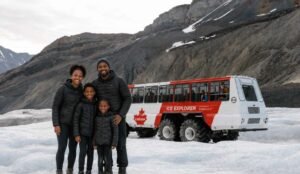
The Athabasca Glacier is one of the most accessible glaciers in North America, which means you can actually walk on a river of ice that has been there for thousands of years. It is one of six main "toes" of the massive Columbia Icefield, right along the Icefields Parkway between Lake Louise and Jasper.
You have two main options. You can take a guided Ice Explorer tour, which rolls you out onto the glacier in a giant all-terrain vehicle, or you can hike up to the toe of the glacier on your own. Standing on that blue ice, hearing the meltwater run beneath you, is humbling. It is also a real, visible reminder of climate change — the glacier has retreated dramatically over the last century, and markers along the trail show you just how far.
My tip: Never walk onto the glacier alone past the marked safety areas. Hidden crevasses are deadly. Stick to the signed paths or join a guided tour. Bring warm layers even in July; the wind off the ice is bitter.
Best time to visit: May to early October, when the Icefields Parkway and glacier tours are operating.
7. Johnston Canyon – Waterfalls and Catwalks
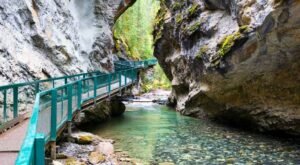
Johnston Canyon in Banff National Park is one of the most family-friendly hikes in the Rockies, and one of my favourites for a quick adventure. A series of steel catwalks bolted right into the canyon walls carries you over rushing water to the Lower Falls and the taller Upper Falls. The Lower Falls are an easy 15- to 20-minute walk from the parking lot.
In winter, the whole canyon transforms. The waterfalls freeze into towering columns of blue ice, and the trail becomes a magical, snowy walk that draws ice climbers from around the world.
My tip: Go early or late in the day to beat the crowds, because this is a busy spot. In winter, you absolutely need ice cleats or grippers — the trail gets very slippery starting partway up. If you have the energy, continue past the Upper Falls to the Inkpots, a set of beautiful turquoise spring-fed pools in an open meadow.
Best time to visit: Year-round. Summer for the green canyon and full waterfalls; winter for the frozen ice formations.
8. Takakkaw Falls – A Towering Add-On
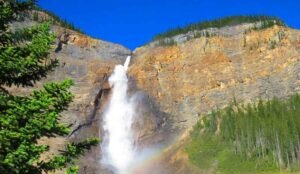
Takakkaw Falls is technically just over the border in Yoho National Park, British Columbia, but it is so easy to combine with an Alberta Rockies trip that I have to include it. At roughly 373 metres, it is one of the tallest waterfalls in Canada, and the sheer power of the water plunging off the cliff is incredible. The name comes from a Cree word meaning something close to "it is magnificent," and that sums it up.
The falls are a short walk from the parking area, so you get a huge payoff for very little effort.
My tip: The access road, Yoho Valley Road, is narrow with tight switchbacks and is only open in the warmer months, usually late June through early October. Check that it is open before you go, and be ready for the spray — you will get misted if you walk up close on a windy day.
Best time to visit: Late June to early October.
Northern Lights and Night Sky Wonders
Alberta is one of the best places in the world to look up. We sit under a wide, open sky, and large parts of the province are blissfully free of light pollution. On the right night, the Aurora Borealis dances overhead in green, purple, and pink. Here is where to chase the magic.
9. Elk Island National Park – Aurora Near Edmonton
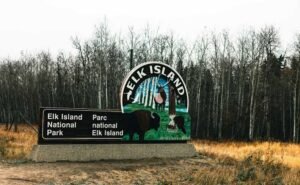
Elk Island is my go-to recommendation for anyone in Edmonton who wants to see the Northern Lights without a long drive. It sits only about 45 minutes east of the city and is a designated Dark Sky Preserve, which means the park works hard to keep artificial light to a minimum.
Beyond the night sky, Elk Island is home to herds of plains bison and wood bison, plus moose, deer, and tons of birds. You can easily spot bison from the road or on a short hike during the day, then stay for the stars after dark.
My tip: Check an aurora forecast app and look for a clear night with a high KP index. Head to an open area away from the parking lot lights, give your eyes 20 minutes to adjust, and be patient. Even on quieter nights, the star viewing here is spectacular.
Best time to visit: September through April for the best aurora chances, when nights are long and dark.
10. Jasper Dark Sky Preserve – A World-Class Night Sky
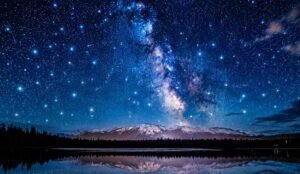
Jasper National Park is one of the largest accessible dark sky preserves on the planet, and it is a bucket-list destination for stargazers. With almost no light pollution across its huge wilderness, the night sky here is staggering. You can see the Milky Way stretch from horizon to horizon, spot distant planets, and, with luck, catch the Northern Lights reflecting off a mountain lake.
Every October, Jasper hosts a popular Dark Sky Festival with talks, telescopes, and events. It is a wonderful way to learn about the night sky from experts.
My tip: Some of the best viewing spots are around Pyramid Lake and Lake Annette, both of which have reopened after the wildfire. Bring a red-light headlamp so you do not ruin your night vision, dress warmer than you think you need to, and give yourself time for your eyes to adjust.
Best time to visit: Fall and winter for the darkest skies and the Dark Sky Festival in October.
11. Aurora Borealis Across Northern Alberta
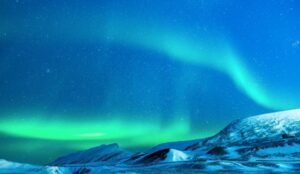
You do not have to be in a national park to catch the Northern Lights in Alberta. Because the province sits at a high latitude, the aurora is regularly visible across northern Alberta during the winter months, especially in rural areas away from city glow. Towns like Fort McMurray and the wide-open spaces north of Edmonton are reliable aurora country.
The science is simple: solar particles hit our atmosphere and create those glowing curtains of light. The trick is being in the right place at the right time, under clear, dark skies.
My tip: Follow a space-weather or aurora forecast, drive away from town lights, and look north. The displays are strongest around the spring and fall equinoxes, but a strong solar storm can light up the sky any time from late August to April. Dress for the cold and bring a thermos of something hot — aurora hunting is a waiting game.
Best time to visit: Late August to April, on clear, moonless nights.
Waterfalls and Canyons
Alberta's rushing rivers have carved out some truly dramatic waterfalls and canyons. These spots are loud, powerful, and a refreshing change from the still mountain lakes.
12. Athabasca Falls – Power in a Narrow Gorge
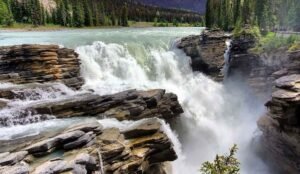
Athabasca Falls is not the tallest waterfall in Alberta, but it might be the most powerful-feeling. The Athabasca River squeezes through a narrow quartzite gorge here, and the sheer force of the water is incredible. You can feel the ground rumble. A network of easy, fenced walkways and viewpoints lets you see the falls from several angles without much effort.
It is a popular stop along the Icefields Parkway in Jasper National Park, and one that reopened to visitors after the wildfire.
My tip: This is a quick stop, perfect for stretching your legs on a long drive. Go early to grab parking and to beat the tour buses. The walkways can be misty and slippery, so wear shoes with grip and keep an eye on kids near the railings.
Best time to visit: May to October for the full flow from snowmelt.
13. Sunwapta Falls – A Hidden Power Spot
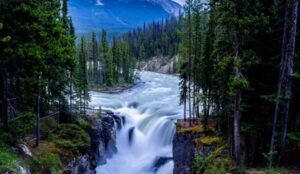
A little farther south along the Icefields Parkway, Sunwapta Falls is a spectacular two-tiered waterfall that does not get nearly as crowded as Athabasca. The upper falls drop dramatically around a small rocky island before the river plunges into a deep canyon. The name "Sunwapta" comes from a Stoney word meaning "turbulent water," which fits perfectly.
If you have time, the lower falls are a short hike downstream and are well worth the walk for the peace and quiet.
My tip: The flow is most dramatic in late spring and early summer when the snow is melting. Combine Sunwapta and Athabasca Falls in the same drive — they are close together and make a great pair.
Best time to visit: Late May to July for peak water flow.
14. Crescent Falls – A Foothills Surprise

Crescent Falls is a beautiful multi-tiered waterfall in the foothills near Nordegg, and it is one of those places that feels like a reward for going a little off the beaten path. The Bighorn River tumbles over two main drops surrounded by forest, with viewpoints from both above and below. It pairs perfectly with a visit to nearby Abraham Lake.
Because it is outside the busy national parks, you will often have far more space and quiet here than at the famous Rockies waterfalls.
My tip: The access road can be rough gravel, so a vehicle with decent clearance is helpful, and check conditions before you go. There is a viewpoint right near the parking area, plus a steeper trail down toward the base for the more adventurous.
Best time to visit: Summer and early fall, when the access roads are dry and clear.
15. Maligne Canyon – A Deep Limestone Slot
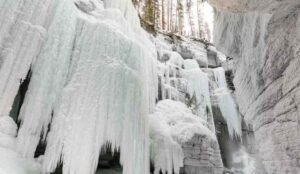
Back in Jasper, Maligne Canyon is one of the deepest accessible canyons in the Rockies, plunging more than 50 metres in places while being narrow enough to throw a stone across at the top. A series of bridges crosses back and forth over the gorge, letting you peer straight down into the rushing water below. It is dramatic, easy to walk, and has reopened after the wildfire.
In winter, Maligne Canyon becomes something else entirely. The waterfalls freeze, and guided icewalk tours take you down onto the canyon floor itself, surrounded by walls of ice. It is one of the most unique winter experiences in Alberta.
My tip: Start at the upper bridges and walk down for the most dramatic views. For the winter icewalk, always go with a licensed guide and proper ice cleats — it is not a place to wander alone.
Best time to visit: Summer for the canyon walk; January and February for guided icewalks.
Unique Landscapes
The Rockies get all the attention, but some of Alberta's most surprising wonders are nowhere near a mountain. Head south and east, and you will find badlands, hoodoos, ancient rock art, and a place where the prairie crashes straight into the peaks.
16. The Hoodoos – Sculptures Made by Time
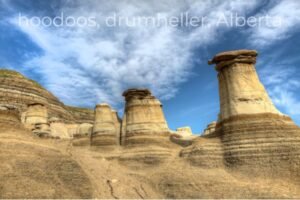
Hoodoos are tall, strange rock pillars topped with harder caprock, slowly sculpted by wind and water over millions of years. Alberta has some of the best examples in the world, especially in the badlands around Drumheller. Walking among them feels like stepping onto another planet — or back into the age of dinosaurs.
The most famous and accessible set is the Drumheller Hoodoos, where a boardwalk lets you wander right up to them. You will also find dramatic hoodoo formations near Banff.
My tip: Look but do not climb. Hoodoos are fragile and easily damaged, and climbing them speeds up their erosion. Visit in the soft light of early morning or late afternoon for the best photos and to avoid the midday heat, which can be intense in the badlands.
Best time to visit: Spring through fall. Summer days get very hot, so bring water and sun protection.
17. Dinosaur Provincial Park – A UNESCO Fossil Treasure
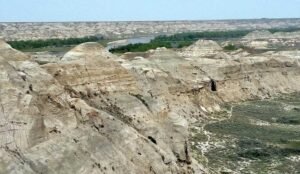
Dinosaur Provincial Park is a UNESCO World Heritage Site and one of the richest dinosaur fossil beds on Earth. More than 50 species of dinosaurs have been discovered in these striped, otherworldly badlands. Walking the trails here, surrounded by hoodoos and dry coulees, you really can imagine the prehistoric creatures that once roamed this exact ground.
The park offers guided hikes and fossil tours that take you into restricted areas you cannot visit on your own, often led by guides who know the bone beds inside out. The visitor centre and on-site interpretive programs are excellent.
My tip: Book a guided tour in advance, especially in summer — the best ones sell out. There is a campground if you want to stay overnight, and the stargazing here is fantastic. Bring more water than you think you need; the badlands are hot and shadeless.
Best time to visit: May through September for full programming and comfortable hiking.
18. Writing-on-Stone Provincial Park – Sacred Rock Art
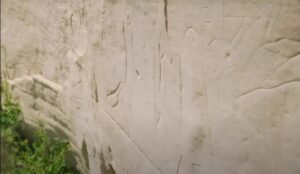
In the far south of Alberta, along the Milk River, Writing-on-Stone Provincial Park (also known by its Blackfoot name, Áísínai'pi) protects the largest concentration of Indigenous rock art on the North American plains. The sandstone cliffs here are carved and painted with petroglyphs and pictographs created by the Blackfoot people over thousands of years. It is a deeply sacred place, and also a UNESCO World Heritage Site.
The landscape itself is stunning, full of dramatic hoodoos and sweeping river valley views. Guided tours led by Indigenous interpreters share the stories and meaning behind the art, and I cannot recommend them enough.
My tip: Treat this as the sacred site it is. Stay on the marked trails, never touch the rock art, and consider joining a guided tour to truly understand its significance. The drive is long from the major cities, so plan to make a full day or an overnight of it.
Best time to visit: Late spring through early fall.
19. Waterton Lakes National Park – Where Prairie Meets Peaks
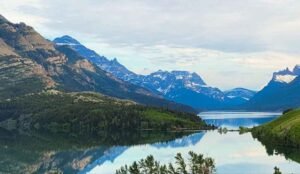
Waterton Lakes is one of Alberta's most underrated wonders. Here, the flat prairie grasslands run right up to the base of the Rocky Mountains with almost no foothills in between, creating a dramatic meeting of two very different worlds. It is quieter and more relaxed than Banff, with charming lakeside trails, abundant wildlife, and the iconic Prince of Wales Hotel perched on a hill above the lake.
Waterton joins with Glacier National Park in Montana to form the world's first International Peace Park. You can even take a boat cruise across the lake to the U.S. side.
My tip: Watch for wildlife — bears and deer are common, even near town. Take the short hike to Cameron Falls right in the townsite, and if you visit in fall, the larch trees turn brilliant gold. Some services wind down for the season in late autumn, so check ahead.
Best time to visit: June to September for full services; late September for golden larches.
Hidden Gems
These are the places I save for travellers who want something a little quieter or more unusual. They take a bit more effort to reach, but they reward you with smaller crowds and unforgettable scenery.
20. Abraham Lake – The Frozen Bubble Lake
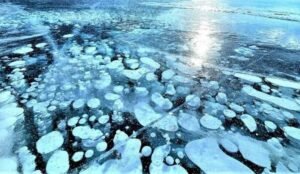
Abraham Lake is famous worldwide for one surreal winter phenomenon: frozen methane bubbles trapped under crystal-clear ice. As gas rises from the lake bed and freezes in place, it forms stacks of white, frozen bubbles suspended in the ice like something out of a dream. Photographers travel from across the globe to capture it.
The lake itself is a striking turquoise in summer, set against open mountain views, and it sits about three hours from both Edmonton and Calgary. It is technically a man-made reservoir, but you would never guess it.
My tip: For the bubbles, visit in January or February once the ice is thick and clear, but before heavy snow covers it. Bring serious ice cleats — the wind sweeps the ice smooth, and it is extremely slippery. Dress for brutal cold and wind, and never go out onto ice you are unsure about.
Best time to visit: January and February for the bubbles; summer for the turquoise water.
21. Mount Edith Cavell – Alpine Drama in Jasper
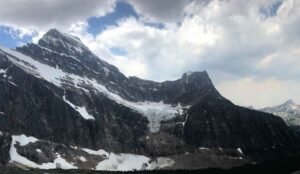
Mount Edith Cavell is one of the most striking peaks in Jasper National Park, with the Angel Glacier draping down its face like a pair of outstretched wings. A trail leads up to the Cavell Pond, where chunks of glacier ice sometimes float in the meltwater, and continues into the gorgeous wildflower meadows of the Cavell Meadows above.
This is high-alpine scenery without a huge amount of effort, and it sees fewer crowds than the famous lakes.
My tip: The access road typically opens later than other areas, usually around mid-June once the snow clears, and closes in fall, so check conditions. It is a narrow, winding road. Go early in the day for parking and bring layers — it is cold up at the glacier even in summer.
Best time to visit: Mid-June to September, with July and August best for wildflowers.
22. Kananaskis Country – The Local's Mountain Escape
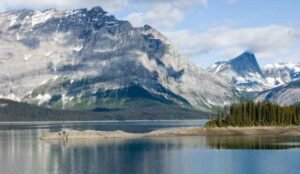
Kananaskis Country, or "K-Country" as locals call it, is a huge area of mountain parks and wild land just southeast of Banff. It offers much of the same jaw-dropping Rockies scenery — turquoise lakes, soaring peaks, alpine hikes — but with far fewer crowds than the national parks. This is where Calgarians go to escape on weekends.
Highlights include Upper and Lower Kananaskis Lakes, the stunning Rawson Lake hike, and miles of trails for every skill level. There is no shortage of wildlife either.
My tip: You need a Kananaskis Conservation Pass to stop in the area, so buy one online before you go. The trails here can be more rugged and less developed than in Banff, so come prepared, carry bear spray, and know your route.
Best time to visit: June to September for hiking; winter for skiing and snowshoeing.
23. Castle Provincial Park – Rugged and Wild
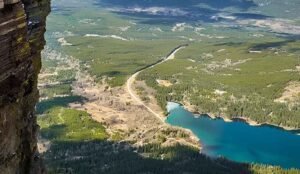
Tucked into the southwest corner of Alberta near the B.C. and Montana borders, Castle Provincial Park is rugged, remote, and wonderfully wild. It protects dramatic peaks, alpine meadows, and important wildlife habitat for grizzly bears, cougars, and more. If you want to feel like you have the mountains to yourself, this is the place.
It is one of Alberta's newer protected areas, so it is less developed and far less visited than the famous parks. That is exactly its charm.
My tip: Come prepared and self-sufficient, because services are limited out here. This is serious bear country, so carry bear spray, make noise on the trail, and store food properly. Check trail and road conditions before you set out, and let someone know your plans.
Best time to visit: July to September for the most reliable hiking conditions.
Best Time to Visit Alberta's Wonders
Alberta is a true four-season destination, and the "best" time really depends on what you want to see.
Summer (June to August) is peak season. The mountain roads, shuttles, and boat cruises are all running, the lakes are at their most vivid blue, and the days are long. The trade-off is crowds and the need to book shuttles and tours well in advance.
Fall (September to October) is my personal favourite. The crowds thin out, the golden larch trees light up the high country, and the night skies start getting darker for aurora season. Some seasonal services begin to close, so check ahead.
Winter (November to March) unlocks a whole different set of wonders: frozen waterfalls at Johnston Canyon and Maligne Canyon, the bubbles of Abraham Lake, skating on Lake Louise, and the strongest Northern Lights of the year. Just be ready for a serious cold and check road conditions.
Spring (April to May) is the quietest shoulder season. Lower-elevation spots like the badlands and Writing-on-Stone are great, while some high mountain roads and trails are still snowed in.
Practical Tips for Planning Your Alberta Trip
A few things I always tell first-time visitors before they go:
Get the right park passes. You need a Parks Canada Discovery Pass (or a daily pass) for the national parks like Banff and Jasper, and a separate Kananaskis Conservation Pass for K-Country. Provincial parks like Dinosaur and Writing-on-Stone may have their own fees. Buy them online in advance to save time.
Book Moraine Lake and Lake Louise shuttles early. Remember, you cannot drive your own car to Moraine Lake, and Lake Louise parking fills up fast. Reservations for the summer shuttle season usually open in mid-April and sell out quickly, especially the sunrise slots. Plan ahead or you may miss out entirely.
Know that Jasper is open and welcoming visitors. The 2024 wildfire was a hard chapter for the town, but Jasper has been recovering steadily, and major attractions — including the Columbia Icefield, Maligne Lake, and Maligne Canyon — are open. Some trails and campgrounds are still being restored, so check the official Parks Canada page for the latest closures before your trip. Visiting now genuinely helps the local community rebuild.
Respect wildlife and stay bear-aware. Alberta is home to grizzly and black bears, elk, moose, and bison. Keep your distance, never feed wildlife, carry bear spray on backcountry trails, and make noise as you hike. Give animals lots of space, especially with babies around.
Dress in layers and check the forecast. Mountain weather changes fast, and it can snow at high elevations even in summer. Bring layers, sturdy footwear, sun protection, and plenty of water everywhere you go.
Leave no trace. These places are breathtaking because people protect them. Pack out everything you bring in, stay on marked trails, and treat sacred sites like Writing-on-Stone with the respect they deserve.
Final Thoughts: Breathtaking Wonders in Alberta
Alberta is, quite simply, one of the most beautiful places on the planet. In a single trip, you can stand on a glacier, paddle a turquoise lake, walk through a dinosaur graveyard, watch the Northern Lights ripple overhead, and stare up at sandstone cliffs carved with ancient stories. I have been lucky enough to see most of these wonders in person, and they never get old.
My best advice is to slow down. Pick a region, give yourself time to actually sit with the views instead of rushing from one parking lot to the next, and let the landscape do its thing. Whether you start with the famous lakes or seek out a hidden gem like Castle Provincial Park, Alberta will reward you.
Now it is your turn. Pack your layers, book those shuttles, and go see it for yourself. You will understand why those of us who live here never stop feeling lucky.
Frequently Asked Questions
-
What is the most beautiful place in Alberta?
It is hard to pick just one, but Moraine Lake and Lake Louise are the most famous for good reason — their turquoise glacial water set against towering peaks is world-class. For something more unusual, Abraham Lake's frozen bubbles and Dinosaur Provincial Park's badlands are equally unforgettable in completely different ways.
-
Can you still drive to Moraine Lake?
No. Since 2023, Moraine Lake Road has been permanently closed to personal vehicles. You must take a Parks Canada shuttle, a licensed commercial tour, public transit with the right pass, or cycle in. The only exceptions are guests of Moraine Lake Lodge and visitors with a valid accessible parking placard.
-
Is Jasper National Park open after the 2024 wildfire?
Yes. Jasper is open and welcoming visitors in 2026. Major attractions like the Columbia Icefield, Maligne Lake, and Maligne Canyon have reopened, and most of the park's landscapes were untouched by the fire. A few trails and campgrounds remain closed for restoration, so always check the Parks Canada website for current updates before you go.
-
Where can I see the Northern Lights near Edmonton?
Elk Island National Park, about 45 minutes east of Edmonton, is a designated Dark Sky Preserve and one of the easiest places to catch the aurora. Head out on a clear, dark night with a high aurora forecast and look north.
-
How many days do I need to see Alberta's top wonders?
A focused Rockies trip covering Banff and Jasper takes about 5 to 7 days to do comfortably without rushing. To add the southern wonders like the badlands, Waterton, and Writing-on-Stone, plan for 10 days or more.
-
Do I need a car to explore Alberta?
For the most part, yes — many of these wonders are spread out, and a road trip is the classic way to see them. That said, you can reach Banff, Lake Louise, and Jasper by bus and shuttle if you prefer not to drive.