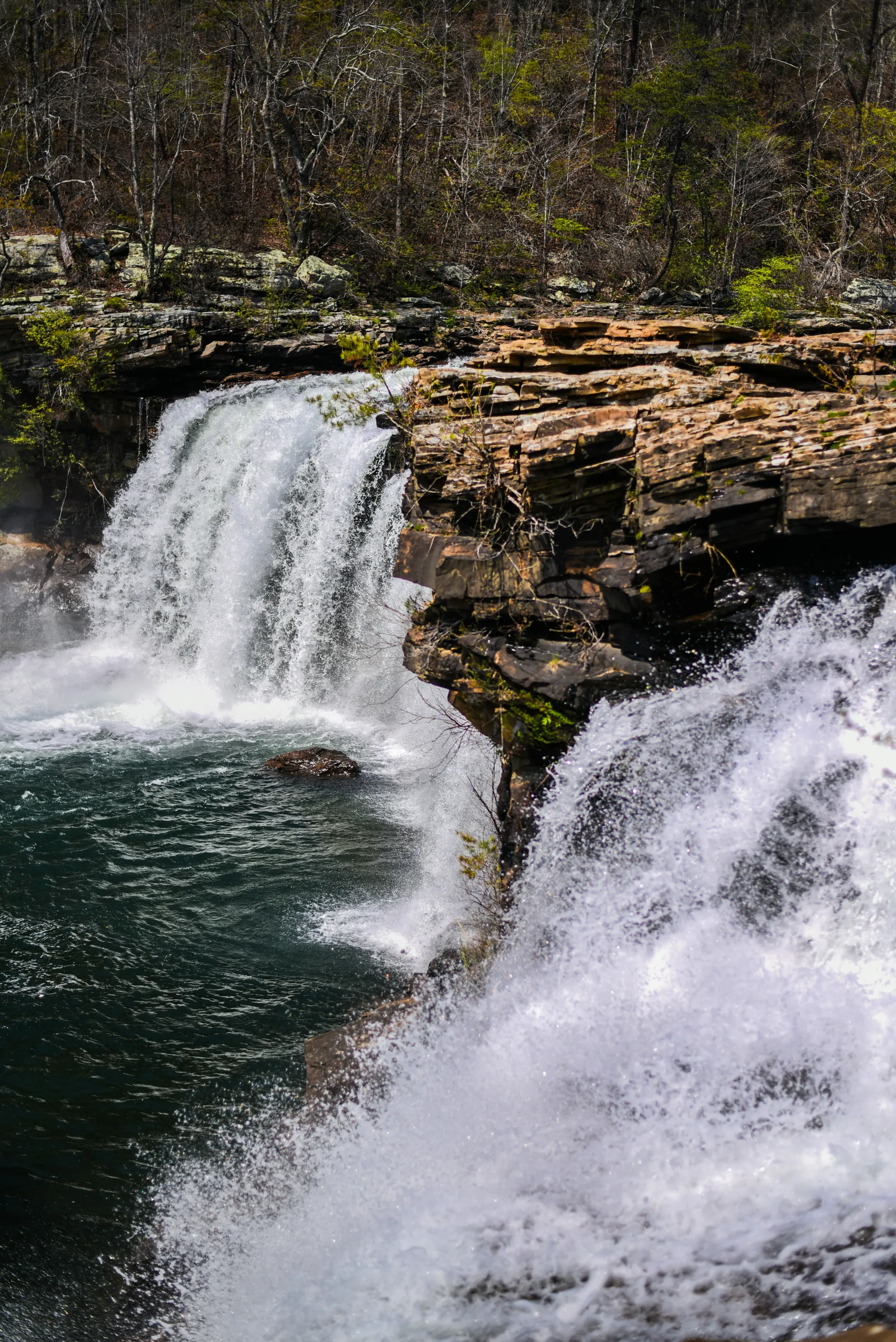
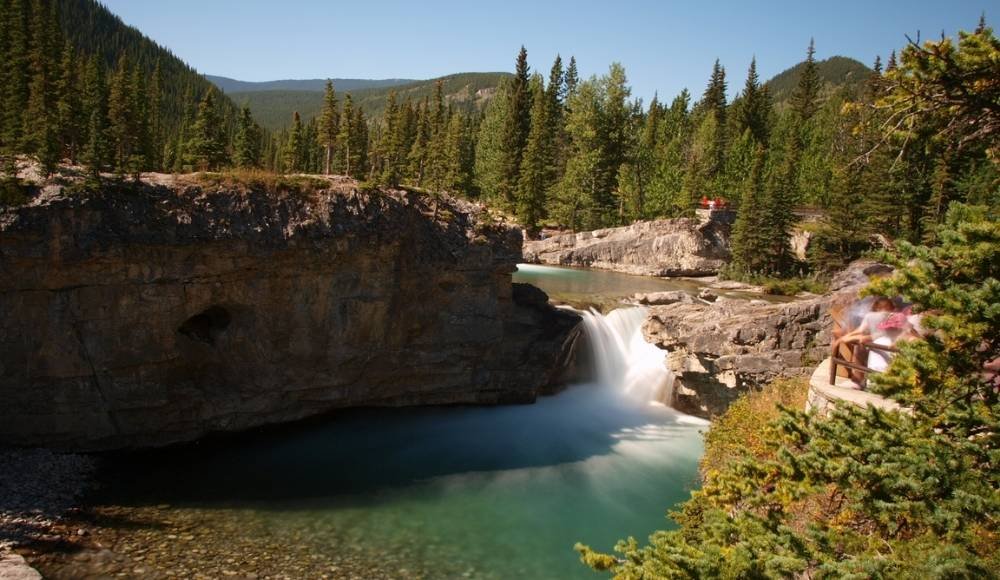
If you're looking for a breathtaking natural wonder in the heart of Alberta, Canada, then Crescent Falls Provincial Recreation Area in Clearwater County is a must-visit destination.
Located in the stunning David Thompson Country, Crescent Falls is a picturesque spot that boasts an awe-inspiring waterfall, scenic hiking trails, and a serene campground. Nestled near the Bighorn Canyon, this area offers a unique blend of natural beauty and outdoor adventure.
Whether you're an avid hiker, a nature enthusiast, or simply someone looking to escape the hustle and bustle of city life, Crescent Falls has something to offer everyone. From the majestic views of the waterfall to the tranquil surroundings of the Bighorn River, this provincial recreation area is a gem waiting to be explored.
Getting Started: Planning Your Visit
Best time to visit Crescent Falls
When planning your visit to Crescent Falls Provincial Recreation Area, it's important to consider the time of year. The best time to visit is between May and October, as the weather is more favourable and the trails are more accessible. However, if you prefer fewer crowds, it's advisable to visit on weekdays or outside of the peak summer months of July and August. This will ensure a more serene and enjoyable experience.
Reservations and Camping
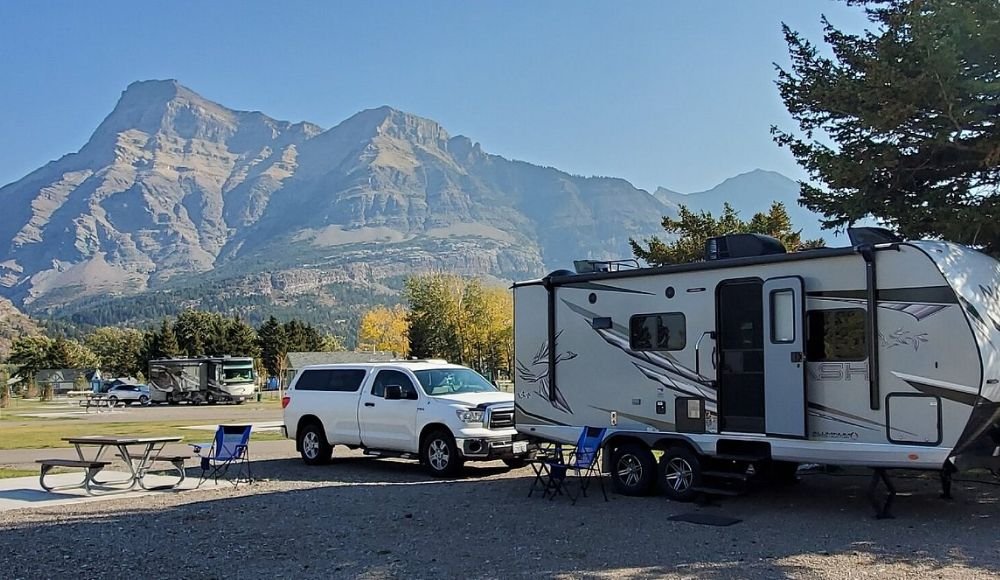
If you plan to camp, reservations can be made up to 90 days in advance of your arrival date. The campground offers a mix of first-come, first-served and reservable campsites, including 9 tent-only sites and 21 RV campsites. It's important to note that the campground has specific rules, such as limiting trailer size to 27 feet due to the steep hill and creek crossing.
Pack accordingly by bringing sturdy shoes, water, and snacks to enjoy during your hike. The trail includes areas with exposed roots, so footwear with a good grip is necessary. Additionally, consider the weather and pack layers, as well as any other personal items you might need for a comfortable and safe visit.
How to Get to Crescent Falls
To reach the stunning Crescent Falls Provincial Recreation Area, follow a series of straightforward directions. Whether you're traveling from major cities like Edmonton or Calgary or nearby towns such as Rocky Mountain House, the journey is simple and rewarding.
From Nordegg and Rocky Mountain House
If you’re starting from Nordegg, Alberta, take Highway 11 westbound for approximately 11.2 miles (18 kilometers). Look for the clearly signed road to Crescent Falls and turn right. Continue on this road for about 2.5 miles (4 kilometers) before turning left into the Crescent Falls trailhead area.
From Edmonton, Calgary, and Red Deer
Travelers coming from Edmonton, Calgary, or Red Deer will need to pass through Rocky Mountain House. From there, take Highway 11, also known as the David Thompson Highway, directly to the turn for Crescent Falls Provincial Recreation Area. The turn is well-marked, and you'll see a sign indicating the lookout and trailhead.
It’s worth noting that the road into the park is not paved and features several sections with potholes. This can make the journey a bit bumpy, so ensure you drive cautiously and prepare for uneven terrain.
Parking and Access
Upon arrival at Crescent Falls Provincial Recreation Area, park at the day-use area near the campground for the easiest access to the trailhead. Please note that there is no general parking at the lower day-use area or within the campground. However, a drop-off zone is available. Designated stalls for those with an accessible parking placard are also provided in the drop-off zone.
Crescent Falls Trail Overview
Trail Details
The Crescent Falls hike is a relatively short and easy trail, making it accessible to a wide range of hikers. Here are the key details to help you prepare:
Distance: The trail is approximately 4.9 kilometres round trip, not including the optional detour to the base of the falls.
Difficulty: Rated as easy, this trail is suitable for most hikers, including families with small children, although it is not wheelchair accessible due to the rough terrain.
Elevation Gain: The trail has a minimal elevation gain of 71 meters, ensuring it remains relatively flat and manageable.
Surface: The trail is primarily dirt, with some sections featuring exposed roots, so sturdy footwear is recommended.
Trail Type: This is an out-and-back trail, meaning you will follow the same path to and from the falls.
Trail Description
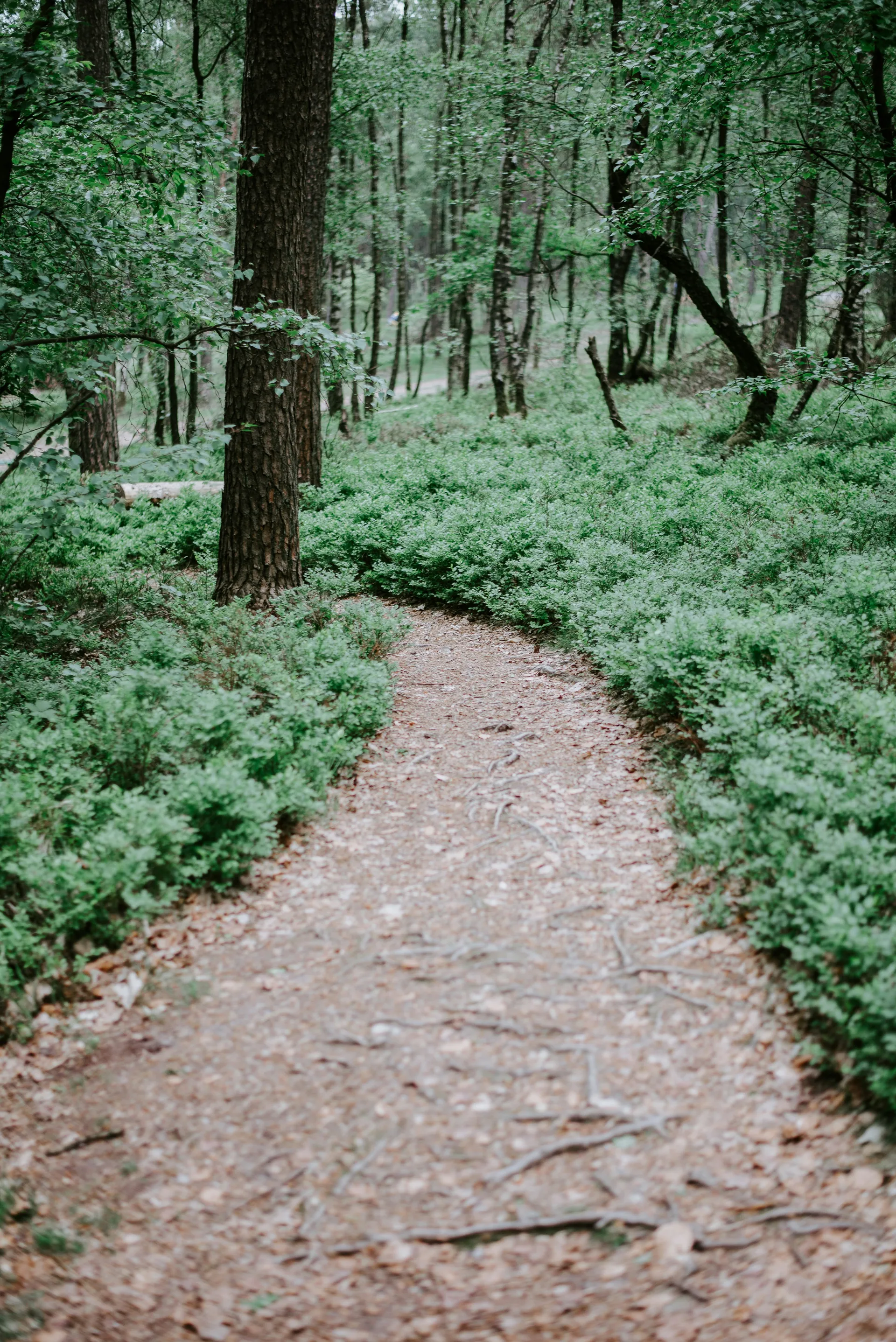
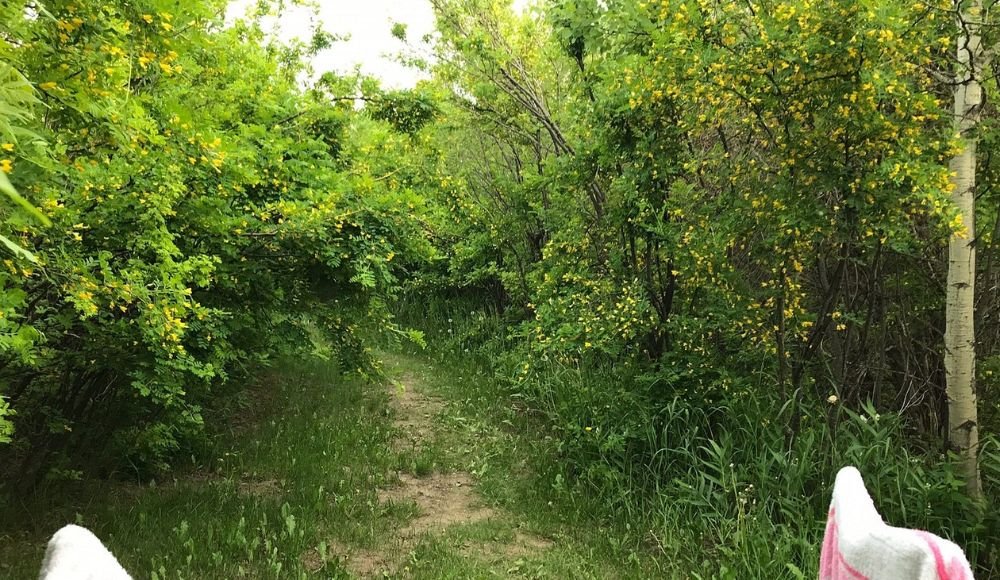
The hike begins at the Bighorn Canyon lookout, marked by a small parking lot and a faded sign. The initial section of the trail is flat and shaded, passing through a forest before opening up to reveal the Bighorn River flowing at the bottom of a deep canyon.
As you continue along the top of Bighorn Canyon, the path alternates between forested areas and open views of the canyon. The trail eventually leads slightly away from the canyon edge and back into the forest, where you will start to hear the sound of Crescent Falls. A small wooden bridge marks a key point in the trail, after which you will come to a fork. Taking the left path at the fork offers one of the best views of Crescent Falls, showcasing both the upper and lower falls against a backdrop of snowy peaks.
Optional Detour
For those who are more adventurous, there is an optional detour to the base of the upper falls. This path is unmaintained and includes a warning sign due to the risks involved. However, it provides a unique and up-close view of the falls, adding an extra 15-20 minutes to your hike.
Safety Considerations
It is important to stay behind barriers and avoid getting close to the canyon wall, river, and waterfall plunge pools. The area has experienced incidents resulting in injuries and fatalities, so caution is paramount.
Additionally, the rock ledges around the top of the falls are slippery, and swimming at the bottom of the falls is strictly prohibited due to the strong undertow.
Safety Tips and Preparation
Proper Footwear: When venturing out to Crescent Falls, it is essential to wear the right footwear and clothing to ensure your safety. Invest in hiking boots or shoes with slip-resistant soles, especially if you plan to hike in wet or icy conditions. This type of footwear provides the necessary traction to prevent slips and falls on the trail.
Clear Pathways and Visibility: Ensure that your route ahead is clear of hazards such as rocks, clumps of snow, or stray branches. Scan the path at least six feet ahead of you to identify any potential trip hazards. This mindful approach will help you maintain your balance and avoid accidents.
Hands-Free and Balanced Walking: Keep your hands free for balance rather than carrying items in your hands. Opt for a backpack or shoulder bag to carry your essentials, allowing you to use your hands to stabilize yourself if needed. Walking slowly and deliberately, taking small steps, will also help you maintain better control over your movements.
Avoiding Shortcuts and Isolated Areas: Stick to familiar and well-marked trails rather than taking shortcuts through unfamiliar areas. This ensures that you are on a path that is more likely to be maintained and free from hidden hazards. Additionally, staying on designated trails increases the likelihood of getting help quickly if you encounter any issues.
Staying Informed and Prepared: Check the weather forecast before heading out and plan your route accordingly. Knowing the weather conditions can help you prepare for potential hazards such as ice, snow, or wet surfaces. It is also a good idea to let someone know your itinerary and expected return time.
Emergency Preparedness: Always carry a first aid kit and a means of communication, such as a phone or a two-way radio, especially if you are hiking in remote areas. Knowing basic first aid and having the necessary supplies can make a significant difference in case of an emergency. Additionally, consider bringing a whistle or other signaling device in case you need to call for help.
Mindful Walking Techniques: Take short steps or shuffle for stability when walking on potentially slippery surfaces. Keep your weight evenly distributed and walk flat-footed with your center of gravity directly over your feet. If you do slip, try to avoid using your arms to break your fall and instead roll with the fall to minimize injury.
Navigating the Crescent Falls Trail
Starting at the Bighorn Canyon Lookout
The hike to Crescent Falls begins at the Bighorn Canyon lookout. From the parking area, look to the right of the viewpoint where you will see a path marked by a faded sign and two large rocks blocking the entrance to the trail. This is the starting point of your journey to Crescent Falls.
Initial Forest Section
Begin by walking on a flat, shaded path through the forest. The trail is relatively easy and well-marked, allowing you to enjoy the serene surroundings. As you walk, the forest will occasionally open up to reveal stunning views of the Bighorn River flowing at the bottom of a deep canyon.
Along the Canyon Edge
The path continues along the top of Bighorn Canyon, with groups of trees separating it from the canyon’s edge. Be cautious here, as the trail is close to the canyon, and the views can be distracting. Ensure you stay on the designated trail to avoid any potential hazards.
Entering the Forest Again
You will re-enter the forest as the trail leads slightly away from the canyon. This section is less noteworthy in terms of views but is important for the overall hike. Keep an ear out for the sound of Crescent Falls, which will start to become audible as you progress through the forest.
The Wooden Bridge and Trail Fork
After walking through the forest, you will come across a small wooden bridge. Once you cross the bridge, you will reach a fork in the trail. Here, you have two options:
Right Path: This path is a shortcut to the waterfall, but it misses one of the best views.
Left Path: This path leads through the forest towards Bighorn Canyon and offers an incredible viewpoint of Crescent Falls. It is worth taking this route to see both the upper and lower falls against a backdrop of snowy peaks.
Approaching the Falls
As you continue on the left path, you will eventually loop back to the main trail. The trail will then lead you towards the falls, with minimal scenery until you almost reach the falls. Just before the main viewing area, you may notice a side trail with a warning sign, which leads down to the base of the upper falls. However, this path is not recommended due to safety concerns.
Main Viewing Area
The main trail will soon arrive at the edge of the canyon, where you can safely view the falls from behind a railing. Here, you will find an observation deck jutting out beside the brink of the falls. This is a minor downhill walk to the platform, offering a safe and spectacular view of Crescent Falls.
Optional Descent to the Base
If you decide to take the side trail to the base of the upper falls, be extremely cautious. This path is steep and involves a warning sign due to the risks involved. The descent is about 15-20 minutes, and once at the bottom, you will find a rock slab where you can view the falls safely from a distance. The area is wide enough to stay away from the cliff edge, but it is important to remain vigilant about your surroundings.
Return Journey
When you are ready to leave the falls, the return journey is on the same path you took to get there. If you took the left path at the fork, you could now take the shortcut on the right to return to the parking area, making the hike slightly shorter on the way back.
Enhancing Your Experience
Capturing the Moment: Photography Tips
If you are an avid photographer or simply want to capture the beauty of Crescent Falls, there are several tips to enhance your photography experience.
For waterfall photography, use Aperture Priority mode with an aperture range of F8 to F11 and an ISO of 100 or 200. These settings help achieve a silky smooth effect on the water. Adjust your shutter speed to be between 1/8th to 1 second to capture the desired flow of water.
A good tripod is essential for stabilizing your camera, especially when using slower shutter speeds. A polarizer is also necessary as it reduces reflections, allows for longer shutter speeds, and enhances the colors of the scene.
Shoot during soft, low-light conditions, such as early morning, late afternoon, or overcast days. These conditions provide softer light with lower contrast, making it easier to capture the dynamic range of the scene without needing to bracket exposures.
Don’t just focus on the waterfall itself; include foreground and middle-ground elements like large rocks or smaller mini-falls. This helps the viewer's eye travel naturally from the foreground to the falls, adding depth and context to your photographs.
Immersing in Nature
Embrace all types of weather to capture unique and vibrant images. Rainy or overcast days can provide saturated shadows and vibrant colors, while icy conditions can transform the area into a winter wonderland.
Venture into the darker, sun-starved areas of the canyon to discover hidden gems. These areas often yield the most beautiful and intimate scenes, especially when armed with a sturdy tripod to handle low-light conditions.
Crescent Falls Campground
Campsite Options and Amenities
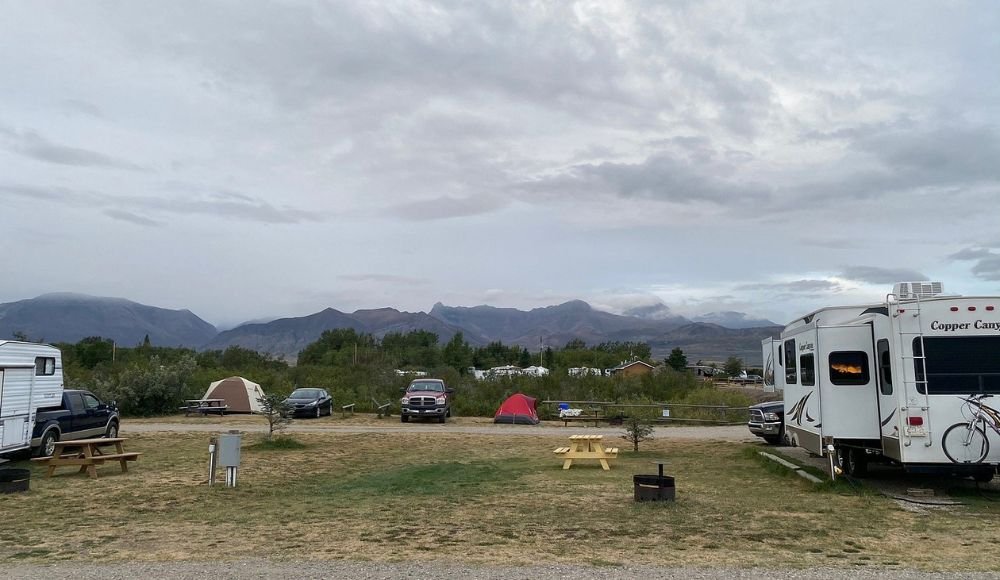
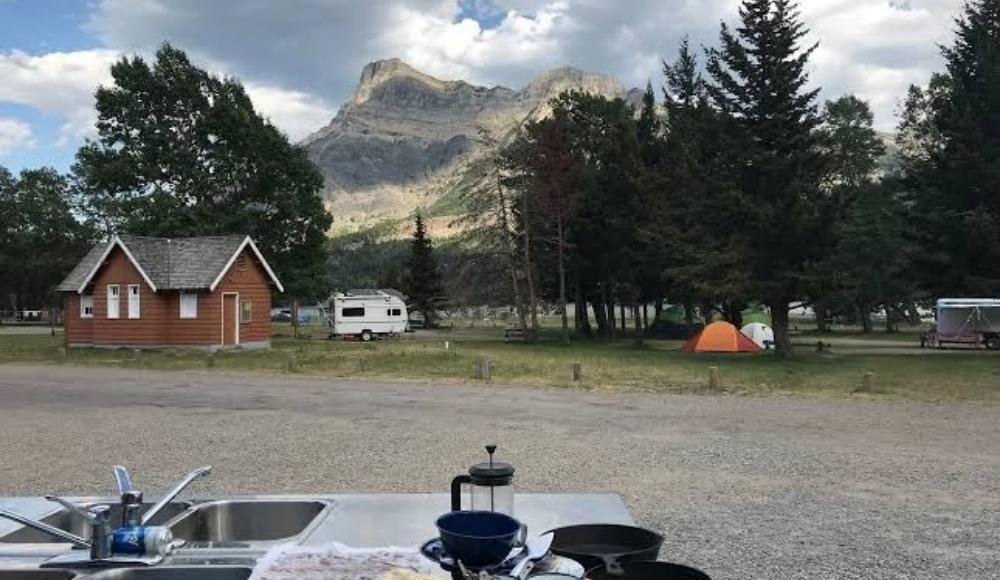
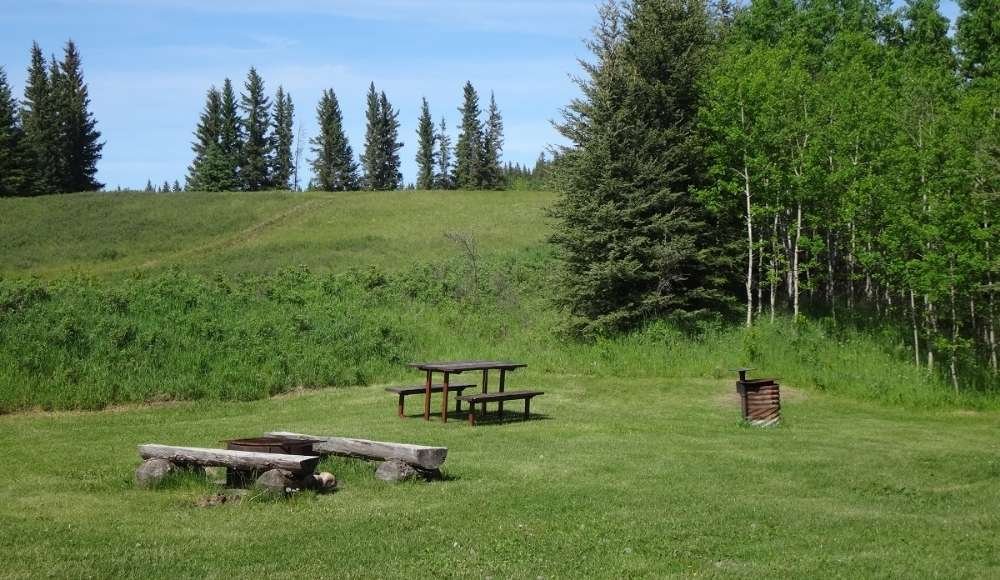
The Crescent Falls Campground offers a diverse range of campsites to cater to different types of campers. The campground includes 9 tent-only sites and 21 RV campsites, with a maximum trailer size limit of 27 feet due to the steep hill and creek crossing upon entry.
RV and Tent Sites
RV Sites: These sites are unserviced, meaning they do not have power or water hookups. However, they are well-maintained and provide a comfortable stay for RV campers.
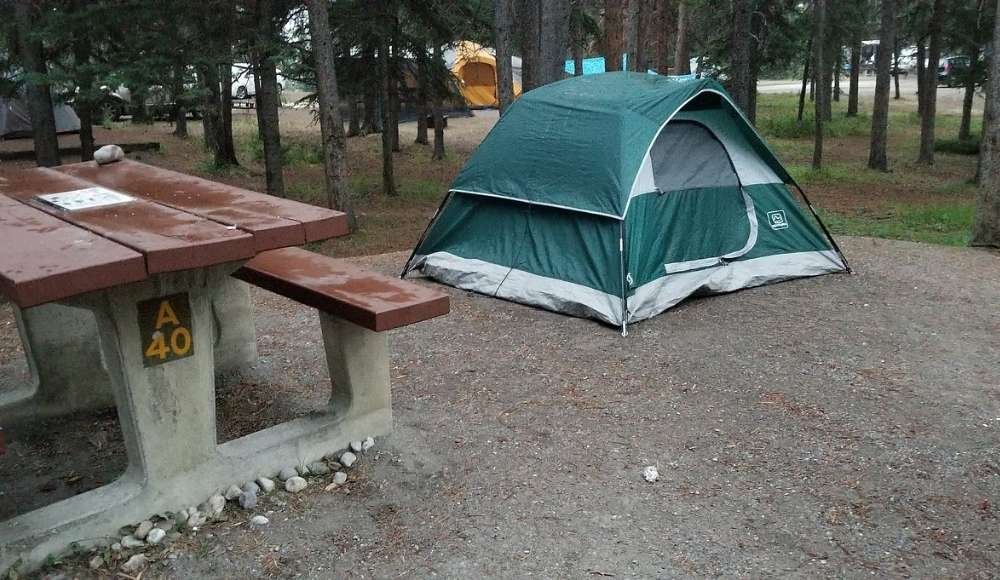
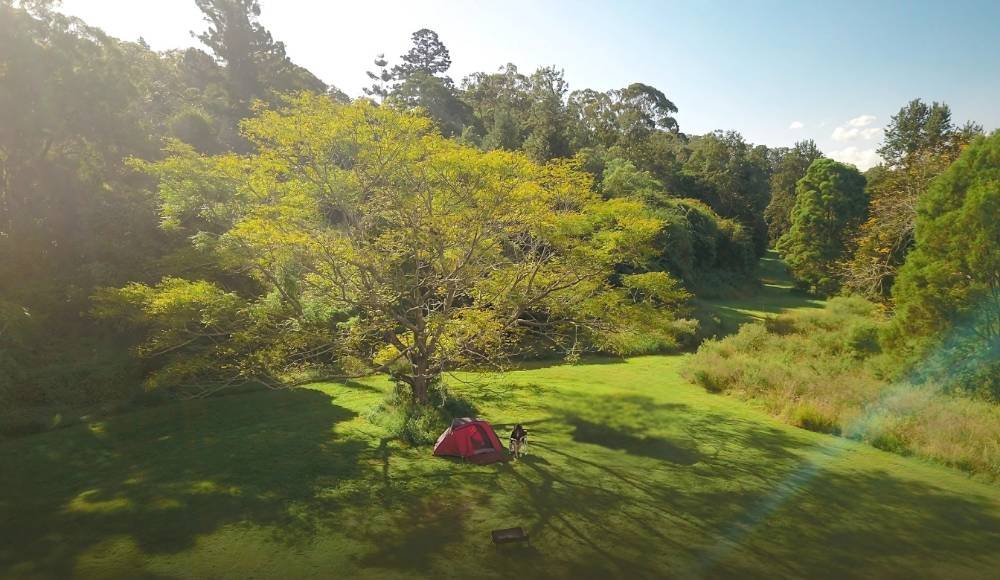
Tent Sites: The tent-only sites are walk-in sites, offering a more secluded and peaceful experience for those who prefer to camp without the amenities of an RV.
The campground is equipped with several amenities to ensure a comfortable and enjoyable stay.
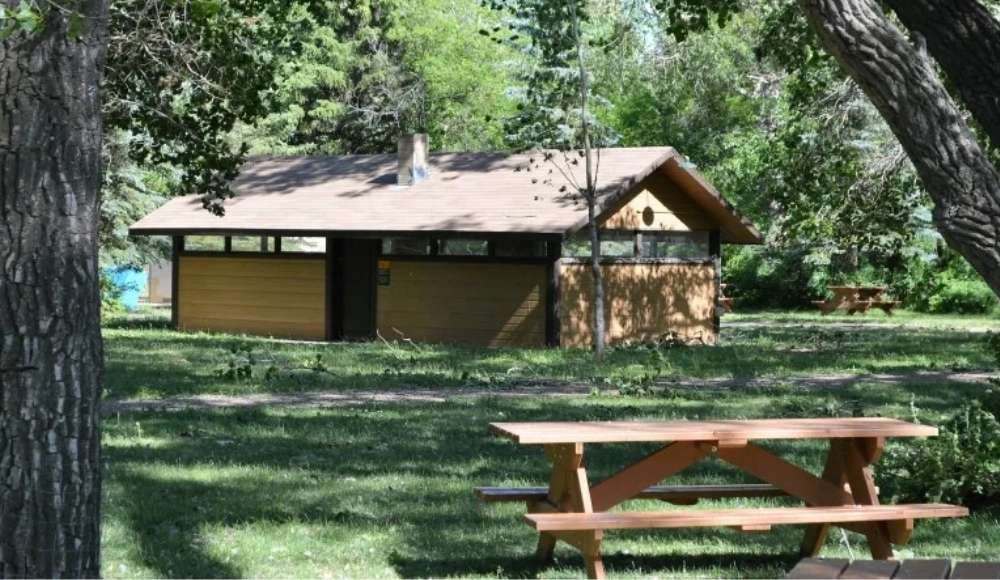
Each campsite comes with picnic tables and fire pits, allowing campers to enjoy meals and campfires in a scenic setting. Firewood is available for purchase on-site.
While there is no potable drinking water available due to the risk of groundwater contamination, there is a water pump for non-potable uses. Campers are advised to bring their own drinking water. The campground also features pit/vault toilets.
For equestrian campers, there are designated campsites with hitching rails, a loading ramp, and corrals. This makes it an ideal spot for horseback riders who want to explore the surrounding trails.
The campground is closely linked to the day-use area, which offers newly renovated platforms for safely viewing the falls. A new access trail from the upper parking lot leads to the day-use area, providing easy access for all visitors. However, there is no general parking at the lower day-use area or within the campground, but a drop-off zone is available.
Reservations and Fees
Reservations for campsites can be made up to 90 days in advance of the arrival date. The camping fee is $28 per night for both tent and RV sites. Alberta seniors can also apply for a 25% camping fee discount for select campground bookings starting from May 1, 2025.
The campground offers designated stalls for visitors with an accessible parking placard in the drop-off zone. This ensures that all guests can access the facilities comfortably and without difficulty.
Conclusion: Crescent Falls
Crescent Falls Provincial Recreation Area in Clearwater County, Alberta, is a hidden gem that combines natural beauty with outdoor adventure. To make the most of your visit, it's essential to plan carefully, selecting the right time of year and preparing with the necessary gear and safety precautions.
The hike to Crescent Falls is relatively easy, but it does require attention to safety, particularly around the canyon and waterfall areas. The campground offers a comfortable stay, complete with amenities such as picnic tables, fire pits, and equestrian facilities.
Take full advantage of the recently upgraded trails, viewing platforms, and access roads to soak in the stunning views of the Bighorn River Canyon and the majestic Crescent Falls. Whether you're a photographer, hiker, or simply a nature enthusiast, Crescent Falls has something to offer everyone.
FAQS about Crescent Falls
How long does it take to hike Crescent Falls?
The main out‑and‑back hike is about 4.9 km round‑trip and typically takes 1–1.5 hours, with an extra 15–20 minutes if you detour down to the base of the falls.
Where is Crescent Falls, Alberta near?
Crescent Falls Provincial Recreation Area is located 22 km west of Nordegg on Highway 11, then 6 km north on a gravel access road.
Can you swim in Crescent Falls?
Swimming below or near the waterfalls is prohibited due to swift currents and public safety regulations.
Is Crescent Falls dog-friendly?
Yes—dogs are welcome on the trail but must be kept on a leash at all times
During my last visit to Abraham Lake, I stumbled upon the Hoodoo Creek Trail and was captivated by its stunning landscapes, inviting me to explore further.
On this hike, you'll not only witness the fascinating hoodoos but also uncover the hidden treasures of the trail that make it a must-visit destination.
Locating the Trailhead
The first step is to get to Highway 11. This highway is your gateway to the trail. Look for a green highway sign that indicates Hoodoo Creek. This sign is your friend. It will guide you to the right spot.
Locate the trailhead along Highway 11, marked by a green highway sign.
Look for a cairn that marks the beginning of the trail.
Weekend visits may yield more visible parking due to increased foot traffic.
Once you see the sign, you’re almost there! The trailhead is located 2.8 km west of the Windy Point access. It’s easy to miss if you’re not paying attention. Keep your eyes peeled for a cairn. This is a pile of stones that marks the start of the trail. It’s not fancy, but it’s reliable.
Parking can be tricky. There isn’t an official parking lot at the trailhead. However, on weekends, you might find more cars parked along the road. This is a good sign! It means other hikers are also looking for adventure. If you visit during the week, be prepared for less visible parking. You may need to park a little farther away and walk back to the trailhead.
Challenges in Finding the Trail
Many explorers faced challenges when trying to find the trail. It’s common to feel a bit lost at first. But don’t worry! You’re not alone. The Hoodoo Creek trail can be a little hard to find initially. The good news is that Alberta Transportation has made it easier. The green highway sign is a recent addition, and it helps a lot.
Remember, the Hoodoo Creek is located 52 km east of Saskatchewan Crossing. This is a helpful landmark to keep in mind. If you’re heading west from Windy Point, the creek is the first major one you’ll encounter.
What to Expect Once You’re On the Trail
Once you find the cairn and start your hike, you’ll be greeted by stunning views. The trail runs along the right side of the creek. It steadily gains elevation, so be prepared for a bit of a workout. But the views of Abraham Lake and the surrounding mountains are worth it!
Have you ever wondered how these hoodoos were formed? They are a result of the natural processes that shaped our planet. The glaciers deposited a mix of clay, sand, and rocks, which, over time, became cemented together. As water eroded the softer materials, the harder rock remained, creating these stunning formations. Standing in their presence, you can’t help but feel a sense of awe. It’s like stepping into a natural gallery, where each hoodoo is a masterpiece crafted by nature itself.
And let’s not forget the views! As you hike, you are treated to splendid sights of Abraham Lake and the surrounding mountains. The shimmering water reflects the sky, creating a picturesque scene that feels almost surreal. It’s a perfect spot to pause, breathe deeply, and soak in the beauty around you. Do you feel the peace that comes from being in such a magnificent place? Nature has a way of calming the mind and rejuvenating the spirit.
The Hoodoo Creek Trail is a 3.8 km return hike with an elevation gain of approximately 360 meters. This means you’ll be climbing a bit, but it’s manageable for most hikers. The trail is marked as a moderate challenge, making it suitable for families. So, if you’re looking for a family-friendly hike, this could be the one for you!
Initially, the trail is in good shape. For the first kilometer, you’ll walk along a well-defined path that stays to the right of the creek. It steadily gains elevation, and the views improve as you go. You might even find yourself stopping to take pictures!
After that first kilometer, however, things change. You can expect a mix of walking and scrambling. The trail becomes less defined, and you’ll find yourself navigating through the creek bed. It’s part of the adventure! Just remember, as the saying goes,
“The best views come after the hardest climbs.” - Unknown
Notes for Hikers
After the initial 1 km, anticipate a change in terrain towards the creek bed.
Look out for the two unique hoodoos on the hike.
While the creek is mostly shallow, it’s essential to wear proper footwear. You’ll be hiking on a creek bed, over boulders, and up that scree slope. It’s not just a walk in the park! Be prepared for a bit of a workout.
Beyond the Cave: Extending Your Adventure
After visiting the cave, you might think your journey is complete. But wait! If you have time, it’s well worth continuing up the creek for an additional 300 to 600 metres. This extra distance can lead you to some truly spectacular sights.
Enriched Views: The right fork up the creek offers beautiful cascades and panoramic views of the valley.
Impressive Sights: You’ll be treated to stunning views of Mount Michener and the V-shaped valley below.
What to Expect
As you venture further, the scenery changes. The creek widens, and you’ll hear the soothing sound of water cascading down rocks. It’s like nature’s own symphony. The vibrant colors of the valley come alive, especially during sunrise or sunset. Imagine standing there, surrounded by nature’s beauty. It’s a moment you won’t forget.
But don’t forget, the extra distance requires planning. Make sure to fit this into your schedule. If you’re not in a rush, take your time. Enjoy the sights and sounds around you. After all, hiking is not just about the destination; it’s about the journey.
Tips for Your Extended Hike
Here are a few tips to make the most of your extended hike:
Proper Footwear is Essential: First and foremost, proper footwear is essential. The trail is rocky with a creek bed that can be uneven. You’ll be walking over boulders and scrambling up steep slopes. Wearing the right shoes can make all the difference. Think about it: Would you wear flip-flops to a rocky beach? Of course not! The same logic applies here. Invest in a good pair of hiking boots. They provide support and grip, helping you navigate the tricky terrain safely.
Monitor Weather Conditions: Next, always monitor weather conditions. The weather can change rapidly in the mountains. A sunny day can quickly turn into a storm. Avoid hiking in heavy rain or storms. Wet rocks can be slippery, increasing your risk of falling. Imagine trying to walk on ice—it's not easy! Check the forecast before you head out. If storms are predicted, it’s best to postpone your hike.
Be Prepared for Varying Trail Conditions: Lastly, be prepared for both easy walking and strenuous scrambling. The Hoodoo Creek trail is not just a walk in the park. It has sections that require you to scramble over rocks and climb steep slopes. You might find yourself moving from a gentle path to a challenging scramble in a matter of minutes. Are you ready for that? Carrying a small backpack with water and snacks can help keep your energy up during those tougher sections.
Notes on the Trail
Many hikers underestimate the trail's challenge. They think it will be an easy stroll, but that’s often not the case. The creek is shallow most days, but it can be treacherous in poor conditions. Remember, just because the creek looks calm doesn’t mean it’s safe. Always be cautious and aware of your surroundings.
"Preparation breeds confidence." - Unknown
When you prepare properly, you’ll feel more confident on the trail. You’ll enjoy the beauty of the Hoodoo Creek hike without worrying about unexpected challenges.
Concluding Thoughts: Embrace the Adventure
As you wrap up your hike along the Hoodoo Creek Trail, take a moment to truly appreciate what you’ve experienced. This trail is not just a path through the wilderness; it’s a journey through time and nature. You’ve discovered the unique geological features of the hoodoos, those fascinating pillars that stand tall against the sky. Each hoodoo tells a story of glaciers that once roamed this land, leaving behind a legacy of beauty and wonder.
If you're looking to experience the best of local produce, artisanal goods, and community spirit in Red Deer, Alberta, then you're in the right place. This article will guide you through the top 7 Red Deer farmers market and other surrounding cities, each offering a unique blend of fresh produce, handmade crafts, and a taste of the local culture.
From the bustling Red Deer Public Market to the charming Sylvan Lake Farmers Market, these markets are more than just places to shop; they are vibrant community hubs where you can connect with local farmers, artisans, and fellow residents.
Whether you're a foodie, a family looking for a fun outing, or simply someone who appreciates the value of supporting local businesses, these farmers markets have something special for everyone.
Why Farmers' Markets Matter in Red Deer
Farmers markets play a pivotal role in the social, economic, and cultural fabric of Red Deer, Alberta. These markets are more than just places to purchase fresh produce and local goods; they are vibrant community hubs that foster a sense of belonging and connection among residents.
One of the most significant reasons farmers markets matter is their economic impact. By supporting local farmers, artisans, and small business owners, shoppers are directly contributing to the local economy. This support helps create jobs, improves infrastructure, and enhances the overall economic well-being of the community. Many of these businesses are owned by friends, family, and neighbors, making the economic benefits deeply personal and community-driven.
Farmers markets also serve as incubators for entrepreneurship and innovation. They provide a platform for new and emerging businesses to test their products, gain feedback from customers, and build a loyal customer base. This environment of innovation helps drive economic growth and diversification in the region.
In addition to their economic benefits, farmers markets are important for preserving and celebrating local culture. They offer a diverse array of products that reflect the rich cultural heritage of the community, including international flavors and traditional crafts. For instance, the Gasoline Alley Farmers Market features a wide range of international cuisines, making it a culinary destination that showcases the multicultural tapestry of Red Deer.
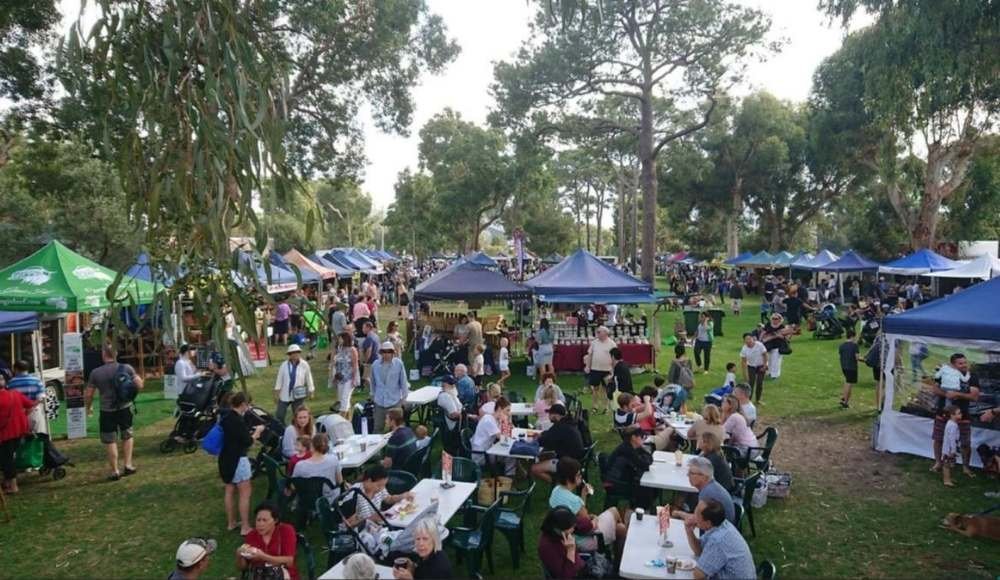
From a social perspective, farmers markets are essential for building and strengthening community bonds. They provide a welcoming space where people can gather, socialize, and connect with their neighbors. These markets often host special events and entertainment, which further enhance the sense of community and make them enjoyable outings for families and seniors alike.
Lastly, farmers markets are vital for promoting healthy living and sustainable practices. By offering fresh, locally grown produce, these markets encourage healthier eating habits and support sustainable agriculture. This focus on local and organic products also helps reduce the carbon footprint associated with long-distance food transportation, contributing to a more environmentally friendly food system.
Top 7 farmers' markets in and around Red Deer
1. Red Deer Public Market
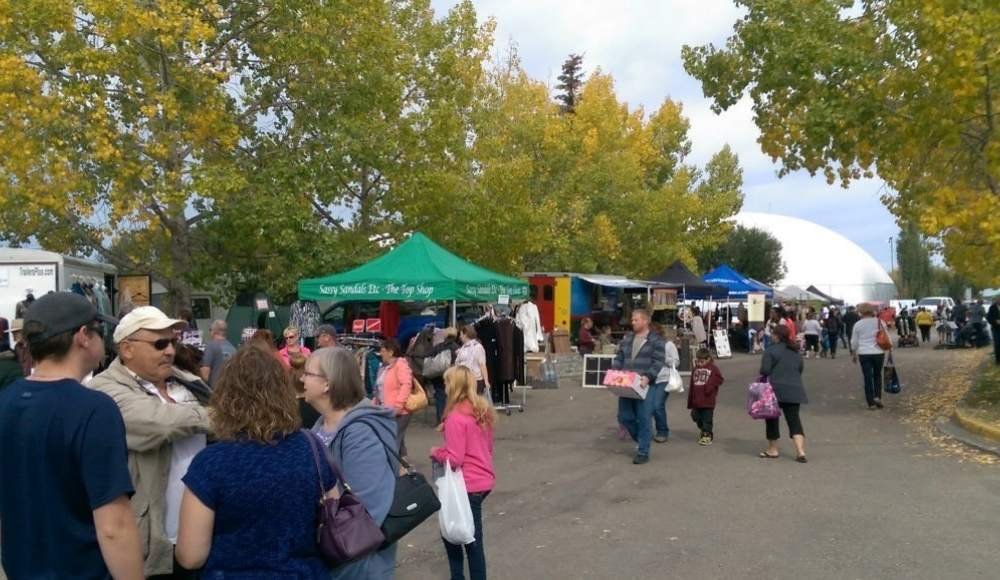
The Red Deer Public Market, often referred to as the Red Deer Farmer's Market, is conveniently located around the Memorial Centre in Red Deer. This lively market operates every Saturday from 8 AM to 12:30 PM, starting from the May long weekend and continuing until Thanksgiving weekend.
To make the most of your visit, it’s recommended to arrive early to secure parking, as the market is a popular destination and parking spots tend to fill up quickly.
What to Expect: Produce, Crafts, and Entertainment
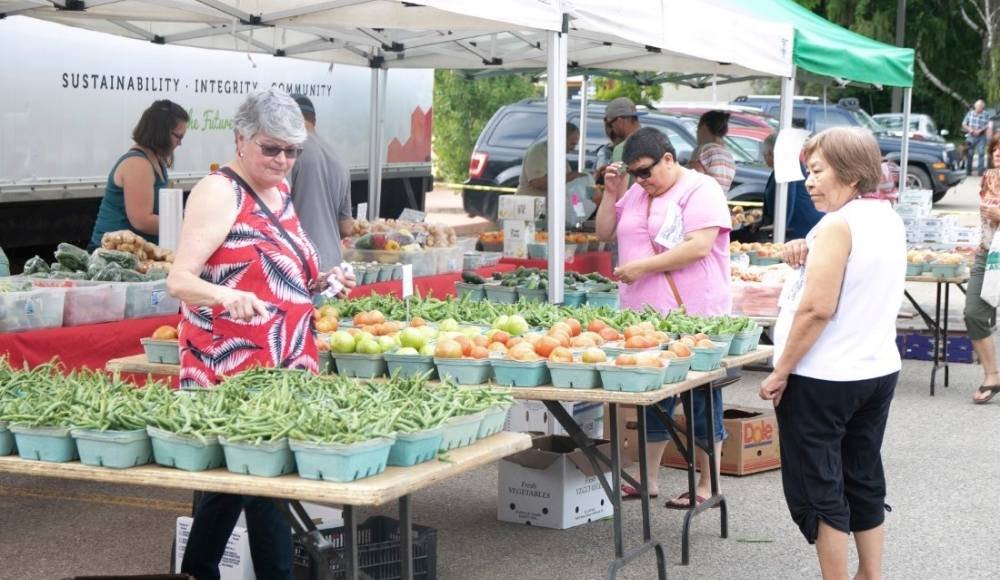
At the Red Deer Public Market, you’ll find a diverse and vibrant selection of products and activities. The market is celebrated for its impressive variety of fresh produce, including fruits, vegetables, and meats like beef and chicken.
Beyond groceries, the market offers an assortment of handmade items, such as jewelry, clothing, and arts and crafts. Food trucks are a major attraction, serving up delicious culinary options and hearty breakfasts to fuel your day.
This bustling market is more than just a shopping destination—it’s a community hub. Visitors can enjoy live entertainment, engage with friendly vendors, and connect with fellow market-goers.
For those seeking unique finds, the market also features secondhand items, adding to its eclectic charm. Whether you’re searching for fresh groceries, one-of-a-kind gifts, or simply a fun outing, the Red Deer Public Market truly has something for everyone.
2. Gasoline Alley Farmers Market
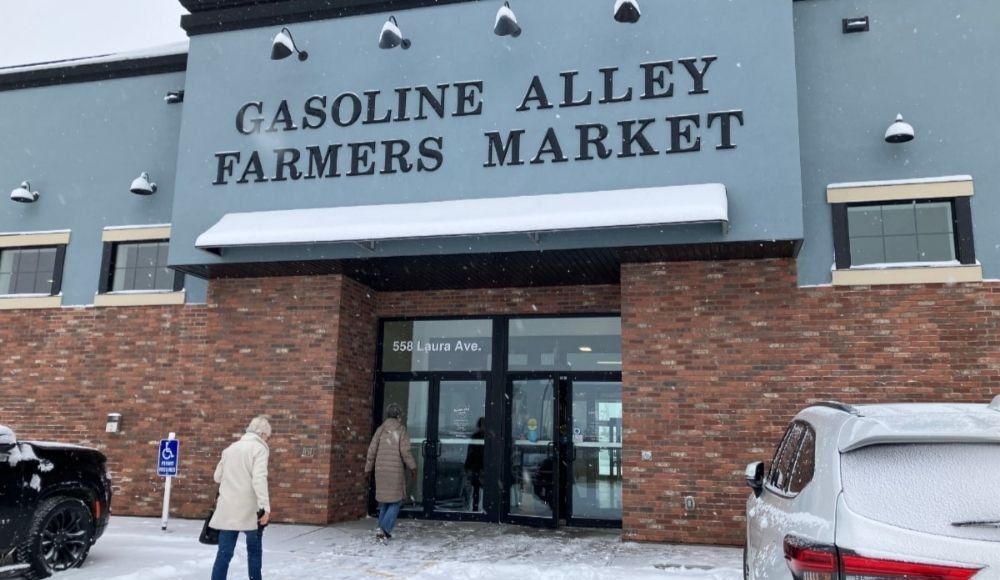
The Gasoline Alley Farmers Market is a vibrant indoor destination that stays open year-round, ensuring consistent access to a wide array of local goods. Conveniently located at 558 Laura Avenue in Red Deer County, this market operates on Fridays and Saturdays from 9 AM to 5 PM and Sundays from 10 AM to 4 PM.
With this schedule, visitors can enjoy the finest of Alberta's local produce, meats, cheeses, baked goods, and unique gifts, regardless of the season.
Hosting over 40 Alberta-owned businesses, the market features local farms, a butcher, a fishmonger, and various artisans. Its commitment to local products is evident, with 80% of the items sold being made, baked, or grown in Alberta.
This makes the Gasoline Alley Farmers Market an ideal spot for supporting local entrepreneurs while enjoying high-quality, locally sourced products.
Unique Features: Workshops & Themed Events
What truly sets the Gasoline Alley Farmers Market apart is its unique features and community-oriented activities. It’s not just a shopping destination; it’s a hub for engaging workshops and themed events throughout the year. For example, events like Easter Egg Hunts are especially popular among families.
The market also offers seniors' discounts on the first Friday of every month, creating an inclusive and welcoming space for all members of the community.
Another standout feature is the Market Kitchen, a collective of small, locally owned restaurants, a craft brewery, and a coffee shop. It provides a delightful dining experience, whether you choose to enjoy meals downstairs amidst the bustling market or unwind in the beautiful mezzanine area upstairs.
The Market Kitchen is open from Thursday to Sunday, extending into the evening hours even after the main market closes.
3. Sylvan Lake Farmers Market
The Sylvan Lake Farmers Marketis a true gem located in the heart of Sylvan Lake. It offers a unique combination of fresh local produce, artisanal goods, and a stunning beachside setting. Situated at 5104 Lakeshore Drive, this market has become a favorite Friday night destination for both locals and visitors alike. Here, you'll discover a wide range of products, including fresh vegetables, fruits, meats, frozen foods, baked goods, local honey, cheese, and an assortment of crafts.
In addition to these staples, the market also features specialty items such as wine, beer, spirits, and delightful treats like kettle corn, lemonade, and mini donuts. The variety of offerings ensures that every visitor finds something to enjoy.
The market prides itself on its diverse selection of vendors, providing everything from greenhouse and garden-fresh produce to BC fruits and locally sourced meats. It's a haven for those seeking high-quality, fresh, and locally produced items.
Food trucks are another highlight of the market, offering a delicious range of cuisines such as oriental dishes, burgers, and frozen yogurt. Whether you're looking for a full meal or a quick snack, this is the perfect spot to satisfy your cravings while you shop.
Seasonal Spots Not to Miss
The Sylvan Lake Farmers Market operates seasonally, running every Friday from May 16 to September 26. The market is open from 4:00 PM to 7:30 PM, with an early access period at 3:30 PM for seniors and vulnerable individuals to enjoy a less crowded experience.
Throughout the season, the market hosts special events and themed nights that enhance its lively and festive atmosphere. For example, it actively participates in Alberta Local Food Week, celebrating the finest local produce and products Alberta has to offer.
Beyond the regular season, the market continues to shine with events like the Spirit of Sylvan Yuletide Festival and Market during the holiday season. These events feature Christmas crafts, holiday treats, and other seasonal goodies, making the market a year-round destination for supporting local vendors and enjoying community celebrations.
4. Lacombe Farmers Market
The Lacombe Farmers Market, established in 1979, stands as a testament to the community's rich history and cultural heritage. Nestled in Michener Park, this market has evolved over the years, adapting to the changing needs of both vendors and visitors. Recently, the operating schedule was adjusted to Thursdays from 3 PM to 6 PM (extended to 7 PM from July to October). This strategic move aims to attract new vendors and customers, solidifying its role as a vibrant community hub.
Deeply rooted in its history, the market remains committed to promoting local products. Vendors ensure that all produce is grown within 50 kilometers of Lacombe, underscoring the market's dedication to supporting local agriculture and preserving the region's agricultural traditions. This focus not only boosts the local economy but also fosters a sense of community pride and connection to the land.
Must-Try: Local Specialties and Artisan Foods
Exploring the Lacombe Farmers Market is a culinary adventure, offering an array of local specialties and artisan foods. Indulge in fresh greenhouse vegetables, meats sourced from local farms, and artisanal products like baked goods, cheeses, and handmade crafts.
The market also hosts local food trucks, serving everything from traditional Alberta fare to international cuisine. It’s the perfect spot to enjoy a meal or snack while shopping.
One of the market's standout features is its ability to blend different aspects of local culture. From fresh produce and meats to handmade crafts and lively local entertainment, the Lacombe Farmers Market celebrates the community's diverse talents and traditions. Whether you're searching for unique gifts, fresh groceries, or simply an enjoyable afternoon out, the Lacombe Farmers Market offers something for everyone.
5. Blackfalds Farmers Market
The Blackfalds Farmers Markethas become a thriving community hub, offering a diverse array of products that cater to various needs and tastes. Located at multiple venues, including the Blackfalds Community Centre and the Multi-plex arena, this market features over 25 different vendors.
Visitors can explore an extensive selection of baked goods, cheese, crafts, flowers, eggs, seafood, herbs, and fresh vegetables, ensuring there’s something for every family member.
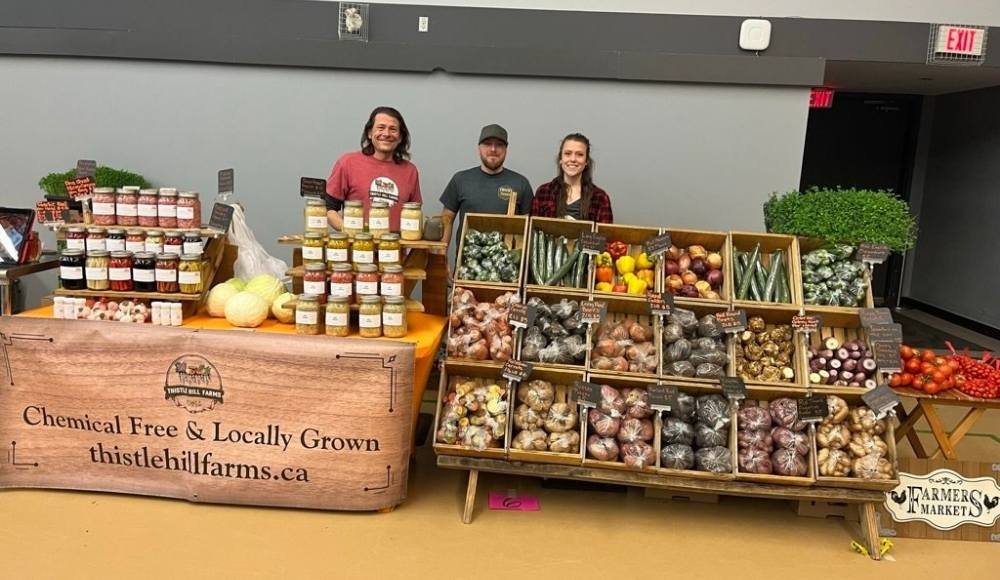
The market’s commitment to local and organic products shines through in the variety of items available. Vendors offer chemical-free microgreens, greenhouse and storage vegetables, a large selection of organic maple syrup, raw honey, and plant-based products.
This focus on locally sourced and sustainable goods makes the Blackfalds Farmers Market a must-visit destination for those seeking healthy and eco-friendly options.
Community Activities and Entertainment
Beyond shopping, the Blackfalds Farmers Market is celebrated for its vibrant community activities and entertainment. From live music performances to engaging children's activities, the market ensures there’s always something happening to delight visitors.
The market’s active social media presence, especially on Facebook, keeps the community informed about upcoming events, special promotions, and new vendor additions. This fosters a strong sense of connection and involvement among residents.
With flexible operating locations, the market adapts to the seasons seamlessly. The indoor market at the Blackfalds Community Centre provides a cozy and welcoming space during cooler months, while the outdoor market at the Multi-plex arena offers a lively and expansive setting in warmer weather. This adaptability ensures the market remains a central part of community life year-round.
6. Innisfail Growers Cooperative
The Innisfail Growers Cooperative is a pioneering example of collective farming, showcasing how collaboration can drive significant success in agriculture. Established over 30 years ago, this cooperative was formed by a group of family farms in central Alberta who recognized the advantages of working together to achieve shared goals. By uniting their efforts, these farmers avoided internal competition and focused on specializing in different crops, boosting both efficiency and the variety of products they offer.
Inspired by a trip to the Netherlands and the UK, the cooperative adopted a model that has enabled them to jointly invest in essential infrastructure, such as a packing house and transportation—key elements in their growth and sustainability. Additionally, the cooperative provides valuable work experience for the growers' children, many of whom actively participate in managing and attending market events. This collective approach has allowed Innisfail Growers to attend approximately 20 markets during the summer season and three year-round markets, including those in Calgary.
Exclusive Produce and Products
The Innisfail Growers Cooperative is celebrated for its diverse and high-quality range of produce and products. It comprises five family farms, each specializing in unique crops. For example, Beck Farms is renowned for its carrots, along with other vegetables such as beets, parsnips, and peppers.
Edgar Farms stands out for its asparagus, sweet garden peas, and various types of beans. Upper Green Farms focuses on potatoes, while The Jungle Farm is famous for its strawberries and greenhouse crops like lettuce and pumpkins.
Hillside Greenhouses enriches the cooperative's offerings with fresh vegetables and a delicious selection of salsas, sauces, and dressings.
What truly sets Innisfail Growers apart is not only the exceptional quality of their produce but also the personal connection they foster with consumers. By actively participating in markets, the growers share the stories behind their produce, creating a meaningful bond between farmers and customers. This combination of personal engagement, variety, and quality has made Innisfail Growers a favorite among those who value local, fresh, and sustainably grown food.
7. Bentley Farmers Market
TheBentley Farmers Market, located in a charming small town, offers a rich and diverse culinary experience that celebrates the best of local and organic produce. Open every Saturday from the May long weekend to September 22nd, this market is a haven for fresh fruits, vegetables, and a variety of other locally sourced products.
Visitors can enjoy chemical-free microgreens, farm-fresh vegetables, maple syrup, plant-based products, and even sourdough pasta. These offerings reflect the market's dedication to quality and sustainability.
Beyond fresh produce, the market boasts an assortment of local baking, handicrafts, and plants. Artisanal vendors provide unique, handmade items such as homemade jewelry and artisan-crafted bath and beauty products. This combination of fresh food and handcrafted goods makes the Bentley Farmers Market a must-visit destination for those seeking authentic flavors and crafts from Central Alberta.
Season Highlights and Events
The Bentley Farmers Market is more than a shopping destination; it's a vibrant hub for community events and activities. Throughout the season, the market hosts various events that enhance its lively atmosphere.
From culinary demonstrations to live music performances, there's always something happening to keep visitors entertained. Located at the Bentley Curling Rink and Parking Lot, the market offers ample space for these events, making it a lively and welcoming spot every Saturday.
One of the standout features of the Bentley Farmers Market is its online ordering system, allowing customers to place orders in advance and pick them up at the market. Combined with free parking and a friendly atmosphere, this convenience makes it an ideal outing for families and individuals alike.
Whether you're in search of fresh groceries, unique gifts, or simply a fun afternoon out, the Bentley Farmers Market has something special to offer everyone.
Tips for Visiting the Farmers Markets
To make the most out of your visit to the farmer's markets in Red Deer, Alberta, here are some valuable tips to keep in mind:
Gather Information First: Before heading to the market, do some research online to find out the operating hours, schedules, and any special protocols or events. Many markets have websites or social media pages where they post updates, so it's a good idea to check these beforehand.
Arrive Early or Late: Arriving early at the market can give you the best selection of produce and help you avoid the crowds. However, showing up late can sometimes result in lower prices as vendors try to clear out their remaining stock.
Plan Your Meals Ahead of Time: To avoid impulse buying and ensure you make the most of your visit, plan your meals for the week ahead. Knowing what is in season and what you need can help you create a more focused shopping list.
Bring Your Own Bags and Containers: Bringing reusable bags, containers, and even a small cart can make your shopping experience more convenient and environmentally friendly. This also helps reduce the need for single-use plastic bags.
Take a Lap Before You Buy: Walk through the entire market before making any purchases. This allows you to compare offerings from different vendors, check prices, and find the best-quality products.
Chat with the Farmers and Vendors: One of the unique benefits of farmers' markets is the opportunity to interact directly with the people who grow and produce your food. Ask questions about the produce, its origin, and how to prepare it. This can enhance your shopping experience and provide valuable insights into the food you are buying.
Be Flexible and Spontaneous: While it's good to have a plan, also leave room for spontaneity. Farmers' markets often feature new and unexpected products, so be open to trying new things and discovering fresh favorites.
Know the Payment Methods: Check ahead of time to see if the market accepts credit cards, mobile payments or if cash is preferred. Some markets may also offer tokens or cards that can be purchased with a credit card and used at the market.
Enjoy the Experience: Farmers' markets are not just about shopping; they are also social events. Take the time to enjoy the atmosphere, sample local foods, and engage with the community. This can make your visit a fun and memorable experience.
Conclusion: Red Deer farmers market
The farmers markets in Red Deer, Alberta, provide a vibrant and diverse experience that blends local commerce, community connection, and a celebration of fresh, high-quality products. From the bustling Red Deer Public Market to the modern Gasoline Alley Farmers Market, as well as the charming markets in Sylvan Lake, Lacombe, Blackfalds, the Innisfail Growers Cooperative, and Bentley, each destination offers a unique and enriching experience.
To make the most of your visit, arrive early, bring reusable bags, and take the time to engage with the friendly vendors. By supporting these markets, you're not only enjoying fresh local goods but also contributing to the local economy, encouraging sustainable agriculture, and helping to build a stronger, more connected community.
Red Deer, Alberta, is a hidden gem for food lovers, offering a mix of cozy diners, lively eateries, and creative kitchens. From juicy burgers and sizzling steaks to spicy curries and fresh sushi, this city serves up flavors for every taste. Whether you’re a local or visiting Central Alberta, Red Deer’s restaurants focus on fresh, local ingredients like Alberta beef and prairie-grown veggies. Get ready to explore a food scene that’s as friendly and welcoming as the city itself!
Looking for family-friendly spots, date-night destinations, or quick bites? Red Deer has it all. Enjoy farm-to-table meals at rustic bistros, share giant plates of Greek food with loved ones, or sip craft cocktails on sunny patios. Many restaurants here celebrate Alberta’s farming roots, with chefs turning simple ingredients into unforgettable dishes. You’ll find everything from slow-cooked BBQ to Thai coconut curry, proving Red Deer’s food scene is as diverse as its community.
In this guide, we’ll share the top 10 restaurants in Red Deer that are loved by locals and travelers. These spots promise great service, bold flavors, and meals that make you feel at home. Let’s dig into the delicious details!
1.Westlake Grill: Red Deer’s Premier Dining Experience
Located in the scenic Heritage Ranch, Westlake Grill stands out as one of the best restaurants Red Deer offers, blending rustic charm with modern elegance. This tranquil escape is a top choice for Red Deer dining, where guests unwind amid natural beauty and cozy fireplaces. Known for its warm hospitality and expertly paired wines, the restaurant delights visitors with creative dishes perfect for casual lunches or romantic evenings.
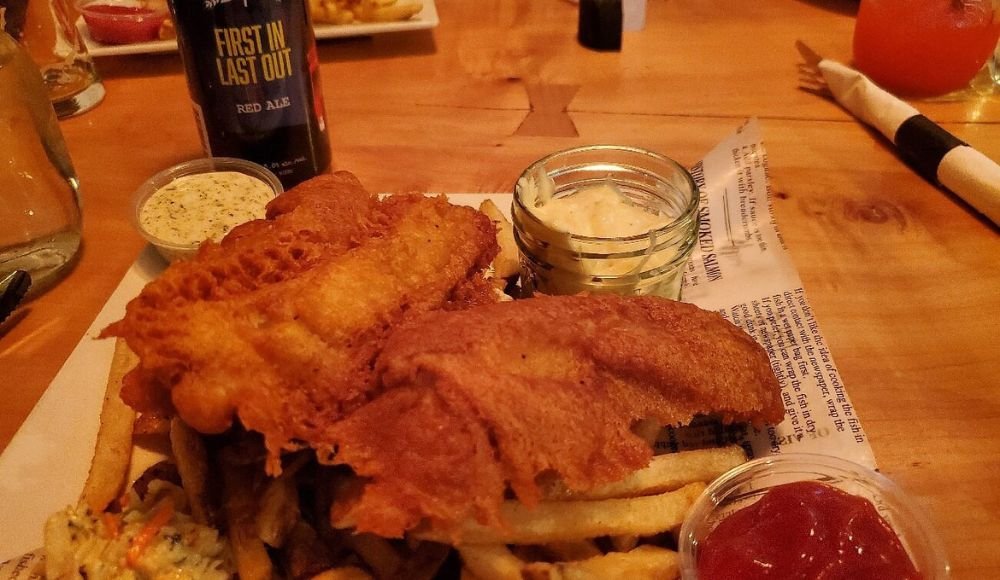
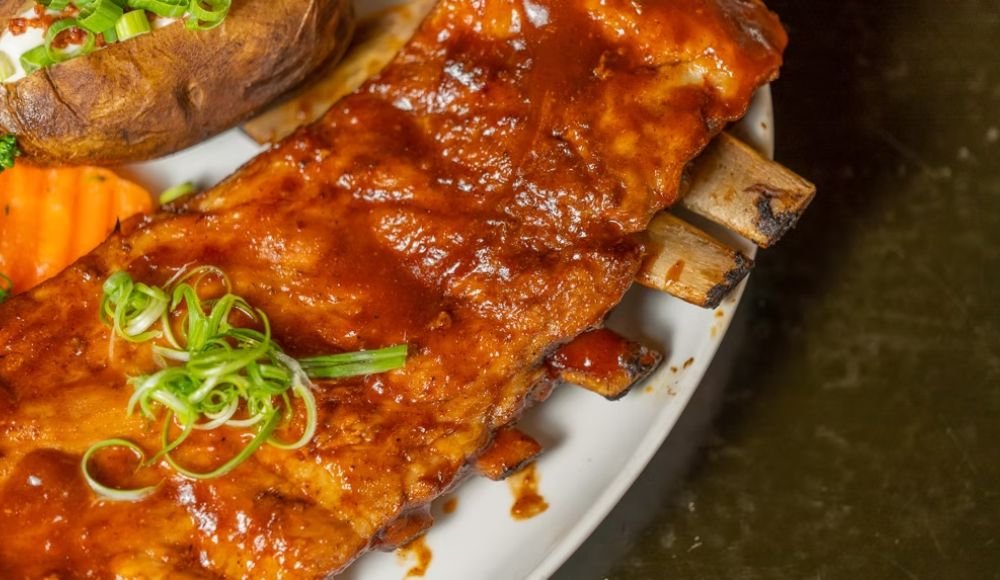
The Westlake Grill menu celebrates Alberta’s local cuisine, spotlighting farm-to-table Red Deer ingredients. Lunch highlights juicy burgers and crisp salads, while dinner shines with bold flavors like bison short ribs and beer-battered fish. Food enthusiasts adore the chef’s table, which features seasonal specialties that showcase the region’s culinary creativity. Every dish reflects Red Deer’s vibrant food culture, making each meal memorable.
A gem among Red Deer event venues, Westlake Grill hosts weddings, corporate gatherings, and intimate celebrations in its serene setting. The dedicated team ensures seamless events complemented by Heritage Ranch’s stunning views. For unforgettable meals rooted in Alberta’s local cuisine and warm hospitality, Westlake Grill is a must-visit for locals and travelers alike.
Must-Try: Five-course dinner menu or Maple Whiskey Smoked Atlantic Salmon Bagel.
2. Cilantro and Chive – A Flavorful Family Favorite
Cilantro and Chive is a cozy, family-run restaurant in Red Deer that focuses on fresh, local ingredients. Known for its farm-to-table style, this spot changes its menu with the seasons to make the most of Alberta’s best produce. The chefs here love to get creative—try their famous Mac & Cheese Mondays or enjoy giant Caesar cocktails topped with mini sliders, pickles, or even bacon. It’s a fun, laid-back place where every meal feels special.
The menu is packed with hearty Canadian comfort food. Don’t miss the Pulled Pork Sandwich, loaded with tender meat and tangy sauce, or the Maple Pecan Salmon, which mixes sweet and savory flavors perfectly. Dishes are made with ingredients from nearby farms, so you’re tasting the true flavors of Central Alberta. Even the burgers and salads have a unique twist, showing off the kitchen’s creativity.
Cilantro and Chive is perfect for families, friends, or a casual date night. With friendly staff, themed dinner nights, and a warm vibe, it’s no wonder locals call this place a hidden gem. Stop by to enjoy delicious food, creative drinks, and a taste of Red Deer’s welcoming community spirit.
Must-Try: Pulled Pork Sandwich or Maple Pecan Salmon.
3. The Granary Kitchen – Homestyle Comfort in Red Deer
The Granary Kitchen is a cozy spot in Red Deer that serves up classic Canadian comfort food with a farm-to-table twist. Every dish is made using fresh and hand-selected Alberta-sourced ingredients, from locally raised meats to veggies grown in nearby fields. This makes the food taste like home but even better! Start your day with their hearty breakfasts, like fluffy Eggs Benedict, or grab a juicy burger for lunch—it’s no wonder locals call this place a hidden gem for tasty, filling meals.
Two dishes you can’t miss are the Chicken, Brie, and Fig Panini and the Pacific Rice Bowl. The panini mixes creamy brie cheese with sweet figs and tender chicken, all grilled to perfection. The rice bowl is packed with fresh veggies, protein, and a zesty sauce, showing off the kitchen’s skill at turning simple ingredients into something special. Both meals highlight why farm-to-table dining in Red Deer is so popular—it’s fresh, flavorful, and supports local Alberta farmers.
With its friendly vibe and generous portions, The Granary Kitchen is perfect for families, friends, or even a solo treat. The rustic décor and welcoming staff make everyone feel at home. Whether you’re craving a big breakfast, a satisfying lunch or just want to try the best burgers in Red Deer, this spot proves that comfort food can be both delicious and responsibly made.
Must-Try: Chicken, Brie, and Fig Panini or Pacific Rice Bowl.
4. It’s All Greek to Me – Family-Friendly Greek Flavors
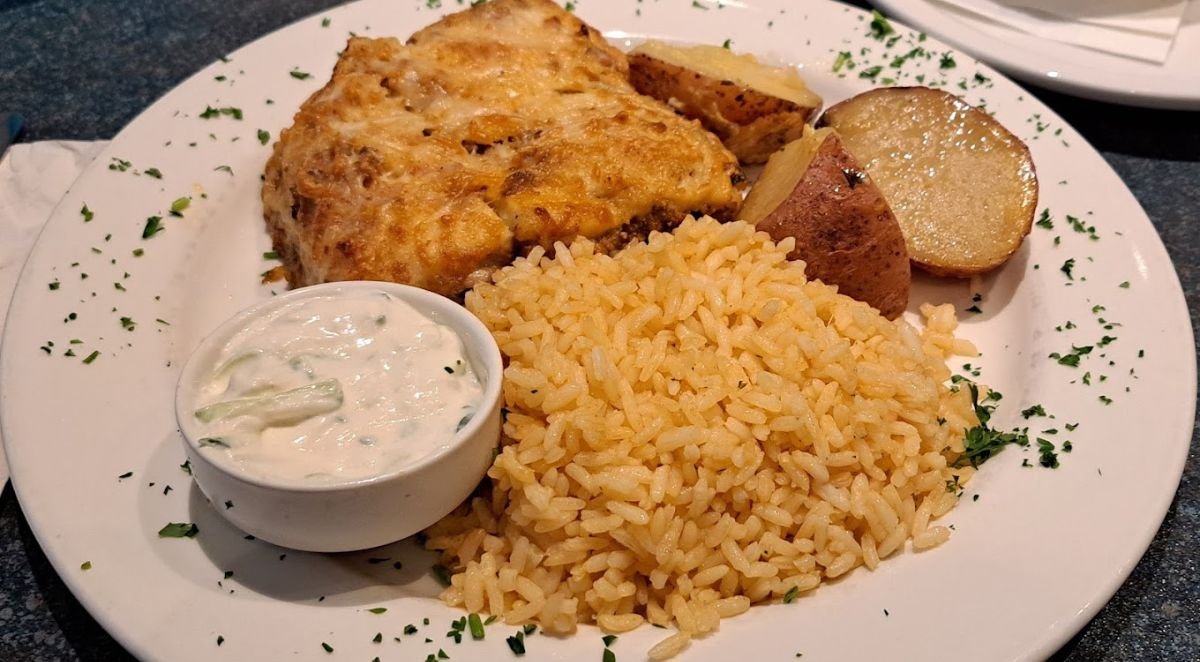
Step into It’s All Greek to Me, a lively restaurant in Red Deer where authentic Greek cuisine takes center stage. This family-friendly spot is known for its warm, welcoming vibe and generous portions of classic dishes like creamy moussaka and juicy souvlaki. The staff treats everyone like family, making it a perfect place for big gatherings or casual meals. With colorful décor and a relaxed atmosphere, it’s easy to feel like you’re dining in a cozy taverna in Greece!
Don’t leave without trying their famous Meze platters or slow-roasted lamb. The Meze platters let you sample a bit of everything—think crispy falafel, tangy tzatziki, and stuffed grape leaves. The slow-roasted lamb is fall-off-the-bone tender, seasoned with herbs and served with roasted veggies. Every bite shows why this spot is a top choice for authentic Greek food in Alberta.
It’s All Greek to Me delivers big flavors and happy memories, whether you’re craving a hearty meal or sharing dishes with friends. It’s a must-visit for anyone looking to enjoy the best Greek cuisine in Red Deer while supporting local Alberta businesses.
Must-Try: Meze platters or slow-roasted lamb.
Address: 3701 50 Ave, Red Deer, Alberta T4N 3Y7
Phone: 403-986-2286
Hours: 4:00 p.m. – 10:00 p.m.
5. One Eleven Grill – Steakhouse Charm with Live Jazz Vibes
One Eleven Grill is a historic steakhouse in Red Deer where juicy steaks and fresh seafood take center stage. Known for its classy, old-school vibe and live jazz music, this spot is perfect for a fancy night out. They use premium Alberta beef, aged right in-house, and serve seafood favorites like buttery crab legs and tender lobster tail. Whether you’re celebrating a special occasion or just craving a top-notch meal, the warm lighting and smooth tunes make every visit feel memorable.
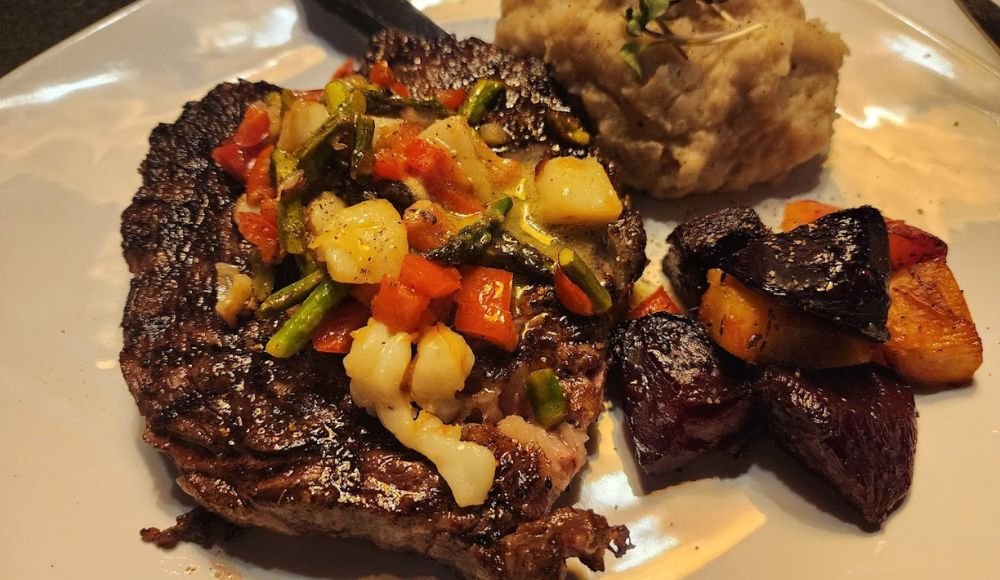
Don’t miss their signature dishes: the in-house aged ribeye and the bacon-brie-mushroom burger. The ribeye is rich, juicy, and cooked to perfection, while the burger piles crispy bacon, creamy brie, and earthy mushrooms on a toasted bun. Both dishes show why this place is a go-to for Alberta beef lovers. Pair your meal with a local craft beer or a glass of wine for the full experience.
With friendly service and a menu full of hearty options, One Eleven Grill is a must-visit for steak and seafood fans. It’s one of Red Deer’s best spots for a romantic dinner, family celebration, or fun night with friends. Come hungry, leave happy, and enjoy a taste of Alberta’s finest flavors!
Must-Try: In-house aged ribeye or bacon-brie-mushroom burger.
Address: 5301 43 St #108, Red Deer, AB T4N 1C8
Hours: 11:30 am-12 am Monday to Sunday
Phone: (587) 457-2667
Website: https://oneelevengrill.com
6. Occam’s Razor – Creative Cocktails & Modern Bites
Occam’s Razor is a trendy downtown Red Deer hotspot mixing craft cocktails with modern Canadian flavors. This stylish spot is perfect for foodies who love trying new things. The menu changes with the seasons, so you’ll always find fresh dishes like small plates and artisanal charcuterie boards made with Alberta ingredients. Bring your furry friend too—the pup-friendly patio is a hit for relaxed afternoons or evening hangouts.
Two dishes stand out: the creamy deviled eggs with unique toppings and the Alpine Agriculture entrée, packed with locally grown veggies and proteins. Pair your meal with a signature cocktail, like a smoky mezcal drink or a fruity gin mix. Every bite and sip shows off the chef’s creativity and love for local flavors.
With its cozy vibe, friendly staff, and Instagram-worthy plates, Occam’s Razor is a top pick for date nights, girls’ nights, or casual drinks. It’s one of Red Deer’s best cocktail bars for trying bold flavors and supporting Alberta farmers. Stop by to taste why this place is a downtown favorite!
Must-Try: Deviled eggs or Alpine Agriculture entrée
7. Chubby Jerk BBQ & Kitchen – Bold Caribbean Flavors on a Budget
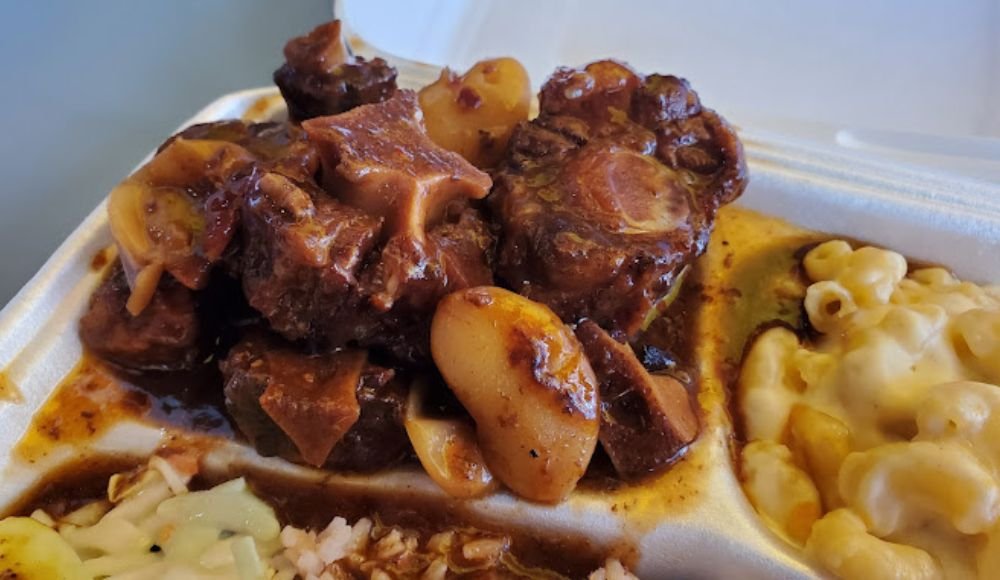
Chubby Jerk BBQ & Kitchen brings the vibrant tastes of the Caribbean to Red Deer with its bold, spicy dishes. This casual spot is famous for its jerk chicken, packed with smoky heat, and rich oxtail stew that falls off the bone. The laid-back vibe and budget-friendly prices make it a go-to for quick lunches or relaxed dinners. Friendly service and generous portions keep locals and visitors coming back for more.
Don’t miss their Jamaican banana bread—soft, sweet, and spiced just right—or the daily lunch specials that offer big flavour without breaking the bank. The jerk seasoning, made with fresh herbs and spices, adds a kick to every dish. Pair your meal with a tropical drink for a true island-inspired feast.
Perfect for families, solo diners, or anyone craving authentic Caribbean food, Chubby Jerk BBQ & Kitchen proves great meals don’t need fancy décor. Stop by to enjoy hearty portions, warm hospitality, and a taste of Jamaica right in Alberta. It’s a must-try for spice lovers and anyone looking to support local Red Deer eateries!
Must-Try: Jamaican banana bread or lunch specials.
8. Tandoor N Flame Restaurant – Authentic Indian Flavors in Red Deer
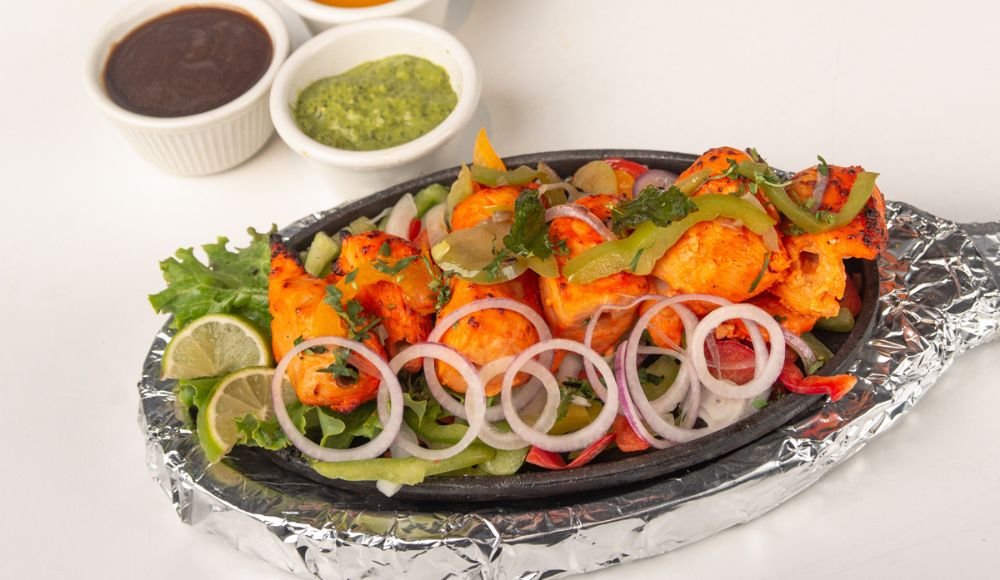
Tandoor N Flame Restaurant brings the rich tastes of India to Red Deer with its authentic tandoori dishes and flavorful curries. Using traditional clay ovens and family recipes, this spot cooks up tender meats, smoky grilled veggies, and creamy sauces that burst with spices. Vegetarians will love the many plant-based options, like paneer tikka or lentil dal, making it a top pick for everyone. The warm hospitality and cozy décor add to the inviting vibe, perfect for family dinners or group gatherings.
Two standout dishes are the Lamb Rogan Josh and Tandoori Prawns. The Lamb Rogan Josh features slow-cooked meat in a rich, aromatic curry sauce, while the Tandoori Prawns are marinated in yogurt and spices, then grilled to perfection. Both dishes showcase the skill of traditional Indian cooking and the restaurant’s commitment to bold flavors.
With friendly service and generous portions, Tandoor N Flame is a must-visit for anyone craving the best Indian cuisine in Red Deer. Whether you’re new to Indian food or a longtime fan, this family-friendly restaurant offers a tasty journey through India’s culinary traditions. Don’t forget to try their garlic naan—it’s the perfect side for soaking up every last bite!
9. Blue Dragon – Bold Southeast Asian Flavors in Red Deer
Blue Dragon is a cozy hidden gem in Red Deer, serving vibrant Thai and Cambodian dishes. This hole-in-the-wall spot is loved for its authentic Southeast Asian flavors, from tangy curries to fragrant stir-fries. With vegan and gluten-free options, everyone can enjoy meals like crispy tofu salads or spicy coconut soups. The casual, no-fuss vibe makes it perfect for quick lunches or laid-back dinners with friends.
Two must-try dishes are the Golden Chicken Coconut Curry and Phnom Penh Fried Rice. The curry mixes tender chicken with creamy coconut milk and aromatic spices, while the fried rice packs flavor with juicy shrimp, pork, and a hint of lime. Both dishes highlight the restaurant’s skill in balancing sweet, salty, and spicy tastes—a hallmark of Thai and Cambodian cooking.
Affordable and welcoming, Blue Dragon is a top pick for anyone craving fresh, bold Southeast Asian cuisine in Red Deer. Whether you’re vegan, gluten-free, or just love trying new flavors, this family-friendly spot proves great food doesn’t need fancy frills. Don’t miss this taste of Thailand and Cambodia right in Alberta!
Must-Try: Golden Chicken Coconut Curry or Phnom Penh Fried Rice.
Address: 7611 49 Ave, Red Deer, AB T4P 1M3
Phone: (403) 309-9906
Hours: Monday to Friday: 11:30 am to 8 pm Saturday to Sunday: 3 pm to 8 pm
Queen’s Diner is a lively blast from the past, serving classic American and Canadian diner dishes in a retro 1950s setting. With checkered floors, neon signs, and jukebox tunes, this family-friendly spot is perfect for all-day breakfasts, juicy burgers, or milkshakes. Don’t miss their themed events like vintage car shows, where classic cars park outside, adding extra fun to your meal.
The Kind Canadian Burger with Poutine and Strawberry Rhubarb Pie are must-try dishes. The burger stacks crispy bacon, cheese, and a beef patty, topped with golden fries and gravy—pure Canadian comfort food. The pie balances sweet strawberries and tart rhubarb in a flaky crust, made fresh daily. Both dishes capture the diner’s focus on hearty, nostalgic flavors.
Affordable, welcoming, and full of charm, Queen’s Diner is a top pick for families, friends, or solo diners craving a retro dining experience. Whether you’re digging into Alberta’s poutine or sharing a slice of pie, this spot proves that good food and good times never go out of style.
Must-Try: Kind Canadian Burger with Poutine or Strawberry Rhubarb Pie.
Red Deer’s top 10 restaurants prove that great food and unforgettable dining experiences are at the heart of Alberta’s culinary culture. From the farm-to-table freshness of The Granary Kitchen to the bold Caribbean spices at Chubby Jerk BBQ & Kitchen, each spot offers something unique.
These spots invite you to taste the passion behind every dish. With options for vegans, gluten-free diners, and meat lovers alike, Red Deer’s restaurants are more than places to eat—they’re where memories are made. Dive into this food-loving city and discover why Alberta’s flavors shine brightest here!
Traveling from Calgary to Banff without a car is easier than ever, thanks to a variety of convenient and affordable transportation options. Whether you're a visitor flying into Calgary or a local looking for a stress-free way to reach the mountains, you don’t need to rent a car to enjoy the breathtaking journey. Public transit, regional shuttle services, and guided tours make it simple to experience the stunning landscapes of the Canadian Rockies without the hassle of driving. Plus, skipping the car means you can sit back, relax, and soak in the views instead of worrying about road conditions or parking.
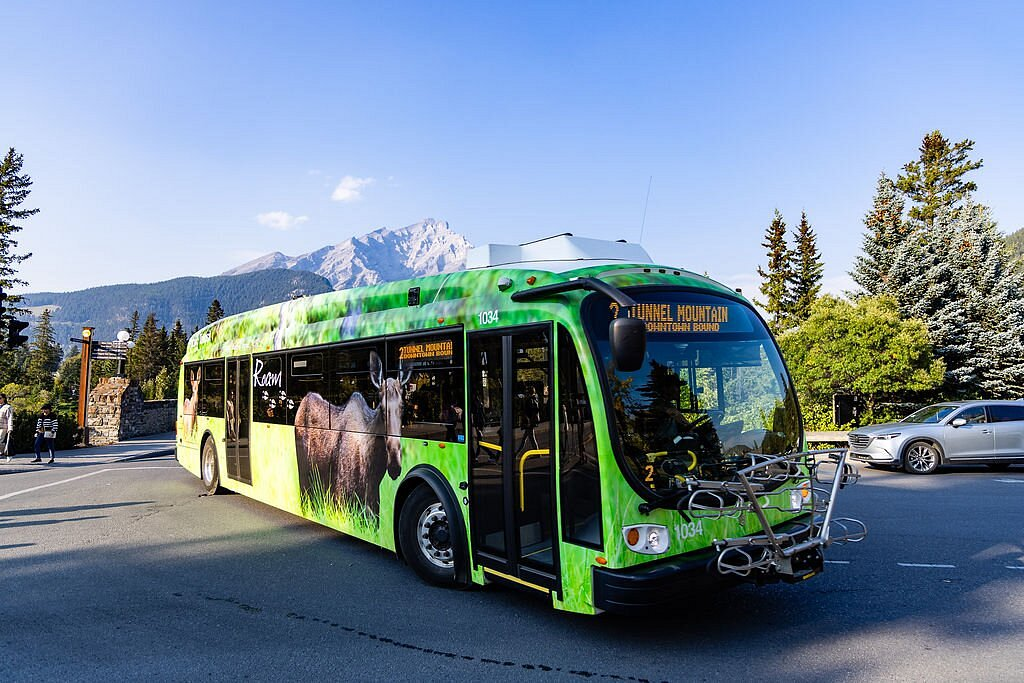
From budget-friendly bus services to scenic sightseeing tours, there are multiple ways to explore Banff and its surrounding attractions without a vehicle. The On-It Regional Transit offers a direct and affordable bus from Calgary to Banff, while Roam Transit makes it easy to navigate the town and nearby hotspots like Lake Louise and Johnston Canyon. For those looking for a more curated experience, guided tours provide transportation along with expert insights into Banff’s history and natural beauty. Whether you're heading out for an outdoor adventure or a relaxing getaway, traveling car-free is an easy, eco-friendly, and stress-free way to explore one of Canada’s most iconic destinations.
Why Choose a Car-Free Adventure from Calgary to Banff?
Choosing a car-free adventure from Calgary to Banff offers amazing benefits that can make your trip more enjoyable. You can save money on gas, parking fees, and rental costs, making it a budget-friendly option. This eco-friendly travel choice helps reduce your carbon footprint, and it also means less stress on the road. By using public transportation or guided tours, you can relax and enjoy the scenic views along the way without the hassle of driving.
The Calgary to Banff route is perfect for travelers looking for a unique, car-free experience. The journey takes you through stunning landscapes and charming towns, offering a safe and convenient way to explore one of Canada’s most beautiful regions. This stress-free travel option lets you focus on discovering new attractions and enjoying the fresh mountain air while taking advantage of affordable and reliable transit options.
Convenient Transportation Options from Calgary to Banff
When planning your trip from Calgary to Banff, you might wonder how to get there without a car. Luckily, there are plenty of options available. You can choose from luxury shuttles to budget-friendly buses. Let’s dive into the various transportation choices you have!
Luxury Travel with AM PM Limousines: If you’re looking for a touch of elegance, consider AM PM Limousines. They offer a stylish travel experience that can make your trip feel special. Imagine riding in a luxury car or even a party bus! Prices vary based on the number of passengers and the type of vehicle you choose. This option is perfect for those who want to travel in comfort.
Affordable Options with On-It Transit: For budget travelers, On-It Transit is a fantastic choice. With fares starting at just $10 one way, it’s hard to beat that price! This service runs a direct route from downtown Calgary to Banff, making it easy for you to explore the area without breaking the bank. It’s especially convenient during weekends and holidays from May to September. Why spend more when you can save?
Direct Routes with Airport Shuttle Express: If you’re flying into Calgary, the Airport Shuttle Express is a great option. They provide daily transport from YYC Calgary International Airport to any hotel in Banff. This means you can step off the plane and into a shuttle without any hassle. It’s a straightforward way to start your adventure in the beautiful Banff National Park.
Other Shuttle Services to Consider
Brewster Express: This service offers direct shuttles from downtown Calgary or the airport to popular destinations like Canmore and Lake Louise.
Banff Airporter: They provide flexible services departing from Calgary International Airport, making it easy to fit into your travel plans.
As you can see, there are many ways to travel between Calgary and Banff.
“Traveling between Calgary and Banff is effortless with so many transport choices available.”
You can pick what suits you best!
How to explore Banff without a car
Once you arrive in Banff, you’ll find that getting around is just as easy. The town is pedestrian-friendly, especially along Banff Avenue, where you can enjoy Banff restaurants, shops, and stunning views. Plus, the Roam Transit system offers local bus services at great prices. For just $2.00 for a one-way adult fare, you can explore the area without needing to drive.
Public Transit in Banff: Roam Bus Services: In Banff, public transit is a smart and simple way to travel. Roam bus services and other local routes make it easy to move around town without a car. These buses run on a regular schedule and cover most areas, so you can explore local shops, restaurants, and parks with ease. Using public transit is a great way to enjoy Banff while keeping travel costs low.
Eco-Friendly Mobility Options: Bike and E-Bike Rentals: For those who prefer eco-friendly mobility, bike and e-bike rentals are a fun option. Renting a bike allows you to ride along scenic paths and enjoy the fresh mountain air. E-bikes give you extra power to climb hills without extra effort. This mode of transportation not only helps reduce pollution but also keeps you active during your stay in Banff.
Convenient Shuttle Services: Top Attractions Access: Shuttle services provide easy access to popular attractions like Lake Louise, Moraine Lake, and Johnston Canyon. These shuttles are designed for tourists, offering comfort and convenience as you travel to some of Banff’s most breathtaking sites. With these services, you can enjoy a stress-free journey and make the most of your time exploring the wonders of Banff without a car.
Explore on Foot: Banff’s Pedestrian-Friendly Streets: Banff is designed for pedestrians. You can wander through the town at your own pace. The streets are lined with stunning views, and everything is within a short walking distance. You can grab a coffee, visit a gallery, or just enjoy the fresh mountain air. It’s like a treasure hunt, where every turn reveals something new and exciting.
Explore local shops: From unique souvenirs to outdoor gear, there’s something for everyone.
Enjoy delicious dining: Taste local cuisine at various restaurants, each offering a unique flavor.
Take in breathtaking views: The scenery is simply stunning, making every step worthwhile.
Getting Around with Roam Transit
Once you’re ready to venture beyond the town, the Roam Transit system has got you covered. This affordable public transport option connects you to major attractions in Banff National Park. For just $2.00 for a one-way ticket or $5.00 for a day pass, you can hop on a bus and explore the park’s natural wonders.
Roam Transit makes it easy to reach popular spots like the Banff Gondola or the stunning Lake Minnewanka. You can sit back and enjoy the ride, taking in the views without worrying about parking or directions. It’s a stress-free way to experience the great outdoors.
Parks Canada Shuttles
For those looking to visit specific destinations within the park, the Parks Canada Shuttles are a fantastic option. These shuttles run daily and offer low fares, typically between $5.00 and $10.00 for a round trip. You can visit incredible places like Johnston Canyon or Moraine Lake without the hassle of driving.
"The beauty of Banff can be fully embraced on foot or using public transport."
So, why not leave the car behind? Embrace the freedom of walking and public transport. You’ll discover that navigating Banff without a car is not only possible but also enjoyable. You can focus on the sights, sounds, and experiences that make this destination so special.
Must-Visit Attractions Accessible Without a Car
Downtown Delights: Explore Banff Avenue & Townsite Banff Avenue and the Townsite offer a vibrant mix of shopping, dining, and culture. Strolling along these streets, you can find local boutiques, cozy cafes, and art galleries. This area is perfect for travelers looking to experience the local lifestyle. Enjoy the lively atmosphere and take in the unique charm of Banff without a car.
Iconic Experiences: Ride the Banff Gondola The Banff Gondola is a must-see attraction that gives you breathtaking views of the mountains and valleys. This popular ride is easy to access and offers stunning panoramic sights. The gondola ride is a simple way to enjoy the beauty of Banff from a high vantage point. It is a memorable experience for anyone looking for iconic adventures in the Canadian Rockies.
Natural Wonders: Discover Shuttle-Access Attractions Shuttle services make it simple to visit natural wonders like Lake Louise, Moraine Lake, and nearby hot springs. These attractions are famous for their clear blue waters and amazing landscapes. With scheduled shuttles, you can travel safely and comfortably to these spots. Enjoy the convenience of shuttle access as you explore the natural beauty of Banff.
Outdoor Adventures: Enjoy Accessible Hiking Trails For nature lovers, Banff offers accessible hiking trails and hidden gems waiting to be discovered. These trails wind through beautiful forests and open meadows, perfect for a peaceful walk or an exciting hike. You can explore scenic paths that show off the best of Banff’s landscape. Outdoor adventures in Banff provide a great way to connect with nature without the need for a car.
Conclusion
Traveling car-free from Calgary to Banff lets you enjoy amazing views of the mountains and valleys without worrying about traffic or parking. This sustainable mode of travel helps you save money on fuel and rental fees while reducing your carbon footprint. You get to relax and focus on the experience, enjoying a stress-free journey that brings you closer to nature. Budget-friendly options and green choices make this trip a smart pick for responsible travelers.
Choosing to go car-free on your trip from Calgary to Banff offers an unbeatable way to explore the Canadian Rockies. You can enjoy a relaxed pace, connect with nature, and experience local culture up close. With reliable transit options and easy access to top attractions, your journey becomes both simple and enjoyable. This approach to travel proves that a sustainable, stress-free adventure is the best way to see one of Canada’s most beautiful regions.
TL;DR: You can easily explore both Calgary and Banff without a car using various transportation options such as shuttles, public transit, and biking. This guide provides all the information you need for a hassle-free trip.
Embark on an unforgettable journey from the bustling city of Calgary to the prehistoric wonders of Dinosaur Provincial Park, a UNESCO World Heritage Site that promises to transport you back in time. This iconic destination, located in the heart of Alberta’s badlands, is renowned for its otherworldly landscapes, rich fossil deposits, and fascinating history.
If you're a paleontology enthusiast, a nature lover, or simply seeking a unique adventure, this guide will help you navigate the route, plan your itinerary, and make the most of your trip. From scenic drives to must-see attractions, we’ll cover everything you need to know to ensure a smooth and exciting journey.
Traveling from Calgary to Dinosaur Provincial Park is more than just a road trip—it’s an opportunity to explore the diverse beauty of Alberta, from rolling prairies to dramatic canyons. Along the way, you’ll discover charming small towns, stunning viewpoints, and plenty of opportunities to stretch your legs and soak in the scenery.
In this ultimate guide, we’ll provide you with practical tips, including the best routes, travel times, and essential stops to enhance your experience. Get ready to uncover the secrets of the ancient past and create memories that will last a lifetime on this epic Alberta adventure!
Setting the Scene: Why Dinosaur Provincial Park?
Dinosaur Provincial Park offers you a unique glimpse into Canada's prehistoric past. Imagine walking where dinosaurs once roamed. It’s not just a park; it’s a time machine. You can almost hear the echoes of ancient giants in the wind. Isn’t that fascinating?
This park is home to one of the richest deposits of dinosaur fossils in the world. Over 500 dinosaur specimens have been discovered here. That’s more than many other places combined! Each fossil tells a story. Each rock holds secrets of a time long gone. As you explore, you might find yourself wondering: What did these creatures look like? How did they live?
Dinosaur Provincial Park is perfect for family adventures and nature exploration. It’s a place where kids can learn and play. You can hike along scenic trails, camp under the stars, or join guided tours. These activities are not just fun; they’re educational too. Imagine your children discovering the wonders of nature while having the time of their lives. What could be better than that?
Hiking: Explore various trails that lead you through stunning landscapes.
Camping: Spend a night under the vast, starry sky.
Guided Tours: Learn from experts about the park's rich history and ecology.
Dinosaur Provincial Park is recognized as a UNESCO World Heritage Site. This means it’s not just any park; it’s a treasure. The park showcases remarkable badlands landscapes. You’ll see striking rock formations and vibrant prairie grasslands. The colors and shapes are breathtaking. It’s a photographer’s paradise.
But that’s not all. The park is also a haven for various wildlife. You might spot bighorn sheep, coyotes, or even a rattlesnake if you’re lucky. The diverse ecosystem adds to the park’s charm. It’s a place where nature thrives. Can you imagine the thrill of seeing wildlife in their natural habitat?
"Exploring Dinosaur Provincial Park is like stepping back into time, where every rock tells a story of ancient giants." - Explorer Enthusiast
As you wander through the park, you’ll find over 30 square kilometers of stunning landscapes. Each area has its own unique features. From the dramatic badlands to the lush grasslands, there’s so much to see. You might feel like you’re in a different world. The beauty of this place is truly captivating.
In summary, Dinosaur Provincial Park is not just a destination; it’s an experience. It’s a place where you can connect with nature and history. So, pack your bags and get ready for an adventure. The park awaits you with open arms and countless stories to tell.
Planning the Route: Best Roads to Take
When you set out from Calgary, the journey to Dinosaur Provincial Park is as exciting as the destination itself. The roads you choose can transform your trip into an unforgettable adventure. So, what are the best routes to take? Let’s dive into the scenic highways and hidden gems that await you.
1. Scenic Highways from Calgary
One of the best options is the Trans-Canada Highway. This highway offers stunning views of Alberta’s diverse landscapes. You’ll see rolling hills, vast prairies, and even the majestic Rocky Mountains in the distance. It’s a straight shot to your destination, making it a popular choice for travelers.
Another great option is Highway 36. This route is less traveled but equally beautiful. You’ll pass through charming small towns and open fields. It’s a perfect way to experience the local culture. Plus, it’s a chance to take those scenic photos that will make your friends envious.
2. Alternative Routes for a Unique Experience
Looking for something different? Consider taking some back roads. These routes may not be as direct, but they offer a unique perspective on Alberta’s beauty. You might stumble upon hidden lakes, wildlife, and breathtaking views that you wouldn’t see on the main highways.
Think about Highway 1A as an alternative. It winds through the countryside and offers a more leisurely drive. You’ll find quaint cafes and local shops along the way. It’s a great way to break up the journey and enjoy the local flavors.
3. Estimating Travel Times and Distances
Now, let’s talk about travel times. The drive from Calgary to Dinosaur Provincial Park is approximately 2.5 hours or 200 kilometers. This makes it an easy day trip or a weekend getaway.
Keep in mind that your travel time may vary based on the route you choose and any stops you make along the way. It’s always a good idea to check for road conditions and plan accordingly. After all, you want to enjoy the journey, not just rush to the destination.
"The road less traveled can often lead to the most memorable adventures." - Travel Blogger
Choosing the right route sets the tone for your adventure. It allows you to experience the diverse landscapes of Alberta on your way to the dinosaur riches. So, pack your bags, hit the road, and enjoy the ride!
Must-See Stops Along the Way
Traveling from Calgary to Dinosaur Provincial Park? You’re in for a treat! This journey is not just about reaching your destination; it’s about the experiences you gather along the way. Let's explore some must-see stops that will enrich your adventure.
Unique Attractions
Brooks: This small town is rich in history. Visit the Brooks Aqueduct, a fascinating piece of engineering that tells the story of Alberta's irrigation system. You can take a leisurely walk along the aqueduct and enjoy the scenery.
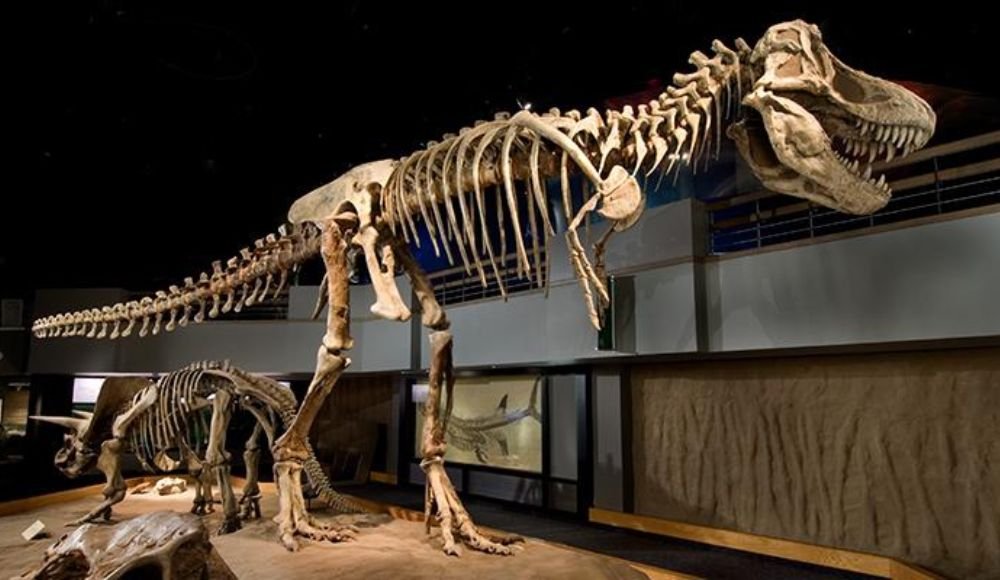
Drumheller: Known as the “Dinosaur Capital of the World,” Drumheller is home to the Royal Tyrrell Museum. Here, you can marvel at dinosaur fossils and learn about prehistoric life. It’s a must-visit for anyone interested in paleontology.
Horsethief Canyon: Just outside Drumheller, this canyon offers stunning views and great hiking trails. The colorful rock formations are a photographer's dream. Don’t forget your camera!
Local Eateries
What’s a road trip without good food? Alberta is known for its culinary delights. Here are some local eateries you shouldn’t miss:
Oyen’s Diner: Stop here for a hearty breakfast. The pancakes are fluffy, and the coffee is strong. It’s the perfect fuel for your journey.
The Last Chance Saloon: Located in Wayne, this quirky restaurant serves delicious burgers and has a unique atmosphere. You can even explore the nearby ghost town after your meal.
Horsethief Canyon Café: After your hike, grab a bite at this cozy café. They offer homemade soups and sandwiches that will satisfy your hunger.
Rest Areas with Stunning Views
Need a break? There are several rest areas along the route that offer breathtaking views:
Badlands Viewpoint: This spot provides panoramic views of the Badlands. It’s a great place to stretch your legs and take in the unique landscape.
Red Deer River Lookout: Stop here for a quick photo op. The river winding through the valley is a sight to behold.
Scenic Overlook at Drumheller: Just before you enter Drumheller, there’s an overlook that gives you a fantastic view of the town and the surrounding hills.
Cultural Sites
To truly appreciate Alberta, you must explore its cultural sites:
Atlas Coal Mine: Located in East Coulee, this historic site offers guided tours of a former coal mine. It’s a fascinating glimpse into Alberta’s mining history.
Royal Tyrrell Museum: As mentioned earlier, this museum is not just about dinosaurs. It also showcases the rich geological history of the area.
Local Art Galleries: Keep an eye out for small art galleries in towns like Drumheller and Brooks. They often feature local artists and unique pieces.
Remember, “Taking the scenic route is more than just a detour; it’s an opportunity to weave in local culture with your adventure.” - Travel Enthusiast. These stops turn a simple road trip into an exploration of Alberta’s culture, history, and cuisine. Enjoy the journey as much as the destination!
What to Expect at Dinosaur Provincial Park
Dinosaur Provincial Park is a treasure trove of natural wonders. You’ll find diverse wildlife and unique geology that captivates visitors of all ages. Imagine walking through a landscape that feels like a scene from a prehistoric movie. The park is home to various animals, including deer, coyotes, and even the occasional bighorn sheep. Each visit is a chance to connect with nature in a way that few places can offer.
The park's geology is equally impressive. With its stunning rock formations and vibrant colors, it’s like nature’s own art gallery. You might wonder how these formations came to be. Over millions of years, erosion and sedimentation shaped the land, creating a breathtaking backdrop for your adventures. The sheer beauty of the landscape is enough to leave you speechless.
Guided Tours for Fossil Hunting
One of the best ways to explore Dinosaur Provincial Park is through guided tours. These tours operate during the park's visitor season and provide a hands-on experience of the prehistoric era. You’ll have the opportunity to uncover fossils and learn about the ancient creatures that once roamed this land. It’s not just a tour; it’s an adventure into the past.
Imagine holding a piece of history in your hands. The guides are knowledgeable and passionate, making the experience even more enriching. They share fascinating stories about the fossils and the history of the area. You’ll leave with a deeper appreciation for the natural world and its history.
Camping Facilities and Tips
If you want to immerse yourself in the beauty of Dinosaur Provincial Park, consider camping. The camping facilities are well-equipped and provide an excellent opportunity to connect further with nature. Imagine sitting around a campfire under a blanket of stars, listening to the sounds of the wilderness. It’s a perfect way to unwind and enjoy the great outdoors.
When planning your stay, remember to pack essentials like food, water, and camping gear. The park offers various campsites, so you can choose one that fits your needs. Some sites are more secluded, while others are closer to amenities. Make sure to check availability and book in advance, especially during peak season.
Essential Information for Families
Visiting Dinosaur Provincial Park is a fantastic family adventure. There are plenty of activities suitable for kids and adults alike. From fossil hunting to hiking trails, there’s something for everyone. Make sure to bring comfortable shoes for walking and plenty of water to stay hydrated.
Safety is also a priority. Keep an eye on your children and educate them about wildlife. It’s important to respect the animals and their habitat. The park is a living museum; as a park ranger once said,
“Dinosaur Provincial Park is unlike any park; it’s a living museum of Earth’s ancient past.”
This quote perfectly captures the essence of the park.
So, are you ready for an unforgettable experience? Dinosaur Provincial Park awaits with its wonders and adventures. Whether you’re a solo traveler, a couple, or a family, this park has something special for you. Get ready to explore the past and create lasting memories!
Tips and Tricks for the Perfect Visit
Planning a trip to Dinosaur Provincial Park? You’re in for a treat! This stunning park is home to some of the most incredible landscapes and fossil finds in Canada. But before you set off, there are a few essential tips to keep in mind. Preparation is key to ensuring your excursion is smooth and enjoyable. Here’s how you can make the most of your visit.
Packing Essentials
First things first: packing. What should you bring? Here’s a quick list of essentials:
Comfortable Footwear: You’ll be doing a lot of walking. Make sure your shoes are sturdy and comfortable.
Weather-Appropriate Clothing: The weather can change quickly in the park. Layering is your best friend.
Water and Snacks: Stay hydrated and energized. Bring plenty of water and some light snacks.
Sun Protection: Sunscreen, hats, and sunglasses are a must. The sun can be intense.
Camera: Capture the breathtaking views and unique wildlife. You’ll want to remember this trip!
Remember, packing wisely can make your trip much more enjoyable. You don’t want to be caught unprepared.
Safety Precautions
Exploring the park is exciting, but it’s important to be cautious. Here are some safety tips:
Stay on Marked Trails: This is crucial for your safety and the protection of the ecosystem. Straying off the path can lead to accidents and harm to the environment.
Wildlife Awareness: Keep a safe distance from animals. They are wild and unpredictable. Never feed them!
Emergency Kit: Carry a small first aid kit. It’s better to be prepared for minor injuries.
Inform Someone: Let someone know your plans. This is especially important if you’re hiking alone.
By following these precautions, you can enjoy the park while keeping yourself safe.
Respecting Wildlife and Nature
Respecting the park’s wildlife and natural beauty is essential. How can you do this? Here are some tips:
Leave No Trace: Pack out what you pack in. Don’t leave trash behind.
Observe from a Distance: Use binoculars or a zoom lens for wildlife viewing. This keeps both you and the animals safe.
Stay on Trails: This protects the delicate ecosystems in the park. It’s important for conservation.
By respecting nature, you help preserve the park for future visitors.
Leveraging Resources
Finally, leverage available resources for planning your visit. The park’s official website is a treasure trove of information. You can find maps, trail guides, and tips for your trip. Local visitor centers also offer insights and advice. Don’t hesitate to ask rangers for recommendations. They know the park well and can point you to hidden gems.
As you prepare for your adventure, remember: “A great trip is not just about the destination but also about how well you prepare for it before you go.” - Travel Expert. With these tips, you’ll be ready to explore Dinosaur Provincial Park safely and respectfully. Enjoy your journey!
TL;DR: Traveling from Calgary to Dinosaur Provincial Park offers an exhilarating blend of nature, history, and unforgettable experiences. Plan your trip with tips on the best routes, stops, and park highlights.
Located in the heart of the Canadian Rockies, Waterton Lakes National Park is a breathtaking destination that offers a perfect blend of rugged mountain landscapes, serene lakes, and abundant wildlife. Known for its stunning scenery and peaceful atmosphere, Waterton is a haven for outdoor enthusiasts and nature lovers alike. Whether you're an experienced camper or a first-timer, this guide will provide you with everything you need to know to plan an unforgettable camping adventure in one of Canada’s most picturesque parks. From choosing the best campsites to exploring hidden trails, we’ve got you covered.
Camping in Waterton National Park is more than just a getaway—it’s an opportunity to disconnect from the hustle and bustle of everyday life and reconnect with nature. With its diverse range of camping options, including front-country sites for families and backcountry spots for seasoned adventurers, Waterton caters to all levels of outdoor experience. In this ultimate guide, we’ll walk you through essential tips, must-see attractions, and practical advice to ensure your trip is safe, enjoyable, and memorable. Get ready to immerse yourself in the beauty of Waterton and create memories that will last a lifetime!
Camping at Waterton National Park: Choosing the Right Campsite
When planning your camping trip to Waterton National Park, the choice of campground can make all the difference. You want a spot that suits your needs, whether you're bringing the whole family or seeking a peaceful retreat. Let's explore the different campground options available in Waterton.
1. Different Campground Options in Waterton
Waterton offers a variety of campgrounds, each with its unique charm. Here are a couple of popular choices:
Townsite Campground: This is the most accessible campground. It’s close to the townsite, making it easy to grab supplies or enjoy a meal out. Plus, it has amenities like water and restrooms.
Crandell Mountain Campground: If you prefer a more secluded experience, this is the place for you. Nestled in the trees, it offers a peaceful atmosphere and is perfect for those who want to escape the hustle and bustle.
Each campground has its own vibe. Townsite is lively and family-friendly, while Crandell is quiet and serene. Think about what kind of experience you want. Do you want to be near activities or away from it all?
2. Family-Friendly Spots vs. Secluded Hideaways
Choosing between family-friendly spots and secluded hideaways can be tough. If you’re camping with kids, you might want a place that offers more amenities. Townsite Campground is ideal for families. It has easy access to playgrounds and picnic areas. Kids can run around and explore without you worrying too much.
On the other hand, if you’re looking for a romantic getaway or just some alone time, consider a secluded site like Crandell. Here, you can enjoy the sounds of nature and the beauty of the mountains. It’s a perfect spot for stargazing at night or enjoying a quiet morning coffee.
3. Proximity to Popular Trails and Attractions
Another important factor is how close your campsite is to popular trails and attractions. You don’t want to spend all your time driving. Instead, you want to be able to hit the trails quickly. Townsite Campground is conveniently located near many hiking trails. You can easily access the Bear's Hump trail or the Crypt Lake trail from here.
Crandell Mountain Campground, while more remote, also offers access to beautiful trails. The hike to the Crandell Mountain viewpoint is breathtaking. Just be prepared for a bit of a trek. It’s worth it for the stunning views.
Remember, planning is key. Make sure you book your campsite in advance, especially during peak season. Spots fill up quickly, and you don’t want to be left without a place to stay.
"Waterton's campgrounds are designed for both adventure and relaxation." - National Park Service
Exploring various campgrounds can help tailor your experience. You can find the perfect spot that meets your needs, whether you’re traveling with family or seeking solitude. So, take your time and choose wisely!
Essential Gear for a Memorable Camping Trip
Camping can be a fantastic way to connect with nature. But to truly enjoy your time outdoors, you need the right gear. Let’s dive into some essential packing tips, must-have tools, and sustainable practices to keep our environment pristine.
Packing Tips for Comfortable Camping
First things first: packing. You want to make sure you have everything you need, but you also don’t want to overpack. Here are some tips:
Choose the right tent: Size matters! A tent that’s too small can make for a cramped night. Look for one that fits your group comfortably. Also, consider weather resistance. A waterproof tent can save you from a soggy night.
Sleeping gear: A good sleeping bag is crucial. Look for one that suits the season. If it’s cold, go for a bag rated for lower temperatures. Don’t forget a sleeping pad for extra comfort!
Cooking equipment: Bring a portable stove or a campfire grill. Cooking outdoors can be fun, but you need the right tools. Pack lightweight pots and utensils. They make cooking and cleaning easier.
Remember, comfort is key. You want to enjoy your time in the great outdoors, not dread the nights spent in discomfort.
Must-Have Tools for Safety and Convenience
Safety should always be a priority when camping. Here are some must-have tools to ensure you stay safe:
First aid kit: Accidents happen. A well-stocked first aid kit can be a lifesaver. Include band-aids, antiseptic wipes, and any personal medications.
Multi-tool: A good multi-tool can serve many purposes. From opening cans to making quick repairs, it’s a handy item to have.
Flashlight or headlamp: When the sun goes down, you’ll need light. A flashlight or headlamp can help you navigate at night. Don’t forget extra batteries!
Having these tools can help you feel more secure and prepared. You’ll be able to handle any situation that comes your way.
As you enjoy your camping trip, remember to respect nature. Here are some sustainable practices to consider:
Leave no trace: Pack out what you pack in. This includes trash, leftover food, and even toilet paper. Keeping the area clean helps preserve it for future campers.
Use eco-friendly products: Opt for biodegradable soaps and shampoos. They are better for the environment and won’t harm local wildlife.
Stay on trails: Walking off the path can damage plants and soil. Stick to established trails to minimize your impact.
By following these practices, you can enjoy your camping experience while protecting the environment. After all, “The right gear can transform your camping experience from roughing it to glamping” - Outdoor Enthusiast.
So, as you prepare for your next adventure, keep these tips in mind. They can make your trip more enjoyable and sustainable.
Exploring Hiking Trails and Scenic Spots
Are you ready to lace up your hiking boots and hit the trails? Waterton National Park offers some of the most stunning landscapes and diverse hiking experiences. From easy strolls to challenging treks, there’s something for everyone. Let’s dive into the top trails, hidden gems, and breathtaking viewpoints that await you.
Top Trails: Length and Difficulty
Crypt Lake Trail: This trail is a must-try for any hiking enthusiast. It spans a 17.2 km round trip and typically takes about 3-5 hours to complete. The trail features a mix of terrain, including steep climbs and rocky paths. You'll be rewarded with stunning views of the lake and surrounding mountains.
Bear's Hump: If you're short on time, this 2 km hike is perfect. It takes about 1 to 2 hours to reach the top. The ascent is steep, but the panoramic views of Waterton townsite and the lake are worth every step.
Both trails cater to different skill levels. Crypt Lake is for those looking for a challenge, while Bear's Hump is great for a quick adventure. Which one will you choose?
Off-the-Beaten-Path Suggestions
Looking for something a bit more unique? Consider exploring some lesser-known trails. These hidden gems often provide a more peaceful experience, away from the crowds. For instance, the Rowan Lake Trail offers a serene atmosphere and beautiful scenery. It’s less traveled, making it ideal for those seeking solitude.
Another option is the Carthew-Alderson Trail. This trail is longer and more challenging, but it presents breathtaking views of the surrounding valleys and peaks. You might even spot some local wildlife along the way. Just remember to keep a safe distance and respect their space.
Breathtaking Viewpoints for Photography
Waterton is a photographer's paradise. There are countless spots to capture the beauty of nature. One of the best viewpoints is at the top of Bear's Hump. Here, you can snap stunning photos of the lake, the mountains, and the vibrant colors of the park.
Another fantastic location is the Crypt Lake viewpoint. The view of the turquoise water against the backdrop of rugged cliffs is simply breathtaking. Don’t forget your camera! You’ll want to capture these memories.
"Hiking in Waterton connects you to the wilderness like no other experience." - Local Guide
As you explore these trails, keep an eye out for local wildlife. Waterton is home to a variety of animals, including deer, bears, and birds. To spot them safely, make noise while hiking and stay on marked trails. This helps ensure both your safety and the animals’ well-being.
In summary, Waterton National Park offers a range of hiking experiences. From well-known trails like Crypt Lake and Bear's Hump to hidden gems and stunning viewpoints, there’s plenty to explore. So, what are you waiting for? Grab your gear and start your adventure today!
Culinary Delight: Campfire Recipes to Savor
Cooking outdoors can be a thrilling experience. Imagine the crackling fire, the smell of smoke, and the laughter of friends. It’s not just about the food; it’s about the moments you create together. You might be wondering, what can you cook over an open fire? Let’s dive into some easy recipes and creative ideas that will make your next camping trip unforgettable.
1. Easy Recipes for Communal Meals
When you’re camping, meals can be a group affair. Think about foil packet meals. They’re simple and fun, and everyone can customize their own. Just grab some aluminum foil, toss in your favorite ingredients, and seal it up. You can use:
Chicken or fish
Vegetables like bell peppers and zucchini
Seasonings like garlic and herbs
Wrap it tight and place it on the grill or over the fire. In about 20 minutes, you’ll have a delicious meal ready to share. It’s a great way to bond with friends and family. Plus, cleanup is a breeze!
Another favorite is the classic s’mores. You can’t go wrong with graham crackers, chocolate, and marshmallows. But why not mix it up? Try adding peanut butter or using different types of chocolate. You can even use cookies instead of graham crackers for a fun twist. Everyone loves s’mores, and they’re perfect for ending the night around the fire.
2. Creative Ways to Cook Over an Open Fire
Cooking over an open fire opens up a world of possibilities. Have you ever tried cooking pizza on a grill? It’s easier than you think! Just bring a pre-made crust, your favorite toppings, and some cheese. Place it on a grill grate over the fire. In no time, you’ll have a crispy, cheesy delight. It’s a fun way to get everyone involved in the cooking process.
Another creative idea is to use a cast-iron skillet. You can make everything from breakfast eggs to desserts. Imagine a warm, gooey apple crisp cooked right over the fire. Just slice some apples, mix them with sugar and cinnamon, and top with oats and butter. Cook it in the skillet until it’s bubbly. It’s a crowd-pleaser!
3. Selecting Local Ingredients for Authenticity
Using local ingredients can elevate your meals. When you’re camping, visit nearby farmers’ markets or local stores. Fresh produce not only tastes better, but it also supports local farmers. Think about adding fresh herbs to your dishes. They can transform a simple meal into something special.
Consider bringing along local cheeses or meats. They can add a unique flavor to your meals. You might be surprised at how much a little local flair can enhance your campfire cooking. Remember, “Food tastes better when cooked under the stars, shared with friends.” - Camping Chef. This quote captures the essence of outdoor cooking.
So, as you plan your next camping trip, think about the meals you’ll prepare. Gather your friends, pick out some local ingredients, and get ready for a culinary adventure. Cooking outdoors can be a delightful experience that brings everyone together. Enjoy the process, and savor each bite!
Key Tips for a Safe and Enjoyable Experience
Camping can be one of the most rewarding experiences. However, it comes with its own set of challenges. To ensure you have a safe and enjoyable time, it’s essential to follow some key tips. Let’s dive into the important aspects of camping safety, wildlife encounters, and park regulations.
Safety Precautions While Camping
First and foremost, safety should always be your top priority. Before you head out, make sure you have the right gear. This includes a first aid kit, a reliable map, and a flashlight. You never know when you might need them. Also, familiarize yourself with the area you’ll be camping in. Are there any known hazards? Are there specific weather conditions to watch out for?
When setting up camp, choose a safe location. Avoid areas near water sources or under dead trees. These spots can be dangerous during storms. Also, always keep your food stored properly. Use bear-proof containers if you’re in bear country. Remember, “Safety is paramount, particularly in the wild regions like Waterton” - Park Ranger. This advice is crucial for a reason.
Wildlife Encounters: What to Do
Encountering wildlife can be thrilling, but it can also be dangerous. If you see a bear, do not run. Instead, back away slowly while speaking in a calm voice. Make yourself look bigger by raising your arms. If the bear approaches, stand your ground. Most importantly, never feed wildlife. This can create dangerous situations for both you and the animals.
Other wildlife, like moose or deer, can also be unpredictable. Keep a safe distance and observe them quietly. Remember, they are wild animals and should be treated with respect. If you’re unsure about what to do in a specific encounter, consult park guidelines or ask a ranger.
Understanding Park Regulations and Ethics
Every national park has its own set of rules. These regulations are in place to protect both the environment and visitors. Familiarize yourself with the park’s rules before you arrive. This includes campfire regulations, trail etiquette, and wildlife protection laws.
One crucial principle to remember is the Leave No Trace philosophy. This means you should leave your campsite as you found it. Pack out what you pack in. Dispose of waste properly and respect the natural surroundings. By doing this, you help preserve the beauty of the park for future visitors.
In conclusion, preparing for the unexpected is key to enjoying your camping experience. By following safety precautions, knowing how to handle wildlife encounters, and understanding park regulations, you can have a memorable adventure. Always keep in mind the importance of respecting nature. Your actions can make a difference. So, gear up, stay safe, and enjoy the great outdoors!
TL;DR: Camping at Waterton National Park offers a myriad of experiences—from scenic trails to camping essentials. Prepare your gear, explore recommended campsites, and enjoy the beauty of nature for an unforgettable adventure.
Have you ever felt that rush of excitement just before a camping trip, knowing that adventure awaits? I remember the first time I set up a tent under the stars in Alberta. It was a crisp evening, the smell of pine surrounded me, and the night sky was alive with stars. Alberta offers a rich tapestry of landscapes, which makes it one of the best provinces for camping. In this blog post, I'll share the 10 best campsites in Alberta to help you plan your next memorable adventure.
1. Banff National Park: The Jewel of the Rockies
Banff National Park is truly a breathtaking destination. Located in the heart of the Canadian Rockies, it offers stunning mountain landscapes that will leave you in awe. Imagine towering peaks, lush forests, and crystal-clear lakes. This park is a paradise for nature lovers and adventure seekers alike.
One of the highlights of Banff is its numerous hiking trails. You can choose from easy walks to challenging hikes. Each trail offers unique views and experiences. For example, the popular Johnston Canyon trail leads you to beautiful waterfalls. Have you ever stood in front of a waterfall? The sound of rushing water is simply mesmerizing. You can feel the mist on your face as you take in the scenery.
When it comes to camping, Banff has you covered. The park features easily accessible campgrounds, such as Tunnel Mountain Campground. This campground is perfect for families and solo travellers. You can set up your tent and enjoy the great outdoors. Imagine roasting marshmallows over a campfire under a starlit sky. It’s an experience you won’t forget.
Wildlife encounters are another exciting aspect of Banff National Park. You may spot elk grazing in the meadows or even catch a glimpse of a bear from a safe distance. Remember, these animals are part of the park's ecosystem. It’s essential to respect their space. Always follow park guidelines to ensure your safety and the animal’s well-being.
In addition to hiking and camping, Banff offers a variety of activities. One of the most popular is canoeing on Lake Louise. The lake's turquoise waters are stunning, especially against the backdrop of the mountains. Picture yourself gliding across the water, surrounded by nature’s beauty. It’s a peaceful experience that allows you to connect with the environment.
Banff National Park is not just a pretty place. It’s a UNESCO World Heritage Site, recognized for its natural beauty and ecological significance. Established in 1885, it is one of Canada’s oldest national parks. With a total area of 6,641 square kilometres, there’s so much to explore. Did you know that over 3 million visitors come to Banff each year? That’s a testament to its popularity and allure.
"Banff is where you connect with nature and its grandeur like nowhere else." - Travel Alberta
As you plan your visit, keep in mind that Banff is more than just a destination. It’s a place where you can immerse yourself in nature. From hiking to canoeing, there’s something for everyone. So, pack your bags and get ready for an adventure of a lifetime. Banff National Park awaits you with open arms!
2. Jasper National Park
Have you ever dreamed of a place where the stars shine brighter than anywhere else? Jasper National Park is that place. It is home to one of the largest dark sky preserves in the world. This means that when night falls, the sky transforms into a canvas of twinkling stars. You can see constellations, planets, and even the Milky Way with your naked eye. Isn’t that incredible?
During summer nights, the stargazing opportunities are phenomenal. Imagine lying on a blanket, surrounded by nature, as you gaze up at the vast expanse of the universe. You might even catch a glimpse of a shooting star. This experience is not just for astronomers; it’s for anyone who appreciates the beauty of the night sky. So, pack your telescope or simply bring a cozy blanket. You won’t regret it.
Jasper offers a range of camping options. You can choose from powered sites that provide electricity, or venture into the backcountry for a more rustic experience. Each option has its charm. Powered sites are great for families who want comfort, while backcountry sites are perfect for those seeking adventure. Imagine waking up to the sound of birds chirping and the smell of fresh pine. It’s a refreshing escape from the hustle and bustle of daily life.
Powered Sites: Ideal for families and those who enjoy modern conveniences.
Backcountry Sites: Perfect for adventurers looking to immerse themselves in nature.
Jasper National Park spans over 11,000 square kilometres. That’s a lot of space to explore! You can hike through lush forests, climb rugged mountains, or simply enjoy the breathtaking views. The park is also home to the Athabasca Glacier, a stunning sight that showcases the power of nature. Walking on a glacier is an experience like no other. It’s a reminder of the earth’s history and the beauty that surrounds us.
Wildlife viewing is another highlight of Jasper. You might spot elk, deer, or even bears roaming freely. The park’s remote location fosters incredible wildlife diversity. It’s a reminder that we share this planet with many other creatures. Always remember to respect their space. Observing wildlife in their natural habitat is a privilege, and it’s essential to keep a safe distance.
"Jasper feels like a world away, with its untamed wilderness and breathtaking vistas." - Local Guide
In Jasper, every corner offers something new. Whether you’re hiking a trail, camping under the stars, or simply soaking in the views, you’ll find endless opportunities for adventure. The park invites you to explore its beauty, to connect with nature, and to create memories that will last a lifetime. So, what are you waiting for? Adventure awaits in Jasper National Park!
3. Kananaskis Country
Kananaskis Country is a true treasure in Alberta. If you’re looking for a camping experience that feels more authentic and less commercialized than Banff or Jasper, this is the place for you. Here, you can escape the hustle and bustle of crowded tourist spots. Imagine waking up to the sound of birds chirping and the gentle rustle of leaves. It’s a refreshing change, isn’t it?
One of the best things about Kananaskis is the variety of outdoor activities available. You can hike through stunning trails, perfect for all skill levels. Want to feel the wind in your hair? Try mountain biking on the rugged paths. Fishing enthusiasts will also find plenty of spots to cast their lines. The options are endless, making it a fantastic destination for adventure seekers.
Hiking: Explore trails that lead you through breathtaking landscapes.
Mountain Biking: Ride along paths that challenge your skills and reward you with stunning views.
Fishing: Enjoy peaceful moments by the water, surrounded by nature.
The scenery in Kananaskis is nothing short of spectacular. Picture unique mountain vistas that seem to touch the sky. Wildflower-filled meadows paint the landscape with vibrant colours. Each season brings its own beauty, from lush greens in summer to the golden hues of autumn. It’s like stepping into a painting, where every corner reveals a new masterpiece.
This destination is also perfect for families and large groups. With spacious campgrounds and a variety of activities, there’s something for everyone. Kids can explore nature, while adults can relax and enjoy the serene environment. It’s a place where memories are made, whether you’re roasting marshmallows by the campfire or sharing stories under the stars.
Kananaskis spans over 4,000 square kilometres of protected land. Yes, you read that right—4,000 square kilometres! This vast area provides access to smaller, less crowded campsites. You won’t have to worry about noisy neighbours or long lines at the restrooms. Instead, you can immerse yourself in nature and enjoy the peace and quiet.
"Kananaskis is perfect for those seeking serenity and adventure in one escape." - Adventure Magazine
Local residents adore Kananaskis, and it’s easy to see why. The campgrounds cater to various preferences, whether you prefer a rustic experience or a more comfortable setup. You can find sites that allow you to pitch a tent or park your RV. The choice is yours! This flexibility makes Kananaskis a popular spot for both seasoned campers and newcomers alike.
So, if you’re planning your next camping trip, consider Kananaskis Country. It’s a hidden gem that offers a unique blend of adventure and tranquillity. You’ll leave feeling refreshed and inspired, ready to tackle whatever life throws your way. Why settle for the ordinary when you can experience the extraordinary?
4. Waterton Lakes National Park
Have you ever dreamed of a place where mountains touch the sky and lakes shimmer like jewels? Waterton Lakes National Park is a dream come true. This stunning park is known for its breathtaking lake and mountain views. You can almost feel the beauty wrapping around you like a warm blanket.
Waterton Lakes is ideal for those who enjoy both hiking trails and water activities. Imagine hiking through lush forests, with the sound of birds singing and the scent of pine in the air. Then, after a day of exploring, you can cool off in the crystal-clear waters of Waterton Lake. It’s the perfect blend of adventure and relaxation.
Breathtaking Views: The park is famous for its picturesque Waterton Lake, a perfect backdrop for relaxation.
Hiking Trails: There are numerous trails for all skill levels, winding through diverse landscapes.
Water Activities: Kayaking, canoeing, and fishing are just a few of the activities you can enjoy.
Did you know that Waterton is part of the Waterton-Glacier International Peace Park? This unique designation highlights the park's commitment to conservation and international cooperation. Established in 1895, it has been a sanctuary for wildlife and a haven for nature lovers. The park covers a total area of 505 square kilometres, making it spacious enough for everyone to find their own slice of paradise.
Each year, approximately 500,000 visitors come to experience the magic of Waterton. They come for the stunning scenery, the diverse wildlife, and the chance to escape the hustle and bustle of daily life. As one nature enthusiast put it,
"Waterton is quietly stunning, with a charm that pulls you in, inviting you to stay longer."
This sentiment rings true for anyone who has set foot in this enchanting place.
Waterton offers both peaceful camping and active adventures in a remarkable landscape. You can pitch a tent near the lake and listen to the gentle lapping of the water against the shore. Or, if you prefer, you can embark on a thrilling hike up to one of the park's many peaks. Each step you take reveals new vistas and hidden gems. The choices are endless.
5. Elk Island National Park: A Taste of the Prairie
Elk Island National Park is a hidden gem in Alberta. It’s a place where nature thrives. You can encounter bison, elk, and over 250 species of birds. Imagine standing quietly, watching these magnificent creatures roam freely. It’s a sight that leaves you in awe.
What makes Elk Island truly special? It’s not just the wildlife. The park is perfect for wildlife watching and photography. You can capture stunning images of animals in their natural habitat. The golden hour, when the sun sets, offers breathtaking views. Have you ever seen a bison silhouetted against a vibrant sunset? It’s a photographer's dream.
Elk Island offers a variety of camping options. You can choose from front-country campgrounds, which are easily accessible. These sites are ideal for families or those who prefer convenience. But if you’re looking for adventure, try the backcountry campgrounds. They provide a more rustic experience. You’ll feel closer to nature, surrounded by the sounds of the wild.
Did you know that Elk Island is one of the few places where you can observe bison in their natural habitat? Established in 1906, this park has been protecting these majestic animals for over a century. The total area of the park is 194 square kilometres. That’s a lot of space for wildlife to roam!
Home to bison, elk, and over 250 species of birds.
Perfect for wildlife watching and photography.
Offers both front-country and backcountry campgrounds.
When you visit, take a moment to appreciate the unique features of Elk Island. Its proximity to urban centers makes it an easily accessible wildlife retreat. You don’t have to travel far to escape the hustle and bustle of city life. Just a short drive can transport you to a world filled with nature.
Imagine camping under the stars, surrounded by the sounds of nature. You might hear the distant call of a bird or the rustling of leaves. And if you’re lucky, you might even spot a bison wandering nearby. As one wildlife photographer put it,
"Being surrounded by bison while camping is a unique adventure everybody should try!"
This experience is something you won’t forget.
Elk Island is not just a park; it’s a sanctuary for wildlife. It’s a place where you can reconnect with nature. The fresh air, the open skies, and the vibrant wildlife create a perfect setting for relaxation. Whether you’re an avid photographer, a wildlife enthusiast, or just someone looking to escape, Elk Island National Park has something for everyone.
So, pack your bags and head to Elk Island. Experience the beauty of the prairie and the thrill of wildlife watching. You’ll leave with memories that last a lifetime.
6. Writing-on-Stone Provincial Park
Writing-on-Stone Provincial Park, located in southeastern Alberta, is a captivating destination that offers a blend of stunning landscapes and rich Indigenous culture. The park is renowned for its ancient rock art, known as petroglyphs, created by the Blackfoot people. These carvings provide a glimpse into the spiritual and cultural history of the Indigenous communities that have inhabited the area for centuries. Visitors can participate in guided tours that share the significance of these artworks, enhancing their understanding of the local heritage.
The park features breathtaking views of the Milk River Valley and unique geological formations, including striking hoodoos. Hiking trails meander through this picturesque environment, allowing campers to explore the natural beauty while soaking in the historical context. Birdwatching and photography are popular activities here, especially with the diverse wildlife that calls the park home.
The campgrounds are well-maintained, providing a peaceful retreat where you can unwind and connect with nature. This lesser-known gem is perfect for those seeking a camping experience that goes beyond the typical, immersing you in the cultural richness of Alberta's Indigenous history.
7. Cypress Hills Provincial Park
Cypress Hills Provincial Park is a hidden gem in southeastern Alberta, renowned for its distinctive topography that features rolling hills and lush forests. This park offers a variety of campgrounds, including Elkwater Lake and Cypress Hills Interprovincial Park, making it an ideal base for outdoor enthusiasts.
With a plethora of hiking and mountain biking trails, visitors can explore the area at their own pace, enjoying the stunning views and rich wildlife. The park is also perfect for fishing, swimming, and picnicking, providing ample opportunities for relaxation.
Unique to Cypress Hills is its elevation, which creates a climate and ecosystem that differs from other regions in Alberta, making it a year-round destination for activities such as cross-country skiing in the winter. Reservations are recommended during peak seasons to ensure a spot in this beautiful park.
8.Miette Mountain Cabins
Located in the historic Miette area of Jasper National Park, Miette Mountain Cabins offers an idyllic alpine retreat for families, couples, and friends seeking a memorable mountain getaway. Located just a short drive from Jasper's east gate, these cabins provide a serene escape surrounded by the breathtaking beauty of the Canadian Rockies. Whether you're planning a family adventure, a romantic retreat, or a weekend with friends, Miette Mountain Cabins caters to all.
Guests can choose from a variety of accommodations, including private log cabins and cozy rooms, each designed to evoke a sense of nostalgia and comfort. The interiors feature warm wood finishes and classic stone fireplaces, creating a cozy atmosphere perfect for unwinding after a day of exploration. Many cabins also boast private patios, offering stunning views of snowcapped mountains and the surrounding natural beauty.
Miette Mountain Cabins is equipped with amenities to enhance your stay. Guests can enjoy the outdoor hot tub, perfect for relaxing while taking in the picturesque mountain scenery. For those looking to stay active, nearby trails offer opportunities for hiking and wildlife viewing. The on-site gift shop provides convenient access to essentials and souvenirs, ensuring a comfortable and enjoyable experience.
The prime location of Miette Mountain Cabins allows guests to immerse themselves in the natural wonders of Jasper National Park. The nearby historic Pocahontas mine site trail is great for snowshoeing and cross-country skiing. Whether you're seeking adventure or tranquillity, Miette Mountain Cabins serves as the perfect base for your Rocky Mountain escape.
9. Fish Creek Provincial Park
Fish Creek Provincial Park is an urban oasis located in Calgary, making it one of the largest urban parks in North America. This unique setting means you can enjoy all the benefits of a camping experience while still being close to city conveniences.
The park features several campgrounds that provide access to a variety of trails perfect for hiking, biking, and picnicking. With its beautiful landscapes, visitors can explore the serene surroundings, which are home to a diverse range of wildlife including deer, foxes, and many bird species.
Fishing in the creek is another popular activity, offering a tranquil way to soak up the natural beauty. The park is easily accessible, making it a great option for families or anyone looking to escape the hustle and bustle of city life without venturing too far from urban amenities.
10. St. Mary Lower Campground
St. Mary Lower Campground is situated near the eastern entrance of Glacier National Park, making it an ideal base for those wishing to explore this stunning area. The campground is surrounded by breathtaking mountain views and offers convenient access to a variety of hiking trails that range from easy walks to more challenging treks.
Campers can indulge in activities such as fishing in the nearby river, hiking the scenic trails, or simply enjoying the natural beauty that surrounds the campground. This location is particularly suitable for families and groups seeking a relaxing camping experience in a picturesque setting. Given its popularity, it is advisable to make reservations early, especially during the peak summer season, to ensure a spot in this beautiful locale.
Conclusion: Best Campsites In Alberta
As you wrap up your planning for the perfect camping trip in Alberta, it’s essential to consider your group's interests. Are you all about hiking, fishing, or simply looking to relax in nature? Each campground offers unique experiences tailored to different activities. Think about what excites you and your companions the most. This will help you choose the right spot that caters to everyone’s preferences.
Travel times and accessibility are also crucial factors. You wouldn’t want to spend hours on the road only to find out that the campground is difficult to reach. Look for locations that suit your adventure style. Do you prefer a remote site that requires a bit of hiking to get to? Or maybe a more accessible site that allows for a quick setup? Whatever your choice, make sure it aligns with your group’s comfort level and expectations.
Don’t forget about the practical side of camping. Permits, gear and the best seasons to visit are all important considerations. Some campgrounds require permits, especially during peak seasons. Make sure you secure these in advance to avoid any last-minute surprises. Check your gear as well. Is everything in working order? Do you have enough supplies for your trip? Planning ahead can save you from unnecessary stress during your adventure.
Lastly, aim to respect nature and leave no trace behind. This is not just a guideline; it’s a way to ensure that future generations can enjoy the same beauty you are experiencing. Carry out what you bring in, and be mindful of wildlife. Remember, the great outdoors is not just a place; it's a feeling. As you immerse yourself in Alberta's stunning landscapes, take a moment to appreciate the serenity and wonder around you.
FAQs: Campsites in Alberta
What are the best times of year to go camping in Alberta?
The best times to camp in Alberta are during the summer months, specifically from June to August when the weather is warm and perfect for outdoor activities.
Do I need a special permit to camp in Alberta camping sites?
Yes, most camping sites in Alberta require a permit, which can typically be obtained online or at the campsite.
What amenities can I expect at Alberta's camping sites?
Many camping sites in Alberta offer amenities like picnic tables, fire pits, restrooms, and sometimes shower facilities, though they vary by location.
Are there any family-friendly camping sites in Alberta?
Yes, Alberta has several family-friendly camping sites that provide activities for kids, such as hikes, swimming, and nature programmes.
Can I bring my pet along when camping in Alberta?
Many camping sites in Alberta allow pets, but it's important to check the specific site’s rules regarding pets before you go.
TL;DR Discover the top 10 camping sites in Alberta, ranging from the stunning mountain views of Banff and Jasper National Parks to the unique wildlife experiences at Elk Island and the cultural richness of Writing-on-Stone Provincial Park. Enjoy serene escapes in Kananaskis Country, scenic beauty in Waterton Lakes, and urban retreats at Fish Creek Provincial Park. Each site offers diverse outdoor activities, picturesque landscapes, and essential facilities for a memorable camping adventure.
Calgary, Alberta is a vibrant city full of exciting attractions and natural beauty. It is a place where modern city life meets stunning nature. The city is known for its warm community, rich culture, and friendly atmosphere. In this blog post, we share 10 great reasons why you should visit Calgary and enjoy all that it has to offer.
From its world-famous stampede to its breathtaking proximity to the Rocky Mountains, Calgary offers experiences that will captivate any traveller's heart. Let's explore the ten most compelling reasons why Calgary deserves a spot on your travel bucket list.
1. The Calgary Stampede
The Calgary Stampede isn't just a rodeo – it's a spectacular celebration of Western heritage that transforms the entire city every July. For ten action-packed days, the city comes alive with cowboy spirit, featuring world-class rodeo competitions that showcase the incredible skills of cowboys and cowgirls from around the globe.
The Stampede grounds buzz with energy as visitors enjoy midway rides, games, and food stands serving everything from traditional corn dogs to creative culinary innovations. The evening grandstand shows are particularly spectacular, featuring chuck wagon races, impressive musical performances, and a dazzling fireworks display that lights up the prairie sky.
Walking through downtown during Stampede time, you'll find free pancake breakfasts on almost every corner, with locals and visitors alike donning cowboy hats and boots. The western hospitality is infectious, and even the most corporate buildings and their employees embrace the Western theme with decorated storefronts and country attire.
The Stampede's commitment to preserving and celebrating Western heritage is evident in its Indigenous Village, where visitors can learn about First Nations culture through traditional performances, crafts, and storytelling. This unique blend of historical preservation and modern entertainment makes the Stampede an unforgettable experience.
2. Rocky Mountain Gateway
Calgary's location makes it the perfect gateway to the Canadian Rocky Mountains, sitting just an hour's drive from the magnificent mountain ranges. This proximity allows visitors to easily plan day trips or extended stays in world-famous destinations like Banff and Lake Louise.
The drive from Calgary to the mountains is an experience in itself, as you watch the landscape transform from prairie grasslands to dramatic rocky peaks. The Trans-Canada Highway offers stunning views and plenty of stopping points where you can take in the scenery or spot wildlife.
During winter, this location makes Calgary an ideal base for skiing enthusiasts, with several world-class ski resorts within easy reach. In summer, the same area becomes a paradise for hikers, mountain bikers, and nature photographers, offering endless trails and viewpoints.
The city's position as a mountain gateway also means you'll find plenty of outdoor equipment shops, tour operators, and knowledgeable locals who can help you plan your mountain adventures. Whether you're an experienced mountaineer or a casual sightseer, Calgary's proximity to the Rockies enhances any visit.
3. The Calgary Tower and Downtown Skyline
Standing 191 meters tall, the Calgary Tower offers the best views of the city's impressive downtown skyline. The observation deck features a glass floor section that gives visitors the thrilling experience of standing suspended above the city streets.
At night, the tower's LED light system illuminates the structure in different colours to celebrate various occasions and events, adding to the city's vibrant nighttime atmosphere. The rotating restaurant at the top provides a unique dining experience where you can enjoy local cuisine while taking in 360-degree views of the city.
The tower serves as an orientation point for visitors exploring downtown, making it easy to navigate the city's core. From this vantage point, you can spot other notable landmarks like the Bow building, Studio Bell, and the winding Bow River.
The area around the tower is equally engaging, featuring some of Calgary's best restaurants, shops, and entertainment venues. The pedestrian-friendly Stephen Avenue Walk, located nearby, offers excellent shopping and dining options in historic buildings.
4. Studio Bell, Home of the National Music Centre
Studio Bell is a stunning architectural masterpiece that houses Canada's National Music Centre. The building's unique design, resembling the curves of musical instruments, makes it a photographer's dream and a must-visit destination for architecture enthusiasts.
Inside, visitors can explore five floors of exhibition space dedicated to telling the story of music in Canada. The center houses over 2,000 rare instruments and artifacts, including the Rolling Stones Mobile Studio and the legendary TONTO synthesizer, which influenced the sound of artists like Stevie Wonder.
Interactive exhibits allow visitors to try their hand at different instruments and learn about sound engineering. Regular live performances in the performance hall showcase both established and emerging Canadian artists, making each visit unique.
The building also includes recording facilities, a radio station, and the Canadian Music Hall of Fame, making it a comprehensive celebration of Canada's musical heritage and future. The rooftop terrace provides yet another fantastic viewpoint of the East Village and downtown Calgary.
5. Prince's Island Park
Prince's Island Park stands as an urban oasis in the heart of Calgary, offering a peaceful escape from the city's bustling streets. This island park in the Bow River is accessible via several pedestrian bridges and features beautiful gardens, walking trails, and picnic areas.
Throughout the year, the park hosts various festivals and events, including the Calgary Folk Music Festival, which brings together musicians from around the world. The park's natural amphitheatre creates an ideal setting for outdoor concerts and performances.
The River Café, located within the park, is one of Calgary's most renowned restaurants, offering seasonal cuisine in a rustic-elegant setting. The restaurant's commitment to local ingredients and sustainable practices reflects Calgary's growing food culture.
The park also serves as an important wildlife habitat, particularly for birds. Walking through the park's wetland areas, visitors might spot Canada geese, mallard ducks, and even the occasional heron, making it a favourite spot for nature photographers and birdwatchers.
Calgary's museums offer engaging experiences for visitors of all ages. The Glenbow Museum, Western Canada's largest museum, showcases art and artifacts that tell the story of the West's culture and history. The museum's recent renovation has created even more impressive spaces for its extensive collection.
The TELUS Spark Science Centre provides hands-on learning experiences with its interactive exhibits and dome theatre. The center regularly updates its exhibits and offers special adult-only nights, making science accessible and entertaining for everyone.
Heritage Park Historical Village takes visitors back in time, featuring authentic buildings and costumed interpreters who bring Western Canadian history to life. The park includes a working steam train, paddle-wheeler boat, and various historic buildings that visitors can explore.
The Military Museums complex offers a comprehensive look at Canada's military history, featuring several museums under one roof. The facility houses an impressive collection of vehicles, aircraft, and artifacts, along with moving personal stories from veterans.
7. The Restaurant Scene and Local Food Culture
Calgary's culinary scene has exploded in recent years, earning the city recognition as a food destination. The city's restaurants range from high-end dining establishments to creative food trucks, all showcasing the region's excellent beef and agricultural products.
The city's cultural diversity is reflected in its restaurants, with authentic cuisines from around the world available in various neighbourhoods. Areas like 17th Avenue and Kensington are particularly known for their concentration of excellent dining options.
Local food markets, like the Calgary Farmers' Market and Crossroads Market, offer visitors the chance to sample local produce, meats, and artisanal products. These markets also feature food courts where local vendors serve up fresh, diverse cuisine.
The city's craft beer scene has also grown significantly, with numerous local breweries offering tours and tastings. Many of these breweries have tap rooms where visitors can sample unique local brews while enjoying casual dining options.
8. Sport and Recreation Facilities
As a city that hosted the 1988 Winter Olympics, Calgary maintains world-class sports facilities. The Canada Olympic Park, now WinSport, offers year-round activities including skiing, snowboarding, mountain biking, and bobsleigh rides.
The Scotiabank Saddledome, home to the NHL's Calgary Flames, provides exciting hockey action during the season. The arena also hosts major concerts and events throughout the year.
Calgary's extensive pathway system, the largest urban pathway network in North America, offers over 1,000 kilometres of trails for cycling, walking, and running. The paths connect various parks and natural areas, making it easy to explore the city's green spaces.
The city's recreation centers offer excellent facilities for swimming, skating, and other indoor activities. Many of these centers were built or upgraded for the Olympics and continue to serve both residents and visitors.
9. Shopping Experiences
Calgary offers diverse shopping experiences, from large malls to unique boutique districts. The CORE Shopping Centre downtown features over 160 stores under a spectacular glass skylight, creating a bright, comfortable shopping environment regardless of the weather.
Historic neighbourhoods like Inglewood, Calgary's oldest neighbourhood, offer eclectic shopping experiences with independent boutiques, antique shops, and art galleries. The area's historic buildings add charm to the shopping experience.
The CrossIron Mills outlet mall, located just outside the city, provides brand-name shopping at discount prices. The mall's unique design and wide selection of stores make it a destination in itself.
Market Collective, a recurring makers' market, showcases local artisans and designers. These events provide opportunities to purchase unique, locally-made items while supporting Calgary's creative community.
The Calgary Zoo, one of the city's most popular attractions, houses over 1,000 animals from around the world. The zoo's conservation efforts and breeding programs for endangered species have earned it international recognition.
The zoo's Prehistoric Park, featuring life-sized dinosaur models, provides an educational glimpse into Alberta's rich paleontological history. The Canadian Wilds section showcases native species in naturalistic habitats.
The ENMAX Conservatory houses beautiful botanical gardens with seasonal displays and a butterfly garden. The facility offers a tropical escape during Calgary's winter months.
The zoo's location on St. George's Island in the Bow River makes it easily accessible from downtown. Its walking paths and gardens make it a pleasant destination even for those less interested in animals.
Conclusion: Reasons to visit Calagary
Calgary is a city that successfully blends its Western heritage with modern urban amenities, creating a unique destination that offers something for everyone. From its world-famous Stampede to its proximity to the Rocky Mountains, from its cultural attractions to its outdoor recreational opportunities, Calgary provides visitors with endless possibilities for adventure and exploration.
Whether you're seeking outdoor thrills, cultural experiences, culinary delights, or simply want to experience authentic Western hospitality, Calgary welcomes you with open arms. Plan your visit to this dynamic city, and discover why Calgary is one of Canada's most exciting destinations.
Used only with old Urchin versions of Google Analytics and not with GA.js. Was used to distinguish between new sessions and visits at the end of a session.
End of session (browser)
__utmz
Contains information about the traffic source or campaign that directed user to the website. The cookie is set when the GA.js javascript is loaded and updated when data is sent to the Google Anaytics server
6 months after last activity
__utmv
Contains custom information set by the web developer via the _setCustomVar method in Google Analytics. This cookie is updated every time new data is sent to the Google Analytics server.
2 years after last activity
__utmx
Used to determine whether a user is included in an A / B or Multivariate test.
18 months
_ga
ID used to identify users
2 years
_gali
Used by Google Analytics to determine which links on a page are being clicked
30 seconds
_ga_
ID used to identify users
2 years
_gid
ID used to identify users for 24 hours after last activity
24 hours
_gat
Used to monitor number of Google Analytics server requests when using Google Tag Manager
1 minute
_gac_
Contains information related to marketing campaigns of the user. These are shared with Google AdWords / Google Ads when the Google Ads and Google Analytics accounts are linked together.
90 days
__utma
ID used to identify users and sessions
2 years after last activity
__utmt
Used to monitor number of Google Analytics server requests
10 minutes
__utmb
Used to distinguish new sessions and visits. This cookie is set when the GA.js javascript library is loaded and there is no existing __utmb cookie. The cookie is updated every time data is sent to the Google Analytics server.